It’s not unusual for an intrepid foreign explorer to uncover hidden gems in Lebanon. Like Honduras artist Adrian Pepe who explores the design and craft in ancient textile making in Beirut. Now James Kerwin, an Englishman in Lebanon, shows us the scale and beauty of abandoned palaces, mansions, and houses in his photography series called Lebanon Falling.
I’ve always experienced great joy slipping under a rusting gate in the Levante. Mansions and family homes stay standing, attesting to a more opulent time when conflict and Ikea were unknown to the region. When there was a train between Tel Aviv and Beirut and people’s homes were adorned with handmade crafts and designs from hand-poured cement tiles to hand-painted ceilings with ornate balconies and sheltered gardens.
Kerwin gives us a peek into this past as Lebanon’s traditional architecture lays abandoned and neglected calling out for a younger generation to repair the gaps. Unlike the Disney-like abandoned castles in Turkey, these homes are calling out for repair.
Kerwin says, “There is something about the Lebanese mansion. They are impossible to miss as the first thing which draws you in is the romantic exterior. Once I discovered a disused or abandoned house, it always filled me with excitement, as I never quite knew what was going to be inside. These homes were colorful, fascinating, and historic.”
He elaborates:
“The traditional house in the ottoman style could be hidden anywhere, and in many towns throughout Lebanon. this house typology first flourished in the 19th-century ottoman era and has a special relationship with nature — usually set in and around picturesque landscapes or towns.
“At first glance, such heritage buildings may look alike, but their individual personalities and unique traits can be discerned if one takes a closer look.
Similar Ottoman era homes can be found in Israel in cities like Jaffa, Haifa and Lod. They were built in the early 19th century when Europeans were settling around the Middle East area. The Europeans settled in the eastern Mediterranean region for trade. This community was known as “Levantine,” which means “eastern Mediterranean” in French.
If you love abandoned buildings and you are in Lebanon some buildings worth checking out include an abandoned Holiday Inn. James Kerwin tells Green Prophet that entry is allowed with an army escort but that compared to the abandoned Ottoman palaces, there isn’t much to see.
From Ottoman-era time in Lebanon
While the Ottoman-era buildings leave a lot to the imagination it wasn’t an easy period for many people in Lebanon, especially if you didn’t conform or practiced the right religion.
Our friend, environmental artist, Pablo Solomon writes:
“Seeing the Ottoman mansions in Lebanon was interesting. As you know my father’s family fled the Ottoman oppression and went to Mexico, only to have to flee the Revolutionaries and come to Texas.
“For my father and most of his family the first language was Arabic. On my mother’s side they had fled Germany in the 1850s due to religious oppression. They lived in close knit religious communities in Central Texas and only spoke German basically until the 1940s.
“One of the things my parents had in common was a love of freedom.” ::Jameskerwin
Against conventions, a UAE safari and zoo are acquiring wild animals with no regards to international laws and agreements. A big surprise in a nation where the wealthy drive gold Mercedes, and who believe everyone with money should own their own private zoo and walk cheetahs on a leash?
In March 2022, a group of wild Namibian elephants landed in the United Arab Emirates. An investigation by The New Arab reveals that the sale served to simulate an African safari experience in Emirati zoos with no benefit for the animals and Namibian locals, and violates international protocols.
Initially captured from their natural habitat in Kamanjab, north-western Namibia in early September 2021, these African elephants — an endangered species — spent six months in quarantine captivity. They were then heavily sedated before being loaded into shipping containers, onto a plane, and transferred to their final destinations: the Sharjah Safari Park and Abu Dhabi’s Al-Ain Zoo.
Sharjah Safari Park opened earlier this year and like many bombastic projects in the Arab world, this one is the largest safari park outside of Africa.
Located at Al Bridi Nature Reserve, the safari park was created by Sheikh Dr. Sultan bin Muhammad Al Qasimi, Ruler of Sharjah. It has over 1,000 animals and birds to see.
For Emirati rulers (except for the Green Sheik), the tourism-driven African theme of their wildlife parks apparently mattered more than the success of breeding programs.
It was made clear to Al-Ain Zoo Director Mark Craig that there were no imports from Africa with a European Association of Zoos and Aquaria (EAZA)-accredited breeding programme because past ones had not been successful. Arne Lawrenz, the EAZA Ex-situ Programme (EEP) coordinator for elephants, described the “philosophy” of the Emirati zoos as “I got the money, I want to have it. I don’t care if that works.”
Wildlife is sold to the highest bidder and so if you have enough, you can buy the most rare and endangered animals on the planet.
The outcome of the deal between Namibian poachers and the safari and zoo in the UAE was a lucrative deal finalised through middlemen rather than a non-commercial exchange between zoos, reports The New Arab.
John Grobler, a Namibian journalist involved in the investigation is planning to draw on this exposé to call for sanctions against Namibia at the CITES CoP 19 meeting in November, which is considered the world’s most important annual summit on wildlife trade.
The zoo’s membership will end on December 31, 2022, following the decision of EAZA Council that EAZA can no longer reasonably be expected to allow the institution to remain as a member.
We hope that tourists will boycott visits to the safari and zoo and that the animals will be returned to humane parks and safaris.
“The decision comes after careful examination of evidence related to the import of wild-caught African elephants from Namibia, which the Council agreed constituted multiple breaches of EAZA Codes and Standards,” EAZA said in a press statement.
It continued: “The African elephant EEP1 clearly stated that no approval would be given for such an import. The Elephant TAG2 repeatedly and clearly informed Al Ain Zoo that no import of wild caught elephants was either necessary or desirable. In response to urgent inquiries from both these bodies, communications from the zoo were insufficiently complete and transparent.
Wildlife trafficking is the fourth most lucrative illicit trade in the world, worth an estimated USD 15 billion annually.
“While all parties involved claim that the trade was legal and done with the well-being of the elephants in mind, international guidelines were clearly flouted, and involved parties were likely aware of this,” states EAZA.
Taking out a loan is not a great idea in a recession but there are some easy ways to make a bit of cash using the internet. One idea is a small social revolution: get paid for sharing your internet connection.
Everyone loves free money, right? While there’s no such thing as a money tree, and really no such thing as a free rise (ask your mom) there are plenty of legitimate ways to get your hands on some extra cash on the Internet. From surveys to cash-back programs, there are plenty of opportunities to earn money without spending a dime. So whether you’re looking to boost your bank balance or simply want to treat yourself, read on for some easy ways to bring in some extra cash. The easiest of all is to spend less, live more simply. You can ask your mom about that too.
Surveys
There are plenty of ways to make money online, and one of the easiest is by completing surveys. Companies even one sin areas of renewable energy, electric cars, eco fashion, are always looking for feedback from consumers, and they’re willing to pay for it. There are a number of different survey sites out there, so you can choose the ones that best fit your interests
Most survey sites will pay you in cash or points that can be redeemed for gift cards. Payment typically ranges from a few cents to a few dollars per survey, depending on the length and topic. Some sites also offer sweepstakes entries as an additional incentive.
To get started, simply create an account with a survey site and start completing surveys.
Cashback programs
Cashback services are a great way to save money on your everyday purchases. A lot of people use it all over the world. Basically, you earn cash back on the things you would already be buying. There are a few different ways to do this, but the most common is through a credit card rewards program.
You can also find apps and websites that offer cash back on specific brands or retailers. When you shop through these platforms, you can earn a percentage of your purchase price back in the form of cash back.
Take Ibotta for example. Ibotta can be used at over 1,500 retailers, including grocery stores, restaurants, and online retailers. It is one of the simplest ways to get free money. All you have to do is download the app and start shopping.
Ibotta will give you cash back on your purchases, which you can then withdraw through PayPal or Venmo. There are no points to earn or thresholds to meet. You simply shop as you normally would and get rewarded with cash back.
Passive income apps
There are a number of different passive income apps available today. Some of these apps allow you to earn money by completing tasks or watching ads, while others allow you to invest your money in stocks or other assets.
While there is no guarantee of success with any of these apps, they can be a great way to earn some extra income. Many of these apps are free to download and use, so there is no risk involved in trying them out.
There are a few passive income apps out there that can help you make some extra cash without much effort. Honeygain is one of the most popular options and it’s pretty easy to use. Simply download the app and start earning money by allowing it to run in the background while you go about your day.
There’s no need to do anything else – Honeygain will automatically generate income for you based on your internet usage. The more you use the app, the more money you’ll make. So why not give it a try and see how much extra cash you can earn?
Listen to music
If you’re looking for a way to make some extra money, you may want to consider listening to music through certain apps. There are a few different apps that will actually pay you to listen to music, and they’re usually pretty easy to use. Just download the app, sign up, and start listening. Also, these apps should last for a long time, considering that music streaming is the most used medium for music lovers.
One of the most popular music-listening apps is SliceThePie. With this app, you can get paid to listen to new songs and write short reviews of them. It’s a great way to earn a little extra cash, and it’s also a lot of fun.
Another popular option is MusicXray. This app also allows you to listen to new songs and write reviews, but it also gives you the opportunity to earn money by listening to and rating unsigned artists. So if you’re a fan of new music, this is a great way to support up-and-coming artists while also earning some cash.
While we can’t promise that you’ll become a millionaire by following our tips, we do believe that there are ways for everyone to get some money. Trying them all out, especially together, will surely get you some money with little to no effort required.
As far as smart technology is concerned, most people wrongly believe that it only applies to newly built properties. Though smart technology is certainly easier to incorporate into new constructions, it doesn’t mean that older office buildings shouldn’t also benefit from a modern upgrade. As office buildings are by far the largest consumers of energy, implementing cost-saving innovative technology is a must!
By following guidelines and investing the right amount of funding, even older buildings can benefit from being fitted with smart technology accoutrements.
The Advantages Of Transforming A Property Into A Smart Building
Energy Conservation
Smart buildings have the ability to lower its energy consumption which directly translates into greater savings for property owners. By monitoring water usage, lighting, and HVAC system dependence, owners can gain insight as to where the most energy is used in a building. Additionally, aptly placed smart sensors can also detect problems within a smart building such as malfunctioning technology or broken appliances which can hasten repair services.
Increase Productivity
Any team working on or in a building can greatly benefit from the insights they can gather through the use of smart technology. For example, it’s easier to schedule board meetings and conferences in an office building when a person has direct access to the ongoing schedule of a room. This means more focus is easily placed on productivity and efficiency thanks to a greater dependence on smart technology.
Better Indoor Environments
Office buildings can significantly improve the health and well-being of their employees by monitoring indoor air quality, room temperature, lighting, and ventilation systems. These all help manage the comfort levels of a building’s interior.
Sustainability
Smart buildings are perhaps the most famous for being highly sustainable and environmentally-friendly. Due to the extensiveness of the global warming problem, we’re faced with, it’s no surprise that many people are wanting to do their part by living and working in more sustainable smart buildings.
Modern technology helps aid sustainability through the use of smart monitoring. That means that it is easy to track the energy consumption of an office building in a non-invasive manner while also conserving natural resources such as water. Smart buildings can even showcase the amount of power being used to charge electric cars, how many ebike spaces are left in an outdoor area and even the air quality and Co2 levels of the specific rooms of a building. Knowing how much a building requires in order to efficiently operate can help landlords prepare for a sustainable future ahead while also having a significant positive impact on our planet and leaving behind bad habits.
Ever find yourself in the position where you are caught in a rat trap? That’s how the average Iranian feels under a conservative and brutal regime that forbids dancing, homosexuality or uncovering a woman’s hair in public. A woman just died in the hands of the hands of the morality police and you can get sentenced to life in prison for posting against the Regime on Facebook.
Using a VPN is not enough to get you around Iran’s censors. Elon Musk is hoping to dodge American sanctions against Iran to help researchers and anyone who wants it, access uncensored internet via his satellite-based Starlink internet service. My friends who live in rural Canada swear by Starlink, giving them a lifeline where cellphone data plans would cost hundreds of month. Many people can’t connect via cell phones even if they wanted to.
Musk’s Starlink network has set up thousands of satellites orbiting the Earth to provide a high-speed broadband internet connection to its users. It’s seen as a way for people in authoritarian states to bypass censors. But it’s a costly service, until now essential for Instagrammers living the #vanlife or in an RV. In Canada the monthly service is about $150 CAN or about $120 USD for a subscription.
Starlink has received attention this year for providing connectivity to the Ukrainian government after the Russian invasion. Still in doing so, Starlink relied on political permission from the Ukrainian government to operate. It’s not clear how it would operate with opposition from Iranian forces who are brutal in their response to dissidents.
American government supports dissidents in Iran
While US sanctions to Iran are in place, there is a loophole: the Treasury Department’s Office of Foreign Assets Control (OFAC) in the United States has a longstanding license that “authorizes certain exports to Iran of hardware, software, and services related to communications over the internet, including certain consumer-grade Internet connectivity services and residential consumer satellite terminals authorized under General License D-1,” a department spokesperson said in a statement.
“For any exports not covered by existing authorizations, OFAC welcomes applications for specific licenses to authorize activities supporting internet freedom in Iran,” the statement added.
Every day people like me and you with our own free minds and freedom of speech would be considered dissidents in Iran.
Technical challenges of Starlink in Iran
To work Starlink needs three pieces of hardware: A small terminal with a dish for the user, then there are the satellites flying overhead, but critically larger permanent ground stations that plug into the internet itself.
That last part will be difficult to smuggle in and operate under the nose of a regime but Starlink says if enough users are plugged in they can link to each other and operate like ground stations.
A young Iranian woman, 22, has died in custody after being arrested by Iran’s morality police for improper clothing. Her death sparked anger on social media under her name #MahsaAmini.
Iran has released footage from the time of Mahsa Amini’s arrest up until she collapsed in a police station. Officials say she had a heart attack and pre-existing condition. People on the street, and her family, demand better treatment of people while in custody. Women all over Iran have been burning their hijabs in protest.
According to Iranian reports, Ahmed Mirzaei, who heads the moral security police of Greater Tehran, was suspended after the death of Amini. Her family says the police were slow to respond to her when she collapsed in the station.
The so-called “morality police” known formally in Iran as the Gasht-e Ershad translates to “Guidance” Patrol.”
Other personal freedoms are limited too –– such as the clothes you wear, dancing anywhere or drinking alcohol, or hanging out with men. Practicing homosexuality can get you killed in Iran whether you are a man or a homosexual woman. And now, that might happen if you choose not to wear a hijab and find yourself in police custody.
Mahsa Amini, without a head covering, in a coma at the hospital
Iran has a reputation for evaporating people, or for whisking them away and brainwashing them until they lose a part of themselves like the Godfather of blogging Hossein Derakhshan we interviewed in the past –– or Soheil Arabi who was sentenced to death for his Facebook posts.
While we’ve interviewed many women on the pleasure of wearing a hijab, (and while on the topic of pleasure, female circumcision in Islam) there are just as many women who decide to show their hair in public or on social media.
It’s a problem in countries like Saudi Arabia and Iran. Iran’s been using cameras to spot women in the crowd not wearing a hijab and it’s a PR headache now for the morality police that a woman has died while in their hands.
The latest incident has sparked outrage among Muslim women in Iran who have started burning their hijabs, flinging them into the fire, the way women burned their bras in the 60s. It has also propelled Iran’s modesty police to center stage as Iran’s Supreme Leader Ayatollah Ali Khamenei is rumoured to be flailing under poor health. He could die any day.
I don’t celebrate the death of anyone. But may Khamenei’s passing, in his time, be a time of renewal for Iranian. May it be a time that Muslims, Sufis, Christians, Jews, Zoroastrians and those without a faith practice, in Iran, be able to practice freely without hindering creativity, art and sensuality.
Heard the quote from Nobel laureate Shirin Ebadi? “Although the 1979 revolution in Iran is often called an Islamic revolution, it can actually be said to be a revolution of men against women.”
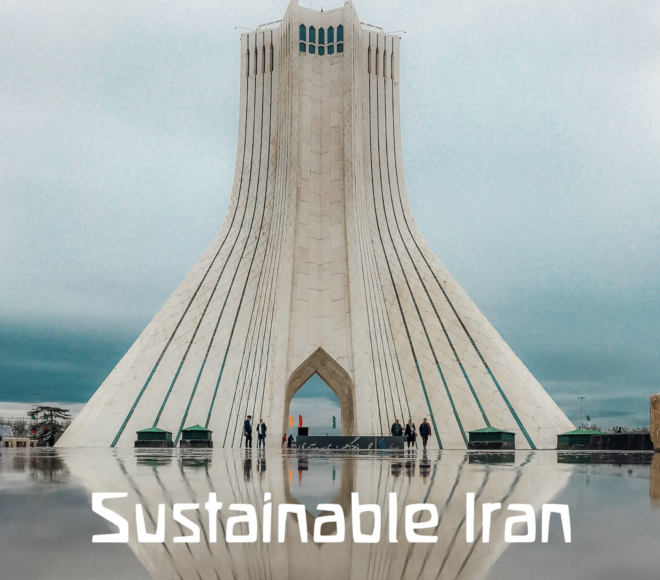
Green Prophet’s been covering a sustainable Middle East since 2007. Curious about sustainability issues and social issues in Iran? Read all about Iran here. Or click on the Azadi tower below.
But opiates weren’t always the villain. New evidence suggests that opium was used widely in the ancient world. Archeologists in Israel have dug up ancient opium containers with opium residue in them from about 3,500 years ago. They believe that opium was used by mourners after the death of a loved one.
Found at Tel Yehud, it is the oldest source of hallucinogen use in history to date.
Using chemical dating technology the vessels date back to the 14th century BC, and the discovery confirms historical writings and archeological hypotheses that opium was used widely in the Near East.
Because the vessels are similar in shape to the poppy flower when it is closed and upside down, the hypothesis arose in the 19th century that they were used as ritual vessels for the drug.
Now, an organic residue analysis has revealed this guess to be true. Opium residue was found in eight vessels, some local and some made in Cyprus. This is the first time that opium has been found in pottery.
Ron Be’eri of the Israel Antiquities Authority says: “It may be that during these ceremonies, conducted by family members or by a priest on their behalf, participants attempted to raise the spirits of their dead relatives in order to express a request, and would enter an ecstatic state by using opium.
“Alternatively, it is possible that the opium, which was placed next to the body, was intended to help the person’s spirit rise from the grave in preparation for the meeting with their relatives in the next life”.
Vanessa Linares of Tel Aviv University who is doing her PhD thesis on the research explains: “This is the only psychoactive drug that has been found in the Levant in the Late Bronze Age. In 2020, researchers discovered cannabis residue on an altar in Tel Arad, but this dated back the Iron Age, hundreds of years after the opium in Tel Yehud.
Vanessa Linares
“Because the opium was found at a burial site, it offers us a rare glimpse into the burial customs of the ancient world. Of course, we do not know what the opium’s role was in the ceremony – whether the Canaanites in Yehud believed that the dead would need opium in the afterlife, or whether it was the priests who consumed the drug for the purposes of the ceremony.
The discovery sheds light on the opium trade in general, the researchers explain. Opium is produced from poppies, which grew in Asia Minor – that is, in the territory of current-day Turkey – whereas the pottery in which we identified the opium were made in Cyprus. In other words, the opium was brought to Yehud from Turkey, through Cyprus; indicating the importance that was attributed to the drug.
Eriola Jakoel finds gold coins along with the opium
Until now, no written sources have been discovered that describe the exact use of narcotics in burial ceremonies, the researchers say.
The research was conducted as part of Vanessa Linares’s doctoral thesis, under the guidance of Prof. Oded Lipschits and Prof. Yuval Gadot of Tel Aviv University’s Department of Archeology and Prof. Ronny Neumann of the Weizmann Institute, in collaboration with Eriola Jakoel (pictured above) and Dr. Ron Be’eri of the Israel Antiquities Authority, and the study was published in the journal Archaeometry.
Some virtual schools let you pick the topics and the rest of the day your kids can be hanging out in trees at a forest school.
Online/virtual learning is conquering the world because it is readily available, accessible, convenient, and flexible for use. A survey found that enrollment for online courses grew from 26 million in 2016 to 189 million in 2021. Instead of adjusting learners’ lives to match the educational system, this online mode enables the learners to fit the learning process into their existing schedules. However, some people are still cautious to trust and use online learning to expand their education. It is veiled in misconceptions, which makes it challenging for students to accept it as a reliable option for gaining knowledge.
Busting myths around online learning:
Learning becomes difficult in online mode: One of the misconceptions about online learning is that it is challenging and involves many tasks. Whereas it is all up to the learner to decide the exact content and level of learning. It can be assured that the courses are designed for learners of every age group.
Online classes’ flexibility: Online classes are designed based on users’ daily schedules. So if you go out for a vacation or take a break, you do not need to worry about your missing lectures as they will get stored in your feed. And you can refer to them at your convenience.
Online learning is complex and insufficient: Parents usually do not want their children to take up online coaching as they feel that the educator would not finish the syllabus on time. They also are biased with the thought that their children or they themselves need to be well equipped with the system or applications in order to attend the class. Whereas any online course is planned while keeping in mind the syllabus of each subject. Moreover, an eLearning platform like Tovuti has the designation of being one of the most easily operable LMSs that enable both the instructor and the learner to have an interactive class, along with providing the ease of creating an innovative and engaging course.
Online learning is not cost-effective: Many parents believe that as it is an online learning program, it must involve the usage of a lot of gadgets which might cost them a fortune. But in reality, this mode of education involves no traveling charge. Moreover, these days LMSs are made mobile-friendly which means 750 million smartphone users can access any mode of online learning if they wish to.
Instructor’s taking online classes are not experts in their domain: There is no difference between a teacher sharing knowledge online or in a conventional classroom. All the teachers need to go through several tests and training before receiving the opportunity to deliver their knowledge online just like any other conventional classroom teacher.
Online degrees have no value in the corporate World: A college degree, relevant projects, and a good interview are sufficient to fetch you a job. The recruiter has little to no interest in wasting time over a worthless debate of which degree matters the most an offline degree or an online one. You will be given the same consideration as someone who attended an on-campus university as long as you can demonstrate that you would be able to do justice to the role offered to you. If your resume shows quite many skills and training taken up by you apart from your college courses, that might be an additional benefit for you in bagging the job.
Does not involve teacher-student interaction: Online classroom interactions encourage students to participate in group projects and actively participate in class interactions since they don’t have to face the crowd or be afraid of making mistakes in front of the entire class. Moreover, in a conventional class, not all the students pay attention in the class. There is always a group of few students who create unnecessary chaos and disturb the rest. Now, this unnecessary discussion is not possible in an online teaching mode.
Internet usage in this mode ruins students’ attention spans: Another misconception about online education is that using technology and gadgets like phones and computers may distract kids and that the internet cannot produce a distraction-free classroom atmosphere. However, nothing can prevent students from focusing on online classes if they can do so in a regular classroom. To learn the lessons given via online methods, the learner simply needs to pay attention and be patient the same way. And as they are not surrounded by their playmates, are in a comfortable environment, and understand that they are there to learn, students may concentrate successfully in online sessions too. Learning is made more engaging and fun with the assistance of the internet.
Conclusion:
These are all myths that students cannot learn well in a virtual classroom and that understanding gained through online learning differs from that attained in a traditional classroom. Many misconceptions concerning online education have recently surfaced. Despite the development of online and hybrid learning modes, and the fact that digital learning has been advocated in schools for decades, several misconceptions about its benefits and drawbacks continue to exist. Despite the widespread acknowledgment by educators with expertise in digital learning that these fallacies are untrue, media coverage and detractors continue to propagate them. This article aims to eradicate at least a few of the misconceptions mentioned above.
Free radicals, Covid stress, a hole in the ozone. How does your skin cope? Are there any ecological solutions or non-invasive ones at least. Here are some ideas.
There are many things you can do to prevent or reduce the appearance of lines and wrinkles on your skin. While the majority of anti-aging products and treatments involve the use of Botox or other chemicals, there are also natural remedies available. Using Vitamin C to treat your skin can be effective. This is the best place to start.
Vitamin C
The antioxidant vitamin C on Universal C Skin Refinerhas many benefits, and it is an excellent cosmetic to add to your skincare routine. It fights off free radicals and can even protect the skin from damage caused by UV radiation. In addition, it can minimise fine lines and wrinkles and increase skin tone and texture.
Botox
Botox injections are usually not considered eco-friendly but we know even nature loves get them secretly. They are injected into specific facial muscles to temporarily weaken them and prevent them from wrinkling. After the procedure, the effects usually last about three to four months. Depending on the type of treatment you choose, you may need more than one treatment to achieve your desired result. After the procedure, you should avoid rubbing the treated area, lying down for at least two days, and doing activities that require you to be in an unusual head position, such as a downward dog. For many, this is a stretch. So read on for some easier ones.
Aloe vera
Aloe vera is a natural product that helps reduce the appearance of lines and wrinkles on the skin. This plant can be found in many forms and is easy to consume. One form is a gel, which is extracted from the leaves. It contains bioactive compounds that make it a useful natural anti-wrinkle treatment. you can apply it on the skin or drink it as a juice.
Gelatin
One of the best ways to reduce lines and wrinkles on your skin is to eat more gelatin. This food from fish, pork or beef is known to have anti-inflammatory properties, and it has also been known to help build collagen. It also helps with digestion, relieves pain, and helps to balance hormones. This food is also good for your bones.
Avoiding facial expressions
The best way to minimize the appearance of facial lines and wrinkles is to avoid making facial expressions. Although this can be difficult to not smile, avoiding facial expressions can help you maintain a more youthful appearance. Although there are anti-wrinkle products that can help you combat the signs of ageing, a more natural method is to avoid making facial expressions. Or better plan, save your smiles. Be greedy and only give them to those you love.
Drinking plenty of water
Drinking plenty of water can have numerous benefits, including reducing the appearance of lines and wrinkles on the skin. Water replenishes skin tissues and increases elasticity, making them less prone to wrinkling and scarring. It also improves the body’s ability to regenerate skin tissues. Drinking plenty of water can also help fight common skin conditions such as acne. Water also helps maintain a healthy balance of oil and water in the skin.
Taking care of your skin
Taking care of your skin is essential to keep it young, radiant, and free of lines and wrinkles, you should read vitamin c reviews to have an idea of what people are saying after trying some of our mentioned ingredients on your skincare routine. You should use quality sunscreen with an SPF of 30 or higher. Also, wash your face at least twice a day. Avoid using chlorinated water, as it can damage your skin. Also, avoid using deodorant soaps, as they contain substances that can irritate the skin. After washing your face, pat your skin dry and apply a moisturiser to lock in moisture.
The Dutch use greenhouses year round. And growing your own food is a great step forward. But here are 6 things you can do to eco and future-proof your home, sustainably.
The duties and responsibilities of homeownership are nothing to be taken lightly. It’s a lot of hard work and careful consideration. And if you’re someone interested in reducing your carbon footprint, the pressure to make your home more sustainable adds more stress to the mix.
There’s no denying the cost and inconvenience associated with significant home improvement projects, especially those aimed at making the dwelling more energy-efficient and sustainable. However, the long-term benefits – for the occupants as well as the planet – make these investments worth the effort.
With this in mind, let’s take a look at six eco-friendly home improvement projects to consider:
Solar panels
There are several established benefits of using solar power. They help lower your monthly utility bill. They provide a source of clean and renewable energy. They add value to your home. They’re also increasingly more affordable with every passing year. All this adds up to a tremendous incentive for homeowners to have a solar panel array installed on their rooftops.
Water softener
Nearly 85% of American households have hard water. While hard water is perfectly safe to drink and use, it tends to have a funky taste and a tendency to corrode plumbing and appliances. The solution is to install a water softener in Phoenix and other cities with a hard water supply. The eco-friendly benefits of doing so include less reliance on bottled water for drinking as well as a prolonged lifespan for major home appliances. A water softener system also extends the life of clothes due to reduced damage during the wash cycle.
White roof
Oia, Greece. The Greeks use white paint for a reason.
It sounds too easy to be effective, but painting your roof white can lead to a dramatic reduction in energy usage. That’s because the white paint acts as a reflector, thus reducing the amount of sun rays striking your roof and consequently heating up your home in the middle of summer. There will be reduced demand placed on your HVAC system to keep the interior of your home cool, which will no doubt lead to a reduced carbon footprint over the span of many years.
New windows
Modern home design prioritizes the insulative nature of doors and windows. But older homes often feature outdated windows that are anything but energy-efficient. While the upfront cost isn’t cheap, the energy savings over the next decade or so will justify the investment. Not only will new windows lead to saving money, but it also leads to reduce energy usage, which makes the home more eco-friendly and sustainable.
New appliances
Great strides have been made in the development of energy-efficient home appliances. If the appliances in your home are over 10 years old, it’s probably time for a replacement. With that said, securing the most sustainable outcome possible comes down to individual calculations. For instance, if your older refrigerator works fine but lacks the energy efficiency of newer models, would replacing it be the most sustainable move? Keep in mind that by purchasing a state-of-art refrigerator, you’re contributing to the environmental harm caused by modern manufacturing. The bottom line is that in order to achieve greater sustainability through updated appliances, you’ll need to determine the cost-benefit of your existing appliances.
New plumbing
Water conservation is becoming a more pressing concern among environmentalists due to the ongoing water shortages happening in many parts of the world. With this in mind, any effort to reduce water usage at home is certain to lead to greater sustainability over time. The best way to do this is to replace toilets and other plumbing fixtures with newer, more efficient models.
Are you a homeowner interested in making your dwelling more eco-friendly? If so, there are many options to choose from. The right choices will depend on your unique situation. But chances are one of the suggestions mentioned above will prove beneficial. Take the time to mull over your options in order to make the best moves. Your wallet will thank you – along with the planet.
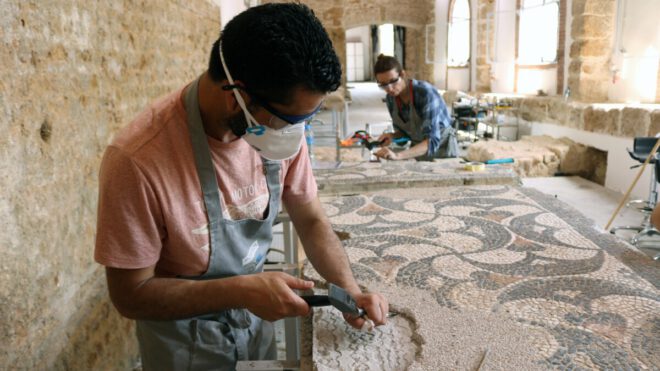
Locals learn to preserve mosaics in the Middle East.
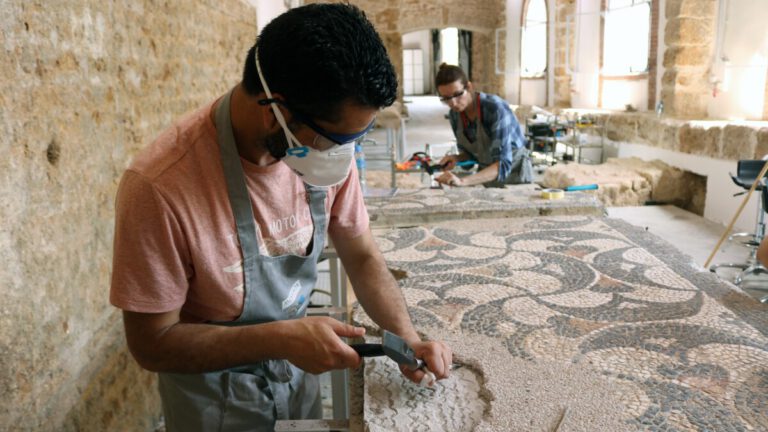
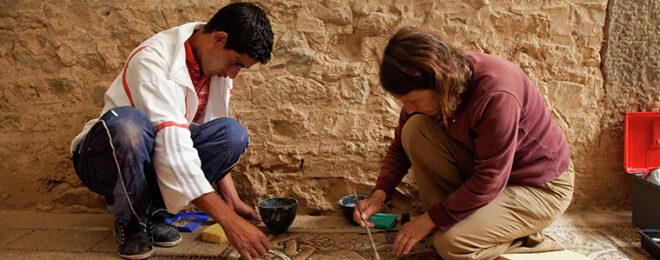
If you live in a place where the ancients roamed, like in the Middle East, it makes sense that a local from Lebanon, Iraq or Jordan will be doing their own mosaic restoration. If you live with the Taliban in Afghanistan it’s too late because your history and future has already been ransacked. But if you are in a place where ancient culture needs to be embraced and protected, you can do this in a mosaic restoration class sponsored by international grants. The classes have been ongoing for a decade and have trained over 200 people the art and craft of mosaic restoration.
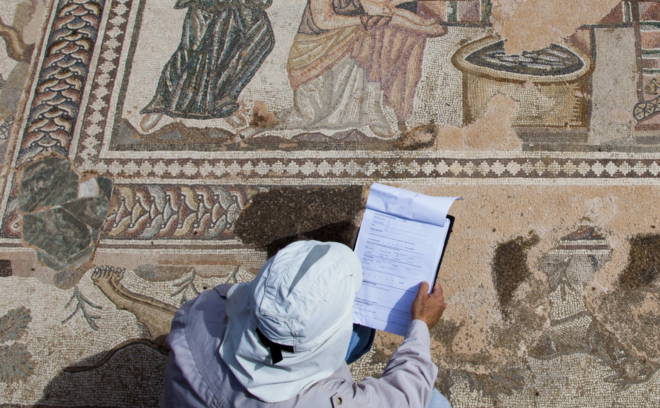
Mosaic restoration is sought after speciality because ancient mosaics are uncovered regularly when builders start breaking ground for new development projects.
Consultant Livia Alberti and technician Mondher Habachi repair mosaics in Maison de la Chasse, Bulla Regia.
The Getty Conservation Institute (GCI) and the International Centre for the Study of the Preservation and Restoration of Cultural Property (ICCROM) sent Green Prophet a memo that they will hold two advanced training courses in Jordan and Lebanon focused on the conservation of mosaics in the region.
The project is called Mosaikon. One class is currently underway and the next one happens in October.
“Mosaikon was created with the principal goal of promoting best practices for mosaic conservation at archaeological sites, museums, and storage facilities throughout the Mediterranean region,” said Jeanne Marie Teutonico, associate director at the GCI.
“After over a decade of courses and field work, the initiative has established an extensive network of dedicated mosaic conservation professionals, all of whom we hope will share the knowledge and skill attained in their trainings to mentor future generations,” she adds.
Each course is taught by experts in the field to ensure the highest quality in theoretical and practical training.
These intensive trainings are among the courses of the Mosaikon initiative, a collaboration of the GCI, ICCROM, and the International Committee for the Conservation of Mosaics (ICCM).
Since 2008, Mosaikon has trained over 200 conservation professionals from countries of the southern and eastern Mediterranean region, all of whom conducted research and model field projects as part of their training.
We spoke with Cole Calhoun, Communications Lead from Getty, to learn a bit more about the focus and scope of the project:
“The geographic focus of Mosaikon has largely been the Mediterranean basin and the program largely centers on countries in the southern and eastern parts of the region, where the conservation needs are the greatest for a variety of reasons including climate change, urban development, and lack of resources,” he tells Green Prophet.
“The goal of Mosaikon is to work with government authorities in each region to ensure the transmission of new knowledge and skills and to build capacity at the national level for the long-term care and conservation of mosaics.
“Mosaikon has been a 14-year project and despite the courses coming to a close, its mission and objects will continue through regional collaboration,” Calhoun assures.
Mosaic training in Jordan
The Department of Antiquities of Jordan will hold a two-week course based in Amman, Jordan that will focus on two strategic and sustainable approaches to conserving archaeological sites: the use of protective shelters and reburial.
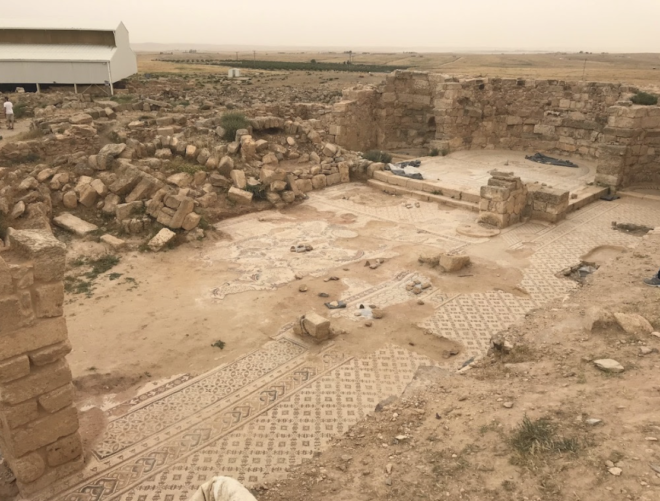
Using the archaeological sites of Jerash, Um al Rasas, and Madaba as outdoor classrooms, and taking advantage of the wealth of mosaic heritage in Jordan, course participants will learn these complex techniques that can help achieve more stable environments for fragile historic remains, such as mosaics.
The site of Um-al-Rasas in Jordan, one of the open-air classrooms the course will be using to discuss shelters and reburial, photograph by Leslie Friedman
“Increasing the local expertise of professionals capable of managing and conserving cultural heritage, particularly archaeological sites, is of the utmost importance as we face a multitude of challenges in the field such as rapid urban development, threats from climate change, and simply not enough resources,” said Professor Fadi Bala’wi, the Director General at Department of Antiquities of Jordan.
“This course will help Jordanians and other heritage professionals from the region gain a better understanding of the complexities and opportunities of preventive practices such as sheltering and reburial, which are key to the preservation of our heritage.
Group photo of participants and staff of a Mosaikon course at the Paphos Archeological Park, Paphos, Cyprus
While the Mosaikon project may be coming to an official end sometime soon, the lessons will be made available online through Getty here for self study. Reach out to them here for any future opportunities.
Blank Street serves coffee out of retro carts which are a cross between a food truck and a mobile cart. Photo Lana Apisukh.
It often takes plucky new immigrants to see a missing link in business. Two pals from high-school, Issam Freiha and Vinay Menda who went to the American School in Dubai are a first to get American venture funding for their coffee startup, Blank Street. They secured $25 million USD in Series A funding to roll out more than 100 coffee shops in the New York area offering no-nonsense, even homey, design with great coffee. This is not Turkish coffee from a finjan, made famous in the Middle East, but espresso coffee made on Italian machines.
The coffee is reported to be good but not everyone is happy.
A coffee rival to Dunkin Doughnuts, Starbucks
Appearing already all over New York and served out of converted vans, a cross between an Airstream and a Vespa, which give the impression of a quaint small business –– but also out of simple storefronts –– Freiha and Menda have developed a model for making great coffee at a lower price point than Starbucks.
While some people may enjoy the convenience of a Starbucks alternative, others such as David Lieber and patrons to small coffee shops like Everyman Espresso –– a chain of 3 boutique coffee shops in New York –– see it as a targeted takeover of local coffee and, possibly, the values that keep the East Village, Brooklyn or New York City hip.
Owner and CEO Sam Penix with CFO and co-owner Sam Lewontin. Via Sprudge
Lieber lamented over what he saw as Blank Street’s takeover of the Everyman neighborhood standby. He told the New York Times: “They opened right across the street from Everyman,” he said. “That’s not a coincidence.”
Eater NY comments: “The ubiquitous mint-green coffee chain Blank Street is taking over New York with its unescapable blah-ness.”
I find this story interesting and with many layers. On one hand it’s an immigrant success story, and something American immigrants have been doing for the last 100 years in all sorts of business and banking. And they are guys from the Middle East. They should have a fair chance like everyone else.
When hipsters call the shots
But now the gentrifiers who have resettled islands in Brooklyn, and those who have held out in Manhattan, want to keep big corporate out. Are any of the people who buy from boutique coffee shops working for big corporate? Do they bank with them?
There is some merit to resisting change, and to protecting small businesses, but at one point can cities get involved in healthy competition?
A very successful but small organic grocery store, Teva Tari, opened in my neighborhood in Jaffa, Israel more than 13 years ago. During Covid the place was packed. Soon after the mask mandates started to wane, a neighboring convenience store selling chips and fast-food items saw its neighbor’s success, studied it, and decided to open a small organic grocery store selling almost exactly the same merchandise, one street over.
They then multiplied to another location affecting the business of the pioneering shop.
That’s the way cities grow and certain shops end up clustered in certain neighborhoods. Maybe good for carpets, furniture, lamps and textiles but for local markets or coffee shops? Do we want our organic food and better coffee shops governed by big corporates and their investors?
When big capital acts like a boutique business
I don’t love that Blank Street, like other coffee brands I have seen in cities like Tel Aviv, are building retro-looking vans and trucks that trick the psyche of people into associations with boutique food truck businesses.
The old chip truck or food van are holdouts for people who don’t want to work at Walmart or at a corporate anything. Selling venture coffee out of a retro van is like selling industrially-grown apples at a chain grocery store labelled: Farmers Market. I see those in Canada.
As always in this confusing over-capitalistic world, let the buyer beware and if there is a doubt, just put your money where your mouth is. And consider drinking a little less coffee.
CBD is magical anxiety relief to millions of people. It’s the best of cannabis, without the high
CBD For Managing Pain
CBD is a natural remedy that is beneficial in the management of pain in a variety of forms. Its anti-inflammatory properties help reduce the effects of chemotherapy and also help with muscle spasms in multiple sclerosis. It can be used to manage chronic pain from many different sources and is becoming increasingly popular.
Today, there are a great many CBD-derived products – oils, capsules, and various types of gummies such as HHC. There’s more information and research available online, but the perpetually arising question is whether CBD is capable of managing pain and how it works. So, let’s break down the nuances.
CBD is a natural remedy for chronic pain
Several studies show that CBD has a significant analgesic effect, reducing both acute and chronic pain in animal models. It also reduced inflammation and attenuated hyperalgesia in a mouse model of diabetes-induced neuropathy. However, it was not effective in all chronic pain models.
Many forms of CBD are available, and many are legal for use. These products can be purchased online, at health food stores, and in some pharmacies. They can be inexpensive alternatives to medical treatments for chronic pain, and you can use them right at home. It’s also important to note that you should consult with a doctor before trying CBD.
In clinical studies, CBD showed a positive impact on the symptoms of chronic pain by inhibiting the release of glutamate, a neurotransmitter that triggers pain. The effect of CBD is particularly notable in reducing neuropathic pain, which is caused by damage to nerve cells. Additionally, CBD has antioxidant properties, which neutralize tissue-damaging chemicals. Additionally, CBD helps people with chronic pain get better rest by promoting sounder sleep.
The use of CBD has also been shown to be effective in treating various conditions, including kidney transplant pain and peripheral neuropathy of the lower extremities. However, it was not as effective in generalized chronic pain, although it improved quality of life and sleep. CBD has not been used in humans for long, but researchers have found evidence that it can help manage chronic pain.
Many forms of CBD are available, and many are legal for use. These products, including CBD ream, can be purchased online, at health food stores, and in some pharmacies.
Chronic pain is often accompanied by anxiety and depression. Symptoms of pain often result in reduced sleep and a feedback loop that leads to an increased level of pain. CBD may help alleviate these symptoms by raising levels of the “happy” hormones serotonin. Studies indicate that CBD can increase serotonin receptors, which are important for our mood and anxiety.
It has anti-inflammatory properties
CBD has anti-inflammatory properties, which makes it a promising candidate to treat many forms of chronic pain. The benefits of CBD as an anti-inflammatory agent have been reported by numerous studies. It has also been shown to be effective against spinal cord pain and multiple sclerosis. These findings are encouraging because CBD can be an effective treatment for both acute and chronic pain.
Although the effect of CBD on pain, anxiety and sleep is well-established in preclinical studies, the evidence for its use in clinical practice remains limited, especially in rheumatic diseases. Therefore, it is essential to have adequate knowledge about the potential of CBD for these conditions before prescribing the drug to patients. In a study, CBD reduced cell viability, proliferation, and cytokine production. It also increased intracellular calcium and reduced the production of RASF-derived IL-6 and MMP-3.
Besides its anti-inflammatory properties, CBD has antioxidant and analgesic properties that make it useful for pain management. It also suppresses the production of inflammatory cells and increases the production of myeloid-derived suppressor cells, which help fight inflammation. In addition, CBD inhibits the adenosine transporter, which promotes the signaling of anti-inflammatory receptors.
It reduces the side effects of chemotherapy
There is a growing body of evidence that CBD can reduce the side effects of chemotherapy. It can increase chemotherapy potency and decrease the dosage while reducing chemo-associated pain and cognitive dysfunction. It can also increase a patient’s overall quality of life. This can make it an attractive option for patients with cancer, as it is relatively safe and easy to integrate into a comprehensive treatment plan. However, there are some caveats to its use.
CBD has also been shown to reduce neuropathic pain, an unpleasant side effect of chemotherapy. In a placebo-controlled trial, it was shown to be more effective than other analgesics in the treatment of pain associated with chemotherapy. In addition, the study also revealed that it did not increase the risk of dependence, tolerance, or withdrawal. As a result, patients can use CBD as a complementary treatment to other analgesics.
Animal studies have also shown that CBD inhibits the progression of certain cancers. Specifically, it inhibits the growth of cancer cells and inhibits angiogenesis. In mice, CBD reduced tumor size and increased survival. In humans, CBD can also inhibit the expression of several pro-oncogenic factors.
CBD has anti-proliferative properties, which may protect normal neural tissue from damage caused by radiation. External beam radiation therapy is used to treat brain tumours and is commonly combined with chemotherapy. This treatment, while highly effective, can cause severe damage to healthy brain tissues, including adult neurons and endothelial cells. In addition, CBD increased the effects of U-radiation, allowing patients to use lower doses of radiation.
It reduces muscle spasms linked to multiple sclerosis
Some scientists believe that CBD can help patients with multiple sclerosis improve their muscle tone and mobility. This may be due to its ability to reduce pain and spasticity while also reducing fatigue. Regardless of its exact mechanism, CBD has been shown to be effective in the treatment of MS patients.
However, there are some important caveats when using cannabinoids for the treatment of spasticity. While cannabinoids have positive effects on patient-rated measures of spasticity, these effects have not been consistently replicated in larger studies. Additionally, very few studies have looked at cannabinoids in conditions other than multiple sclerosis. In addition, there are not enough studies on pediatric patients to provide adequate evidence for clinical use.
A review of published clinical studies on CBD has suggested that CBD may reduce muscle spasms associated with multiple sclerosis. It is important to note that studies have been conducted on patients with multiple sclerosis who had not responded to traditional treatments. The researchers noted that CBD may interact with other medications, and it is, therefore, crucial to consult with a physician before beginning treatment with this compound.
In addition to relieving the symptoms of multiple sclerosis, CBD is also believed to reduce muscle soreness, one of the most prominent symptoms of the disease. Experts believe that muscle soreness is a side effect of muscle spasticity and muscle weakness, which CBD might reduce.
A review of the available literature suggests that CBD may reduce muscle spasms and improve overall patient health in patients with MS. The authors also note that it may have beneficial effects on bladder function, sleep, and quality of life.
It reduces inflammation
If you suffer from joint pain, you may be interested in trying CBD for managing pain. CBD helps to reduce inflammation, which is one of the most common causes of joint pain. It works by modulating the immune system and regulating joint inflammation. In addition to reducing joint pain, CBD can also help keep joints active and prevent further damage.
CBD is a natural substance that helps reduce pain without any side effects. It is an effective way to manage chronic pain and is safer than painkillers, which are highly addictive and can cause severe withdrawal symptoms. While CBD is often used by itself to reduce inflammation, it can also be used in conjunction with other medications, like NSAIDs.
Inflammation can be temporary or chronic and can affect our quality of life. Acute inflammation occurs after an injury or physical activity. The body responds by boosting blood flow to the site, which causes redness and warmth. White blood cells also rush to the area to promote healing. However, this process can lead to fluid leakage and swelling of the injured body part.
CBD can be used topically or taken as a tincture. The easiest form of CBD for pain management is tinctures, which are available in small glass bottles with a dropper. CBD tinctures are usually fast-acting and can be applied directly to the affected area. Some products even have skin-moisturizing properties.
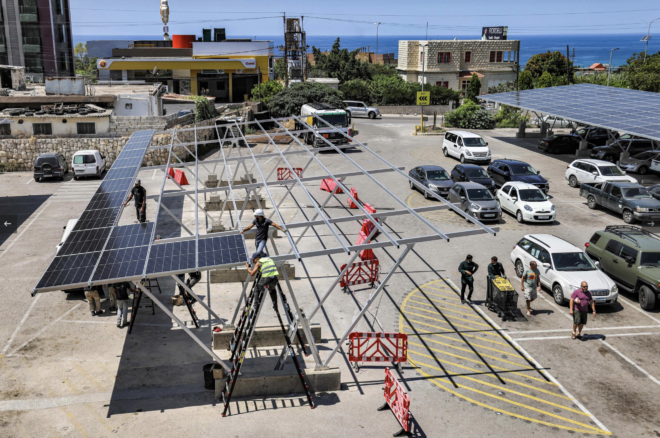
Lebanon is facing a severe energy crisis forcing people to run private generators for switching on light bulbs and refrigerators. This is following decades of government corruption and an economic collapse in 2019.
In recent months those who are lucky may only get power for a couple hours a day.
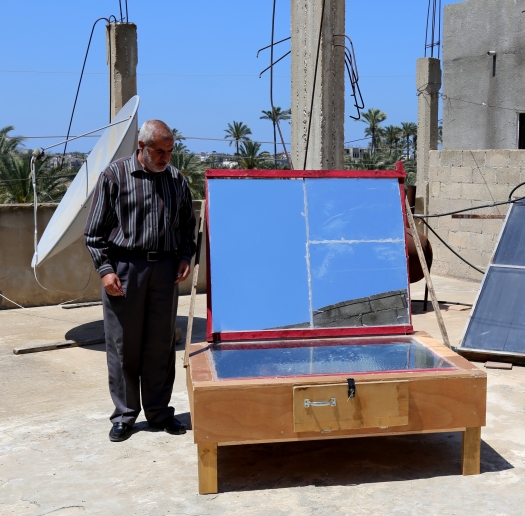
But the Lebanese who can afford it have started to see the light at the end of the tunnel. Despite the high set up costs, Lebanese are starting to invest in private solar panel systems. Solar panels are driving the opium trade in Afghanistan, and they are driving Americans crazy when they can’t figure out the connecting to the grid — but as their Greek cousin Plato once said, necessity is the mother of invention.
“With the current conditions we are living in, solar energy is no longer an alternative – it’s a necessity. If we didn’t install panels, villages wouldn’t have any electricity,” said Elie Gereige, an engineer and volunteer who spoke to i24.
The state-run electricity company in Lebanon is responsible for 90 percent of Lebanon’s energy production, but it is running out of cash, leaving many without a source of reliable power. As wealthy countries like Canada and America now know, the conflict between Russia and the Ukraine is hurting the entire global village, doubling the cost of fuel to run cars and power stations.
According to i24, people are taking the responsibility into their own hands, turning to a solution that was once considered a luxury. Now they can keep the lights burning for 17 hours a day.
Credit AFP
Many Lebanese own diesel generators but they are too costly to run, plus they are loud and polluting. To afford the new panels, Lebanese have been selling their cars, land and jewellery. Similar stories were circulating last year in Syria.
But millions of people in the region are still are burning fuel in generators to survive. War or mismanagement in the Middle East has decimated the electrical grid.
Diesel generators are like national suicide
Experts call it national suicide from an environmental and health perspective, according to a report released by the AP:
“Air pollution from diesel generators contains more than 40 toxic air contaminants, including many known or suspected cancer-causing substances,” said Samy Kayed, managing director and co-founder of the Environment Academy at the American University of Beirut in Lebanon.
Greater exposure to these pollutants likely increases respiratory illnesses and cardiovascular disease, he said. It also causes acid rain that harms plant growth and increases eutrophication — the excess build-up of nutrients in water that ultimately kills aquatic plants.
Earlier last month DW reported on the new solar energy rush in Lebanon: Mohamad Mahmoud Hariri, a 43-year-old living in the nation’s third-largest city of Sidon, said while he had suffered power outages for years, things are far worse now than in the past.
“Without electricity, everything stops. I am convinced that things are going from bad to worse, and that the state cannot solve this problem,” he said.
Hariri said that electricity prices soared following the onset of the economic crisis, pointing out that monthly rates now equal or exceed the average monthly salary of many Lebanese.
He chose to invest in renewable energy by installing a solar panel system three months ago. Hariri paid $3,000 USD for the system, which allows him to consume around 10 amps of electricity in the morning and 3 amps at night. But in winter months, he will be forced to decrease consumption as the system produces less energy from cloud coverage and shorter days.
Banks have even begun offering loans to those looking to install solar power systems. However, not everyone has been able to afford solar energy, even though prices have dropped significantly over the past decade.
Prices range from $3,000 for a 5-amp system or $9,000 for a 20-amp system; prices that are out of reach for most Lebanese.
Even after installing such a system, people still needed diesel generators, as solar panels alone cannot supply the entire energy required by a household at all times.
Kuwait enjoys a strategic location in the Arabian Gulf with a coastline spanning about 200 miles if you include the islands dotted along the region. Like Dubai it also has a series of artificial islands with some of them bringing new bird species to the region. However, this beautiful coastline like many others is a victim of marine pollution.
Marine Pollution in Kuwait
Despite the efforts of the Kuwaiti government to protect Kuwait’s marine environment, there are several issues we need to tackle when it comes to marine pollution in Kuwait:
Declining Fish Stocks
There has been an apparent decline in marine life in Kuwait waters over the last few years. Coral reefs, marine turtles, and vulnerable fish such as shrimp, silver pomfret, suboor, hamoor, and frush are some of the most affected animal species.
Marine Pollutants in Kuwait
Most research conducted on marine pollution in Kuwait reveals a number of marine pollutant sources:
Sewage discharge
This is the biggest source of pollution for the Kuwaiti Ocean. Traces of oil, petroleum, hydrocarbons, trace metals, residual chlorine, and other suspended particles have been found in the ocean. The most probable cause for these is oil and petrochemical industry, power plants, and other sewage dumping activities.
Oil spills
With the Arabian Gulf being a major shipping point for oil transportation, oil spills are unavoidable. It is estimated that around 2 million barrels of oil are spilled in the Arabian Gulf annually as a result of tank washing and dirty ballast waters. And there is more spillage from military operations and oil production operations.
Ship waste dumping
Ships often dump their chemical and vessel waste in the ocean. This includes domestic waste, sewage waste, oil, and even fishing gear.
Dredging
Due to land reclamation, the Kuwaiti waters are also a victim of dredging. This destroys fish spawning grounds and makes the river banks unstable.
Fresh water shortage
The ocean along the coast of Kuwait is extremely salty. This is because fresh water from the Shat Al-Arab and Karon River is restricted due to the water dams along these rivers.
What Can We Do To Protect Kuwait’s Ocean?
When we hear that our ocean is in trouble, it’s easy to feel powerless. While most of the action rests at the hands of businesses and government, there’s still a lot we can do to help save our ocean:
Check The Label
When buying anything, opt for sustainable businesses. These businesses are making a conscious effort at helping our environment by taking steps to reduce their carbon imprint.
Reduce, Reuse and Recycle.
You can help decrease the effects of climate change by reducing your own carbon footprint. This can be done by reducing energy use. Turn off the lights when not in use. Unplug electronics and opt for walking and riding a bike.
Minimize Plastic Use
Cut down on your plastic usage, especially single-use plastics. These plastics usually end up in the ocean which severely impacts our marine life and adds to marine pollution in Kuwait.
Eat Sustainable Seafood
When buying seafood, look for eco-certification. If you don’t find one, ask your retailer about the source of your seafood. Demand eco-certified seafood from your retailer and favorite restaurant. This guide on sustainable fish in the region might help –> 7 Gulf fish probably okay to eat.
Be Ocean Aware
Educate yourself and others. You can do this by watching documentaries, signing up with Ocean Awareness companies, and discussing the impact of marine pollution on the world.
Sign up and Help
Become an advocate of the ocean. Sign up with NGOs like I AM Ocean Minded, the first-of-its-kind NGO in Kuwait aiming to improve the ocean mindset by creating an ocean-minded community. They conduct beach cleanups, awareness campaigns, and other communal activities to make a difference.