
AC Water Uses: How to Reuse Air Conditioner Condensate Water for Plants, Cleaning and Water Conservation

As heat waves intensify from Dubai to Dallas, millions of air conditioners quietly drip gallons of clean water into drains every single day. This is pure water going down the drain, even though there are many uses for AC water as we’ve discussed over the years.

Now researchers in Jordan say that water — called AC condensate — may be one of the most overlooked alternative water sources in cities worldwide. The 2024 study, published in Case Studies in Chemical and Environmental Engineering, tested water collected from 120 air conditioning units and found the condensate had surprisingly high quality, with low dissolved solids, low heavy metals, and chemistry close to distilled water.
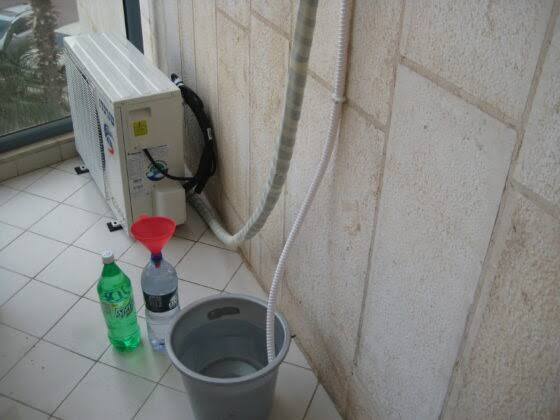
An image showing how to collect AC water, ac water uses, air conditioner water reuse, condensate water, how to use AC water, AC condensate water, air conditioner water for plants, HVAC water recycling, alternative water sources, atmospheric water harvesting, sustainable water solutions, reuse air conditioner water, distilled water from AC, drought solutions, water conservation ideas, condensate recovery systems, eco friendly water reuse, urban water recycling, AC water for gardening, graywater alternatives, climate adaptation water
Collect AC water directly from the unit.

That means the water dripping from your air conditioner may already be usable for gardening, cleaning, flushing toilets, topping up humidifiers, or cooling systems — instead of disappearing into the sewer.

And in hot climates, the numbers add up fast.

How Much Water Does an Air Conditioner Produce?

hvac water, ac water uses, air conditioner water reuse, condensate water, how to use AC water, AC condensate water, air conditioner water for plants, HVAC water recycling, alternative water sources, atmospheric water harvesting, sustainable water solutions, reuse air conditioner water, distilled water from AC, drought solutions, water conservation ideas, condensate recovery systems, eco friendly water reuse, urban water recycling, AC water for gardening, graywater alternatives, climate adaptation water
HVAC systems release water in the summer. Probably okay for your pet to drink if you top it up with mineral-containing water.

According to their study, which we will sum up here, modern AC systems can generate between 15 and 70 liters of water per day (about 15 gallons) depending on humidity and unit size. A single apartment AC unit stuck in a window in Brooklyn running through a humid summer can easily fill buckets overnight.

Office towers, malls, schools, hospitals, and hotels produce dramatically more. In tropical cities like Singapore, Miami, Tel Aviv, Mumbai, or Bangkok, entire buildings are beginning to recover AC condensate as part of water-saving systems. These feed into flower beds, toilets and irrigation systems.

What was once considered waste is becoming infrastructure.

What Is AC Condensate Water?

hack home air conditioner, ac water uses, air conditioner water reuse, condensate water, how to use AC water, AC condensate water, air conditioner water for plants, HVAC water recycling, alternative water sources, atmospheric water harvesting, sustainable water solutions, reuse air conditioner water, distilled water from AC, drought solutions, water conservation ideas, condensate recovery systems, eco friendly water reuse, urban water recycling, AC water for gardening, graywater alternatives, climate adaptation water

Air conditioners do more than cool air. They also remove humidity. When warm moist air hits the cold evaporator coils inside an AC unit, the moisture condenses into liquid water, which is similar to droplets forming on a cold glass. That water is called condensate and most systems simply drain it away.

But researchers from Jordan say that should change so looked to see if it was safe to use.

Is AC Water Safe?

The Jordanian researchers tested for:

pH
dissolved solids
turbidity
nitrates
hardness
chlorine
heavy metals including lead, cadmium, arsenic, chromium, copper, nickel, zinc, iron, and aluminum

Most values, they found, were far below drinking water and irrigation safety limits which means that when in a pinch it may be okay to consume. Except, they warn that AC condensate water is not automatically safe to drink directly from the pipe.

The water can pick up:

bacteria
fungi
mold
dirt from evaporator coils
contaminants from poorly maintained systems

The study itself notes that microbial testing was limited and recommends further biological analysis before treating AC condensate as potable water. So while AC water often behaves chemically like distilled water, most experts recommend using it first for non-drinking purposes unless it is filtered, sterilized, or professionally treated.

Best AC Water Uses at Home

ac water uses, air conditioner water reuse, condensate water, how to use AC water, AC condensate water, air conditioner water for plants, HVAC water recycling, alternative water sources, atmospheric water harvesting, sustainable water solutions, reuse air conditioner water, distilled water from AC, drought solutions, water conservation ideas, condensate recovery systems, eco friendly water reuse, urban water recycling, AC water for gardening, graywater alternatives, climate adaptation water
Dusty plants? Let them eat their hearts out.

Air Conditioner Water for Plants

AC condensate is low in salts and minerals, which many plants prefer.

Good for:

balcony gardens
houseplants
lawns
urban farming
drip irrigation

Some gardeners even prefer condensate over hard tap water.

Cleaning Floors and Windows

Sustainable flooring guide, ac water uses, air conditioner water reuse, condensate water, how to use AC water, AC condensate water, air conditioner water for plants, HVAC water recycling, alternative water sources, atmospheric water harvesting, sustainable water solutions, reuse air conditioner water, distilled water from AC, drought solutions, water conservation ideas, condensate recovery systems, eco friendly water reuse, urban water recycling, AC water for gardening, graywater alternatives, climate adaptation water
Buy things that last

Because it contains very low mineral content, condensate water often leaves fewer streaks or residue marks.

Flushing Toilets
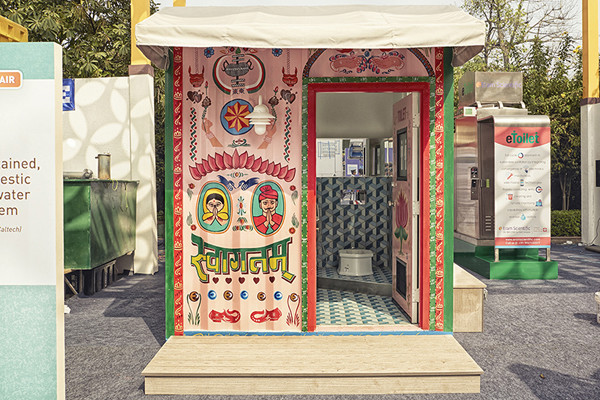
mobile solar toilet, ac water uses, air conditioner water reuse, condensate water, how to use AC water, AC condensate water, air conditioner water for plants, HVAC water recycling, alternative water sources, atmospheric water harvesting, sustainable water solutions, reuse air conditioner water, distilled water from AC, drought solutions, water conservation ideas, condensate recovery systems, eco friendly water reuse, urban water recycling, AC water for gardening, graywater alternatives, climate adaptation water
A mobile toilet could be fit with AC condensate

One of the easiest large-scale reuse applications. Toilets account for a major percentage of household water use.

Steam Irons and Humidifiers

Since condensate is low in minerals, it can reduce scaling inside appliances.

Car Washing

Especially useful during drought restrictions.

Cooling Towers and Industrial HVAC Water Recycling

Commercial buildings increasingly recycle condensate internally to reduce freshwater demand.

Why Cities Are Suddenly Interested in HVAC Water Recycling

Climate change is increasing both:

water shortages
air conditioner use

That means hotter cities paradoxically create more condensate water precisely when freshwater becomes scarcer. The researchers point to Jordan as an example of extreme water stress, but the same logic now applies to California experiencing droughts periodically, southern Europe, India, the Gulf states, Australia, and parts of Latin America.

Entire urban districts may eventually capture AC condensate the same way cities harvest rainwater today.

The Biggest Problem? Buildings Aren’t Designed to Reuse AC Water
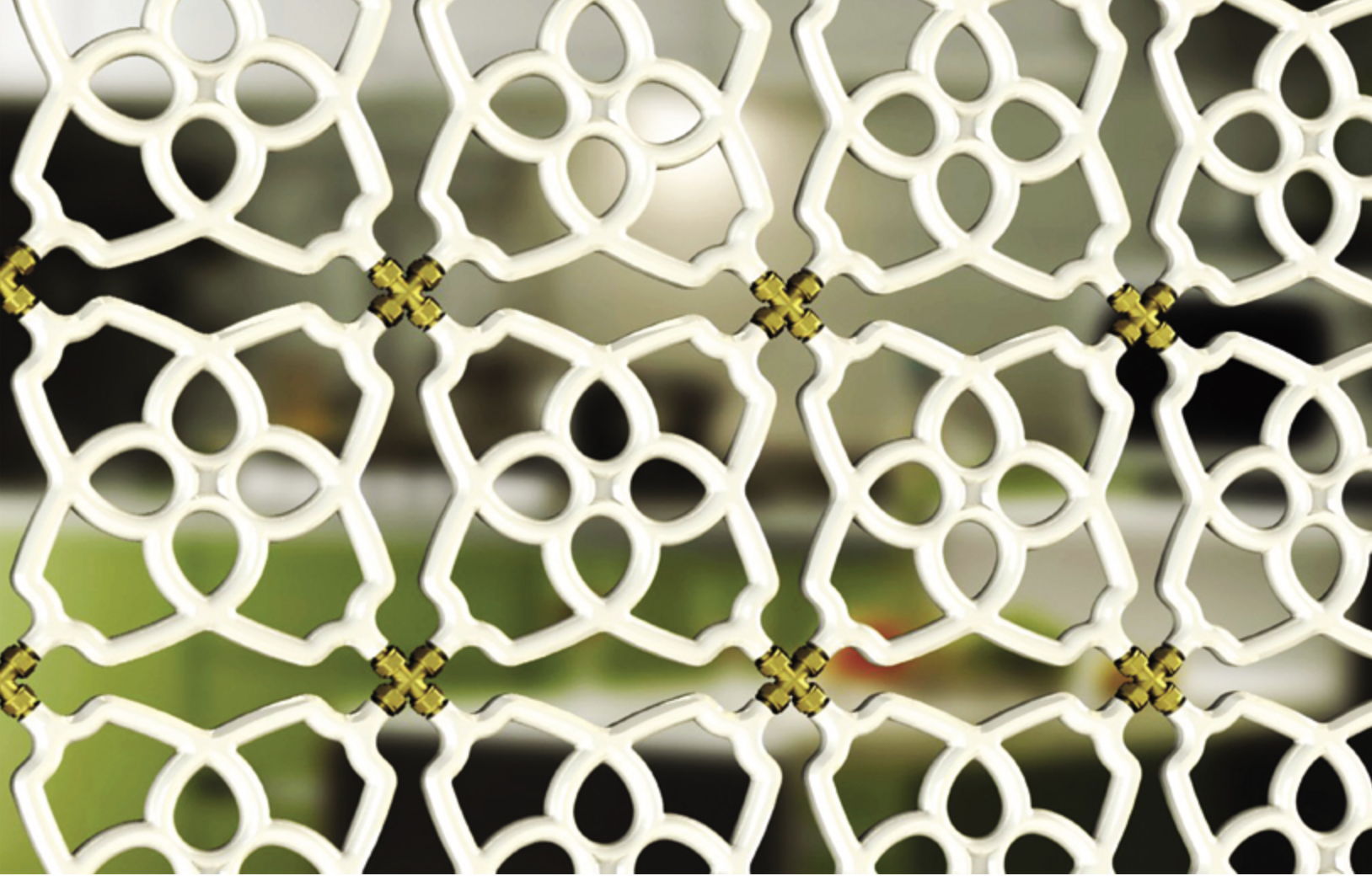
mashrabiya goes high tech
A hightech mashrabiya, passively cools and gives provacy

Ironically, the study found that one of the main barriers is simple plumbing. Most AC drain lines connect directly into sewage systems which means the water disappears before anyone can reuse it.

Newer green buildings are beginning to change this with:

dedicated condensate recovery systems
rooftop storage tanks
graywater integration
irrigation hookups
smart filtration systems

In humid megacities, future building codes may eventually require condensate capture.

AC Water Reuse Isn’t Just for Dry Countries

The study focuses on Jordan because of water scarcity, but the implications are global.

In wealthy cities, AC condensate water can:

lower water bills
reduce urban water demand
support green roofs
cool public spaces
irrigate landscaping
increase drought resilience

Data centers, luxury hotels, airports, hospitals, and universities are already experimenting with condensate recovery systems. In a warming world, every building becomes a tiny atmospheric water harvesting machine. And most people still let it run down the drain.

If you are inspired by this article on AC water, learn here how a company from Austria is turning streets into tiny power plants by harvesting energy from trucks when they put on the brakes.

Read More

TRENDING

10 Surprising AC Water Uses Cities Are Ignoring

All air conditioners release water. That's Physics. Cities like Los Angeles pour billions of water down the drain every year. And while home owners who are savvy to water reuse are finding ways to use AC water in the garden (here are 5 ways to use air con water at home), or in art studios (it's basically free distilled water), cities could save water in meaningful ways by using creative ideas. These are solutions you can send to urban planners and those running smart city accelerator programs. Pick one of them and you might win the grant! 

Hormuz 2026 Conflict Poses an Energy and Food Security Dilemma in a Warming World

As tensions rise in one of the world’s most critical maritime chokepoints, the ripple effects go far beyond oil—touching food systems, climate pressures, and regional stability

Baby teeth read like tree rings paint a picture of toxins in early life

A new study from the Icahn School of Medicine at Mount Sinai in New York offers a striking insight into how the environments we are born into can quietly shape our brains years later. By analyzing naturally shed baby teeth, the ones tucked under pillows for the tooth fairy, researchers have reconstructed a detailed timeline of exposure to environmental metals during pregnancy and early infancy.

Poop in the East River shows the city’s rat problem and what people like to eat

New York ecology and health can be monitored by a jug of water a week.

Is your groundwater too young? New study finds risks for Parkinson’s and type of water you drink

People whose drinking water came from newer groundwater had a higher risk of developing Parkinson’s disease than those whose drinking water came from older groundwater, according to a preliminary study released March 2, 2026, that will be presented at the American Academy of Neurology’s 78th Annual Meeting taking place April 18–22, 2026, in Chicago and online.

How to quiet noise from construction in your office

Streets need to be resurfaced in New York but the humming and grinding noise is unsettling. Noise is environmental pollution. 

EarthX and a blueprint for sustainable investing

Trammell S. Crow, a Dallas-based businessman and father of four, is focusing his efforts on impact investing, and media that focuses on saving the planet through EarthX.

Mining Afghanistan’s Mineral Discoveries Similar to Avatar

Now that American forces in Afghanistan are commemorating the longest period of any war that America has been involved in, including the 1965-73 Vietnam War, the recent discoveries of large and extremely valuable mineral and metal deposits may finally bring to light a reason to continue the presence of US fighting forces in this war torn and backward country.

From Pilot Plant to Global Stage: How Aduro Clean Technologies’ 2026 Expansion Signals a Turning Point for Chemical Recycling Investors Like Yazan Al Homsi

The company's Next Generation Process (NGP) Pilot Plant in London, Ontario, has officially moved into initial operating campaigns, generating the kind of structured, repeatable data that separates laboratory promise from commercial viability.

Nobul’s Regan McGee on Shareholder Value: “Complacency Is the Silent Killer” 

Why the governance framework designed to protect shareholders so...

Should You Invest in the Private Market?

startustartup Unlike public stock exchanges, which offer daily trading, strict...

How to build a 100-year-company

Kongō Gumi is a Japanese construction company, purportedly founded in 578 A.D., making it the world's oldest documented company. What can we learn about building sustainable businesses from them?

How AI Helps SaaS Companies Reduce Repetitive Customer Support Work

SaaS products are designed for large numbers of users with different levels of experience, and also in renewable energy.

Popular Categories