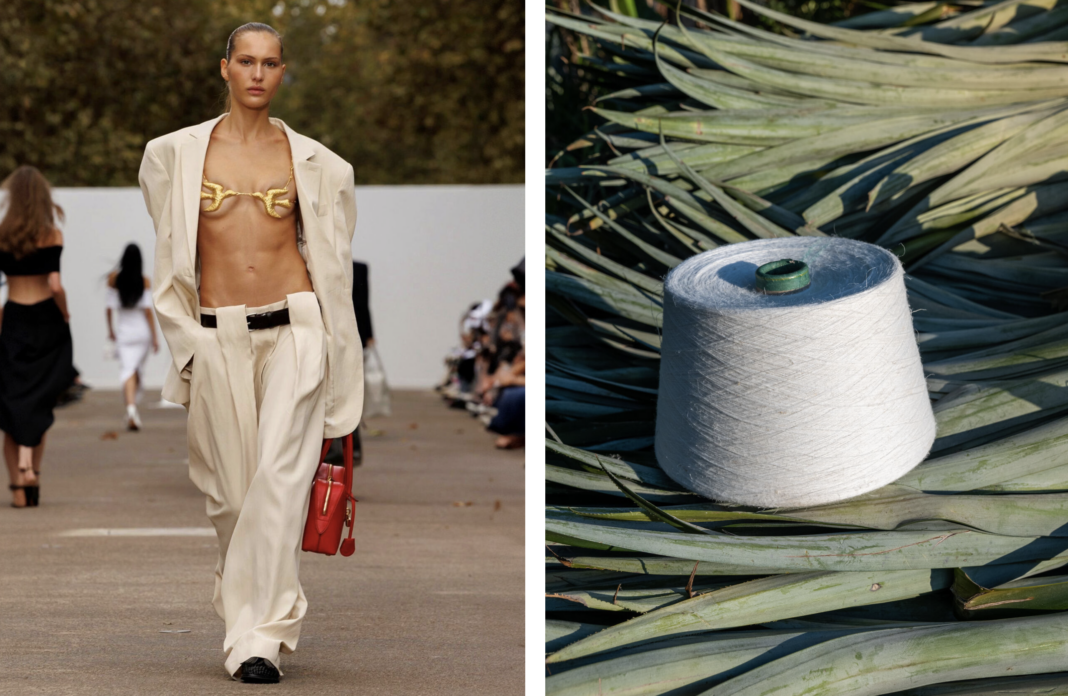


Stella McCartney is back at H&M, and the fashion world is swooning again. But behind the tailored jackets, cherry prints and recycled glass beads is a harder question: should we still trust wool when it comes wrapped in ethical language?
The new Stella McCartney x H&M collection is being sold as a sustainability story. Organic cotton, recycled metals, plant-based coatings and certified materials all appear in the marketing. It is thoughtful by fast-fashion standards. But then there is the wool.
According to data from tutoring marketplace Wiingy, while entire categories of white-collar work — from copywriting to entry-level software development — have shown sustained four-year declines in learner demand, craft-based industries like wool and fiber arts have remained largely insulated from the same pressure. The full list of skills most at risk of AI automation tells a striking story about which kinds of work are surviving the shift.
So who is going to be the next sheep farming and shearer? Who will rise up to be the next Stella McCartney.
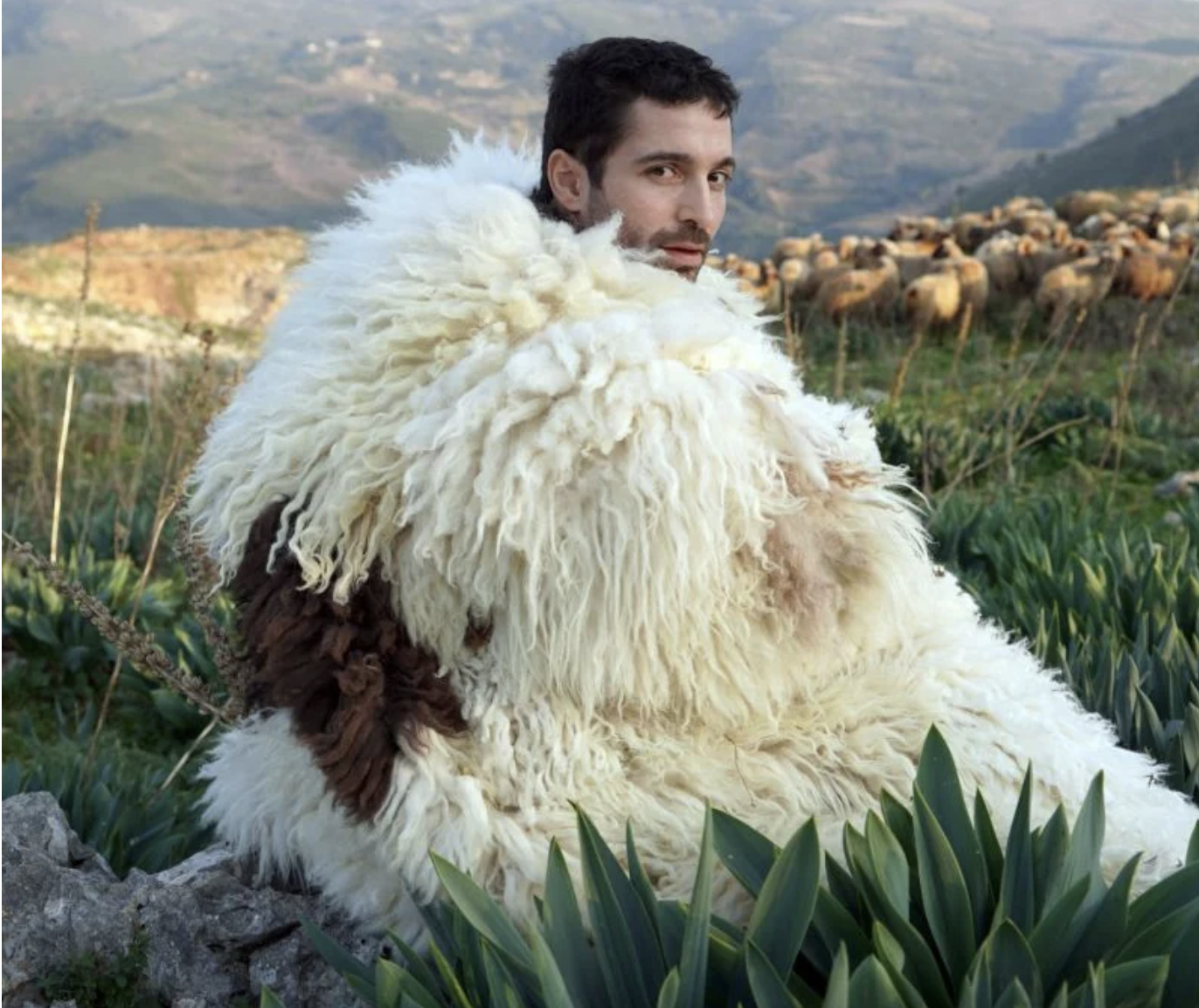
That makes wool fascinating right now. It is ancient, tactile and stubbornly physical. AI can write ad copy and generate fashion campaigns in seconds, but it cannot shear a sheep gently, sort fleece by touch, or spin fiber into yarn. Wool remains tied to animals, land and human hands.
But this is also where the romance gets complicated.
Several key pieces in the Stella McCartney x H&M collection — including the double-breasted blazer, matching trousers and wool car coat, are made with wool certified to the Responsible Wool Standard, or RWS. The standard is administered by Textile Exchange and is designed to verify animal welfare, land management and social responsibility.
On the surface, that sounds reassuring. Consumers see the certification and imagine sheep grazing peacefully under blue skies. But investigations suggest the reality can be much more troubling.
In reporting by Green Prophet, The New Zealand Merino Company, now known as Zentera, quietly removed the phrase “world’s leading ethical wool brand” from its website after an undercover investigation by PETA Asia-Pacific into farms within its certified supply chain. Zentera now describes its wool more cautiously as being “grown with care.”
PETA investigators say they documented shearers kicking, beating and roughly handling sheep on farms producing certified wool. Some animals were reportedly left with wounds stitched without pain relief. The findings have prompted renewed scrutiny of the wool industry’s ethical claims.
The problem is not limited to one company. Critics argue that many certification programs rely on announced audits, giving farms advance notice before inspectors arrive. Procedures such as tail docking and castration may still be allowed, and enforcement standards vary.
Even when certification improves conditions, it does not guarantee a cruelty-free product. Nor does it answer the broader environmental questions surrounding wool production, including methane emissions, land use and water consumption.

That does not mean every wool garment is unethical. Some farms undoubtedly treat animals better and manage land more responsibly than others. Certifications can help move the industry in the right direction. But they should not be treated as a final verdict.
Wool may be one of the rare industries that survives the AI age because it belongs to the body before it belongs to the market. It is touch, weather, grass, lanolin, sweat and skill. It carries the memory of shepherding and textile traditions thousands of years old.
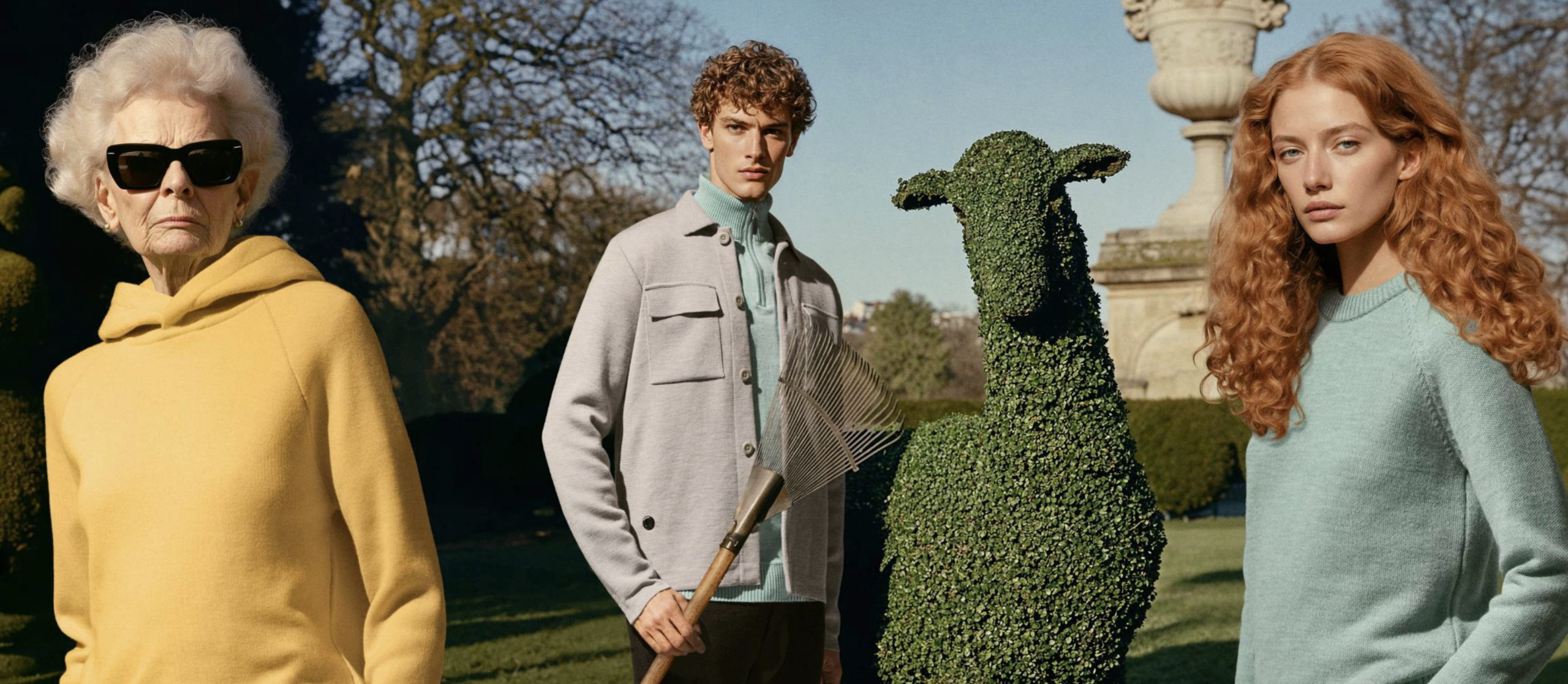
Yet wool is also a business, and businesses are skilled at storytelling.
The Stella McCartney x H&M collaboration is more than a fashion event. It is a test of whether sustainability labels still mean something in an era when consumers are increasingly skeptical and artificial intelligence is stripping value from so much knowledge work.