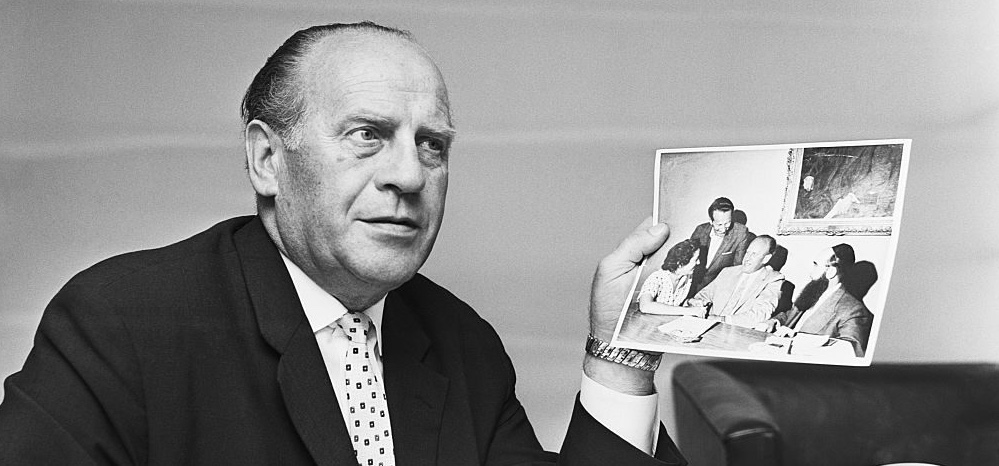

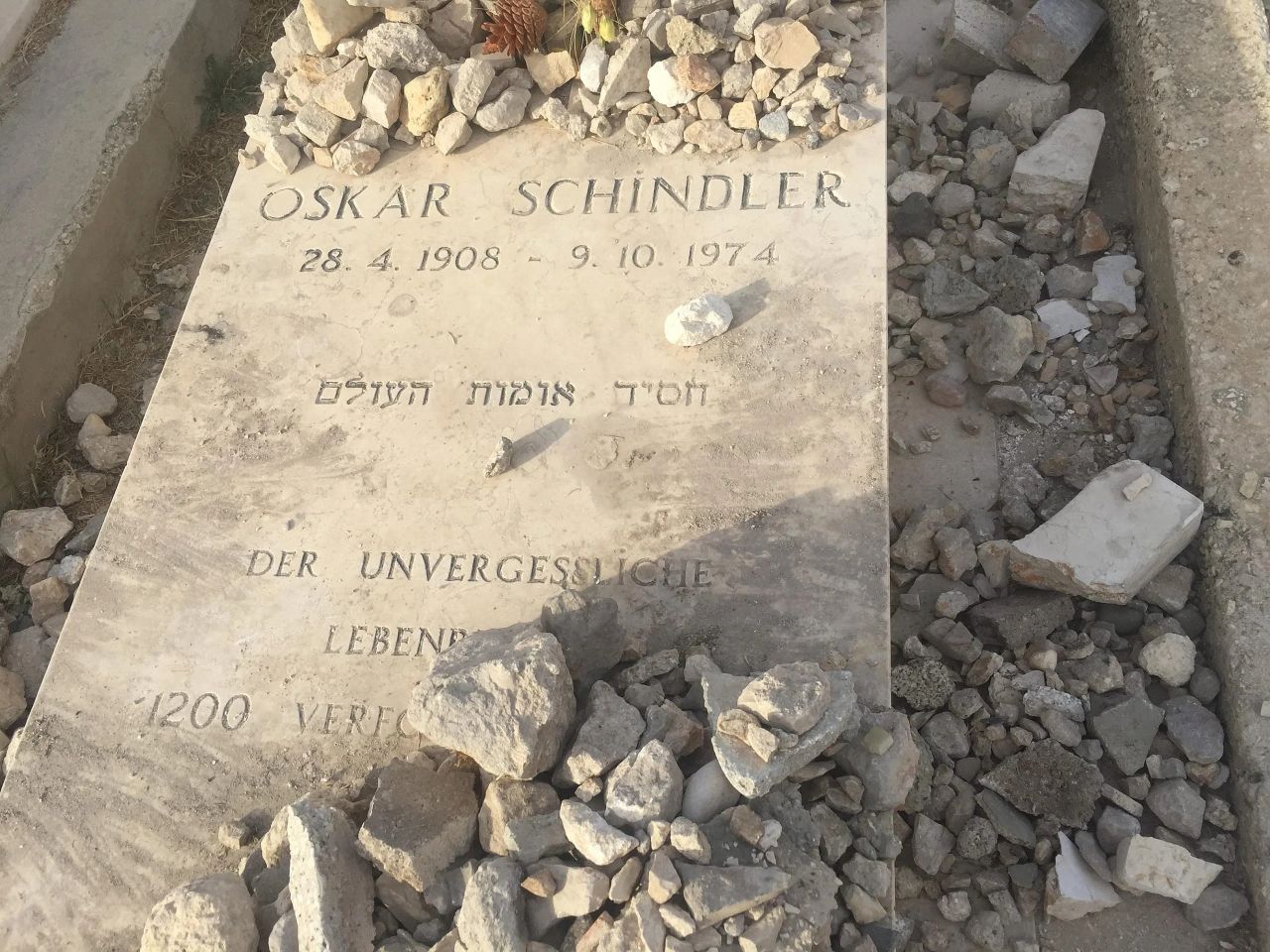
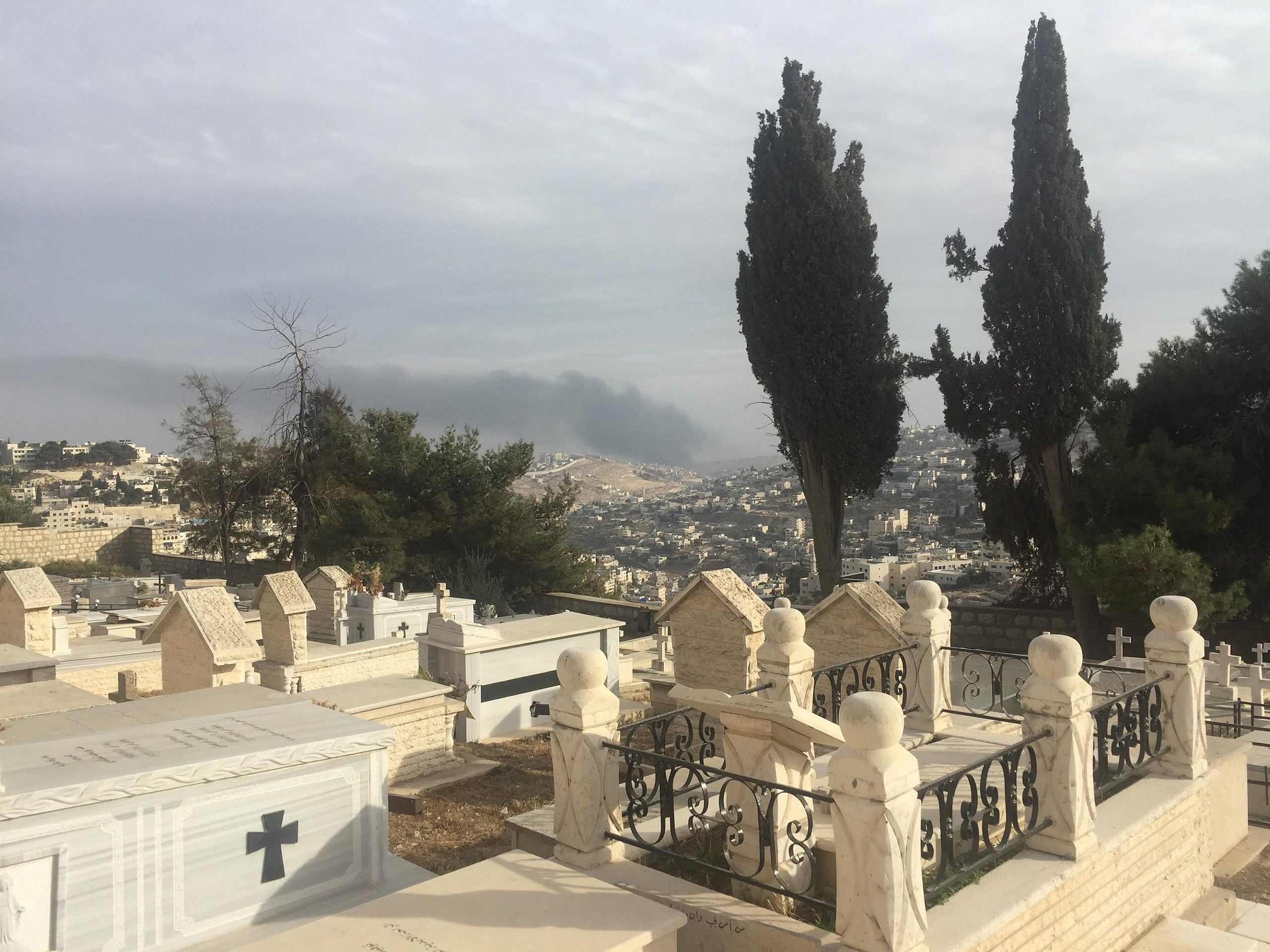
I did not go looking for Oskar Schindler. But he found me. One day, while wandering through an old cemetery near Zion Gate in Jerusalem with my mother—who had come to the Holy Land to feel the Bible—I came across his grave.
The cemetery sits just outside the Old City walls. It is simple and unadorned. Before me lay a modest grave slab covered with piles of stones, as Jewish people do when they visit a loved one. This grave had more stones than any other. The name belonged to a man who was not Jewish, yet chose the Jews when it mattered most.
Before his death in 1974, Schindler asked to be buried in Jerusalem. He rests there because he risked everything to save Jewish lives during the Holocaust. For his moral courage, he is remembered as one of the Righteous Among the Nations. The Talmud, compiled roughly 1,800 years ago, teaches that righteous people from any nation or faith are granted a share in the World to Come. In Judaism, the olam ha-ba is not simply heaven. It is the world you help create through your actions.
Schindler chose to build his place in that world. Standing by his grave, I hoped that some of his righteousness might rub off on me. I feel the same way when I think about those who stand with Jews today, even when doing so brings isolation, financial loss, and threats to their safety.
Douglas Murray speaks openly about rising antisemitism in the West. Luai Ahmed challenges antisemitism in the Arab world and supports Israel despite the personal cost. Goldie Ghamari, an Iranian Canadian politician, has spoken forcefully against antisemitism and has received death threats.
Then there is Paul Finlayson. “I said I stood with Israel, and I was called a criminal,” he told me. Paul is a Canadian educator whose life changed after he compared Hamas to the Nazis. He says the statement led to his dismissal from his teaching positions and devastated his career and family.
According to Paul, he went from earning $300,000 a year to $24,000. “My income has been reduced by 90%,” he said. “My family is shattered.” These are his claims. Whether one agrees with him or not, his story raises important questions about free speech, due process, and what happens to people who publicly support Israel.
I did not grow up Jewish. By the time I was eighteen, I had met only a handful of Jewish people. But over the years, getting close to Jews and to Israel changed me. My family comes from Europe, where too many people stood by while their Jewish neighbors were taken away. That history still echoes through generations. The thread runs from Oskar Schindler to the present day.
Supporting what is right requires action. Who will stand up for Paul? If not me, then who?