
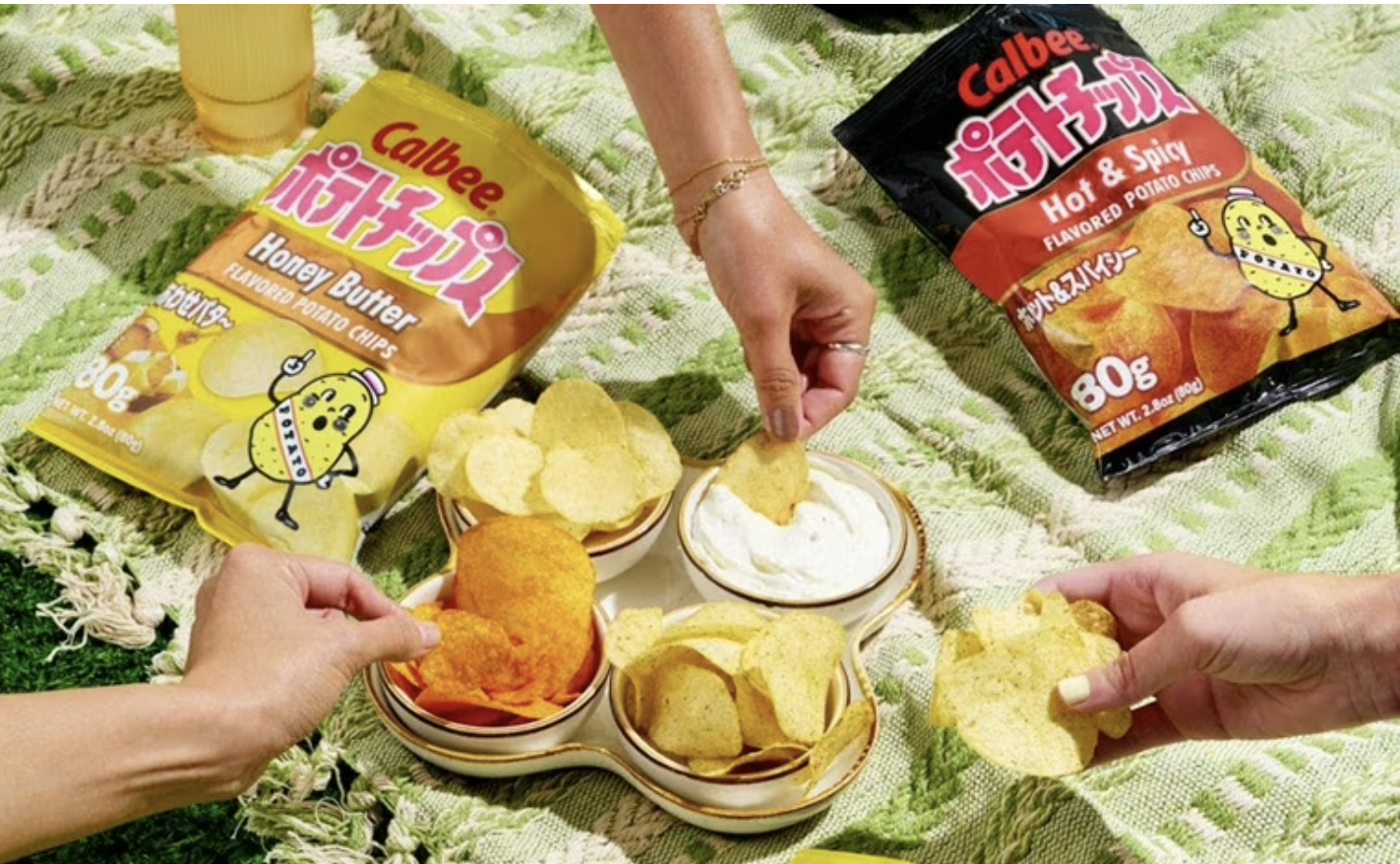
Japan is a country that builds 100-year companies; while 50 years ago Made In Japan implied an inferior mass-manufactured product, the quality of Japan today says Switzerland of the East. Tokyo might fool you: it is a city that was so far ahead in the 90s that it still looks high-tech today but most of Japan is built on traditions of hand craft and a quality of design.
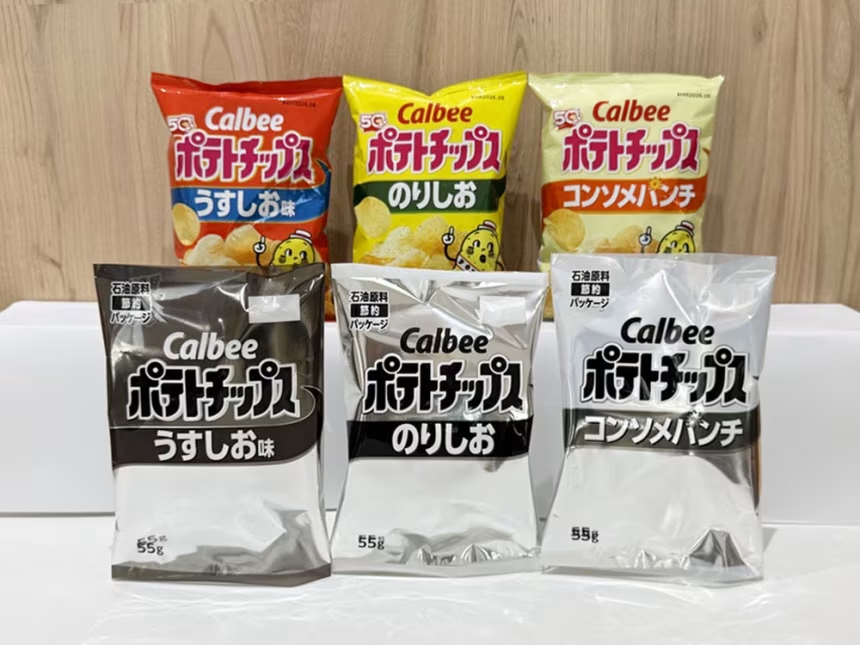
While so much has changed since the Iran war started, the stark image of a package of a once very colorful snack brand now in monochrome black and white in Japan throws us back to the feeling of Victory Gardens, and World War I and II when items were rationed and old flour sacks were turned into clothing.

The move comes in response to “supply instability affecting certain raw materials amid ongoing tensions in the Middle East,” the company said in a statement. “This measure is intended to help maintain a stable supply of products.”
Calbee stresses that what’s inside the bag remains the same and they say the black-and-white change will apply to 14 products sold in Japan. The new packaging will start appearing on May 25 and won’t affect product quality.
A spokesperson from the Japanese government said it had “received no reports of immediate supply issues regarding printing ink or naphtha, and we recognize that the necessary volume for Japan as a whole is being secured.”
Naphtha is a byproduct of the petroleum industry and sometimes used in parts of the ink manufacturing process.
Beyond fuel, crude oil is the foundation for thousands of everyday products. Petrochemicals are used to make plastics, synthetic fabrics such as polyester and nylon, printer and pen inks, paints, detergents, cosmetics, medicines, tires, asphalt, fertilizers, pesticides, and many components in electronics and medical devices.
The packaging around food, the foam in mattresses and car seats, the insulation in buildings, and even items like lipstick may contain oil-derived ingredients. In practical terms, if something is made of plastic, synthetic fibers, rubber, or industrial chemicals, there is a good chance it originated from the oil and gas industry.
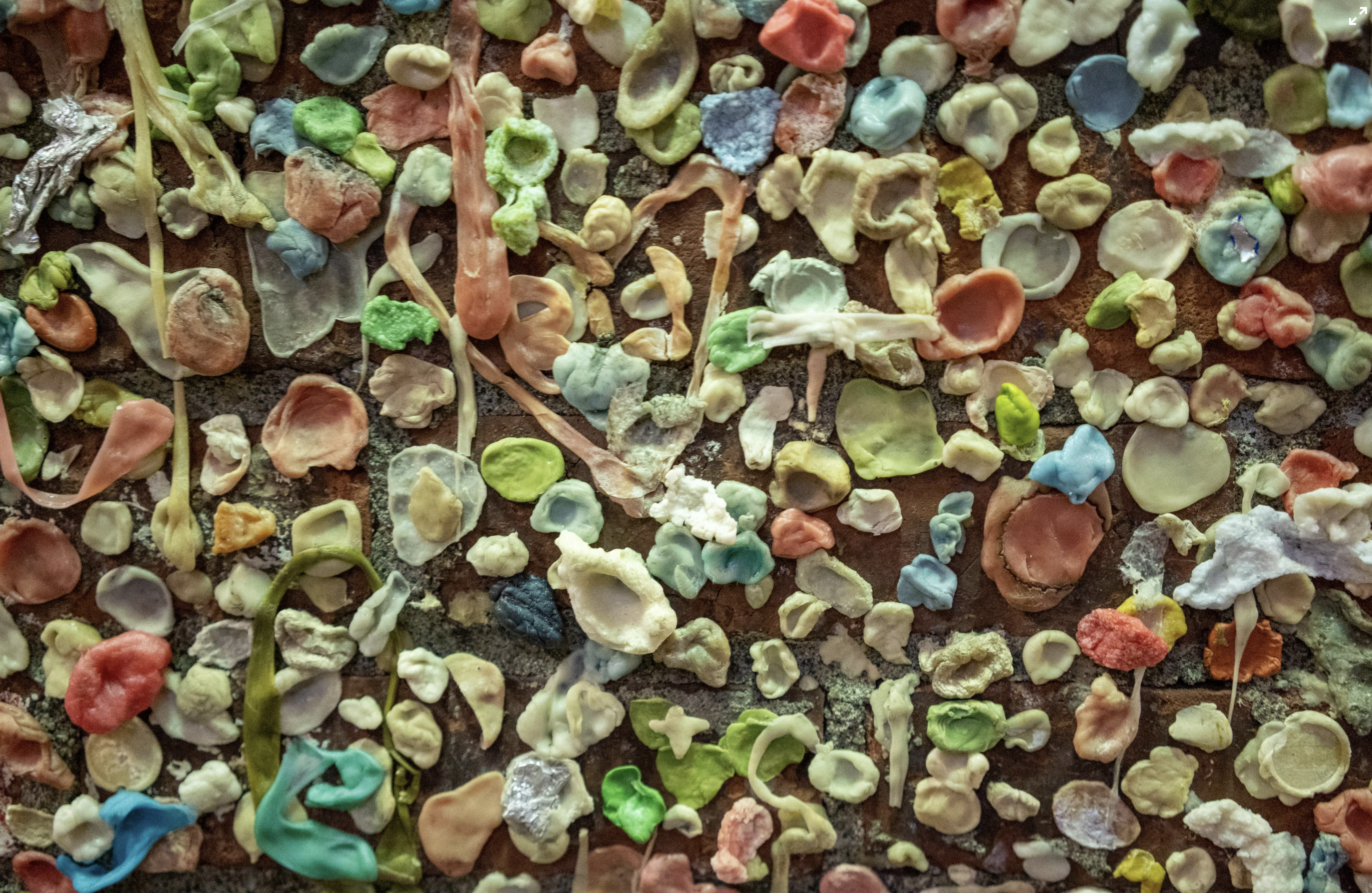
Did you know that chewing gum is made from plastic and releases an estimated 3000 pieces plastic particles in a 10 minute chew?