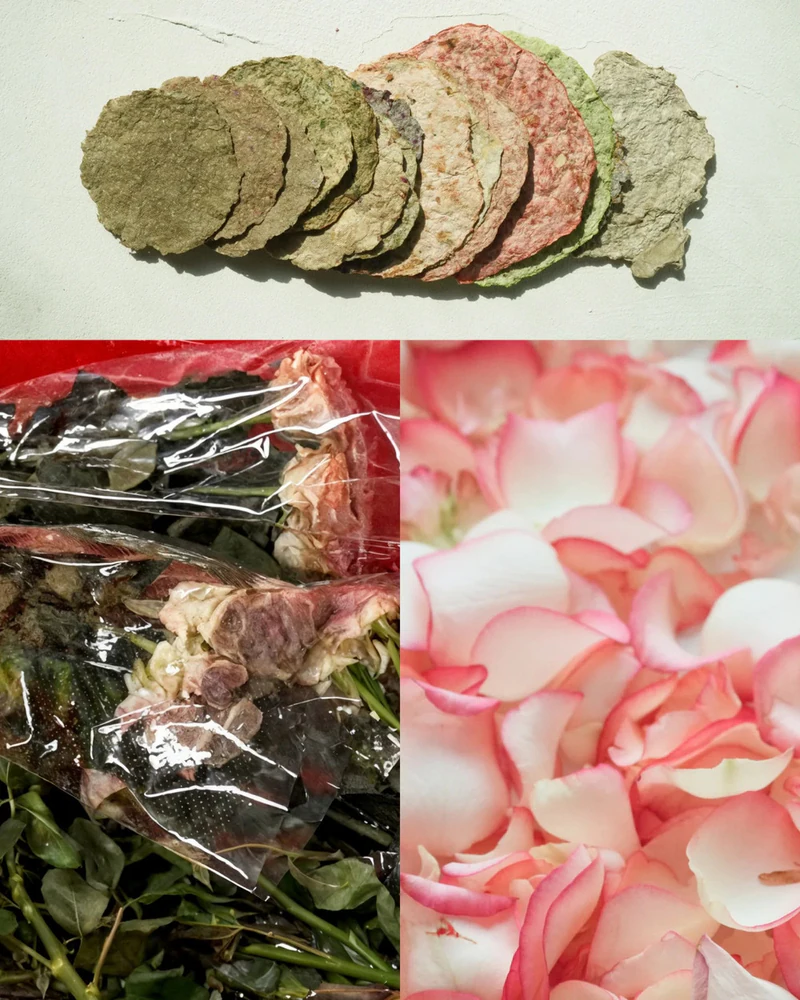

There’s something quietly beautiful about what Rebloom Studio is doing, and it starts with waste. At wholesale flower markets, mountains of unsold blooms are tossed out at the end of each cycle. Perfect flowers, just not sold in time. Most of them are burned or dumped. Rebloom takes that moment and turns it into something else.
We know paper as something made from tree pulp, but in Asia, paper is made from rice waste, and in schools everywhere, kids are making paper with old paper –– and are adding flowers, leaves and other organic material to the mix. In Japan, they made newspapers with seeds embedded in the upcycled paper so when composted the waste turns into flowers.

How about flowers themselves turning into paper and clay?
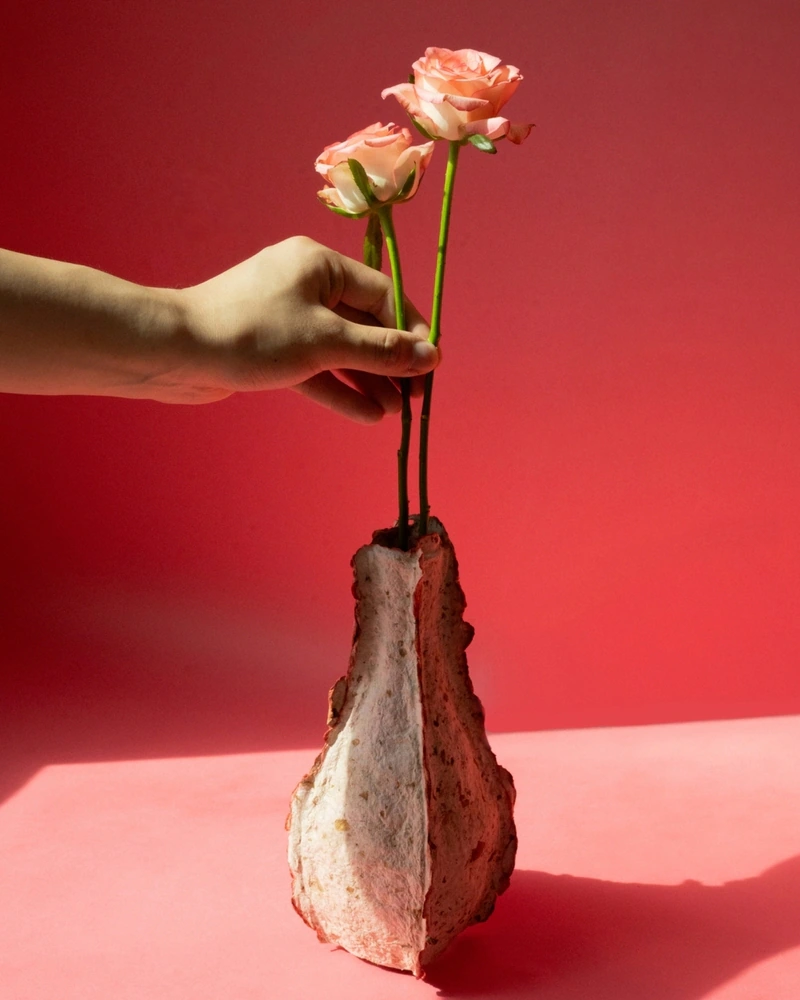
Rebloom’s Petal Vase is made from discarded flowers, pulped down and mixed with Korean paper fibers and a natural binder. What you get is not a polished, perfect object, but something closer to the mushy, memory of a flower which is textured, uneven, a little unpredictable. Each vase carries the trace of whatever went into it: different tones, flecks of color, the ghost of the flower that was.
Related: make mushroom paper
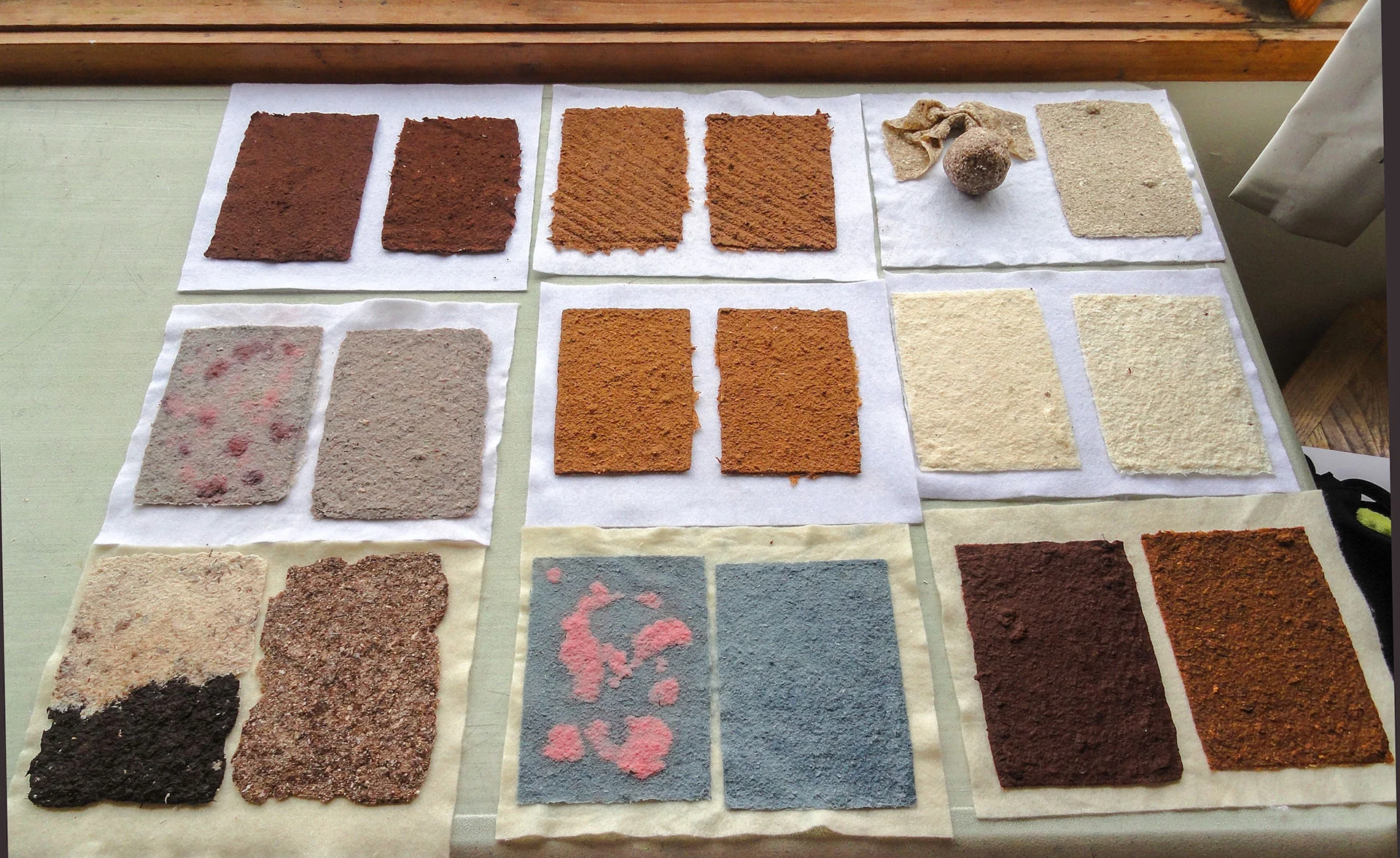
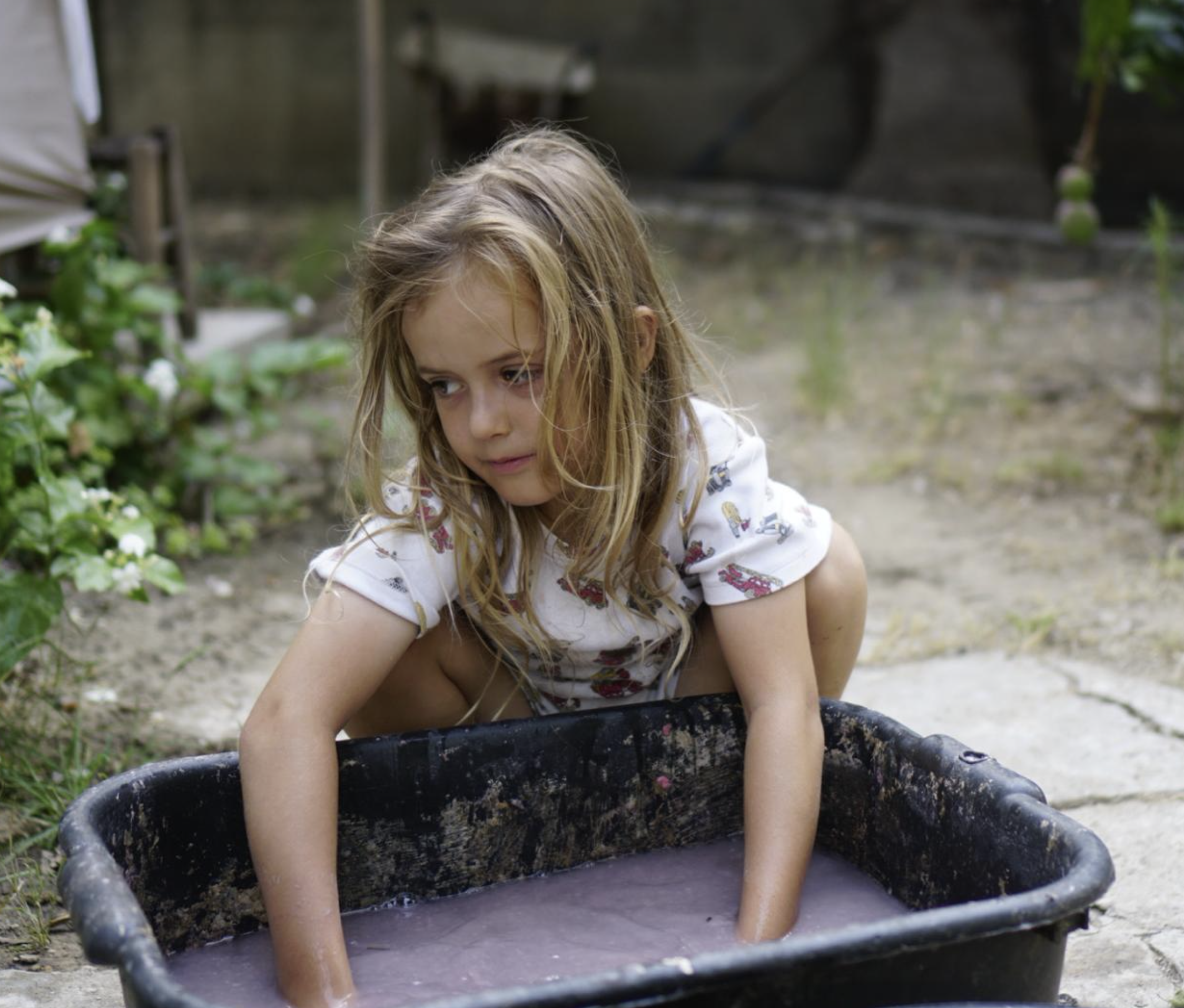
I’ve made a lot of paper with my kids and I’ve made frames to share with my loved ones so that they can make paper too. These flower vases turn what’s pulpy into a kind of moldable clay.
There’s a glass cylinder inside, removable, which holds the water and stems. That’s practical. It keeps the outer shell dry so the material doesn’t break down during use. The outside stays raw, untreated, almost fragile-looking, even though it holds its shape.
And when you’re done with it, really done, it can go back to the earth. No plastic, no long afterlife in a landfill.

Read related: how to make moss grafftti
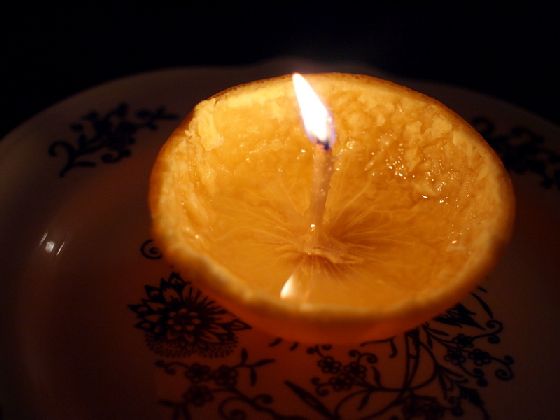
What if the things we throw away — flowers in this case — are not waste but a missed material opportunity? Like these orange peels that are upcycled into candles?
There’s a design shift happening right now where imperfections are not hidden but exposed. For home decor, that could mean something. Instead of mass-produced sameness, objects tied to seasonality, to place, even to failure. A bad sales day at a flower market becomes a new product line.
For the floral industry, there’s a second life emerging. Unsold inventory doesn’t have to be a total loss. It can be aggregated, processed, turned into something with value.