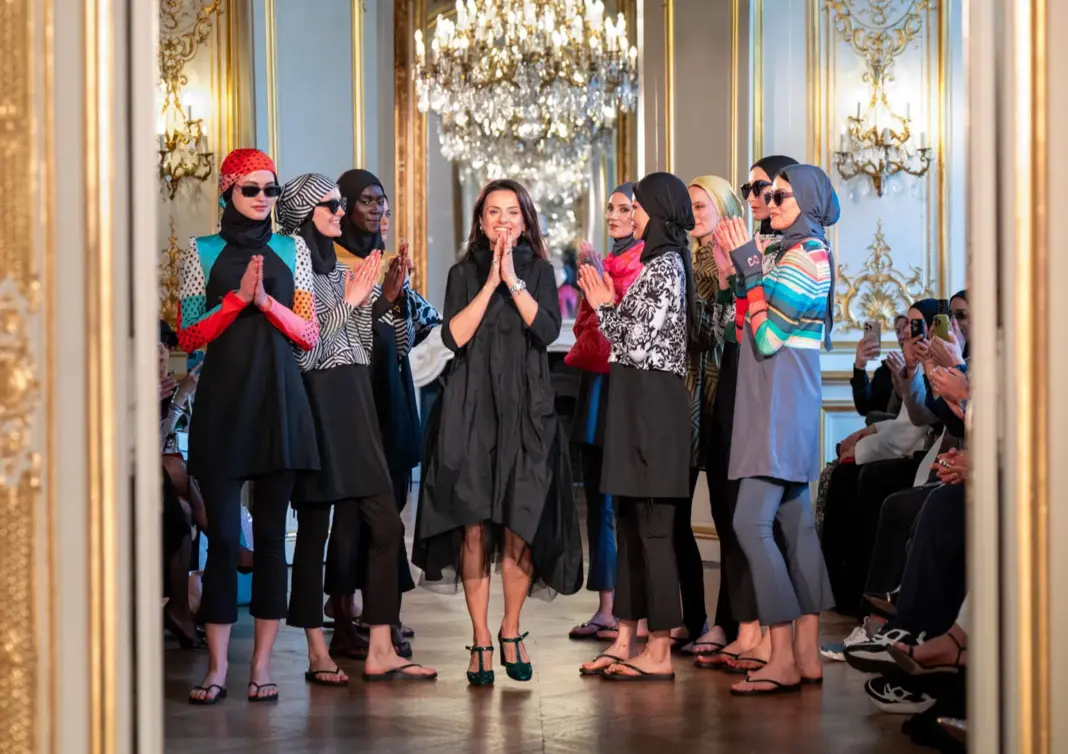

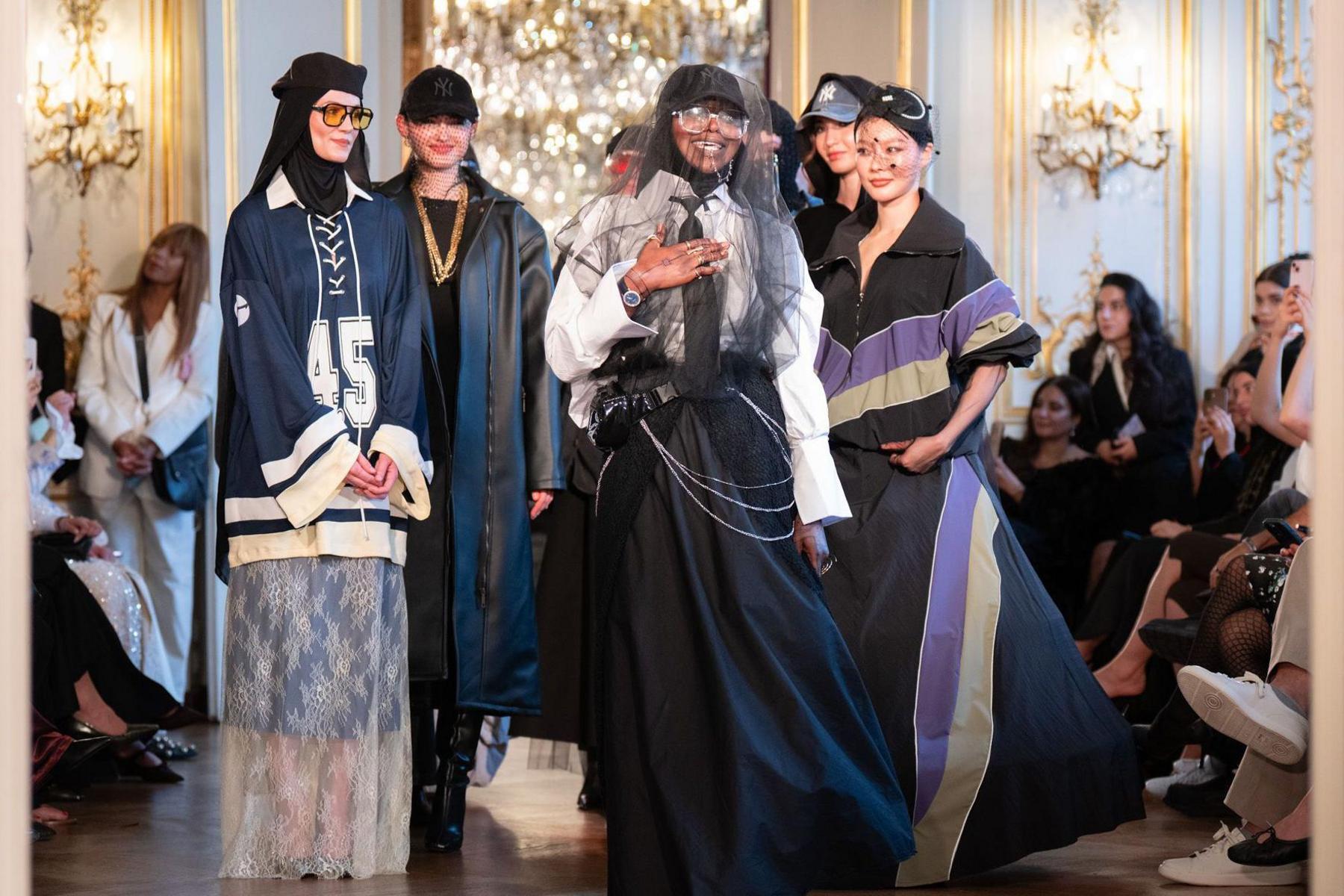
Paris has long dictated what the world wears. But a quieter movement is reshaping that influence — one that covers more, not less. Paris Modest Fashion Week is part of a growing global shift toward clothing that balances style with cultural, religious, or personal values of modesty. Designers from the Middle East, Southeast Asia, Europe, and beyond are using the Paris platform to show that fashion doesn’t have to rely on skin to be expressive.
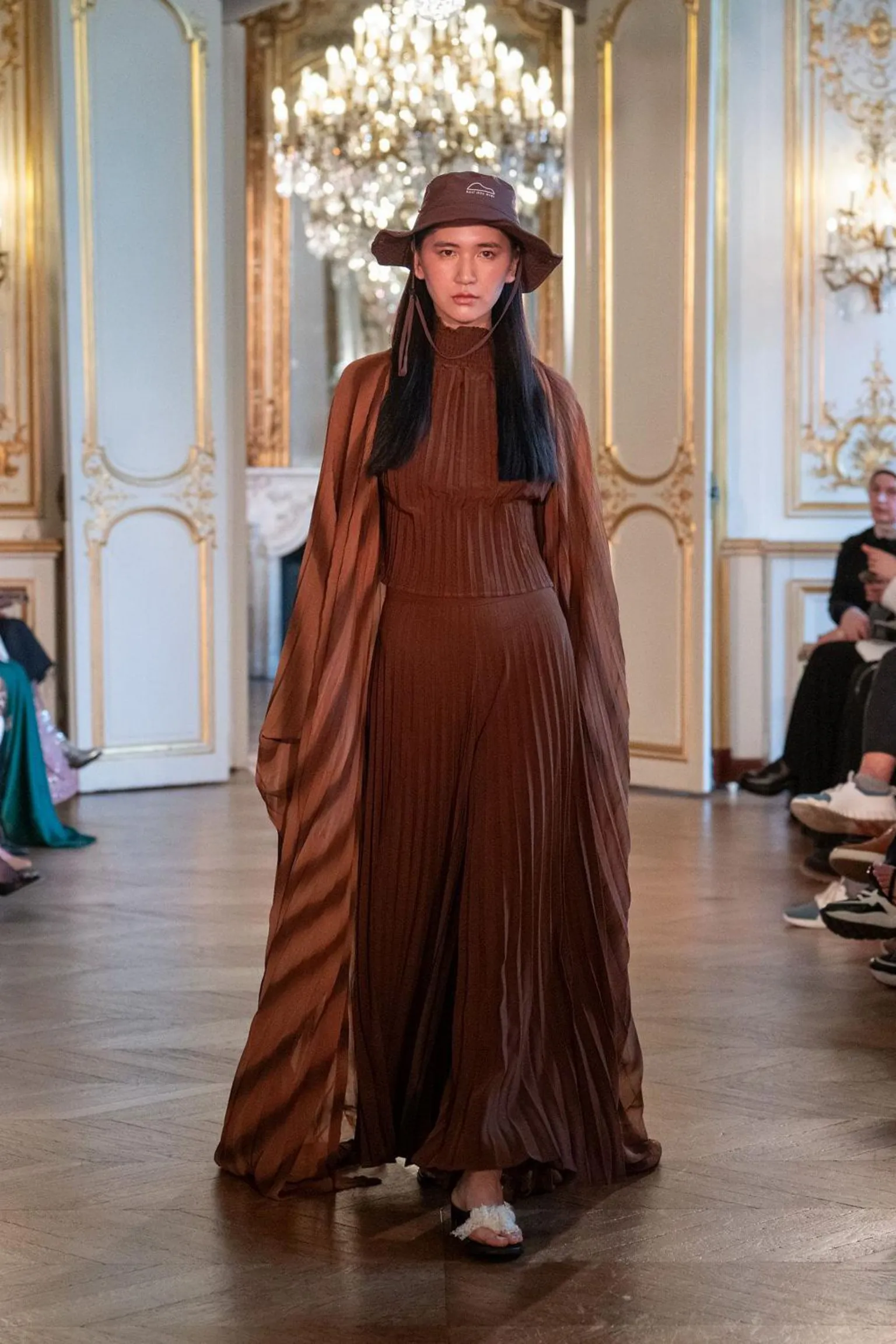

France is home to around 5 to 7.5 million Muslims according to estimates, and Özlem Şahin, head of the organization behind Modest Fashion Week, has described Paris as “one of the leading modest fashion capitals in Europe”.
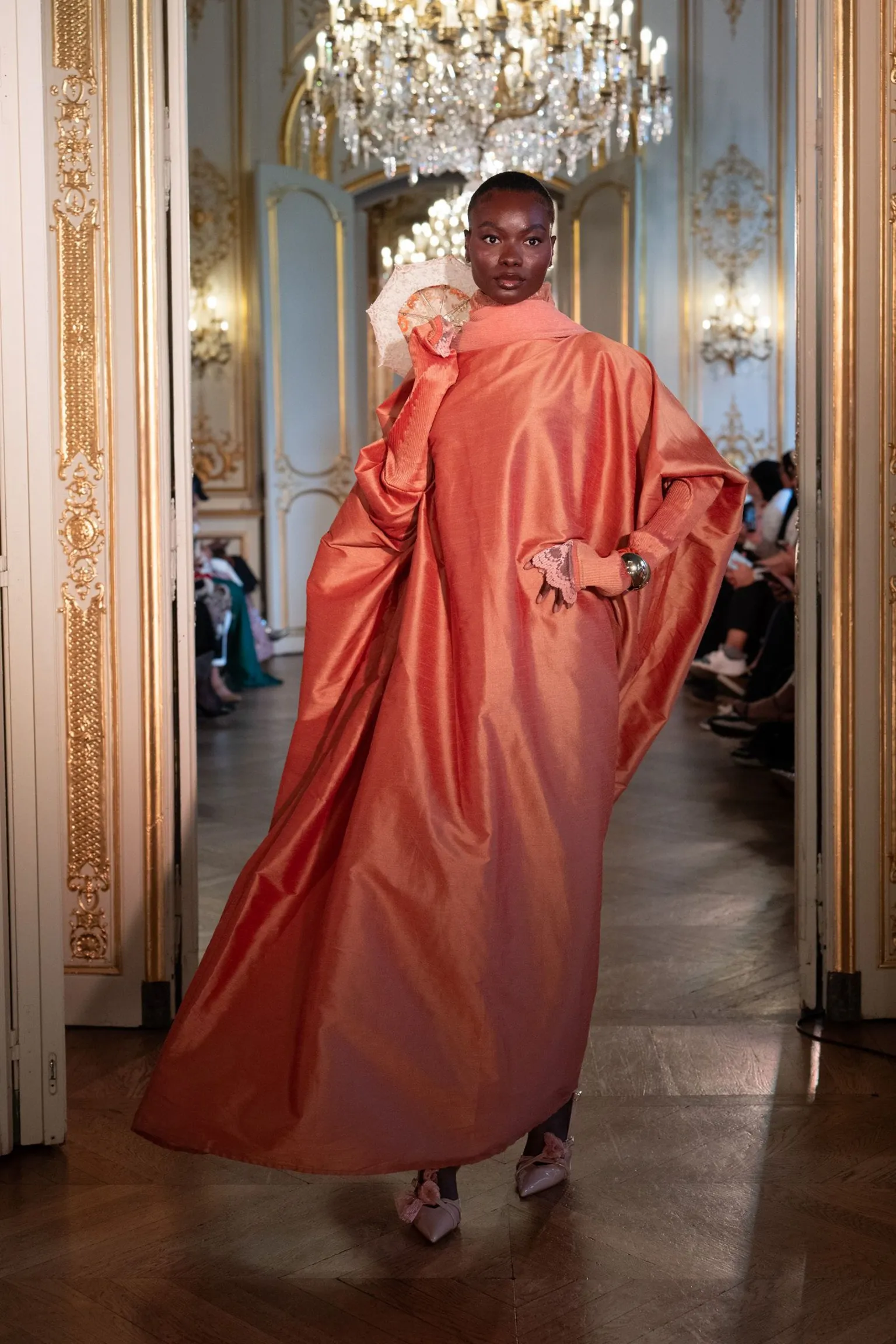
Flowing silhouettes, layered textures, structured tailoring, and inventive fabrics dominate the runway. The aesthetic is less about concealment and more about how fabric moves, how it frames the body, and how identity is communicated.
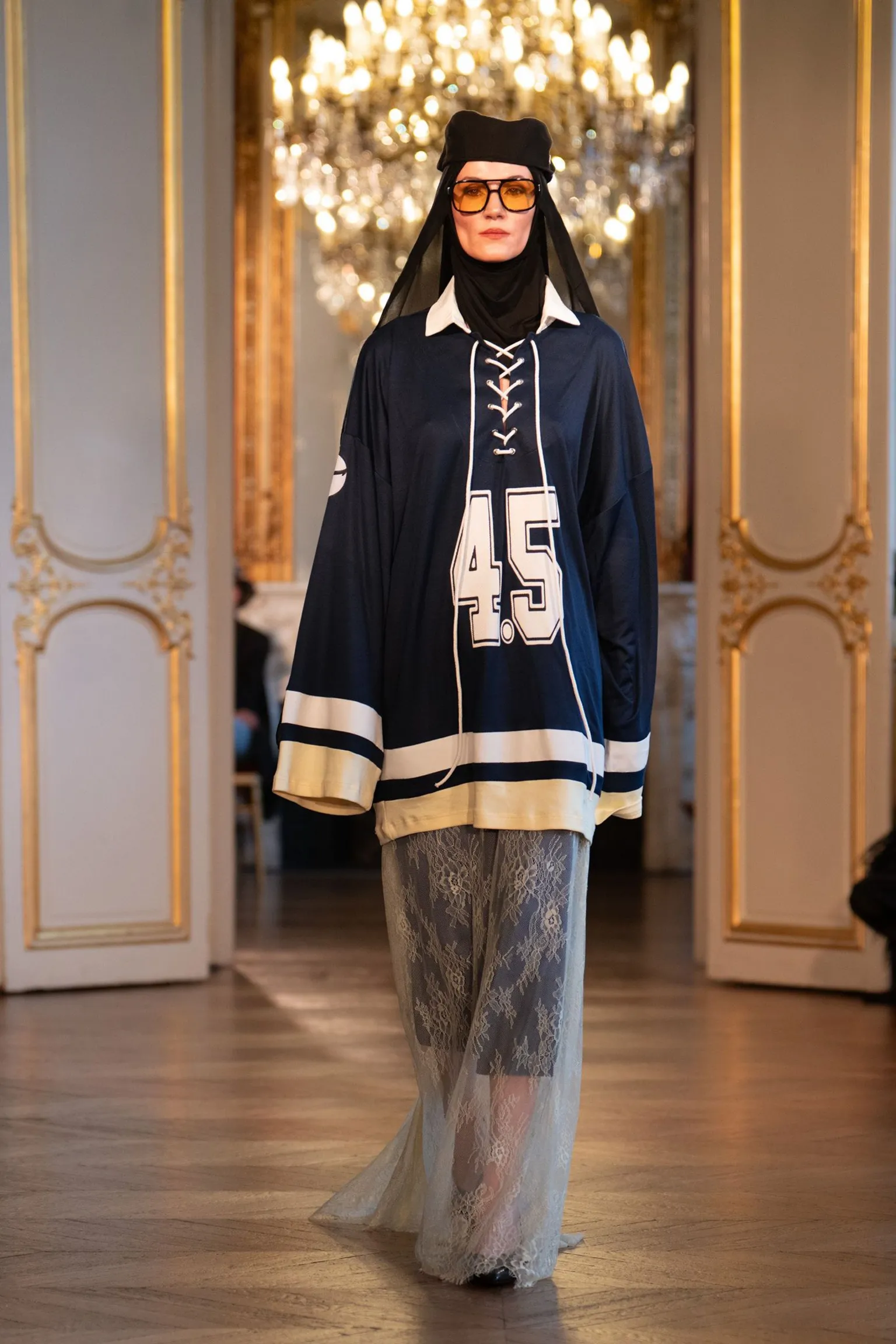
For some, modest fashion is rooted in faith: Islamic, Jewish, or Christian traditions. For others, it’s about autonomy: rejecting fast-fashion norms that equate confidence with revealing clothing. In a world saturated with hyper-sexualized imagery, modest fashion offers an alternative language. I can relate. In my early 20s I went through a hyper modesty stage to avoid the male gaze.
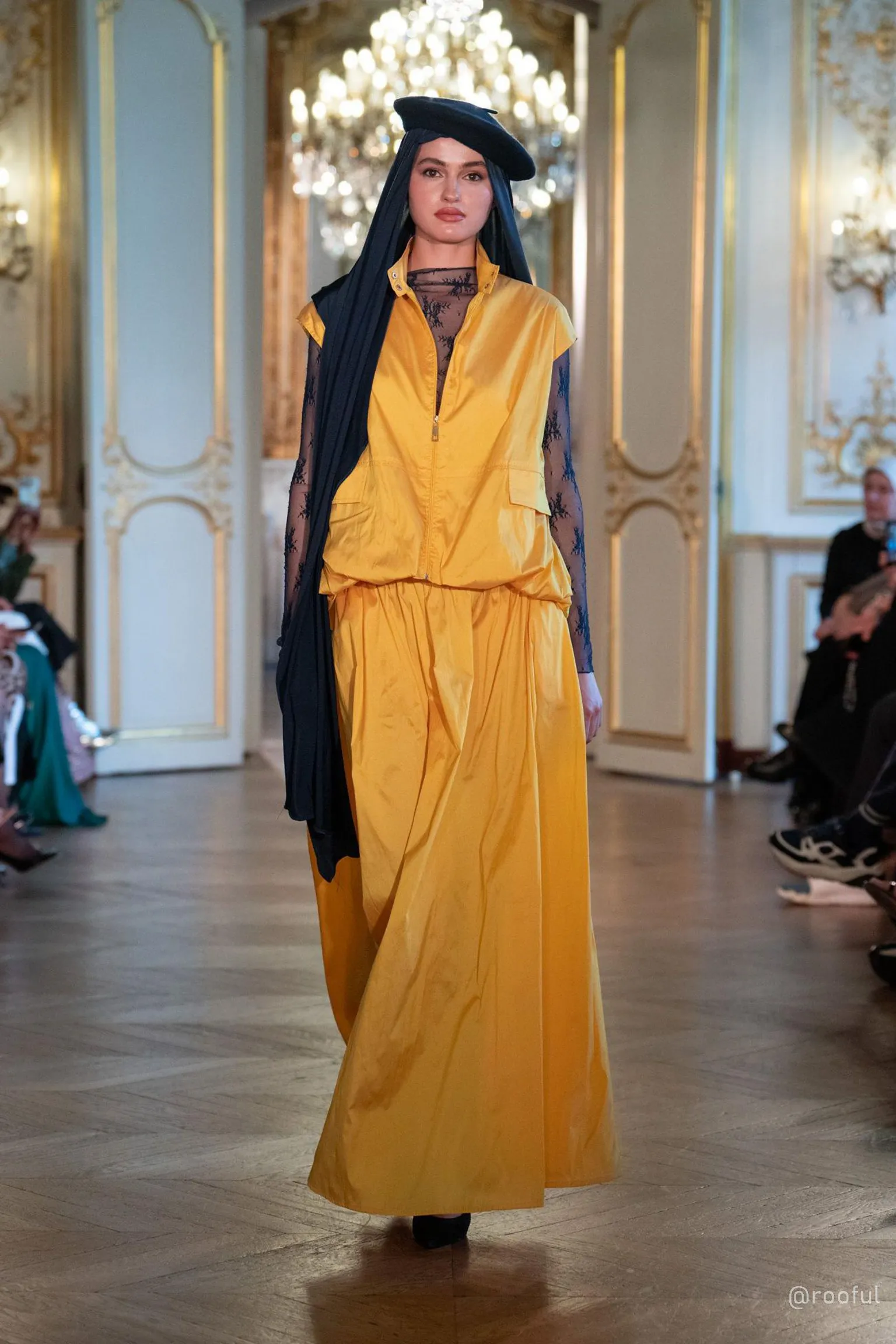
There’s also a sustainability angle because modest fashion made from hemp and linen often leans toward longer-lasting garments such coats, abayas, tailored pieces which are designed for repeat wear rather than seasonal disposal. Many designers in the space are also experimenting with natural fibers, ethical production, and slower design cycles.
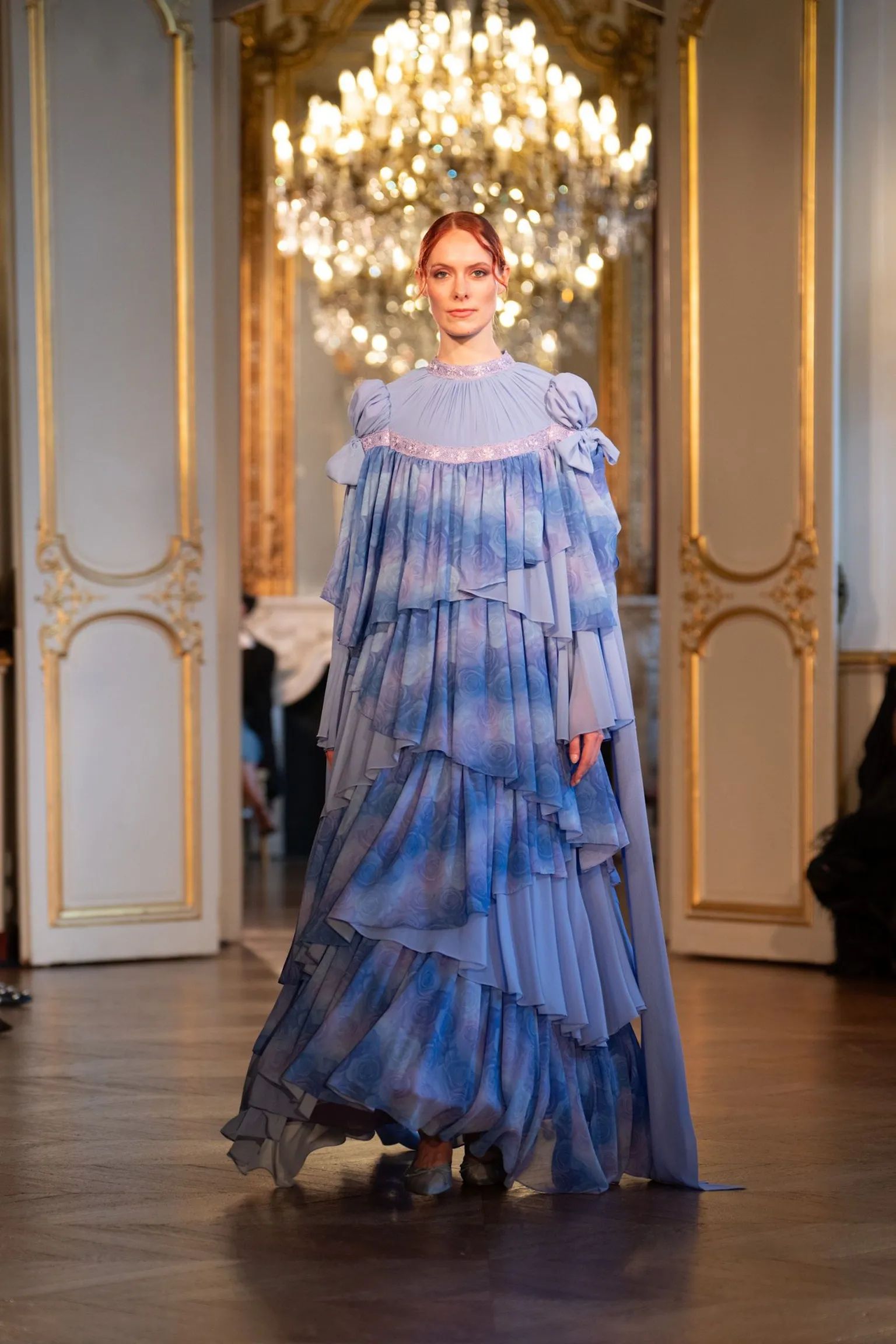
As luxury brands begin to tap into modest markets, questions arise about authenticity and cultural appropriation. Who is telling the story — and who profits from it? Paris Modest Fashion Week sits at that intersection: culture, commerce, and changing values.

Same is true for Saudi Arabia, which in 2024, held its first “immodest” fashion runway, featuring bathing suits.