
Marine protected areas are supposed to be safe havens for coral reefs, seagrass, fish nurseries and coastal wildlife. But a new global study suggests that many of them are protected in name only.
Research from the Wildlife Conservation Society (WCS) and the University of Queensland, published in Ocean & Coastal Management, found that nearly three out of four marine protected areas (MPAs) worldwide are exposed to sewage pollution. In the tropical ocean regions most vital for coral reefs and marine biodiversity, the situation is even worse: between 87 percent and 92 percent of protected areas are contaminated, often at pollution levels ten times higher than nearby unprotected waters.
The study evaluated more than 16,000 marine protected areas globally, and the findings land at an uncomfortable moment. Governments around the world have committed to protecting 30 percent of the ocean by 2030, under the international “30 by 30” biodiversity target.
But protecting lines on a map means little if polluted wastewater keeps pouring in from land.
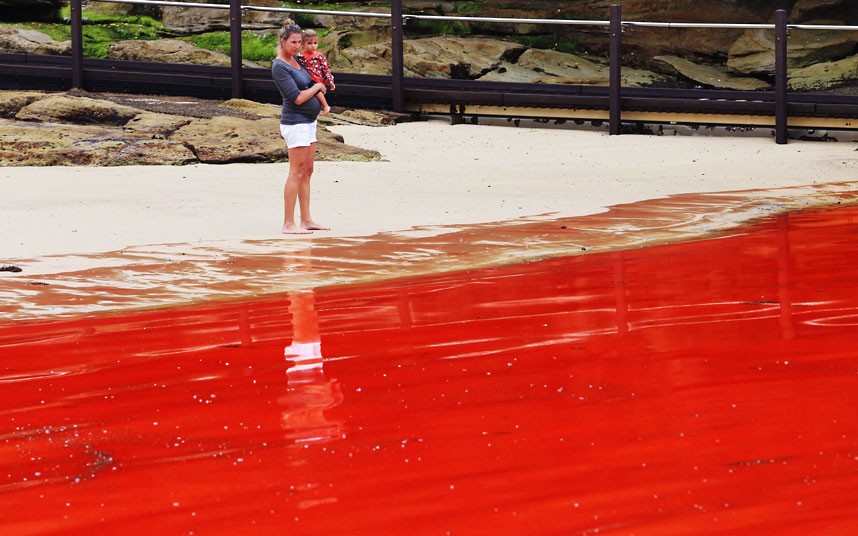
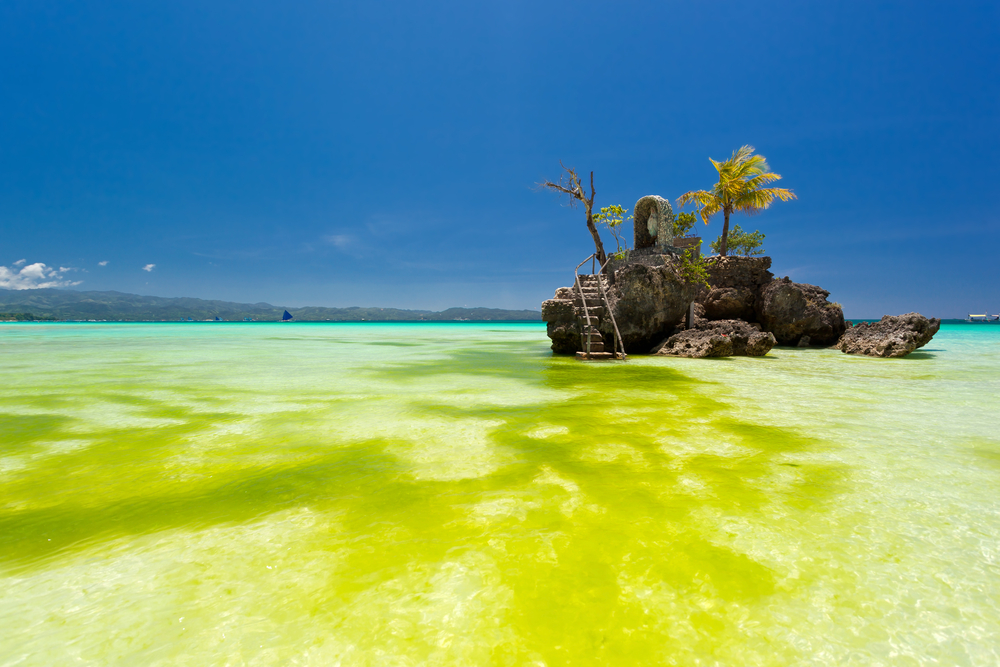
Wastewater: used water from homes, businesses and sewage systems, carries nutrients, pathogens and chemicals into rivers and oceans. Those pollutants can fuel harmful algal blooms, weaken coral reefs, damage seagrass meadows and threaten marine wildlife. Scientists have already linked wastewater pollution to coral reef decline around the world and even Alzheimer’s-like brain disease in dolphins.
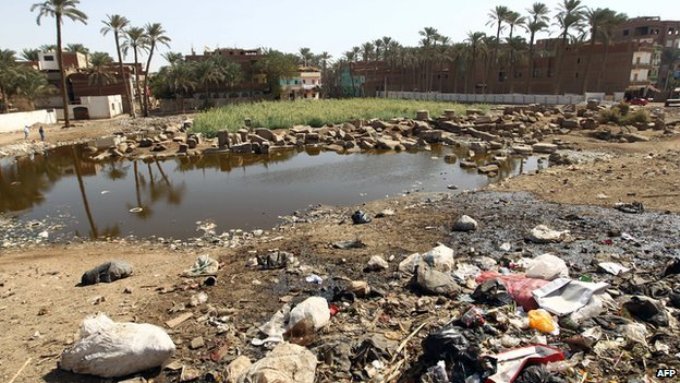
And this is not just a marine issue. Polluted water is also a human health crisis, contributing to diseases such as cholera and typhoid fever and causing an estimated 1.4 million deaths each year, alongside billions in economic losses.
“What we found was striking,” said lead author David E. Carrasco Rivera, a Ph.D. candidate at the University of Queensland. “In region after region, the areas set aside for conservation were actually receiving more pollution than the areas with no protection at all.”
The researchers closely analyzed 1,855 coastal MPAs in six tropical regions, including East Africa, the Indian Ocean, the Coral Triangle, Mesoamerica and the Caribbean, Australasia and Melanesia, and the Middle East and North Africa.
“Even a perfectly managed marine protected area will fail if wastewater keeps flowing in from upstream,” said Dr. Amelia Wenger, WCS Global Water Pollution Lead.
The message is simple: ocean conservation cannot stop at the shoreline. If governments want marine protected areas to actually protect marine life, they need to invest in sewage treatment, land-based pollution control, and smarter coastal planning, before “protected” becomes another empty word.
The question begs to be answered: can private people protect land better than poorly-run government bodies? And ask yourself when you are staying at a tropical resort or visit a nature paradise? Where is all my plastic and poop going?