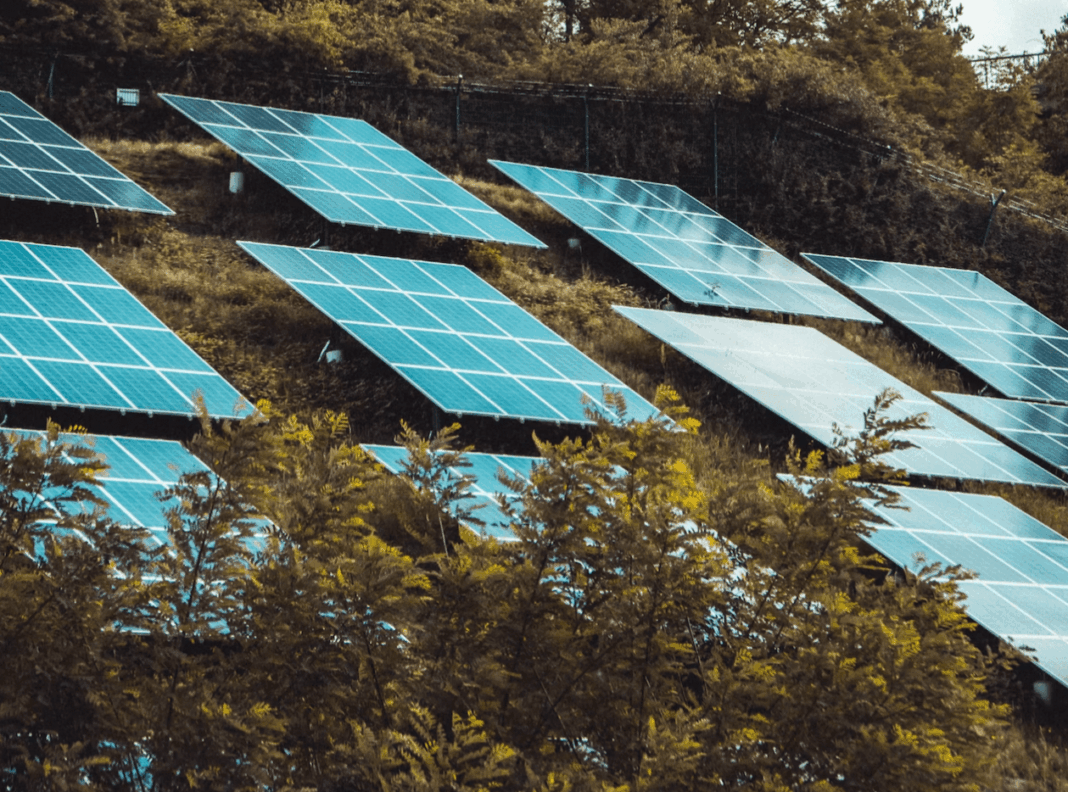


Are you ready to take a step towards sustainable living by transitioning to green electricity? As we begin to feel the effects of climate change, converting to renewable energy sources becomes critical.
Green electricity can be harnessed from the sun, wind, water and other natural resources. Offering not only a cleaner environment, it also promises considerable savings on utility bills over time.
If you’re considering this switch, let The Local Electrician be your partner in setting up environmentally friendly power solutions for your home.
Renewable Energy: Future Projections
Between 2023-2028, almost 3,700 GW of new renewable capacity is expected to be operational. Predominant contributors will be solar PV and wind.
Come 2024, wind and solar PV generation will noticeably surpass hydropower.
By 2025, renewables are forecasted to dethrone coal as the largest electricity supplier. Progressively, wind and solar PV will outshine nuclear power.
Expectations are that by 2028, over 42% of global electricity supply will come from renewable energy sources.
| Year | Renewable Source | Electricity Generation (%) |
| 2024 | Solar PV and Wind | Greater than Hydropower |
| 2025 | Rewables overall | Larger than Coal |
| 2025 to 2026 | Solar PV and Wind alone | Above Nuclear |
| 2028 | Renewables overall | Above 42% |
| Note: Data based on projected figures. | ||
In terms of heat consumption, renewables have encountered a rising demand with a global increase of 6% from 2017-2022.
The buildings sector accounted for the majority of the renewable requirements. And over three quarters of it was catered by China, the EU and the US.
On the other hand, the industrial sector saw a significant rise in renewable consumption in India.
It is forecasted that renewable heat usage will accelerate by 40% from 2023-2028.
In 2023, renewable electricity capacity additions increased by around 50% and reached 507 GW, largely due to solar PV and wind.
Renewable electricity capacity is forecasted to rise continuously over the next five years with record-breaking figures each year.
Solar Energy: A Bright Future
North Carolina’s recent stride in the green energy revolution was marked by the completion of the Brighter Future Solar Project in February 2022.
Mighty Capacity
Handling a hefty capacity of 15.7 MW, developed by Ecoplexus, its mesmerizing field of 37,000 solar panels extends over 120 acres.
It’s set to produce an estimated annual energy output of around 27,700 MWh.
A Sustainable Choice
The project’s energy yield is enough to sustainably meet the power requirements of about 2,500 homes. That’s impactful!
This sun-rich power station contributes extensive environmental benefits too.
Fighting Emissions
The expected CO2 emissions reduction with this venture is around 21,000 tons – a significant step in combating climate change.
This installation epitomizes Ecoplexus’ enduring expansion into solar energy and works towards achieving long-term carbon reduction strategies.
Onshore Wind Energy Expansion
With an impressive 25.5 GW installed in 2022, wind energy has proven to be the third-largest year for clean energy deployment.
How many wind turbines currently generate clean power?
Across the United States, over 72,000 wind turbines are diligently generating clean and reliable power, contributing to a greener future.
What wind speed is required to generate electricity from wind turbines?
Wind turbines start generating electricity at wind speeds ranging between 6-9 mph. However, they cease operations if wind speeds exceed 55 mph to prevent damage.
How often do modern turbines generate usable electricity?
Modern turbines are incredibly efficient, generating usable amounts of electricity over 90% of the time. This constant production helps maintain a steady power supply.
Does wind energy significantly increase total power system variability?
No, wind energy only marginally influences total power system variability due to incremental and predictable fluctuations in wind output.
Future of Hydroelectric Power
Hydropower stands as a significant entity in the U.S. energy mix, offering a sustainable, low-cost, and low-carbon renewable energy source.
This energy powerhouse supports grid flexibility while maintaining its commitment to environmental sustainability.
- Innovative technologies and strategic plans are needed to boost hydropower’s economic competitiveness and cater to environmental sustainability needs.
- Pumped storage hydropower showcases promising potential for growth, serving as a key player in grid reliability services.
- Economic and societal merits of hydropower include job creation, health cost savings from reduced air pollution, and considerable reduction in greenhouse gas emissions.
- An estimated 195,000 jobs could be supported across the nation by 2050 through fully harnessing the power of hydropower.
The roadmap for the future involves steps in technology advancement, regulatory process optimization, enhanced collaboration, education and outreach. To understand more about the vision ahead for U.S. hydropower, visit Hydropower Vision.
Growth in Geothermal Capacity
With a most recent global total of over 14,000MWe, geothermal energy’s capacity has seen progressive growth.
The 2020 geothermal capacity reveals an impressive increase of 745MWe from the previous year.
This steady growth is encouraging, especially considering the increased attention to renewable, green energy sources.
Contributing significantly to this development are countries like the USA, Indonesia, and the Philippines.
- USA: Contributing over a quarter of the global capacity, with 3,723MWe.
- Indonesia: Close behind with global contribution at 15.9%, amounting to 2,254MWe.
- Philippines: Providing a notable 13.6% to the global geothermal power pool with its 1,928MWe.
Turkey, Mexico, and Italy follow thereafter, each supplying between 6.7% and 10.7% of the worldwide geothermal energy capacity.
To gain more insightful facts about the impressive growth of geothermal power globally, check out this extensive report.
Last but not least is Kenya, Iceland and New Zealand making considerable contributions, along with Costa Rica and other countries collectively adding around 8% to global figures.
The figures demonstrate a promising trend for renewable energy efficiency; indicating that it offers substantial possibilities for future green electricity generation.
Oceanic Hydrokinetic Energy
The vast oceans, significantly untapped, hold immense potential for renewable energy. Predictions suggest that by 2050, ocean energy could supply 10% of Europe’s electricity requirements.
Ocean Energy: An Untapped Resource
Ocean Energy Europe leads ocean energy discourse on an international scale. Their support and expertise help enterprises in the sector to thrive and expand.
Benefits of Ocean Energy
Ocean energy is a reliable, local power source. Its versatility offers various methods to generate electricity, whether through tides, waves, sea temperature differences or salinity.
Economic Boon Through Ocean Energy
Developing ocean energy could trigger substantial economic advantages. It promises to create numerous jobs in Europe and open up a massive global export market.
The Future of Ocean Energy
In Europe alone, plans are underway to deploy 100GW of ocean energy production capacity by 2050. This could fuel nearly 94 million households daily.
Achieving 100% Clean Electricity
The vision of Canada’s clean electricity initiative is a fully decarbonized grid by 2035. With 80% of the power already sourced from non-emitting sources, it’s a reachable goal.
Implementation involves the Clean Electricity Regulations. These propose performance standards that could drastically reduce emissions from fossil fuel-generated electricity starting in 2035.
“Performance standards set for reducing greenhouse gas emissions.”
They estimate a projected net reduction of 342 million metric tonnes of greenhouse gas emissions between 2024 and 2050 due to these proposed regulations.
Canada’s aim for net-zero greenhouse gas emissions by 2050 aligns with the timing for these regulations, primarily targeting fossil-fuel powered electricity.
A benefit-cost analysis reveals promising numbers. The societal net benefit derived from these regulatory actions is estimated to be around $28.9 billion, taking into account a 2% discount rate.
Energy Efficiency and Equity
The concept of energy equity centers on ensuring everyone shares the benefits of green electricity, regardless of background or location.
Disadvantaged communities often experience the harshest effects of fossil fuel pollution and extreme weather events.
The upside is that they stand to benefit immensely from renewable energy technologies, energy-efficient housing, and low-carbon transportation options.
- Broadening engagement: Encourages partnerships with community-based organizations, tribal nations, states, local governments, and minority-serving institutions.
- Collecting more data: Helps track progress effectively and ensure everyone benefits equitably from clean energy advancements.
- Developing equity-focused research areas: Aims to guarantee wider participation in clean energy programs.
- Aligning programs with the Justice40 Initiative: Ensures 40% of the benefits from federal investments flow to disadvantaged communities.
- Expanding funding opportunities: Attracts diverse participants to contribute to a sustainable future.
EERE’s Equity-Focused Clean Energy Prizes foster grassroots innovation and tackle climate and energy obstacles at the community level.
The prizes help deploy versatile solutions while fostering equitable access to green power resources across communities.
As the clean energy transition accelerates, ensuring that these strategies are implemented with transparency and community input is key. According to Energy Australia, by actively involving those most affected and building local capacity, we can create lasting change that uplifts every neighborhood—making the energy revolution not just greener, but fairer for all.
Your Green Future
Embrace your role in shaping the future of green electricity. You can contribute to a brighter, sustainable future by supporting and utilizing renewable energy. A wealth of information awaits at your local electrician’s website. Welcome the era of clean power!