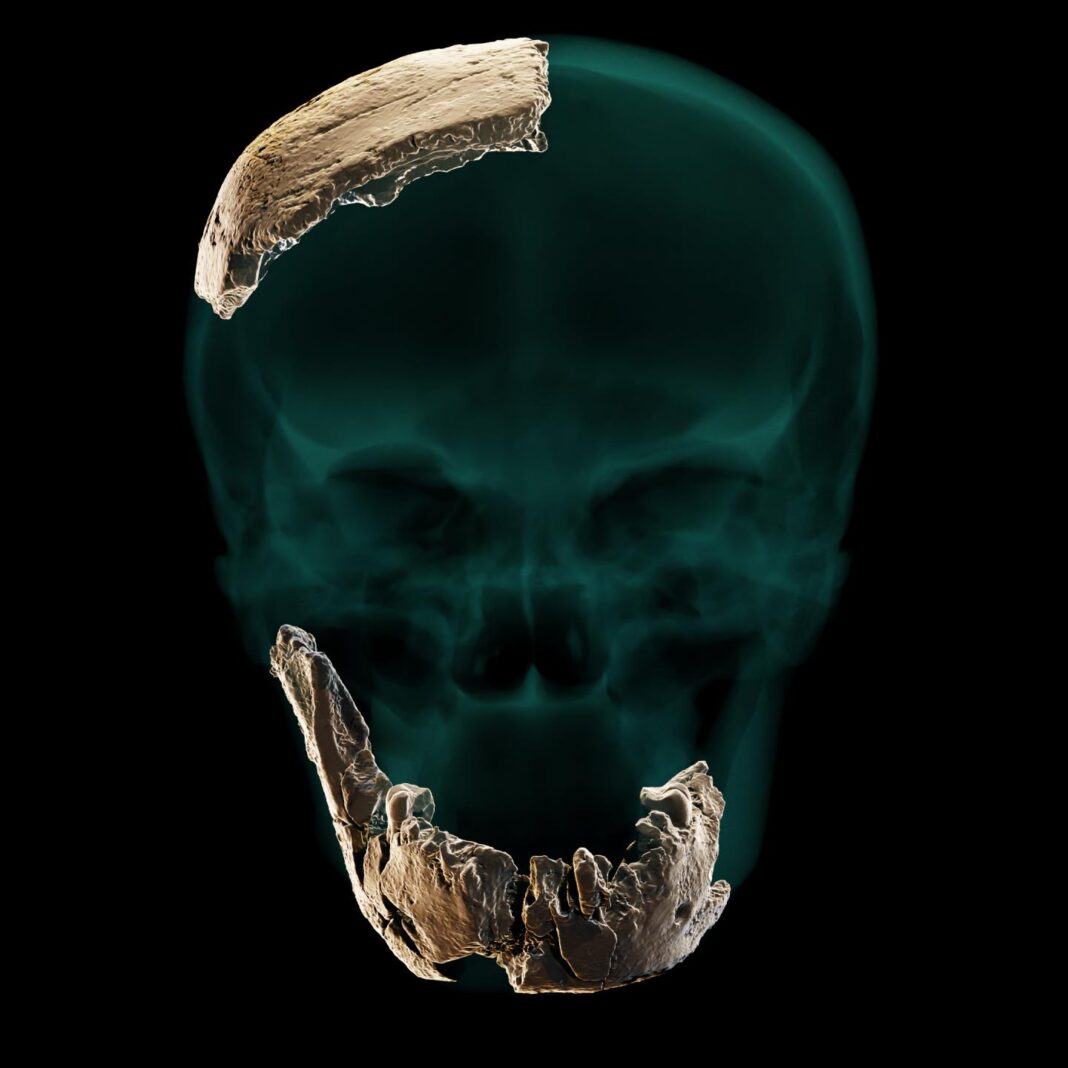

 The Nesher Ramla Homo type was an ancestor of both the Neanderthals in Europe and the archaic Homo populations of Asia
Humans as we are today are quite different from our stalky Neanderthal cousins. But how did we evolve from them to us? Archaeologists from Israel have found the missing link.
Researchers from Tel Aviv University and the Hebrew University of Jerusalem have identified a new type of early human at what’s called the Nesher Ramla site, dating from 140,000 to 120,000 years ago.
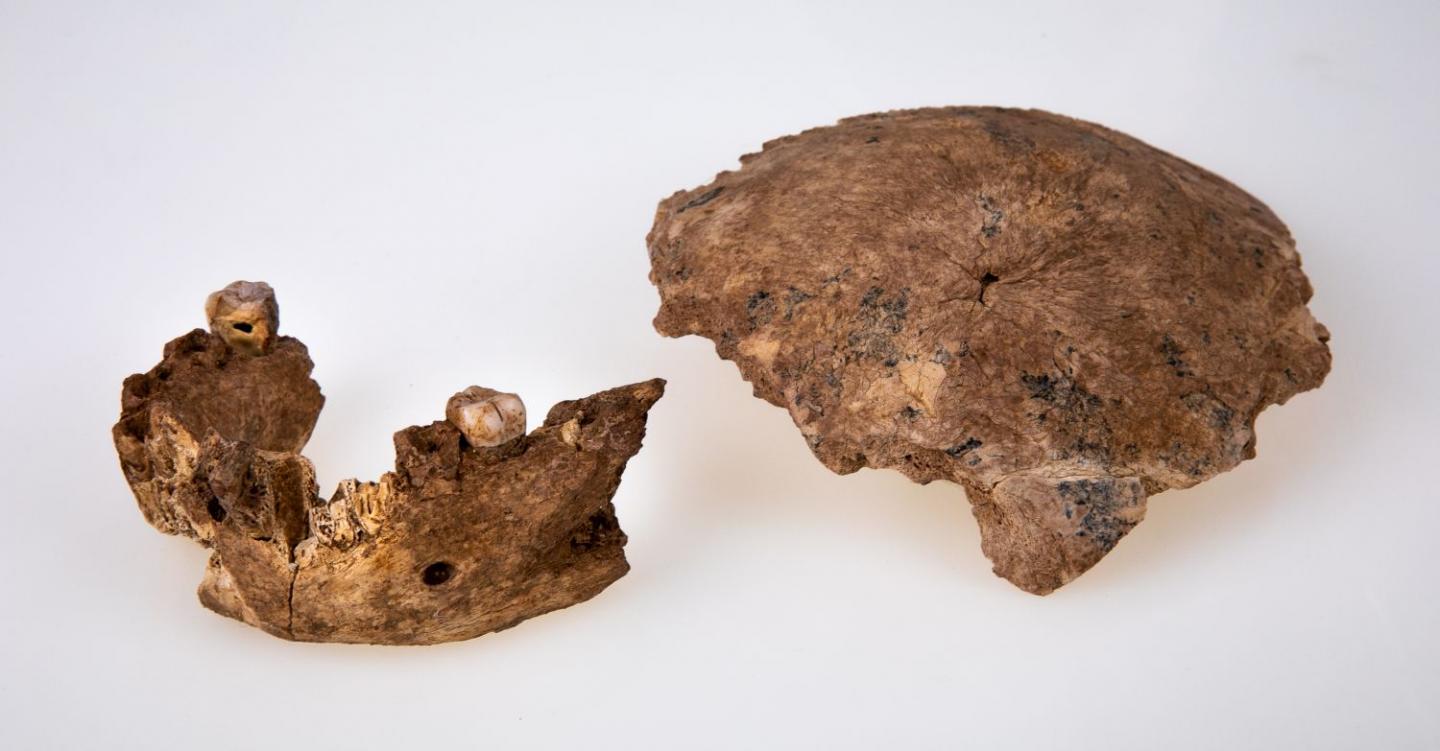
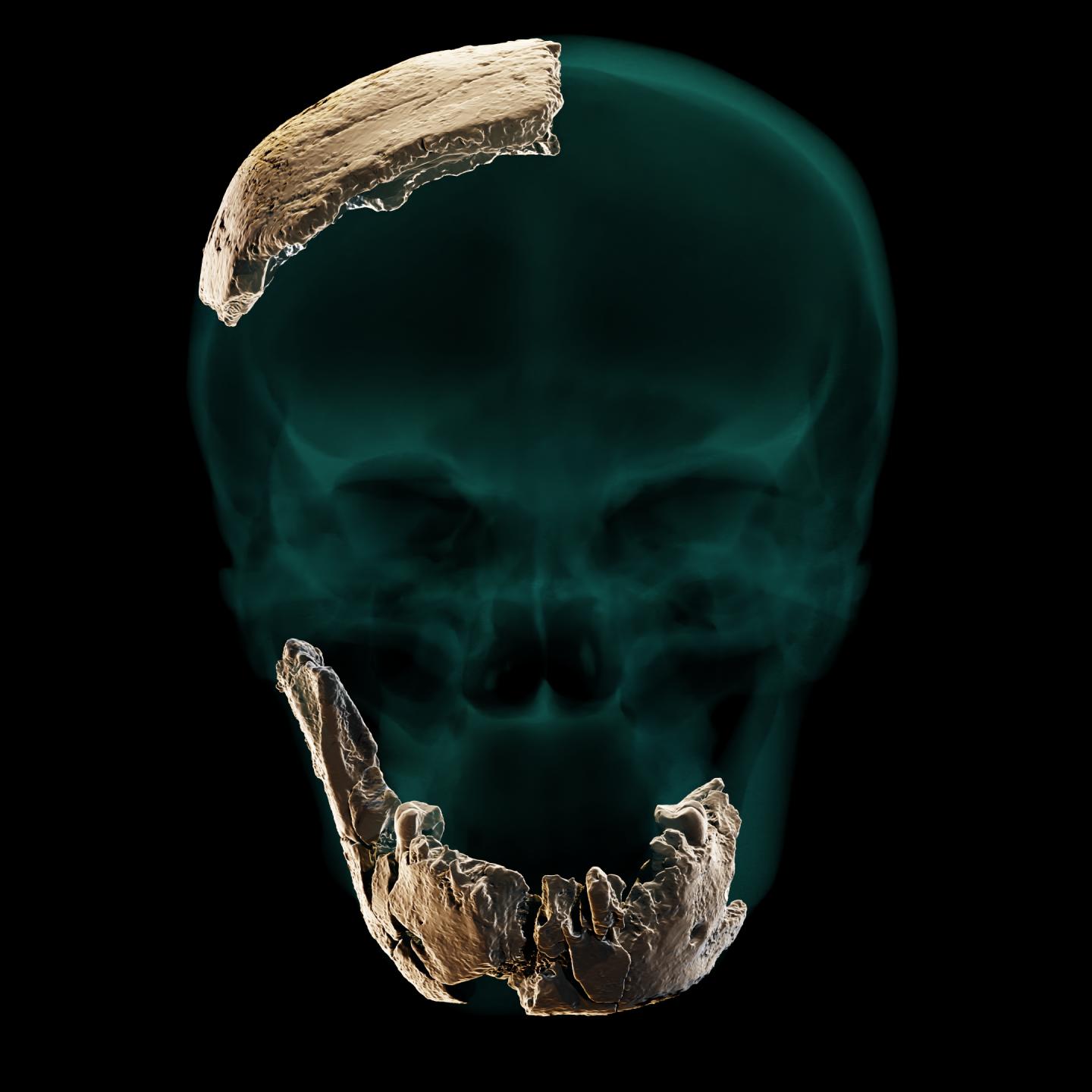
According to the researchers, the morphology of the Nesher Ramla humans shares features with both Neanderthals (especially the teeth and jaws) and archaic Homo (specifically the skull). At the same time, this type of Homo is very unlike modern humans – displaying a completely different skull structure, no chin, and very large teeth.
Following the study’s findings, researchers believe that the Nesher Ramla Homotype is the ‘source’ population from which most humans of the Middle Pleistocene developed. They suggest that this group is the so-called ‘missing’ population that mated with Homo sapiens who arrived in the region around 200,000 years ago.
Two teams of researchers took part in the dramatic discovery, published in the prestigious Science journal: an anthropology team from Tel Aviv University headed by Prof. Israel Hershkovitz, Dr. Hila May and Dr. Rachel Sarig from the Sackler Faculty of Medicine and the Dan David Center for Human Evolution and Biohistory Research and the Shmunis Family Anthropology Institute, situated in the Steinhardt Museum at Tel Aviv University; and an archaeological team headed by Dr. Yossi Zaidner from the Institute of Archaeology at the Hebrew University of Jerusalem.
 Prof. Israel Hershkovitz: “The discovery of a new type of Homo” is of great scientific importance. It enables us to make new sense of previously found human fossils, add another piece to the puzzle of human evolution, and understand the migrations of humans in the old world. Even though they lived so long ago, in the late middle Pleistocene (474,000-130,000 years ago), the Nesher Ramla people can tell us a fascinating tale, revealing a great deal about their descendants’ evolution and way of life.”
The important human fossil was found by Dr. Zaidner of the Hebrew University during salvage excavations at the Nesher Ramla prehistoric site, in the mining area of the Nesher cement plant near the city of Ramla.

Digging down about 8 meters, the excavators found large quantities of animal bones, including horses, fallow deer and aurochs, as well as stone tools and human bones. An international team led by the researchers from Tel Aviv and Jerusalem identified the morphology of the bones as belonging to a new type of Homo, previously unknown to science. This is the first type of Homo to be defined in Israel, and according to common practice, it was named after the site where it was discovered – the Nesher Ramla Homo type.
Dr. Yossi Zaidner: “This is an extraordinary discovery. We had never imagined that alongside Homo sapiens, archaic Homo roamed the area so late in human history. The archaeological finds associated with human fossils show that “Nesher Ramla Homo” possessed advanced stone-tool production technologies and most likely interacted with the local Homo sapiens”.
The culture, way of life, and behavior of the Nesher Ramla Homo are discussed in a companion paper also published in Science journal today.
Prof. Hershkovitz adds that the discovery of the Nesher Ramla Homo type challenges the prevailing hypothesis that the Neanderthals originated in Europe.
“Before these new findings,” he says, “most researchers believed the Neanderthals to be a ‘European story’, in which small groups of Neanderthals were forced to migrate southwards to escape the spreading glaciers, with some arriving in the Land of Israel about 70,000 years ago.
“The Nesher Ramla fossils make us question this theory, suggesting that the ancestors of European Neanderthals lived in the Levant as early as 400,000 years ago, repeatedly migrating westward to Europe and eastward to Asia. In fact, our findings imply that the famous Neanderthals of Western Europe are only the remnants of a much larger population that lived here in the Levant – and not the other way around.”