New Year, New You: How to Use Fermentation to Improve Your Health in 2019

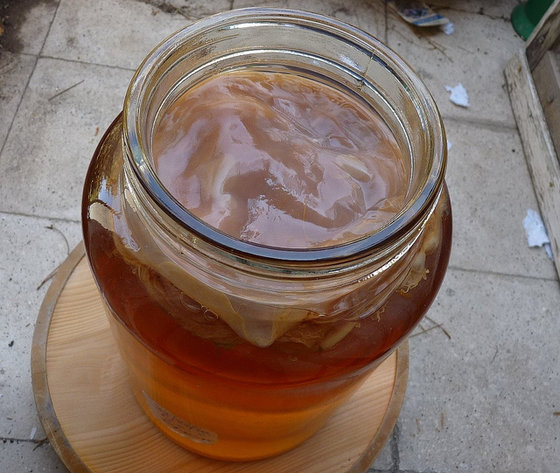
image kombucha tea

It’s the newest It food, but for over 10,000 years, humans have been using the fermentation process to make food for themselves. Producing beverages like beer and wine to more substantial and nutritious foodstuffs like bread, cheese and yogurt, fermentation is a chemical process by which microorganisms (in the absence of oxygen) break down nutrients into alcohol and acids. Converting these nutrients — often carbohydrates — into simpler substances allows the body to absorb and use them more easily.

The benefits of fermentation are many, from aiding digestion and increasing nutrient bioavailability to preserving food for longer storage. (And you just thought that beer was good for upping your comedic value!) Indeed, fermented food products can bestow a bevy of health advantages, but that doesn’t mean they all are created equally. Take a look at a few important facts about fermentation if you want the best health results in 2019:

Fermented fish

Pick Products that Contain “Live Cultures”

Typically, fermented products from a supermarket are processed at a high level of heat, killing the beneficial bacteria their fermented processing promises. And even if they haven’t been, they often contain excessive amounts of sugar and sodium, negating their nutritional value. Read labels carefully and purchase only those products that contain “live cultures” with limited salt and sugars. Usually these products are stored in the refrigerated section along the periphery of your local grocery store and not in jars and cans on interior store shelves.

Better Yet, Make Your Own

Fermenting your own vegetables or making your own yogurt or brewing your own beer isn’t that hard and provides a significant nutritional advantage over buying items that have been produced for the masses using artificial preservatives and added ingredients for flavor. Check out this site for direction on where and how to start fermenting your own food.

image-sourdough-cheese-bread
Sour dough bread

Listen to Your Body

We turn to experts everyday to find the best information on all number of topics — a business immigration lawyer when we want to work abroad; a licensed contractor when we want to build a house; a PR professional when we want to spin a possible issue. Likewise, when beginning a fermented diet, it’s important that we listen to the best resource available. Our own bodies are the best authorities on what works and doesn’t work for us. Because the research is so new, there is no magic amount of fermented foods to eat each day to guarantee healthy results. Instead, follow your body’s lead. Fermented food products can cause gas and bloating, but even just one serving a day of fermented food can improve gut health. Thus, start small, see how your body reacts and adjust your consumption accordingly!



Bhok Thompson
Bhok Thompsonhttp://www.greenprophet.com
Bhok Thompson is an “eco-tinkerer” who thrives at the intersection of sustainability, business, and cutting-edge technology. With a background in mechanical engineering and a deep fascination with renewable energy, Bhok has dedicated his career to developing innovative solutions that bridge environmental consciousness with profitability. A frequent contributor to Green Prophet, Bhok writes about futuristic green tech, urban sustainability, and the latest trends in eco-friendly startups. His passion for engineering meets his love for business as he mentors young entrepreneurs looking to create scalable, impact-driven companies. Beyond his work, Bhok is an avid collector of vintage mechanical watches, believing they represent an era of precision and craftsmanship that modern technology often overlooks. Reach out: [email protected]

Read More

TRENDING

Health Canada approves lab grown milk

Canada's approval of animal-free dairy proteins marks a milestone for precision fermentation and the growing alternative-protein industry. Will consumers embrace milk made without cows?

Before Funeral, Auburn University Creates Environmental Scholarship in Memory of Weston Higginbotham

The James "Weston" Higginbotham Endowed Scholarship will support Auburn students pursuing ecological engineering, ensuring that the work Weston cared about so deeply continues long after his passing.

Weston Higginbotham’s Family Declines to Release Cause of Death in Kyoto Forest

The family of Weston Higginbotham,an Auburn University student whose disappearance and death in the mountains near Kyoto, Japan, drew international attention, has declined to publicly release the cause of his death.

5 Reasons Why You Should Save Seeds (and plant them)

Saving seeds from tomatoes, peppers, herbs and flowers helps preserve biodiversity, strengthen food security, and keep heirloom varieties alive. Even a small balcony garden can make a difference.

Bricks and Minifigs, and the Future of Circular Play

A second-hand LEGO marketplace keeps plastic bricks circulating for years instead of ending up forgotten in basements or discarded in landfills. It gives children access to building materials at lower prices. It extends the lifespan of a product that was originally designed to last generations.

Here’s How To Implement The Four Pillars Of Employee Engagement

If you throw a party for your work team and they are vegans, don't make it a barbecue. Know the sustainability values of your team to boost moral and retain good people.

Locals From Rishon Fight IKEA

Big Box stores are a pretty new concept in Israel, and thank God that not every Israeli city wants them in their backyard. A word from someone who has see the beautiful farmland around her hometown Newmarket, Ontario stripped and converted into vulgar strip malls of big box shops: they have no place in a healthy and sustainable town or city.

The Jewish National Fund Meets An Inconvenient Truth

According to the JNF, it has transformed thousands of acres of barren land into green forests in Israel. They state that each person emits about 23 tons of carbon per year, estimating that each tree planted can absorb one ton of carbon in its lifetime. That's a whole lot of trees you'd need to be planting. Could so many fit in Israel?

How to quiet noise from construction in your office

Streets need to be resurfaced in New York but the humming and grinding noise is unsettling. Noise is environmental pollution. 

EarthX and a blueprint for sustainable investing

Trammell S. Crow, a Dallas-based businessman and father of four, is focusing his efforts on impact investing, and media that focuses on saving the planet through EarthX.

Mining Afghanistan’s Mineral Discoveries Similar to Avatar

Now that American forces in Afghanistan are commemorating the longest period of any war that America has been involved in, including the 1965-73 Vietnam War, the recent discoveries of large and extremely valuable mineral and metal deposits may finally bring to light a reason to continue the presence of US fighting forces in this war torn and backward country.

From Pilot Plant to Global Stage: How Aduro Clean Technologies’ 2026 Expansion Signals a Turning Point for Chemical Recycling Investors Like Yazan Al Homsi

The company's Next Generation Process (NGP) Pilot Plant in London, Ontario, has officially moved into initial operating campaigns, generating the kind of structured, repeatable data that separates laboratory promise from commercial viability.

Nobul’s Regan McGee on Shareholder Value: “Complacency Is the Silent Killer” 

Why the governance framework designed to protect shareholders so...

Popular Categories