What is the Internet of Things?

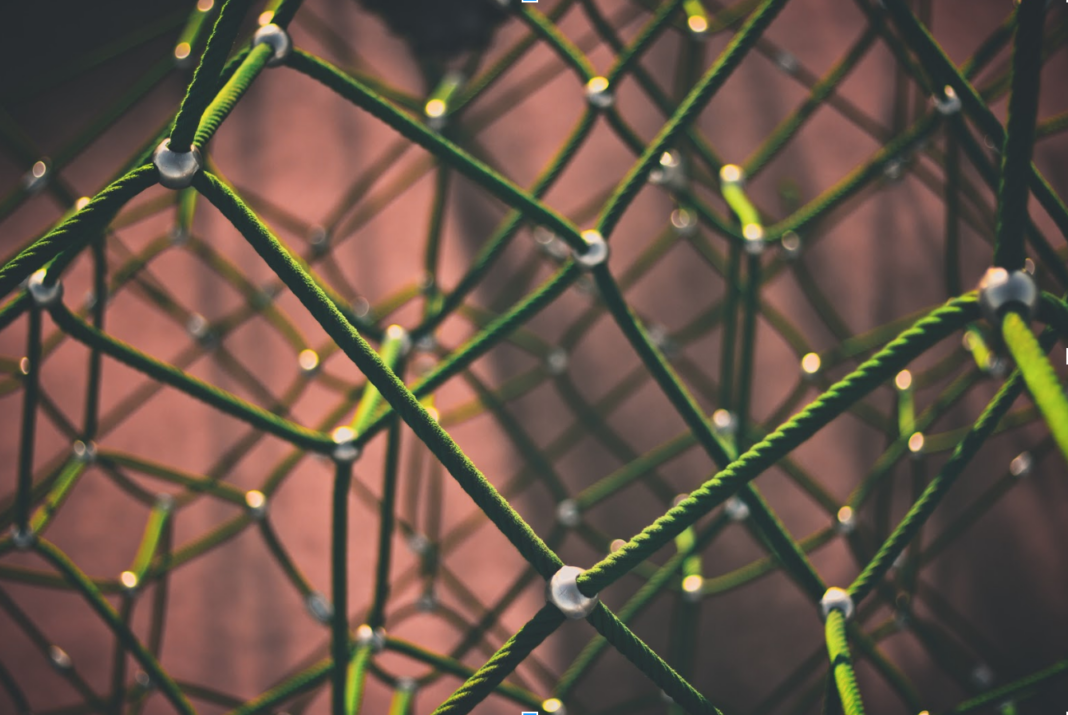
internet of things, chain link fence

The Internet of Things, (IoT) is the current hot topic in technology world and one can is left to marvel why almost every industry is over-excited about it. As new-fangled as it may sound to many, IoT isn’t really a new technology but one that has been with us for quite some time. The concept is simple yet so powerful and set to storm the whole of the IT industry.

What is Internet of Things?

IoT is depicts a scenario where everything – human, device, network etc. -has an exclusive identifier and also the capability of communicating over the Internet. The idea behind it is to basically create a condition where one doesn’t have to control every piece of their equipment separately, rather have one top-level control mechanism over a compound chain of integrated procedures, over a ‘mass’ of interconnected devices which can intercommunicate with each other and also humans too.

IOT combines a number of trends, including advanced connected devices, cloud computing, Big Data, the amassed use of videos, and the increased importance of most mobile apps compared to outdated computer applications.

History of IOT

The idea of including sensors and some intelligence to basic gadgets was discussed heavily throughout the 80s and 90s, but apart from these early projects -including internet-connected vending machines – the progress was initially slow simply since this kind of technology wasn’t at that time ready.

Processors that time were relatively cheap and also power-saving enough but disposable before it became a cost-effective measure of connecting up billions and billions of devices. The implementation of RFID tags-the low-power chip which can allow wireless communication solved a huge chunk of this issue, along with an increase in availability of cellular and also wireless networking and broadband internet.

The implementation of IPv6 which, amongst other approaches, should offer enough IP addresses for all the devices out there in Top internet of things companies and the world as a whole- was also a huge and necessary step for IOT technology to scale.

How Internet of Things devices connect

IoT devices have a variety of ways to be able to connect and even share data: offices and homes can use standard Bluetooth or wi-fi systems to enable connection of these devices. Other devices may use LTE or satellite connections to enable communication. However, the other enormous number of options for connection has led some key players in the technology world to debate that the IoT communication standards should be accepted and applied on most devices just like the wi-fi technology is today.

IoT Security

Every device that is connected over the internet can be a victim of hacking, IoT systems/devices are no exception when it comes to this rule.

IT Security experts have argued that there’s not enough that is being done so as to implement high security and strict privacy measures into IoT systems at these first stages, and to even prove these claims, they have committed a number of intrusions into devices, from interconnected baby monitors to even automated lighting systems and even smart fridges, extending to city computerised systems like traffic signals.

The future of IOT

In the foreseen future, the expansion of IoT market will inescapably convey more compatible and inexpensive consumer end products which will be made available to more and more people. But, with all that said on the benefits IoT will bring, Top internet of things companies should put more interest on creation of security measures to be placed on the IOT systems and also privacy terms be laid out.


Bhok Thompson
Bhok Thompsonhttp://www.greenprophet.com
Bhok Thompson is an “eco-tinkerer” who thrives at the intersection of sustainability, business, and cutting-edge technology. With a background in mechanical engineering and a deep fascination with renewable energy, Bhok has dedicated his career to developing innovative solutions that bridge environmental consciousness with profitability. A frequent contributor to Green Prophet, Bhok writes about futuristic green tech, urban sustainability, and the latest trends in eco-friendly startups. His passion for engineering meets his love for business as he mentors young entrepreneurs looking to create scalable, impact-driven companies. Beyond his work, Bhok is an avid collector of vintage mechanical watches, believing they represent an era of precision and craftsmanship that modern technology often overlooks. Reach out: [email protected]

Read More

TRENDING

Self-repairing contact lenses and desalination membranes that fix themselves?

Could the humble contact lens become a sustainability breakthrough? Researchers in Korea have developed a self-healing hydrogel lens that repairs scratches with just one hour of UV light exposure. Beyond reducing waste from disposable contacts, the technology could one day help extend the life of solar panels, water filtration systems, and other plastic-based products.

Should we be worried about ebola?

Touch the body and ancient African traditions are causing the Ebola virus to spread.

Idols of Ganesh in Canadian lakes are causing local environmental concerns

Immersing religious idols in Canada's lakes, rivers and coastal waters remains a contentious issue. While the practice is an important tradition for many Hindu communities during festivals such as Ganesh Chaturthi, environmental regulations in many jurisdictions prohibit the disposal of foreign materials into natural waterways, even when the objects are intended as religious offerings.

Wave wind energy for Nvidia’s next AI energy boom?

As AI factories consume unprecedented amounts of electricity, NVIDIA is looking beyond chips and data centers to the ocean. The company recently spotlighted Israel's Eco Wave Power and its wave energy projects in Jaffa and Los Angeles, highlighting how AI, digital twins and renewable energy can work together to meet future power demands. The collaboration reflects a growing realization that the future of artificial intelligence may depend as much on clean energy infrastructure as it does on computing power.

Are the Great Lakes polluted?

The Great Lakes may look pristine, but a new cleanup report reveals a growing tide of plastic pollution beneath the surface. From cigarette butts and food wrappers to tiny plastic fragments and discarded nicotine pouches, researchers are finding evidence that everyday consumer waste is making its way into North America's largest freshwater ecosystem. New technologies, including Canada's first BeBot beach-cleaning robot, are helping scientists understand how plastic travels through lakes, shorelines and stormwater systems before breaking down into microplastics.

Yerukim Forms a New Green Economy Where the Money is Really Green

The Yerukim members who pick up the recyclables get to keep the monetary reward, the public earns "green" bills that can be used in shops, and business owners get to be associated with environmentalism.

Choosing Riyadh over Dubai? What Investors Should Know

Saudi Arabia is deploying capital at unmatched scale to catalyze tourism and advanced industry while rewiring its power-and-water backbone. The investable frontier is widening—especially in renewables, grid storage, water efficiency/desal retrofits, and hospitality operating platforms. Prudent investors will insist on phased delivery, enforceable KPIs (energy, water, biodiversity), and RHQ/zone compliance—while pricing political-economy and reputational risks alongside growth upside.

Sell your cooking oil for biodiesel money

Want to make money on old french fry oil? Sell it.

Qatar Alternative Energy Summit Pairs Investors And Innovators

Alternative energy investors and innovators can meet n' greet in Doha, Qatar March 16 and 17.

Here’s How To Implement The Four Pillars Of Employee Engagement

If you throw a party for your work team and they are vegans, don't make it a barbecue. Know the sustainability values of your team to boost moral and retain good people.

Locals From Rishon Fight IKEA

Big Box stores are a pretty new concept in Israel, and thank God that not every Israeli city wants them in their backyard. A word from someone who has see the beautiful farmland around her hometown Newmarket, Ontario stripped and converted into vulgar strip malls of big box shops: they have no place in a healthy and sustainable town or city.

The Jewish National Fund Meets An Inconvenient Truth

According to the JNF, it has transformed thousands of acres of barren land into green forests in Israel. They state that each person emits about 23 tons of carbon per year, estimating that each tree planted can absorb one ton of carbon in its lifetime. That's a whole lot of trees you'd need to be planting. Could so many fit in Israel?

How to quiet noise from construction in your office

Streets need to be resurfaced in New York but the humming and grinding noise is unsettling. Noise is environmental pollution. 

Popular Categories