

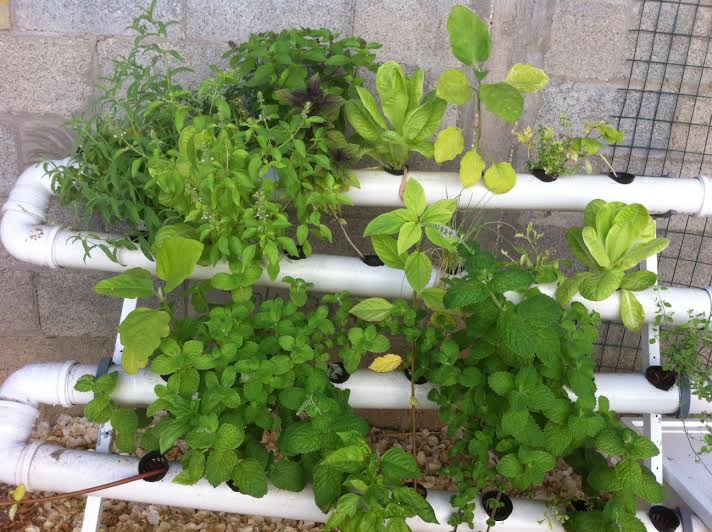
I’ve started a small water farm. But unlike my attempted and horridly failed attempts at soil farming, where worms, weeds and beetles have taken over on my small plot and my brain, I’ve seen some impressive progress on water.
On four plastic tubes, each about a yard and a half long, I am growing lettuce, basil, green onions, varieties of mint, a watermelon, eggplant, and some Arabian greens like meloukhia. The system is basically just pipes with holes in them, a large bucket and a small pump that circulates the water.
Called hydroponics, water farming is a super sustainable way to grow food in the city. You don’t need much space, or any dirt at all (making it ideal for patios or indoors) and it uses about 90% less water than traditional farming.
Smart farming for lazy city farmers
More than that – for lazy farmers like me (and you?): it’s super easy to do, and there is no weeding required.
I believe water farming will form an important bridge to food quality and food insecurity challenges of today and tomorrow. How can we feed a growing world better food with the price of oil rising? Meeting demands and trends, more and more people will be growing organic food at home. Just like people everywhere are bringing chickens to the back yard.
Honestly, it’s crazy fun watching my food spring out of the water just like that. Every once and a while I pull a plant out to see and to touch the slimy white roots being laid down along the innards of the tube. Or if one plant is growing an extra shoot I pull them apart and start a new cutting.
But there is one major drawback to water farming: you need to add stuff and check stuff. The adding part isn’t all that complicated. Nutrients for example: they get a cap a week. But there are other things I haven’t thought about much since Chemistry 101: pH and dissolved oxygen. For that you need some more sophisticated farming tools: test strips and hand held sensors.
Going ahead as a stubborn half-Friesian, half-Scottish woman that I am, I decided that this month I wasn’t going to check. To see what would happen. Maybe I could miraculously grow food without chemistry. I picked up some organic seedlings, washed the soil from all their roots , added a cap of “food” and started the pump.
The results have been moderately good: but the lettuce looks yellow, so does the eggplant, while one variety of basil is the only plant that seems to not mind that it’s missing something. What’s missing? The water is either too acidic or basic. For that I need to add something else: pH Up or pH Down. How much to add? What’s the right pH for my variety of plants? For my climate? Can it be done automatically? Surely there is a tool that can help me? The truth is, not really. So I am building one.
Japan’s Internet of Things for smart cities
I am not alone: major companies like Panasonic think that city farming is the future, and they are working on building water farms for cities in places like Singapore.
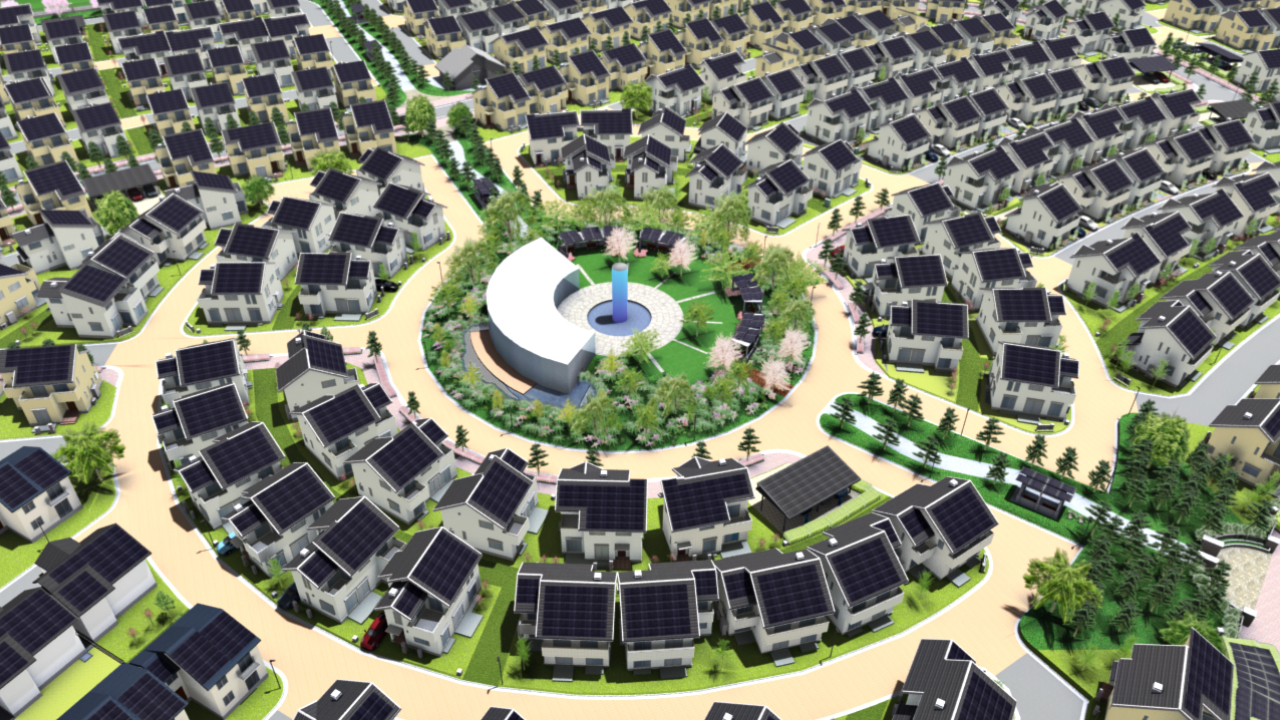
Panasonic’s Fujisawa Sustainable Smart Town project (see image below) has found that by controlling pH and nutrients at optimal levels you can increase yields and use less chemicals in your city farm. Other Japanese companies like Sharp and Fujitsu are going into this agtech space also by growing stuff like strawberries in Dubai.
Consider China’s Yuanda just bought an Israeli Internet of Things agritech company AutoAgronome for $20 million.
Am I on the money? Sounds like a joke? Futurists like Jim Rogers from the Quantum Fund say food will be the only thing limiting the growth of our future economies, cheekily saying that the stock brokers of the future, if they are smart, will be driving tractors for the farmers.
Since I prefer city living, I plan on taking on this challenge to build a scalable solution for city farmers everywhere. I don’t really want to drive tractors.
Smart farming IoT for the city?
I already see an impressive roll out of “smart” farming technologies for the industrial farming market, where the Internet of Things spirit has been building energy and applications for the last ten or more years.
Israel, where I am starting to build my R&D team is a recognized leader of the pack where water farming, smart farming with technologies like sensors and drip irrigation have been in practice for decades. Extensive knowledge and applications in seed genetics matched with the high tech spirit makes this place a “holy” land for agtech startups.
Can we do the same for the smart city home? Follow flux as I take on the challenge.




I manage the sustainable cities collective website. I’d just posted this article The World’s First Commercial Rooftop Aquaponics Farm when yours appeared! The link has been removed so you’ll have to go to the site to read it.
With IOT driving into agriculture, I feel so happy and confident that the rising food and water scarcity will be reduced or eliminated. This is such a blessing for the mankind. I Fully wish the very best for the companies working in this space.
Thanks
Shiva