An old computer these days isn’t necessarily useless. It doesn’t work like it used to, but it may still have a function in your life, saving you resources, time and money –– plus all the environmental benefits of not having all the nasties in your computer end up in landfill, and endangering other people’s lives.
Green Prophet has scoured the web for some tips and has compiled a list of things you can do to extend the life of your computer. Score extra points with your friends –– these tips will not just turn you into a recycling champion, but possibly a tech-geek as well.
1. Downloading Tool
Popular downloading software such as eMule, Vuze or BitTorrent employs a download queue, meaning it can take days, possibly even weeks before you are able to download successfully. Time to put your old computer to use, while keeping your new computer free for other tasks. Use the old machine as a round-the-clock downloading device. When the downloads have finished, transfer them to your new computer with a mobile memory stick (disc on key).
Burning your files, movies and music to DVDs and CDs is so passe and so 2006.
2. Build a Poor Man’s Media Center
The older computer can be hooked up to your TV and stereo allowing you to see your downloaded films on a larger screen with high quality digital sound. If your old computer is a clunker from the 90s it probably won’t work well, but if only 3 to 4 years old, it should have enough strength to power your needs. A wireless keyboard and mouse is recommended.
3. Children’s Computer
Kids love messing around with computers (with sticky fingers!) and your old machine might be more than enough for them. You can teach them piano using a special keyboard; if your kids are in the age range of two to five buy them a Comfy keyboard, which comes with games and teaching software. Old computers work well in this incarnation, even if the computer is really rusty and the games advanced.
4. A Network Server
Create a local network between several computers using your older computer. This can help organize the flow of information between computers and connect all the computers to the Internet. Perfect for the home or office, connect using software such as NetLimiter, which gives a certain bandwidth to each computer, along with firewall software. This frees up memory in the newer computers.
By mod’ing your old computer into a “Smoothwall” firewall, you can rest assured that villains will have less chance of sneaking into your precious files and resources.
Consider using an old machine to host your website.
5. E-Mail Server
In business especially, keeping information private and confidential can be the utmost of importance. The old computer can be turned into an internal e-mail server to prevent emails meant for internal communication from leaking to the outside world. Not a simple task, there are some guides online that can show you how to do this.
6. Print Server
If more than one computer needs to be connected to the printer, consider turning the old computer into a print server. Always running, it can print out a job even if other computers are switched off.
Life Hacker has a great tutorial on how to do this.
We do recommend computers that are not in use at night to be switched off to save power.
7. The Computer Lab Rat
So you’ve always wanted to tinker with the newest and best computer languages or programs, but are afraid to muck up your new computer. How about using your old computer as a “lab rat” for trying a C++ test, C#, Javascript, Python, or other coding languages. Maybe you want to play around with Linux (free open source software platform), or Ubuntu but don’t have the energy or guts to set up a dual boot setup on your healthy new computer.
If your mother is like ours she is addicted to sending the latest beer commercials, powerpoint presentations of waterfalls from around the world, and animated jokes to all of her friends, obviously leaving her computer (which you’ve just fixed) vulnerable to viruses and spyware. Invite mom over on the weekends to download email files until her heart’s content. If there is going to be an “infection” it might as well be on the old computer.
8. An Audio Center
Your old computer can pump up the volume. Using Linux (which you have now learned), connect some decent surround sound speakers into a Creative Labs Audigy sound card and annoy the neighbours using MMS.
9. Fax
Some people are stuck in the eighties and still insist on working with faxes. It’s unavoidable and a waste of paper, but what can you do? Instead of losing business, or buying a machine you will rarely use, turn the old computer into a fax machine. Connect it to a telephone line with a modem and set up the fax software that comes with Windows XP.
10. Spare Parts
Some people make their business collecting spare parts from computers and building new ones with all the pieces — one of our Dad’s friends does this for a living with computers our Dad finds. Consider stripping out some of the old parts in your computer to mod your newer one. A hard disc, an optic disc or the old computer’s internal memory may be reusable if compatible with the new motherboard. Or consider buying a container for your old hard disc and turn the old standard disc into a mobile one. The container will need to be a strong aluminum box, a supplier of current and have a USB converter. *Make sure you don’t electrocute yourself in the process.*
11. Help Cure Cancer
Connect your old PC to a worldwide network and server farm by joining a distributed computing organization. Computer geeks, via the internet, connect hundreds and thousands of computers together to use combined CPU power to create a supercomputer. This new powerful tool is put to work as a “number cruncher” –– finding possible cures for cancer, Alzheimer’s disease or it keeps itself busy searching for extraterrestrial life. See Folding@Home, Boinc or SETI. Once you get it up and running, you’ll be able to disconnect the monitor and access remotely if necessary. See this Tel Aviv University project, as well.
12. A Poor Man’s TIVO/Kodi
With very little effort, you can mod your old PC into a digital video recorder (DVR). This method gives you more flexibility than what your cable company provides, and you’ll avoid the monthly fees. Clean out the old computer first, reformat it and install Windows XP. Then buy a video capture card, a TV tuner card, and invest another $100 (NIS 350 or more) on a bigger hard drive. Record your TV shows on the newer hard drive. Some software will let you zip through the dreaded commercials.
13. Donate to Charity
There are groups and associations around the world that are happy to collect old computers on behalf of schools and other charities. A Computer for Every Child in Israel upgrades 60 to 70 percent of the computers they receive –– the rest serve as spare parts for existing computers.
The old machine can also come in handy for typing and keyboarding practice at schools. Because let’s face it, how many of us are writing by hand these days? Keyboard practice is essential until they can make a computer that can read our minds.
Before you do give that old computer away, be sure to clear out all the vacation pics in Miami and the emails to all your true loves over the years. Clean up with CCleaner and execute a defrag.
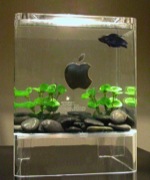 14. Arts and Science Projects
Ever looked inside the “guts” of your computer. What makes it tick? These machines (when handled with care) can be used in “dissection” classes for learning how to assemble and fix computers. And then the terminals can be turned into fancy aquariums.
15. Recycling
If your redundant PC has really had it, with no chance on earth to be put to good use elsewhere, make sure you donate it to a company specializing in recycling electronic waste. In Israel, see Rerouting Deadly Electronic Waste.
For Tech Geeks
For the extra extra geeky ones in the crowd, see more ways to “mod” your old computer here. And of course, consider buying a Mac, because they never seem to die.
Want to explore more ways of greening your life? See:
Green Prophet Green Guide to Your Living Room
Green Prophet Green Guide on the Bedroom
Green Prophet’s Green Guide to the Kitchen
Green Prophet Green Guide to the Bathroom






 One weekend a year, Tel Aviv’s architectural treasures open their doors and allow the public to learn about and appreciate the urban environment.










 Israel is celebrating 60 years of independence this week, and we’ve come a long way, baby. Long enough to have organic falafel on Tel Aviv’s Ibn Gvirol Street next to the City Hall.