
 Use Your Brakes Less, Don’t Accelerate Quickly. Look far down the road ahead, even if “far” means half a city block. Get into position for turn-lanes smoothly and early so that you don’t have to accelerate to get in front of traffic. Remember that the guy who leaves the stoplight the quickest also pays more at the pump. Being a cautious driver will not only save you, but will help the environment too. Make sure to green your tires too.
Cautious Driving Saves The Environment Too
Neighbors' Paths: Eco-Tourism AND Eco-Peace!
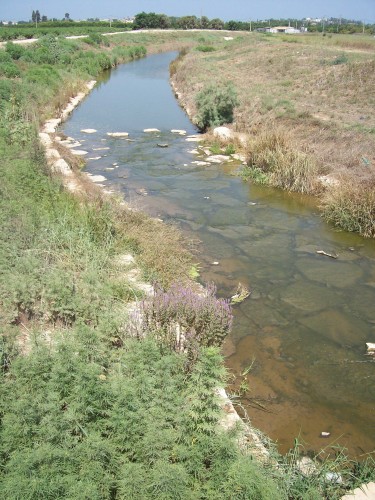
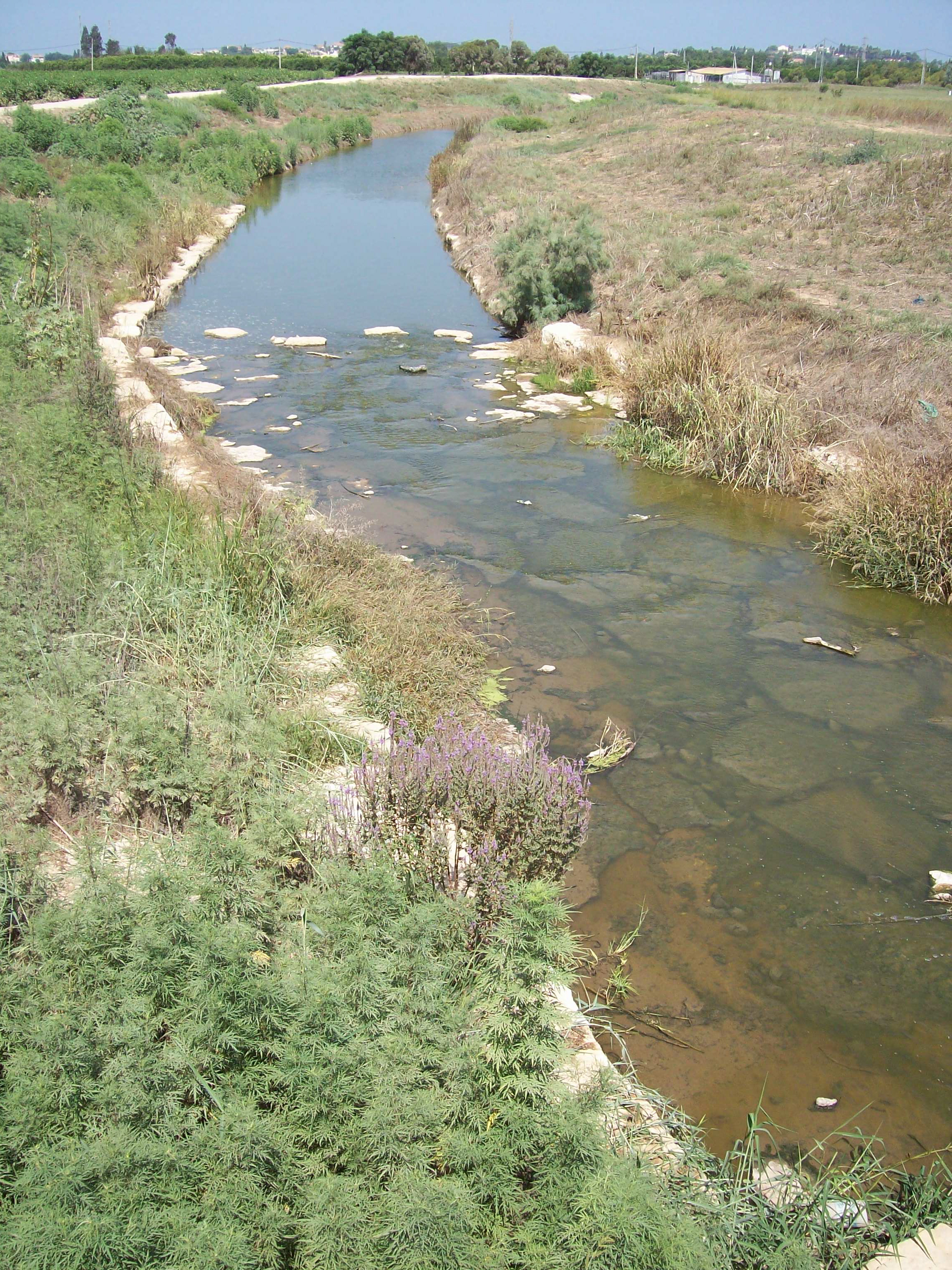 Over the past few months, we’ve seen a lot of Prophecies about eco-tourism all over the Middle East. There are dozens of eco-travel options in Jordan, Lebanon, Iran, Syria, Egypt, and Yemen.
There is also, however, a very special opportunity for eco-tourism right here within our own borders – and those of our neighbors. Since 2007, the tri-national NGO Friends of the Earth Middle East (FoEME) has organized a series of “Neighbor’s Paths,” community-based eco-tours that deal with both water and peace-building between Israeli, Jordanian, and Palestinian communities.
EcoMum meets Mamay: Alternative Ante Natal Care
When I was pregnant with my daughter I found it an ever upward struggle to understand my options here in Israel, especially as I wanted to go down a less conventional path to child care. The information was out there but so widely spread and in little known corners that more often than not I gave in. I often faced stony walls from conventional doctors when I tried to ask about my options in regards to vaccinations and the idea of combining non-conventional therapies ie homeopathy with conventional medicine.
So I was thoroughly delighted when I met Tal Kabessa and toured her new clinic Mamay in Kriyat Ono.
Israel Cleans Up Its Act and Recycles Its Beach Waste
.jpg) We are undeniably in the thick of beach season. Deeply tanned French tourists with gold colored sandals and other stylish accessories line the beaches, the smell of sunscreen is in the air, and the plywood percussion of matkot (paddle ball) is the reigning summer symphony.
We are undeniably in the thick of beach season. Deeply tanned French tourists with gold colored sandals and other stylish accessories line the beaches, the smell of sunscreen is in the air, and the plywood percussion of matkot (paddle ball) is the reigning summer symphony.
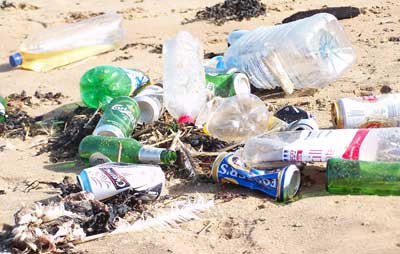
Unfortunately, all of this beachy goodness comes with a whole lot of trash.
You know the drill, you go to the beach and bring food, bottles of water, maybe some cigarettes… And when you leave the beach, all the leftovers pretty much stay there. We already know how bad incorrect disposal of cigarette butts is for the environment, but all those non-biodegradable plastic bottles aren’t great either.
H.C. Flores' Book "Food Not Lawns" Good for Radical Gardeners


I finished reading Food Not Lawns on my roof, just after I checked my new vermi-compost bin. The roof compost represents my adaptation to life in the modern world whereby I try and lead a more sustainable lifestyle within my means and ability. I was hoping to read Flores’ book and gain tips on how to build and maintain an edible yard in my future home, and possibly how to manage to grow edibles in the most unlikely of places like a concrete wasteland in Tel Aviv.
As it turns out, I was in for a bit of a surprise.
Flores sets out to write two books: the first on how to convert one’s lawn into a garden and thus live a more ecological life (in which she includes sweet anecdotes and exercises like planting one’s self in their own garden); and the second on how to reject modernity and reclaim our land, government and culture from post-industrial life.
I’ll begin with her first book. Flores is clearly an accomplished landscape designer and permaculturist, though her writing is a bit dry. She starts each chapter with a brief, somewhat vague meditation on the state of our modern world:
ReUse: An Evening of Eco-Art in Central Jerusalem

Next week, fans of eco-art in Jerusalem won’t have to travel all the way to the eco-arts village in the Ella Valley for a fix. Instead, some of Israel’s finest eco-art will be on exhibition in the heart of Jerusalem on August 12th, in the Merkaz Hamagshimim community center (located near Emek Refaim, and where this Prophet had her theatrical debut).
Volunteering at the event will be our very own James Murray-White.
The exhibit will include eco-furniture, accessories, and eco-fashions, and will end off with a special auction. A full schedule of the event from the Merkaz appears after the jump:
Israel Lacks National Plan to Address Climate Change
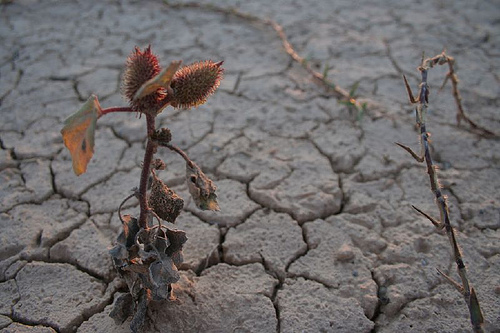
The chief scientist of the Ministry of Environmental Protection, Yishayahu Bar-Or, released a statement yesterday Aug. 4, (and here [in Hebrew]) warning of the well known consequences of global warming that are expected in Israel and the Eastern Mediterranean.
These include a rise in average temperature of 1.8 degrees Celsius already by 2020, a rise of 10 cm in the Mediterranean Sea above the 8 cm rise in the last 15 years, a drop of 10% – 20% in precipitation, and extreme weather events. These will cause the degradation of fresh water resources and the spread of pests and diseases, leading to severe public health problems.
Dr. Bar-Or called on the Government to establish a national program to deal with these potential disasters, and identified the opportunity for Israel to leverage its vast experience in water innovations and solar technologies to position itself as a leader in dealing with the problems caused by global warming.
Green Your Car – Tires


Make sure you have good tires. Different tires affect you MPG in different ways. When you’re in the market for new tires, look for the ones that help give you the best mileage.
Once you have the right tire don’t forget about proper inflation! Too much or too little can significantly effect your MPG as well.
Electric cars are another way to go green.
Green Prophets In Focus: James Murray-White
Last week we talked with Jesse Fox, urban planning expert and Treehugger veteran.
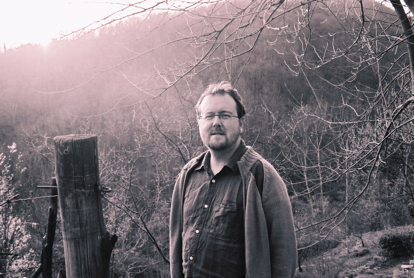
This week’s Prophet in Focus is James Murray-White, a composting environmentalist with the eye of a filmmaker and the soul of a poet.
James grew up in a green village outside Cambridge, UK, and has donned the roles of both actor and anthropologist in addition to his filmmaking pursuits.
James tells of childhood in a green village, adventures in the UK, his green passions–and of course, composting–after the jump.
Our Climate's Tipping Point: Only 100 Months Left
 Okay, first the bad news.
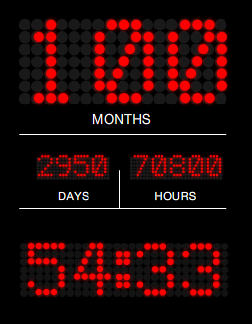
Well, perhaps we’d had better warn you that there is no good news in this piece: A new campaign has been launched in the UK by the NEF (new economics foundation) warning the world that according to their analysis, the world is just 100 months away from reaching the tipping point for the start of irreversible Climate Change.
This figure of 100 months, said by Andrew Simm, policy director of the NEF to be a “conservative estimate”, is the length of time remaining before the concentration of CO2 (carbon dioxide) reaches such a high level that the planet simply cannot process it anymore.
Skins Footware is Skinny on the Resources
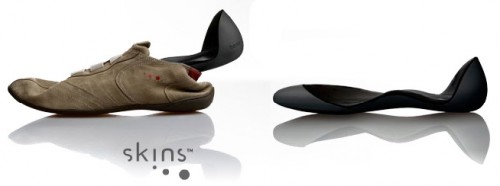
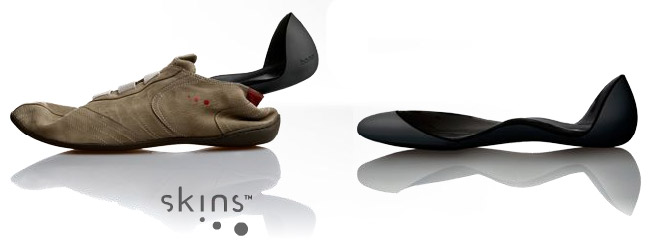 Imagine being able to buy ten pairs of shoes and only spend the resources (both natural and financial) necessary for half that many. Sounds like every eco chic woman‘s dream, right? Eco chic or not, every woman knows that you need those perfect going out shoes for evenings, elegant ballet flats for the office, sneakers for the gym, trendy sneakers for walking around the city…. and the list goes on. But having that many pairs of shoes isn’t exactly easy on the environment, and therein lies the rub.
The solution? Transform one pair of shoes into endless pairs of shoes.
Is Red-Dead Canal or Med-Dead Canal Better for Israel?
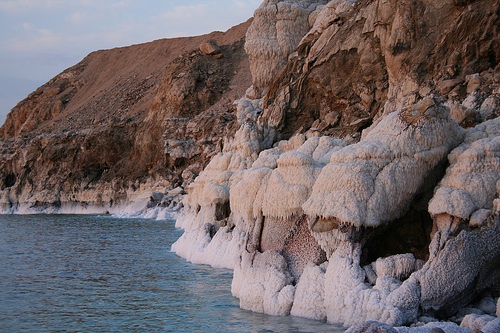
Paint it Dead or Red?
The alarmingly fast decline of water levels in the Dead Sea have resulted in numerous plans to bring sea water from either the Mediterranean or Red Sea to replenish the water in what has often been referred as the world’s lowest level body of water. It’s the lowest place on earth.
The Dead Sea’s main water source, the Jordan River, has reached the point that the biblical river’s flow into the Dead Sea has been reduced to a mere trickle as a result of the Jordan’s flow being diverted to both Israel and Jordan for both country’s water needs.
Even the Jordan’s flow into the the Sea of Galilee (the Kinneret), Israel’s main fresh water source, has been reduced considerably over the years by lack of adequate rainfall and diversion of water from the Jordan’s sources in Lebanon by Israel’s hostile neighbors.
Networking In Israel's Growing Cleantech Industry
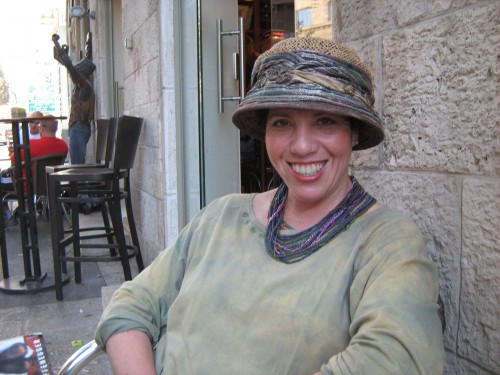

Introducing Chava Shaked, who shares her adventures in Israel’s blossoming cleantech scene.
What started off for me as a business, became a vibrant hobby and fascinating exploration into the world we live in.
This is the case with many of the people I’ve met at the Cleantech Israel meetup.
Founded by Gene Dolgin and Jonathan Shapira (a green prophet writer), with a growth rate of almost 500 members since February 2008 and RSVP-space only at filled to capacity meetings, it is obvious that most feel this way. What is the draw to dry science that brings so many?
Brilliant innovation.
Junktion designs at intersection of waste and whimsy

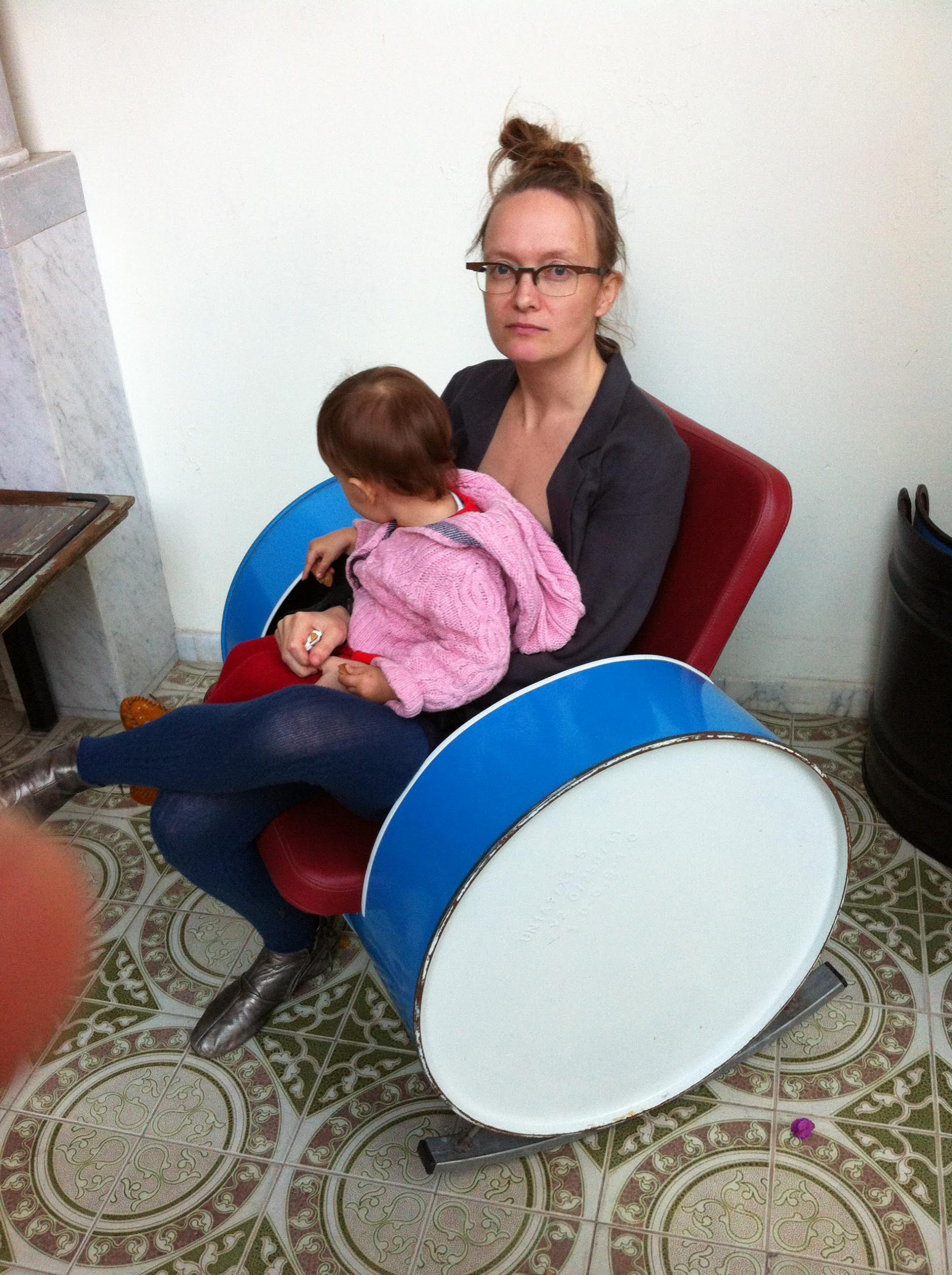
Junktion: Tel Aviv design studio founded in 2008. Lovers and joiners of what the city dwellers classify as junk.
Junktion, one of Tel Aviv’s newest and most fabulous reuse design studios, tries “to create a meeting point with what the city has already classified as junk.” In taking everyday objects out of context (such as the suitcase-turned-medicine-cabinet on the left), they create funny, clever, and beautiful ways to take another look at things we so easily discard.

And when they take another look at that tossed out suitcase, or washing machine, or bicycle – that means one fewer item in the garbage dump. Which is good news for everybody.
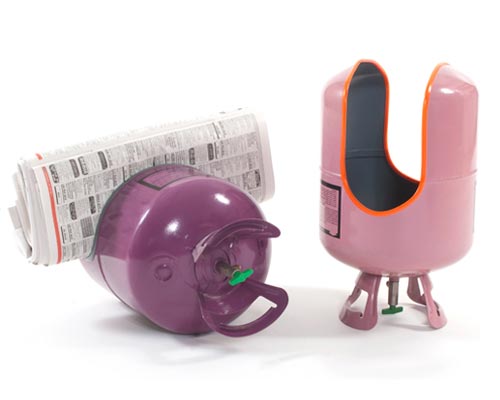
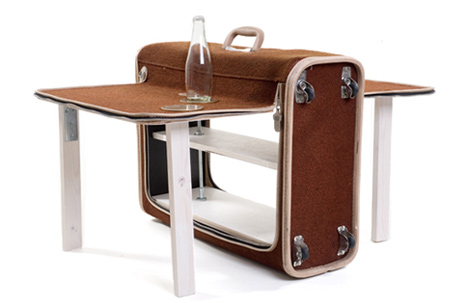
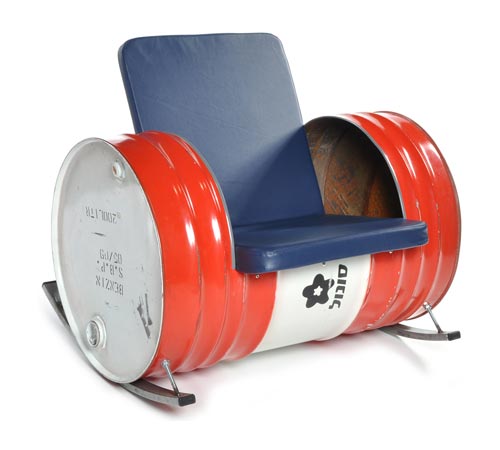
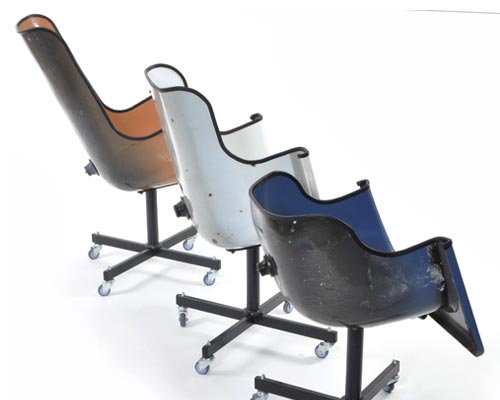
Junktion believes that “there is enough stuff in the world already and [they] try to take from what there is.” In their own words, they “often find [their] desires in what no longer interests others” and “are committed to go happily to work every day.”
Some of our favorite Junktion designs were the suitcase closet, bicycle chair, cooking pot seat, and, of course, the foosball soccer player hangers. Check out their website to get ideas for reducing your carbon footprint by using the stuff you don’t need anymore to create things you do need (thus avoiding unnecessary waste and unnecessary use of new resources – voila!).
More Israeli Sustainable Design:
Merav Feiglin’s recycled lights out of trash
Waste Not, Want Not: Doron Sar-Shalom Recycles With Style
Beggars Can Be Choosers: Amit Brilliant’s Recycled Wallets
Beauty Increases Sustainability, According to Designer Gadi Amit
Ten Sustainable Israeli Designers Who Reduce, Reuse & Recycle
Good Ol' Home Cooking…
Packaged food is becoming more and more predominant in our society. The busier we get the more we look for instant solutions. The problem is that pre-cooked/store bought foods are not only less healthy for you than home cookin’ but it’s bad for the whole planet as well. Eat one more meal in. Take the extra minutes to cool a wholesome meal. And you won’t only reap the benefits, but the whole planet will as well!