Home Blog Page 618

Blue-Green Algae’s Slimy Tricks Revealed

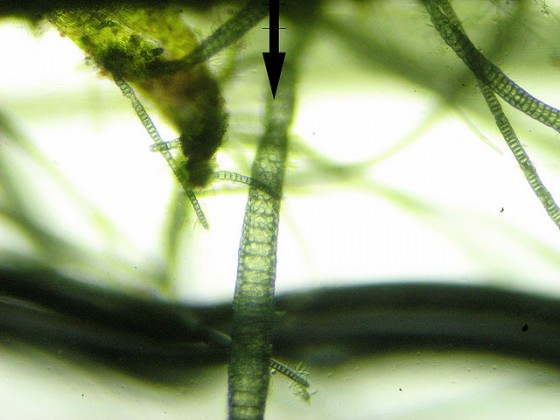
blue-green-algaeBlue-Green algae threatens freshwater bodies (and marine bodies) worldwide. Will a new discovery by Israeli scientists help restore those threatened watersheds?

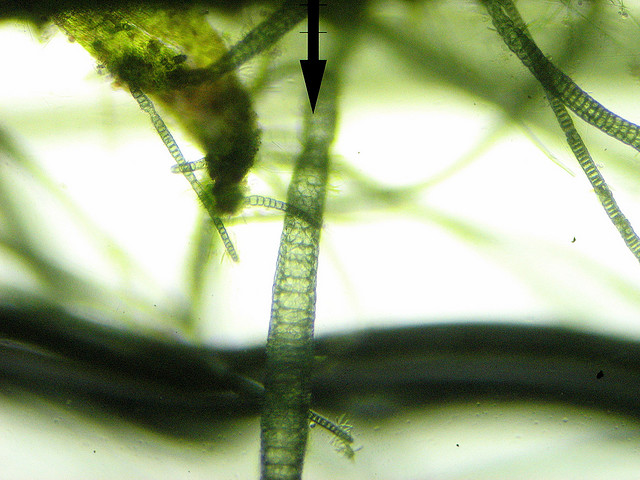
Freshwater bodies such as the Kinneret have been compromised by the influx of human development and population. Run-off and phosphates enter the water, disrupting the ecological balance and often resulting in eutrophication. This means that the lakes and rivers become deficient in oxygen, but rich in other nutrients that allow plant-life, such as algae, to proliferate. Realizing this, scientists and water boards worldwide have stepped up efforts to reduce the flow of phosphates into water in order to stabilize the ecosystems. Even so, algae continues to bloom. Yehonatan Bar-Yosef with the Hebrew University, in conjunction with the Kinneret Laboratory of the Israel Institute of Limnology and Oceanography, may have discovered why.

Public Transportation Takes Flight In Dubai

0

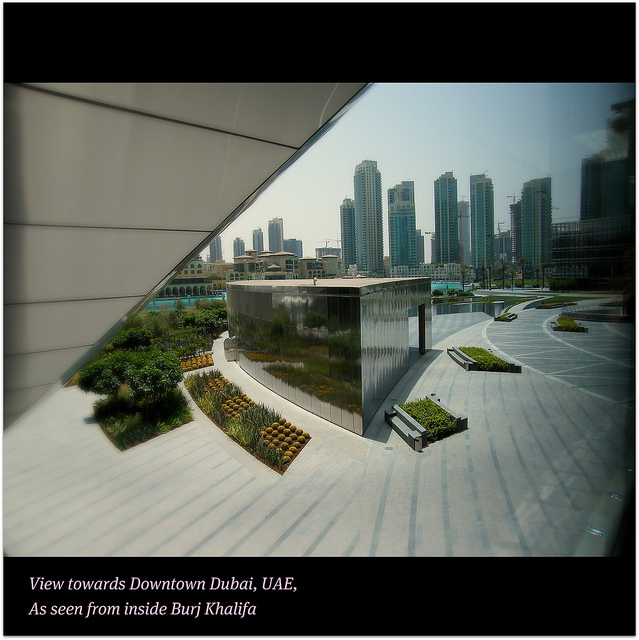
dubai-metroWill more people in Dubai catch on to merits of metro-riding, ditch the car, and reduce their carbon footprint?

We’ve already established that the Emiratis are not the most enthusiastic walkers; this can be attributed to the region’s crippling heat, as well as a simple cultural phenomenon. This has led to one of the world’s highest emissions rates given that both personal vehicles and power plants are funneling unsustainable plumes of greenhouse gases into the atmosphere. In fact, in 2008, the UAE won the dubious distinction of having the highest environmental footprint per capita. And that was not the first time they hung that dirty plaque on their mantel. Though seemingly bleak, the healthy rate at which the metro is used suggests that the environmental horizon could improve.

Miami Herald Considers Tel Aviv to be the Latest Green Destination

1

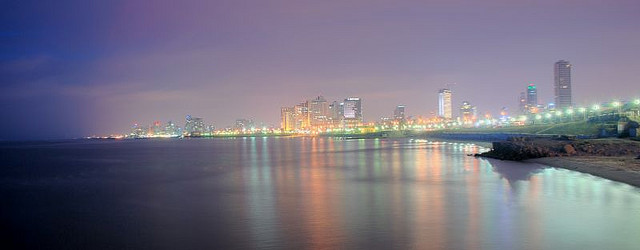
Tel Aviv is home to all types of trendsetters – including the green ones.

This past week the Miami Herald reported on what we’ve known for years: that Tel Aviv, while hot in general, is also one of the hottest green destinations of late.  Their article reported on Tel Aviv’s urban farming, vegan/organic/local food options, green drinks, farmer’s markets, eco-friendly forms of transportation, sustainable design, and more.  And so in light of the Miami Herald stepping up and noticing, we decided to put together our own mini-green guide to Tel Aviv.

Jordanian King Goes to War Over Celebratory Gunfire

jordan wedding traditional gunfire, shooting, killing
No more guns for celebrations, says King of Jordan.

Men in the Arab world shoot live fire in the air to celebrate weddings, and holidays. But stray bullets from the “festive” ceremony injures and kills people, causes stress, and poses a threat to wildlife. Jordan’s king says no more: Jordanian King Abdullah II has decided to personally tackle the issue of festive firing, a common Middle Eastern practice for expressing joy during public celebrations.

The King’s intervention came after two citizens were killed and 13 others injured as a result of celebratory gunfire during last week’s announcement of scores from the Tawjihi, the country’s final high school examination. Following the deaths, the King convened a high-level meeting with Prime Minister Samir Rifa’i, General Intelligence Director Muhammad Rakad, Chief of Police Hussein Al-Majali and other ministers to discuss methods of combating the lethal phenomenon.

Lease Your Roof To A Fiddler, A Farmer, or An Independent Power Producer

1

lease rooftop for solar energyNeed a place to park your solar panels or urban garden? SEGlet’s website offers a revolutionary crowdsourcing solution

Real estate has taken on a whole new dimension. Urban and vertical farming is becoming more popular, as is solar and wind energy production, but space to develop these industries – especially in dense urban areas – is scarce. Naomi Younger developed a viable, symbiotic solution to this quandary. Individuals or organizations that own or lease buildings with a lot of roof space need electricity and food, and power and food producers need space. In order to bring them together, Younger developed SEGlet, a website listing of rooftops and other open spaces. Here’s how it works.

Sushi, Healthy or Risky – 3 Factors to Consider

2

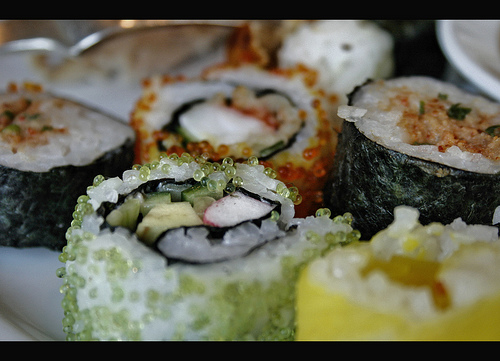
sushi platterSushi always seemed so healthy, but there are less healthy issues to think about

It’s summer, it’s too hot to eat stew or pie, so sushi seems like the perfect idea. It’s filling without being heavy and being made mainly of rice and vegetables it is very healthy. Still you have to remember that there is also the raw fish or seafood in sushi which many of us love. This is where the problems begin, since there are some health issues with the raw fish content of sushi that you might not be aware of.

Bed bugs in the UAE

3

bed bugs, UAE, boy in bed itching

When temperatures increase, so do the incidents of bugs, including those that your mother sang about before you went to bed

As complex, rollercoaster climate change alters life on this planet, we will confront new and unforeseen challenges. Some problems we can anticipate such as reduced food supply and further reductions of biodiversity. We’ve encountered higher, more fatal flooding incidents as a result of decreased biomass, as well as drought. But other symptoms of global warming, such as the new tide of insect infestations in the UAE, may seem less dramatic and less obvious.

Could rising temperatures in the United Arab Emirates be the cause of a new tide of insect infestations?

A bed bug super-strain in the UAE

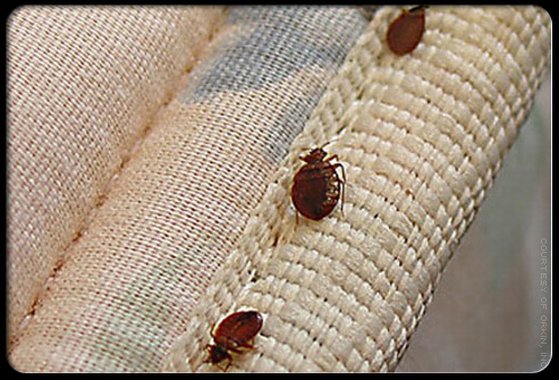
A new at new strain of bed bugs has infiltrated the United Arab Emirates. Only 5mm long, they hitch a ride into people’s homes via clothing and personal items, and then stake out in beds, paintings, wall sockets, and essentially any other elusive, dark place.

The bugs are more active during the summer due to the heat and humidity, but remain a problem year-round, according to pest experts. “The incidences are increasing,” said Mr R, the operations manager of National Pest Control, with offices in Abu Dhabi, Dubai and Sharjah.

“Out of 10 inquiries, seven of them are for bed bugs.”

These bugs are able to survive up to 18 months without food, though they typically seek out nourishment every eight days. When they do, they sneak out of their dark crevices at night, while the rest of the home is fast asleep. AirBNB and short term rentals have been a number one reason for bed bug infestation in large cities like Abu Dhabi and Dubai. Same is true for cities like New York.

How to get rid of bed bugs in the UAE

  • Identify the infestation (find red and itchy welts on neck and body)
  • Find the bed bugs (usually under the mattress)
  • Contain the bed bugs to a room or a bed
  • Get rid of clutter
  • Exterminate bed bugs – using eco-friendly heat treatments, diatomaceous earth. Put bags of stuff in the sun and heat for a week
  • Clean all infested items with hot water, a little bleach.Blow dry on hot.
  • Check the infested area
  • Here are some eco mattress standards if you have no choice

As a result, bed bugs are very difficult to snuff out. Further adding to their cunning, the pests have evolved to resist low level pesticides used to control them, and require several blasts, leading to drastic efforts to exterminate them. Unfortunately, some of these methods have exterminated people instead.

“The Ministry of Environment and Water has increased the limits on the kinds of pesticides available to licensed pest control companies after two of five-month-old triplets died when pest controllers sprayed their neighbour’s home in Ajman in late March,” according to Detrie.

Dubai’s municipality demands that pest controllers disclose the pesticides they are using, as well as their registration certificates, but this hasn’t stopped some “rogue” outfits from taking matters into their own hands.

What are bed bugs?

Bed bugs are small, reddish-brown insects that are about the size and color of apple seeds. They usually live indoors but can also be found in hostels on roofs and in mattresses on patios where people lounge and rest. They feed mostly on human blood although here and there they can agree to suck the blood pets.

They don’t eat food crumbs, skin cells or anything else for that matter. Your blood is all they are interested in.

Bed bugs are flat in general, even after a blood meal, and very good at hiding in small cracks. They don’t have wings, and they don’t jump. But crawl slowly to you at night when you are asleep. Telltale signs are dime-sized swollen patches that are both itchy and sore. They usually appear in the back of your neck but can also appear on other body parts as well, usually those that are hidden like the tummy.

The smaller, younger stages bedbugs (nymphs) start out tan and darken as they grow to the adult stage. Bed bugs that have recently fed will be swollen and reddish. Bed bugs don’t carry diseases, but their bites can cause itchy skin reactions. People who are worried about being bitten, or that they have bed bugs in their homes, also may be anxious and lose sleep.

We got bedbugs from a hostel in Jerusalem and we have many friends with infestations in the UAE. If you are desperate you might go as far as throwing out your entire bedroom. But you needn’t do that. There are eco friendly solutions on the market, so look out for them.

Be wary of dangerous pesticide companies in the UAE

“They treat their own accommodation with this gas, which comes in a tablet form, and then it will kill people sleeping in the next unit,” according to Dr. Alan Dickson, the founder of Ridapest.

These tablets reportedly sold at flower shops are said to be more appropriately used out of doors, for agriculture, though this writer certainly hopes that is not the case. Anything that has the power to kill indoors is bound to be equally toxic outdoors.

“In June, a Nepalese man and an Indian woman were killed in Sharjah after their lodgings were fumigated by colleagues using banned pesticides,” according to Detrie.

Carbon dioxide foam that freezes bugs is considered a friendlier alternative to the killer gas tablets.

“It’s a premium service, but we’ve supplied these treatments to some clients. Our clients can stand in the room next to us while we do the treatment.” said Mr R.

Ecological treatments against bed bugs

Heat treatment is the the most effective eco-friendly bed bug solution available. You can rent a professional heat chamber from an extermination company or contact a bed bug removal professional to treat an infestation. Heat treatment brings the overall temperature of the affected area up to 118 degrees Fahrenheit for at least 90 minutes. The heat destroys any bugs that have infested your home, as well as their eggs.

Heat steam all cloth furniture, like mattresses and couches, by passing the heat steamer close to all surfaces. Once the heat treatment is complete, you should vacuum all bed bug debris and immediately throw out the vacuum bag or container contents. You want all the eggs, every single one of them, gone out of your life.

Diatomaceous earth found in health food stores will kill bed bugs. Treat washable fabrics and steam clean your mattress and box springs if possible.  Dust food grade diatomaceous earth liberally around the legs of your bed. Make sure no fabrics touch the floor and that your bed doesn’t touch any of your room’s walls.

More News from UAE:
Abu Dhabi Chef Removes Threatened Fish From Menu
Masdar City: Small Hiccups, Or Total System Failure?
Can UAE Foreign Minister and South African President Jacob Zuma Save The Environment?

From City Sewage to Solar and Wind as Dexia Enters Israel’s Green Circus

0

Water-Pipe-TechnologyA burst pipe soon thing of the past?

News about new investment in Israeli cleanteach tends to be dominated by announcements of new and advanced technologies being invented, or massive investment in world leading solar technology, but the latest news are of a more mundane nature: Israeli business daily Globes is reporting that Dexia Israel Bank is planning to move from financing of municipal water projects to investing in solar and wind power.

Detox your life: Take the ‘Buy-Nothing-Ramadan’ Challenge

2

During the Holy month of Ramadan, followers have the opportunity to reflect on and reduce their consumption patterns with the “buy-nothing” challenge

Despite many people’s initial impressions, Islam’s holy month of fasting known as Ramadan isn’t all about food and drink. It is a time for Muslims to reflect, to re-asses their faith and also a chance to detox their increasingly cluttered lives.

Living with less during Ramadan means that you are more likely to notice waste, constant spending, unthinking consumption, and harmful eating habits that are damaging this sacred planet. However, as Green Prophet recently reported, a huge amount of food waste occurs during this month. So, in the true spirit of Ramadan comes the ‘Buy-Nothing-Ramadan’ pledge.

Saudi Arabia’s “Vision Electro” Looks Up to Solar, Not Down to Oil

0

saudi-arabia-solar-energyThe Mecca of solar energy? Saudi Arabia company sets up $150 million solar energy company.
For the last fifty years Saudi Arabia has been drilling in the ground for its energy needs, but that might all change as the kingdom is setting up its first solar power plant manufacturer, according to AME Info. With an initial investment of $150 million the Vision Electro Mechanical Co. (Vision) has been established with the goal to develop, manufacture and operate solar power plants to generate electricity. The first power plant will be built in the Mecca province in eastern Saudi Arabia together with a ‘leading international company;’ they do not specify what type of plant it would be.

Tap Into Auxiliary Water Supplies With Your AC

8

air-conditioning-waterGallons of water can be produced in hours. 

The world water crisis is a definite fact, and the availability of fresh water for drinking, cooking, bathing, and other uses is an issue that is constantly being brought before our attention. The crisis is especially evident in the Middle East.

As natural sources of fresh water continue to dwindle, creative ways to derive water, including desalination in water starved countries like Saudi Arabia, waste water recycling, and even unusual methods like using drone aircraft to collect water from water vapor in the air for use in agriculture, are coming to the fore.

While these methods have merit, they often involve large capital outlays. Many of us, however, may be overlooking a way to acquire large quantities of fresh water as a by-product of those devices which we use during the hot summer months to keep us cool. And those devices are none other than our household and business air conditioners.

Too hot to go without

The use of air conditioning devices is becoming widespread; we are  reaching the point where people simply have to use them in order to live normally in countries where daily summertime temperatures often climb as high as 45 degrees Celsius. These high temperatures are sometimes coupled with high humidity, making the actual temperatures seem even higher.

Creating fresh water from the condensation created by air conditioners is nothing new. But until recently, the water made from this condensation has been simply allowed to run off, often to the ground, city storm drains and other places. The derivation of water from water vapor in the air came to many people’s attention recently when an American company, Air2Water LLC, patented a device that removes water from the very air we breathe.

When humidity is a blessing

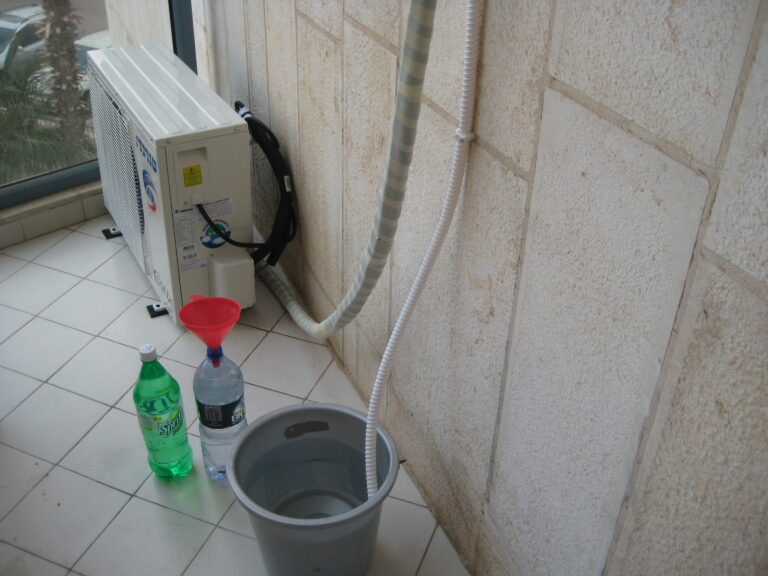
The system in this device is very similar to the cooling systems found in most private and commercial air conditioners, in that water condensation from the refrigeration coils is the end result. To give an indication of how much water can be created by even a small household air conditioner, try collecting this “run off” water in a bucket or large plastic bottle instead of  letting it run off onto the ground. The amount of water that can be collected in this manner will vary according to the size of the AC unit, the air temperatures when the unit is operating, and (very important) the amount of humidity present in the air.

Those “blessed” with living in an area with high humidity (65-70%) , such as a seaside location for example, will be able to “collect” more water than those living in dryer areas where the humidity is less than 45%. In a high humidity location, even a small AV unit of 1 horsepower (7,000 – 8,000 BTUs) can produce as much as 9 liters of water from about 6 hours of use.

Water towers

If a small unit can produce this much water (which is virtually distilled water, and free from chemicals and other contaminants), think about how much water a large commercial air conditioning unit can produce, such as those found in those United Arab Emirates’ mega building projects, including the recently completed Khalifa Dubi Tower, or Burj Dubai, being hailed as the tallest man-made structure on earth.

While AC units in structures like Burj Dubai are capable of  producing thousands of gallons of fresh water through AC  condensation, your small household units can produce enough water to use in gardening, flushing toilets, cleaning, and with a small bit of filtration, even for cooking and drinking. A small, 1 HP unit can create 8-9 liters of water in just 6 hours, while a  larger 3-5 HP unit can make 3-5 times as much.

Best of all, this water comes directly from the air we breathe. What better way to put it to good use?

More articles on sources for creating fresh water:

Drone Aircraft Takes Water from Atmosphere for Irrigation

Abu Dhabi’s Costly Desalination Plants Prompt Waste Water Treatment Plans

How to Make Water from Thin Air

Flan, A Sophisticated “Slow” Summertime Dessert

1
Spanish flan a slow egg desert
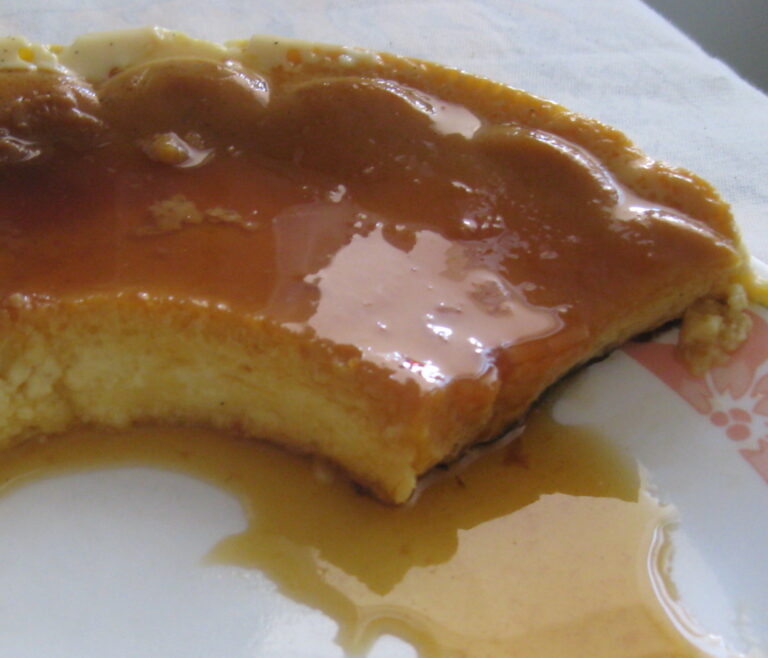
Spanish fan, a slow food, slow egg desert that’s perfect for fall, Rosh Hashanna, even thanksgiving. Cool, silky, creamy flan with its veil of caramel syrup. Make it at home for a fabulous slow-food dessert.

The ancient Greeks and Romans were on to something good. Cream, eggs, and honey – sustainable, local foods in combination – what’s not to love? Their simple recipes for baked custard developed over the ages to the dessert we know today as flan.

The ancients had no problem getting organic milk (though it probably wasn’t goat) and eggs. While we may have to work harder, and even consult experts like Leda Meredith (read our interview) to find local organic ingredients, we do have the advantage of serving our flan cold. They would have loved this cool, sophisticated, vanilla-scented custard, with its piquant note of carmelized sugar. It’s a perfect summertime treat for people of any age. Read on for the recipe.

Traditional Spanish Flan

image-flan-custard

6 servings

Ingredients:

1 and 3/4 cup whipping cream

1 cup milk

pinch of salt

1/2 vanilla bean, split lengthwise

*******

1 cup sugar

*******

3 large eggs

2 large yolks

7 Tablespoons sugar

*******

hot water for steaming the flan

Method:

Combine the cream, milk, and salt. Scrape the seeds out of the vanilla bean into the cream mixture. Add the bean.

Over medium heat, bring the mixture to a simmer. Turn the flame off, cover the pan, and allow it to infuse for 1/2 hour.

Now preheat the oven to 350°F – 180° C. Get your ramekins or mold ready: place them (or it) on a baking pan.

Put the cup of sugar into a medium pan. Allow it to  dissolve and caramelize over a medium flame. Keep a sharp eye on it – it takes only a few minutes for the sugar to brown. Once it goes black, it’s bitter and inedible. Break up any chunks with a spoon. As soon as the sugar smells only a little burnt and has a deep orange color, pour the syrup into the mold.

Be very careful – burnt sugar causes painful burns on the skin. It is best to wear gloves. Now tilt the mold so the syrup coats as much of its inside as possible. Let it cool until the 1/2 hour of cream infusing with vanilla is up.

You’ll need to fill up the baking pan with water, so heat the water up in a kettle now.

Whisk the eggs, yolks, and 7 Tablespoons of sugar together in a medium bowl.

Whisk the infused cream into the yolks, gently. Try not to make foam, which will create air holes in the texture of the finished flan (can’t avoid them entirely, but small ones don’t matter).

Pour the custard into the mold through a sieve. Sieving removes the pieces of vanilla bean and the skin that forms on the surface of the cream .

Pour enough hot water into the baking pan to come half-way up the mold.

Bake till the center is gently set: 40-50 minutes.

When it’s done, remove the whole thing from the oven, baking pan and all. When the water in the baking pan has cooled, lift the flan mold out and set it to finish cooling on a rack for an hour or two. Then cover and store it in the fridge. Serve the flan cold.

To serve, run a knife around the inner edges. Turn the flan over onto a plate. Shake it gently to loosen it. Lift the mold carefully and watch, entranced, as the caramel syrup runs over the baked cream custard.

Fruited Flan Variations:

Coconut Flan: use 1 can coconut cream instead of the milk. Use only 1 and 1/2 cups whipping cream.

Mango Flan: Add 1 cup sieved, puréed mango pulp and 1 tablespoon rum to the recipe.

Lower photo of flan by Miriam Kresh for Green Prophet

Abu Dhabi Eco-Chicks Host Green Drinks Iftar Dinner Tomorrow Night

0

Abu Dhabi’s Eco-Chicks are at it again, this time time with a Ramadan spin.

The Abu Dhabi Eco-Chicks have been up to all kinds of good (both green and otherwise), including organizing a Green Drinks event just a few months ago.

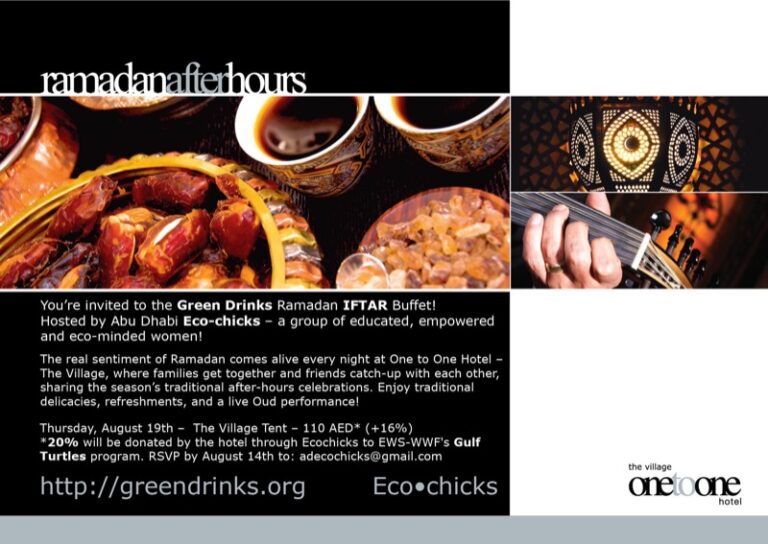
Now, in honor of Ramadan, they are hosting a Green Drinks Ramadan Iftar Buffet, complete with traditional foods, refreshments (minus the alcohol) and a live outside performance. In other words, they’re combining the contemporary concept of a “green drinks” event with a traditional Iftar meal in a very cool way.

Foods that are natural sunscreens

6

Turkish foods

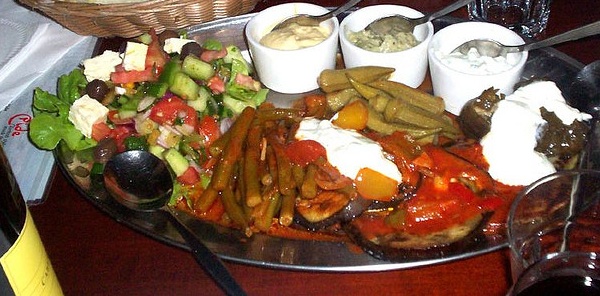
A diet of Turkish salads can protect you from the sun, within.

We all want that “hot” summer glow that comes from a day at the beach, but taking in the rays can have long-term implications for our health.

Now in a study recently published in Nutrition Reviews, Dr. Niva Shapira from Tel Aviv University has shown that a diet rich in antioxidants and omega-3 fatty acids, like the diet eaten in Mediterranean regions where melanoma rates are extremely low, can help protect us from skin cancer.

The sun’s rays damage both the skin and the immune system by penetrating the skin and causing photo-oxidation, she says, affecting both the cells themselves and the body’s ability to repair any damage. Her prescription is to “go Greek” with foods such as olive oil, fish, yogurt and colorful fruits and vegetables to fight the oxidizing effect of the sun, as well as regular applications of sunscreen and appropriate body coverings such as hats, beach coverups, and other sportswear.

“My theory was that if you prepared the body with sufficient and relevant antioxidants, damage could be reduced,” she says.

For a study at the Baltic Sea, Dr. Shapira and Prof. Bodo Kuklinski of Rostock University in the US organized two groups. One group was provided a drink high in antioxidants, while the other enjoyed beverages such as sodas. Those who hydrated with the antioxidant-rich drink had fifty percent fewer oxidation products (i.e. MDA) in their blood at the end of the two-week period, which included five to six hours of exposure to the sun daily.

Tomatoes for Turkish salads
Turkish salads are full of lycopenes

Further studies proved that these antioxidants, especially carotenoids ― fruit and vegetable pigments like red from tomatoes and watermelons (see recipes) and orange from carrots and pumpkins that accumulate in the skin where they serve as a first line of protection ― had delayed the phenomenon of skin erythema, which indicates the initiation of tissue and DNA damage that can lead to skin cancer.

This information is invaluable, especially in light of climate change, notes Dr. Shapira. As temperature and humidity get stronger, which aggravates the damaging effect of solar UV rays, it is increasingly difficult for sunscreen alone to protect effectively.

So while covering up, slathering on the sunscreen, and avoiding the sun during peak hours are still important to prevent a burn, consider dietary changes too, to promote skin health.

Go fish with a glass of red

Salmon fish paired with red wine
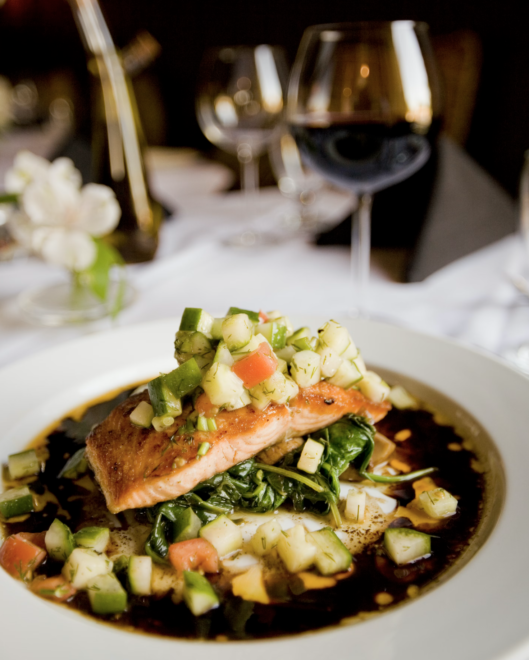
Salmon is paired with red wine

It might be tempting to load up on dietary supplements instead of changing the diet, but according to Dr. Shapira, supplements are simply not as effective. Foods provide nutrient “synergy,” she says. “In foods, many vitamins and various antioxidants and bioactive ingredients work to support one another and the body’s natural protective mechanisms. Synergies between the nutrients in your food, which make a significant contribution to health, may contrast with the relative isolation of a vitamin supplement.”

It’s not necessary to move to Greece, Israel or Turkey to get the benefit of the diet. Most of the appropriate foods are stocked in American and European grocery stores. Olive oil, fresh fish, fruits and vegetables, red wine in moderation, whole grains, beans and lots of water should be at the top of the shopping list, Dr. Shapira advises.

And there are some foods to avoid, she points out.

Go light on red meat, processed foods, and alcohol (red wine is preferable), and be wary of foods that contain the photosensitizing compound psoralen, such as parsley, celery, dill, cilantro and figs.

More sun-safe measures to take:
Make Your Own Organic Sunscreen
Ingestible Sunscreen by LycoRed’s Based on Tomatoes So You Don’t Become One
Chemicals and Your Baby’s Skin: Ecomum at the Pharmacy
Israel Cleans Up Its Act and Recycles Its Beach Waste

Mountain watchers in Iran

0

iran-Alborz-mountainsThe Iranian hills “are alive” with Mountain Watch and other groups working to clean hiking trails around cities.

During the past few years Iranian environmental activists have been worried about the great volume of trash which is polluting the environment around the cities and on far away mountains. With fast urbanization and population growth in Iran, the number of visitors to green spaces around the cities has increased, putting a strain on the environment with increased littering.

The mountains north of Tehran, like Touchal and Darband, as well as along the inner-city roads, are popular weekend destinations for many of Tehran’s residents.  So are Sabalan in East-Azarbaijan Province, Damavand, and Alam Kooh, the first and second highest mountains of Iran. Their popularity has also contributed to their deminse, so mountaineers and activists in Iran are helping people clean up their acts.

Efforts for Cleaning the Mountains

It has been two decades since the first cleaning events in the mountains were initiated by Iranian mountaineers and environmental activists. Abbas Mohammadi is the head of a group called Mountain Watch that is also connected to the Alpine Club of Iran on Facebook but not active since 2013.

According to  interviews in the press (in Farsi), one of the aims of groups like the Mountain Watch is to lead visitors and hikers to have a more environment-friendly culture. Mohammadi says that some members of the group are tired of picking up the trash from the ground and putting it in a bag and that unaware hikers litter more rapidly.

But he believes that these attempts have had good results up to now and the similar groups will be more successful by informing and teaching people more.

alpine-club-iran

The method that the group uses is to talk face to face to the hikers who are careless about keeping the mountains clean. Maybe this is a good way of promoting the level of participation of people in cleaning the natural environment around the cities in long term.

In one of the cleaning events, which took place on Earth Day the members of the Alpine Club of Iran used the following tactics to influence hikers:

  • Cleaned the mountaineering route for at least one or two hours;
  • Talked to other mountaineers about cooperating in the program;
  • Talked to the local residents of the region about the importance of preserving the natural environment;
  • Explained the concept of sustainable development;
  • Contacted city councils, environmental preservation offices, and natural resources offices and encouraged them to arrange similar programs;
  • Contacted radio and television channels and websites and informed about the Earth Day and the mountain cleaning programs;
  • Collected information about the urbanization, road and dam construction, and mining projects and their environmental impacts and gave the result of your observations to the authorities;
  • Identified the people who are responsible for destruction of the environment to the responsible organizations.

Similar events took place in Yemen and Lebanon, demonstrating that while awareness is building slowly, it is possible to clean up our beautiful places with active participation from ordinary people and activists not only in Iran, but throughout the Middle East.

Above image in Alborz Mountains via Hamed

More green news from Iran:
Eco Tourism in the Middle East: Iran
Iran Looks to Create Biofuel
Iran Inaugurates Its First Solar CSP Plant
Celebrate Spring and Iranian New Year