Home Blog Page 615

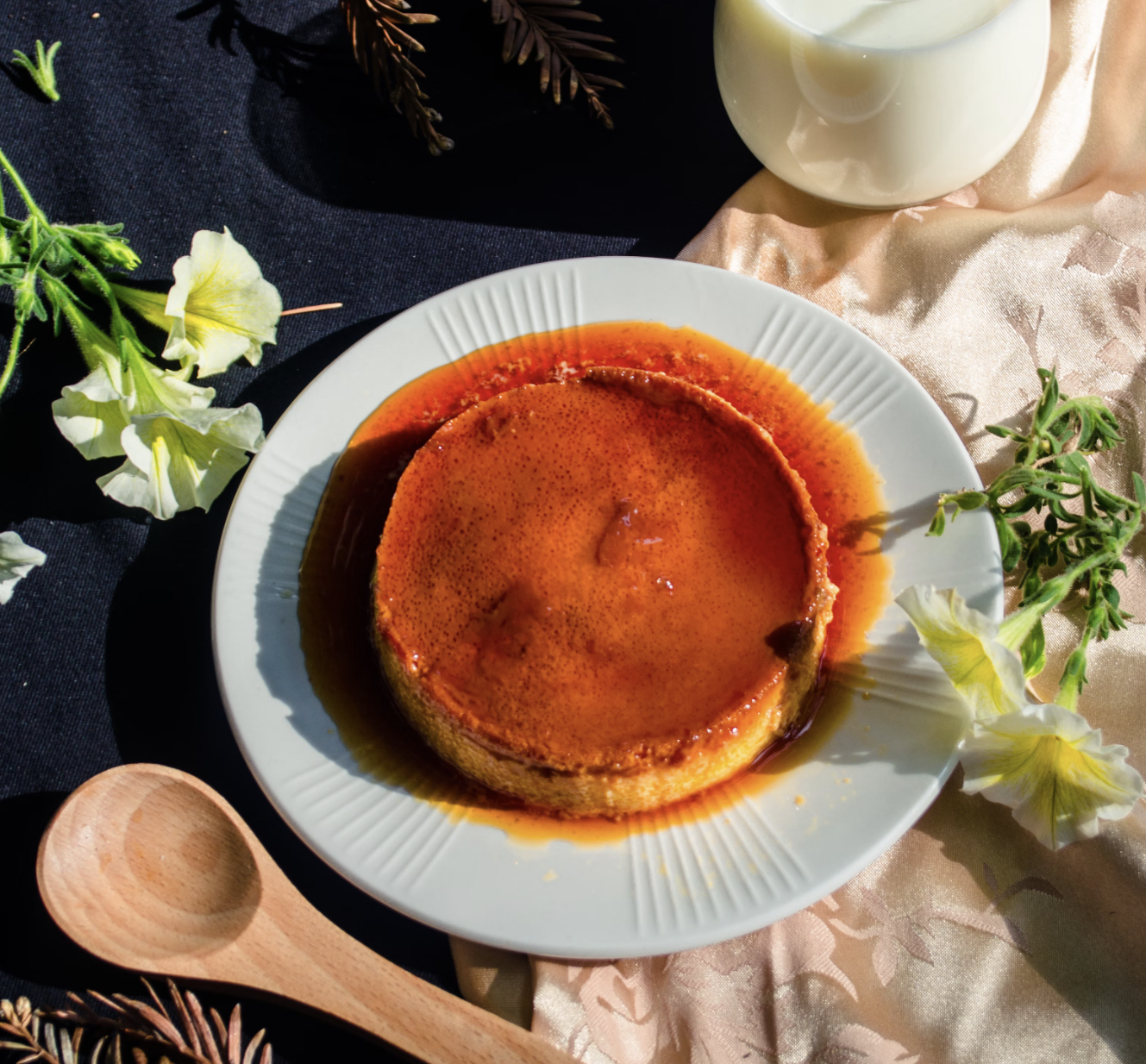
Flan, A Sophisticated “Slow” Summertime Dessert

1
Spanish flan a slow egg desert
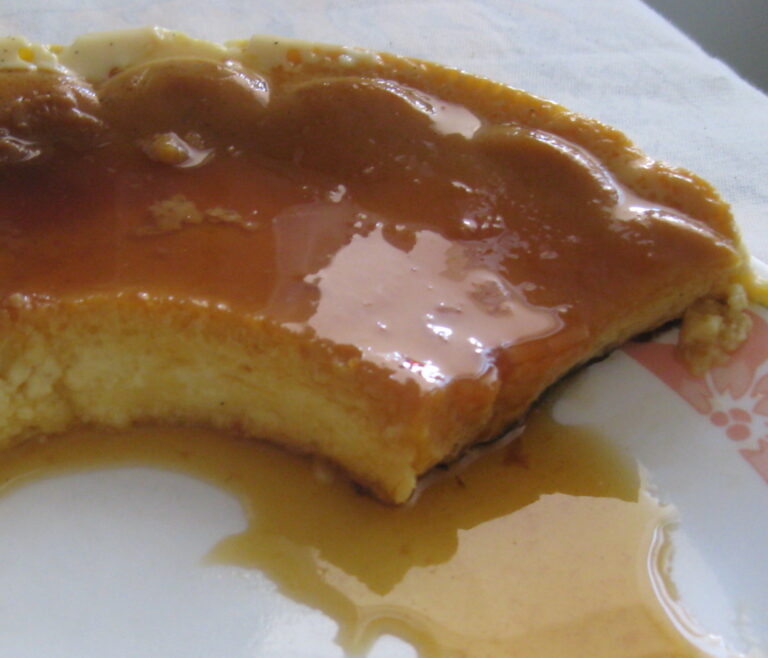
Spanish fan, a slow food, slow egg desert that’s perfect for fall, Rosh Hashanna, even thanksgiving. Cool, silky, creamy flan with its veil of caramel syrup. Make it at home for a fabulous slow-food dessert.

The ancient Greeks and Romans were on to something good. Cream, eggs, and honey – sustainable, local foods in combination – what’s not to love? Their simple recipes for baked custard developed over the ages to the dessert we know today as flan.

The ancients had no problem getting organic milk (though it probably wasn’t goat) and eggs. While we may have to work harder, and even consult experts like Leda Meredith (read our interview) to find local organic ingredients, we do have the advantage of serving our flan cold. They would have loved this cool, sophisticated, vanilla-scented custard, with its piquant note of carmelized sugar. It’s a perfect summertime treat for people of any age. Read on for the recipe.

Traditional Spanish Flan

image-flan-custard

6 servings

Ingredients:

1 and 3/4 cup whipping cream

1 cup milk

pinch of salt

1/2 vanilla bean, split lengthwise

*******

1 cup sugar

*******

3 large eggs

2 large yolks

7 Tablespoons sugar

*******

hot water for steaming the flan

Method:

Combine the cream, milk, and salt. Scrape the seeds out of the vanilla bean into the cream mixture. Add the bean.

Over medium heat, bring the mixture to a simmer. Turn the flame off, cover the pan, and allow it to infuse for 1/2 hour.

Now preheat the oven to 350°F – 180° C. Get your ramekins or mold ready: place them (or it) on a baking pan.

Put the cup of sugar into a medium pan. Allow it to  dissolve and caramelize over a medium flame. Keep a sharp eye on it – it takes only a few minutes for the sugar to brown. Once it goes black, it’s bitter and inedible. Break up any chunks with a spoon. As soon as the sugar smells only a little burnt and has a deep orange color, pour the syrup into the mold.

Be very careful – burnt sugar causes painful burns on the skin. It is best to wear gloves. Now tilt the mold so the syrup coats as much of its inside as possible. Let it cool until the 1/2 hour of cream infusing with vanilla is up.

You’ll need to fill up the baking pan with water, so heat the water up in a kettle now.

Whisk the eggs, yolks, and 7 Tablespoons of sugar together in a medium bowl.

Whisk the infused cream into the yolks, gently. Try not to make foam, which will create air holes in the texture of the finished flan (can’t avoid them entirely, but small ones don’t matter).

Pour the custard into the mold through a sieve. Sieving removes the pieces of vanilla bean and the skin that forms on the surface of the cream .

Pour enough hot water into the baking pan to come half-way up the mold.

Bake till the center is gently set: 40-50 minutes.

When it’s done, remove the whole thing from the oven, baking pan and all. When the water in the baking pan has cooled, lift the flan mold out and set it to finish cooling on a rack for an hour or two. Then cover and store it in the fridge. Serve the flan cold.

To serve, run a knife around the inner edges. Turn the flan over onto a plate. Shake it gently to loosen it. Lift the mold carefully and watch, entranced, as the caramel syrup runs over the baked cream custard.

Fruited Flan Variations:

Coconut Flan: use 1 can coconut cream instead of the milk. Use only 1 and 1/2 cups whipping cream.

Mango Flan: Add 1 cup sieved, puréed mango pulp and 1 tablespoon rum to the recipe.

Lower photo of flan by Miriam Kresh for Green Prophet
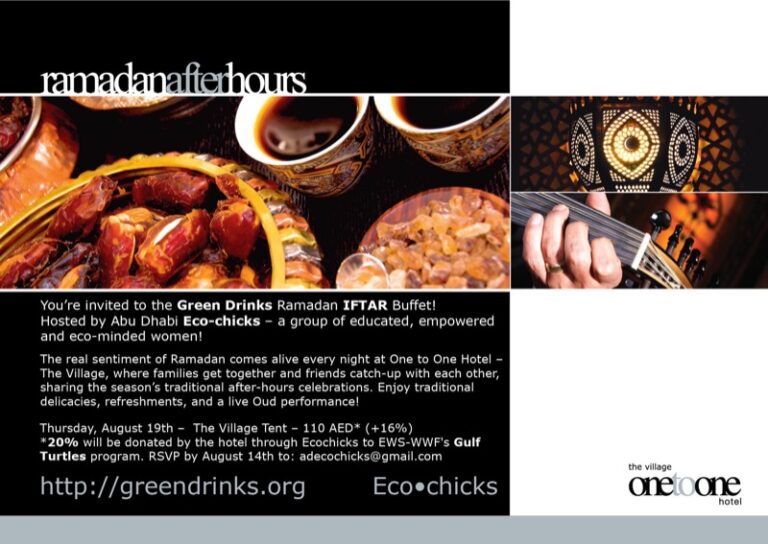
Abu Dhabi Eco-Chicks Host Green Drinks Iftar Dinner Tomorrow Night

0

Abu Dhabi’s Eco-Chicks are at it again, this time time with a Ramadan spin.

The Abu Dhabi Eco-Chicks have been up to all kinds of good (both green and otherwise), including organizing a Green Drinks event just a few months ago.

Now, in honor of Ramadan, they are hosting a Green Drinks Ramadan Iftar Buffet, complete with traditional foods, refreshments (minus the alcohol) and a live outside performance. In other words, they’re combining the contemporary concept of a “green drinks” event with a traditional Iftar meal in a very cool way.

Foods that are natural sunscreens

6

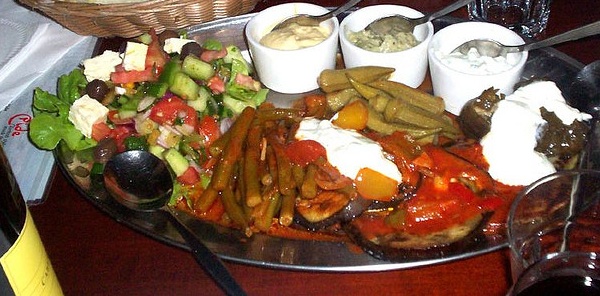
Turkish foods

A diet of Turkish salads can protect you from the sun, within.

We all want that “hot” summer glow that comes from a day at the beach, but taking in the rays can have long-term implications for our health.

Now in a study recently published in Nutrition Reviews, Dr. Niva Shapira from Tel Aviv University has shown that a diet rich in antioxidants and omega-3 fatty acids, like the diet eaten in Mediterranean regions where melanoma rates are extremely low, can help protect us from skin cancer.

The sun’s rays damage both the skin and the immune system by penetrating the skin and causing photo-oxidation, she says, affecting both the cells themselves and the body’s ability to repair any damage. Her prescription is to “go Greek” with foods such as olive oil, fish, yogurt and colorful fruits and vegetables to fight the oxidizing effect of the sun, as well as regular applications of sunscreen and appropriate body coverings such as hats, beach coverups, and other sportswear.

“My theory was that if you prepared the body with sufficient and relevant antioxidants, damage could be reduced,” she says.

For a study at the Baltic Sea, Dr. Shapira and Prof. Bodo Kuklinski of Rostock University in the US organized two groups. One group was provided a drink high in antioxidants, while the other enjoyed beverages such as sodas. Those who hydrated with the antioxidant-rich drink had fifty percent fewer oxidation products (i.e. MDA) in their blood at the end of the two-week period, which included five to six hours of exposure to the sun daily.

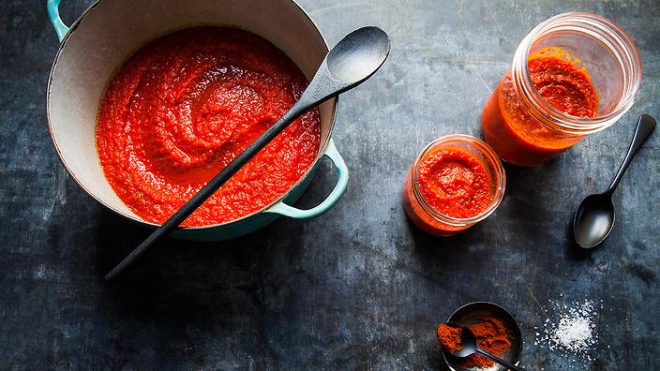
Tomatoes for Turkish salads
Turkish salads are full of lycopenes

Further studies proved that these antioxidants, especially carotenoids ― fruit and vegetable pigments like red from tomatoes and watermelons (see recipes) and orange from carrots and pumpkins that accumulate in the skin where they serve as a first line of protection ― had delayed the phenomenon of skin erythema, which indicates the initiation of tissue and DNA damage that can lead to skin cancer.

This information is invaluable, especially in light of climate change, notes Dr. Shapira. As temperature and humidity get stronger, which aggravates the damaging effect of solar UV rays, it is increasingly difficult for sunscreen alone to protect effectively.

So while covering up, slathering on the sunscreen, and avoiding the sun during peak hours are still important to prevent a burn, consider dietary changes too, to promote skin health.

Go fish with a glass of red

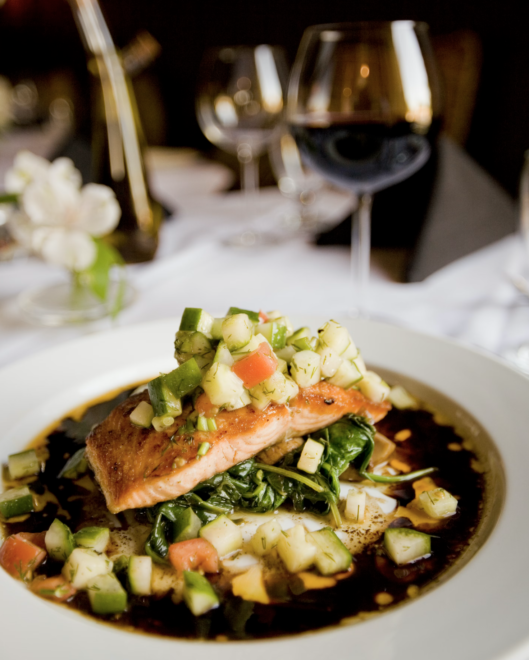
Salmon fish paired with red wine
Salmon is paired with red wine

It might be tempting to load up on dietary supplements instead of changing the diet, but according to Dr. Shapira, supplements are simply not as effective. Foods provide nutrient “synergy,” she says. “In foods, many vitamins and various antioxidants and bioactive ingredients work to support one another and the body’s natural protective mechanisms. Synergies between the nutrients in your food, which make a significant contribution to health, may contrast with the relative isolation of a vitamin supplement.”

It’s not necessary to move to Greece, Israel or Turkey to get the benefit of the diet. Most of the appropriate foods are stocked in American and European grocery stores. Olive oil, fresh fish, fruits and vegetables, red wine in moderation, whole grains, beans and lots of water should be at the top of the shopping list, Dr. Shapira advises.

And there are some foods to avoid, she points out.

Go light on red meat, processed foods, and alcohol (red wine is preferable), and be wary of foods that contain the photosensitizing compound psoralen, such as parsley, celery, dill, cilantro and figs.

More sun-safe measures to take:
Make Your Own Organic Sunscreen
Ingestible Sunscreen by LycoRed’s Based on Tomatoes So You Don’t Become One
Chemicals and Your Baby’s Skin: Ecomum at the Pharmacy
Israel Cleans Up Its Act and Recycles Its Beach Waste

Mountain watchers in Iran

0

iran-Alborz-mountainsThe Iranian hills “are alive” with Mountain Watch and other groups working to clean hiking trails around cities.

During the past few years Iranian environmental activists have been worried about the great volume of trash which is polluting the environment around the cities and on far away mountains. With fast urbanization and population growth in Iran, the number of visitors to green spaces around the cities has increased, putting a strain on the environment with increased littering.

The mountains north of Tehran, like Touchal and Darband, as well as along the inner-city roads, are popular weekend destinations for many of Tehran’s residents.  So are Sabalan in East-Azarbaijan Province, Damavand, and Alam Kooh, the first and second highest mountains of Iran. Their popularity has also contributed to their deminse, so mountaineers and activists in Iran are helping people clean up their acts.

Efforts for Cleaning the Mountains

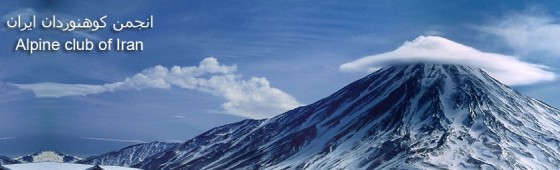
It has been two decades since the first cleaning events in the mountains were initiated by Iranian mountaineers and environmental activists. Abbas Mohammadi is the head of a group called Mountain Watch that is also connected to the Alpine Club of Iran on Facebook but not active since 2013.

According to  interviews in the press (in Farsi), one of the aims of groups like the Mountain Watch is to lead visitors and hikers to have a more environment-friendly culture. Mohammadi says that some members of the group are tired of picking up the trash from the ground and putting it in a bag and that unaware hikers litter more rapidly.

But he believes that these attempts have had good results up to now and the similar groups will be more successful by informing and teaching people more.

alpine-club-iran

The method that the group uses is to talk face to face to the hikers who are careless about keeping the mountains clean. Maybe this is a good way of promoting the level of participation of people in cleaning the natural environment around the cities in long term.

In one of the cleaning events, which took place on Earth Day the members of the Alpine Club of Iran used the following tactics to influence hikers:

  • Cleaned the mountaineering route for at least one or two hours;
  • Talked to other mountaineers about cooperating in the program;
  • Talked to the local residents of the region about the importance of preserving the natural environment;
  • Explained the concept of sustainable development;
  • Contacted city councils, environmental preservation offices, and natural resources offices and encouraged them to arrange similar programs;
  • Contacted radio and television channels and websites and informed about the Earth Day and the mountain cleaning programs;
  • Collected information about the urbanization, road and dam construction, and mining projects and their environmental impacts and gave the result of your observations to the authorities;
  • Identified the people who are responsible for destruction of the environment to the responsible organizations.

Similar events took place in Yemen and Lebanon, demonstrating that while awareness is building slowly, it is possible to clean up our beautiful places with active participation from ordinary people and activists not only in Iran, but throughout the Middle East.

Above image in Alborz Mountains via Hamed

More green news from Iran:
Eco Tourism in the Middle East: Iran
Iran Looks to Create Biofuel
Iran Inaugurates Its First Solar CSP Plant
Celebrate Spring and Iranian New Year

Why China Will be Tipping Point for EVs – Interview With Better Place’s Mike Granoff

mike granoff better place investor china photoCars cause more greenhouse emissions than planes, Cleantechnica reports earlier this month.

So while it may be important to offset and reduce our flying habits, Mike Granoff, head of oil independence policies at the EV company Better Place explores how his company’s switchable battery solution can reduce auto emissions today.

Looking to the east, he explains why China will be the tipping point for the EV market. Read on for the interview.

Ormat Geothermal Reports $1.5 Million Loss

0

Ormat-Geothermal-PowerDespite low 2nd quarter earnings, Ormat has secured $350 million in loan guarantees to develop renewable, geothermal energy plants

Israeli-founded geothermal power company  Ormat Technologies (NYSE: ORA) failed to meet the market’s expectations when the company presented its results for Q2: a $1.5 million loss was reported, resulting in a $0.03 loss per share. Most analysts were expecting a gain of $0.07, according to a Globes report. CEO Dita Bronicki sited low generation and high operating costs are factors contributing to the results.

Pest-resistant Super Wheat “Al Israeliano”

1

emmer wheat chaff blowing photoBased on the ancient “emmer” a new strain of pest-resistant super-wheat emerges from Israel.

Perhaps harking back to biblical times, or resonating with Israel’s interest in growing crops in the desert, Israeli scientists have cultivated what they believe to be the world’s best pasta wheat. It’s touted as having the best nutritional quality, yield, pest-protection and physical properties of durum that you need to make pasta.

While ‘taste’ is very much a personal sense, the Israeli research project, headed by Dr. Uri Kushnir from the government-run Volcani Institute has also pleased the taste buds of some of Europe’s most discerning pasta experts in Italy and Switzerland. “It’s a high-quality wheat nutritionally and pathologically – being insect-resistant and pest resistant,” says Kushnir, its inventor.

Joshua Mater Rebuilds Iraq One “Green” Mind At A Time

0

sustainable-education-iraqNamed after his father who died of cancer in 2002, Joshua Mater established the Michael Scott Mater Foundation (MSMF) to create sustainable solutions to world problems

Just today, reports came in that a suicide bomber killed and injured more Iraqis in Baghdad, soon after the United States committed to its withdrawal from the country, and raising questions about the nation’s ability to rebuild itself. Pockmarked by war, it seems logical that appropriate building materials, biodiversity concerns, and wildlife conservation would stand low on the list of the country’s priorities. But this hasn’t stopped deputy plans officer for the 402nd Army Field Support Brigade, Joshua Mater, from forging links between his alma mater, Oregon State University (OSU), and various ministries and universities in Iraq, in order to foster sustainable development education that will enable Iraqis to rebuild their country when the Americans are gone.

Arak, The Middle East’s Favorite Tipple

0

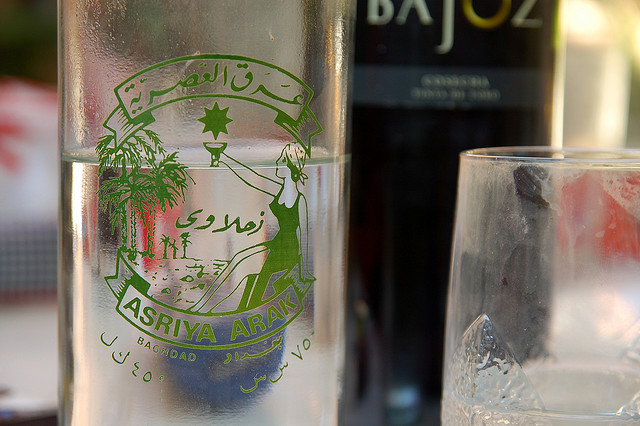
image-arak-bottleArak – spirits flavored with anise seed. A seductive (and sustainable) drink loved all over the Middle East.

The waiter comes carrying a tray with a bottle, a small pitcher of water, ice, and lots of glasses. You pour the clear, anise-fragrant arak out of the bottle, only about one-third of the way up in the glass. Add as much water. Wallah! The liquid goes all milky. Dunk a couple of ice cubes in and let your drink sit a minute to chill. Sip, and savor.

You can find good commercial arak at popular prices everywhere in Israel, Lebanon, Syria, and other Middle Eastern countries.  But the most appreciated arak comes from distilleries located in mountain villages where the recipe, like many traditional foods, passes down from father to son through generations. It takes yellow grapes grown organically and without irrigation, and the best-quality anise seed, to make the best arak.

It’s an aperitif to accompany many small dishes of savory mezze over a leisurely lunch– or do all those appetizers simply help you drink the arak? In any case, arak has other uses that many don’t know about.

Cool Down From the August Heat with Low-Energy Sun Tea

0

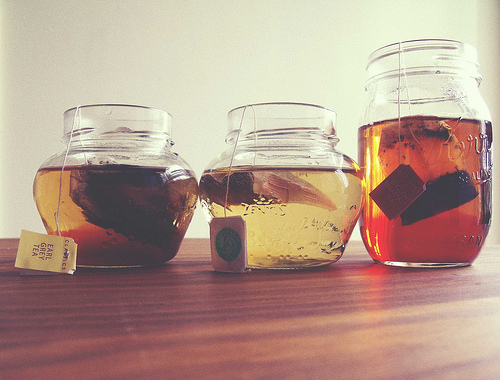
Sun tea is nature’s equivalent of the crockpot… minus the electricity.

We each have our own way of dealing with the Middle East’s harsh sun and humidity during the summer, especially in August.  For some it’s sun dresses, for others it’s catching the breeze by the beach, and for some it’s a popsicle.  If none of those options do it for you, how about some low-carbon emitting, low muss and fuss herbal sun tea?  The formula is simple: take your pick of the multitude of herbs currently available, add to water, and let sit in the sun so it can do its thing.

Architect From Fortune 500 Company Criticizes Middle East’s “Glass Monsters”

2

glass-skyscraper-middle-eastGlass may be beautiful, but in the Middle East, it’s far from eco-friendly

It’s one thing for environmental bloggers to criticize architects or project managers for designing buildings that do nothing to preserve natural resources or inspire beauty in moderation. Foster and Partners, prolific in the Middle East, and just about anything built in Dubai are among such companies and schemes that have elevated our (green) blood pressure in the past.

So it’s deeply refreshing to learn we’re not alone, that architects and environmental planners such as Romi Sebastian, who works in Qatar with the Fortune 500 company AECOM, are also frustrated with architectural practices that defy ecological logic.

‘Ground Zero Mosque’ will be Green

 When the controversy subsides and construction begins, “Park 51,” otherwise known as the “Ground Zero Mosque,” will be LEED certified

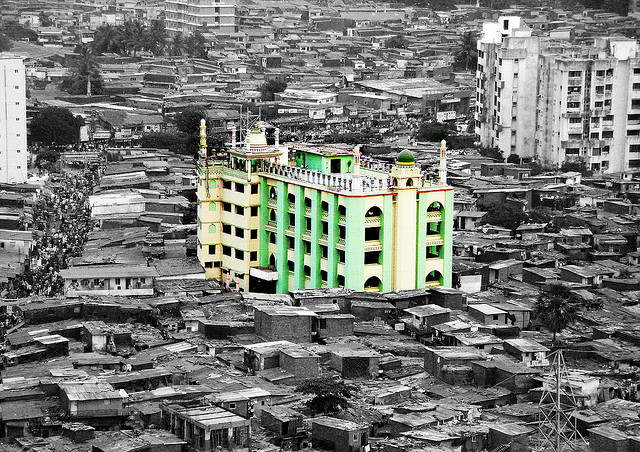
Green mosques are sprouting up all over the world. We brought news of the first eco-mosque in Cambridge, but now in the midst of the chaos and controversy surrounding the Ground Zero Mosque, organizers have revealed that the community centre will also be the first green-certified mosque in the US. The mosque, which has been renamed ‘Park51’ to reflect its green credentials, will be LEED (Leadership in Energy and Environmental Design) certified, and in addition to building bridges between different communities, will spread the green message of Islam. Arwa spoke to Ibrahim Abdul-Matin, who first broke the news of the project’s environmental aspirations, to find out more.

Can UAE Foreign Minister and South African President Jacob Zuma Save The Environment?

0

jacob-zuma-plants-treeWe question the efficacy of a UN sustainable development panel chaired by the man who “showered off HIV” and including the Foreign Minister from Oil-Rich UAE

Culture plays an enormous role in how the environment is perceived and treated. We learned this week how devout Muslims, as a result of their tradition of generosity during Ramadan, inadvertently contribute to increased methane with their 500 tonnes of leftover scraps; meanwhile, the drive to fuel western consumer culture has sapped the diversity of life so crucial to healthy life.  As such, any program tasked with creating a model of sustainable life must include representation from as many cultures as possible. At least, this may be behind the recent decision to appoint Sheikh Abdullah bin Zayed, the UAE’s Foreign Minister, to a new UN panel.

Taiwanese $15 M. Investment Shines Light on Israeli LED Start Up Oree

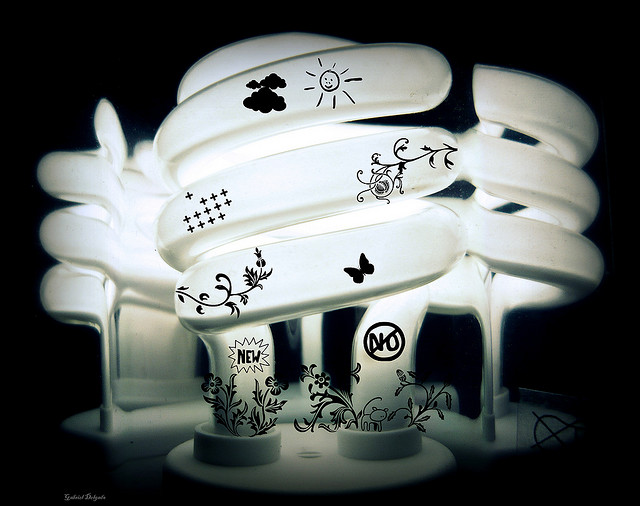
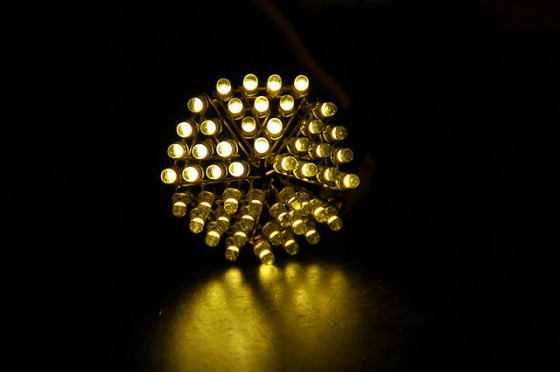
Will Edison’s invention be relegated to ancient history as LED goes mainstream?

Before the light bulb, invented by Thomas Edison in 1879, the nights were saturated in darkness and human activity limited to what could be achieved by candlelight. Now if the lights go out because of a power surge, we’re up in arms, raging at utility companies for their incompetence. And electricity’s environmental toll is immeasurable. Cleaner alternatives, such as LED, have been slow on the uptake, but  the recent $15 million investment by the Taiwanese LED chip producer Epistar in the Israeli start up Oree could be a sign that LED technology will secure a place for Edison’s then-revolutionary technology in ancient-history. 

Olive oil pioneer inspired by Jewish sources

0
dr-shaul-eger
Shaul Eger olive oil

A search for a cure to his own health problems led to a whole new profession for Dr. Shaul Eger – including a recipe for olive oil chocolate.

Thirty years ago Dr. Shaul Eger, an Israeli physiologist specializing in animal husbandry, was told by specialists that his heart arrhythmia was incurable and that he might die. He turned to ancient Jewish sources, where he read about the health benefits of olive oil. “I realized I had a problem, so I went back to my ancestors – to the Bible,” Eger says.

He was particularly inspired by the Jewish doctor Assaf Harofeh (Assaf the Physician) a Mesopotamian believed to have lived in the sixth century, whose works opened Eger’s mind, and heart, to a new remedy.

Harofeh writes that olive oil staves off mental illness and other ailments including those which afflict the heart. “We know from the Bible and Rambam [a leading 13th century Jewish scholar and physician] that olive oil is good for the memory,” says Eger, citing the Jewish law book, the Talmud, where it is written that those who drink olive oil will retain their memory for 70 years.

Just a spoonful of olive oil

“I found a lot of scientific basis for using olive oil” says the scientist, “… and I started to consume it.” Eger adds that his Arab neighbors near Yokneam Moshava, a village close to the Carmel region in Israel’s north, agreed about the oil’s health benefits.

At the time, while olive oil was a mainstay of the diet of Israel’s Arab population, Jewish Israelis hadn’t yet discovered it, so he bought it unrefined from his Arabs neighbors. “It was awful – the quality at the time [was low] because it was made in the traditional way, on stones.

“From a sanitation point of view it was a disaster. The acidity was high, the peroxide value was terrible.”

Still, he swallowed the stuff.

His self-prescribed remedy was a spoonful of olive oil a day, and within six months Eger was up to eight spoons a day. His arrhythmia disappeared. Before taking the olive oil, Eger says of his arrhythmia: “I suffered from it badly and had two bad experiences where I blacked out.”

But after drinking the olive oil, his entire outlook and career path were transformed. He decided to quit his job at the Ministry of Agriculture and make his own olive oil. Eger believes that he was one of the first Jews in modern Israel to grow olive trees and harvest the oil, “on the same land and in the same climate that made olives 3,000 and 4,000 years ago.”

Ancient Jewish texts say that olive oil is good for the memory

Born in 1944, before Israel became a state, Eger wanted to farm the land, but he also wanted to be a scientist. He had earned a PhD at the Hebrew University of Jerusalem and his studies were focused on cattle, but after tasting the healing properties of olive oil, he switched gears. “I learned by myself, and got into a niche, in a subject I found to be very complicated, interesting and significant to human health,” he recounts. “Olive oil is a tricky raw material. It’s easy to produce, but easy to spoil – it’s so delicate. In terms of medicinal value, it’s potent. I decided I was going to deal with this.”

The married father of three (who says he almost became “unmarried” as a result of his olive oil passion), has three grandchildren, and has planted 1,000 olive trees, whose fruit he reaps today.

Investing money in science, Eger’s efforts have yielded a number of new products which he hopes will make Israeli olive oil competitive in the global market. With around 160 olive oil producers, Israel currently supplies only about one percent of the world’s total olive oil and according to Eger, the Israeli oil has no relative advantages in cost and taste.

So Eger chose to manufacture health products, with his oil as the key ingredient. One example from the line of Dr. Eger Olive Oil Products is a non-dairy, low-sugar chocolate spread.

Together with Prof. Ishak Neeman of the Technion Institute of Technology in Haifa, Eger developed a technology for water-free, preservative-free, trans fatty acid-free solidification of oils. The ensuing margarine substitute or spreadable olive oil is solid and stable at room temperature. It can be used to make puff pastry, diaper rash cream or lip balm to treat herpes cold sores. The Eger line also offers beauty products for the face and skin.

A firm believer that people should not eat cheese and dairy products, Eger hopes to share his life experience, and cure, with the world.

Olive oil has fatty acids, good anti-viral, anti-bacterial, anti-inflammatory and anti-oxidative properties, he says, concluding, “It has the optimal composition of fatty acids, and five percent of its micro-ingredients are so important to our health.”

More Green Health News:
Ancient Kaballah Recipe Helps Doctor Fight Cancer
6 Herbal Teas – A Natural Way to Cure What Ails You
An Easy Vegetarian/Vegan Iftar Menu For Ramadan
Six “Green” Reasons To Drink Camel’s Milk