Home Blog Page 600

How to make etrog jam

12
Get fancy with the world’s best smelling citron fruit. Just make sure it’s organic before you eat it as jam.

The etrog is a stunning fruit. It’s also known around the globe as citron ––but it’s not to be confused with the French word “citron” which just means lemon.

The etrog or citron is indeed a citrus fruit, so cousin to lemon and lime, but it’s a world away from that tangyness and in its own class. Warty, yes, but too lovely-smelling to be eaten. The fruit is pretty tart like a lemon but there isn’t much juice. Since the thick skin is extremely aromatic we suggest turning the whole shebang into a jam. And we will share the process here.

Citron jam.

The citron’s textured and dimply exterior might fool you as being a mutated lemon, and as a peeled fruit there isn’t much to taste. But as a jam? The aromatic flavors are what some compare to the smell of the Garden of Eden.

So this is the Queen of all citrus fruits and it’s cultivated in regions of Morocco to be ready for the autumn and the Jewish holiday of Succoth, the feast of booths. It’s an ecological holiday at the root of things. And if you dig into history you will see archeologists found the etrog trees growing during Biblical times. Today be on the lookout for organic etrog because pesticide use growing etrog is high.

How the etrog is connected to Jewish holidays

After a small cabin is built in the yard for eating and living in for 8 days, Jewish people obtain 4 elements from nature to remind them of their roots.

Every day a ceremony involving a willow branch, a citron, a palm frond and a myrtle branch is enacted. The etrog is used just for its smell while the other elements have characteristics of their own.

Usually there is an etrog left over from Succoth which ended last week so one etrog is not going to make a pile of jam but it will make a small treat. We urge you to use an organic citron if you can find it to avoid any pesticides that might have gone into growing the fruit. As it’s prized for its smell as well as it’s unusual looks and is an ornamental there are few controls on pesticide use for this fruit.

After the Hebrew holiday Succoth, Jewish families everywhere will have an extra etrog which can make a delicious jam. Just make sure the etrog is organic so you will avoid eating unwanted pesticides. Since the etrog is not normally cultivated for eating there are no limits on the pesticides that are used on the fruit.

Here’s Green Prophet’s tried, tested and try recipe that we come back to every year so you can make your own etrog jam.

Making etrog jam

Ingredients for making etrog jam:

1 etrog (citron)

6 cups water

3/4 cup sugar, use organic cane sugar if you can

Method

Slice and remove as many seeds from the etrog as possible. Try slicing the etrog the long way into eighths to get seeds out as efficiently as possible. There are a lot of seeds in an etrog so allow at least one hour for this step. It can be tedious but the results will be worth it. 

If you want to try and grow your own citron or etrog tree, save the seeds and put them aside for later. 

citron etrog fractions sliced jam recipe
Slicing up citron fruit for jam or teaching fractions

Chop the etrog fruit into very small pieces, including the peel, consider using a food processor like a Vitamix for this step. Although cutting it up with a sharp knife is more pleasant. Just watch out for squirts of juice in your eye. Notice the scent. Cover cut up etrog fruit with water and refrigerate for at least 12 hours.

Next, bring everything to a boil, and simmer uncovered for 20 minutes. Drain fruit. Cover fruit with water and simmer again for 20 minutes, then refrigerate everything for at least 12 hours. Drain. Cover fruit with water and simmer uncovered again for 20 minutes. Drain fruit.

These steps are important because if you skip them the finished product will be bitter!

Cover your beloved etrog fruit with water and add most of the sugar. Bring to a boil and simmer uncovered for one hour. Be careful here, if you leave it for a minute it can burn on the bottom. If it does burn, do not stir up the burned parts into the jam. Dump the stuff into a clean bowl, wash out your pot, put the jelly back in and continue.

Taste to see if you need to add more sugar. Continue simmering for ½ hour or more. The temperature should be 220º–222º, the water should be syrupy and the fruit should be clear-ish.

It should cool and congeal. If it is still runny some people add ¼ – ½ cup of orange marmalade per quart to add “pectin” and cook 15-20 minutes more. Personally, I think that however it comes out is nice.

Now that the etrog is eaten…

More recipes for jam … and cucumbers:

Indulgence, Locavore Style: Homemade Strawberry Jam
Pickling 101 – Vinegared Cucumber Salad Recipe

Reader Feedback

“It’s true – the etrog is one of the most toxic, highly-sprayed fruits on the market, because it is usually purchased for ritual purposes, and not to be eaten. Don’t make any etrog recipes unless you know that the source of your etrog uses sustainable farming (and if you can find such a source, please let the rest of us know!).”
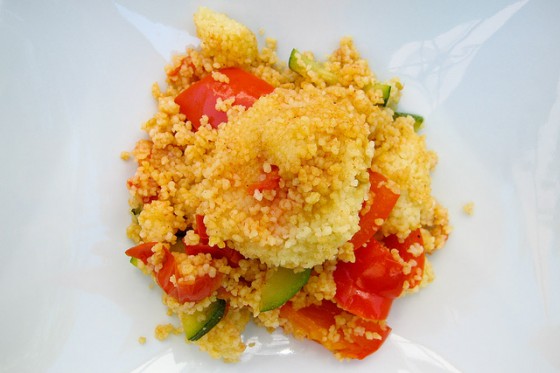

Lemon-scented vegetarian couscous

3

couscous plate vegetarian

Coriander, lemon, and four kinds of vegetables make a mouth-watering vegetarian couscous.

Natural locavores, good Middle Eastern cooks take pleasure in seeking out the very best and freshest vegetables in the open-air markets, transforming inexpensive local ingredients into delicious traditional foods. Some examples include mulukhiya (our mulukhiya recipe here) and couscous.

While couscous is often served with meat of one kind or another for gala events, homey vegetarian versions are served as everyday fare. Here, couscous is a foil to vegetables carefully seasoned with herbs and spices, while chickpeas add satisfying protein.

A whole preserved lemon (our recipe for preserved lemons here) adds bright flavor to the light stew.

Lemon-Scented Vegetarian Couscous

serves 4-6

Ingredients:

2 Tablespoons olive oil

Juice of one whole lemon
2 tablespoons  tomato puree
1 tablespoon paprika
1 tablespoon ground cinnamon
1 teaspoon ground turmeric
1/4 – 1/2 teaspoon cayenne flakes, according to taste
4 tomatoes, quartered
2 red bell peppers, cut into large chunks
1/2 cup whole almonds
1/2 cup dried apricots, quartered
1 walnut-sized piece of ginger, peeled and chopped finely
2 zucchini,  sliced thickly
1 can chickpeas, drained and rinsed
2 cloves  garlic, coarsely chopped
1 tablespoon honey or date honey
1 preserved lemon, chopped
A handful coriander, chopped

Method:

In a large saucepan, heat the the olive oil . Add the lemon juice, tomato puree, paprika, cinnamon, turmeric, cayenne flakes, tomatoes and bell peppers. Stir well. Lower the flame to the lowest and cook, covered,  for 30 minutes.

Add the almonds, dried apricots, ginger, and garlic. Stir well. Cook a further 15 minutes, always on very low heat.

Finally add the chickpeas and zucchini and allow to cook for a further 10 minutes, or until the zucchini are cooked through. Just before serving, add the preserved lemons, honey and chopped coriander; mix them in well.

Make couscous according to package instructions. Spoon the vegetables over a mound of prepared couscous and serve.

More About Eating Vegetarian:

5 Vegetarian Myths

Vegan Couscous and Roqaq Recipes

7 Ideas for DIY Green Breastfeeding Coverups

1

breastfeeding coverModest moms don’t need expensive new breastfeeding covers, with all the green choices available.


While it’s not difficult to breastfeed modestly in public, many women in the Middle East prefer to wear a breastfeeding cover. And a range of companies will be happy to sell you a new one. But there is a greener way: buy second-hand, borrow from a friend, or make one yourself with fabric you already have on hand. Choose a light-weight all-cotton fabric, so stains won’t show. You can cut up an abaya that you no longer wear, or get something at the second-hand store or gemach (a type of lending library for items with limited use).

There are a range of ideas for do-it-yourself breastfeeding covers. Here are the best ones I found:

“72 Hour Urban Action” Takes Over Bat Yam, Israel

0

72 hour urban actionTeams have 72 hours to re-design an urban area in a pretty crumby satellite city in Israel. It’s guerilla urban architecture.
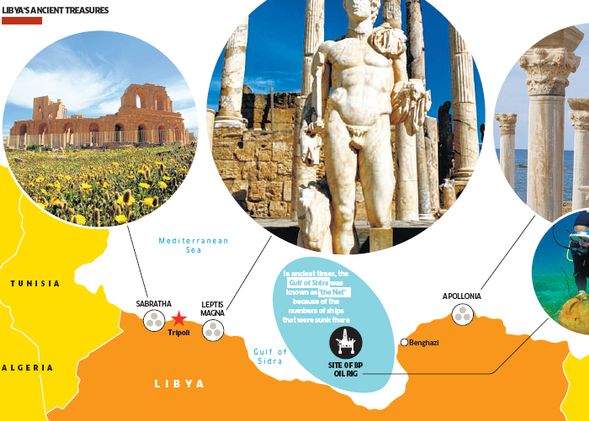
We’ve all had the same thought: it’s been built, we’re stuck with it. This ugly urban mess we have created is here to stay and there’s nothing we can do about it; may as well put up our feet, grab a lager, and watch re-runs of “The Days of Our Lives” to wile away the misery. Others challenge that notion, and show the rest of us couch-potatoes that actually we have an extraordinary capacity for innovation and have the necessary power to reverse our unsustainable trends. And not only can we fix our mistakes during this lifetime (instead of leaving it for our kids to deal with), we can make serious headway over a weekend. They started with the 72 Hour Urban Action Program in Israel’s less-than-glamorous Bat Yam.

Searching The Globe For Entries To The 5th Annual Green Awards

green awards 2010If your design or project has serious green mettle, why not enter the Global Green Awards?

We may have our fair share of not-so-eco maniacs in the Middle East, but we also have a powerful body of concerned citizens who realize that the success with which we develop sustainable options in every aspect of life – agriculture, building, energy, fashion, and industry – will define our quality of said life for decades to come.

To veer away from reckless projects like the monster Burj, or the phony “Iceland” that has just opened up in the UAE, the Global Green Awards are accepting applications, for the fifth year, from creative, original, and  positive people who have a sustainable vision. Greenwashers need not apply.

BP Deep Drilling In Libya Threatens Archeological Sites

0

libya archeology bp drillKnown for bulldozing archeology ruins into the sea, is it hello BP and bye bye Appolonia? Libya’s ancient archeological sites under threat from offshore oil spills.
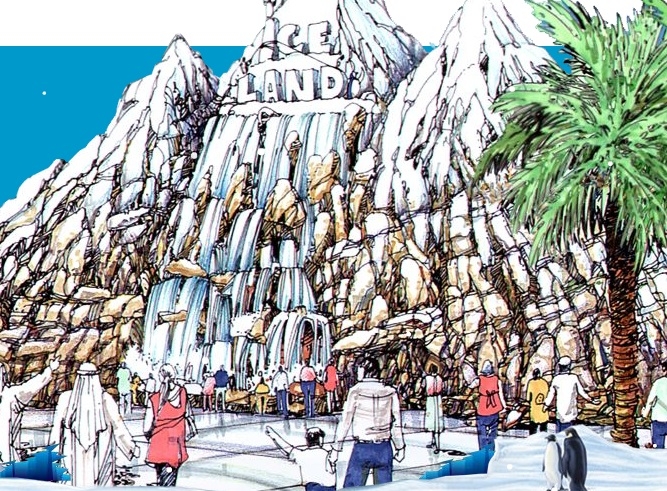
British Petroleum (BP), whose Deepwater Horizon offshore oil well was spewing thousands of barrels of oil into the Gulf of Mexico for more than five months, was at the same time involved in undersea energy exploration and drilling in the Mediterranean Sea off the coast of Libya. Some conspiracy theorists have even proposed that the UK released an imprisoned terrorist to soften future oil business between Libya and the British country. But before we get ahead of ourselves…

Preservationists have woken up to the fact that BP oil drilling off Libya’s coast and beach areas, contain many ancient archeological sites (underwater and on land) that would be severely damaged in the event of a major oil spill. This danger was pointed out by Treehugger where it was reported that archeologists are “sounding the alarm” in regards to these undersea drilling operations. Ancient remains of the Greek and Roman provinces of Ptolemais and Cyrenaica are at stake.

Global Warming Message Goes Awry at UAE Water Park

14

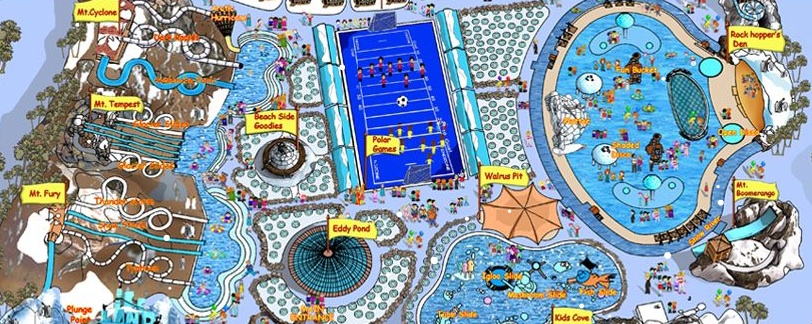
iceland park dubaiEnergy-intensive water park in the desert, offers  a “home” to displaced penguins.

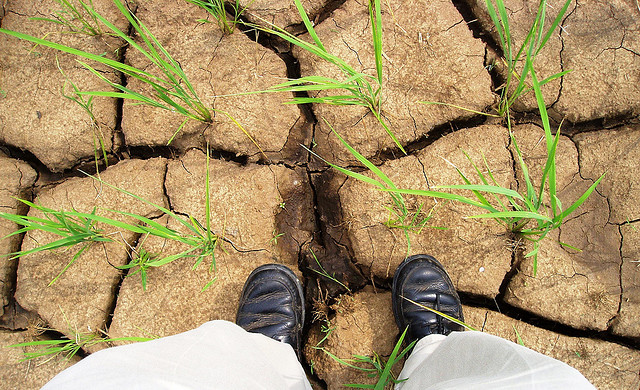
Every now and then, the Middle East comes up with a scheme that is so ridiculously un-eco that we can’t believe someone thought it was good for the planet. See us on Al Jazeera TV talking about hypocritical ideas in the UAE. Some of the most controversial and counterproductive measures we’ve covered so far include the not so green Masdar project or celebrities releasing balloons to highlight the importance of green living; and now comes the UAE’s largest ice-themed water park.

Whilst not in particular good taste, there is nothing wrong with this project until you find out that the park has been built around the issue of global warming. Apparently the park follows the story of a clan of Penguins who are displaced from the Arctic (and not the Antarctic where they normally live) by the impacts of climate change, drift along the oceans until they make a home in the coastal waters of the Arabian gulf.

Global Warming Gimmick?

Guardian UK newspaper, Leo Hickman muses, “Yes, that’s right the country with one of the world’s highest carbon footprints per person, which has got rich, in part, through the region fossil fuel bonanza, has built a tourist attraction that takes the world’s most pressing environmental problem and turns it into a plaything.

After a two-year delay, the theme park opened this week boasting the world’s largest man-made waterfall called Penguin falls with 100,000 gallons of water cascading down every minute. Costing a reported $100m, the theme park is expected to bring in 10,000 visitors a day and it’s ‘novel attractions’ include a rain dance pool (downpour meets disco), a man-made Coral Reef for snorkelling complete with live fish and various other children’s water games.

Energy intensive desalination

Now these features may seem quite impressive but with many locals suffering from water shortages and power cuts, what stands out is how irresponsible and un-ecological it is. To keep this park in working order it needs a 4MW power generation system, a separate water desalination plant which produces 525,000 gallons of water as well as water filtration systems.

water-shortages-uae-ice-land-park-green-problems

Nothing to fear though, they state, as the water will be recycled and used for agricultural purposes. What they fail to mention is that a village near the development feels that their fishing industry is suffering due the loss of a public beach which was once populated with ghost crabs. Desalination is also problematic as it an energy-intensive process which destroys marine organisms such as phytoplankton and fish as well as the ocean environment once heavy concentrations of salty water are pumped back out.

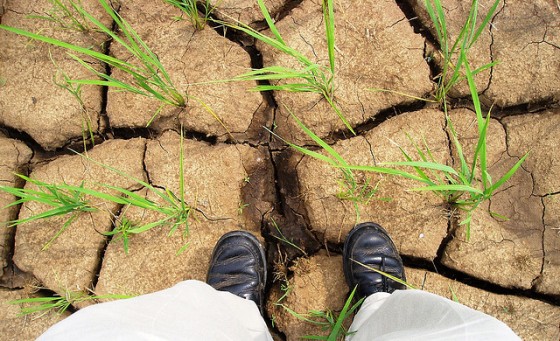
The Middle East also suffers from severe water shortage issues. A report by the World Bank states that under current trends, water availability in Africa and the Middle East will drop by 50% per person by 2050. Consequently, the diversion of water into extravagant water parks is not only misguided but a dangerous indicator of the lack of real understanding or willingness to take meaningful action on climate change.

For More Green Misadventures See:

Syrian Celebrities Spread Green Message in Damascus With Balloons?!

Masdar City’s Just A Futuristic Playground For The Rich

Shell Abu Dhabi Dons a Green Mask and Sponsors Annual Environmental Competition

Who’s Going Nuclear in the Middle East?

0

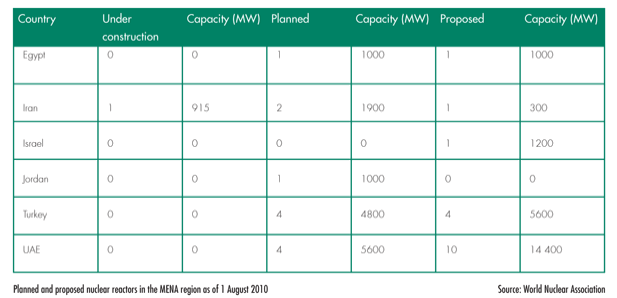
nuclear middle eastA handy chart to plot which Middle East countries are going nuclear.

Ever since oil was discovered in the Middle East around 1950 it has gas been the driving force behind the region’s transformation. But as of late a new focus has emerged based on both an ever increasing demands for electricity but also a push to cut carbon emissions. And while not officially mentioned the Middle East needs to prepare for the day that the oil runs out: what environmentalists are calling “peak oil.” In addition to Iran, which has a highly controversial nuclear program, seven other counties in the region are proposing or have already started their own programs, according to a report by Power-Gen Worldwide.

The “Saudi Arabia” Of Renewable Energy

saudi-arabia-renewable-energyFinally! Researchers put skeptics to rest as the “Saudi Arabia” of renewable energy takes off in Northern Scotland.

Harnessing the ocean’s extraordinary energy potential is no easy feat. Though the seas are difficult to tame and have swallowed more than one piece of equipment, Israel has managed to reign in that rogue power with a modest size facility in Jaffa. But the real celebrities in the ocean energy movement, thanks to the superior strength of their tides and waves and longstanding research commitment, hail from the United Kingdom. Their marine might is so superior, in fact, that John Ross with The Scotsman says the uninhabited Stroma island in Northern Scotland has the potential to become the “Saudi Arabia” of renewable energy.

Israel Cleantech Intelligence: Wind farms and 7 More Headlines

Golan wind turbinesNon drip tomatoes, latest Dead Sea trouble, Ormat in the US and more headlines related to Israeli cleantech and the environment.

Israel’s government is getting serious about ending global oil dependency by 2020. Ormat Technologies has secured funding for geothermal plants and Eilat-Eilot has been chosen to by the Ministry of Industry, Trade and Labor to establish and operate a renewable energy technology center in Israel’s Arava region. For these stories and more, see this week’s headlines below.

American “Eco-Geek’s” First Week At The Masdar Institute

0

laura-stupin-masdarAmerican engineering student Laura Stupin spends her first week on Masdar’s Mothership.

Never mind the trumped up press releases that claimed for Masdar a zero carbon, zero waste, car-free city, or the derisive press that followed. And forget the original ambition to complete such unrealistic goals by 2015.

Fast-forward instead to October, 2010, just over a week after the second batch of students from 26 different countries around the world entered the Masdar Institute of Science and Technology. The New York Times critic Nicolai Ouroussoff likened Masdar to a futuristic compound for the rich.

But what is it like to actually live in this compound? Laura Stupin, an American student who has just moved there, says she “lives in a spaceship in the middle of the desert.”

Keep Your Arteries Clean With These Dietary Tips

0

empty-greasy-platterHow much fatty food is in your diet? Could be time for a change.

There are many issues with food that people are aware of, and try hard to control, such as high sugar levels and excess salt in processed foods. A less understood dietary issue is cholesterol. This is a substance which is often thought to be entirely negative, but there is more to cholesterol than harmful side effects.

Egyptian Bike Rack Design Competition Part of 350.org’s Global Climate Change Work Party

0

work-party-bike-rackThe (designing) pen is mightier than the sword – protest climate change by thinking of cool bike rack designs.

To protest the rise of greenhouse gas emissions and climate change, global organization 350.0rg organizes a climate solution day each year. These protests, demonstrations, and pro-active events take place all over the world, including the Middle East.  This year, 350.org is coordinating a climate solution day called the “Work Party” for October 10th (10/10/10) and events have already been planned all over the region (including an event organized by the UAE’s Green Sheikh). If the name “Work Party” sounds strange, 350.org explains that its intention is to convey to politicians that “we’re getting to work – what about you?”

In Egypt, although many events will take place, one of them has an eco-design spin in the form of a bike rack design competition.

Israel Marine Ecologist Says Mediterranean Needs More Environmental Protection

2

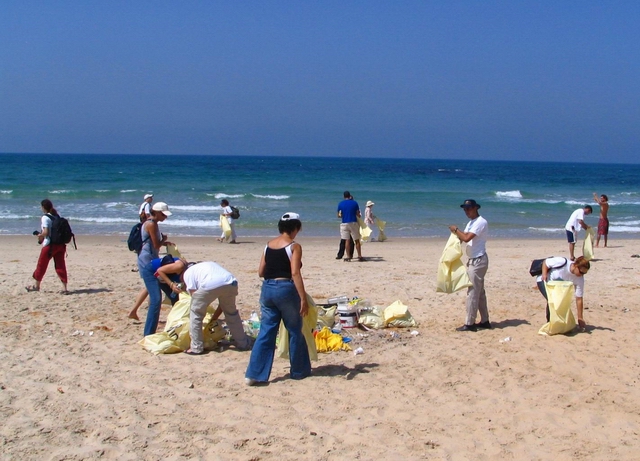
mediterranean-environmental-protectionDespite recent beach cleanup efforts, much more needs to be done to protect the Mediterranean.

Meet Dr. Ruth Yahel, a marine ecologist for the Israel Nature and Parks Authority, who specializes in studying and protecting Israel’s Mediterranean marine environment. She said that the Med is “going through an enormous change, and that  50% of the fish now found there came originally from the Red Sea, via the Suez Canal. These new fish species include unwanted varieties, especially poisonous ones like the Box Fish (puffer).”

Some of these new species, she says, have resulted in the depletion and even disappearance of local indigenous species. Increasing operations of desalination facilities and the oil and gas production have also had an effect on the sea’s marine life.

Syngenta: Use GMOs To Boost Turkey’s Agricultural Sector

4

turkey-gmo-debate Though hunger is a compelling reason to consider GMOs, we are introducing too many genetic unknowns and defying nature’s superior wisdom.

Turkey’s organic industry is picking up speed despite the continued use of chemicals for some farms, and various other Middle Eastern countries have demonstrated that local, natural farming practices can be sustainable. Even Dubai’s desert environment can produce delicious fruits and vegetables if given sufficient care. But projected population increases   and fears of subsequent food shortages, as well as recent spikes in food prices, is bolstering the argument to perpetuate Genetically Modified Organisms (GMOs) in the agricultural sector.

In the developing world, this is an especially contentious debate since it is considered inhumane to refuse food – regardless of how it has been tampered with – when people are starving. However, GMOs pose considerable risks, some that science can’t even begin to predict, and many countries have banned their growth and use. Â