Home Blog Page 563

UAE: Don’t Can Your Aluminium. EEG Will Pick It Up

1

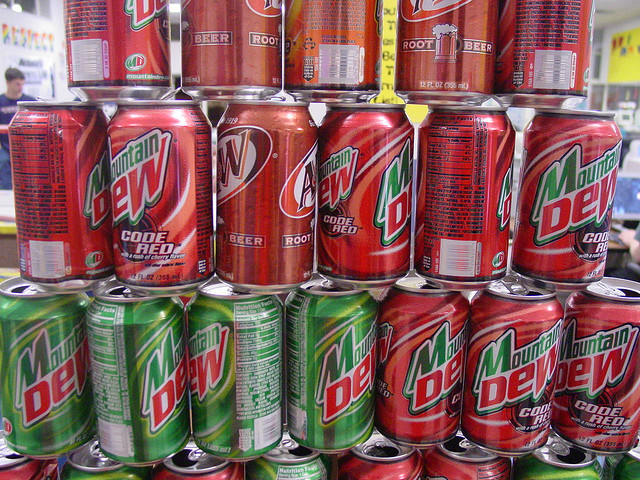
a-stack-of-cansCode Red! Why throw away your cans when they’re worth a pretty Dirham?

The Emirates Environmental Group (EEG) is deeply active throughout the UAE. Although their UAE tree campaign generates an unhappy choice between water and trees, in the two decades since they opened their doors, they have done wonders for UAE environmental awareness. Despite their work, the UAE has  long way to go. Apart from a new recycling center in Sharjah developed by a Canadian-educated resident, there simply aren’t enough options for residents who care to responsibly dispose of their waste. Hence EEG’s 14th annual can collection campaign.

Israel Cleantech Intelligence: BrightSource and 8 More Headlines

hadera desalination plant photo israel

SolarEdge in England, fish farming, the pros and cons of desalination, and more headlines related to Israeli cleantech and the environment.

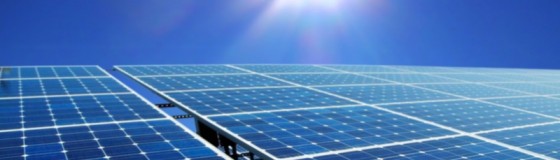
This past week BrightSource Energy joined the competition for contracts in Greece which must comply with EU guidelines for renewable energy usage. Some army bases and municipalities in Israel are set to install solar units and trees in Israel, Europe and North America are in danger of extinction. For these stories and more, see this week’s headlines below.

RECIPE: Grilled Arak Oranges

1

image-grilled-oranges

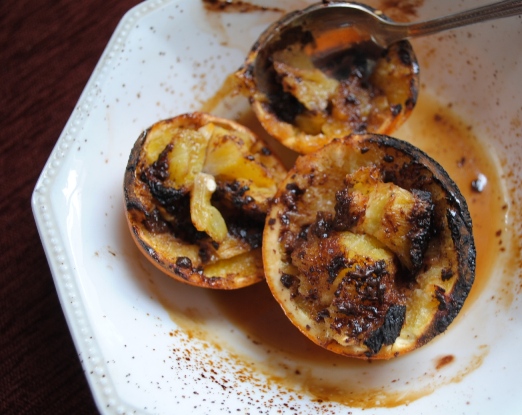
Piquant with booze and naturally sweet, these grilled oranges are a quick, sophisticated dessert for a winter dinner.

It’s still officially winter in the Middle East, although spring is making a premature appearance with warm, windy days and scanty rain.  Orange trees shed their heady fragrance over sidewalks and gardens, while open-air markets display piles of  colorful citrus fruit right on the yearly schedule.

Tempting to buy a sackful of those juicy oranges.Locally grown and inexpensive, they’re a seasonal treat whether sliced up fresh or as a more elaborate confection. Try this orange dessert, perfumed with arak, the Middle-Eastern tipple. And if you like arak-flavored fruit, try these two recipes for fresh figs and arak later in the year.

Israel follows Norway’s Lead With a High Tax on its Massive Off-Shore Oil Find

0

Egalitarian Norway has been the exception to the resource-curse, because of its high taxes on oil wealth. Could Israel take the same approach?

A new tax plan proposed in Israel, following the tiny nation’s startlingly large oil and gas find in the Leviathan field off its Mediterranean coast, would roughly double current tax rates to as high as 62% of revenues from gas and oil drilling. Israel already has a gas tax that supports hybrids. Norway taxes oil revenue at 78%, while tax rates on oil in nations like Nigeria are more around the 30% range.

This Sunday, the Cabinet adopted the committee’s recommendations for the 62% tax in full. Prime Minister Netanyahu told the Globe that the revenue should be spent on “education, education and education, and one other thing – defense.”

Enlight Signs Deals To Install Solar Units On IDF Bases and Municipal Rooftops

0

Enlight Renewable Energy Solutions

Enlightening! If you bought Enlight stock a year ago, your portfolio would be dazzling.

Though it might be frigid in many parts of the world, it has been a sunny January for Israel-based Enlight Renewable Energy Solutions. So far this month, the photovoltaic (PV) solar power integrator has announced deals to install 13-16 small PV units for two different localities, as well as 45 PV solar installations for IDF bases. Investors in Enlight, a public company traded on the Tel Aviv Stock Exchange, also have good cause to feel warm and fuzzy: The stock has delivered a handsome return of 154% over the past year.

Kochhaus sells portion sizes to match meals

0

kochhaus-ready-mealsFar better than Kraft, Kochhaus sells recipes and meals with the right amount of ingredients.

Before the meal kit services of Plated, Blue Apron and HelloFresh, we profiled big brother technology conceived by Kraft and Intel that can read a customer’s face and spit out some horrific recipe idea that the customer will then blindly purchase. They are rewarded with a food sample.

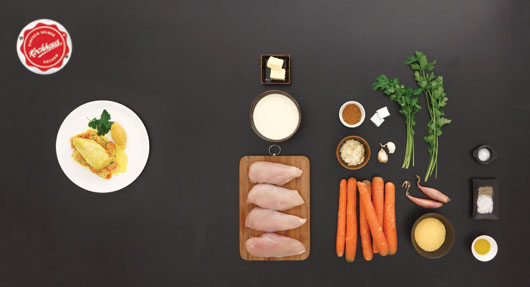
Now for a more wholesome approach, the Kochhaus approach: a new retail store in Germany, Kochhaus has twenty tables that each feature a healthy recipe along with the exact ingredients necessary to make it. Customers are still fed ideas, but they are more delicious and still require a certain amount of skill.

The New York Times reports:

There are three starters, two salads, one soup, four pasta or vegetable dishes, three fish and four meat main courses, and three desserts. Each table and its adjacent cooler provide everything needed to make a specific dish, and an artfully designed poster mounted on each table shows photographs of ingredients and the finished product. A folded recipe, a kind of illustrated storyboard for cooking, comes with the ingredients.

When customers enter the store, they have the option of choosing ingredients for a certain number of servings. Their choices are healthy, and – perhaps best of all – at the end of it (assuming everyone eats about the same size serving?) there will be no waste.

Four business partners set up a certain set of parameters. Among them, no serving costs more than $13, and no meal takes longer than one hour to prepare or requires more than twelve steps, and there are no more than 20 choices (though two new ones are added each week).

Most of the ingredients are locally sourced and organic, and costs are kept low by maintaining a small staff and developing in-house labeling and packaging.

Among the options are fried perch with avocado and rambutan fruit in Indian curry. Much healthier and alluring than a box of Kraft dinner. You can still keep one around, but just open in case of Emergency. 

One partner told the NY Times “Of course I took a close look at the food galleries of the KaDeWe (Berlin’s famous department store) and Dean & Deluca in New York, but we wanted to demonstrate that good food can be cooked by anyone, and it doesn’t have to be expensive or complicated or elitist.”

Yum.

:: NY Times

More Delicious Food Ideas:

100 Lebanese Recipes on Ipod and Iphone

Canaan Fair Trade Creates Sustainable Community of Palestinian Farmers

3 Ways To Cook With Fennel

Justifying Dubai’s Shopping Malls With LEED

1

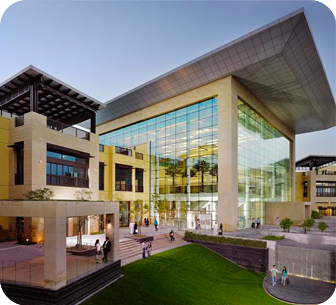
mirdif-center-mall-dubaiIf Mirdif City Center Mall is “green,” the emperor must have been wearing clothes.

Given the choice between a LEED certified building and one without, we’d be nuts to take the first.

Issued by the United States Green Building Council (USGBC), LEED certification and its equivalent in the Middle East – such as the Qatar Green Building Council – inspires a lower carbon footprint.

But no one can convince us that a LEED-certified, 196, 000 square meter shopping mall full of unnecessary stuff is green. Greener, but definitely not green.

First AeroFarms Unit Installed This Week in Jeddah

vertical farms aerofarmsJeddah, the “ancestor of women”,  hosts breakthrough food production technology

AeroFarms, a company whose vertical skyscraper farming idea we have covered before, is now beginning to introduce a new way of farming to the Middle East that could have as radical an effect on the future of our food supply, as when we switched to farming from hunting and gathering. This will be a very major change.This week AeroFarm’s first unit has just been installed in Jeddah, Saudi Arabia, under the support and partnership of Saudi Arabia’s Sheikh Saleh Boqshan, who is spearheading the project.

Jordan Reconsiders Deforestation Plans

3

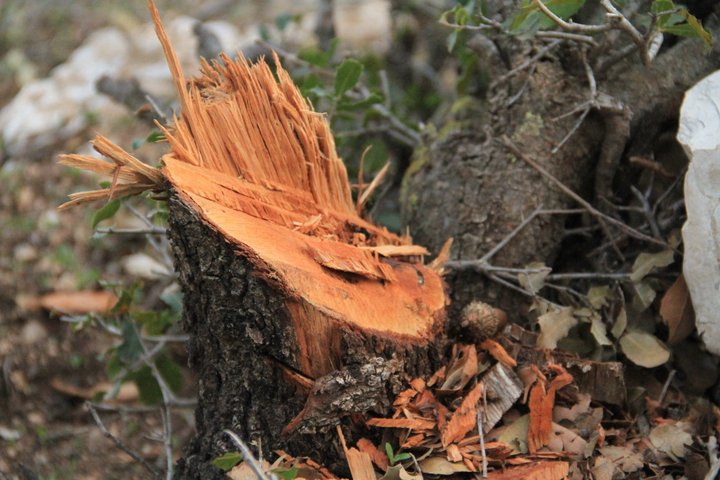
The campaign to stop the destruction of 2,200 trees in Jordan’s Ajloun forest gathers pace as the government states it now will assess the environmental impact of the proposed development project

In response to the demands of the ‘Halt Ajloun Deforestation’ campaign, the Jordanian government announced it will now carry out an assessment of the environmental impact of the development project to help minimize the harm to Ajloun forest. At the latest parliamentary meeting, campaigners spoke to a high-ranking official who pointed out that the location of various buildings of the development site have been altered to reduce the number of trees that need to be cut to 500 and added that new trees would be planted to replace any cut down. Despite this minor victory, the group admitted via twitter that whilst this was a step in the right direction the campaign was not over yet.

Egypt Turns To Earthworms To Save Its Environment

1

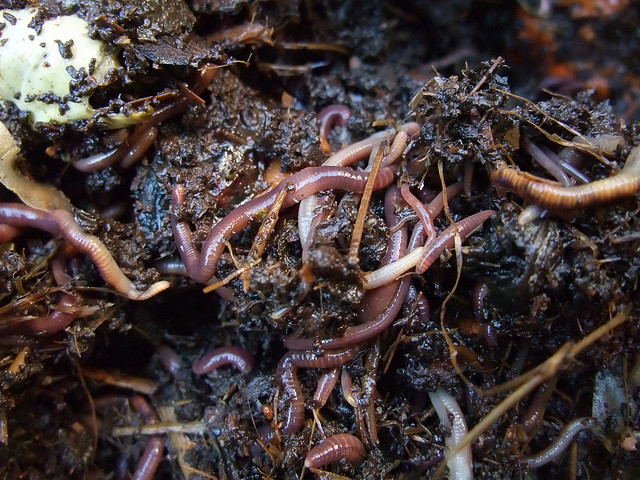
earthwormsEarthworms to the rescue! Egypt plans to use them to eat through millions of tons of organic waste each year.

Waste, after corruption and smog, is probably Egypt’s number one nemesis. Everywhere one travels – even the most popular tourist spots – is overrun with organic and solid rubbish. Finally, the Ministry of Agriculture is getting serious about addressing the problem.

Although not a solution for solid waste and recyclables, the government is considering ordering tons of special earthworms from Australia that are capable of processing huge quantities of agricultural and organic waste, as well as polluted water. The worms then create a byproduct that can be recycled.

14 Sick Lions Killed In Iranian Zoo

0

Once the “King of the Jungle,” lion populations have plummeted by 90% in the last decade.

After contracting a curable illness, fourteen lions at the Tehran zoo were killed. The Jam-e Jam daily reported that the lions had contracted glanders, a sometimes rapidly fatal disease caused by the bacteria Burkholderia mallei, which is common among domestic animals such as goats and horses.

Veterinarian Houman Moloukpour told the paper that the lions probably contracted the disease as a result of the zoo’s negligence.

Eco-Hijabs on the rise among Muslim fashionistas, interview with Mariam Sobh

15

eco hijab organic cottonSince global media coverage has tugged at the diverse Muslim image, eco-fashion hasn’t always been able to speak out as a mainstream trend of the Muslim lifestyle. But more eco-aware Muslims are creating businesses and blogs to promote ethical clothing as an integral part of the Islamic faith. In part one to this short series, Green Prophet reporter Zaufishan explores why and how Muslim women are digging the eco-living.

What is an Eco-Hijab?
An ‘eco-hijab’ is a contemporary coined term used to describe the relationship between ecologically driven Muslims, and the Arabic word for the Muslim dress sense: hijab, meaning ‘barrier, covering or veil’. This eco-hijab fuses Muslims’ ‘green’ values with with their visual identity of modest clothing, for example organic hijabs made from bamboo.
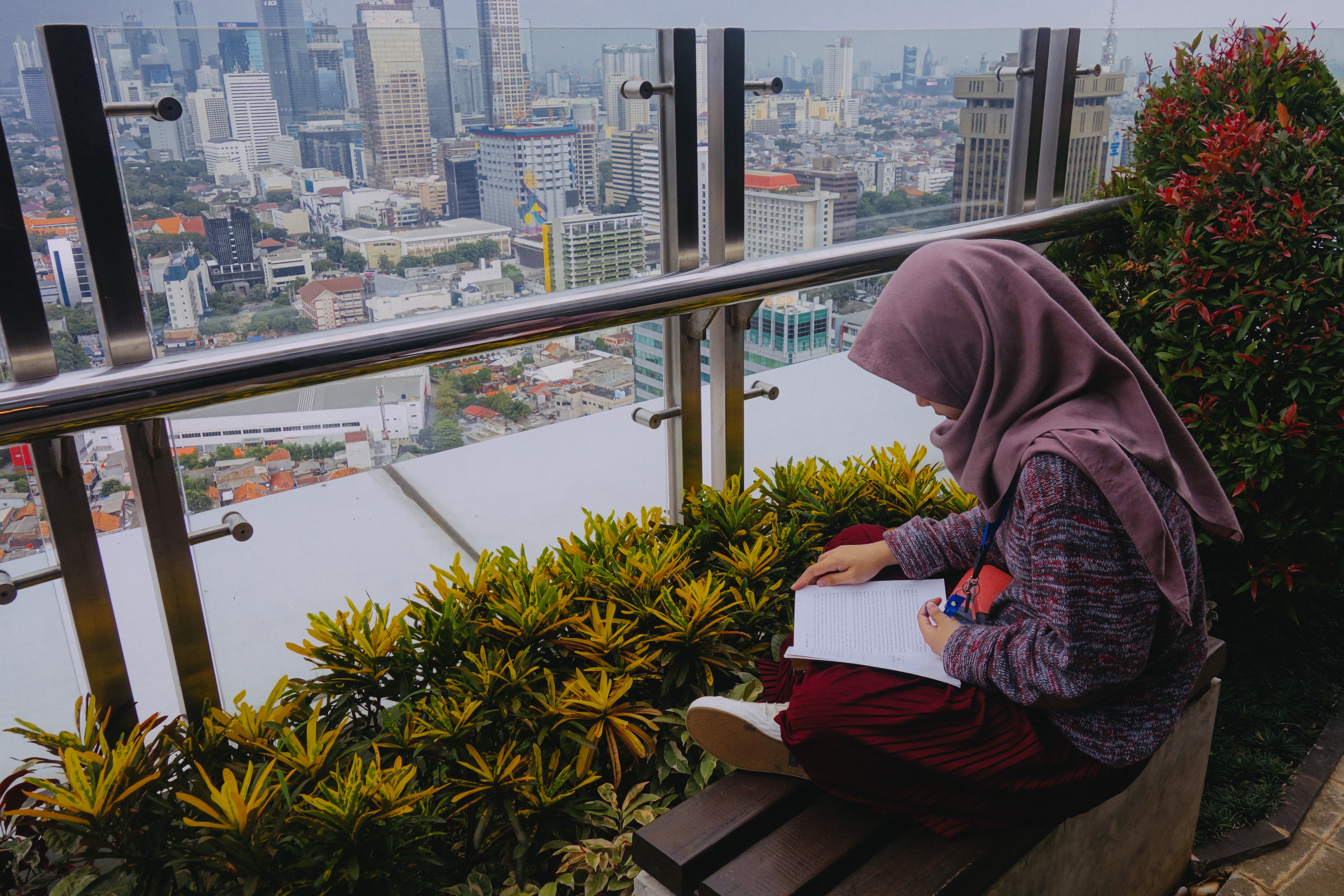
eco hijab, made from bamboo

As a lifelong eco-hijabi* I too advocate greener living by adopting the 3 R’s: Recycle, Reuse and Reduce, and upcyling my own headscarves (hijab/tichel) – more on that later! Another term I personally use is ‘eco-Muslimness’ whereby a person may not necessarily be a hardcore Muslim environmentalist, but tries to follows the Muslim principles of moderation, environmental welfare and waste-reduction.

mariam-eco-hijab

Eco hijabs on the rise
Muslim fashion trend setters began online through blogs, while ‘offline’ particularly in the Middle East, runways and design houses have expanded the niche for organic but chic fashion. In the fashion world, Muslim women are championing their entrepreneurial skills in self-run clothing businesses, which is proving a hit against top fashion industries.

Zaufishan interviewed Mariam Sobh (photo-ed above in red), American eco-Muslim and lifestyle guru who founded the Muslim fashion blog HijabTrendz, on what her eco-living views are.

Green Prophet:Tell us a bit about your website. When and how did it begin? Who’s on the team?
Mariam: Hijabrendz is the original fashion, beauty and entertainment blog for Muslim women, which started in early 2007. But it’s also for anyone interested in modest fashion, so it’s pretty much open to everyone.

When I was on maternity leave from my job as a political reporter in ’07, I was trying to figure out how to use my frustration, with the lack of available media and fashionable clothing for Muslim women, and turn it into something positive.

The team consists of myself and columnist Nadia Malik, a former newspaper reporter who writes about pop culture from the angle of a Muslim woman.

How long have you known about or practiced eco-fashion? What encouraged you to get into and promote the contemporary lifestyle choice of ‘eco-Muslimness’?

I actually grew up very aware of the environment and being healthy. My parents were really into greener living, so I have to say that for me it was just part of my life. It wasn’t some new fad that I joined or wanted to be a part of. And I like the idea of ‘eco-Muslimness’. I think it’s important for Muslims to promote these types of ideals because Islam is very in tune with nature and promoting good. What better way to show how we value God’s bounty he has bestowed upon us, than by making sure it continues for generations to come?

What have the reactions to the eco-section on your website been like from the community?

I made a YouTube video a while back asking readers if they were concerned about eco friendly hijab options. The response was interesting. Some folks say they never thought about it, and others do tend to make a conscious choice to purchase items that are fair trade, organic, locally made etc.

Do you see any connections between the western Muslim’s eco-fashion and the Middle East?

A lot of the garments are shipped around the world from the Middle East, but many of those items are mass produced in China, or Pakistan and so to get things to become eco friendly, designers really need to be right there where it’s made, making sure they are using the best possible fabrics as well as ensuring their products are made under humane conditions.

In places like the United Arab Emirates I think it’s imperative they try their best to find more sustainable materials for their designs. They have become quite the hub for abayas (long dresses) and shaylas (scarves) and many people look to them for the next “big” thing in the area of hijab fashion. But items from the UAE also tend to symbolize “excess” and wastefulness. So it’s important to showcase that Muslims can be rich and have luxury, but at the same time be conscientious enough to do so in a responsible way. Perhaps incorporating some recycled pieces of fabric/trim into their designs.

In your opinion, how can living an eco-lifestyle help reduce waste?
I think the main thing is to be conscious of everything you do. You have to live in the now and be aware of your surroundings. When you do that you’ll notice that you can seriously get by on very little. You can still cut corners and you’ll be OK. One green tip I love is when you use detergent to clean your clothes use 1/3 of what the instructions say and you’ll still clean the clothes the same. Basically when you are conscious about your lifestyle, you’ll automatically reduce your waste.

What 3 lifestyle tips would you give to people, and Muslim women in particular for living a productive ‘greener’ life?

  1. Buy organic produce whenever you can. Fresh fruits and veggies along with clean drinking water-best beauty product ever!
  2. When you buy makeup, make sure the labels state clearly that they are free of chemical products. You’ll be surprised how much better your skin is when using natural items. Also, the product will last longer, so even if it’s pricey, it’s worth it in the long run.
  3. If you are sick of your old hijabs, have a hijab-swap party with your friends. Trading scarves will make you feel like you just bought some new stuff. And it’s a form of recycling.

How can designers make mainstream fashion trendy and eco for everyday Muslims?

Designers should try their best to use fabrics from sustainable sources. I know it’s hard for folks who are just starting a fashion line as they may not have the financial means to buy organic material.

Another thing they can do is have their garments made in an area where jobs are needed and make sure the people working are paid living wages. When it comes to eco-friendly, it doesn’t just have to be about using materials, but it can also be about sustaining the local community and helping to bring up its economy.

Finally, what changes do you hope to see in the Muslim community with regards to eco-fashion and environmental awareness?
I think the Muslim community needs to get more involved with local efforts in the mainstream to promote environmental awareness.

Green Prophet would like to thank Mariam for taking part in our Eco-Hijab series.

——————-
What’s that mean?
*Hijabi: Contemporary word describing a Muslim woman in hijab.
Eco-hijab: Modest Muslim fashion with awesome environmentally friendly roots.
Eco-Muslimness: Contemporary coined term describing the efforts of ‘green’ Muslims.

For More Eco-Muslims And Green Fashion:
Are Muslim Women Ready For Bamboo Hijab and Chadors?
From Rockstars To Recycling: Interview With Kristiane Backer – An Eco-Muslimah
“Organic and Islamic” – Muslims Showcase Ethical and Fair-Trade Fashion
PopLove Designs Brings Upcycled Eco Chic Fashion to Tel Aviv (and the Whole Wide World)
H&M Israel Brings Sustainable Fashion to the (Overwhelming) Masses

Going Against The Grain of Desertification In Iran

0


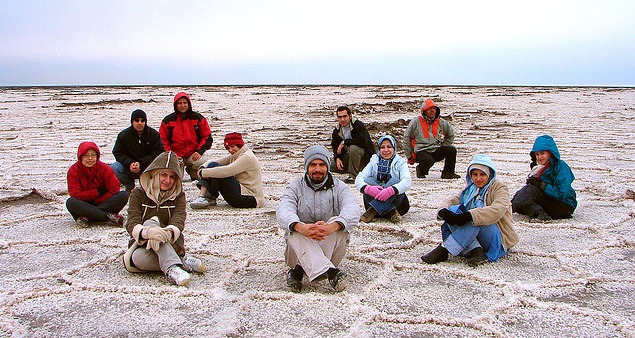
Iran is home to two of the world’s largest deserts. But the country needs better planning to block these deserts from growing.

Desertification threatens biodiversity and reduces productivity capacity of land. Most of the land of Iran is located in arid and semi-arid climates and most of Iranians live in the most livable places outside the arid lands. So this makes it hard to develop an adequate regional planning, national-wide land-use planning, and use the productivity of all of the parts of the country.

Israel Arbor Day Concentrates More on Green Development Projects

0

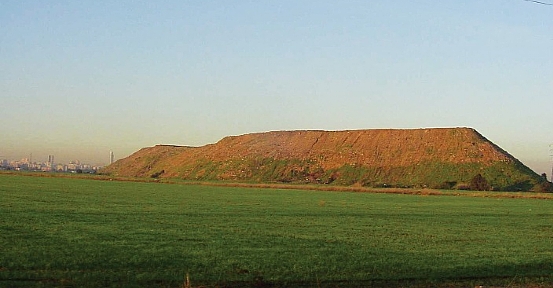
Is Hiriya Israel’s national eco-symbol? It looks more that way

Although the just completed Tu Bishvat celebration in Israel included many tree planting ceremonies, especially on the site of recent disastrous Carmel Forest wildfires, Israel’s annual Arbor Day for 2011 had more emphasis on “greening” former landfills, such as the Hiriya garbage mountain, east of  Tel Aviv. The former “mega dump”  is now being turned in one of the largest ecological parks in the world,  according to an article in the weekend edition of Haaretz.

Soaring Food Prices Hit Lebanon

1

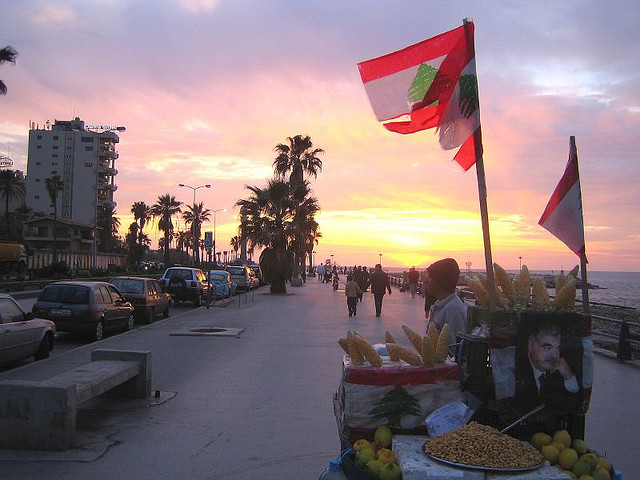
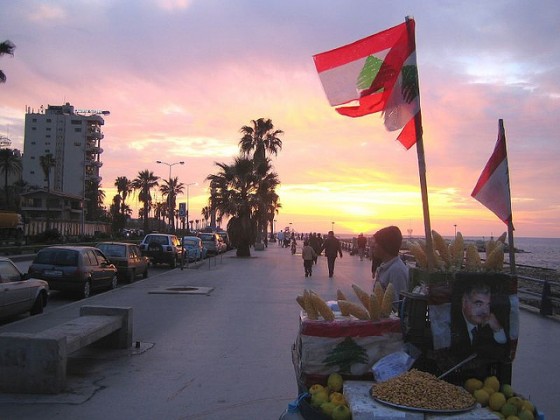
food-prices-arab-middle-east-beirut-lebanonAs the popular Tunisian revolt which ousted the President Ben Ali dies down, the continuing rise of food prices is becoming a real concern for the region’s governments

The reasons behind the downfall of the Tunisian president Ben Ali are complex but the high food prices, which brought the average person to the streets in protest, played an important part in the success of the revolt. Soaring food prices have unsettled the entire region with protesters in Algeria, Morocco, Egypt and Jordan all stating that the governments need to do more to reduce prices so that people can afford to eat. Now, Lebanon is facing that very food crisis in the midst of a political crisis which saw the collapse of its cabinet due to the withdrawal of support for the unity government.