“In the midst of uncertain time, renewable energy remains consistent and steadfast in its expansion,” said Francesco La Camera, IRENA’s Director-General. “A more decentralised energy system, with a growing share of renewables and more market players, is structurally more resilient.”
Health insurance is a regulated financial product. Insurers operate under binding contracts, overseen by state insurance commissioners, that legally obligate them to pay claims meeting policy terms. Policyholders who believe a covered claim was wrongfully denied have legal recourse through state regulatory channels.
The New Zealand Merino Company, now rebranded as Zentera, has quietly removed the phrase “world’s leading ethical wool brand” from its website, a notable change that comes after a disturbing investigation by PETA Asia-Pacific into the company’s ZQ-certified wool supply chain, PETA reports to Green Prophet.
Somehow vegetables with short seasons excite the imagination and appetite more sharply than produce that’s available all year around. Good Middle Eastern cooks have many recipes for delicate fava beans, and this turmeric-fragrant soup is one.
“In the midst of uncertain time, renewable energy remains consistent and steadfast in its expansion,” said Francesco La Camera, IRENA’s Director-General. “A more decentralised energy system, with a growing share of renewables and more market players, is structurally more resilient.”
Health insurance is a regulated financial product. Insurers operate under binding contracts, overseen by state insurance commissioners, that legally obligate them to pay claims meeting policy terms. Policyholders who believe a covered claim was wrongfully denied have legal recourse through state regulatory channels.
The New Zealand Merino Company, now rebranded as Zentera, has quietly removed the phrase “world’s leading ethical wool brand” from its website, a notable change that comes after a disturbing investigation by PETA Asia-Pacific into the company’s ZQ-certified wool supply chain, PETA reports to Green Prophet.
Somehow vegetables with short seasons excite the imagination and appetite more sharply than produce that’s available all year around. Good Middle Eastern cooks have many recipes for delicate fava beans, and this turmeric-fragrant soup is one.
“In the midst of uncertain time, renewable energy remains consistent and steadfast in its expansion,” said Francesco La Camera, IRENA’s Director-General. “A more decentralised energy system, with a growing share of renewables and more market players, is structurally more resilient.”
Health insurance is a regulated financial product. Insurers operate under binding contracts, overseen by state insurance commissioners, that legally obligate them to pay claims meeting policy terms. Policyholders who believe a covered claim was wrongfully denied have legal recourse through state regulatory channels.
The New Zealand Merino Company, now rebranded as Zentera, has quietly removed the phrase “world’s leading ethical wool brand” from its website, a notable change that comes after a disturbing investigation by PETA Asia-Pacific into the company’s ZQ-certified wool supply chain, PETA reports to Green Prophet.
Somehow vegetables with short seasons excite the imagination and appetite more sharply than produce that’s available all year around. Good Middle Eastern cooks have many recipes for delicate fava beans, and this turmeric-fragrant soup is one.
“In the midst of uncertain time, renewable energy remains consistent and steadfast in its expansion,” said Francesco La Camera, IRENA’s Director-General. “A more decentralised energy system, with a growing share of renewables and more market players, is structurally more resilient.”
Health insurance is a regulated financial product. Insurers operate under binding contracts, overseen by state insurance commissioners, that legally obligate them to pay claims meeting policy terms. Policyholders who believe a covered claim was wrongfully denied have legal recourse through state regulatory channels.
The New Zealand Merino Company, now rebranded as Zentera, has quietly removed the phrase “world’s leading ethical wool brand” from its website, a notable change that comes after a disturbing investigation by PETA Asia-Pacific into the company’s ZQ-certified wool supply chain, PETA reports to Green Prophet.
Somehow vegetables with short seasons excite the imagination and appetite more sharply than produce that’s available all year around. Good Middle Eastern cooks have many recipes for delicate fava beans, and this turmeric-fragrant soup is one.
“In the midst of uncertain time, renewable energy remains consistent and steadfast in its expansion,” said Francesco La Camera, IRENA’s Director-General. “A more decentralised energy system, with a growing share of renewables and more market players, is structurally more resilient.”
Health insurance is a regulated financial product. Insurers operate under binding contracts, overseen by state insurance commissioners, that legally obligate them to pay claims meeting policy terms. Policyholders who believe a covered claim was wrongfully denied have legal recourse through state regulatory channels.
The New Zealand Merino Company, now rebranded as Zentera, has quietly removed the phrase “world’s leading ethical wool brand” from its website, a notable change that comes after a disturbing investigation by PETA Asia-Pacific into the company’s ZQ-certified wool supply chain, PETA reports to Green Prophet.
Somehow vegetables with short seasons excite the imagination and appetite more sharply than produce that’s available all year around. Good Middle Eastern cooks have many recipes for delicate fava beans, and this turmeric-fragrant soup is one.
“In the midst of uncertain time, renewable energy remains consistent and steadfast in its expansion,” said Francesco La Camera, IRENA’s Director-General. “A more decentralised energy system, with a growing share of renewables and more market players, is structurally more resilient.”
Health insurance is a regulated financial product. Insurers operate under binding contracts, overseen by state insurance commissioners, that legally obligate them to pay claims meeting policy terms. Policyholders who believe a covered claim was wrongfully denied have legal recourse through state regulatory channels.
The New Zealand Merino Company, now rebranded as Zentera, has quietly removed the phrase “world’s leading ethical wool brand” from its website, a notable change that comes after a disturbing investigation by PETA Asia-Pacific into the company’s ZQ-certified wool supply chain, PETA reports to Green Prophet.
Somehow vegetables with short seasons excite the imagination and appetite more sharply than produce that’s available all year around. Good Middle Eastern cooks have many recipes for delicate fava beans, and this turmeric-fragrant soup is one.
“In the midst of uncertain time, renewable energy remains consistent and steadfast in its expansion,” said Francesco La Camera, IRENA’s Director-General. “A more decentralised energy system, with a growing share of renewables and more market players, is structurally more resilient.”
Health insurance is a regulated financial product. Insurers operate under binding contracts, overseen by state insurance commissioners, that legally obligate them to pay claims meeting policy terms. Policyholders who believe a covered claim was wrongfully denied have legal recourse through state regulatory channels.
The New Zealand Merino Company, now rebranded as Zentera, has quietly removed the phrase “world’s leading ethical wool brand” from its website, a notable change that comes after a disturbing investigation by PETA Asia-Pacific into the company’s ZQ-certified wool supply chain, PETA reports to Green Prophet.
Somehow vegetables with short seasons excite the imagination and appetite more sharply than produce that’s available all year around. Good Middle Eastern cooks have many recipes for delicate fava beans, and this turmeric-fragrant soup is one.
“In the midst of uncertain time, renewable energy remains consistent and steadfast in its expansion,” said Francesco La Camera, IRENA’s Director-General. “A more decentralised energy system, with a growing share of renewables and more market players, is structurally more resilient.”
Health insurance is a regulated financial product. Insurers operate under binding contracts, overseen by state insurance commissioners, that legally obligate them to pay claims meeting policy terms. Policyholders who believe a covered claim was wrongfully denied have legal recourse through state regulatory channels.
The New Zealand Merino Company, now rebranded as Zentera, has quietly removed the phrase “world’s leading ethical wool brand” from its website, a notable change that comes after a disturbing investigation by PETA Asia-Pacific into the company’s ZQ-certified wool supply chain, PETA reports to Green Prophet.
Somehow vegetables with short seasons excite the imagination and appetite more sharply than produce that’s available all year around. Good Middle Eastern cooks have many recipes for delicate fava beans, and this turmeric-fragrant soup is one.
The fashion industry knows that makers are making their mark. Young women are raiding Value Villages and are turning old textiles into hip fashion must-haves. Doilies and old 80s T-shirts are getting cut up and remade into newly loved fashion statements. Anyone who has a teenage girl probably has some upcycled jeans project half-done in the corner of the room.
A new collaboration between luxury brand Coach and textile reuse pioneer Bank & Vogue attempts to stitch those two worlds together: high fashion and the global textile waste stream. Textiles from fast fashion brands are filling up landfill. So much of it is poorly made with low-cost materials that the fashion items can’t be reused or reloved.
“This Coach collection is our love letter to denim and to American heritage pieces that only get better with time,” says Stuart Vevers, Creative Director at Coach.
Rivers polluted by dye from the textile industry, via Gigie Cruz-Sy/Greenpeace
“Made with post-consumer materials and re-crafted with intention, each piece is truly one of a kind, shaped by the stories it already holds and the ones you’ll add. There’s an honesty in these pieces; lived-in, love-worn, and full of character. Perfectly imperfect in all the ways we value. Guided by our imagination — and our commitment to reducing our impact on the planet.”
Developed in partnership with Bank & Vogue, a global leader in textile reuse and recycling, the capsule transforms reclaimed denim into distinctive, one-of-a-kind designs. Each garment embraces visible character and individuality, reinforcing Coach’s ongoing commitment to circular fashion and responsible design practices.
And this is where the story gets interesting for sustainability watchers: Bank & Vogue isn’t a marketing construct. It’s an actual node in the global used-clothing economy.
A Coach RePurposed bag
As co-founder of the Bank & Vogue family of companies, Steven Bethell has been a thought leader and pioneer in the post-consumer textile space for over 25 years. He has dedicated his work life to innovative and relevant solutions to the crisis of stuff. Steven and his team have traveled to over 30 countries working extensively amongst the robust second-hand markets of the world.
Steven Bethell, a globally recognized leader in sustainable fashion and textile reuse, has been appointed to the board of the Secondary Materials and Recycled Textiles Association (SMART)
Steven is also the brainchild behind the largest remanufacturing plant in the world, where the circular economy for textiles is brought to life. Taking post-consumer waste and transforming it into relevant products, Steven works with big brands to help them bring their sustainability platforms to the next level.
A Coach RePurposed bag
Translation: the jeans you once donated to charity may travel continents before becoming luxury goods. Circular fashion isn’t just a design choice — it’s logistics, sorting, labour, and global material flows.
The Coach RePurposed capsule is now available in Coach stores and online.
Deep Space Energy is creating a power plant for the moon. Via Deep Space Energy.
Elon Musk has made it clear. He’s going to inhabit Mars. But the first natural step, he says, will be the moon. We’ve reported on the moon base station. NASA knows that plants can grow on the moon. And countries like China and Russia have declared they will build cities there too using nuclear power. Stepping up to democratize the moon is an EU-funded company, Deep Space Energy, which has just raised more than $1 million USD as a seed fund to help it create energy generators on the moon. It’s a bid to strengthen the European sovereign space and defense industry and power Moon surface exploration.
The researchers are from Latvia: “Our technology, which has already been validated in the laboratory, has several applications across the defence and space sectors.
“First, we’re developing an auxiliary energy source to enhance the resilience of strategic satellites. It provides the redundancy of satellite power systems by supplying backup power that does not depend on solar energy, making it crucial for high-value military reconnaissance assets,” says Mihails Ščepanskis, founder and CEO of the company.
Based in Riga, the company is developing a radioisotopic generator toward commercialisation. The electricity comes from nuclear decay — a nuclear process. And the equipment does not include a nuclear reactor which could explode.
The funding was made up of its €350k pre-Seed round led by Outlast Fund and Linas Sargautis, an angel investor and a former co-founder of NanoAvionics. The company also secured additional €580k in public contracts and grants by the European Space Agency (ESA), NATO DIANA, and the Latvian government. It’s not a huge sum of money for such an ambitious project but it’s a start.
European and American military and space technologies are what leads to new inventions in medicine, ecology and renewable energy.
Military spy satellites evolved into Earth-monitoring satellites that now track deforestation (Amazon, Congo), (see MIT using AI and imaging for trees in cities) they can monitor methane leaks and pollution; and satellites predict droughts and crop failures.
Military thermal imaging using infrared vision is now used to detect inflammation and vascular disease, it can screen for breast cancer and detect fevers at airports.
In the 2025–2026 period, EU-Startups has reported substantial capital flows into the European SpaceTech sector, primarily at Seed and Series A stage.
Germany’sReflex Aerospacesecured €50 million to scale sovereign satellite platforms, while France’sInfinite Orbitsraised €40 million to expand in-orbit servicing capabilities. Also in France,Look Upattracted €50 million to grow its radar-based space surveillance network, andUNIVITYsecured €31 million to accelerate development of a space-based 5G constellation.
In Germany,Marble Imagingraised €5.3 million to scale its very high resolution Earth observation satellites ahead of launch, while Spain’sKreios Spacesecured €8 million to advance propulsion systems for very low Earth orbit. Italy’sAstradyneraised €2 million to commercialise ultralight solar panels, and Spain’sOrbital Paradigmclosed a €1.5 million pre-Seed round to develop reusable space capsules.
Orbital space capsule
Collectively, these rounds represent approximately €187 million in disclosed funding moving into European SpaceTech across adjacent segments including satellite infrastructure, propulsion, communications, servicing and observation.
Deep Space Energy says it will put a focus on energy resilience for satellites and lunar missions rather than platform deployment.
“As Europe is trying to become more independent, it is imperative to produce satellites with advanced capabilities on our own. Our technology provides an auxiliary energy source for satellites, which makes them more resilient to non-kinetic attacks and malfunctions,” Mihails adds.
Founded in 2022, Deep Space Energy is developing a new radioisotope power generator for space that uses the heat produced by the nuclear self-decay of radioisotopes – materials extractable from waste of commercial nuclear reactors.
The product aims for applications in deep space science missions, lunar surface missions and high-value defense satellites. Their solution converts that heat into electric power, requiring 5 times less radioisotope fuel than a thermo-electric generator (RTG), currently used in space.
The company highlighted that its radioisotope-based energy generator is not designed for any kind of weapons. It will target high-value, dual-use satellites to increase their resilience and operational reliability. The primary focus is on satellites operating in Medium Earth Orbit (MEO), Geostationary Orbit (GEO) and Highly Elliptical Orbit (HEO), which are all critical for modern military reconnaissance and early-warning systems.
These satellites support a range of defence functions, from synthetic aperture radar (SAR)
satellites for detecting troop concentrations through clouds and foliage, to signal intelligence for intercepting communications and radio transmissions, as well as missile-launch detection, which is essential for anti-missile defense systems.
Egita Poļanska, partner at the lead investor Outlast Fund, shares: “Space energy tech has been stuck with certain limitations for decades, but we’re finally seeing the pieces come together for a real breakthrough – new materials, smarter power systems, and actual commercial demand for lunar operations.
“Deep Space Energy is building the infrastructure that will literally power the next chapter of space exploration and industry. As Europe ramps up its space ambitions, we need our own companies to lead in these foundational technologies. We’re thrilled to back this team and honestly pretty excited to have an actual moonshot in our portfolio, in the most literal sense possible.”
Copyright, Moon Village Association
In the long term, the company aims to focus on the Moon economy. The radioisotope power generator looks to address critical energy challenges in the next phase of lunar exploration, including NASA and ESA’s Artemis, Argonaut and lunar rover programs, as well as the Moon Village framework led by the Moon Village Association. In particular, the technology is designed to support lunar night survival and operations in permanently shadowed regions, enabling extended scouting and prospecting missions.
On the Moon, where the temperatures at night drop below 150 degrees Celsius, and nights last for roughly 354 hours, moonrovers can’t rely on solar power.
The company’s technology requires approximately 2kg of Americium-241 fuel to generate 50W of power for a lunar rover, compared with around 10kg of radioisotope material needed by legacy RTG systems for comparable output. Given current projections that Americium-241 production capacity will reach around 10kg per year by the mid-2030s, this efficiency could enable lunar exploration missions to begin more than five years earlier and at up to five times the mission volume.
According to Ščepanskis, the company’s technology can significantly enhance the economics of moon rover missions by enabling them to last multiple day-night cycles up to a few years. The sole expenses of bringing payload to the Moon cost up to a million euros per kilogram; thus, by enhancing the lifetime of the rovers, the company helps to save hundreds of millions.
fresh jujube fruit in Ramla market Israel Photo by Miriam Kresh for Green Prophet
When you hear “jujube,” you might first think of the chewy, retro gumdrop candy with its brilliant red, yellow and green colors. But “jujube” started as English for sidr, the tree considered holy in Islam.
In the Koran it’s written that on the Day of Judgment the faithful, will dwell in Paradise “Among thorn-less sidr trees and clustered plantains, and spreading shade, and water gushing, and plentiful fruit.”
Perhaps because of this, sidr leaves are said to have magical, mystical properties.
Jujube (sidr) fruit Photo by Douglas Alan via Unsplash
Every year, one evening at mid-Ramadan, the tree shakes. The names on the leaves that fall are of those who will die in the coming year.
The sidr tree in black magic
Then there’s the intriguing use of sidr leaves as protection from black magic and the evil eye. We described what the evil eye is. Basically, it’s ill-wishing someone from feelings of envy, rivalry, and hatred.
Jealousy exists in the human heart; it can’t be shrugged off. Mature people recognize and try to overcome it; if we can’t exactly turn the other cheek, at least we hopefully move on to a healthier way of coping than secretly ill-wishing someone.
In Islamic culture, and in cultures who have lived in close quarters with Moslems, the evil eye is feared as one would fear a physical threat. In speaking of another’s child or property, it’s polite to raise one’s hand, palm outward, and say “hamsah” several times – to show there’s nothing to fear – all one’s intentions are good.
Women are especially susceptible to the suggestion of an evil eye. A pretty girl. A married woman wanting to conceive. A protective mother.
Men may fear that their success in business may cause envy, or that their virility will be impaired by witchcraft. Women are especially susceptible to the suggestion of an evil eye. A pretty girl. A married woman wanting to conceive. A protective mother.
Anti evil eye bracelets Photo by Miriam Kresh for Green Prophet
To ward off the evil eye, a person may wear an amulet bracelet.
But for a person needing stronger protection, there’s another, more intimate way to deal with witchcraft and the evil eye: bathing with sidr-infused water. This is also said to expel demons.
On the positive side, the sidr tree may host the spirit of a saint. Far from pagan, pre-Islamic tree worship, the tree itself isn’t a holy object; rather, the holiness of a saint whose custom it was to sit in its shade has been transferred to the tree. For this reason, it’s considered lucky to sit or sleep under a sidr tree.
There’s a Moslem legend about a sidr tree (also known in English as a lote tree) that grows in Paradise. On its leaves are etched the names of all humans. Every year, one evening at mid-Ramadan, the tree shakes. The names on the leaves that fall are of those who will die in the coming year.
A Mughal depiction of the lote tree (sidr). A large lote tree, known as Sidr Al Muntaha, was the last tree at the brink of the physical world that the Prophet Muhammad ﷺ and Angel Jibril passed before entering the heavens during Isra’a wal Miraj. Source unknown.
It follows that sidr once served to purify the dead. In Iran, Iraq, India, and southwestern Saudi Arabia, deceased Muslims were washed water infused with sidr leaves. The custom has apparently faded out in most countries.
A magic holy sidr bath to deflect the evil eye?
It needs 7 powdered sidr leaves stirred into a bucket of warm water. The hadith of the Prophet Muhammad allows to repeat healing prayers and verses from the Koran to increase the water’s potency. 5 grams, or 1 tablespoon of sidr powder equals 7 leaves.
Take the bucket of warm sidr water into the shower and pour it all over. It’s ok to rinse off the powder residue. Then step out of the shower, freshly immune to other people’s bad vibes.
Jean Pierre Conte is the chairman and managing director of Genstar Capital, a leading middle-market private equity firm with investments in healthcare, software, financial services and industrial technology.
U.S. charitable giving reached a record $592.5 billion in 2024, with individual donors contributing 66% of that total. Yet as philanthropy grows more sophisticated, donors increasingly want to know their contributions produce measurable results rather than simply funding operations. This shift toward impact-focused giving has pushed philanthropists to develop clearer frameworks for evaluating where and how they deploy resources.
Jean-Pierre Conte, managing partner of family office Lupine Crest Capital, has spent years refining such a framework through the JP Conte Family Foundation. Established in 2017, the foundation has distributed millions to organizations spanning education, medical research, and environmental conservation. What sets his approach apart is a willingness to evaluate nonprofits with the same rigor he brings to business decisions—while remaining guided by deeply personal values rooted in his own family history.
Conte serves as the foundation’s sole funder and president, maintaining direct oversight of every grant recipient rather than delegating decisions to staff. This hands-on structure allows him to apply lessons learned across decades in private equity to how he assesses charitable organizations. “A lot of nonprofits aren’t run crisply,” he observes, noting that he evaluates them with the same performance orientation he brings to business.
His philanthropic priorities trace directly to his upbringing. Jean-Pierre Conte spent his early years in Brooklyn before his family settled in New Jersey. His father Pierre escaped France after the Nazi occupation ended, while his mother Isabel departed Cuba seeking independence and a fresh start in America. “I grew up in a modest household that had big dreams and big aspirations, but we didn’t have a lot of resources,” he shares.
Those formative experiences now inform every grant decision his foundation makes. Rather than spreading resources thin across dozens of causes, Jean-Pierre Conte concentrates giving in areas where personal connection meets institutional excellence: educational opportunity for first-generation students, neuroscience research honoring his late father’s battle with Parkinson’s disease, and environmental conservation work through partnerships like Pepperwood Preserve in Northern California.
Principle One: Evaluate Organizational Capacity Before Writing Checks
Jean-Pierre Conte’s approach to selecting grant recipients begins with assessing whether an organization possesses the internal capacity to execute its mission. Before committing funds, he conducts direct evaluations of prospective partners.
“I interviewed each school, visited each school, and learned that some of the schools were really good at it, good at providing resources, attracting that talent, and even mentoring that talent while they were at school,” he explains. “And other schools didn’t. They were either too small, didn’t have the resources, or both, and sometimes schools didn’t have the talent or the conviction to do it.”
This vetting process led him to establish the Conte First Generation Fund at 11 universities, including his alma maters Colgate University and Harvard. Rather than distributing scholarships broadly, he concentrated resources at institutions demonstrating both commitment and capability to support first-generation students throughout their college experience.
The 2025 Bank of America Study of Philanthropy confirms this capacity-focused approach is gaining traction among affluent donors. Researchers found that philanthropists increasingly deploy sophisticated giving methods—including donor-advised funds and private foundations—while applying measurement and evaluation frameworks to their grants.
Principle Two: Prioritize Leadership Quality Within Partner Organizations
For Jean-Pierre Conte, organizational leadership often determines whether a nonprofit can translate funding into outcomes. His experience with Sponsors for Educational Opportunity (SEO) demonstrates this conviction in practice.
When he observed that SEO’s Bay Area operations needed stronger direction, he advocated for leadership changes rather than simply increasing his financial contribution. “We multiplied the number of students served in the Bay Area by five to seven times,” he shares about the results following that transition.
The program now graduates 85% of participants from four-year colleges, and four out of five SEO Scholars become the first in their families to earn a degree. Those outcomes stem partly from the organization’s leadership infrastructure—the kind of institutional strength Jean-Pierre Conte screens for before committing foundation resources.
His decision to fund two endowed professorships at UCSF in November 2024 followed similar logic. The $5 million gift supports Parkinson’s disease research through positions overseen by S. Andrew Josephson, MD, chair of the Department of Neurology.
“Andy is such a great leader. He’s on a mission to find better solutions for brain health. He’s brilliant, but he’s also full of empathy and drive. When I met him, I knew I wanted to support his work at UCSF,” Jean-Pierre Conte recalls.
Principle Three: Start Intervention Early to Maximize Long-Term Impact
Jean-Pierre Conte’s philanthropy initially concentrated on supporting students already enrolled in college. Over time, he recognized that earlier intervention produced stronger outcomes.
“A light went off, and I came to the conclusion that I need to start sooner, in high school or earlier, to really help change the trajectory,” he explains. This realization led him to partner with organizations like 10,000 Degrees, which works exclusively with students from low-income communities—93% from Black, Indigenous, and Latino backgrounds.
The foundation donated $250,000 to 10,000 Degrees in 2023, supporting programming that reaches students as early as eighth grade. SEO Scholars operates similarly, providing after-school programs, Saturday classes, and summer sessions that supplement public school education years before college applications begin.
“These are kids who, voluntarily in eighth grade, agree to go into this program and do after-school work, work on Saturdays, work during the summer, and extra tutoring to supplement their public school education,” Jean-Pierre Conte has noted. “Plus, they agreed to mentoring to get them to go to college.”
Principle Four: Build Permanent Infrastructure Rather Than Provide Temporary Support
The JP Conte Family Foundation prioritizes grants that create lasting institutional capacity. His $5 million UCSF gift established endowed professorships—positions that will fund neuroscience research for decades rather than supporting a single study or short-term initiative.
His $25 million donation to Colgate University in 2025 funded construction of the Jean-Pierre L. Conte Social Center, creating permanent campus infrastructure rather than covering operational expenses. The foundation’s June 2025 donation of a Type 3 wildland fire engine to Colorado’s Aspen Fire Protection District—the largest gift in Aspen Wildfire Foundation history—applied the same thinking: equipment that serves communities for years rather than one-time emergency relief.
Principle Five: Let Personal Values Guide Giving Priorities
Jean-Pierre Conte makes no apology for allowing biography to shape philanthropy. His father’s Parkinson’s diagnosis at age 75 and eventual passing in 2017 transformed medical research into a foundation priority. His own experience as a first-generation college student who received mentorship from Wall Street professionals drives his educational giving.
“I’ve always felt the need to give back,” he says.
The foundation website articulates this philosophy directly: “We focus on funding projects that deliver real, accountable, change to communities and individuals: not just aesthetic public relations.” For donors seeking frameworks to guide their own charitable decisions, that combination of personal conviction and disciplined evaluation offers one model worth examining.
Two thousand years ago, someone scratched a web of lines into stone in a Roman settlement on the empire’s northern edge. Soldiers, traders, or locals passing time in Coriovallum, now Heerlen in the Netherlands, moved small counters across those lines in a tactical duel of blockade and entrapment.
Excavation of two pottery kilns in Heerlen, the Netherlands, in 1940.Het Romeins Museum
The board survived but the rules did not. Now researchers believe they have them using artificial intelligence.
By simulating thousands of possible turn sequences on the carved network found at the site, archaeologists identified a ruleset that best matches the wear patterns on the stone: a two-player blocking game they’ve named Ludus Coriovalli, the Game of Coriovallum.
Results of the AI simulation showing nine possible game boards. In these games, the player with more pieces attempts to block the player with fewer pieces.Crist et al./AntiquityKunrader limestone blocks forming the foundation of the porticus of the Roman baths of Coriovallum. The rough-hewn blocks are from a local quarry. A Norroy limestone pillar base rests atop them (photograph courtesy of Het Romeins Museum).
It belongs to the Roman family of line-movement strategy games that includes ludus latrunculorum, but with its own geometry and tempo.
Here, the results of use-wear analysis are used to inform artificial intelligence-driven simulations based on permutations of rules from historic Northern European games. Disproportionate wear along specific lines favours the rules of blocking games, potentially extending the time depth and regional use of this game type.
For Green Prophet readers, this is familiar territory.
We’ve previously explored ancient games reborn from archaeology, from Mehen boards etched into ship planks to Egyptian Senet sets reconstructed from tomb art. These games are more than pastime, they’re ancient culture, revealing how people thought about territory, risk, and control.
Results of the AI simulation showing nine possible game boards. In these games, the player with more pieces attempts to block the player with fewer pieces.Crist et al./AntiquityResearchers studied a possible game board, shown here with pencil marks highlighting the incised lines. Walter Crist
Ludus Coriovalli adds a Roman frontier voice to that conversation.
What are the proposed rules of the game?
Two players use unequal numbers of pieces on a network of intersecting lines, with the larger force attempting to surround and immobilize the smaller force. Players take turns moving one piece at a time along the engraved lines to an adjacent intersection point. A piece (or group) is captured or neutralized when it is completely blocked so it cannot move along any connecting line. The larger side wins by trapping all opposing pieces, while the smaller side wins by evading capture or escaping the blockade.
Some moments define an era: the Moon landing, 9/11. For the natural world, a new milestone has surfaced from the ocean’s past, the oldest known recording of a humpback whale. Listen to the historic recoding played over a modern video of whales, above.
Scientists at Woods Hole Oceanographic Institution (WHOI), one of the world’s leading marine research centers, have uncovered a recording captured on March 7, 1949, near Bermuda.
The sound was preserved on a fragile but remarkably intact audograph disc found in the institute’s archives. At the time, researchers aboard the research vessel Atlantis were testing sonar systems, measuring explosive charges, and conducting acoustic experiments in collaboration with the US Office of Naval Research.
The machine used in the historic recording of the humpback whale. Courtesy of Woods Hole.
Underwater recording technology was then in its infancy, and scientists still struggled to identify the sources of many ocean sounds.
Around that same period, WHOI scientist William Schevill and his wife Barbara Lawrence — a pioneering mammalogist — were laying the foundations of marine mammal bioacoustics. In 1949 they used a crude hydrophone and dictating machine to record beluga whales from a small boat in Canada’s Saguenay River, the first confirmed recording of wild marine mammals. Many recordings from the late 1940s were poorly preserved or lost, reflecting how early ocean acoustics research struggled with both technology and storage.
“Data from this time period simply don’t exist in most cases,” said Laela Sayigh, a marine bioacoustician and senior research specialist at WHOI. “The ocean is much louder now, with increases in both the number and types of sound sources. This recording can provide insight into how humpback whale sounds have changed over time, and serve as a baseline for measuring how human activity shapes the ocean soundscape.”
Today, WHOI scientists deploy passive acoustic buoys, Slocum gliders, and autonomous hydrophones to monitor ocean soundscapes at scale. These systems generate vast datasets used to study marine life, track ship noise and industrial impacts, and understand long-term environmental change.
The WHOI-led Robots4Whales program focuses specifically on protecting marine mammals using autonomous ocean robots equipped with the Digital Acoustic Monitoring Instrument (DMON). These systems detect whale calls in real time by tracking frequency changes in sound — producing “pitch tracks” from spectrograms that can be matched to known species libraries and transmitted ashore via satellite.
“Underwater sound recordings are a powerful tool for understanding and protecting vulnerable whale populations,” said marine bioacoustician Peter Tyack, emeritus research scholar at WHOI. “By listening to the ocean, we can detect whales where they cannot easily be seen. At the same time, these acoustic tools let us track how human activity — from shipping to industrial noise — alters the ocean soundscape and affects how whales communicate, navigate, and survive.”
Unlike most recordings from this era, which were lost as early media deteriorated, the audograph discs survived and appear to have been uniquely used for underwater sound — making them a rare, possibly singular example of early ocean listening preserved from the dawn of marine acoustics.
Europe was built with free access to safe, clean, spring water in cities. Here is an Austrian woman at water well in 1940
About 20 years ago we were all throwing out bottles and food packaging that contained BPA. The words BPA stand for (bisphenol A) – it’s a chemical used to make hard, clear plastics and protective resin linings inside metal cans. It helps plastics stay strong and heat-resistant, but small amounts can migrate into food and drinks. But the chemical is an endocrine disruptor, hurting our bodies in a number of ways.
We’ve come a lot further since BPA. We now have microplastrics and PFASs to worry about. Forever chemicals, or PFAS, are man-made chemicals and products made to repel water, grease, and stains. They’re in firefighting foams, non-stick cookware, waterproof clothing (yes, they’ve been used by the eco-darling Patagonia), stain-resistant carpets, fast-food packaging that seem like paper but which are water-proof, and many industrial processes.
PFASs don’t break down, and they escape factories, landfills, and training sites into soil and groundwater, eventually reaching our drinking water. Wastewater plants can’t fully remove them, so they circulate in rivers and crops too. Long-term exposure has been linked to immune, hormone, and cancer risks.
Consumers can reduce exposure by limiting grease-proof packaging, choosing PFAS-free textiles and cookware, and supporting water testing and filtration in their communities. And now the EU is taking a bold step in making sure all European Union member states worked to monitor and reduce PFAS levels in drinking water. Consider that if you live in Iraq, PFAS are the last thing you need to worry about – European, American and Chinese oil companies are leaking crude oil right into the water, and they know about it.
But those same Europeans who want to make the world a better place, at least where they live, has created a Drinking Water Directive. Don’t click on that link if you have an aversion to bureaucratic policy speak.
According to a press release sent out, EU countries will need to inform the commission on PFAS in water, including data on exceedances of the limit values. According to the commission, rife with overpaid bureaucrats who engage in political activities against western values, the new reporting system is reportedly “simpler than under the previous Drinking Water Directive and reduces the amount of data to be reported.
“It is the first time systematic monitoring of PFAS in drinking water is being implemented in the EU,” they write.
What happens if your country exceeds the limits put in place? The EU countries must inform the public, and protect public health. Actions may include closing contaminated wells, adding treatment steps to remove PFAS, or restricting the use of drinking water supplies for as long as the violation continues.
The UE believes that people should have access to safe drinking water.
If you are from a non-EU country and are concerned about PFAS in your drinking water, take these guidelines to your ministry or oversight group in your region or country dealing with water monitoring.
The EU says that the guidelines were developed with member states.
“PFAS pollution is a growing concern for drinking water across Europe. With harmonised limits and mandatory monitoring now in force, Member States have the rules and tools to swiftly detect and address PFAS to protect public health, says Jessika Roswall, Commissioner for Environment, Water Resilience and Competitive Circular Economy.
How to remove PFAS from your tap water at home?
Next question for readers and entrepreneurs? The most common in-home water filters that remove PFAS are activated carbon filters like those found in a Brita Elite jug or Berkey filter, but the best is reverse osmosis and undersink-ROs like Aquafor.
In Canada and the US, the main Berkey-style gravity water filter options people compare are Berkey, ProOne, British Berkefeld, Alexapure, and Waterdrop.
Dual stage filters (activated carbon + reverse osmosis) the best option.
Wind energy is a business that looks ahead 35 years. How to keep financing stable?
The Importance of Strong Cash Flow in the Wind Energy Industry
The wind energy industry continues to expand because different stakeholders, including governments, corporations, and communities, unite to discover sustainable power alternatives. The business operates in a capital-intensive sector, which requires ongoing financial stability to take advantage of its many growth possibilities. The operation of turbines depends on cash flow to perform maintenance tasks, fund infrastructure development and regulatory compliance, and workforce maintenance. Wind energy companies that generate profits face difficulties in maintaining their operations and business growth because they lack reliable cash flow. The solution of cash flow problems enables businesses to operate sustainably, which will help the company preserve its market position in renewable energy.
Common Causes of Cash Flow Problems in Wind Energy Businesses
Wind energy companies frequently encounter uneven cash flow due to the industry’s structural and operational characteristics. The initial costs for building wind farms require substantial funding to buy turbines and build connections to the power grid. The major expenses that projects need to pay occur before their revenue generation starts. The operation of wind power facilities depends on seasonal and environmental elements, which produce unstable power generation and make it difficult to predict revenue streams.
The payment delays that occur under power purchase agreements create difficulties for companies to manage their cash flow. The payment terms in these contracts extend across various months, which leads to a prolonged delay in receiving revenue after the energy production takes place. The expenses for turbine maintenance and repair operations create a problem because these machines need expert maintenance, which costs a lot and has unpredictable costs. Financial planning becomes more difficult when market price changes affect both business income estimates and the extended financial planning horizon.
Improving Revenue Predictability Through Strategic Contracting
Japanese singer Ayako Tanaka visits Japan’s Jera wind farm
Wind energy companies can achieve greater revenue stability by using specific contracting methods. The implementation of long-term power purchase agreements enables investors to achieve financial stability through established pricing structures that these agreements utilize. These agreements defend investors from market price changes, which help them create stable financial plans for their investment decisions.
A customer portfolio that includes different customer types makes businesses more resilient to revenue fluctuations by reducing reliance on any single customer or contract. Organizations that distribute power to multiple utility companies and business customers, and energy trading platforms demonstrate superior ability to handle disruptions. The negotiation process for contracts requires parties to determine exact payment terms and performance-based rewards and cost adjustment provisions, which defend against increasing operational costs and inflationary market changes. Companies can establish dependable revenue sources safeguarding their monetary assets through proper agreement structure development.
Optimizing Expense Management and Operational Efficiency
Operational expense management serves as a vital function that strengthens cash flow performance. Predictive maintenance technologies enable companies to monitor turbine performance continuously for detecting mechanical problems, which helps prevent them from developing into costly repair requirements. The system takes preventive measures that minimize equipment shutdowns and enable organizations to manage their maintenance costs effectively.
The optimization of supply chains helps organizations control costs because it enables them to obtain replacement parts on schedule while reducing their expenses for storing inventory. Organizations need workforce planning as their main operational efficiency tool because it enables them to adjust staff numbers according to production patterns and maintenance requirements, which vary throughout different times of the year. Organizations use their data analytics systems to track performance patterns, which help them predict future expenses and achieve better resource management. Organizations can improve cash flow by increasing operational efficiency, which helps reduce nonessential costs while maintaining revenue levels.
Strengthening Financial Oversight With Digital Banking Solutions
Ma’an Wind Farm
Digital banking solutions help wind energy businesses to gain better financial transparency and improved control over their transactions. Online banking platforms enable financial managers to track project-specific accounts in real time, which helps them monitor revenue inflows, operating expenses, and vendor payments across different sites. The process of decision-making becomes faster when organizations maintain open financial information, which enables them to handle cash flow changes rapidly.
Online checking accounts make financial management more efficient by creating easy transfers between projects and operational divisions. When customers open a checking account online, it provides them with reduced administrative costs, and it gives easy connection to accounting systems and enterprise resource planning platforms. The system allows businesses to run automated payroll operations, vendor payment processing, and tax compliance reporting while maintaining accurate financial data. Organizations can better manage their project budgets and operational expenses through improved financial tracking systems, which produce more stable cash flow.
Leveraging Financing and Capital Management Strategies
Wind energy companies can fund their capital-intensive operations through specific financing plans that maintain their liquidity reserves. Bridge financing functions as a brief financial solution that enables projects to advance through their development phases and periods when payment of revenue becomes postponed. Through equipment leasing, businesses gain access to modern turbine technology while their capital costs are spread across multiple periods.
The government offers three main funding options which include project development cost reduction through their incentive programs renewable energy tax credits, and grant programs. Organizations that actively seek financial resources will decrease their capital requirements while gaining better control over their financial situation. Capital management effectiveness depends on maintaining proper debt levels, which support operational cash needs to preserve financial stability from construction through to operation.
Building Cash Reserves and Risk Mitigation Plans
Wind energy operations require cash reserves because these funds serve as vital financial resources to address unexpected financial challenges. The combination of turbine failures, extreme weather events, and regulatory changes leads to unexpected financial challenges, which interrupt typical revenue patterns. Organizations need to establish specific reserve funds to sustain operations and meet current contractual obligations.
The risk mitigation plan includes complete insurance protection, which defends against equipment breakdowns, factory shutdowns and legal responsibility exposures. Financial forecasting models help organizations identify cash flow risks through their analysis of production data, market trends, and maintenance projections. Organizations that develop strategies to handle operational and financial uncertainties will maintain better stability during times of revenue volatility.
Implementing Long-Term Financial Planning for Sustainable Growth
Organizations can achieve operational stability through long-term financial planning, which enables them to execute their strategic business expansion plans. Financial audit procedures in organizations help them identify operational flaws, track project financial data, and ensure compliance with legal requirements. Organizations use continuous performance monitoring to adjust their operational and financial plans because market conditions and technological advancements keep changing.
Reinvestment strategies that prioritize turbine upgrades, infrastructure modernization, and technology integration contribute to improved efficiency and increased production capacity. Organizations need to maintain sustainable growth through controlled financial management, which prevents capital overextension while achieving their expansion targets. Organizations that develop financial plans in advance will achieve financial stability and maintain their ability to start new business ventures.
Conclusion: Creating Financial Stability in a Growing Renewable Market
Wind energy businesses need to handle their financial situation with precision because they operate in a complicated monetary system that requires them to maintain strict control over their cash flow. Financial stability becomes more stable through strategic contracting and operational efficiency improvements, and digital financial tools, which solve typical revenue and expense problems. The company can achieve sustainable growth through three strategies includeing using financing options, keeping reserve funds, and developing detailed long-term planning methods. The expanding renewable energy market will create opportunities for businesses that handle their cash flow effectively because this approach enables them to keep their earnings while supporting their sector growth.
Between 1840 and 1907, tens of thousands of one-humped dromedary camels (Camelus dromedarius) were imported into Australia to help with inland transport and exploration. Estimates range from about 10,000 to 20,000 animals brought into the country in that period.
The very first camel brought into Australia arrived in 1840, shipped from the Canary Islands; only one of that small group survived the voyage. This camel was named Harry.
But over the years the camel population grew to a point where they have become a nuisance. Australia is home to the world’s biggest feral camel population to the point they are considered a pest. There about one million roaming in the outback, damaging ecosystems.
To ease the burden, some countries are happy to take camels, as in this flight of camels headed on a plane to Saudi Arabia.
Elon Musk announces that SpaceX is building a Moon Base Alpha on the moon.
There is a narrow window, once about every 2 years (26 months), when SpaceX can send a rocket to Mars. Given the narrow timeframe, distance and time to get to the moon, Elon Musk has augmented the bigger mission and has turned getting to the Moon, and inhabiting, a smaller, easier to achieve mini-mission.
He wrote on X today, “For those unaware, SpaceX has already shifted focus to building a self-growing city on the Moon, as we can potentially achieve that in less than 10 years, whereas Mars would take 20+ years. The mission of SpaceX remains the same: extend consciousness and life as we know it to the stars.
“It is only possible to travel to Mars when the planets align every 26 months (six month trip time), whereas we can launch to the Moon every 10 days (2 day trip time). This means we can iterate much faster to complete a Moon city than a Mars city.
Sheik Mohammad from Saudi Arabia aims for Mars
“That said, SpaceX will also strive to build a Mars city and begin doing so in about 5 to 7 years, but the overriding priority is securing the future of civilization and the Moon is faster.”
United Arab Emirates is aiming for Mars too
We love to dream about humans on the moon, not because we personally want to go there, but because the technology and design needed to support life on the moon can actually make our lives on Earth more sustainably focused. Agriculture, water use, and building on the moon or Mars will need to be lean, sustainable and probably closed loop.
A SpaceX Moon Base Alpha rendering. Source: Unknown.
They will need technologies that can provide limitless energy from the sun, and which can squeeze water from human waste and even from the air.
Screengrab from Dune to illustrate space suit that recycle urine
Aiming for the stars has always had a knock-on effect for health as well. Many technologies used in diagnostics were derived from the Space and Defence industries.
Vegan babies meet their omnivores peers at height by age 2
American kids seem to grow a foot on average bigger every generation. We all attribute meat and chicken, probably with extra hormones for the change in body size over generations. And as my teen boy starts his big growth spurt I try to feed him meat so he can reach his height potential. I remember by friend Ofer, a vegan, worried about his boy growing. His son Kai is now over 6 feet tall. The kid wasn’t growing along with his peers, so Ofer thought the vegan diet might be slowing his son down.
Is there something to risk when feeding our children a plant-based diet? The science now has answers, and it comes from a country of more vegans per capita than anywhere in the world.
A new study from Ben-Gurion University of the Negev (BGU) researchers and the Nutrition Division of the Israeli Ministry of Health suggests that a vegan diet can support rapid growth in children and that infants and toddlers who are vegan catch up with their peers by the time they are aged two.
The research was published last week in JAMA Network Open. It’s yet to give answers about growth and vegetarianism in teens.
This study analyzed a decade of records (2014–2023) of 1.2 million children provided by the Israeli Ministry of Health, which tracks the development of approximately 70% of the children in the country.
This massive dataset allowed the team—led by Kerem Avital, MPH, and Prof. Danit R. Shahar, PhD, of BGU —to move beyond small-scale debates and provide population-level evidence. They found Infants from vegan households closely tracked their omnivorous peers across all measurements, weight, length, and head circumference, with mean differences that were clinically minor (WHO z-score <0.2) and diminished further when adjusted for birth weight.
By age 24 months, stunting rates remained low across all dietary patterns (3.1% for omnivores, 3.4% for vegetarians, and 3.9% for vegans) with no statistically significant differences in odds between groups.
“In the context of developed countries, these findings are highly reassuring,” said Kerem Avital, lead researcher and PhD candidate at Ben-Gurion University. “The data suggests that with the proper environment, plant-based diets do not compromise the fundamental physical development of infants.”
As veganism moves from a niche lifestyle to a global health trend, BGU’s research provides the scientific “bridge” needed to inform international public health policy and nutritional counseling for the next generation.
As for now, we only have anecdotal information that a high-protein vegan or vegetarian diet does not impact growth heights in teens heading into adulthood. Michael Peterson, a father of 2 teenage boys in Ottawa, Canada, wondered if being a veggie kid might affect the growth patterns of his kids.
“My kids both went vegetarian for a number of years during some formative time,” Peterson tells Green Prophet. “I have a 6’1” 18-year-old and a 5’7” 15-year-old who I am sure based on his griping about body ache is about to burst up again.
We try and feed them wholesome, home made, veggie-based with mixed protein. With the youngest’s rock climbing obsession we have had to up the protein which he prefers getting from animals, however, he is very conscious of getting from multiple sources. Grains, nuts, etc.”
Rebecca Wolf, via Facebook
Rebecca Wolf, a mom and occupational therapist in Arizona shares her experience raising vegetarian kids: “My kids have been raised vegetarian/pescatarian since birth. They also eat eggs and dairy. They are all in the 95%+ height category for their ages.”
Skipping steak, we find out from science and anecdotes, may not stunt a child’s growth; it might challenge our assumptions about what fuels it.
Spend 5 days in a Teletubbies cave and come out more alive. Image via Kiana Aran.
I go to Canada every year and spend at least a month in a forest in the middle of nowhere. The deprivation of the modern world takes time to wear off. After a full week of no stimulation, the effects take hold and suddenly I feel like I can talk with the wind. Every moment seems more alive and worth living. James experienced this at an In the Dark event in London, described as “like a prayer” when you go all-in and listen to music in the dark. Something similar is now being reported by science.
A woman lived in a dark cave for five days and her senses became more alive. Food was tastier.
It all started in November 2024, when bioengineer Kiana Aran entered complete darkness. For five days, she lived alone in a cave-like chamber in rural western Poland, cut off from light, sound, and time. She was fitted with a suite of biosensors. (Poland has wonderful underground salt caves, as well, for other health experiments.)
The experiment, later reported in Nature as part of its Sensors Spotlight, was a scientific inquiry into how the human body recalibrates in the absence of external stimuli.
Aran, a scientist at the University of California, San Diego, tracked herself continuously using wearable and molecular sensors, including EEG monitoring, a glucose sensor, an Oura Ring, and multi-omics sampling before, during, and after the retreat.
On entering the cave, my taste perception changed drastically. Food was intense and delicious. I never knew exactly what I was eating, but I remember certain foods by texture alone: the firmness of broccoli, the smoothness of soups, the crunch of nuts. My proteomic data, measured later, confirmed what my senses had been trying to tell me: proteins linked to taste receptors had shifted significantly, mirroring my heightened perception.
Kiana Aran wore an EEG on her forehead to measure her brain activity while in the cave. Credit: Kinga Janowska and Wojciech Ananda Jay, founders of Darkness Cave Retreat.
What emerged was a rare, data-rich portrait of biological adaptation. With no circadian cues, Aran’s sleep became fragmented, with REM and dream-like states appearing throughout the day. Her glucose levels remained unusually stable, even after consuming sweets, suggesting more efficient metabolic uptake when sunlit cues are not available. Proteomic analysis later indicated changes linked to taste perception, echoing her subjective experience of heightened flavor sensitivity in darkness.
Kiana Aran
Her microbiome responses varied by body site. While gut microbiota remained largely stable, microbial communities on the skin and in saliva shifted rapidly, acting as early indicators of environmental stress and adaptation. Together, the data showed that different biological systems respond to isolation on very different timelines, she reported.
“The darkness also gave me dreams that were so vivid they felt real,” she said. “One night, I saw my mother, my cousin and my late grandmother, who had long since passed, sitting together, laughing softly over an iPad. They looked so alive, so close, separated from me only by a glass door.”
Kiana Aran and crew. Supplied.
Beyond physiology, the experiment underscored the communicative power of environment. While Aran’s internal experience of darkness was deeply personal, marked by vivid dreams and altered perception, the data allowed her to translate that experience into something shareable, analyzable, and comparable.
Sensory deprivation in these synthetic caves in Poland
In an era when sensors increasingly mediate how we understand health, cities, and the environment, the cave experiment offers a striking reminder: technology does not replace human experience, but it can make the invisible visible.
Or as Karin Kloosterman from Green Prophet says: use some common sense and just get out in nature. Drop the sensors — and the need to biohack your life better than the next guy.
Balsam Madi, a system-thinking architect for Balsam Madi studios, a design office she’s built out of Dubai and Berlin
A new female starchitect on the rise? BM Studios is an architectural firm bridging the East and the West. In this article, Balsam Madi shares her approach to climate sensitive design and discusses the role of architects today.
In the UAE, architects often have more influence than they realize, particularly at the early, conceptual stages of a project. How do they weigh that responsibility? How is the role of architects today influencing climate sensitive design? We speak with Balsam Madi from BM Studios to learn more.
Architectural teams are typically structured into distinct roles as concept architects, design development teams, specifiers, and project managers. But these roles frequently operate in silos, especially within large corporations, she tells Green Prophet.
Design managers, who liaise across teams and maintain continuity, are still relatively rare. This hierarchy has a direct impact on sustainability outcomes, notes the young, aspirational architect working between Berlin and Dubai at the firm she founded, BM Studios.
A hospitality concept proposed for an eco-resort in a remote natural setting in Qatar. Balsam Madi.Interior design concept for eco-lodge, Doha, Balsam Madi.
In Balsam’s former role as a senior lead designer at KEO, sustainability was not an add-on, she says, it was embedded in her responsibility. She was expected to introduce cultural research, emerging design trends, sustainable strategies, and even AI-driven methodologies into the workflow. Knowledge transfer was central to her role: staying ahead of global conversations and translating them into locally relevant design decisions.
Events design / scenography: An event for the design of outdoor lounges in Doha to receive VIP guests for the World Cup. Credit: BM Studios.
Sustainability entered most powerfully during the concept phase, which she was leading, through storytelling. She reinterpreted vernacular architectural techniques using contemporary aesthetics that clients respond to today, while quietly embedding passive strategies, climate intelligence, and material efficiency. Referencing comparable cities and precedents helped position sustainability not as a risky experiment, but as a proven and aspirational solution.
She also naturally stepped into a design management role, coordinating day-to-day processes, aligning design development teams, specifications, and material research. Early decisions around modularity, prefabrication, and low-impact construction often made the biggest difference, long before sustainability became a checklist. This coordination allowed quality assurance throughout costing and specification stages—precisely where silos often form and opportunities for design integrity and sustainability are lost.
A retail space in Dubai, Balsam Madi. Reminds us of Berlin Minimalism at the Voo shop.
As independent practitioners, architects become translators, strategists, and sometimes marketeers of sustainability, not superficially, but by demonstrating how responsible design enhances value, longevity, and relevance.
After leaving the corporate world and working independently, she found more freedom to advocate for these ideas, she tells Green Prophet. As independent practitioners, architects become translators, strategists, and sometimes marketeers of sustainability, not superficially, but by demonstrating how responsible design enhances value, longevity, and relevance. They are expected to do it all!
Balsam Madi at work building a public park in Lebanon. Credit SOSI as a partner and Saida Municipality and Di-lab AUB and Alfa & UN Habitat as sponsors
Over the next decade, architects who can bridge vision, systems, and persuasion will shape the industry far more than those focused on form alone, she says. Having knowledge about LEED-building, or Estidama Pearls isn’t enough.
Where Architects Truly Influence Sustainability
Landscape design for a private Dubai client. Balsam Madi.
Architects genuinely influence sustainability at three critical points: concept design, advisory roles, and spatial intelligence. The greatest constraint, however, remains resistance to change.
Balsam once proposed a flexible housing strategy inspired by open-building principles and early Japanese residential models, homes designed to evolve with families rather than forcing families to adapt to rigid layouts. The concept was profitable, socially progressive, and sustainable, yet it was not well received. The real estate sector, despite its creative veneer, often prefers familiarity over innovation.
Re-invigorating an informal neighborhood in Egypt. Speaking with locals and making renovations real and relatable.
Some of her most successful sustainability-driven typologies—projects that doubled developer yields—were led by developers who were architects themselves. Leadership mindset matters. Sustainability is not just about trees or technology; it’s about designing spaces that perform socially, economically, and environmentally over decades.
Cultural constraints also play a role. Ambition in the Middle East region is high, but often paired with impatience. Limited time for research, testing, and long-term planning undermines sustainable outcomes. Developers who have truly excelled invested in R&D and allowed innovation to mature, positioning themselves with distinct value propositions.
Architects also influence sustainability through advisory work: optimizing layouts for waste management, connecting developers with recycling or composting partners, and improving operational efficiency through better planning. These opportunities are frequently missed, often due to a narrow procurement mindset focused on either lowest cost or premium solutions, with little space in between.
Quality is another issue. First-time developers sometimes hire very young firms to reduce costs, resulting in poor layouts and dysfunctional living spaces. Sustainability, at its core, is systems thinking. When treated as isolated gestures rather than an integrated framework, it loses both meaning and impact.
From Designing Form to Designing Systems
Building a library in Lebanon. Balsam Madi. Credit Di-lab AUB and MSFEA as sponsor and Kayany Foundation as partner.
Balsam says she loves concept design, “the iterative process, the moment when an idea clicks and demands to be built. That creative spark is sacred. But today, AI can generate iterations faster than entire teams once could. This raises an important question: if machines can explore form, what is the architect’s true value?
“For me, the answer is systems thinking and orchestration. Architecture is no longer about isolated objects; it’s about aligning structure, MEP, HVAC, materials, construction sequencing, and long-term operation from day one. Certifications like LEED touch on this, but the principle runs deeper. Designing holistically from the start avoids waste, redesign, and inefficiency later.
“One of my engineering management professors once said architects are ‘artists with rulers’ and ‘conductors of the construction orchestra.’ We don’t play every instrument, but we understand how they work together. That ability to coordinate, adapt, and guide is irreplaceable.
“This is why my practice spans architecture, interiors, landscape, and product design. Design is a universal language. If you can take an idea from concept to execution in one medium, you can do it in many. The future architect is a systems leader, strategist, and coach—someone who maintains the big picture while navigating complexity with clarity,” she tells Green Prophet.
“As a result, I developed a sustainability arm within my practice that connects businesses, end users, and service providers working on sustainable products. This includes integrating sustainable MEP systems and sensors into high-end heritage spaces—design work that is less conceptual and more coordination-driven, yet increasingly in demand as architecture moves beyond a unilateral definition.
Climate, Materials, and the UAE Context
If you are developing a dream in the UAE, “the biggest challenges in the UAE are climate and infrastructure, particularly mobility,” says Balsam. “While Dubai’s metro is efficient, many communities lack shaded walkways, green corridors, and pedestrian-friendly design. This disproportionately affects lower-income areas and creates daily stress.”
Materially, many buildings are not designed for long-term exposure to heat and humidity, she notes. “Façades and systems often deteriorate within 20 years, reducing value and increasing vacancy. Rather than resisting the region’s appetite for renovation, we should specify materials with strong life-cycle performance, recyclability, and adaptability. Outdoor construction, in particular, needs stricter material guidelines. Initiatives like Colab in D3 advocate for sustainable material use, but ultimately this requires leadership-level commitment.
“Too often, sustainability manifests as confusion at the operational level and box-ticking at the corporate level. When it becomes jargon detached from empathy and responsibility, it loses credibility. Real change starts with environmental literacy and a shared sense of stewardship for place.”
Beyond Ratings: An Ethical Foundation
Balsam tells us, that there is a growing disconnect between global sustainability agendas and on-the-ground impact. While conferences consume enormous budgets, grassroots sustainability startups, the true innovators, often struggle to survive without access to capital.
Certifications and data have their place, she says, but when sustainability becomes bookkeeping rather than belief, skepticism follows, particularly around topics like Net Zero. “An ethical, zero-harm intention recenters sustainability around empathy—toward nature, communities, and future generations.
“When intention leads, capital can be distributed more holistically, allowing ecosystems to thrive across all roles, from change-makers to policymakers.”
About Balsam Madi, Founder of BM Studios
Some say curiosity killed the cat; for Balsam Madi, it shaped her life. Driven by a compulsive need to understand systems rather than spectacle, she consistently chose inquiry over allure and human-centered design over trend-driven form.
Trained at the American University of Beirut, her thesis questioned who truly shapes the home: architects, developers, or inhabitants. This inquiry led her to a double MSc in Integrated Urbanism and Sustainable Design at the University of Stuttgart and Ain Shams University in Cairo, where she mapped the cultural, political, and territorial forces shaping cities, with a focus on Lebanon’s hinterland. She continued this research as a university lecturer, combining formal design with strategic intent.
Her formative years included work in Cairo’s informal settlements, public space upgrades in Saida’s historic district, and academic collaborations with AUB and Columbia University. In 2016, she founded BM Studios, exploring hospitality typologies through projects such as a boutique hotel in Athens designed for emerging “digital nomad” users.
Today, BM Studios is a multidisciplinary practice spanning architecture, interiors, landscape, and product design, marking a decade of independent practice in 2026. Having worked across MENA, Europe, and Japan, Balsam is recognized for her depth of cultural groundwork and has served as a trusted concept architect for royal accounts in Saudi Arabia and Qatar, as well as key Abu Dhabi public sector projects.
Often described as a “client whisperer,” she is attuned to unspoken expectations and cultural nuance. Working between Dubai and Berlin with an international team, she leads a digitally agile, culturally rooted studio that prioritizes novelty, sensitivity, and environmental integrity. When selecting interns, she chooses curiosity every time.
Nettles malfatti dumplings, covered in grated Parmesan
It’s late winter, almost spring in the Mediterranean, and the time to harvest wild greens is now. In a week or two, the best will be gone to seed, gotten leggy and tough, or infested with bugs.
Malfatti means “badly formed,” and these dumplings, quickly shaped in the hand, have an awkward, rough look. Traditionally, spinach is the leafy ingredient, and the malfatti come out white speckled with green. These, based on nettles, are a rich, dark green.
I found this recipe in the late Leda Meredith’s book, “The Forager’s Feast.”
When I mention harvesting nettles to people who don’t forage, I get plenty of rolled eyes and the usual question: “Don’t you get stung, picking them?”
I do get stung. In my first years of picking nettles, I found that wearing gloves and taking scissors along was the way to deal with them.
Snip the stems and holding them with the scissor blades, put them down, all facing one way. That makes them easier to handle when rinsing them and hanging them up to dry.
But that was years ago. I pick nettles with bare hands now, and while I feel the sting, I don’t mind it anymore. Remember, all the sting goes away in the cooking. If you’re new to eating nettles and curious about their flavor, I’ll say that they don’t taste like spinach.
All wild greens are described as tasting like spinach, but the truth is that each has its distinctive taste, as with artichokes and lettuce, which are botanically related but taste nothing like each other. Nettles’s taste is dark, if you like, and a little salty; a little like seaweed.
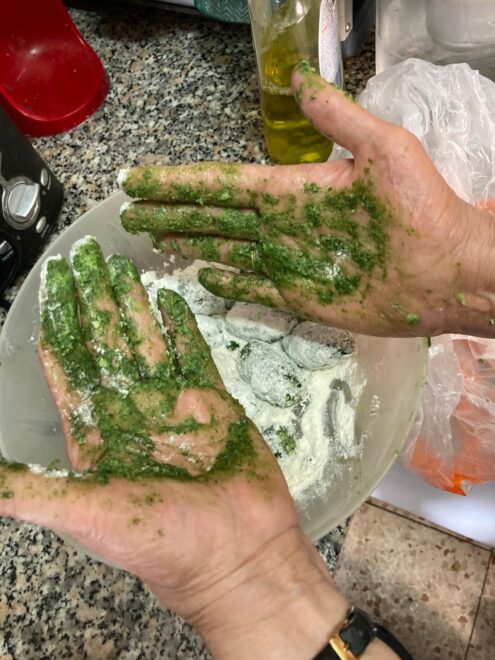
This is how I learned to make delicious green malfatti. Like the ancient recipes that start, “First go out and catch a rabbit,” you need 4 ounces of raw, rinsed nettles that you went out and picked yourself.
Nettles Malfatti Recipe
Serves 2 as a main dish; 3-4 as a hot appetizer or side dish
Ingredients:
4 oz. – a tightly packed 1/2-cup of raw nettle leaves – stripped from the stems. My note: ignore any seeds present; they’re also excellent nutrition when young and green.
1 tablespoon olive oil
1 small onion, peeled and chopped finely
2 eggs, beaten
3/4 cup dry breadcrumbs
1/2 cup Parmesan cheese, grated
1 teaspoon salt
1/4 teaspoon black pepper, or more if liked
1/2 cup cup flour for rolling the malfatti in
About 1/2 cup melted butter and 1/4 cup grated extra Parmesan for saucing the malfatti
Instructions:
Arrange ingredients for nettles malfatti, via saborina
Blanch the nettles. Bring a medium-sized pot of water to a boil.
Drop the nettles in and cook for 3 minutes. I set the timer on my phone to avoid over-cooking. You’re only blanching the greens here.
Have ready a bowl of cold water. Remove the blanched nettles from the hot water with tongs or a slotted spoon and immediately drop them in the cold water. Let them sit for a minute or so or until cool.
Drain the nettles in a colander or sieve, and squeeze as much liquid out of them as possible by pushing them hard against the side of the colander. Do this over a bowl, to catch that dark-green juice. It’s tasty and sky-high full of nutrients. You can add it to soups or green smoothies later.
Coarsely chop the wad of squeezed-out nettles.
Empty the pot you boiled the nettles in. Pour the olive oil in and set it over medium heat to warm. (Leda’s tip for reducing the washing up by one pot).
Cook the onion in the oil until soft and translucent, stirring, 4-5 minutes.
Using the knife blade of a food processor, blend the onions and nettles together with the salt and pepper, eggs, breadcrumbs, and cheese until you have a coarse paste.
Scoop the nettles mixture into a bowl, cover it, and refrigerate 6 hours or overnight. I’ve let it mature as long as 24 hours.
Set a large pot of lightly salted water to boil.
Either flour a surface like a baking sheet with the 1/2-cup flour, or dump the flour into a wide bowl. Either way, flour your hands. You’ll need to flour your hands again at intervals.
Pinch off a generous tablespoon of the chilled dough and roll into a torpedo shape. Some prefer a nice round dumpling like a mazah ball; your choice. In either case, your palms will be green.
Rolling the malfatti makes green hands.
Roll each malfatti in the flour and set it aside on a floured surface while rolling the rest. If your bowl is wide enough, just place them around the inside and roll the rest of the malfatti in the flour heap in the center of the bowl.
Gently lower the malfatti into the water, which by now should be boiling. Don’t crowd the dumplings; they swell and need room to move. You’ll know they’re close to done when they rise and bob around. Cook them 4-5 minutes, no longer or they’ll break apart. You may need to do this in 2 batches.
Using a slotted spoon, remove the cooked malfatti to a platter or serving bowl.
Gently pour melted butter over the malfatti, and sprinkle with the extra grated Parmesan. Serve right away.
Some take malfatti to another level by baking them, cooked as described above, in a bechamel or a tomato sauce for 15 minutes at 350° F – 175°C. Sprinkle with more cheese before serving.
Parkour is often misunderstood as a fringe sport or a collection of stunts. In reality, it belongs to the same cultural lineage as grafitti, skateboarding and surfing: youth-led movement practices shaped by place, limitations, and the need to claim space.
Parkour, a way of using acrobatics and stunts (sometimes death-defying) to move around the built environment, also caught on in Gaza. We wrote about the young parkour creators in 2012, and now there is a documentary film highlighting their lives and struggles.
For years, young people in Gaza used parkour to create structure and meaning in a restricted environment. Teenager boys trained on rooftops, in quiet streets, and among damaged buildings, learning how to move fluidly through spaces never designed for play. Like skateboarding in dense cities or surfing along contested coastlines, parkour offered discipline, community, and identity. (Boys and girls do not hang out in Gaza together, so the sport was limited to boys).
Yalla Parkour, directed by Areeb Zuaiter, captures this culture from within. The film follows Zuaiter’s long relationship with Ahmed Matar, a parkour athlete in Gaza, as she reflects on loss, memory, and belonging after the death of her mother. What begins as a personal search gradually opens into a portrait of how movement shapes young lives under constraint.
The documentary avoids spectacle. There are no competitions, rankings, or dramatic victories. Instead, the focus is on training, trust, and shared routines. Rooftops become practice spaces. Friends gather to watch, film, and learn from one another. Like skate crews or surf communities, Gaza’s parkour scene is built on mutual respect and collective risk.
Much of the film was developed and shot years before October 7, 2023. The Gaza shown on screen reflects pre-war daily life: informal training sessions, moments of calm between jumps, and a sense of continuity. The film now carries the weight of an unintended historical record, showing how beautiful and developed Gaza was. Any references to events after October 7 are reflective and editorial.
Gaza parkour, screenshot from new documentary film. Updated 2026
What Yalla Parkour ultimately shows is that parkour in Gaza was never about escape fantasies. It was about learning limits, adapting to obstacles, and staying grounded through physical practice. Like skateboarding and surfing, it offered young people a way to grow, build skill, and belong to something larger than themselves.
Seen this way, Yalla Parkour is not only a film about Gaza. It is a film about youth culture and movement, and about the universal human need to claim space, even when that space is sharply constrained.







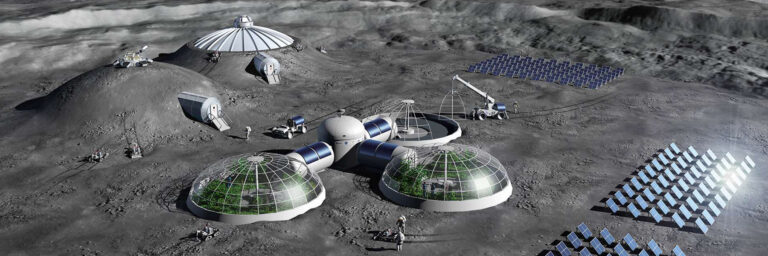
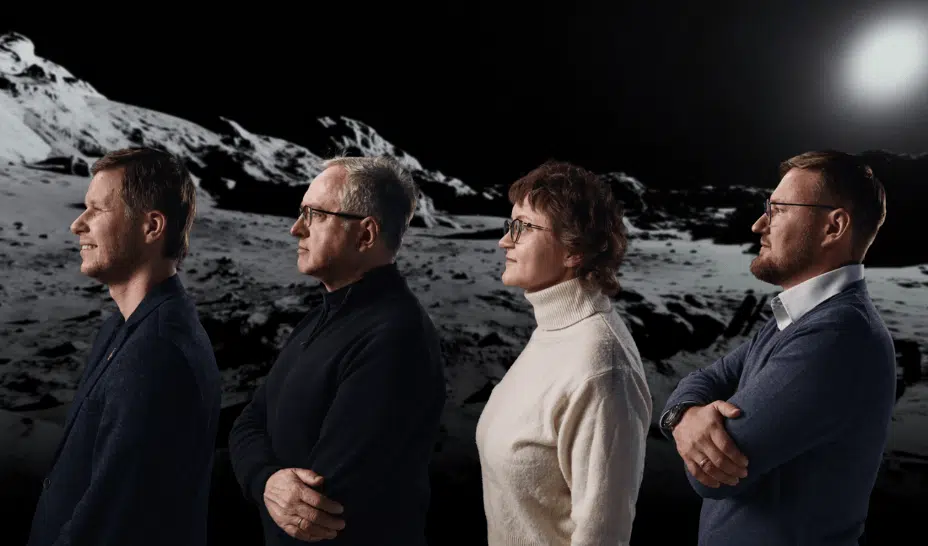







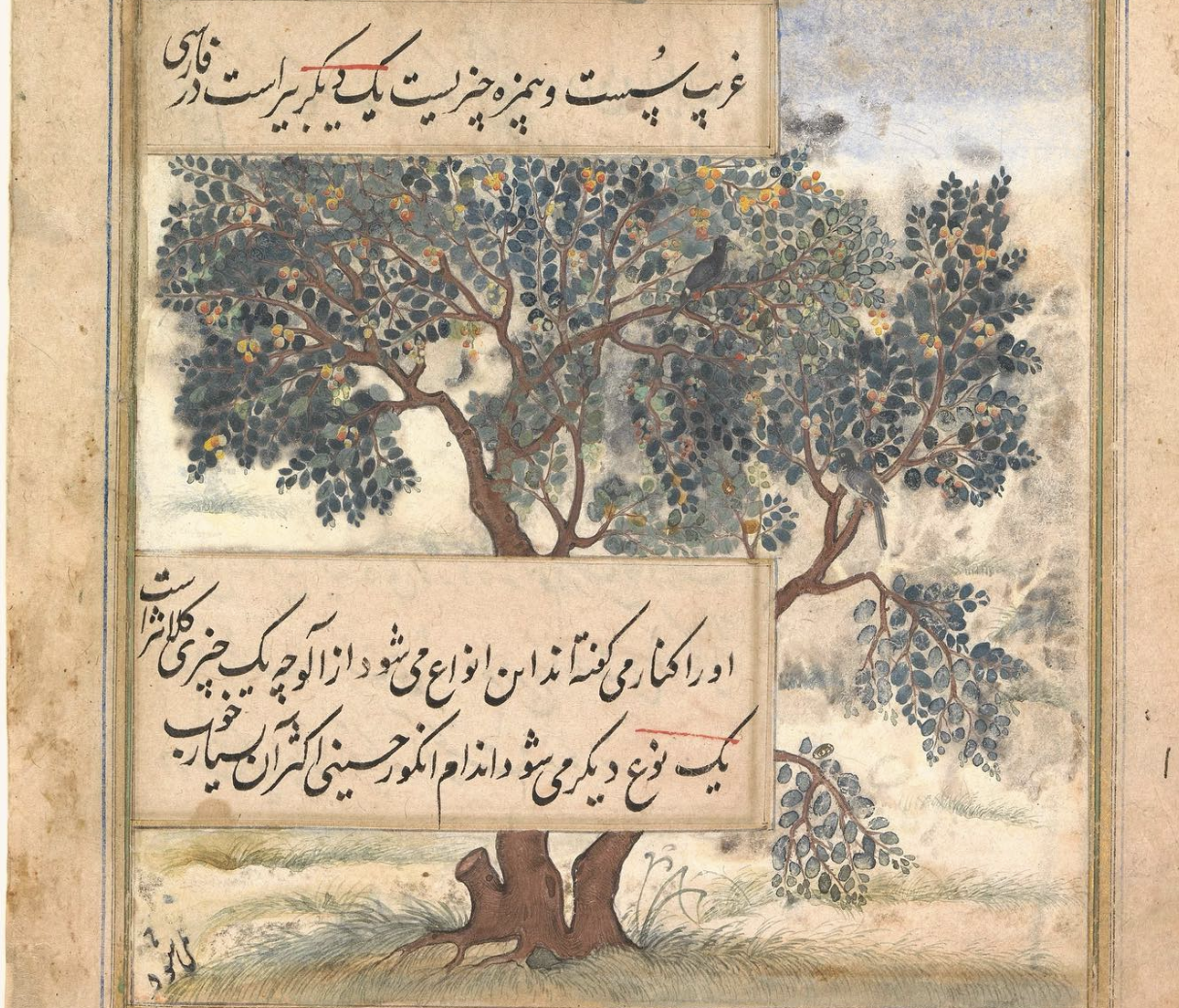


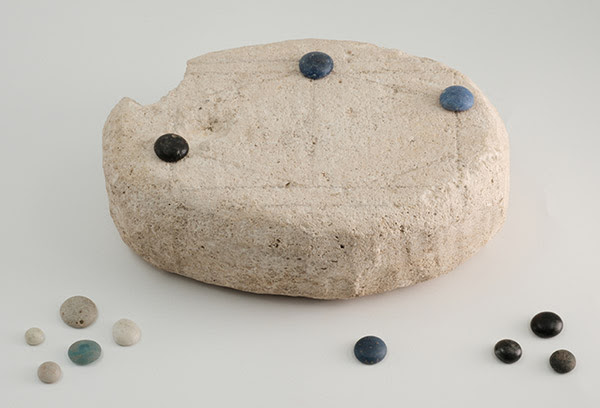
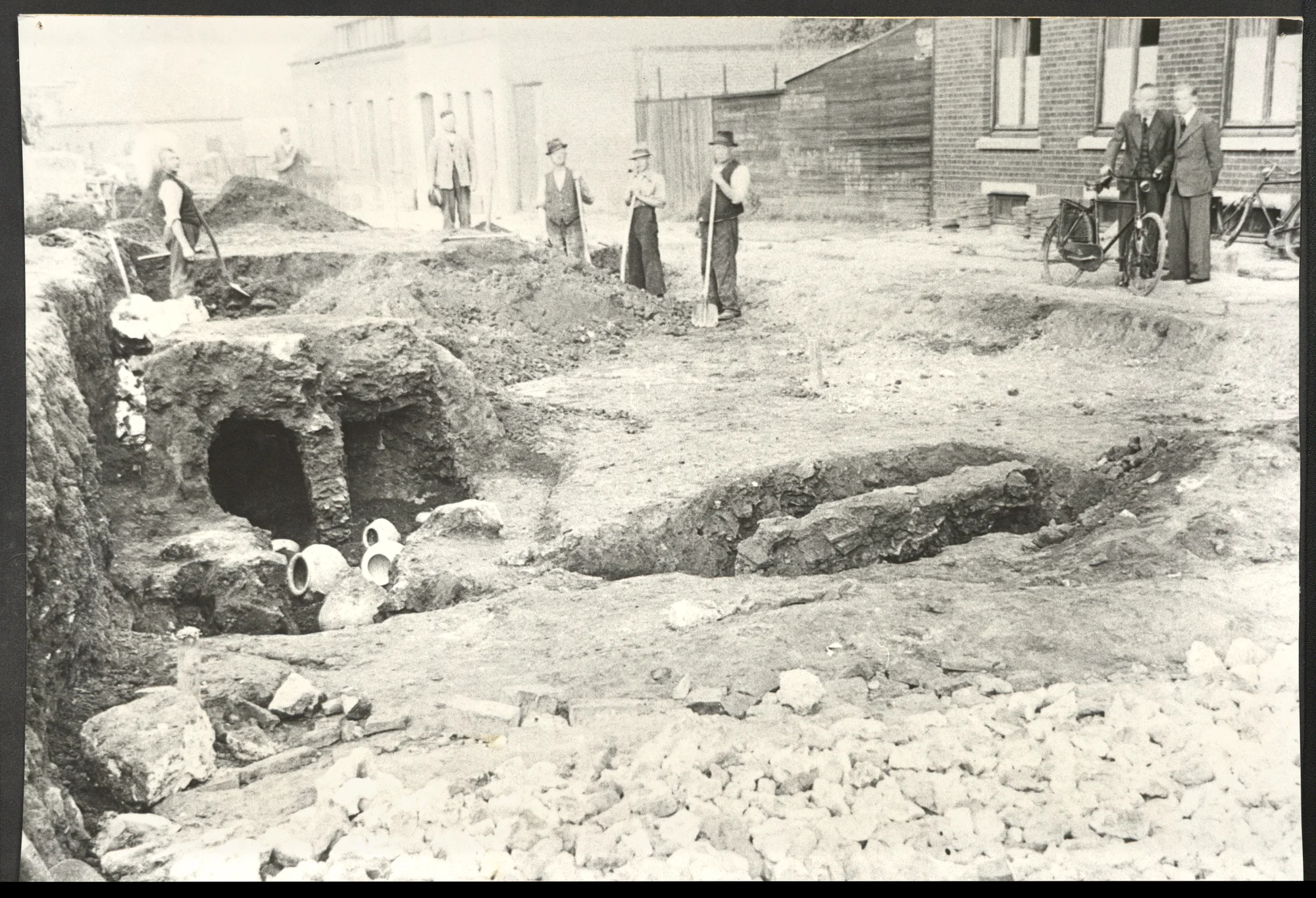

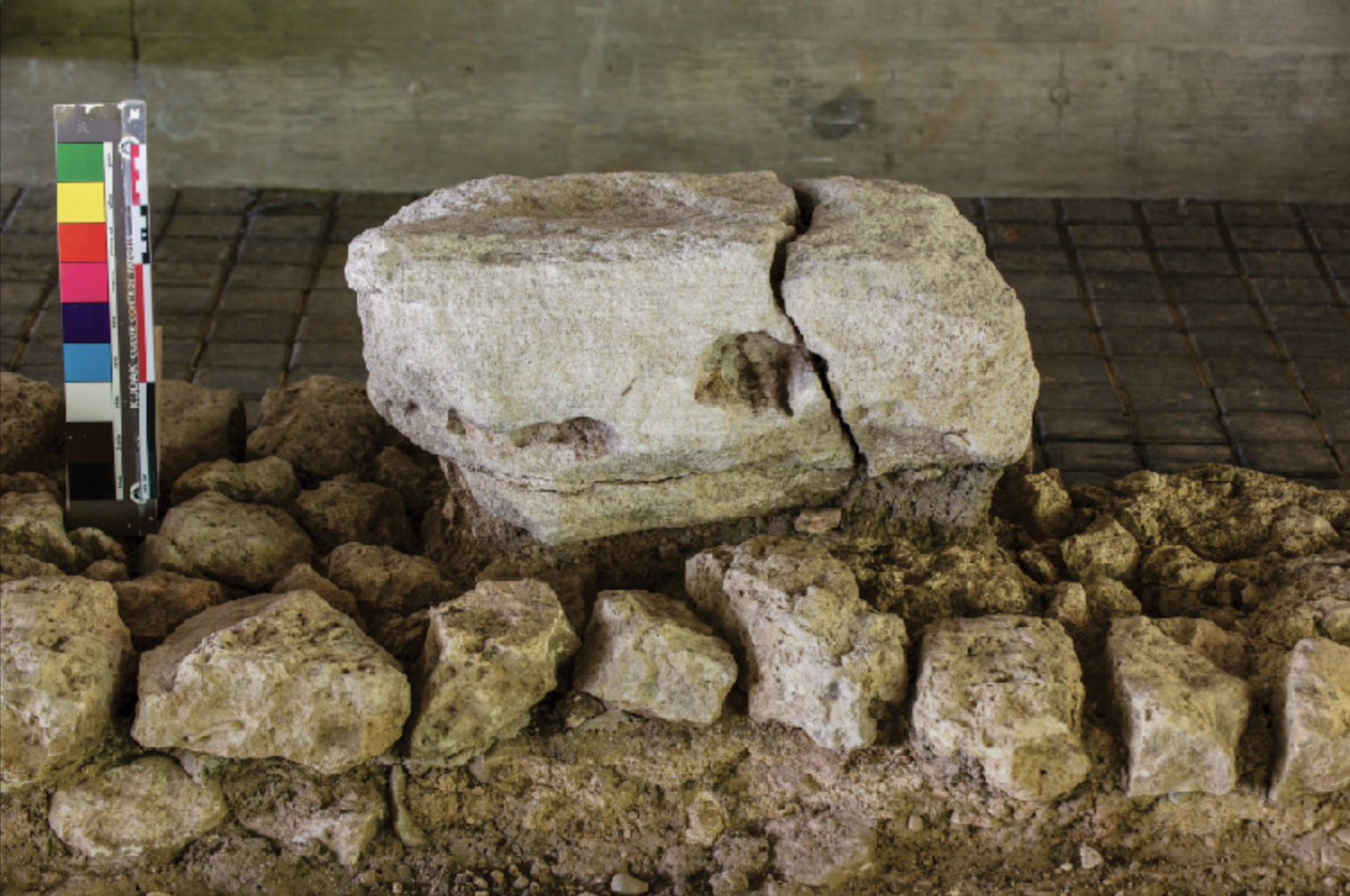
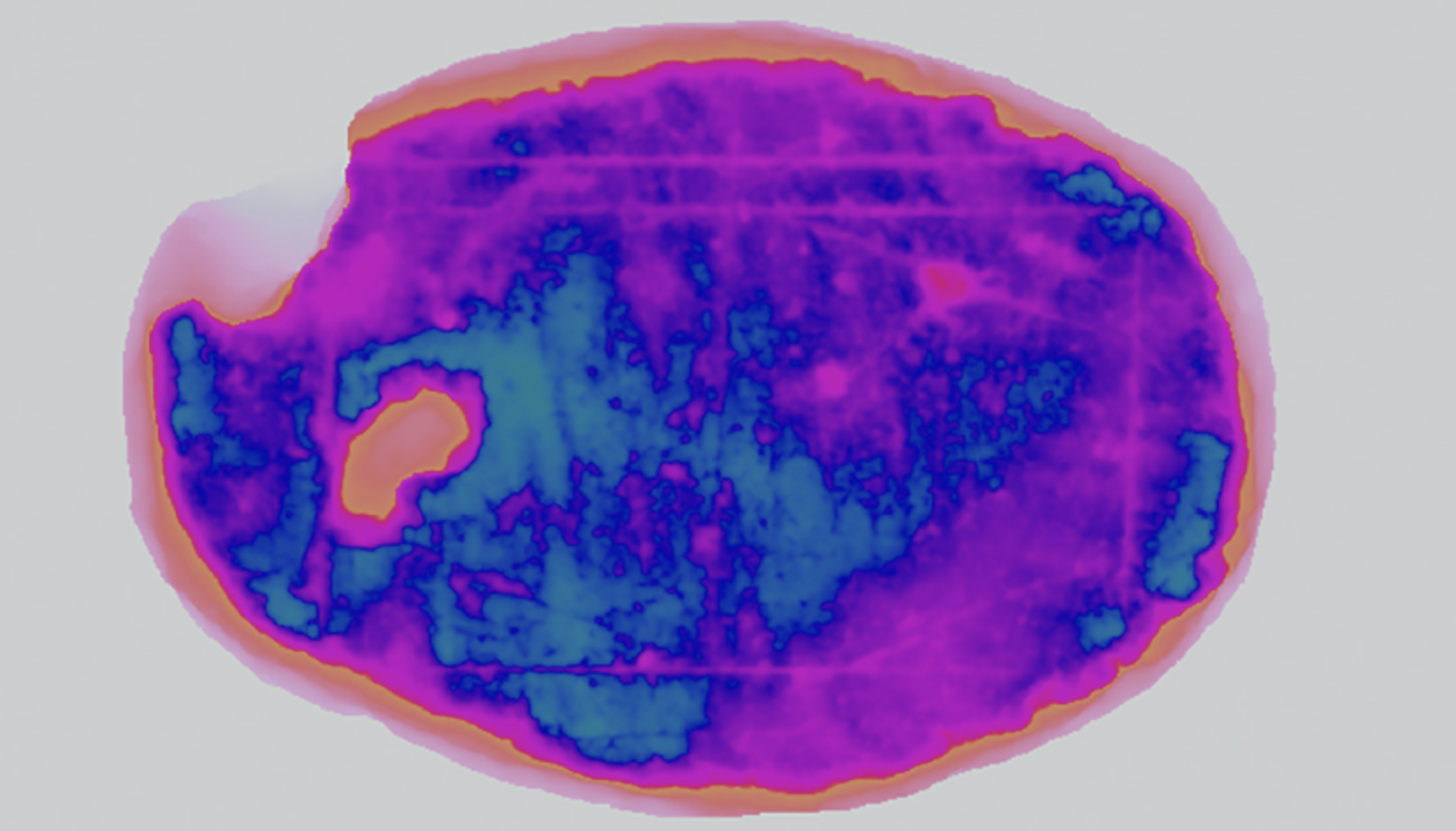
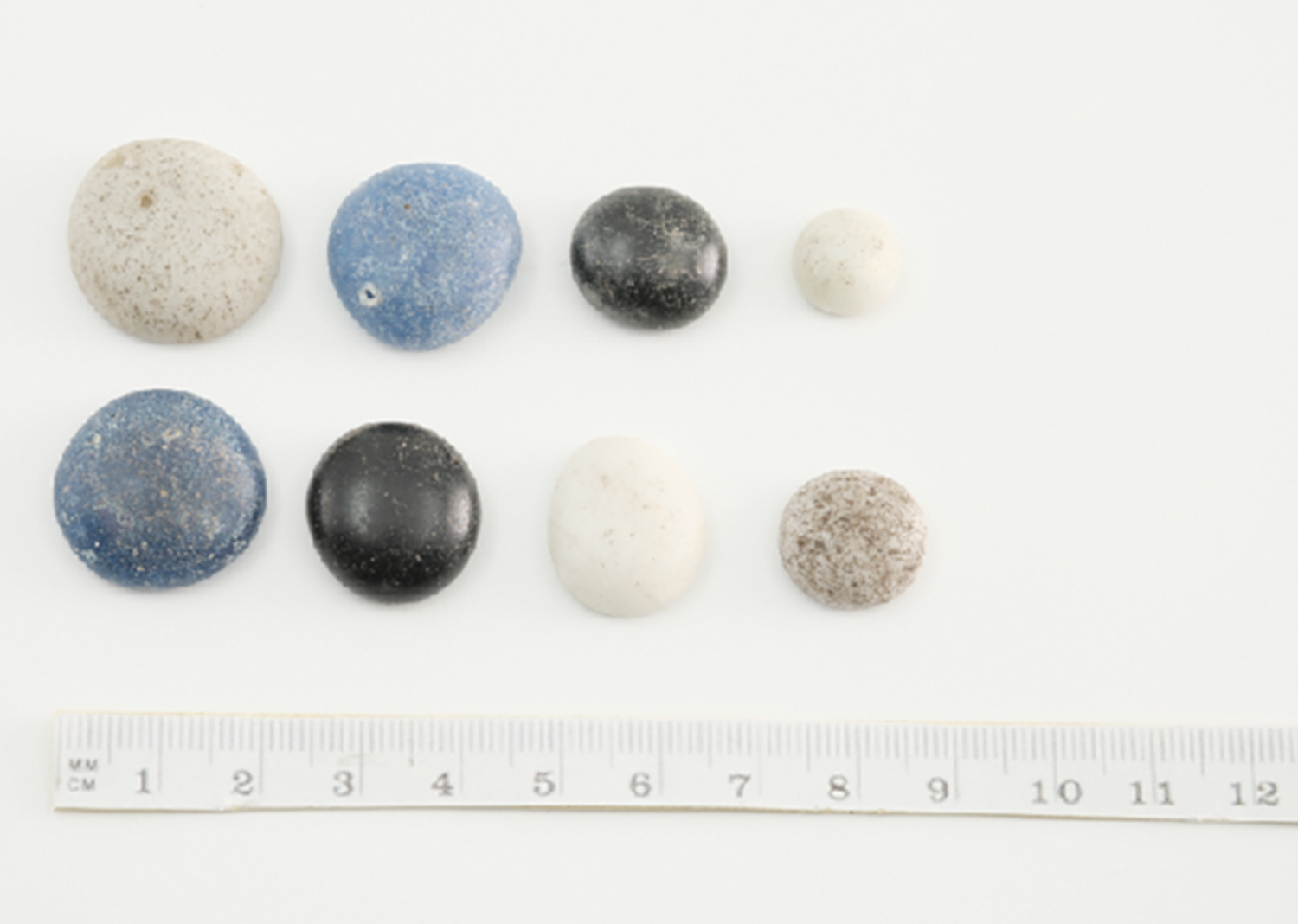
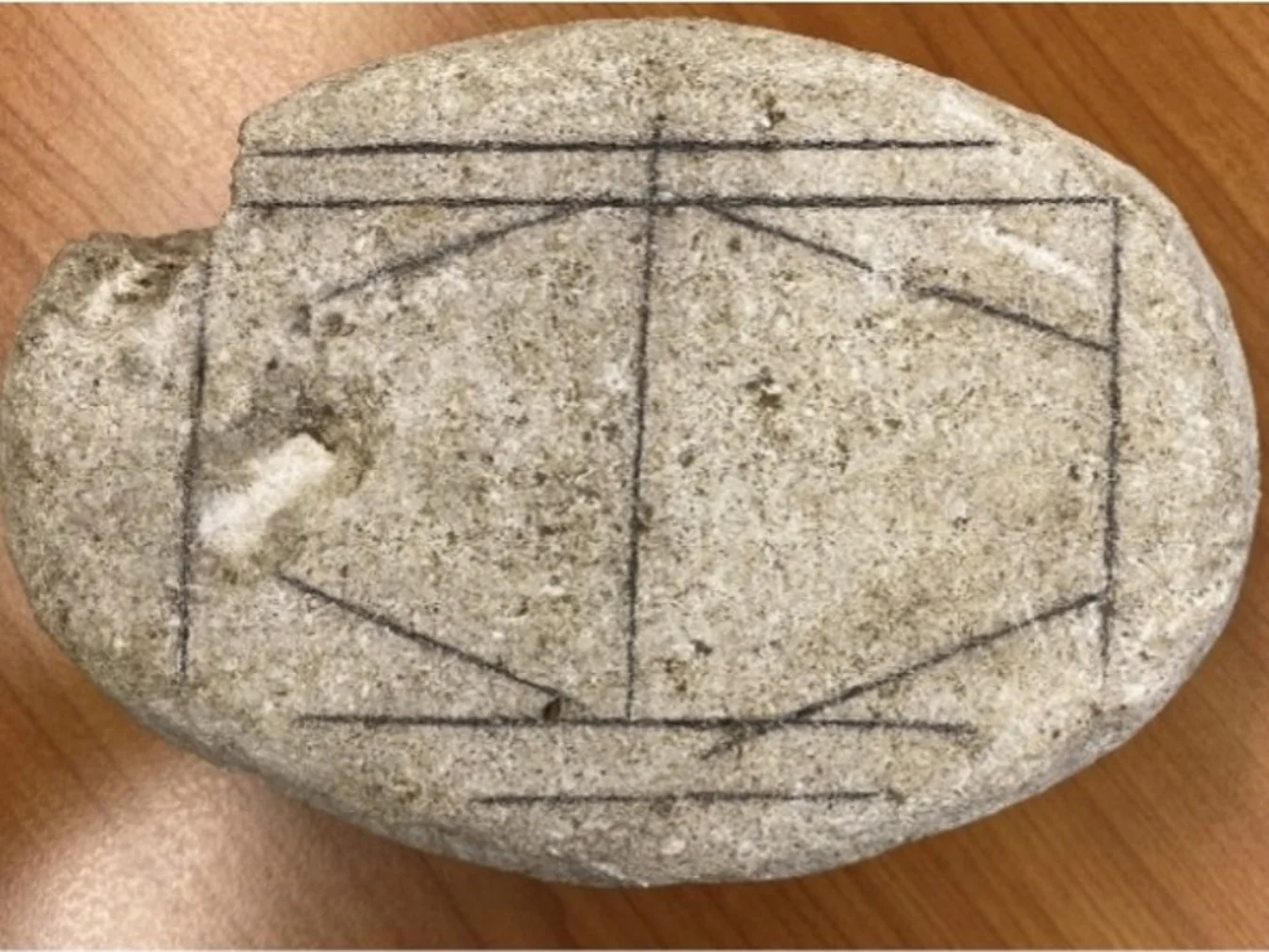
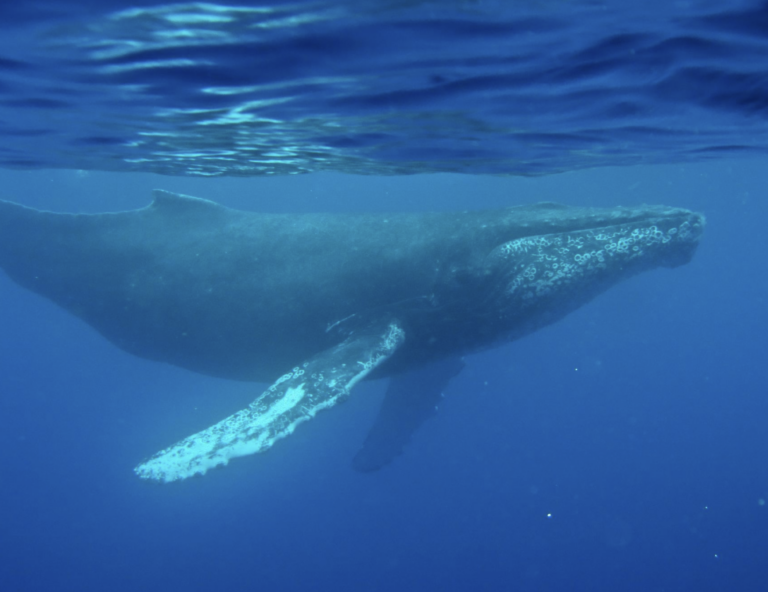







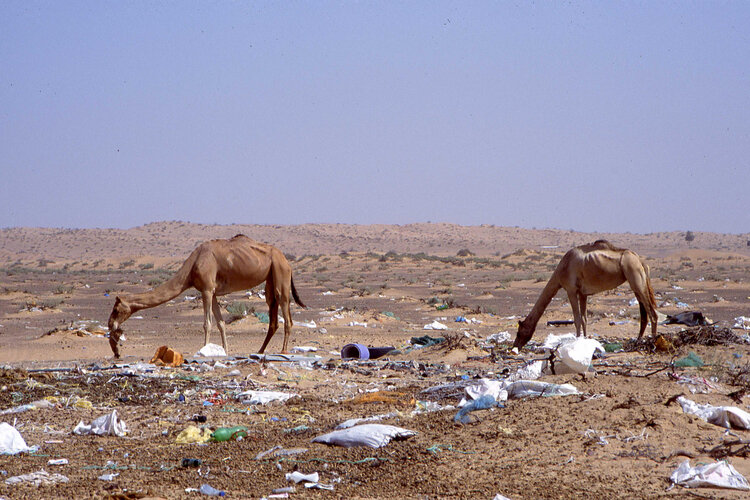


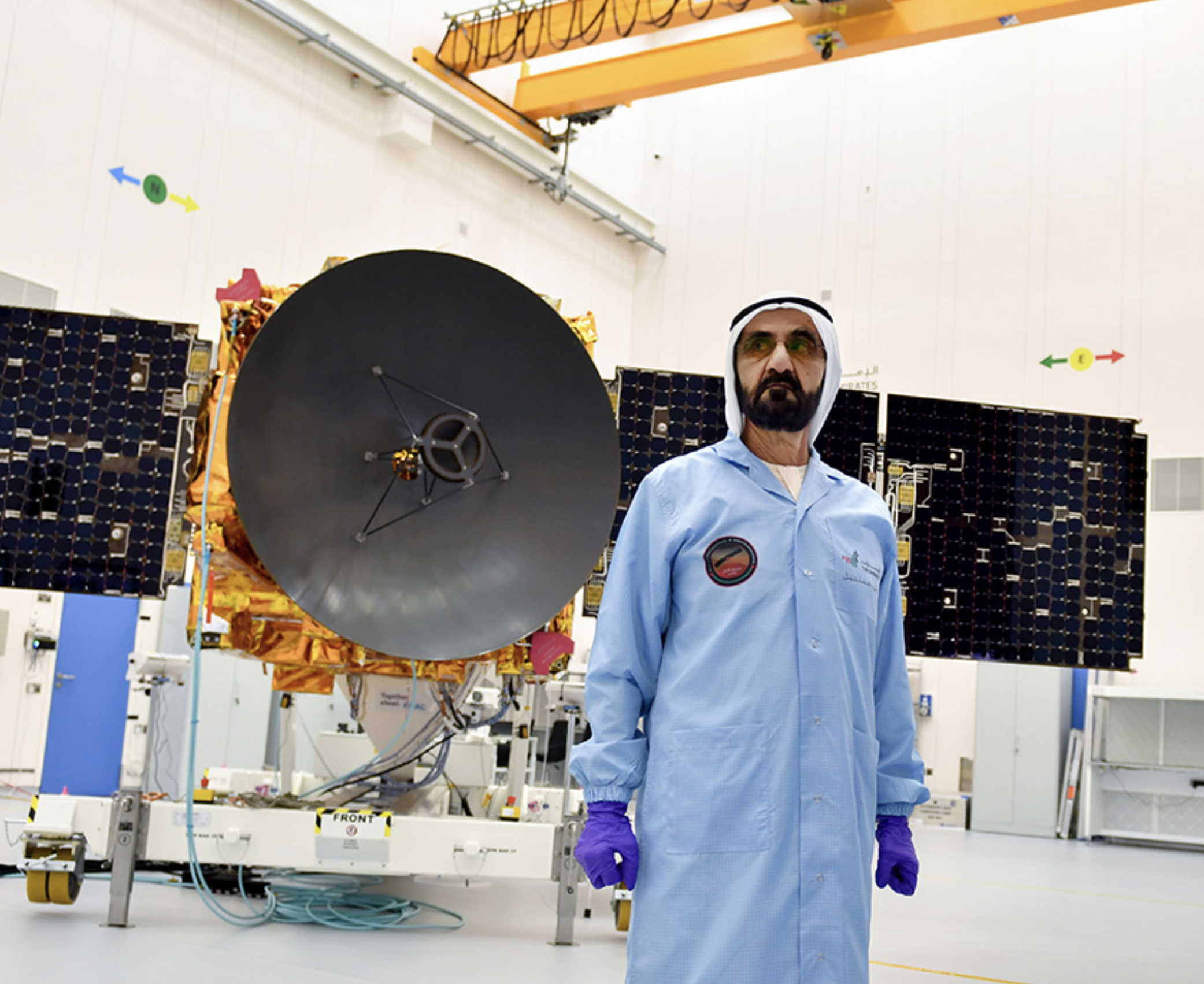

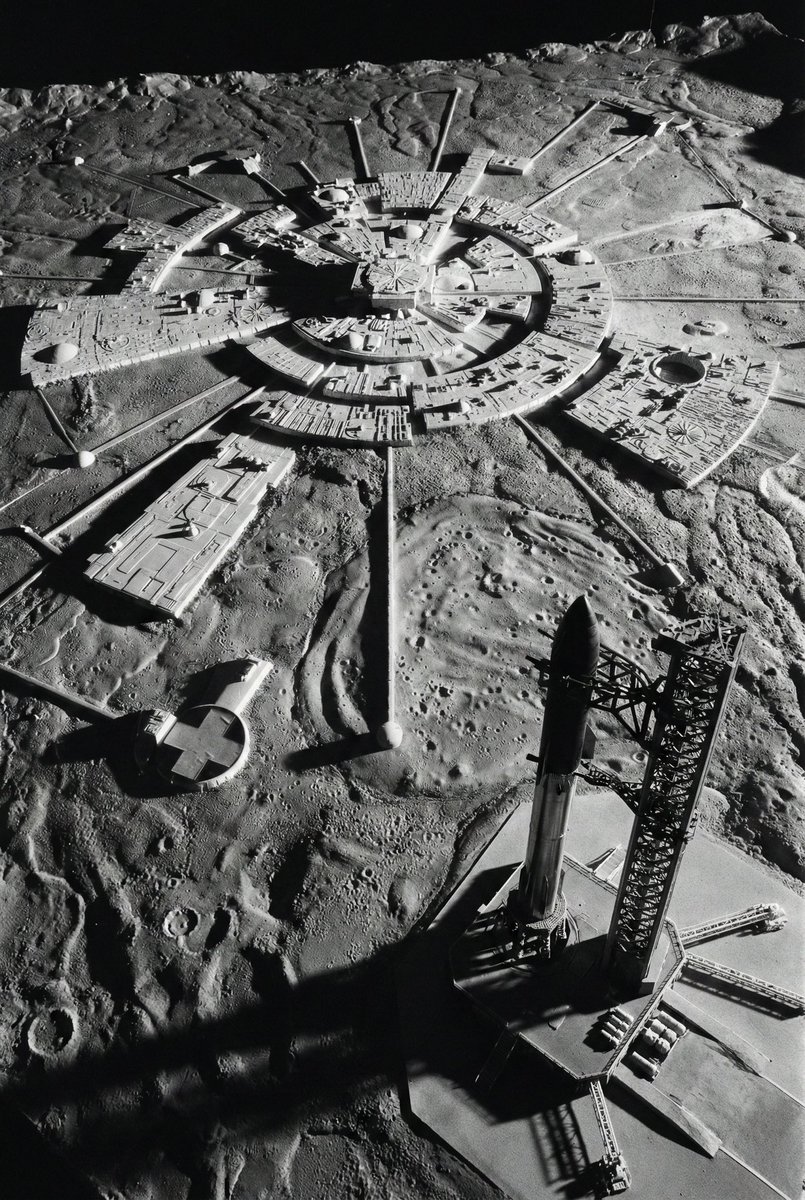




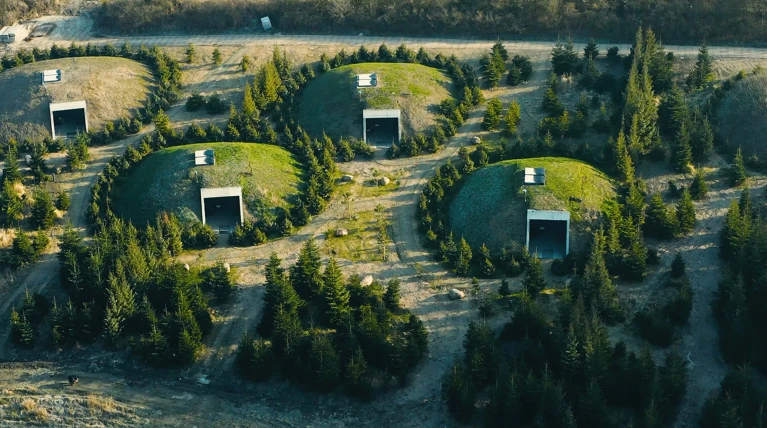
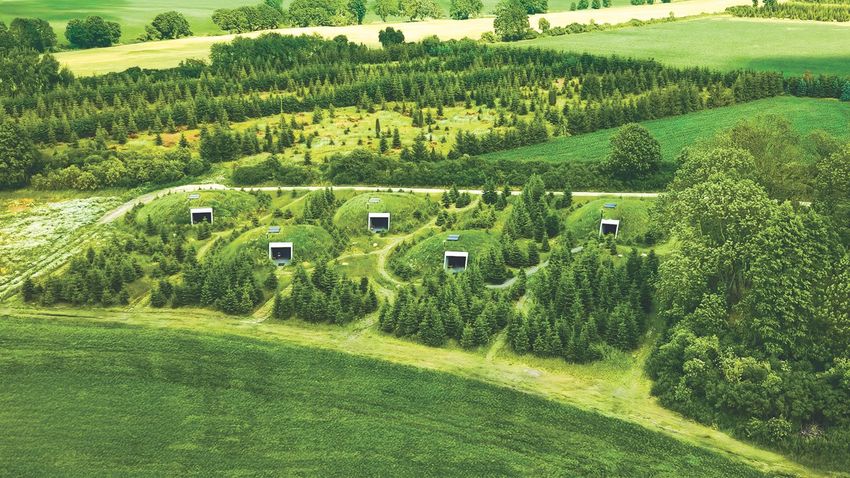






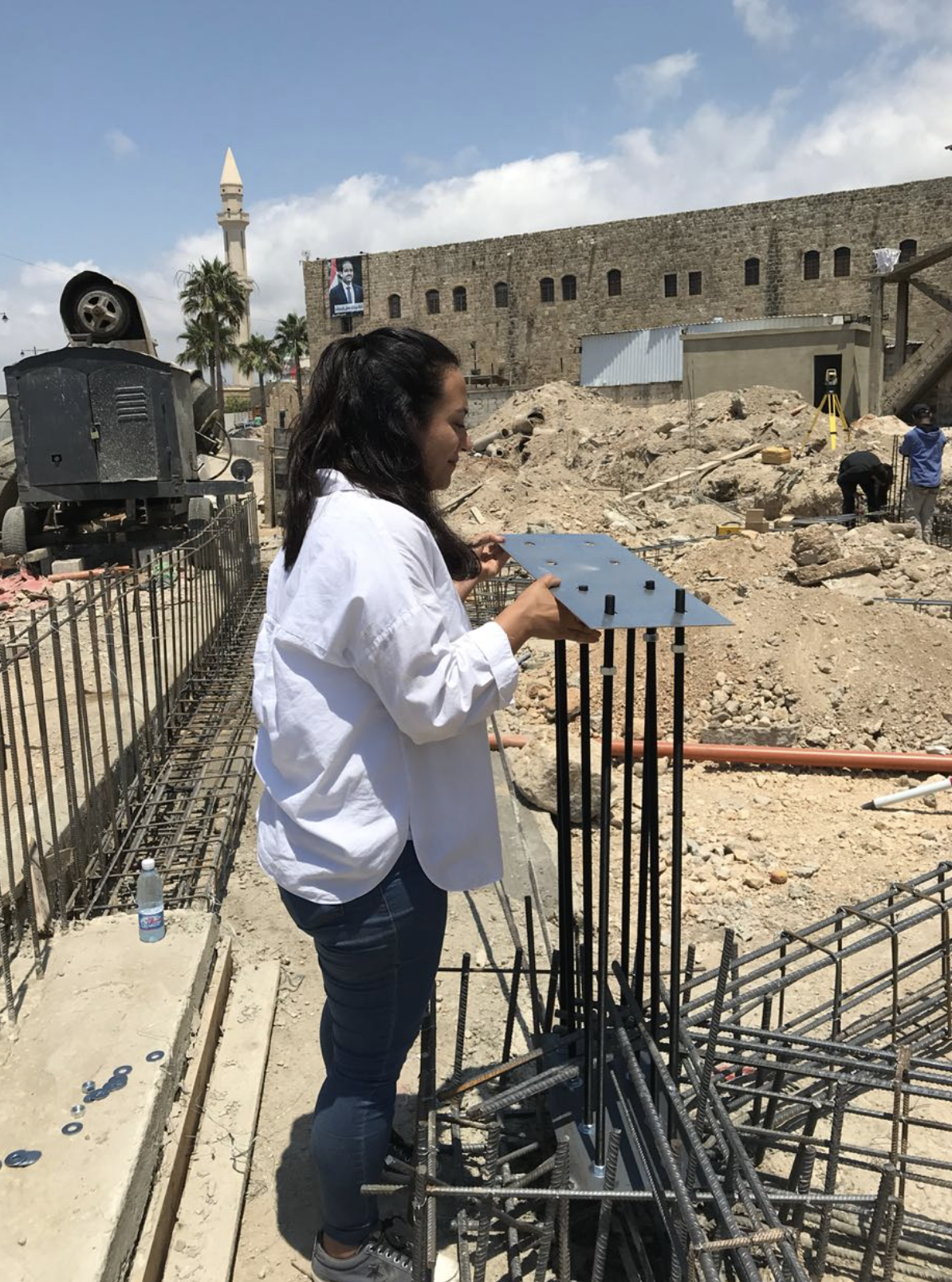
 Landscape design for a private Dubai client. Balsam Madi.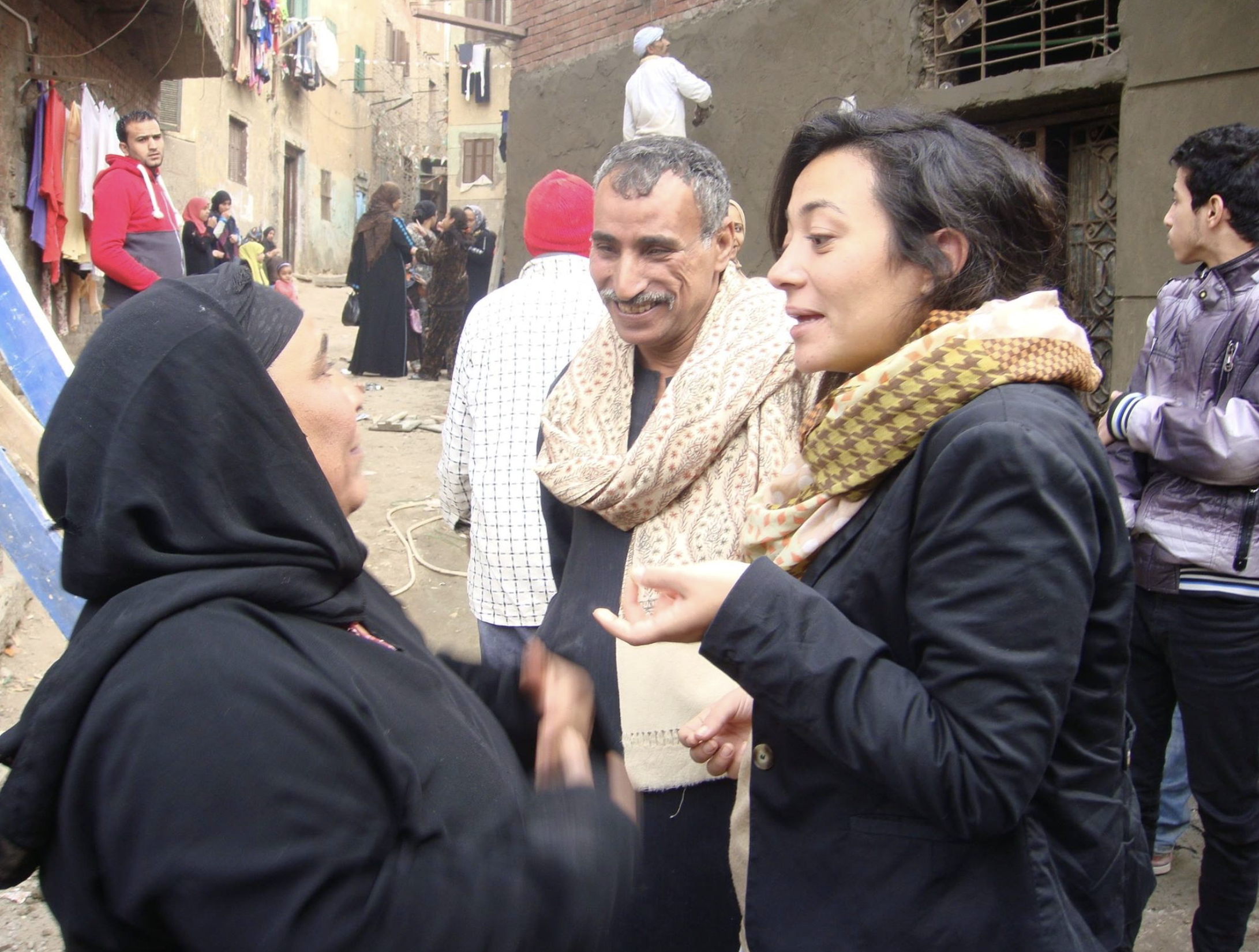
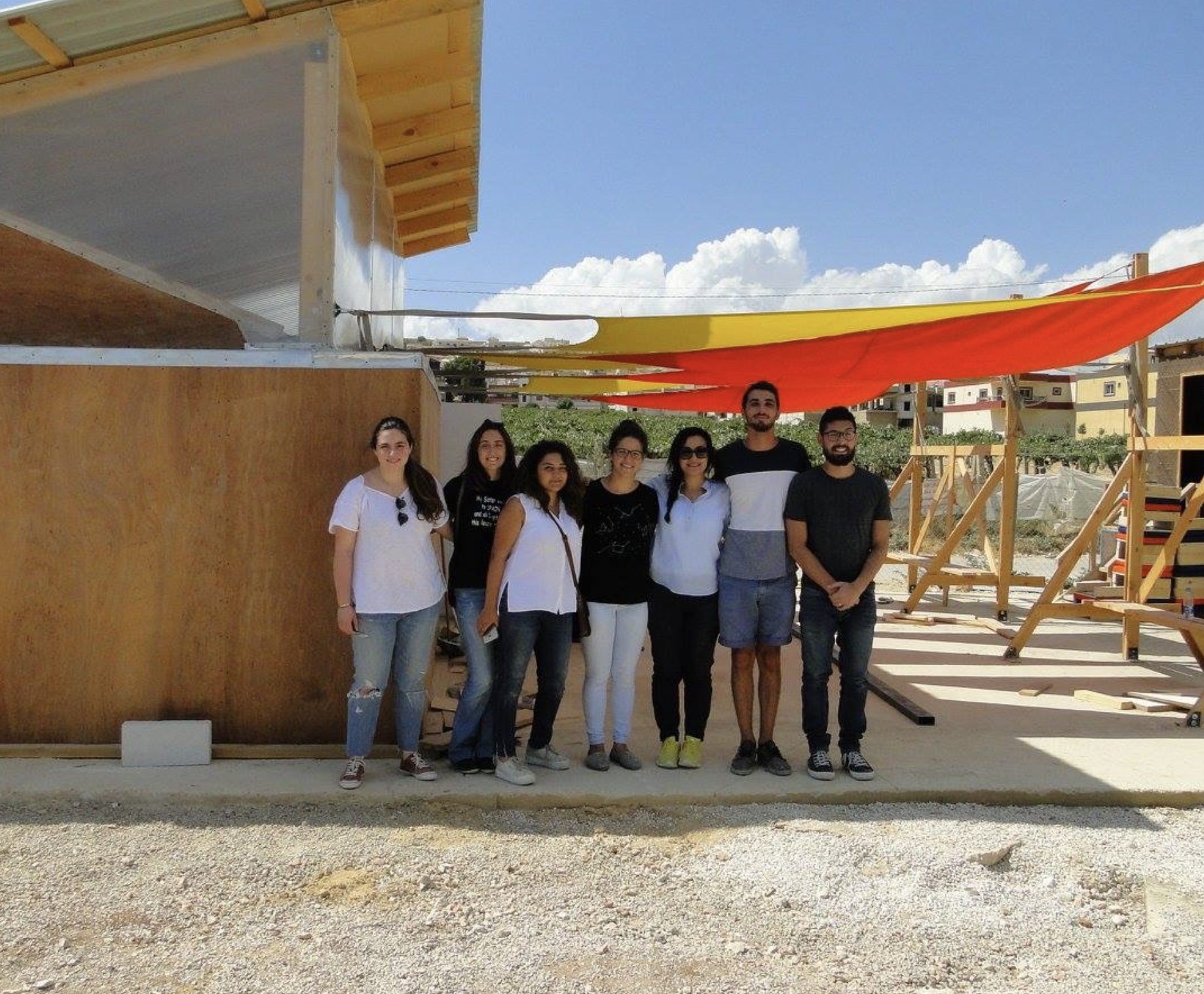
 Some say curiosity killed the cat; for Balsam Madi, it shaped her life. Driven by a compulsive need to understand systems rather than spectacle, she consistently chose inquiry over allure and human-centered design over trend-driven form.