Home Blog Page 495

Turkish Village Goes Off The Grid With A Wind Turbine

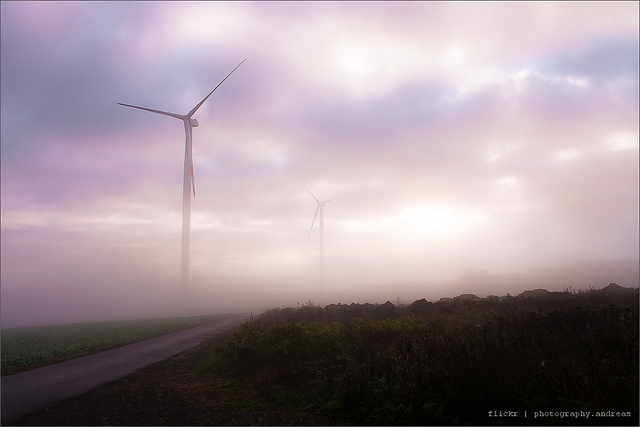
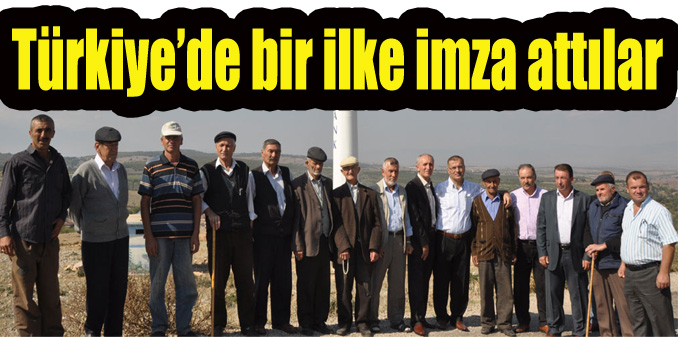
turkey wind energy“They’re blazing a new path in Turkey” reads the headline over this photo of Akbıyık villagers standing in front of their new wind turbine.

The lights in Akbıyık went out one and a half years ago, when the Turkish Electricity Distribution Company cut off the village’s electricity because of outstanding utility bills that amounted to TRY 33,000 ($18,000). At that point, the villagers faced a choice: pay off the debt and get back on the national power grid, or find a new energy source that they could harness and control on their own.

They chose to stay off the grid and switch to wind power, securing their energy future and making them one of the greenest villages in Turkey.

Eden Vardy Plants a Sustainable T.R.E.E. in Aspen

1

"aspen colorado permaculture"A sustainable T.R.E.E. grows in Aspen, where children learn about real food.

As a child, Israeli-born Eden Vardy wanted to know where his food came from.  And since he grew up in Aspen, Colorado, his food generally came from a supermarket and was probably transported from far away.  As he grew older and learned more about food, the locavore movement, and the environmental benefits of eating local food, he was dismayed to learn about the absence of eco-minded food instruction in Aspen.  After completing his studies (which included a Green Apprenticeship at Kibbutz Lotan in Israel), Vardy decided to do something to educate kids about real food back in his hometown and started Aspen T.R.E.E.

T.R.E.E. stands for “together regenerating the environment through education” and has many programs that try to achieve that goal.

The Green Sheikh: Love Your Children and They Will Love the Planet

1

environmental degradation, environmental education, the green sheikh,

For this month’s column, the Green Sheikh suggests that giving children a sound, stable, kind upbringing in turn cultivates their relationship to nature.

When we are talking about environmental domains, who among us would not be happy to have his body in natural harmony? This naturalness creates self-esteem and satisfaction and generates in each person ideas that may be useful during more depressing periods. On the other hand, echoes can be seen in a person’s behavior, sometimes making him hostile or lonely, when that body is out of harmony. 

Upcycling soup cans into forts and shelter

0
recycled materials, green design, eco-design, sustainable design, israel
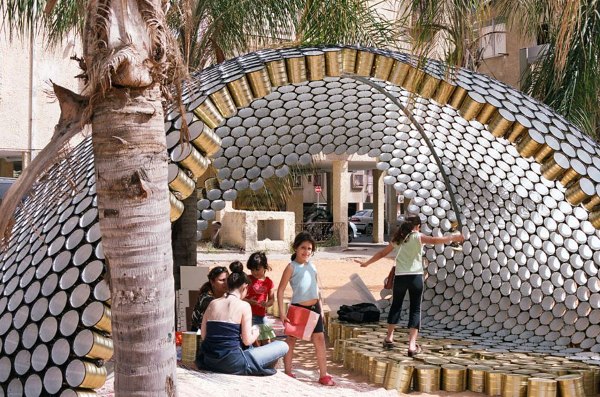
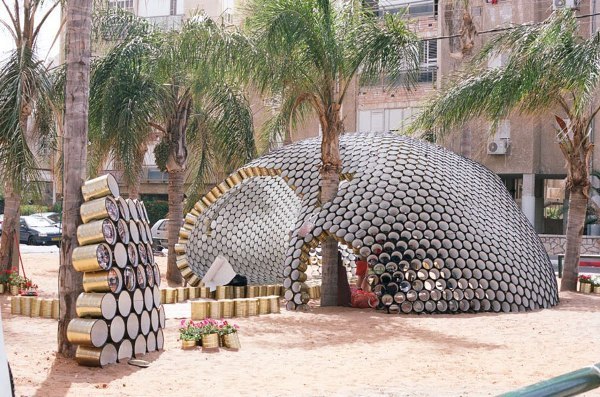
A nest made out of soup cans. A great way to upcycle.

We are big fans of reusing perfectly good materials like waste glass, which can be turned into beautiful glasses, and this incredible pavilion in Bat Yam, Israel is a shining example of just how creative it is possible to get. Many Israeli artists love to recycle ordinary objects into beautiful, magical art.

Ecco Ukka turns scraps of material into enviable jewelry pieces, as does Yael Uriely, but this is the first time we have seen the country’s ubiquitous soup cans turned into a temporary shelter.

The Sukkot “environment” holiday happens in October… perhaps our Jewish readers will be inspired to use something similar in their Sukkah huts? Come on in to find out why the artists chose tin cans for the Bat-Yam International Biennale of landscape urbanism in 2008, and why these principles are timeless.

The soup kitchen and the soup can house?

recycled materials, green design, eco-design, sustainable design, israel
Kids love forts, especially those made with unique materials and a story

The folks over at Recycle Art quote Lihi, Roee and Galit – the artists who developed the Soup Can Pavilion:

“The combination of “hospitality” and “public space” implies an inner tension. How can people identify with public space and relate to it as if it were their own living rooms?

“We approach this question by fostering the participation of residents and visitors in the shaping of their environment, thus leaving their mark and presence on the space. The location we chose was an unoccupied lot where the municipality has planted a grove of palm trees, while the lot remains “on hold” for a construction project some time in the future. The palm trees bestow an ambience of fantasy we chose to further emphasize by using shiny tin cans as building blocks; city conservation using a familiar household material in a new context.

“A sense of the exotic and a choice of no-man’s-land, practically transparent to street traffic, sheds a new and different light on the space and reveals its latent potential. After sundown, pavilion visitors will be exposed to the street, the same way urban interiors are revealed for viewing every evening.”

recycled materials, green design, eco-design, sustainable design, israel

If it looks like a lot of work to create a structure of this kind, look again. It’s actually very simple. The hollowed-out cans are linked together and held upright by a system of steel rods. Plenty of light penetrates the entire structure, ensuring that there isn’t too much solar gain. The last thing anyone needs in Israel is a magnet for more heat.

I would be concerned though about climbing kids getting stuck or cut by the cans. Some ideas are best tried as a pilot and maybe left at that.

This is not the first time that the somewhat beleaguered satellite city of Bat Yam has been chosen for an urban renewal project. Not long ago, 72 Hour Urban Action took over with a fast paced urban design project designed to breathe new life into the city.

Now, where to find the cans. Looks like you could find some nearby a falafel or hummus restaurant.

More Recycled Ideas on Green Prophet:

Ecco Ukka Weaves Love, Magic and Recycled Materials into Fabric Jewelry

Lebanese Designer Ziad Ghanem Creates Recycled Couture

Lebanese Man Turns Garbage into Beautiful Glasses

Book Review: ‘The Ethical Tragedy of Climate Change’ by Stephen Gardiner

ethical tragedy climate change coverStephen Gardiner argues that climate change is a combination of the ‘prisoners dilemma’ and ‘tragedy of the commons.’

Stephen M. Gardiner regards climate change more or less as an ethical failure on the part of the human race, something that implicates our institutions’ moral and political theories alongside ourselves as supposedly moral beings.

He employs the well known philosophical perspectives the ‘prisoners dilemma’ and the ‘tragedy of the commons’ to support his argument, demonstrating the idea that while it is individually rational to not to cooperate with attempts to curtail climate change, such a stance simultaneously means that we all suffer as a result.

The Sukkah and The Clouds of Glory

2

image-clouds-of-gloryEver wonder how the ancient Jews lived during their 40 years of wandering in the desert?

When the Jews left Egypt, God commanded that they wander in the desert until the original slave generation had died out, leaving mature younger people with the free man’s mentality. Making and breaking camp often, circling the arid Sinai desert with only an occasional interruption from fractious Philistines, how did that vast community survive?

Cyprus, Israel and Turkey Near “High Noon” Standoff Over Med’s Natural Gas

ErdoganTurkish PM Erdogan at the UN: His way or no way

There’s a lot more for southern Cyprus to be alarmed about these days concerning its commitment to explore for natural gas offshore. First of all, there is the environmental factor dealing with undersea drilling off Cyprus, which could be damaging for an island so dependent on industries like tourism. There is also the acute water shortage issue, making Greek Cyprus heavily dependent on desalination for fresh water supplies.

But the most critical, as well as most dangerous problem that southern Cyprus may now be facing is an increasing belligerency from Turkey, which controls one third of this island; and whose proxy government there, the Turkish Republic of Northern Cyprus (TRNC) is telling the Greek Cypriots that it could become “very uncomfortable”  for them if they go ahead and do the drilling without the TRNC being able to participate as well.

Sukkot, the Jewish Environment Holiday

1

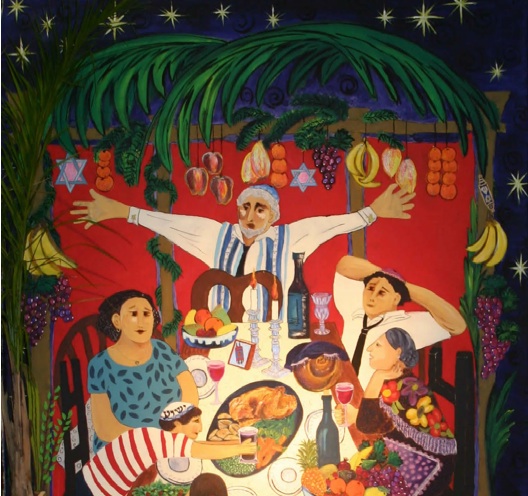
sukkot cardThis week marks the Jewish holiday of Sukkot. Jews will build small huts and live in them for a week.

Sukkot, also known as the Feast of Tabernacles, couldn’t come at a better time than now. After the heaviness of Yom Kippur (Day of Atonement), Sukkot joins Passover and Shavuot as a Jewish holiday which celebrates agriculture and is known as Z’man Simchateinu, the season of our rejoicing. It is the most festive of all the holidays and lasts for seven days and has a direct link to the environment.

Iranian Artists Fight Smog with the Tehran Monoxide Project

1

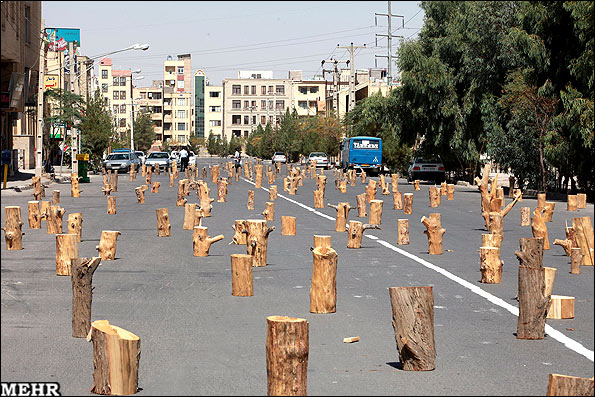
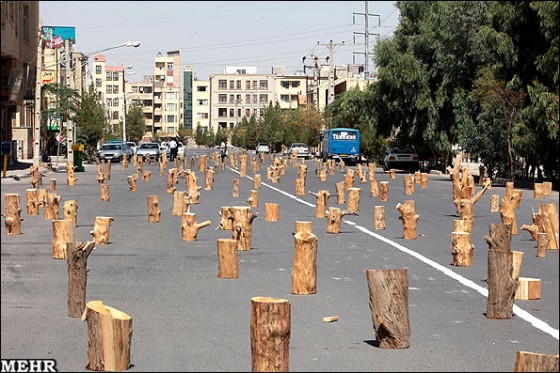
eco-art, iran, tehran monoxide project, pollution, NRDC, Naomi Klein, David de RothschildIranian environmental activists and artists are getting bolder. Recently, “tree huggers” planted these stumps on a street in the city of Kerman to protest against deforestation.

Sometimes environmental activists are visionary people who take enormous personal risks. Ashley Fruno from PETA was arrested for parading around Jordan covered in nothing but lettuce. Bill McKibben and hundreds of other activists in the United States wanted to get arrested to draw attention to the Keystone XL Pipeline, and an Iranian woman was recently tortured for protesting the degradation of Lake Orumiyeh – a terrible incident that screams: activism will not go unpunished.

But then there are artists and actors. While Iranian “tree huggers” were busy planting tree stumps in Kerman to draw attention to deforestation, a different kind of protest was unveiled at a school in Tehran. Concerned about Iran’s dubious distinction of having the most polluted cities in the world, several artists and an actor launched the Tehran Monoxide Project art exhibit.

Local Wind Energy Industry Emerges In Turkey

Turkey has used wind energy for more than ten years now, but never from locally developed and produced wind turbines. That’s about to change.

In what Turkish newspapers are calling “the biggest project in the history of the republic,” the Turkish government recently announced the country’s first National Wind Energy System. The project, which is led by a team of experts from top Turkish universities and scientific unions, has been ongoing — in secret — for the past two and a half years.

Late next year, expect the unveiling of the first stage in this ambitious energy project: a 500-KW wind turbine built entirely locally, using only parts produced in Turkey.

October Seasonal Produce

0

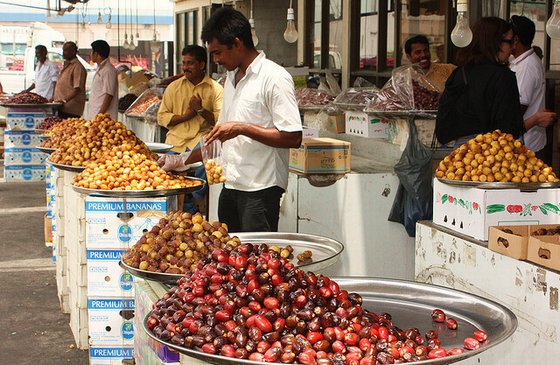
olives catching the sun, in GreeceOctober offers a variety of short-season delicacies. Look for olives, dates, and beans.

Each month brings forward new fruit or vegetables to charm the eye and palate, while the previous month’s stars fade away. October’s specialties are plentiful, and good for locovores looking to make good on the harvest. Read below for the best of this month’s fruit, vegetables and herbs, with olive season (and homemade olive pickling!) and fresh dates being a highlight.

Fruit of the Middle East

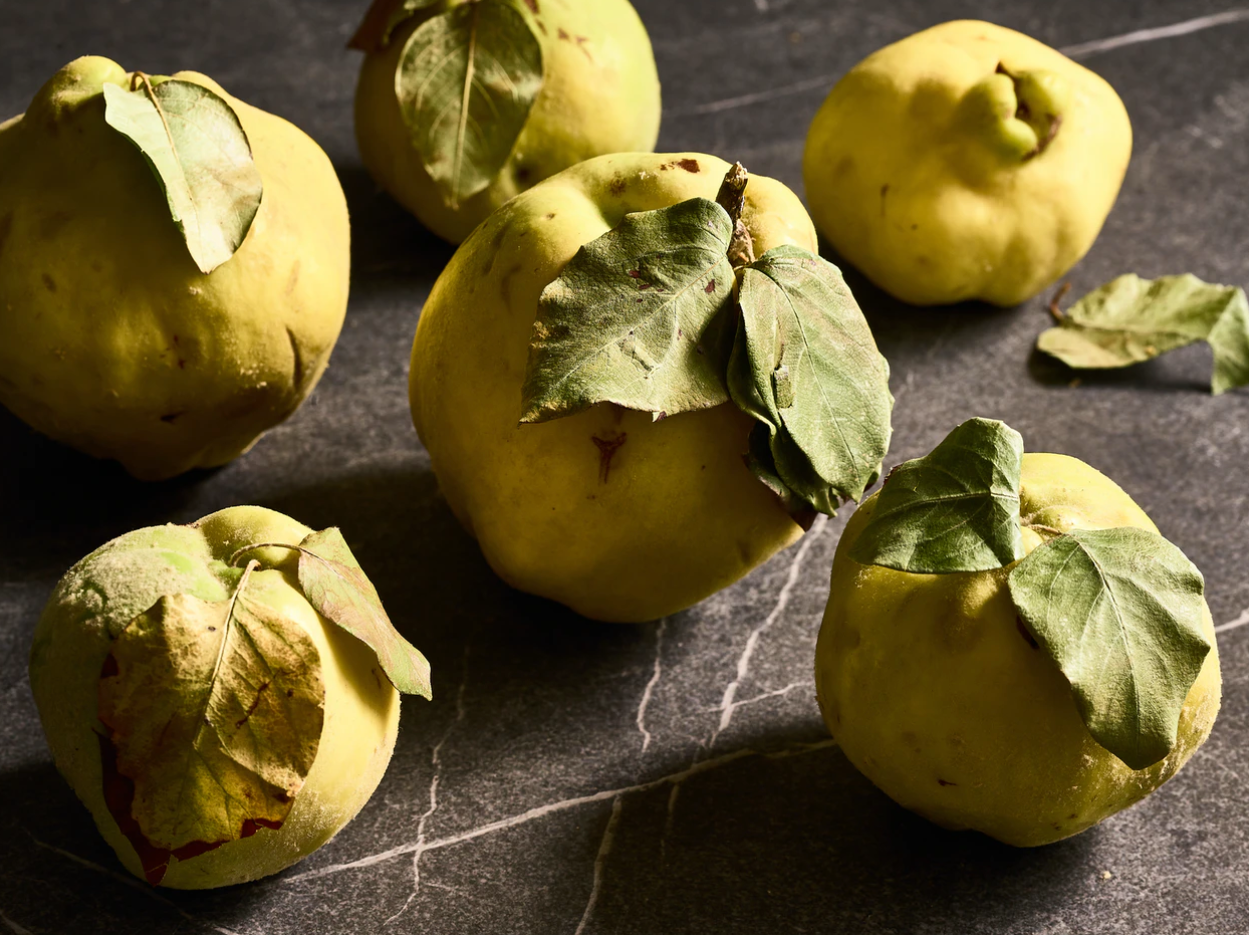
Middle Eastern newcomers this month are kiwis, persimmons, and quinces. Get our perfect Lebanese quince jam recipe here. Fuzzy quinces usually get cooked into jam, but tuck a few peeled slices into a slow-cooking tajine or stew.
quince recipe owl and the pussycat
The kingly quince

Raw olives for pickling are prime now, and their season is short, so if you’re in the mood to pickle your own olives, run to the shuk now. Or if you are adventurous take a stick and a sheet and shake them out of a public tree which can be found in cities like Jaffa.

Fresh yellow and red dates are sweet and good, but only if frozen for two days before eating. Before this simple processing, they are dry and astringent.

Bananas have moved into full season and firm, handsome bunches are in every market now. Choose some that are slightly green, and allow them to ripen for a day or three in your kitchen. It’s still warm enough to ripen all kinds of fruit indoors. I like to buy tomatoes in different stages of ripeness for that reason. By the time the ripe ones have been cooked or sliced into salads, the ones that were green have ripened.

Same with pineapples, which are still (and probably always will be) expensive, but somewhat less so at this time. Given pineapples’ high prices, it’s good to know how to choose a good one. Look for firm, yellow flesh all around and an attractive sweet odor at the base. Some green at the top is fine. Reject any that have mold on the stem end, a dried-up crown, or large brown spots.

Local apples and pears now compete with imported varieties in beauty and flavor. The darker varieties of plums are still with us. Table grapes of all shades and shapes are fine now. Look for pomegranates too, still plentiful now.

Citrus fruits are out, but wait for a wet week or two before buying. Until it’s rained at least once, oranges, tangerines, and grapefruit won’t be sweet. Lemons are fine now.

Fresh Vegetables in Middle East markets

Vegetables in full season are green and wax beans and all kinds of runner beans. Tomatoes, bell and hot peppers and cucumbers are still as abundant as in summer, probably because it’s still hot in the Middle East.  How about some shakshuka, eggs poached in sauce made from some of those tomatoes? And, it’s the last chance to try our vinegared cucumber salad before cool weather drives prices up.

Squat, grooved baladi eggplants are fine right now, and they make a wonderful baba ghanoush dip. Or try Green Prophet’s creamy eggplant soup. Fennel bulbs are worth buying now. Simply cut in half, drizzled with olive oil, seasoned with salt and pepper then oven-roasted till tender, they are delicious.

Brassicas like October. Red and white cabbages, cauliflower and broccoli look firm and good, as compared to their breathless, fast-wilting brethren of mid-summer.

So with the alliums: leeks, puny a few weeks ago and now large; onions, shallots, pearl onions and fat yellow onions and the sweeter red onions, so good marinated in a little vinegar, sugar, and olive oil, then mixed into salad.

You can count on autumn vegetables to be firm and sweet in October: sweet potatoes, white and red potatoes, zucchini, pumpkins, all kinds of squashes. Root vegetables like celeriac, carrots, and parsley root continue fine and fat.

Herbs in season in October
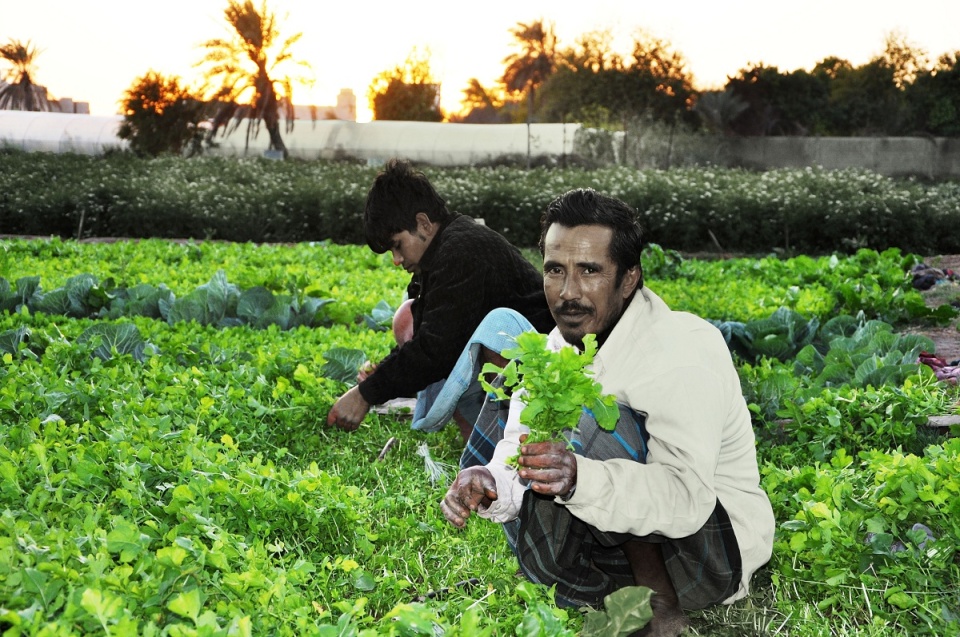
gargir or wild rocket and arugula, farming for it

Beloved to the Middle Eastern palate herbs do well in this interval between summer’s worst heat and rainy, cool winter.

  • Mint
  • Tarragon
  • Basil
  • Celery
  • Coriander leaves
  • Parsley
  • Rocket (try and get some local wild rocket also known as gargir or arugula, which is a broad leaf rocket)
  • Swiss chard
  • Dill are all in fragrant, leafy beauty

Going out of season in October’s Middle East markets:

To buy now, soon out of season: melons, peaches, nectarines, figs, avocados.

Forager’s notes: hawthorn berries are ripe for picking now. Make hawthorn jam, wine, or a heart-strengthening medicinal tincture. Wild fennel is flowering along the wayside and is worth drying for flavoring grilled foods later. Sprinkle some dried wild fennel flowers over baking apples. Very good!

Green Prophet has lots of recipes for October’s succulent seasonal goodies:
Slow-roasted tomatoes recipe
Sweet potatoes roasted in date honey recipe
Eggplant with tahini-labneh sauce recipe

Ask Ali: The UAE’s Very Own Hipster Environment Show

2

ask ali gulf environment show

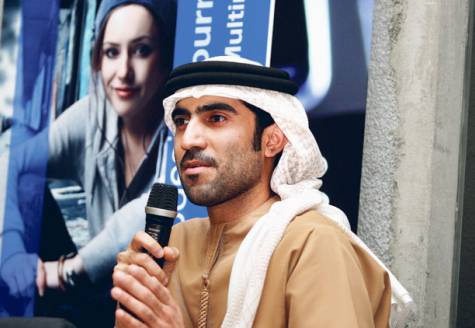
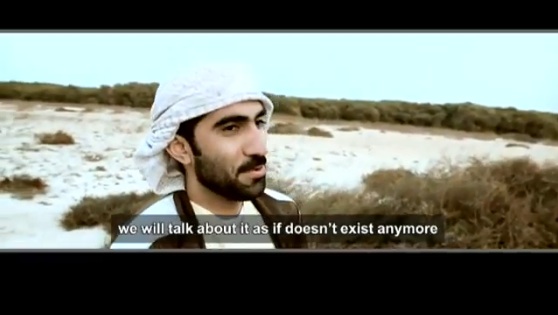
Expatriates living in the United Arab Emirates may not be ready to don his kandoora just yet – an ankle-length white shirt woven from wool or cotton – but they do lean heavily on Ali Al Saloom’s friendly inside scoop. The man behind “Ask Ali” – a weekly column in The National’s M Magazine – this young Emirati hipster delivers insider tips about the region’s culture, etiquette (for example, wear clothes that cover up cleavage), and history, as well as lighter information such as where to go for good eats, entertainment, and travel. Now Ali is applying his good looks and charm to crucial environmental issues. 

Mimes Point the Way for Safer Driving

Green Prophet’s own Green Sheikh posing with a mime. Could the Caracas model of street miming reign in bad Middle East drivers?

Drive anywhere in the Middle East and you are taking your life in your hands. Whether you are in a car, bus, train, or just walking on a sidewalk or riding your bike, safety should be your number one concern. A new App in Lebanon helps you report dangerous drivers. And a Canadian-Emirati is fighting for safer driving laws in the United Arab Emirates because his sister was killed by reckless driving. Give a Middle East man a fast car and he turns into a crazed speed demon. Bad road behavior matched with poorly enforced laws means more deaths, and it makes people less inclined to get on their bikes. But a new approach in Venezuela has drivers becoming more mindful of the laws, when policing doesn’t work. How are they doing it? Using mimes.

Jews Judged for Water on Sukkot

1

succah sukkah water
As the Jewish holiday of Sukkot approaches, it is only natural for us to reflect on the state of the planet’s health and well being. After all, it is harvest season in the Holy Land and Sukkot is a holiday that for some raises the consciousness about our environment. Jews live in huts thatched with bamboo, shake palm fronds, aravot, inhale the sweet scent of etrogs (yellow citron), devour seldom eaten fruits, and for the most part attempt try to be one with nature.

Turks Alarmed Over Nickel Heap Leach Dumps

2

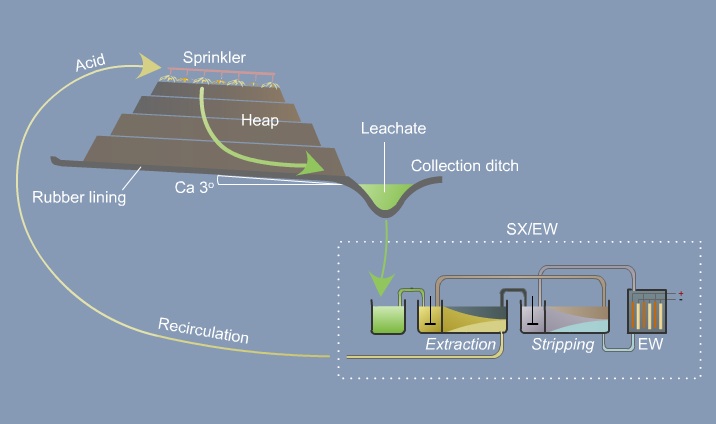
heap dump leach process diagramHeap leaching or dump leaching extracts nickel using a very toxic process.

Turkish environmental groups are calling for increased awareness against toxic waste dumping like that in Lebanon.  Toxic dumping is taking place in the Caldag region, about 60 km east of Izmir, where a mining concession was given to a UK mining company, Sardes Nickel. Operations started in 2004 to explore and mine deposits of nickel ore located under some of Turkey’s most fertile farm land. The mining, operation according to an article in the Todays Zaman news site will involve using a similar method of  “heap leaching” that utilizes sulfuric acid, one thousand kilograms of acid per ton of crushed ore — to dissolve the target mineral.