Home Blog Page 494

Using Human Joggers to Generate Energy

"jogging energy electricity"Jogging is great exercise for you, and for the batteries that it can power.

A friend of mine in college once had a crazy idea to solve the American obesity crisis and alleviate global warming: encourage the obese to exercise and harness the energy created by their treadmills, ellipticals, cycling machines, etc. as an alternative energy source.  The idea was a little unorthodox, but had a kernel of brilliance as well.  Why not use human activity as an energy source?

Using power generated from human activity such as walking or jogging is not a new idea, but has previously required large, clunky equipment.  Two researchers at the University of Wisconsin Madison, Tom Krupenkin and J Ashley Taylor, have been working on that issue, though, and have come up with an innovative and convenient way to harness human jogging power.

Navies Circle Cyprus As It Explores Natural Gas

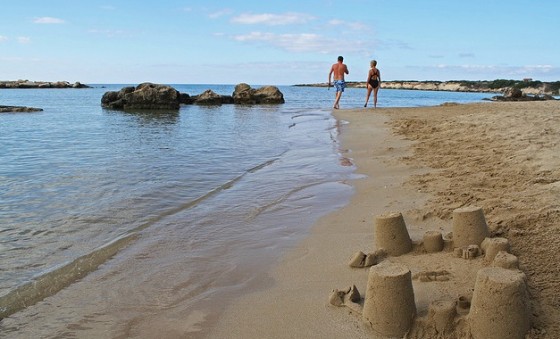
Cyprus beachNavies crowd into once placid waters as Turkey presses Cyprus on gas reserves

Turkey has a corvette, frigate and helicopters escorting its exploration vessel, the Piri Reis, as it explores for gas and oil. The US has quietly dispatched an aircraft and Russian naval vessels have been seen patrolling. News reports say US reconnaissance planes have circled the vessel on at least two occasions and on another occasion low-flying Israeli warplanes and helicopters “harassed” a Turkish ship.

Once the preserve of fishing boats and yachts, in the space of just a few weeks the serene waters of the Eastern Mediterranean have become a field of contention. As Greek Cyprus begins exploiting its potentially vast gas and oil reserves, Turkey has asserts its growing role as a regional power, and a worried Israel is pushing back.

Algeria to Invest $20 billion USD in renewable energy

algeria oil field $20 billion renewable energyAlgeria sets plans to achieve 40% renewable energy by 2030

Perhaps because it has noted what’s happened in neighboring Morocco (Could Morocco be First to Get 42% Solar?) and Egypt (Egypt in Top 22 Nations for Renewable Investment Potential) following their progressive renewable energy plans, now Algeria has announced an investment of more than $20 billion in renewable electricity over the next 20 years. The move would bring all three MENA nations to the forefront of  climate actions worldwide.

Egypt now leads all the MENA nations in attractiveness for renewable energy investment through the EU’s Clean Development Mechanism and Morocco – which already has a grid linked up to Europe – has become a key Desertec investment point since announcing its plans to provide 42% of its own electricity from solar, which is by far the most ambitious plan in the world. What’s more, as a kingdom, there is no opposition party to sabotage renewable energy as the Republican party does in the US.

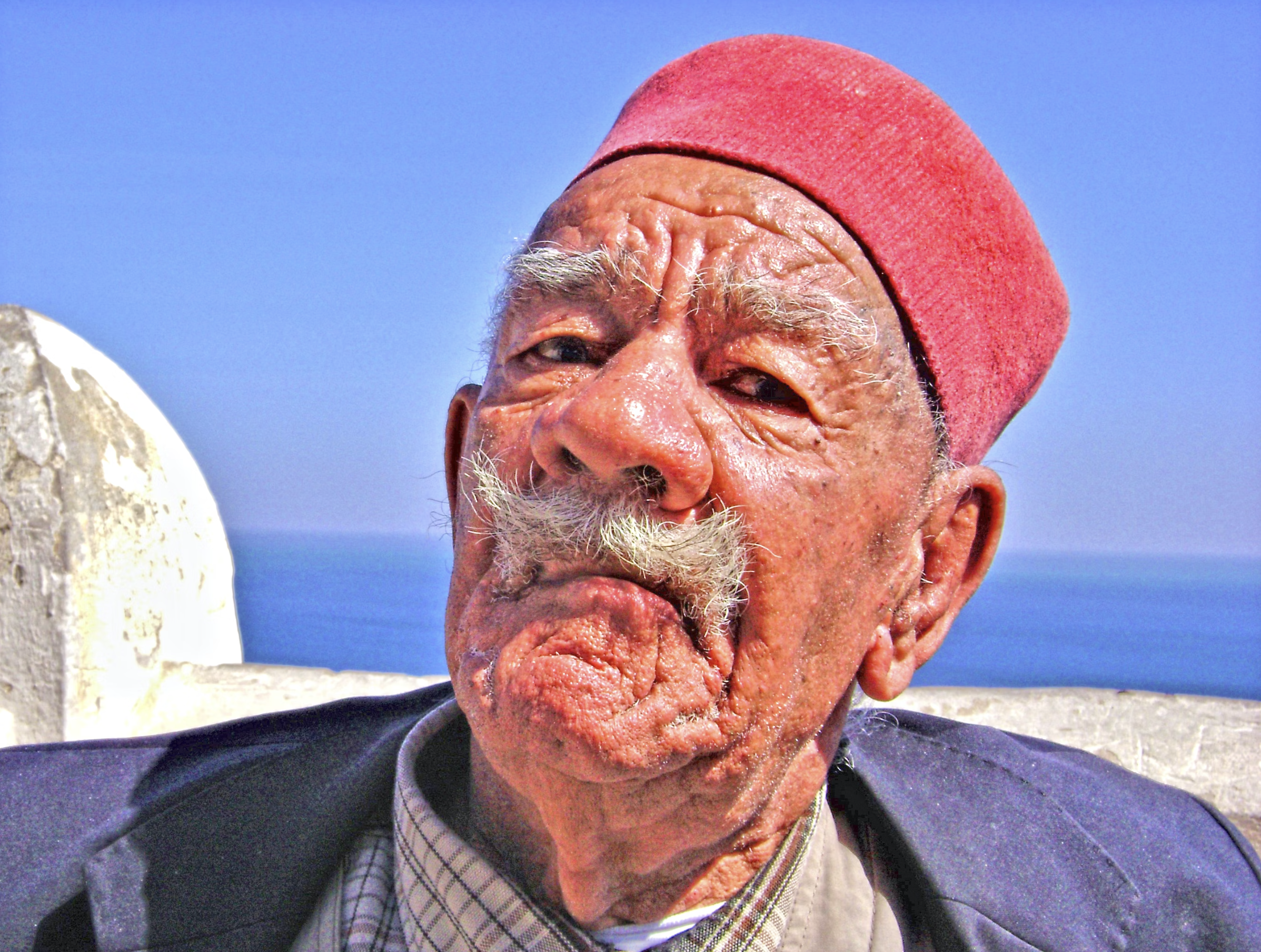
Algeria man with red fez hat
A local in Algeria

Algeria’s electric utility, Sonelgaz has a very fast-growing customer base of 6.2 million. It grew 3.9% from 2007 to 2008. Currently, most of Algeria’s electricity is produced through natural gas, although earlier this year the country launched a hybrid plant that boosts gas-fired production with solar panels.

Nordine Bouterfa, head of the Sonelgaz group in Algeria, told a press conference: “The total sum of electricity production development between 2011 and 2021 is nearly $35.4bn, $20bn of which will be dedicated to renewable energy. By 2030, some 40 per cent of electricity production for national consumption will come from renewable energy.”

In this plan, Algeria will be following in Morocco’s ambitious solar footsteps.

It is very encouraging to see these emerging nations embrace clean energy. Algeria will be split almost 50/50 between traditional and renewable energy investment. These are the nations where – if they followed the fossil energy route – the next 50 years of increased carbon emissions would be greatest.

So it is the energy choices of these nations that will make or break civilization, since it is in the world’s emerging economies that electricity growth is fastest.

Read more on MENA renewable energy:


Israel to Build $1.3 Billion Solar Project… for China??

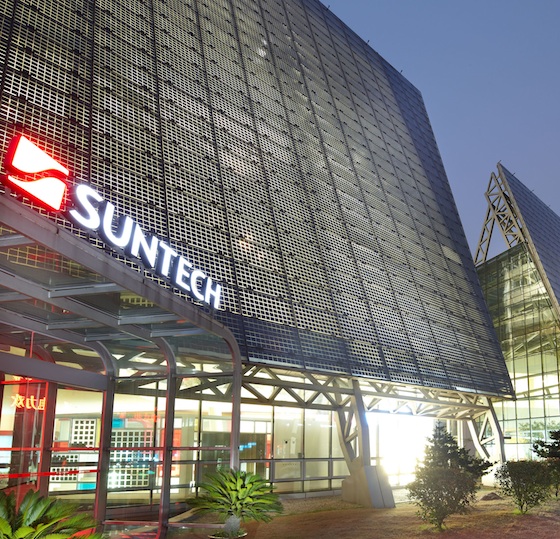
China Suntech Israel Electric Corporation $1.3 billion solarA coal utility in Israel and the global leader in solar panel production form a joint project

Everybody knows that China is the world leader in cheap solar. By contrast, Israel has barely begun to tap the global solar market. Yet the world’s largest solar panel producer in China, Suntech, has invited Israel’s state-owned electric utility, Israel Electric Corporation (IEC) – which has no experience in solar power at all – to build three photovoltaic solar energy arrays in northern China, as part of a project worth $US 1.3  billion dollars.

IEC maintains and operates all of the power generation stations, sub-stations and transmission and distribution networks throughout Israel. All coal or gas. It has no solar projects under development. The project would be IEC’s most ambitious development overseas and its first ever solar PV power station. According to energy China Forum, the three solar arrays will total 240 MW, which is about the size of many coal plants. So… why IEC?

The Mashrabiya House Beats the Heat with Traditional Arabic Technique

4

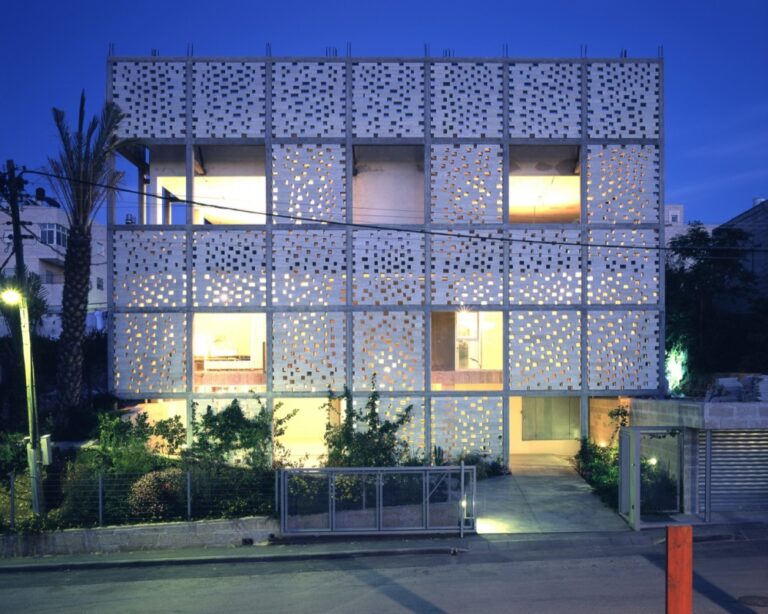
green design, passive design, sustainable architecture, green design, eco-designThis contemporary home located between Bethlehem and Jerusalem is wrapped in a Mashrabiya screen, which keeps the home nice and cool even on scorching hot days.

We’ve lauded the benefits of  ancient building techniques many times before. Both Hassan Fathy’s incredible mud structures in Egypt and ancient Syrian beehives are a model for sustainable design because neither require an air-conditioner to stay cool. But don’t worry. It isn’t necessary to live in a mud building or a cave in order to enjoy the benefits of passive design.

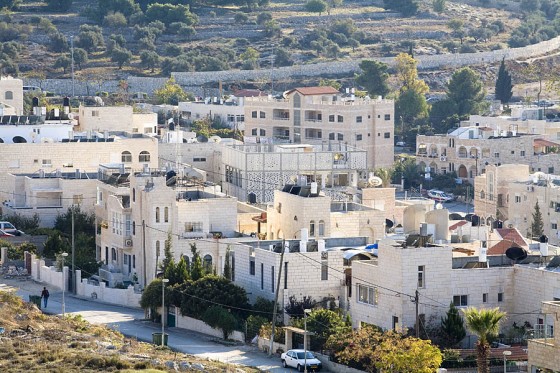
This 1700 square meter home designed by Senan Abdelqader is a contemporary stand out among the solid stone homes that typify architecture in the Arab village Beit Safafa located between Jerusalem and Bethlehem. It is wrapped in a mashrabiya – a latticed screen envelope on the outside of buildings that is not only aesthetically appealing, but also serves several practical functions.

green design, sustainable design, eco-design, passive design

The terraced home’s basement is tucked into the side of a steep slope. Natural lighting is facilitated with sunken courtyards that act as light wells. From this stout base emerges the rest of the home which is wrapped in a stone mashrabiya facade.

Stone is an excellent building material since it has superior thermal massing. In other words, it absorbs the heat of the day which can then be released at night when it is cooler. That being said, most of the stone being used in this region is Jerusalem stone – and its excess use exacts a steep environmental cost.

green design, sustainable design, passive design, eco-design

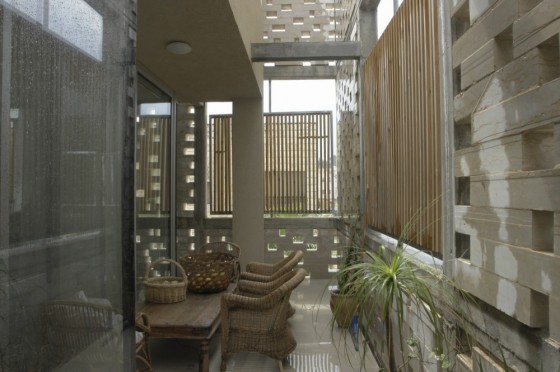
Set apart from the building, the pixelated envelope serves multiple functions: it circulates air to provide passive cooling, it deflects excess solar gain as well as wind and rain, and it allows just the right amount of diffused light to enter the home. This beautiful home also has a rooftop garden.

Beit Safafa is on the precipice of rapid urbanization. If that is the case and it has to be, we at least hope that other homes in the region will look to Abdelqader’s sustainable leadership for inspiration.

More Examples of Vernacular-Inspired Architecture:

Earth Architecture All the Way to Timbuktu

Hassan Fathy is the Middle East’s Father of Sustainable Architecture

The Epitome of Sustainable Architecture: 700 Year Old Iranian Caves

all images © Amit Giron

Better Late Than Never, Egypt Takes Control of Mercury Disposal

toxic waste, mercury, environmental hazards, pollution8 million fluorescent tubes are improperly disposed every year in Egypt, leaching dangerous levels of mercury into the environment. Finally, that seems set to change.

On the cards since 2007, Alexandria has finally opened up their first hazardous waste facility – mostly in order to manage mercury. Although many countries have attempted to limit the manufacture of products that contain mercury, Egypt still produces 40 million fluorescent tubes a year according to our friends at Almasry Alyoum. And nearly one quarter of them end up in landfills at best, or broken and spewing mercury at worst. After realizing how dangerous this unmanaged mercury is for the country’s fauna, flora, and people, in 2007 the Egyptian Environmental Affairs Agency (EEAA) teamed up with the Korean International Cooperation Agency (KOICA) in order to effect the Safe Disposal of Hazardous Waste Project. Nearly five years later, that collaboration has borne fruit.

Mosaic of Lost Socks feature recyclables as Art

0

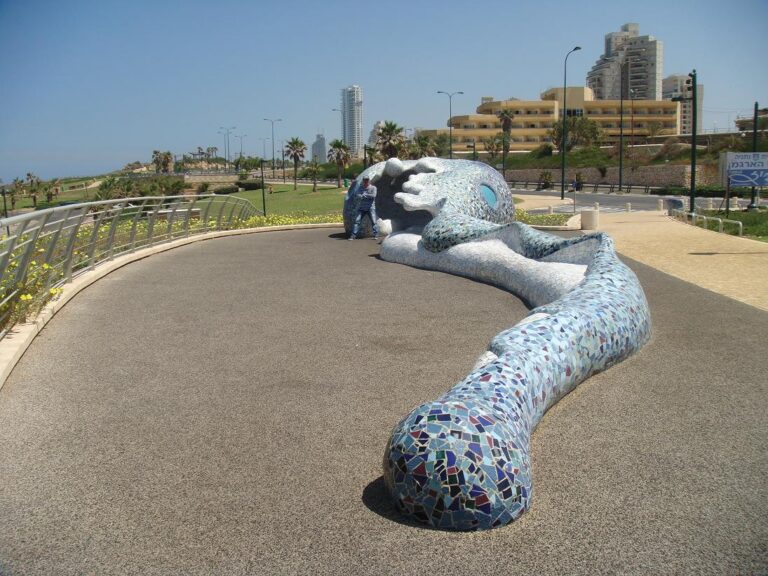
mosaic festival israelMosaic artist Ruslan Sergeyev and the “My Wave” recycled ceramic art creation on Netanya promenade.  Festival includes a mosaic of lost socks. Photo by Igor Sarni

Israel’s eight-day Sukkot festival, now ongoing, often includes a number of motifs and local themes which give emphasis to projects that help preserve the environment. This year is no exception as an ongoing mosaic arts festival, Netanya Mosaic, is currently occurring in the coastal city, located 30 km north of Tel Aviv.

This festival said to be the first of its kind in Israel traces the development of the use of mosaics as an art form from ancient times until the present day. What is particularly interesting about this festival is that participating artists are using a number of recycled materials to create their art work, including  glass, ceramic tiles, wood, fabrics, paper, and even clothing articles, items which have often been noted in Green Prophet articles for creating both art forms and furniture from discarded and recycled items.

Radioactive Church in Tokyo Dangerous as Chernobyl Dead Zone

7

japan churchPraying in a Tokyo church could expose you to radiation levels higher than Chernobyl dead zones.

In the same manner that Japanese authorities failed to prevent the Japanese nuclear disaster earlier this year, the authorities are dealing with radiation fallout –– in Tokyo. They are not telling the whole story. Locals armed with their own dosimeters are clocking levels higher than at the exclusion zone of Chernobyl. What one resident found at his 11-year-old kid’s baseball field is radiation levels that can make you sick. Another test found the highest radiation dose, in an undisclosed area of a church. Some 20 hotspots have since been identified.

Maklubah the classic Palestinian upside-down chicken and rice dish

5
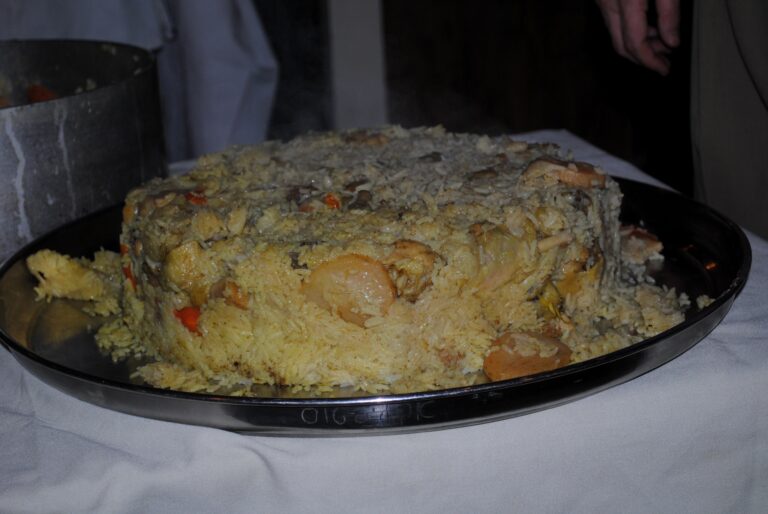
Maqlub is a traditional Palestinian, one-pot meal that feeds dozens.

A traditional Arabic dish of ancient origins, mouth-watering Maklubah (maqlub, maqlube) is a gala menu all by itself.

Maklubah” means “upside-down” in Arabic, and this dish must be stood on its head to deserve the name. A Turkish translation of the 13th-century Baghdad Cookery Book has a recipe for Maklubah, but I’m sure that people knew and were happily eating it centuries before then.

If you are looking for vegan maqluba, click here for the recipe.

Considered an Arabic rather than a Jewish dish, Maklubah is still known in a simpler version in some Sephardic homes (Bukharians eat a one-pot rice dish called plov). This sumptuous recipe requires an hour and a half to prepare but it’s worth the effort. It’s so delicious, it will make everyone eating it love you.

From Egypt, Iraq, Syria, Lebanon and Turkey to Israel and Jordan, each place has developed a regional recipe for layered rice and chicken or pre-cooked lamb or beef. Some call for saffron in addition to turmeric; some substitute nutmeg for allspice.

And if you’d prefer a meatless Maklubah, read our post about chef Moshe Basson’s vegetarian version for inspiration. It’s all Maklubah, and it’s always served upside-down.

Moshe Basson, slow food chef Jerusalem
Moshe Basson, Jerusalem Slow Food chef

Maklubah Recipe

Serves 6

Ingredients:

3 tablespoons extra-virgin olive oil
1 tablespoon turmeric
1/2 teaspoon dried thyme
2 teaspoons ground allspice
1 teaspoon paprika

3 medium tomatoes, thickly sliced
2 large onions, thickly sliced
3 medium potatoes, sliced
1 small head cauliflower, separated into florets
1 medium eggplant, quartered and cut into 1/2-inch-thick slices
4 large cloves garlic, peeled and halved
6 skinless chicken breasts
Freshly ground black pepper to taste
1-1/2 teaspoons sea salt
2 1/2 cups  raw rice, soaked in cold water for 1/2 hour, then 1/2 cup of it set aside
3-5 cups chicken or vegetable broth

METHOD
In large sauté pan, cook onions in 1 tablespoon olive oil over medium heat until golden. Add turmeric, thyme, allspice and pepper to taste. Set aside onion mixture.

Sauté potatoes in 1 tablespoon of oil in non-stick pan until lightly golden, but not cooked through. Set aside.

Sauté cauliflower in remaining oil. Set aside. In the same pan, sauté eggplant until lightly browned.

Brush chicken breasts with olive oil and sprinkle with turmeric and paprika.

In large  pot, spread sliced tomatoes along the bottom. Cover the tomatoes with the 1/2-cup of reserved soaked rice and sautéed onion. Arrange chicken over onions. Place eggplant slices and slices of garlic between chicken pieces. Distribute cauliflower over the top, then repeat with potato slices.

Press everything down in the pot with the back of a large spoon or spatula.

Spread remaining rice over potatoes. Sprinkle salt over rice. Add broth to cover. Place pot, uncovered, over a medium flame and let liquid simmer 15 minutes. Then cover pot, reduce heat and cook on low for 30-45 minutes. Add more liquid by tablespoons if needed to keep mixture moist, but be careful not to add so much that rice becomes sticky.

Take a round metal tray and place on top of pot. Flip pot onto tray. Pat the pot on the top and sides to release the food. Wait a minute, then pat again. Remove pot to display a lovely “cake” of makluba, ready to be spooned out to hungry family and guests. Garnish with toasted pine nuts if desired.

Any slightly burned rice from the bottom of the pot is considered a delicacy.

Serve with a simple tomato salad (like this one), and some good beer.

* Notes: Substitute broccoli or zucchini for the cauliflower. Feel free to add thick chunks of bell peppers if liked. If you prefer dark meat, pre-cook 6 pieces of chicken thighs and drumsticks in olive oil till almost done. You may use 750 grams – 1.5 lb. cubed lamb or beef instead of the chicken, but it must be braised till tender ahead of time (use cooking liquid in the Maklubah).

More Arab food recipes:
Bulgur Salad
Kafta, Syrian Meatballs
Grilled Vegetables with a Middle-Eastern Accent

Why I Am Fighting Air-Megeddon

0

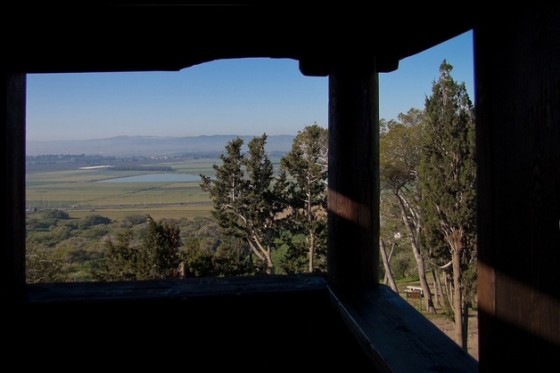
jezreel valleyA new international airport is slated to be built in Israel’s pastoral Jezreel Valley. Concerned activist Hadas Marcus explains why plans should be scrapped – for people and the birds.

Perhaps you are not aware of a major storm brewing, one that will affect many people living in Israel. Precious time is running out. If we act immediately maybe, just maybe we can halt the construction of an enormous airport in the Megiddo Junction of the Jezreel Valley. With the Hebrew holidays of Yom Kippur past and Sukkot in our midst, many Jews celebrate our ancient ties to ancient Israel. Nowhere are these bonds to the land more intimately felt than in the fertile Jezre’el Valley. Yet this tranquility may soon be eradicated by the constant blast of jet engines.

Choose The Best Olives for Pickling

1

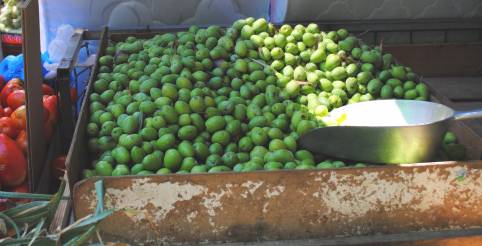
image-raw-olivesSmooth and heavy – a guide to choosing the best raw olives for pickling at home.

There’s nothing like the sensation of running your fingers through a heap of smooth, heavy, fresh olives. And now is the season. Open markets of the Middle East display stands heaped with the green and purple fruit, perfect for taking home to pickle in your own kitchen (as Green Prophet shows you how to pickle olives in this post). It sounds intimidating, but the process really doesn’t take much work, just a fair amount of time waiting for things to happen by themselves. If you live in Israel or anywhere in the Mediterranean, you may find good raw olives in one of these open-air markets.

So how to pick the best olives? To start with, choose olives that look and feel smooth and heavy. Olives are susceptible to a fungus that’s first visible at the stem end, so check a handful or two before committing yourself to buying. Stir the heap with a finger and notice if there are many rotten or severely bruised olives. If so, move on to the next vendor.

If you’re lucky enough to live where wild olive trees flourish – usually on abandoned land that was farmed long ago – you’ll be able to harvest organic fruit. Otherwise you must ask the vendor if they are sprayed.

foraged olives in Jaffa, bt Karin Kloosterman
Foraged black and green olives in Jaffa by Karin Kloosterman.

If you have no choice but to buy non-organic, console yourself with the fact that the olives will soak in fresh water changed daily for at least a week, if not two, so that much of the pesticide will have been washed out. Brining further penetrates their flesh and hopefully leaches out even more undesirables.

Related: these store bought black olives are dyed with chemicals

There are hundreds of varieties, but most markets offer only two or three, at different stages of maturity.  Green olives are immature. It may take as long as two weeks for them to yield their bitterness, and a month (or more) until the brine has fermented them into tastiness. As immature olives ripen, their skin turns reddish-purple. These demand less soaking and brining time. Black olives are mature and ready to eat soonest.  A batch is ready to eat when its taste suits you – it’s as simple as that.

Experiment with a couple pounds or a kilo of olives in each stage of maturity, or with two different types. Make a note of which you liked best for next year. If you and your family love olives, I can guarantee that no matter how many kilos you pickle, they’ll be gone fast, and you’ll wish you had made more.

More about the noble olive here on Green Prophet:

Photo of raw green olives at Shuk Ramleh, Israel, by Miriam Kresh.

Middle East Meat Consumption Rises With World Demand

2

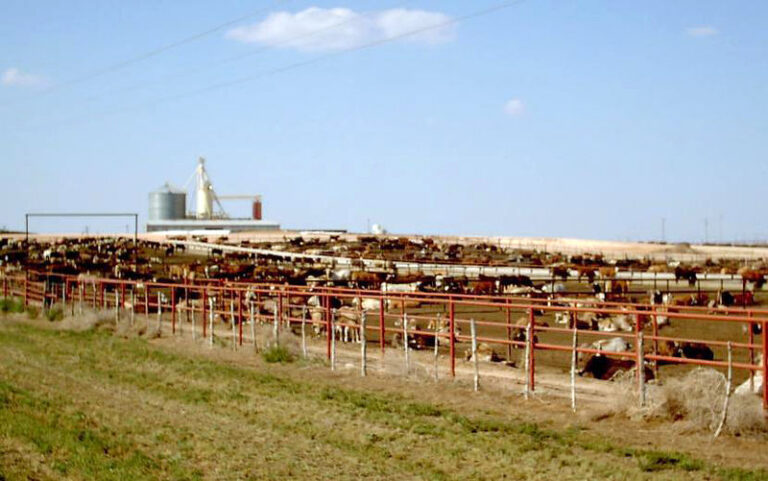
feed lot cattle texasRising meat demand, rising risks in the Middle East: antibiotics, meat glue and global warming.

World meat consumption is on the rise and this is despite increase awareness of the health risks of eating refrozen meat sold as “freshly cut”, and the dangers of eating an enzyme called transglutaminase otherwise known as “meat glue”. A recent study made by the Worldwatch Institute’s Nourishing the Planet project for Vital Signs Online, has found that world wide per-capita meat consumption increased from  41.3 kg in 2009 to 41.9 kg in 2010 – about half a kilo more per year. Taking all factors into account, including people living on the edge of starvation in the developing world, compared to those living in the industrial world, there is a big discrepancy between the 32 kg per year average for people living in the developing world and an average of 80 kg for those in the industrial world.

Actually, We Can Feed 10 Billion People. Here’s How

3

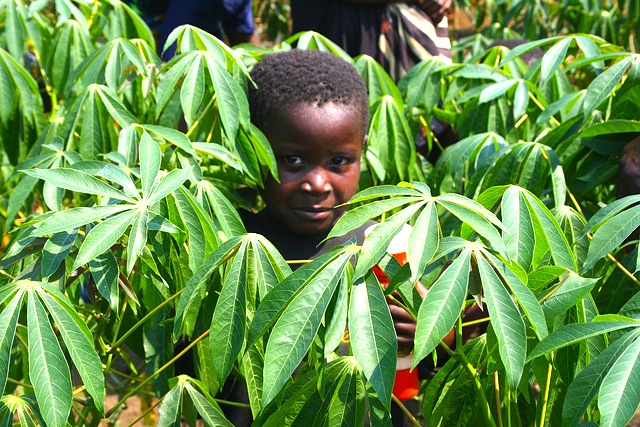
agriculture, land grabs, organic agriculture, slow food movement, sustainable agriculture, populationEven though it seems like the earth couldn’t possibly handle 10 billion people, an article published in Nature shows that it is possible to feed them all. Read on for five handy tips.

So, all this worrying about the burgeoning population was for nought? We don’t need to be concerned that we are rapidly reaching a population of 7 billion and by the end of the century, we are likely to hit the 10 billion mark? Well, not exactly. Yes, Nature published a handy guide to increasing agricultural yields (hat tip to Nona Willis Aroniwitz from GOOD for breaking it down), but no, it won’t be easy. Feeding 10 billion people can be done, except it will require political will, cooperation, and even a bit of Jobsian self-discipline and self-sacrifice. Step on in for the most succinct five solutions to ending hunger we have ever seen.

Palestinian Women Breaking Gender Stereotypes in Environmental Activism

1

Kayan Feminist OrganizationWhile the political debate on the future of a Palestinian state fails to make any progress towards peace, local grass root initiatives, led by the overlooked Arab women, are quietly making a difference on the ground.

The story of “Kayan” an Arabic word for ”being” offers inspiration and insight on a small but growing movement that is mobilizing women in the region to intervene and take action to restore their environment.

Kayan Feminist Organization was set up 13 years ago by a group of Arab Palestinian women activists who wanted to create a foundation for Palestinian women rights in Israel. Their small office, where five full time staff and two intern volunteers are based, is found in a building in Haifa that is also home to three other women NGO organizations, two Arab and two Jewish.

With support from American and European foundations and women volunteers, their legal and community development teams have been able to advance the status of Arab women in Israel through different programmes.

Some of these include: The Childcare Workers Program (2002-2004) which addresses the violation of female childcare workers’ rights in Arab villages and towns in Israel, the Women Demand Mobility Program (2004-2008) where Kayan was able to facilitate a grassroots campaign that brings public transportation to Israel’s Arab towns and villages, and the Arabic Leaflet on the Law against Domestic Violence (2007).

According to Rafa Anabtawi, the dynamic Community Work Department Coordinator at Kayan, “in the community department, our goal is to remove the patriarchal society assumption, helping women think of themselves as capable of taking on additional roles besides those of mothers and wives and facilitating the establishment of grass root leadership organizations that can sustain themselves”. With the majority of members unemployed and with only basic school level education, Kayan acts as a valuable resource to organize projects, providing network opportunities and in some cases securing the small funds necessary to get the organization started.

The foundation of the Kayan’s program is “Jusur (meaning bridges in Arabic), a framework whereby women are provided with professional consulting, leadership training, and capacity building tools.

An offshoot of Jusur, the Jusur Forum of Arab leadership, helps define common interest and needs and strengthens communication between over 40 women leaders from more than 20 villages and cities throughout Israel. The vision of this forum is to empower women to take on opportunities that influence the existing social and political structure.  The approach is therefore long-term and has resulted in the launch of several grass root initiatives including the first group of Arab women in Israel addressing environmental sustainability.

It all started three years ago in the village of Mghar, an area of 20,000 inhabitants which sits on a hill surrounded by olive groves and farm land. Despite the proximity to Lake Tiberias, Mghar’s residents do not have access to enough water and water shortage is exacerbated by mounting waste problem. When asked why she is so passionate about this issue, village leader Aziza Quwaiqiz-Muadi notes that the need to act comes from a “feeling that the environment should belong to me.”

Rafa adds: “Initially the leaders of this project faced many challenges. The environment is in general not seen as an issue that women should get involved in, but a male or political issue. The leaders for this initiative were able to rally support from the women in the village by explaining the personal relevance of the environmental problems, including the use of water, raising kids to be more environmentally educated, waste management. It is part of our struggle to change the idea that there are women issues. Every issue can be a women issue and women can make a difference like men.”

The programme addressed the environment at three levels. First, through educational campaigns to raise awareness about nature conservancy and environmental issues. Following that they got children involved by targeting schools and teaching children and their parents about the environmental issues at stake and their role in proper water conservation.  Finally, they connected with the local council in Mghar focusing on the issue of access to clean water.

Rafah adds that here again they faced gender-stereotype difficulties. The local authorities could not see the connection between the environmental problem and women and had no confidence in their capabilities.

Another pilot project currently taking place by the now-independent Women and Environment Association is the “Roundabout Project.” The leaders of Mghar have recently obtained local authority approval to help turn the village landmark into a green zone using local material and sustainable practices making their efforts more visible to all.

Although Kayan’s immediate result lies in empowering the Arab women minority at a grass root level, the movement reveals the potential role of women in community building, reconciliation and peace building. By focusing on the environment, a common theme, women in this conflict-ridden region can find an opportunity to make a difference and eventually be heard.

For some, the environment might seem less of a priority given the current political landscape but with the rapid environmental deterioration of the region’s natural resources, this may no longer be a valid argument.  When asked “why nature?”, Elana Rozenman, an Israeli female environmental activist  replied, “In a few years, we are going to end up in such a drought in this region that none of the rest of the conflict is going to matter”.

More women-led environmental initiatives:

Interview with Naqa’a: Saudi Women Fighting for the Environment

The Rising Voices of Arab Women

Eco-Lessons To Empower Women in Abu Dhabi

Interview with Andrew Sell, Founder of Hipcycle

0

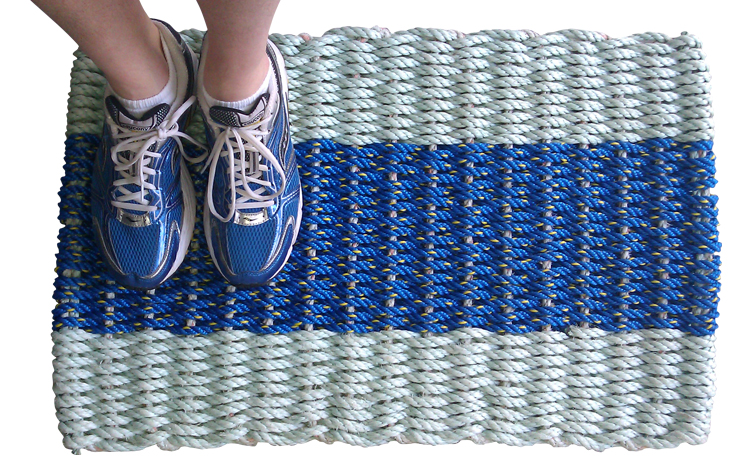
"float rope mat"Hipcycle, a new online marketplace for upcycled products, shows mainstreamers that upcycling can be hip.

Shopping local and sustainable is always best, but when you can’t find locally made, sustainably made, or upcycled products around – sometimes the internet is the best way to go.  Online marketplaces such as Etsy, Mideast ecostore Ekotribe, or the Yiuco Marketplace for strictly handmade upcycled, recycled or reused products are all great, but we have not yet seen an online store devoted strictly to upcycled products.  Until a couple weeks ago, when Hipcycle launched its online upcycled store.  Hipcycle currently features almost 300 stylish, affordable upcycled products (check out some of them in the photos below) with the goal of bringing beautiful, useful and eco-friendly products to mainstream consumers.