There is an old rule around computers that most of us learn only after something goes wrong: the most valuable part of your laptop is rarely the laptop. It is your stuff and all the data you accumulated along the way: the photographs, documents, unfinished work and years of digital debris stored inside it.
PEOPLE Festival returns to Berlin’s Funkhaus this October, bringing 180 musicians together for a week of collaboration, improvisation and more than 200 one-off performances.
Teletherapy can make mental health care easier to access by reducing travel, scheduling and location barriers. Here are six ways virtual therapy can help people connect with professional support more easily.
There is an old rule around computers that most of us learn only after something goes wrong: the most valuable part of your laptop is rarely the laptop. It is your stuff and all the data you accumulated along the way: the photographs, documents, unfinished work and years of digital debris stored inside it.
PEOPLE Festival returns to Berlin’s Funkhaus this October, bringing 180 musicians together for a week of collaboration, improvisation and more than 200 one-off performances.
Teletherapy can make mental health care easier to access by reducing travel, scheduling and location barriers. Here are six ways virtual therapy can help people connect with professional support more easily.
There is an old rule around computers that most of us learn only after something goes wrong: the most valuable part of your laptop is rarely the laptop. It is your stuff and all the data you accumulated along the way: the photographs, documents, unfinished work and years of digital debris stored inside it.
PEOPLE Festival returns to Berlin’s Funkhaus this October, bringing 180 musicians together for a week of collaboration, improvisation and more than 200 one-off performances.
Teletherapy can make mental health care easier to access by reducing travel, scheduling and location barriers. Here are six ways virtual therapy can help people connect with professional support more easily.
There is an old rule around computers that most of us learn only after something goes wrong: the most valuable part of your laptop is rarely the laptop. It is your stuff and all the data you accumulated along the way: the photographs, documents, unfinished work and years of digital debris stored inside it.
PEOPLE Festival returns to Berlin’s Funkhaus this October, bringing 180 musicians together for a week of collaboration, improvisation and more than 200 one-off performances.
Teletherapy can make mental health care easier to access by reducing travel, scheduling and location barriers. Here are six ways virtual therapy can help people connect with professional support more easily.
There is an old rule around computers that most of us learn only after something goes wrong: the most valuable part of your laptop is rarely the laptop. It is your stuff and all the data you accumulated along the way: the photographs, documents, unfinished work and years of digital debris stored inside it.
PEOPLE Festival returns to Berlin’s Funkhaus this October, bringing 180 musicians together for a week of collaboration, improvisation and more than 200 one-off performances.
Teletherapy can make mental health care easier to access by reducing travel, scheduling and location barriers. Here are six ways virtual therapy can help people connect with professional support more easily.
There is an old rule around computers that most of us learn only after something goes wrong: the most valuable part of your laptop is rarely the laptop. It is your stuff and all the data you accumulated along the way: the photographs, documents, unfinished work and years of digital debris stored inside it.
PEOPLE Festival returns to Berlin’s Funkhaus this October, bringing 180 musicians together for a week of collaboration, improvisation and more than 200 one-off performances.
Teletherapy can make mental health care easier to access by reducing travel, scheduling and location barriers. Here are six ways virtual therapy can help people connect with professional support more easily.
There is an old rule around computers that most of us learn only after something goes wrong: the most valuable part of your laptop is rarely the laptop. It is your stuff and all the data you accumulated along the way: the photographs, documents, unfinished work and years of digital debris stored inside it.
PEOPLE Festival returns to Berlin’s Funkhaus this October, bringing 180 musicians together for a week of collaboration, improvisation and more than 200 one-off performances.
Teletherapy can make mental health care easier to access by reducing travel, scheduling and location barriers. Here are six ways virtual therapy can help people connect with professional support more easily.
There is an old rule around computers that most of us learn only after something goes wrong: the most valuable part of your laptop is rarely the laptop. It is your stuff and all the data you accumulated along the way: the photographs, documents, unfinished work and years of digital debris stored inside it.
PEOPLE Festival returns to Berlin’s Funkhaus this October, bringing 180 musicians together for a week of collaboration, improvisation and more than 200 one-off performances.
Teletherapy can make mental health care easier to access by reducing travel, scheduling and location barriers. Here are six ways virtual therapy can help people connect with professional support more easily.
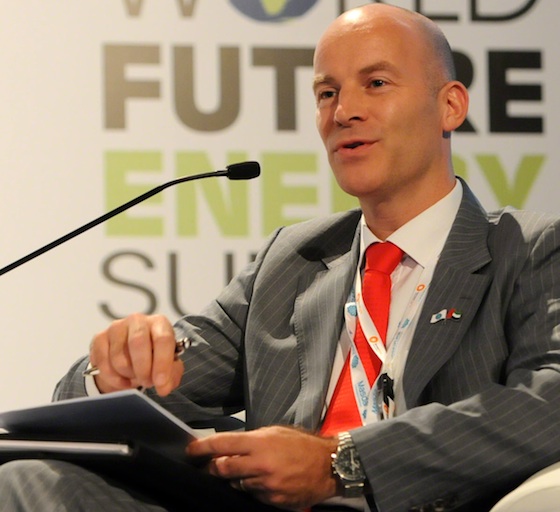
Frank Wouters of Masdar Power at Abu Dhabi’s World Future Energy Summit.
With its first large scale solar farm expected to be operational by August, Masdar is now about to construct its second utility-scale solar project in the UAE, the 100 MW Nour 1. The first, Shams 1, used concentrated solar-thermal power (CSP) technology, that drives a steam turbine with a solar-heated liquid. The second, Nour 1, is to use solar PV panels, that convert sunlight into electricity directly with photo-voltaics (PV).
But the companies that have bid to help build its second large-scale solar power plant must source half of their panels from Masdar, Abu Dhabi’s own clean-energy company.China’s Suntech, the leading solar PV manufacturer globally, is among the half a dozen bidders for Nour 1. Fourteen companies had been pre-qualified in July.
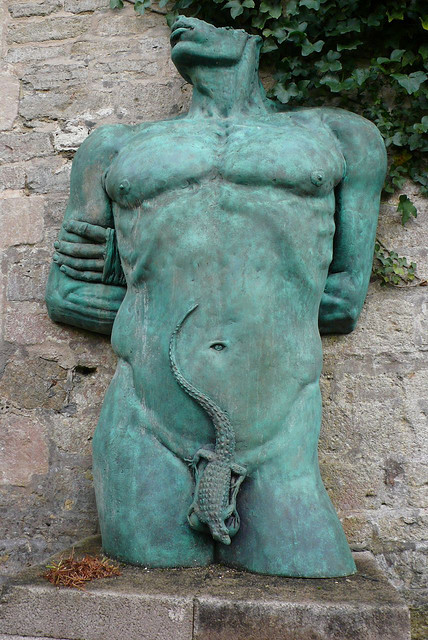
Ultrasounds are routinely used in prenatal care in women. New research suggests his testes could be next on the agenda. The lizard look is optional.
Researchers have been exploring a male birth control pill, but with the exception of condoms, vasectomies or coitus interuptus – each with varying success rates and not necessarily halal depending on religious leanings – birth control for men is still limited. A new study may be changing that. Goodbye unplanned pregnancies, hello ultrasound testes ‘zapper.’
It may not be painful and offers potentially better results with greater flexibility than current contraception options for men. Warning: Do not try this at home, with your laptop or other source of radiation exposure.
Join the debate: is the world’s first all-women falconry association in Qatar a bad idea?
Falconry is a time-honored tradition in the Gulf, but like more recent sports such as race-car driving and rugby, it is a male-dominated sport. So when the Katara cultural village in Qatar recently announced the launch of the world’s first female falconry association, both men and women issued ridiculed the move.
Women and hunting don’t go together
HE Sheikh Joan bin Hamad bin Khalifa Al Thani is hosting the 3rd Qatar International Falconry and Hunting celebrations at the Sabkha Marmi Sealine in Doha, Qatar. Festivities conclude tomorrow, but not without a controversial bang.
Today Katara formally announced the inauguration of the new all-women venture, which will include conferences and competitions designed at preserving the country’s falconry heritage.
But many people argue that women and hunting don’t go together and never have, Gulf News reports.
Women and falcons against tradition
“This is against our traditions, and engaging in this exclusively male sport will make people scoff at us,” a Facebook user wrote, quoted by Al Rayah – an Arabic daily in Qatar. “It is a waste of public funds and our women are going to behave like men,” said another.
These protests came in response to the idea that in order to engage in falconry, women would have to spend days in the desert (instead of the kitchen?)
Hessa Al Meftah, the head of public relations at the Qatar Foundation for the Protection of Women and Children, told the paper that creating a female falconry association is “laughable.” “It has always been known since time immemorial that falconry is for men only,” she told Al Rayah.
“Our grandmothers have been involved with men in almost everything, but history does not record a single case of a woman engaged in falconry,” she added.
Women have better things to do than falconry
Social activist Leena Al Dafie told the daily that women have better interests than falconry and that more time should be spent protecting Qatar’s society and traditions.
Our own Green Sheikh recently honored the United Arab Emirates’ former president Sheikh Zayed Bin Sultan Al-Nahyan who loved falconry for the role it played in his country’s rich cultural history. Can this legacy – traced to ancient Bedouins who relied on the birds of prey to help them hunt – withstand the introduction of women?
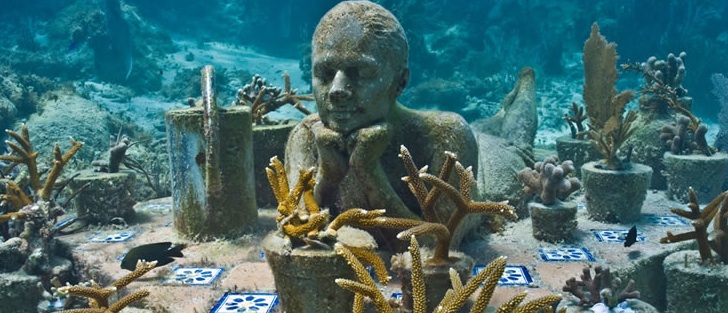
Jason deCaires Taylor uses eco art to conserve a fragile ecosystem
See a starfish caress a schoolgirl’s cheek as she holds hands with the boy with the algae beard. Watch a baby shark swirl‘round that Beetle parked curbside to coral and lobsters. Underwater, everything’s magnified. Changing currents and depths cause kaleidoscopic effects. Dive in next season and all will be changed. Jason deCaires Taylor creates underwater eco-art: offering “eerie encounters where art evolves from the effects of nature on the efforts of man”. Taylor works with marine biologists to create site-specific, underwater sculpture parks that double-duty as artificial coral reefs.
Adventures in Lebanon is offering a Valentine’s Day snowshoeing tour that is bound to heat up this special day!
Valentine’s Day is just around the corner and if you’re anything like us, you’re scratching your head looking for fun-loving things to do that don’t involve diabetes-inducing chocolate and environmentally destructive flowers. Why not treat your special sweetie to an awesome snowshoeing tour offered by Adventures in Lebanon?
Not only will you have plenty of excuses to snuggle up to stay warm, setting off all kinds of love chemicals, but you’ll burn off so many calories that you don’t have to feel guilty about closing the night with a wonderful meal back in Beirut.
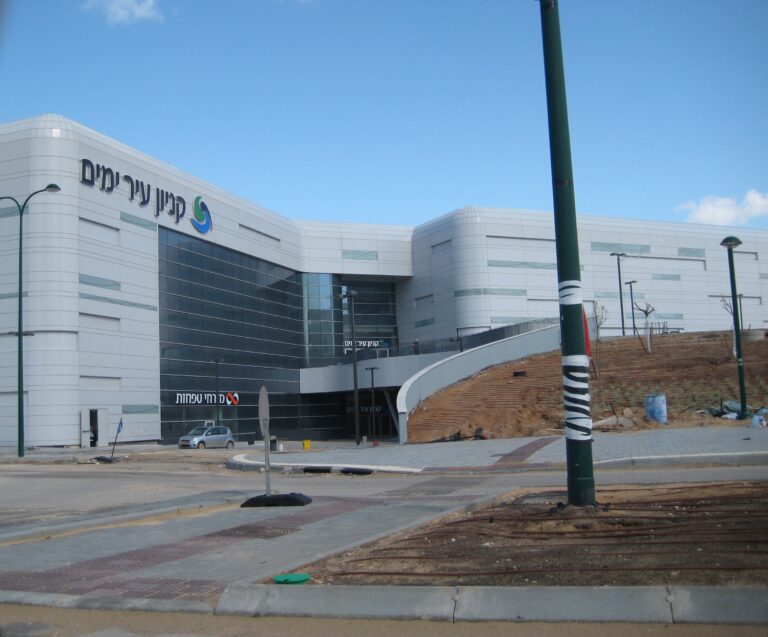
A green shopping mall is not green if its AC sounds like a jet liner taking off
When previous articles of making shopping malls more sustainable and green, such as Amman Jordan’s new Mega Mall, were posted, it appeared that these large enclosed shopping centers are on the right track to becoming more environmentally friendly. The use of energy saving LEED lighting in super glitzy malls such as those in Dubai may also be showing ways to provide adequate lighting at considerably less environmental risks.
Israel’s soon to be opened Ir Yamim (Sea City) shopping Mall, hailed as being the country’s first “green” shopping mall, was also given a considerable amount of kudos by me. But now it may be that this so-called “green shopping mall” may not be as green after all.
Founded by a retired biologist who supplied cancer patients with home-grown marijuana, Tikun Olam farm grows the herb and gives guidance to people disabled by pain.
We may associate growing marijuana with furtive operations and police raids, but in Israel there are at least seven facilities authorized to grow the herb for medicine. See our recent post on Israel’s newly-relaxed regulations on medical marijuana. And while illegal traders make big profits, Israel’s biggest authorized cannabis suppliers simply gift it to licensed patients who can’t afford to pay.
Tikun Olam is the name of the farm, and its name, which translates as “repairing the world,” reflects its idealistic origins.
Dora Cohen, a retired biologist with a big heart, began cultivating the plant in two rooms of her own home to help cancer patients. With official recognition of marijuana’s effectiveness in pain management, she and her family founded a facility with 11,000 square meters of greenhouses, automatic climate control systems, and a meteorological station.
The farm is located in an unpublicized area in the north. Police surveillance of the area is stringent, with cameras everywhere and the workers checked for smuggling. Strict safety precautions are taken when the processed marijuana is transported to patient’s homes or to Tikkun Olam’s center in Tel Aviv.
Yuval Zolotov, Tikkun Olam
When we asked the farm’s spokesperson, Yuval “Tubi” Zolotov, about visiting the farm, he explained that it entails a complicated clearing process through the police. Luckily, he gave us a good picture of medical cannabis in Israel today by phone.
Green Prophet: What’s special about medical marijuana?
Zolotov: The best-known chemical constituents of cannabis are the cannabinoids, and THC is the most famous of those. It’s the strongest one for making a person feel high. But it’s not the most important cannabinoid for medical purposes. We are working on developing other strains of cannabis with lower THC values.
Green Prophet: Do patients get high anyway?
Zolotov: Each person reacts in his/her individual way to cannabis. Our clients are sick people seeking relief from physical or psychiatric suffering. It’s an entirely different atmosphere than when a person smokes it for fun. But presumably some people do experience a mild high. On the other hand, every conventional medication for major pain relief produces side effects and dependencies. Cannabis’s are far milder.
Green Prophet: Once a person has obtained a license to buy cannabis, do they just take the cigarettes home and start smoking?
Zolotov: We provide trained guides on managing safe treatment at home. We can’t recommend dosage because every patient has an individual pain threshold which he/she must learn to manage according to need. Some patients prefer to absorb cannabis through a tincture in alcohol (administered in drops), an edible oil from the seeds, or to eat chocolate or cookies containing marijuana.
(Find Green Prophet’s recipe for Majoun marijuana candy here.)
Green Prophet: Approximately how many patients are authorized to use marijuana today?
Zolotov: It’s hard to say, because cannabis is usually issued only to patients in later stages of disease and so there are a certain number of deaths, as well as new patients, all the time. But we estimate 7000-8000 people. There are 120,000 cancer patients today in Israel; we estimate that in the future at least 40,000 of them will be using medical cannabis.
Green Prophet: Thank you, Tubi Zolotov.
More about cannabis and other drugs in the Middle East:
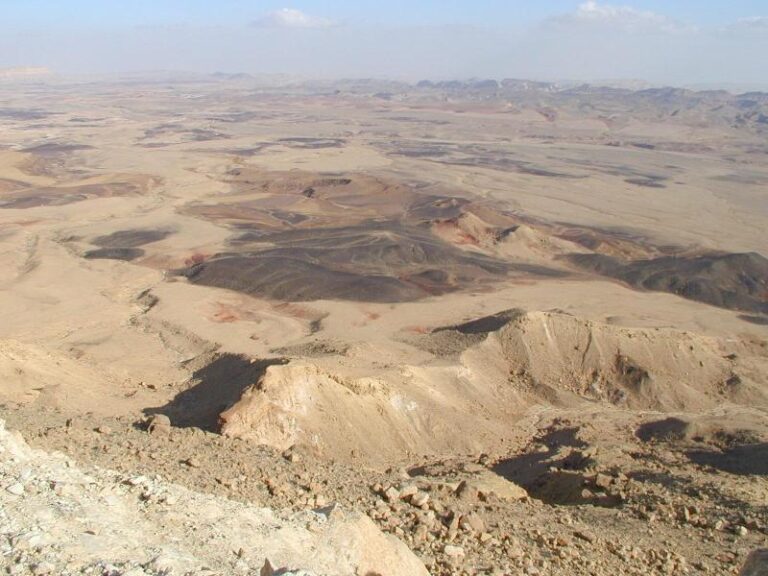
The Makhtesh Ramon Crater in Israel’s Negev desert is just one site that will be more accessible as a result of two planned rail links.
On Sunday black globe winner Prime Minister Benjamin Netanyahu announced a plan to build two new railways linking the country’s two seas – the plastic-filled Mediterranean and the Red. The 220 mile passenger train between Tel Aviv and Eilat will “link up with the periphery in a way that has not been done up until now,” he said at the weekly cabinet meeting.
A new freight route between Eilat and Ashdod just south of Tel Aviv will compete with the Suez Canal as a major trade link between Asia and Europe. Netanyahu insists that the latter “will create a very great interest on the part of Asia’s rising powers, China and India.”
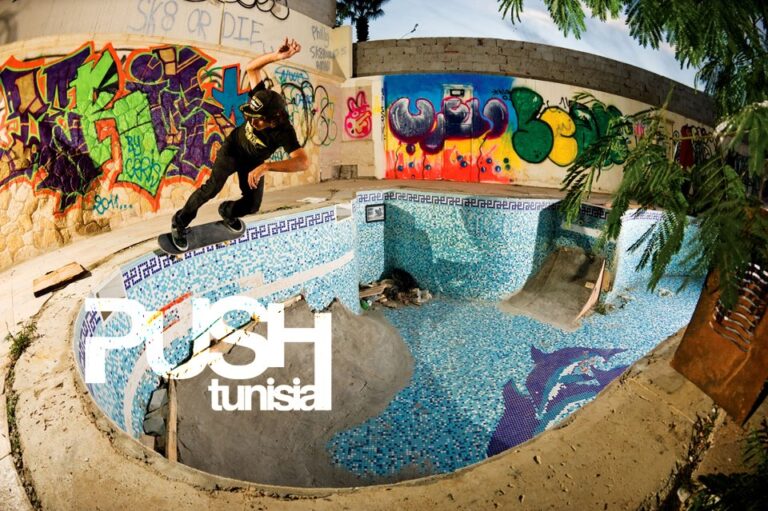
The Bedouins are a group of skaters and artists who are empowering post-revolutinary Tunisian youth.
When Nathan Gray and his posse of skateboarders and street artists collectively known as “The Bedouins” were scouting out the perfect place to build a skate park in post-revolutionary Tunisia, some of the locals suggested they inhabit Imed Trabelsi’s abandoned mansion.
Once the glittering home of the country’s former Construction Minister and nephew-in-law of ousted dictator Zine El Abidine Ben Ali, the building and grounds had been trashed by protestors during the Jasmine revolution, so a team of skaters and locals set about converting the place into an inspiring skate and art park. It is also an important location for PUSH Tunisia – a documentary scheduled to make its official debut later this year.
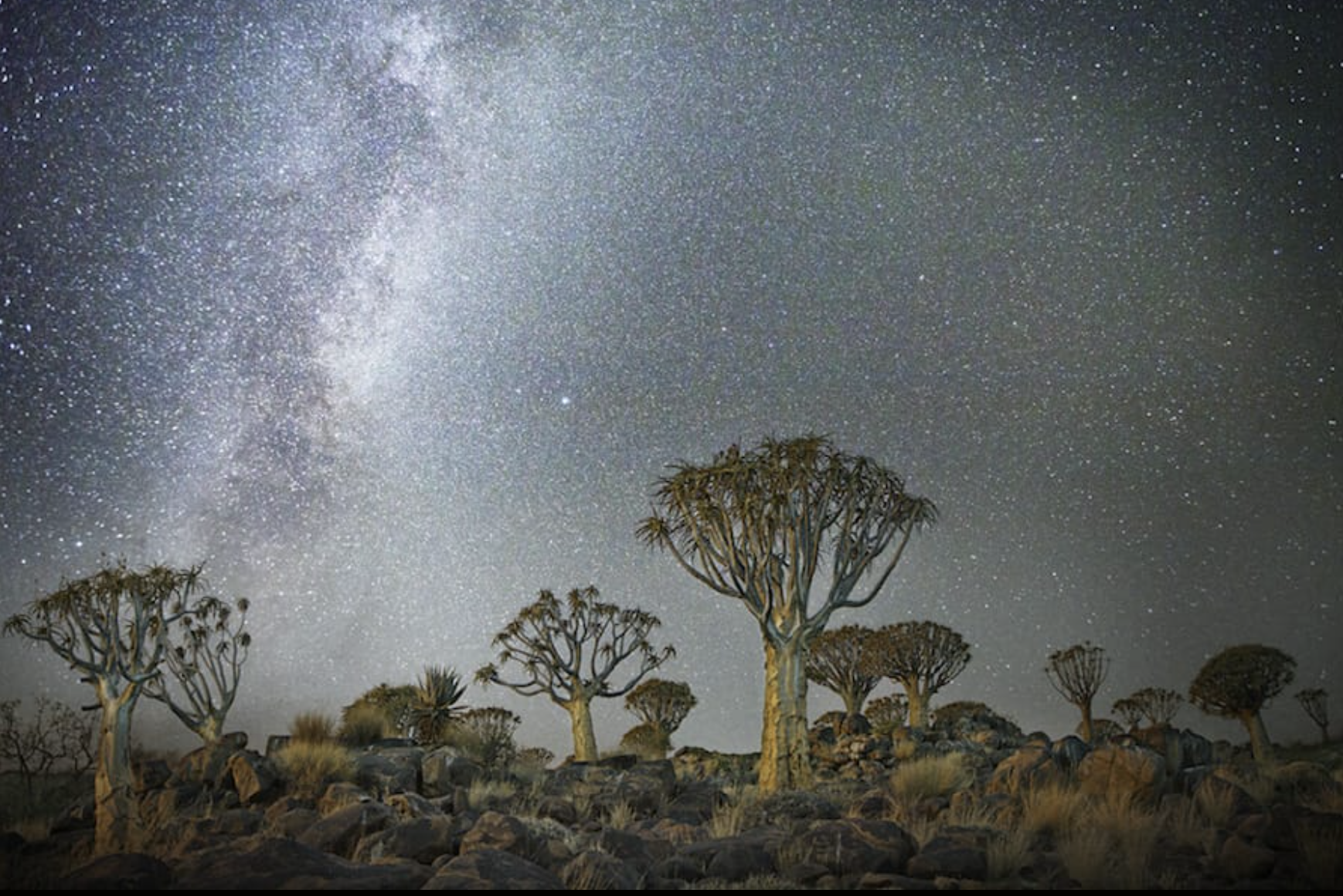
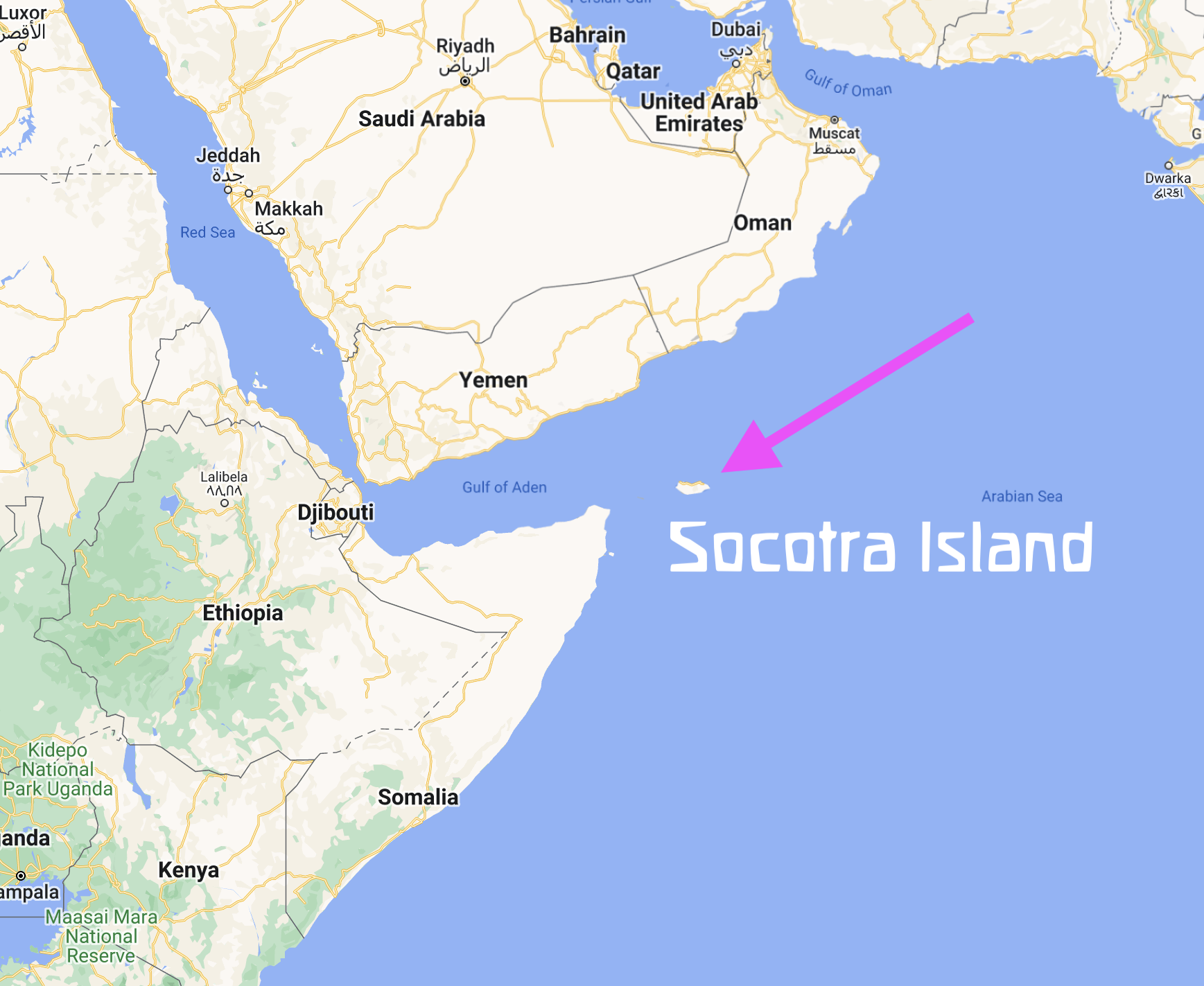
The Galapagos of the Indian Ocean – Socotra Island, belonging to Yemen.
If you are of the 41 percent that lives in drylands, your future depends on supporting plant biodiversity.
An international team of researchers including Dr. Bertrand Boeken of the Jacob Blaustein Institutes for Desert Research at Ben-Gurion University of the Negev suggest in a new study that plant biodiversity preservation is crucial to buffer negative effects of climate change and desertification in drylands.
The study was published in the prestigious journal Science and is the outcome of a five-year research effort involving more than 50 researchers from 30 institutions in 15 different countries.
The results of this study indicate that the ability of ecosystems in drylands worldwide to maintain multiple functions, such as carbon storage and buildup of nutrient pools (multi-functionality) is enhanced by the number of perennial plant species, mainly shrubs and dwarf-shrubs, whereas increased average annual temperature reduces this ability.
Where is Socotra Island off the coast of Yemen and Djibouti?
While small-scale controlled experiments have provided evidence of the positive relationship between biodiversity and multi-functionality over the years, this study is the first in explicitly evaluating such relationship among real ecosystems at a global scale.
Drylands constitute some of the largest terrestrial biomes, collectively covering 41 percent of earth’s land surface and supporting over 38 percent of the global human population.
They are of paramount importance for biodiversity, host many endemic plant and animal species, and include about 20 percent of the major centers of global plant diversity and over 30 percent of the designated endemic bird areas.
However, dryland ecosystems are also highly vulnerable to global environmental change and desertification.
“This study provides empirical evidence on the importance of biodiversity to maintain and improve ecosystem multi-functionality in drylands, Dr. Boeken says: “Our results also suggest that the increase in average annual temperature predicted by climate change models will reduce the ability of dryland ecosystems to perform multiple functions, which are crucial to support life on earth.
“Plant biodiversity enhances this ability, therefore, maintaining and restoring it can contribute to mitigating the negative consequences of global warming and to promoting the resistance of natural ecosystems to desertification.”
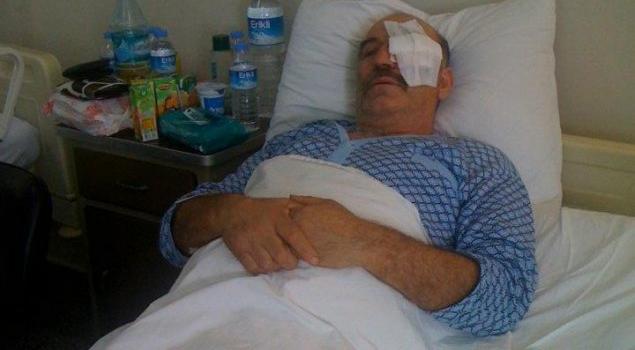
When marine politics get nasty: Ahmet Aslan recovers in a hospital after being shot in the eye by a gang of illegal fishermen.
Fishing is a time-honored Istanbul tradition. But to catch and sell fish, one must have a license nowadays. That doesn’t stop some from illegally trawling for fish in the Bosphorus, or the two seas that sandwich Istanbul. Today, one such trawler nearly took the life of a man who’s been campaigning against illegal fishing for years.
(It could also, of course, quench the thirst of anyone who just finished eating a local pickled songbird dish.)
The vending machines work on a coaxial cooling system, which requires no cooling plate and can be recycled. This form of cooling is more energy efficient since the products are cooled directly, instead of the air around them.
The solar powered component of the machines means that they are efficient coolers in even the hottest countries.
An agreement has already been reached with the national bus company in Cyprus, stating that the solar powered vending machines will be installed on select routes that have large passenger volume.
The entrepreneur leasing the machines hopes that this idea will spread all over the Middle East and be adopted outside of Cyprus.
Israel’s recent decision to permit greater use of medical marijuana may relieve thousands suffering from chronic pain.
Cannabis is known to give blessed relief from the pain of cancer. Yet the plant helps people suffering from many other ailments, such as multiple sclerosis, colitis, neurological pain, and post-trauma stress disorder.
Until now, the herb has not been in the first line of treatment for chronic pain. Rather, conventional medicine has viewed it as an almost last-resort method.
Cannabis helps crippling polio pain
Take my friend Rivka. Crippled by polio at age 4, she suffers constant pain from atrophied muscles and deteriorating hip bones. But she’s a fighter. In spite of bad days that oblige her to trade a wheelchair for her usual crutches, she has earned a degree in social work, married and raised a family of her own, and in earlier years took an active part in her community.
Now severe chronic pain has blocked this intelligent and resourceful woman’s ability to to enjoy life and be useful.
Rivka used every conventional method of pain relief before asking her doctors for medical marijuana. Her doctors wouldn’t consider it; getting pot for a patient seemed just too deviant.
But in September of 2010, Israel’s Ministry of Health authorized five hospitals to issue licenses permitting patients to buy marijuana at authorized outlets. In the future, the patients, who now undergo extensive bureaucracy to get those permits, will obtain them via an interview with the managers of their local health funds.
In addition, a new study recommends more extensive use of marijuana to manage severe chronic pain.
Israel’s Haaretz newspaper reported on a study recently conducted at the Sheba Medical Center in conjunction with the Israel Cancer Association, which involved 264 cancer patients who were treated with medical marijuana for a full year:
Israeli Cannabis patients improve their quality of life
“Some 61 percent of the respondents reported a significant improvement in their quality of life as a result of the medical marijuana, while 56 percent noted an improvement in their ability to manage pain. In general, 67 percent were in favor of the treatment, while 65 percent said they would recommend it to other patients.”
The study concluded that more doctors should be prescribing cannabis. Given that cannabis is already proved to be effective, it’s time that people enduring severe chronic pain have access to it right away, instead of having to wait till they’ve tried everything else. We welcome the news that in Israel, times are changing in favor of this.
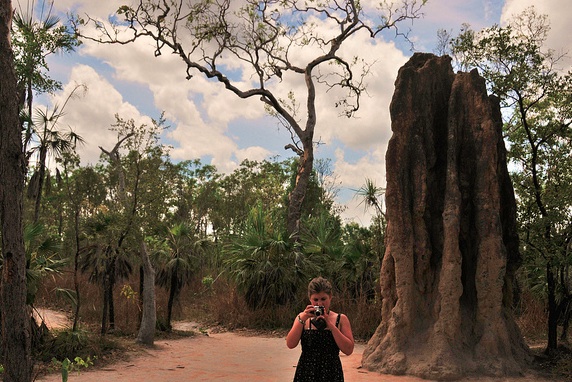
Mr. Dubai, why not build your hotel like a termite would?
Green Prophet has written many articles on green building, and the revival of beautiful earth architecture in the Middle East. Earth architecture is certainly a more sustainable and interesting alternative solution – for those lucky enough to own some rural land, but can buildings made from earth be a viable solution for cities? Can earth architecture sustain the ever increasing urban population?
Personally I do not think so. If the entire population of New York, for example, were to live in earth buildings, the total surface area required to fit everyone would be huge. In the end the per capita carbon foot print may be even larger (more roads will be required and greater distances travelled which releases more CO2 for example).
One solution is to observe nature, and apply its solutions to “human problems”. Nature has had 3.8 billion years’ worth of evolution and trial and error to perfect solutions so that it can become self-sustaining, so learning from it seems like a clever idea.
Biomimicry essentially seeks inspiration from natures’ genius and creativity to improve efficiency and sustainability in the “human” world we have created. A perfect example is how termite mounds have inspired clever ventilation systems in architecture that reduce energy usage and costs.
Not a die-hard environmentalist and need other reasons for going nuptially green? Read on.
If you are newly engaged and contemplating your ideal wedding,consider this: if every couple in the world made just one small green choice – and we’ve given you at least seven simple and chic ways to do it already – there would be millions of greener weddings in the world with a noteworthy reduction in our collective carbon footprint.




 Jason deCaires Taylor uses eco art to conserve a fragile ecosystem

 A green shopping mall is not green if its AC sounds like a jet liner taking off