Home Blog Page 458

Tour One of the Largest Solar Thermal Projects on Earth at MENASOL 2012

0

This year’s MENASOL on the 16th and 17th of May in Abu Dhabi, offers something even more special!

MENASOL is the annual meet-up of solar opinion leaders, experts and financing personnel that has grown by leaps and bounds each year with the burgeoning growth of  MENA region (Middle East & North Africa) solar and Desertec. The speakers list for MENASOL 2012 is a virtual who’s who of the critical mass of movers and shakers in clean solar energy for the 21st century.

Unlike the typical large unstructured expo, this unusual annual get together offers the solar industry the chance to meet and do business with potential connections directly, under one roof over 2 days in a solar market now developing rapidly in the MENA region.

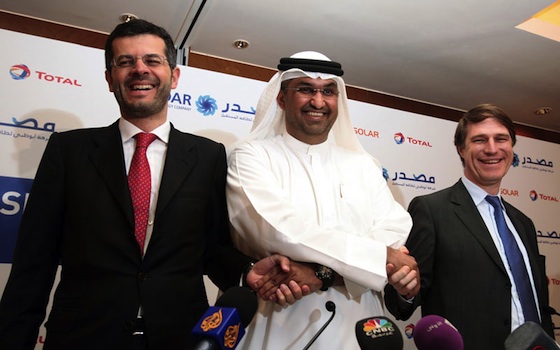
On May 16th and 17th, Masdar, CSP Today and PV Insider are offering delegates the unique opportunity to visit both the Masdar City’s 10MW PV Plant, and Masdar’s first 100 MW solar project: Shams 1, which is ten times larger.

Sweet And Tangy Pickled Cucumber Chips RECIPE

3

cucumber image tangy pickle recipe arabic tangy-pickled-cucumbersFew vegetables are so well-loved in the Middle East as cucumbers. This spicy cucumber pickle is delicious as an appetizer or to top your next falafel.

“Cool as a cucumber” still applies when the cukes are pickled. Even when spiced and brined, cucumbers add a welcome, refreshingly piquant note to meals featuring fish, meat, and anything fried. And pickled foods, being fermented, are really good for gut health.

We don’t do much home canning in the Middle East, but housewives still put up jars of pickles to set out on the table alongside olives and other salty/spicy foods, to whet the appetite before dinner. This recipe makes pickled cucumbers that are almost irresistible.

Measure Your Ecological Footprint

1

ecological footprint

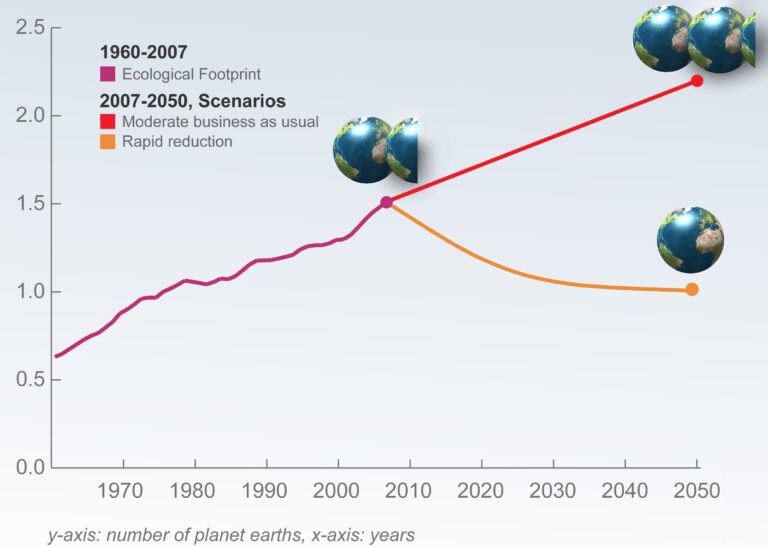
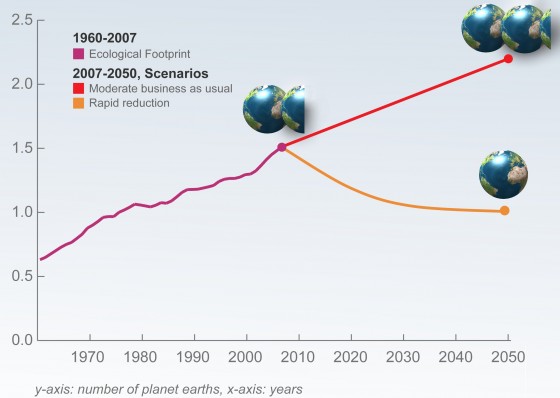
When looking for country-specific environmental indicators, it is often difficult to find a single indicator that  holistically summarizes the environmental situation in a tractable and visual manner. This is the first part of two articles (the second one on your water footprint is here). Two interactive environmental info graphics will be explored to help you better understand what is happening in our green planet, what you can do to change your habits for a greener future and which environmental issues need special attention. Let’s start with your ecological footprint and biocapacity.

Morocco’s Tourism Season Kicks off With Luxury Eco-Camping

5

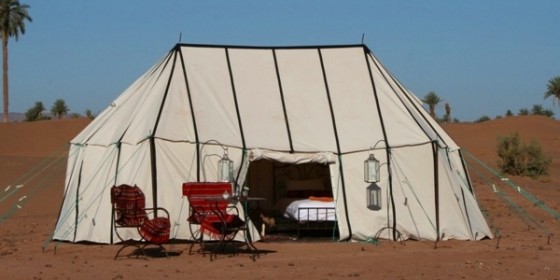
Sahara, eco-tourism, eco-travel, sustainable tourism, camping, desert, locally-sourced food, solar-power

Every year thousands of Europeans head to Morocco for a cheap trip; hopefully more will travel the eco-friendly way.

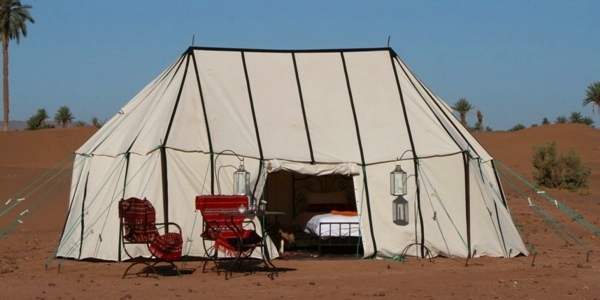
British tour operator Specialist Morocco recently announced that they are opening up their ecologically-friendly tented camp in Morocco’s Southern Draa Valley for another season. And though we are particularly sensitive to greenwashing after witnessing first hand the high price the North African country pays when hordes of mostly European visitors looking for a cheap trip skip across the Mediterranean for a short jaunt, this 4-star camp seems to genuinely prioritize both the local community and the natural environment on which they rely.

Lebanese Goat Farmer Goes Solar, Subverts Government’s Green Apathy

0

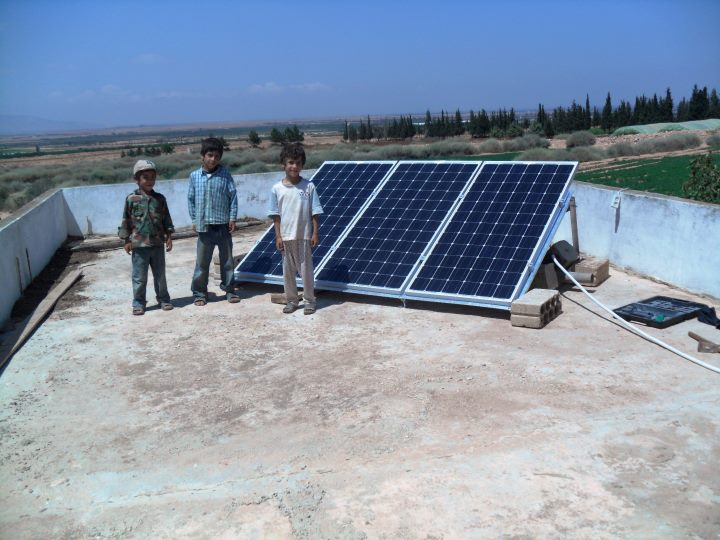
goat farmer, lebanon, cleantech, photovoltaic, solar power, green energy, clean energy, renewable energy, Eco Friendly, National Energy Plan, Green PartyA solar-powered goat farm in Lebanon now enjoys clean energy around the clock while the rest of the country sits in darkness for up to 18 hours a day.

Hasan Istaytiyyah was lucky to have six hours of state-run energy a day before he decided to install a solar photovoltaic system and ditch his dirty generator. Now he tells Daily Star that he has energy all the time, and finally feels connected with the rest of the world through internet access and satellite TV despite his remote location in the Bekaa Valley near the border of Syria.

Istaytiyyah’s story is a familiar one. Although Lebanon has strong northerly winds and piles of sunshine, the country’s leadership has failed to incorporate renewable energy to help meet the 2,400 MW daily demand. With a 900MW shortfall, many residents – particularly in rural areas – are without power for up to 18 hours a day.

Istanbul’s Taksim Square To Become Lifeless And Isolated In New Urban Plan, Opponents Warn

1

istanbul main square Taksim SquareStreets become highways, trees make way for the mall in a new plan for Taksim Square in Istanbul.

Today, Istanbul’s Taksim Square is a bustling hub of activity, with majestic Gezi Park providing some natural solace — even when the trees are brown in winter, as in the above photo. But a new plan would eliminate most of the greenery in this photo and cut off Taksim from the rest of the city. That’s the argument of the Taksim Platform, a group of concerned citizens, urban planners, lawyers, and academics who have so far collected more than 13,500 signatures against the project. See what the new square would look like after the jump.

Israel Turns on the Tap in River So Endangered Fish Can Swim

12

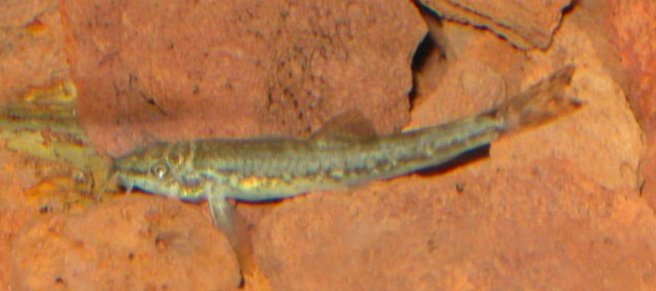
Nemacheilus dori israel Israeli ecologists are creating habitat to save the severely endangered fish Nemacheilus dori, which measures only two inches.

The fate of a tiny endangered fish in Israel`s northern region may rest on whether ecologists can create additional aquatic habitat.  The Nature and Parks Authority is working to save the fish,  a hillstream loach, in Israel’s northern wetlands.  The species, Nemacheilus dori, is endemic to Israel.  It is found only in one 0.7-hectare wetland nature reserve, located in the north of Israel, at Ein Malkoach.

Israel’s Carmel Wildfire Blame Goes All the Way to the Top

1

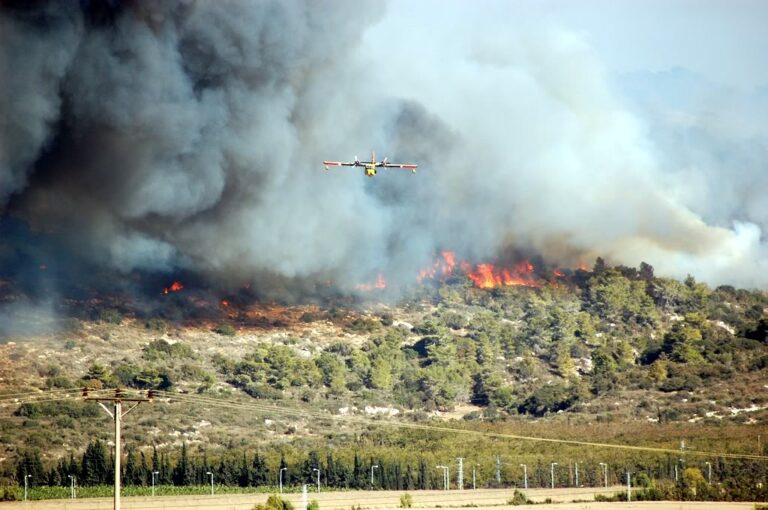
carmel fire israelTurkish firefighting airplane moments after releasing chemicals on 2010 Carmel wildfire: Photo by Skyscraper City

Fourteen months after Israel’s worst environmental wildfires destroyed more than 7,500 acres of Carmel mountain forests and claimed 42 lives,  a report issued by the office of Israel’s State Comptroller is  directing the blame for not dealing quickly and properly enough to contain these fires at two government cabinet ministers. The two cabinet ministers, Finance Minister Yuval Steinitz and Interior Minister Eli Yishai, have been blamed for the major responsibility, according to a recent article in Haaretz. The two ministers are being asked in a report by the State Comptroller, Micha Lindenstrauss, to be removed from their present ministerial portfolios and assigned other portfolios.

Will Smart Sockets Change the Economics of Efficiency?

2

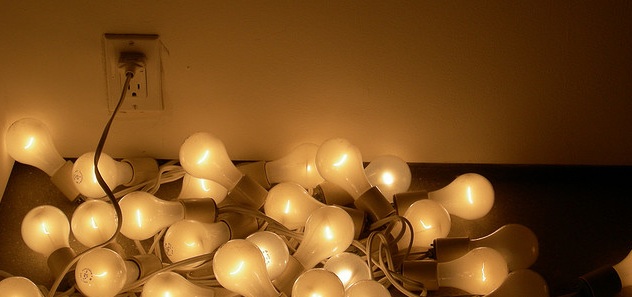
smart socket light bulbs
Smart sockets explained.

Lewis Strauss, Chairman of the US Atomic Energy Commission said this to a group of science writers in 1954: “Our children will enjoy in their homes electrical energy too cheap to meter…” While this comment is often given as an example of overly-optimistic technological predictions, electricity is incredibly inexpensive.  Just look at how much is wasted illuminating the night sky.

Would Strauss have ever imagined that people would be able to afford the energy required to make it snow in Dubai?  Or that the hundreds of megawatt-hours used to remove salt from seawater would cost less than fresh water?

Sony intends to solve this “too cheap to meter” problem by lowering the cost of metering small amounts of electricity and by making it possible to measure electricity usage for individuals and their devices with smart sockets.

Afghanistan’s irrigation network gets an eco upgrade

0

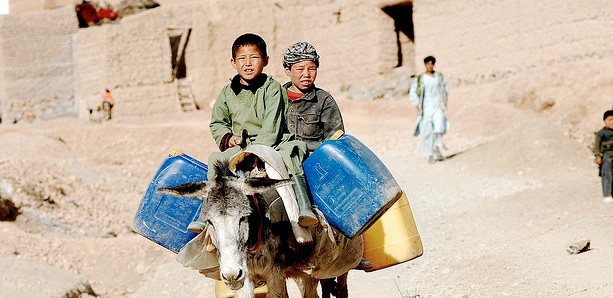
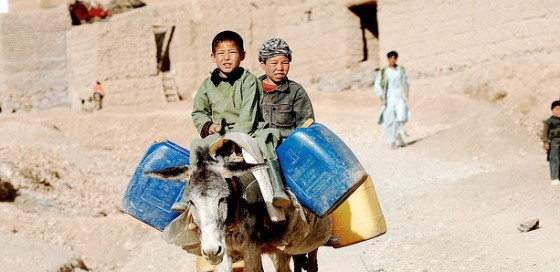
afghan boys carrying water on donkeyWorld Banks funds new irrigation project for Afghans.

The UN Food and Agriculture Organization is boosting its technical support for rehabilitation of Afghanistan‘s dilapidated traditional irrigation systems, in a bid to help farmers increase crop production. The initiative also aims to improve the knowledge and skills that farmers need to run and maintain irrigation systems.

The UN organization has signed a $27.7 million agreement with the Afghan Ministry of Energy and Water to provide technical assistance, including expertise and training for implementation of the Irrigation Restoration and Development Project (IRDP). This comes after decades of war in Afghanistan and migration away from rural areas have contributed to the degradation and neglect of the country’s irrigation system.

The lack of efficient irrigation facilities has left many farmers without sufficient water for agriculture, including the production of wheat, the country’s main staple food crop. But in recent years, the country’s Ministry of Energy and Water has placed a priority on water resources development within its National Development Strategy.

“The irrigation systems had suffered over the past three decades, not only because of a lack of investment, but also because people were moving away from the rural areas, leaving no one to maintain the systems or transfer indigenous skills to the younger generation. When there was a flood, for instance, there was no one to repair or clean up damaged canals or dams. So farmers in rural areas were not able to get enough water to cultivate their fields. As a result, they produced fewer crops,” said Pasquale Steduto, head of FAO’s Water Development and Management Unit.

The project is primarily funded by a grant from the World Bank with an additional contribution from the Government of Afghanistan. It builds on experience gained from FAO’s implementation of the Bank’s Emergency Irrigation Rehabilitation Project, which was completed in December 2011.

That emergency project strengthened the capacity of the Ministry’s Project Coordination Unit to plan and manage the rehabilitation of irrigation systems. The new six-year restoration and development project plans to follow up by designing and developing small storage dams, in addition to rehabilitating irrigation systems.

It will also complete development of hydro-meteorological networks and services to monitor weather conditions, water flow and water quality issues, and will include training in operation and maintenance of the networks.

Better irrigation, more crops

FAO will help the Ministry of Energy and Water by training personnel and assisting in the use of modern design and management methods. The initiative will also train farmers in improved water management practices, and operation and maintenance of irrigation systems.

The overall project objective is to increase agricultural productivity and production in the project areas, in line with the Afghanistan National Development Strategy.

The rehabilitation of irrigation schemes around the country are expected to cover a total irrigated area of about 300 000 ha, increase irrigated areas by about 15 percent, lead to an increase in the crop yield of around 20 percent, and benefit around 230 000 households.

“Wheat is the most important crop for Afghanistan because for 80-100 percent of the population, it is the number-one staple crop. And roughly 80 percent of the land which farmers cultivated is tilled for wheat. So any reduction in the production of wheat means a shortage of food. It directly affects the food security situation in Afghanistan,” said Steduto.

::FAO

 

Cardboard Interior Design Upgrades Community Lobby

0

"cardboard furniture kids"With some creativity and design aesthetic, cardboard box forts are taken to a whole new level.

Cardboard is becoming an eco-friendly material of choice for furniture design, and sustainable designers have put it to many uses.  It is used both for chic contemporary cardboard thrones as well as cardboard cribs and doll cradles.  Bringing cardboard interior design outside of the individual home and into the broader community, however, is Israeli designer Tali Buchler who designed an upcycled and cardboard-based lobby for Zichron Yaakov’s community center.

Cleverly titled “Outside the Box”, Buchler’s design consists of a modular furniture system made of recycled materials.  The community center needed a waiting area for parents and kids in between activities, and Buchler designed an arrangement that is low-budget, functional, and stimulates everyone’s creative side.

Saturday’s Green News Snippets from the Middle East

0

syria-food-saudi-qatar-climateFrom food shortages in Syria to green energy in Jordan, this news round-up will help keep you in the know

It’s been busy here at GreenProphet HQ and the stories that have got us talking this week include the wind-powered minesweeper, shocking seal killing revelations as well the upcoming first anniversary of the Fukushima disaster.  These major stories may have stolen the limelight but I’ve scoured the internet for interesting tidbits on all the latest green news from the region. This includes a petition for Green energy in Jordan, food shortages in Syria and also the dangers of equating climate change to security- especially in the Middle East. So read on and tell us what stories have caught your eye this week.

100+ Ways to Conserve Water

0

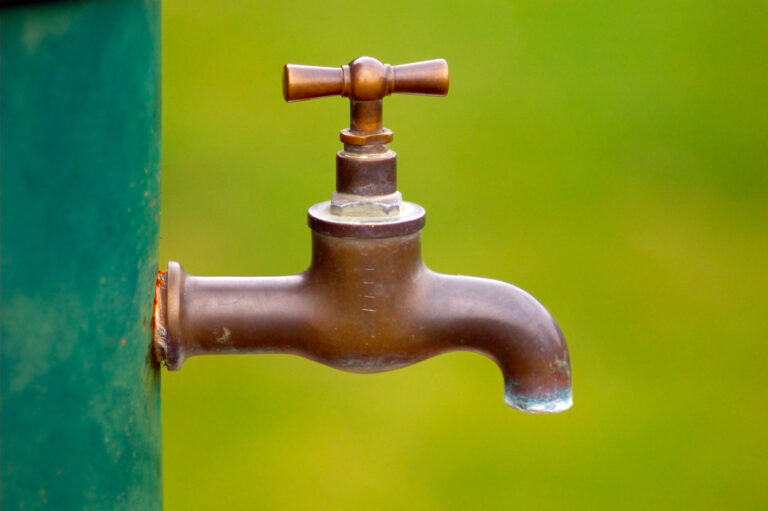
water issues, water saving tips, water conservation, recycling grey water, water waste, recycled waterYou don’t have to have a million-dollar set up to save water. Follow the links to 100+ simple water-saving tips.

Sometimes we believe in short and sweet, and this is one of those times. Below you will find a link to a fantastic resource that provides a wonderful compilation of more than 100 water-saving tips, but that also lists dozens of conservation organizations and government agencies around the world that are trying like mad to cut down water waste.

There is unlimited goodness on wateruseitwisely.com. If you want to learn about recycling grey water, they’ve got you covered. How about tricks that will get you through a drought? They’ve thought of that too. Check out this incredible (but simple) platform if you’re concerned about water issues, and then share it among your friends. Join the campaign. Spread the knowledge.

:: wateruiseitwisely.com

image via Alternative Energy HQ

Libyan Artist Turns Weapons of War Into Amazing Sculptures

0

Ali Al-Wakwak libyan sculptorLibyan sculptor Ali Al-Wakwak has transformed the charred remnants of war into inspiring creations

Around a week ago, Libyans celebrated the first anniversary of the uprising against Muammar Gaddafi. It’s certainly been a turbulent year for Libyans and although the future isn’t as certain as some would hope, thousands took to the streets to celebrate the new start they fought so hard for. Indeed, this chance for more open and democratic Libya is already leading to creative projects. Using bullets, tanks and burnt-out cars collected from abandoned military bases, Libyan sculptor Ali Al-Wakwak is recreating life from the weapons of death.

What Camels and Scorpions Teach “Dayma” Tourists in Egypt

2

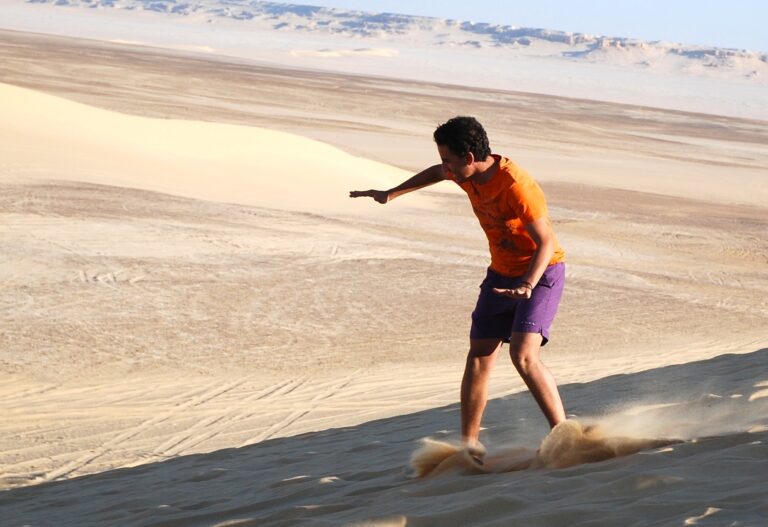
eco-tourism, biomimicry, desert, camel, scorpion, Bedouin, evolution, desert, travel, natureA host of eco-tourism initiatives in Egypt are moving away from the packaged tour to nature-based experiences

Nature has been developing solutions to its own challenges for the last 3.8 billion years, so two women in Egypt have set up an eco-tourism venture that tunes into that infinite wisdom. Biologists Sara el-Sayed and Betty Khoury decided to start their own business after last year’s revolution made their previous jobs obsolete.

Dayma offers guided journeys to many of Egypt’s less-explored locations and last up to 10 days. But here’s the most interesting aspect of their “everlasting, enduring, or sustainable” tours: instead of trooping with the throng to the same old historical destinations, Dayma focuses on biomimicry – “an alternative manner of development that harmonizes with natural processes.”