In a studio in the DC Maryland Virginia area, ceramic artist Alison Kysia is working with clay in a way that feels both grounded and personal. She makes pottery and abstract Islamic sculptures, and one of her recent works focuses on the 99 Names of God in Islam.
Abortion pills, often confused with Plan B (the morning-after pill), and historically referred to as RU486 (mifepristone), are part of a broader category of reproductive health medications that women have been using for decades. But they are not the same thing.
The CFTC, FINRA, and NASAA have jointly warned retirees about precious metals fraud targeting retirement accounts. This checklist provides a structured framework for evaluating any company before transferring savings — and illustrates what credible providers look like across 7 measurable criteria.
A vast and largely untapped lithium reserve may be hiding beneath one of North America’s oldest landscapes, the Appalachian Mountains, offering a surprising twist in the global race for clean energy materials. According to new findings from the U.S. Geological Survey (USGS), as much as 2.5 million tons of lithium could be buried across the region, stretching from the Carolinas up through New England.
In a studio in the DC Maryland Virginia area, ceramic artist Alison Kysia is working with clay in a way that feels both grounded and personal. She makes pottery and abstract Islamic sculptures, and one of her recent works focuses on the 99 Names of God in Islam.
Abortion pills, often confused with Plan B (the morning-after pill), and historically referred to as RU486 (mifepristone), are part of a broader category of reproductive health medications that women have been using for decades. But they are not the same thing.
The CFTC, FINRA, and NASAA have jointly warned retirees about precious metals fraud targeting retirement accounts. This checklist provides a structured framework for evaluating any company before transferring savings — and illustrates what credible providers look like across 7 measurable criteria.
A vast and largely untapped lithium reserve may be hiding beneath one of North America’s oldest landscapes, the Appalachian Mountains, offering a surprising twist in the global race for clean energy materials. According to new findings from the U.S. Geological Survey (USGS), as much as 2.5 million tons of lithium could be buried across the region, stretching from the Carolinas up through New England.
In a studio in the DC Maryland Virginia area, ceramic artist Alison Kysia is working with clay in a way that feels both grounded and personal. She makes pottery and abstract Islamic sculptures, and one of her recent works focuses on the 99 Names of God in Islam.
Abortion pills, often confused with Plan B (the morning-after pill), and historically referred to as RU486 (mifepristone), are part of a broader category of reproductive health medications that women have been using for decades. But they are not the same thing.
The CFTC, FINRA, and NASAA have jointly warned retirees about precious metals fraud targeting retirement accounts. This checklist provides a structured framework for evaluating any company before transferring savings — and illustrates what credible providers look like across 7 measurable criteria.
A vast and largely untapped lithium reserve may be hiding beneath one of North America’s oldest landscapes, the Appalachian Mountains, offering a surprising twist in the global race for clean energy materials. According to new findings from the U.S. Geological Survey (USGS), as much as 2.5 million tons of lithium could be buried across the region, stretching from the Carolinas up through New England.
In a studio in the DC Maryland Virginia area, ceramic artist Alison Kysia is working with clay in a way that feels both grounded and personal. She makes pottery and abstract Islamic sculptures, and one of her recent works focuses on the 99 Names of God in Islam.
Abortion pills, often confused with Plan B (the morning-after pill), and historically referred to as RU486 (mifepristone), are part of a broader category of reproductive health medications that women have been using for decades. But they are not the same thing.
The CFTC, FINRA, and NASAA have jointly warned retirees about precious metals fraud targeting retirement accounts. This checklist provides a structured framework for evaluating any company before transferring savings — and illustrates what credible providers look like across 7 measurable criteria.
A vast and largely untapped lithium reserve may be hiding beneath one of North America’s oldest landscapes, the Appalachian Mountains, offering a surprising twist in the global race for clean energy materials. According to new findings from the U.S. Geological Survey (USGS), as much as 2.5 million tons of lithium could be buried across the region, stretching from the Carolinas up through New England.
In a studio in the DC Maryland Virginia area, ceramic artist Alison Kysia is working with clay in a way that feels both grounded and personal. She makes pottery and abstract Islamic sculptures, and one of her recent works focuses on the 99 Names of God in Islam.
Abortion pills, often confused with Plan B (the morning-after pill), and historically referred to as RU486 (mifepristone), are part of a broader category of reproductive health medications that women have been using for decades. But they are not the same thing.
The CFTC, FINRA, and NASAA have jointly warned retirees about precious metals fraud targeting retirement accounts. This checklist provides a structured framework for evaluating any company before transferring savings — and illustrates what credible providers look like across 7 measurable criteria.
A vast and largely untapped lithium reserve may be hiding beneath one of North America’s oldest landscapes, the Appalachian Mountains, offering a surprising twist in the global race for clean energy materials. According to new findings from the U.S. Geological Survey (USGS), as much as 2.5 million tons of lithium could be buried across the region, stretching from the Carolinas up through New England.
In a studio in the DC Maryland Virginia area, ceramic artist Alison Kysia is working with clay in a way that feels both grounded and personal. She makes pottery and abstract Islamic sculptures, and one of her recent works focuses on the 99 Names of God in Islam.
Abortion pills, often confused with Plan B (the morning-after pill), and historically referred to as RU486 (mifepristone), are part of a broader category of reproductive health medications that women have been using for decades. But they are not the same thing.
The CFTC, FINRA, and NASAA have jointly warned retirees about precious metals fraud targeting retirement accounts. This checklist provides a structured framework for evaluating any company before transferring savings — and illustrates what credible providers look like across 7 measurable criteria.
A vast and largely untapped lithium reserve may be hiding beneath one of North America’s oldest landscapes, the Appalachian Mountains, offering a surprising twist in the global race for clean energy materials. According to new findings from the U.S. Geological Survey (USGS), as much as 2.5 million tons of lithium could be buried across the region, stretching from the Carolinas up through New England.
In a studio in the DC Maryland Virginia area, ceramic artist Alison Kysia is working with clay in a way that feels both grounded and personal. She makes pottery and abstract Islamic sculptures, and one of her recent works focuses on the 99 Names of God in Islam.
Abortion pills, often confused with Plan B (the morning-after pill), and historically referred to as RU486 (mifepristone), are part of a broader category of reproductive health medications that women have been using for decades. But they are not the same thing.
The CFTC, FINRA, and NASAA have jointly warned retirees about precious metals fraud targeting retirement accounts. This checklist provides a structured framework for evaluating any company before transferring savings — and illustrates what credible providers look like across 7 measurable criteria.
A vast and largely untapped lithium reserve may be hiding beneath one of North America’s oldest landscapes, the Appalachian Mountains, offering a surprising twist in the global race for clean energy materials. According to new findings from the U.S. Geological Survey (USGS), as much as 2.5 million tons of lithium could be buried across the region, stretching from the Carolinas up through New England.
In a studio in the DC Maryland Virginia area, ceramic artist Alison Kysia is working with clay in a way that feels both grounded and personal. She makes pottery and abstract Islamic sculptures, and one of her recent works focuses on the 99 Names of God in Islam.
Abortion pills, often confused with Plan B (the morning-after pill), and historically referred to as RU486 (mifepristone), are part of a broader category of reproductive health medications that women have been using for decades. But they are not the same thing.
The CFTC, FINRA, and NASAA have jointly warned retirees about precious metals fraud targeting retirement accounts. This checklist provides a structured framework for evaluating any company before transferring savings — and illustrates what credible providers look like across 7 measurable criteria.
A vast and largely untapped lithium reserve may be hiding beneath one of North America’s oldest landscapes, the Appalachian Mountains, offering a surprising twist in the global race for clean energy materials. According to new findings from the U.S. Geological Survey (USGS), as much as 2.5 million tons of lithium could be buried across the region, stretching from the Carolinas up through New England.
Flavorful basil for cooking now grows on trees, says Hishshtil, Israeli garden and agricultural nursery.
I’m used to growing a handful of basil sprouts in a window box, never enough for two batches of pesto (see our delicious pesto recipe here). It seems like a dream to stroll over to a tree and pluck off as many basil leaves as I need, confident that I can harvest again all year around. Hishtil’s successful graft of basil to another, strong-rooted plant has produced this green culinary wonder. Very different from rooting supermarket basil in water, as I wrote about here.
Israel will host the first SlutWalk in the Middle East this weekend, but the movement has growing support in other countries, including Morocco. Will these efforts finally lead to greater freedom for women of all religious persuasions?
When I wrote the article, The Middle East Needs More Sluts, the response was overwhelming and heated, with opinions following roughly along religious lines. Secular and progressive readers understood that the title was more than a headline grabber, and an invitation to reconsider the negative stereotypes of language used to denigrate and control women. The more conservative respondents were horrified by the language, and pointed to the moral values of modesty, something they couldn’t see in women who seemed to dress, look or act certain ways.
Both groups have valid points. Now that SlutWalk is coming to Israel, will they meet at the intersection and finally talk?
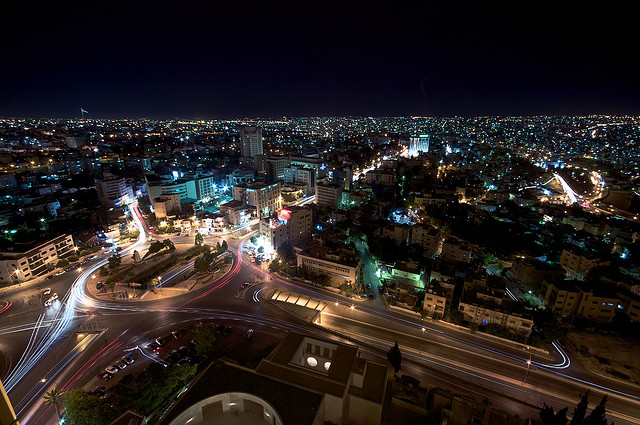
According to local engineers, the public needs to show its support for Jordan’s ambitious Bus Rapid Transit to help it overcome political barriers
Over a year ago, we reported (with considerable excitement) that Jordan was planning to deal with the growing congestion of the capital city by establishing a new line of buses. These high-capacity buses would carry more than 120 passengers along exclusive bus lanes, and would operate every three minutes during peak time. The Bus Rapid Transit (BRT) plans were aimed at reducing traffic along Amman’s busiest routes by improving public transport- a victory for the environment and common sense we thought.
However a couple of months before the project’s inauguration it was announced that the BRT plans have been shelved pending further review. There were murmurs that corruption had led to the project’s demise although officially, the project was halted due to ‘feasibility and funding concerns.’
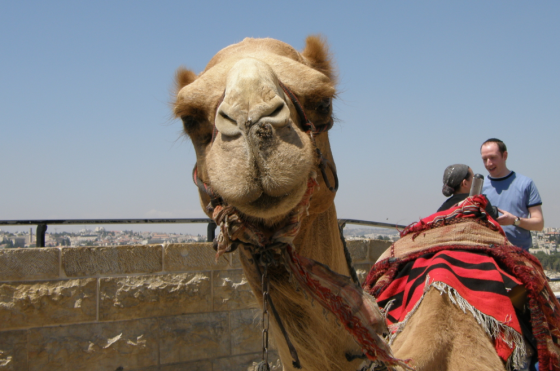
“Regarding the abused camel on Mount Olives, I have photographed the same camel over the past few years, the last shot I got of him, he had sores on his face, was frothing at the mouth and looked thin and neglected. I believe that this is really one very neglected and abused camel,” writes Rimonah Traub, an amateur photographer who runs the photoblog website Israel Camera Focus.
The next step is to know what the local animal authorities are going to do to help this abused creature.
Catch something fishy or suspicious on film? Want to report an animal abuse or an environmental problem? Send us your tips to [email protected]. We will give full credit, or full anonymity to the sender.
Oil from a previously unexploited field in Egypt’s Gulf of Suez is now flowing, BP announced on Tuesday.
BP has commenced oil extraction from a dormant field in the Gulf of Suez, Bikya Masr reports. Plans to exploit oil from the NS377 field had been delayed, but it is now being piped by BP’s field partner Beach Energy to the Ras Ghara onshore processing facility owned by Petrobel.
Three days of heavy snowfall hit downtown Amman, fat flakes screaming for clothes not found in our closets. Schools shut and offices closed. Icy roads wrought havoc on the annual Dead2Red bike and running race. Park aside historical significance, religious connotation, and cultural pride: I say this waterbody’s main value is as an organic stress-reducer for Egyptians and Jordanians, and for tourists from everywhere else drawn to its salt-encrusted shores.
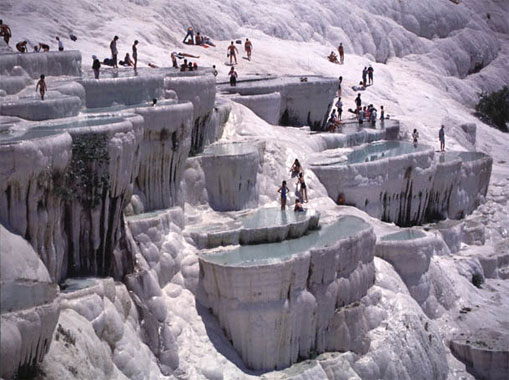
Wade, float, gaze at its gorgeousness and feel your muscles go slack, your pulse settle into a kitten’s purr at the Dead Sea. So with local weather so unpredictable and a school break looming, I poked around for alternative de-stress-tinations with a warm water theme. Say hello to Pamukkale, Turkey.
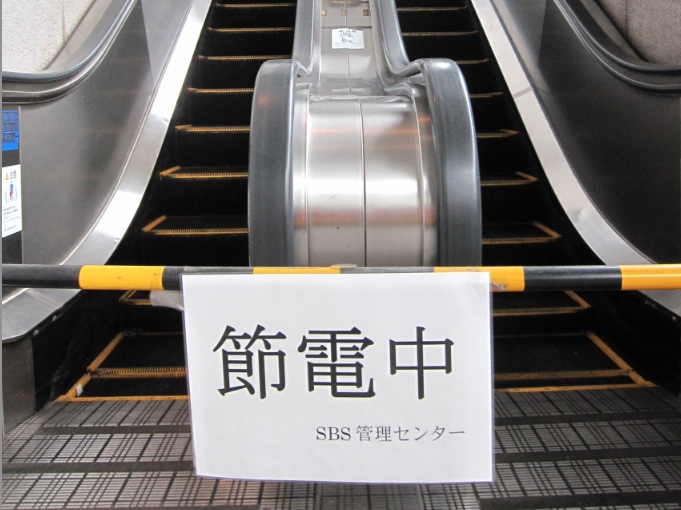
The Middle East can learn about energy savings from the Japanese, and the Japanese concept of setsuden.
Sometime during the mid 1990s a series of heat waves coincided with a refueling shut-down at one of my home state’s nuclear power plants. Citizens were asked to voluntarily cut usage. Somehow we managed to conserve the equivalent of the nuclear power plant’s generating capacity. Now, one year after Japan’s earthquake and tsunami caused partial meltdowns at Fukushima Daiichi, fifty-four Japanese nuclear power plants have been shut down. How did the people of Japan make up for a 30% shortfall in their electric generating capacity?
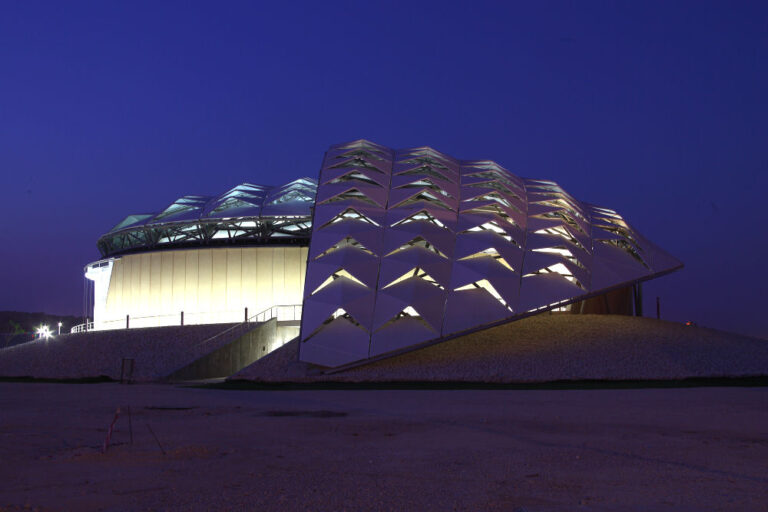
The Showcase is a prototype stadium used to demonstrate the technology that will cool the 2022 World Cup in Qatar
We had our doubts when we first heard that Qatar wanted to host the 2022 Soccer World Cup in the desert, in the middle of the summer. And we became even more suspicious when whispers of bribery rippled through the wires. But Arup’s mini stadium called The Showcase, which was partly responsible for clinching the bid in the first place, demonstrates that Qatar is poised to make a success of its wild plans. No one thought South Africa would pull off 2010; maybe this is a game that we play? In any case, step in for a glimpse at Arup’s zero carbon prototype stadium, which showcases technology that will keep athletes and spectators cool in 2022.
Arava Power Company’s application was approved last night by Israel’s Public Utility Authority for their 40 MW, $150 million photovoltaic solar farm at Kibbutz Ketura, just north of the tourist destination city of Eilat in Israel’s Arava Valley.
Able to ship out one-third of the electricity consumption during Eilat’s peak daylight hours, the solar farm will start to reduce reduce the environmental footprint of the diesel-dependent city.
But Arava’s solar farm is the furthest along in what is frequently described as a “lengthy” regulatory process among a group of nine similar solar projects.
Once through the regulatory minefield – which it hopes to get through by the end of 2012 – Arava expects to be able to build their solar farm within one and a half years, and at a cost of $150 million.
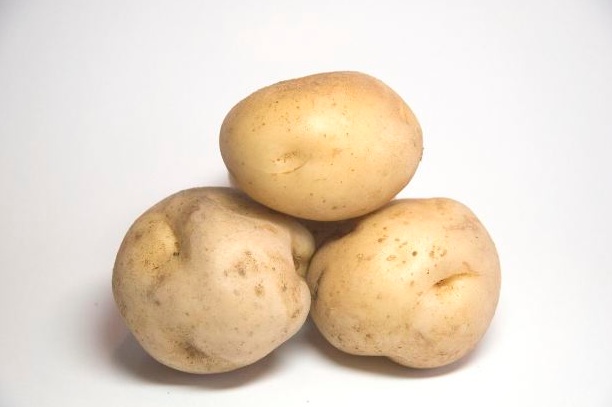
Saudi researchers have produceda potato-powered battery that could be commercially available within the next year!
Taking cues from a 2010 paper published by Israeli and American researchers that showed the benefits of potato-powered batteries in rural areas, a Saudi researcher produced an even more efficient potato cell that could be commercially available within the next year. Professor of physics at King Abdulaziz University, Suliman Abdalla told SciDev.net that he is developing a prototype that is two times more efficient than a standard 1.5V battery, 26 times cheaper, and could provide clean energy for millions of people .
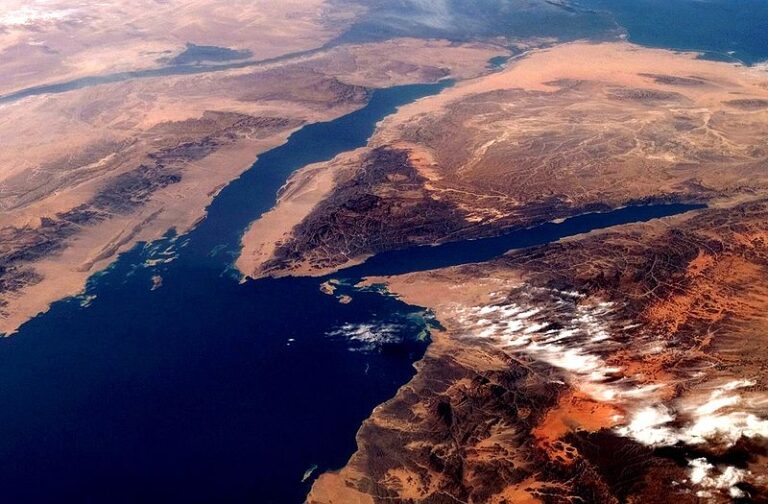
Adil Kassab, head of crisis management in the governorate of South Sinai, told Youm 7 that scholars are working on locating and eliminating the source of oil. South Sinai Governor Khaled Foda has created a commission to investigate the new oil slick, according to reports.
Not content with their ambitious achievements in Abu Dhabi, now Masdar is spreading clean energy worldwide.
A small 6 MW wind farm in the Seychelles has broken ground and will start start providing 11 percent of the languorous tropical resort islands’ modest electricity needs, thanks to Abu Dhabi’s Fund for Development (ADFD) and Masdar, the renewable energy company.
Helping lay the foundation stone, at a ceremony in the capital city, Port Victoria, were representatives of the Abu Dhabi government backers at ADFD, and Abu Dhabi-based project manager Masdar – of the Masdar eco-city fame – yes – that Masdar.
The Seychelle islands are not heavy energy users. They are an archipelago of sparsely inhabited islands off the coast of Africa north of Madagascar in the Indian Ocean.
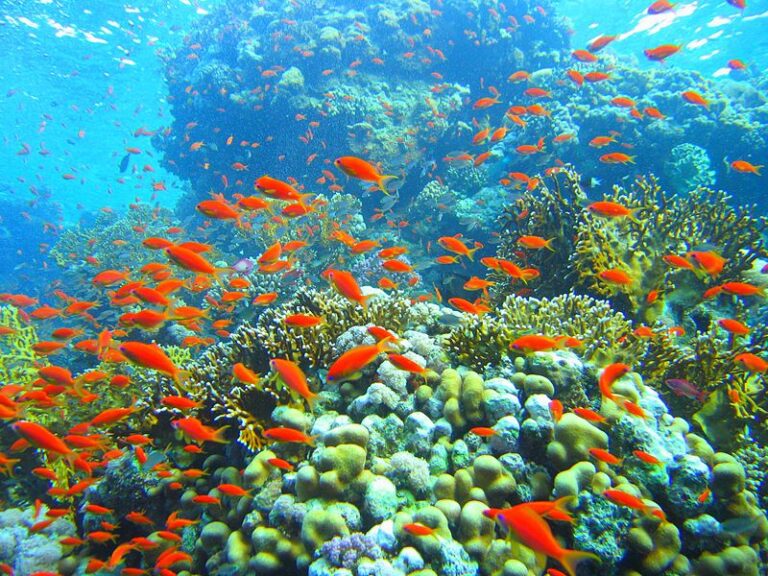
Overfishing has led to a massive depletion of Gulf fish stock, so Dubai has announced plans to crack down on illegal sales of immature fish.
Last year Green Prophet traveled to the United Arab Emirates to talk to locals about fish. After seeing reports of sharks being caught and sold openly, and watching The End of the Line, we leaped at an opportunity to make presentations at schools and public venues about unsustainable fishing practices. But our audience was sometimes less excited.
Locals frequently sited tradition and jobs as justification for eating hamour, for example, one of the most overfished species in the world, and law enforcement was virtually non-existent. But new tallies that reveal historically low fish stocks have compelled the Dubai Municipality to step up efforts to curb sales of undersized fish and restore balance to the Gulf’s ecosystem.
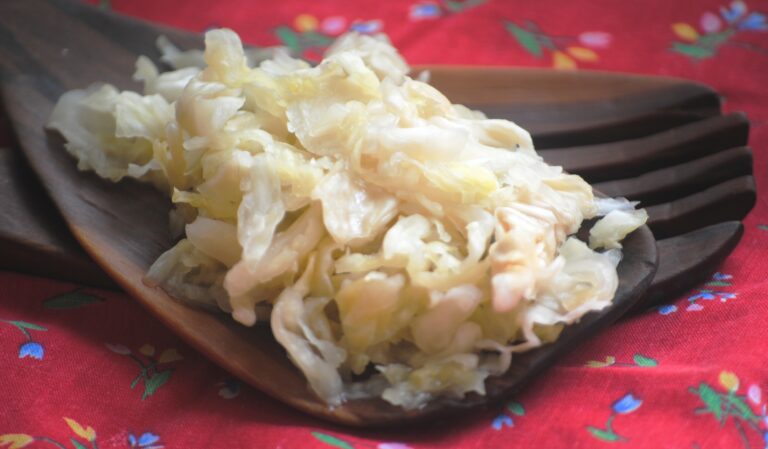
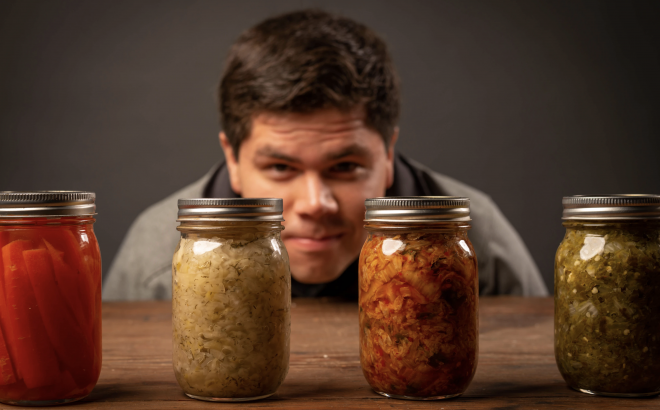
You can make variations of sauerkraut and all sorts of winter sauces, using natural fermentation
Flavorful, crunchy home-made sauerkraut is easy to make at home.
Cool weather is best for putting up sauerkraut, so now is the time to chop up some cabbage and go for it. Like our Middle-Eastern preserved lemons, sauerkraut ferments in brine. According to fermentation guru Sandor Katz, whose book we reviewed here, brined foods boost immunities and may even have anti-carcinogenic properties. He used natural fermentation to stop HIV from hurting his body.
Simplifying everything, even the food you eat will make you healthier: Sandor Katz who cured himself from the effects of HIV with fermented foods.
We claim that fermented foods can heal your gut. And if you like to eat sauerkraut anyway, you’ll enjoy the fresh, un-canned taste and crunchy texture of the jar you put up yourself. Sauerkraut is easy to make and takes hardly any time.
Home-made sauerkraut recipe
Large bowl
1-gallon jar or crock
Jar with 1 liter/ 1 quart capacity
Something to weigh the sauerkraut down while it’s fermenting: a plate that fits inside your jar or a Ziploc bag filled with water
Clean kitchen towel
Ingredients for sauerkraut
2 kg. – 5 lb. fresh cabbage, white, red, or a mixture
3 tablespoons salt – sea salt is healthiest, but plain table salt will do.
Cut the cabbages in halves and cut the cores out.
Method for making sauerkraut
Miriam’s homemade sauerkraut.
Chop the cabbage finely, scooping it into the bowl as you chop. Sprinkle salt in between the layers.
When all the cabbage is chopped and salted, mix it well and pack it into the 1-gallon jar. Push it down hard, using a wooden spoon, potato masher or your clean fist.
Place a clean plate or weight inside the jar to keep the cabbage tightly packed.
Cover with the kitchen towel.
The cabbage will begin to release juice almost immediately, but it takes about a day for enough liquid to form to cover the vegetable. You will need to press it down again every so often to encourage the liquid to release. If the cabbage isn’t covered with brine by the next day, make a simple cold brine of 1 cup water/1 tablespoon salt and add it to the jar.
Check the jar every day and push the cabbage down if needed. It will reduce in volume. Once you’re sure that it will fit, repack it into your smaller jar. As with all fermenting things, the less contact with air, the less chance of spoilage.
Start tasting after a week’s fermentation, and serve whenever you feel that the taste is right. Refrigerate. Pack the cabbage back down every time you remove some, and make sure that the object weighing it down is clean. Replace brine if needed.
That’s it! Enjoy!
Serving suggestion: Boil unpeeled potatoes and heat the sauerkraut. Place both, hot, in the same bowl and drizzle melted butter over all. A real rustic treat.
Editor’s notes: Shredded cabbage, grated carrots, grated green apple, some minced garlic, a pinch of caraway seeds and a pinch of mustard seeds about 3 to 3.5% salt by weight of the above ingredients. Ferment for 6-8 weeks is an alternate recipe.
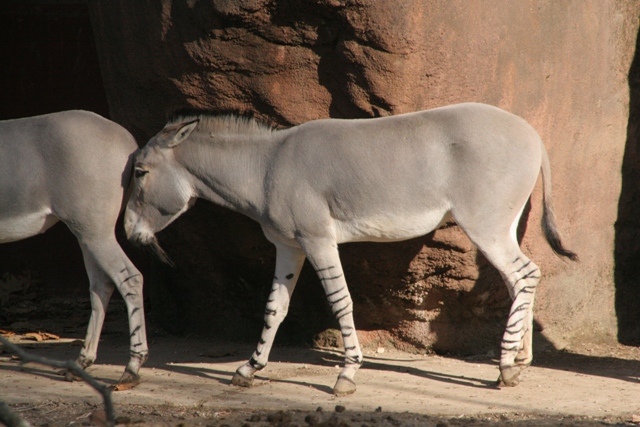
The donkey’s ancestor, African Wild Asses once lived all over North Africa, but now they are critically endangered.
Donkeys aplenty can be found roaming fields and mountains all over Africa, but their ancestor the African Wild Ass is critically endangered. Equus africanus used to be found as far north as Morocco’s Atlas Mountains and as far east as the Arabian peninsular, but now only a few hundred of them are left in Eritrea, Ethiopia, Somalia, and Sudan. Domesticated about 6,000 years ago, wild asses adapted extraordinary tools for surviving in harsh desert climates, but now they are hunted for meat and medicine.

 Flavorful basil for cooking now grows on trees, says Hishshtil, Israeli garden and agricultural nursery.



 The Middle East can learn about energy savings from the Japanese, and the Japanese concept of setsuden.