Home Blog Page 457

OP ED: Bioplastics Will not Solve the Plastic Pollution Problem

2

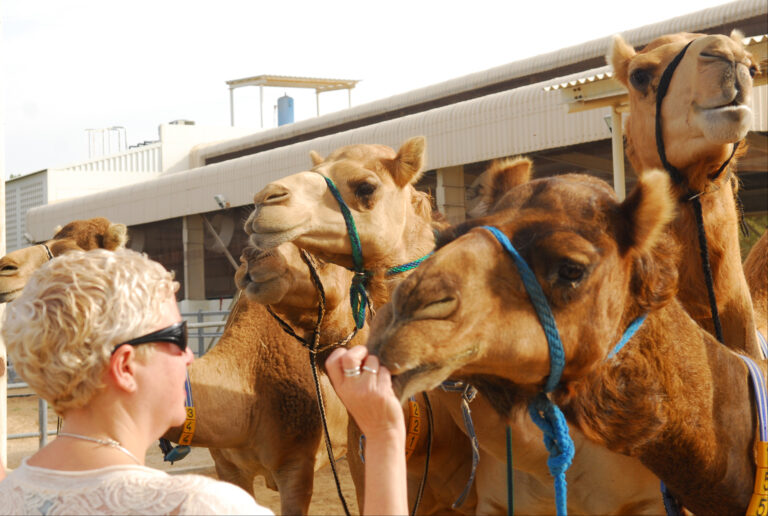
plastics, bioplastics, pollution, camels, Middle East, Dubai, Abu Dhabi, GulfDaniella Dimitrova Russo from the Plastic Pollution Coalition warns that bioplastics will not solve plastic pollution.
Plastic pollution is one of the major issues facing our planet today. Plastic bags festoon trees in Ras Al Khaimah in the United Arab Emirates, and along the streets of New York, USA. Plastic washes up on the beaches of American Samoa, Hawaii and the Galapagos Islands. Disposable plastic items like lighters, bottle caps, and straws are found in the stomachs of albatrosses from the Midway atoll, and in the bodies of animals around the world. Plastic particles float in the five oceanic gyres. Simply put, plastic pollution is all around us.

Are ESLs A Mercury-Free Replacement for CFL Lights?

14

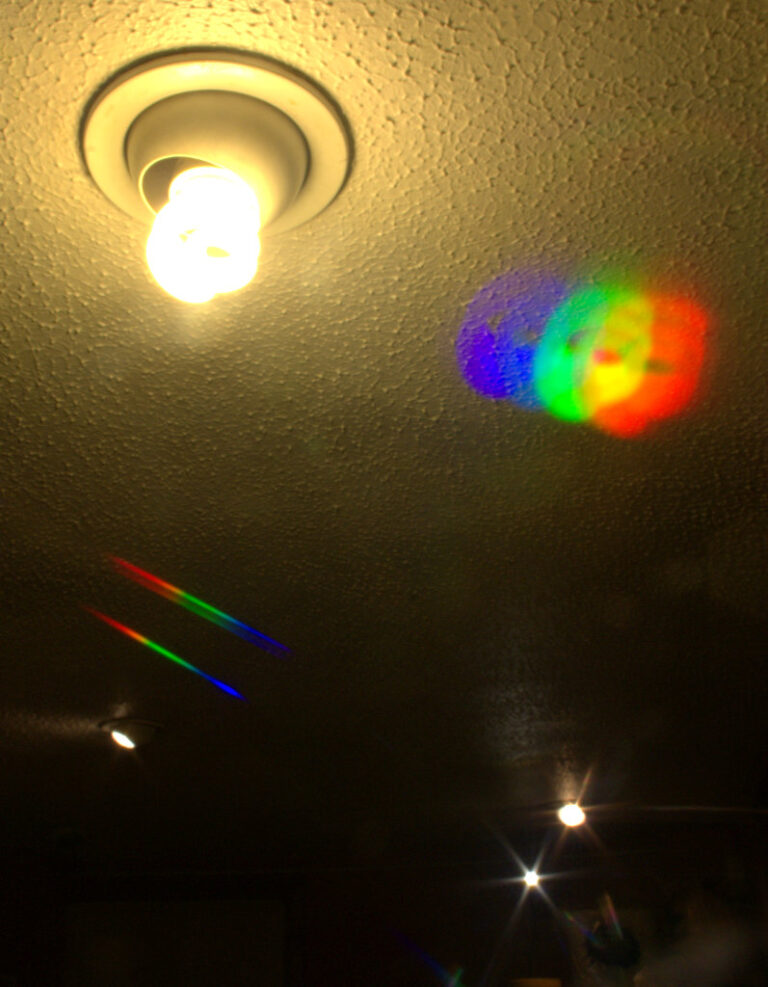
cfl, efl spectrums ledSpectrums: CFL (top) has mercury’s characteristic violet and green. Incandescent (middle) spectrum is smooth with strong reds (warm). LED (bottom) has a bright peak in blue.
If only there were a light bulb as efficient as a compact fluorescent light (CFL), but without the ghastly green light and brain-eating  toxic mercury.   Am I asking too much?  The inventors of the Electron Stimulated Luminance (ESL) lights don’t think so.  A company called Vu1 plans to sell ESL bulbs in Europe and the Mideast in 2013.  Vu1 lights are based on cathode ray tube (CRT) technology, are dim-able and have the cozy glow of incandescent light bulbs.  How did Vu1 accomplish this magic?  It helps that I know a little bit about CRTs from the days when my brother and I repaired old televisions.

Jordanians Hold Vigil for Fukushima

0

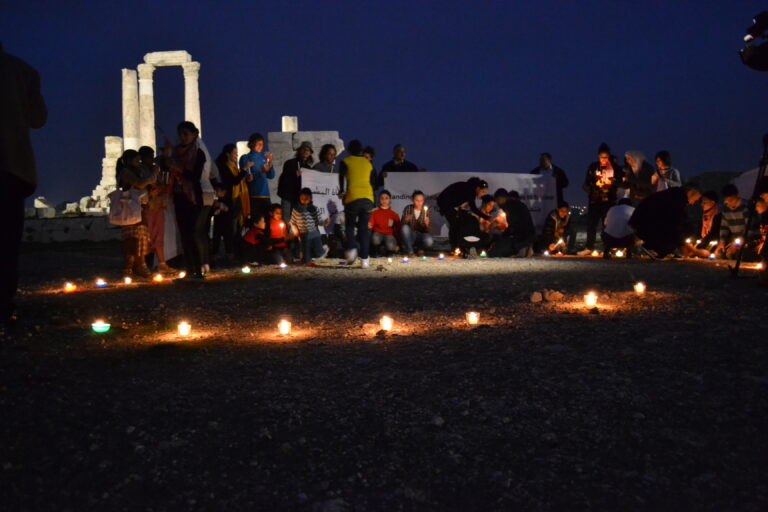
On the first anniversary of the Fukushima nuclear disaster, Greenpeace volunteers gathered in Amman to hold a vigil

The event was organised to show solidarity with those who have suffered due to the Fukushima incident and all those who have been placed in danger due to the use of nuclear power. Greenpeace Jordan, which has been campaigning against the country’s plans to build a nuclear reactor, added that they wanted to say that Jordan “still has a chance to protect the future of its people.” At around 6.30pm, 40 sky lanterns were released by Jordanians citizens and Japanese students to remember the nuclear disaster which began to unfold exactly one year ago in Fukushima.

“We stand in solidarity with the roughly 150,000 residents of the area whose homes and lands have been contaminated by the nuclear meltdowns and who face uncertainty concerning their personal health and that of their children,” said Raefah Makki, Greenpeace Arab World Communications Director. “Jordan must never experience the same,” added Makki.

Public Transportation on Tel Aviv’s Sabbath: Ecologically Smart or Defiling Religious Law?

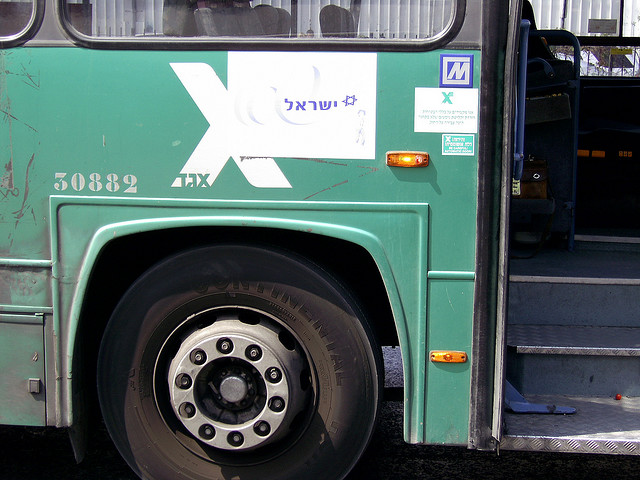
"tel aviv bus saturday"Public transportation shuts down completely on the Jewish Sabbath across Israel, but now Tel Aviv (Israel’s secular capital) wants to allow buses within the city on Saturdays.

It’s a bit of a paradox: Saturday is the one day that Israelis universally have off from work, but it is also the only day that public transportation doesn’t operate.  And so if you are a secular Israeli without a car (for either financial or ecological reasons), there is no way for you to get around and enjoy your day off.  (In Tel Aviv you can still take advantage of the city-wide bike sharing system, but that’s not always practical.)

The reason for this weekly public transportation hiatus is religious.  The Jewish Sabbath is designated as a day of rest, and Orthodox Jews observe it by abstaining from driving or riding in motorized vehicles, using electricity, and conducting monetary transactions, among other things.  Which is fine for Orthodox Jews, but Tel Aviv is largely secular and its residents would like an inexpensive, eco-friendly way to get around on the weekends.

Going Bananas Over Food Miles – Putting the Eco Back in Economics

8

food miles for fruit, watermelon bananas
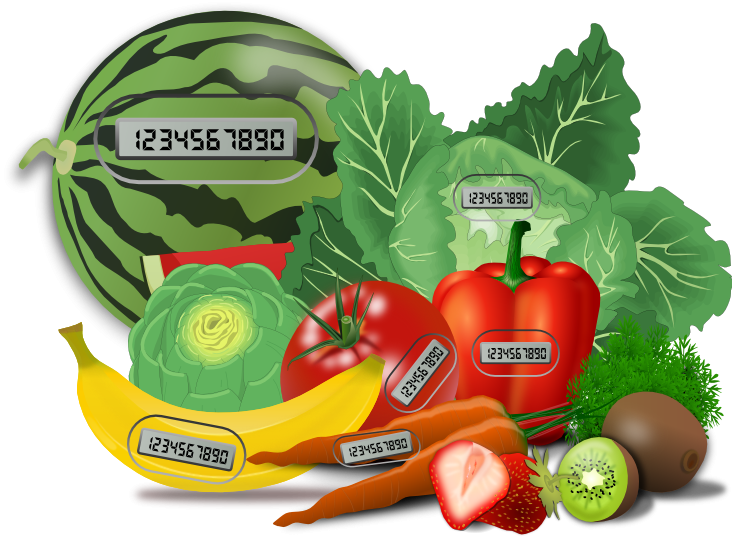
Food miles explained: I know the best option is to grow and buy locally.  But when that isn’t possible, what is the least worse option?

It was like one of those weird trivia quizzes, What do these places have in common: Israel, Egypt, Chile and the United States? The answer is that berries from these countries were shrink-wrapped together to be sold in an Irish grocery store.  According to the label on a package of berries I bought in a local store in Ireland, the cherries came from Israel, the strawberries from Egypt, the blueberries from Chile and the raspberries from the United States.  Something didn’t seem quite right about this. Especially since I am concerned about food miles. I decided to look into the economics of shipping these products to my home. 

Volt Voted Out as GM Readies to Suspend Production

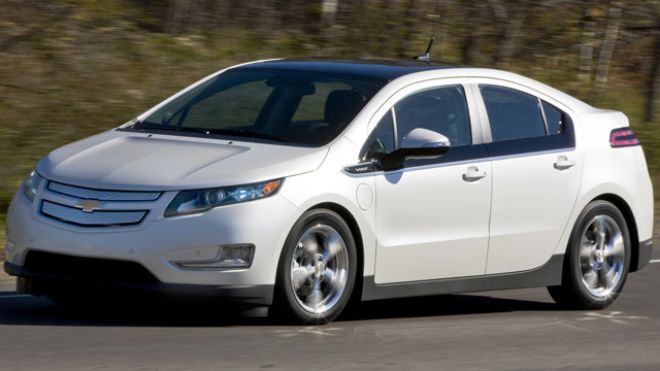
GM VoltChevy’s Volt Electric Hybrid car being suspended due to poor demand

When General Motors announced its new plan to build the ultimate electric car, the Chevy Volt, blogs were a talking, and it was as though customers were lining up to buy. But with setbacks following adverse publicity involving the car’s battery pack catching fire in crash tests and extremely slow sales of the car in US dealerships GM has announced that they will suspend production of the Volt.

Saudi’s Bridge Plans and Nuclear Protest in Turkey- News Snippets

1

turkey-nuclear-greenpeace-fukushima-saudi-land-sea-bridge-egypt-water-islam-qatar-climate-summitFrom protests in Turkey to everything you wanted to know about climate change, catch up on the latest green news from the region

Saudi Minister Denies Land Bridge to Egypt Plans
Following a rather mixed reaction to the news that plans were afoot to build a bridge connecting Egypt and Saudi via the Red Sea, the Saudi Minister of Transport has denied any agreement between the countries. Speaking to the Arab News, the minister said, “There is no any such agreement to the effect between the ministry and any other party concerning the project.”

Sheikh Khalifa Medical City Gives New Meaning to Retail Therapy

1

green design, passive design, Abu Dhabi, Sheikh Khalifa Medical City, SOM, architecture, urban, retail therapy, Estidama

SOM is behind the new Sheikh Khalifa Medical City in Abu Dhabi, which will feature all kinds of “retail therapy!”

The 2.5 million square foot Sheikh Khalifa Medical City in Abu Dhabi will combine three state of the art hospitals in one giant, green space. Aiming for two Estidama pearls, the new center designed by SOM will replace the existing Sheikh Khalifa Medical Center and will incorporate a variety of passive techniques to combat the heat.

SEHA, the Abu Dhabi Health Service company, is keen to ensure a sense of peace and comfort for both patients and visitors, so the sprawling medical center will be arranged around lobbies, cafes, courtyards, hanging gardens, and retail facilities. The idea seems to be that a little retail therapy goes a long way to help visitors avoid looking at sickness and death.  

Now Masdar Brings Solar Power to Tonga

0

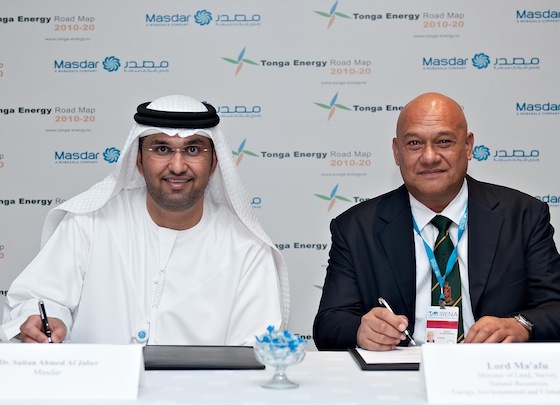
masdar-tonga-agreement

Masdar expands its solar ambitions to the South Pacific

The tiny kingdom of Tonga in the south pacific has just signed a memorandum of understanding with the Abu Dhabi based company Masdar for a 500 KW solar project to be built on the island of Vava’ in Tonga.

This will add to the 1 MW solar project that broke ground at the end of last year on the main island of Tongatapu, in collaboration with the New Zealand Ministry of Foreign Affairs and Trade to reduce the cost of electricity for the average consumer.

Sustainable Architecture In The Middle East – Interview with Karim Elgendy

2

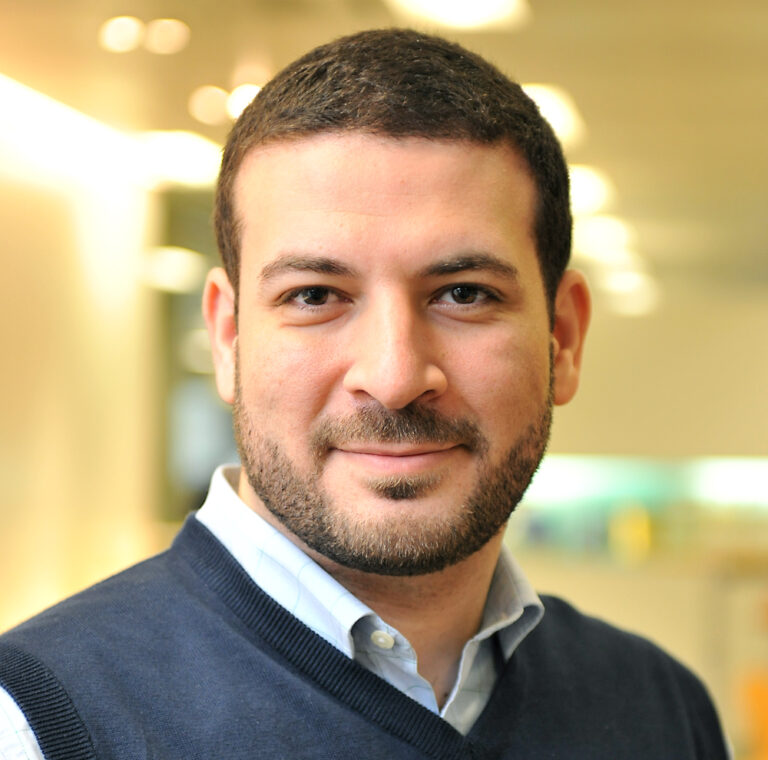
karim elgendy carboun sustainability-middle-east-architecture-buildings-water-doha-qatar-summitWe speak to Karim Elgendy, founder of the Middle East sustainability initiative ‘Carboun’ about what motivates his work and why green ratings for buildings aren’t a silver bullet

Last month, Carboun an advocacy initiative promoting sustainability in the Middle East celebrated its second anniversary. Headed by Karim Elgendy they have certainly come a long way in very short space of time. Since its launch Carboun has moved from producing some great infographics highlighting environmental issues in the Middle East, to playing an active role in green projects in the region. As well as a growing team of representatives, they are hosting an event at the UN Conference of Parties (COP 18) at Doha in December and have also launched 24/7 Electricity, a research project that looks into energy generation challenges in Lebanon. I caught up with Karim to find out more about Carboun, the major challenges ahead and what sustainable design can do for the region.

Jerusalem Camel Abuse Caught on Camera

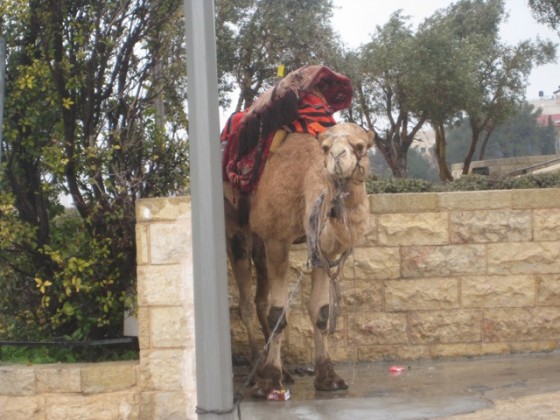
camel abuseCold, wet and utterly miserable, this is no “dancing camel”

Regular Green Prophet readers have surely seen our articles on animal cruelty and abuse. They range from cruelty toward circus animals, to abuse towards animals in private and public zoos.   Cases of wild animals like cheetahs and baby tigers being kept as pets by jaded wealthy people in various locations, including the Arab Gulf have also been widely reported. These are occurrences that happen all too frequently, unfortunately, and despite concerted efforts by animal rights activists and various public awareness groups, the practice of abusing, torturing, and killing both wild and domestic animals continues unabated all over the Middle East. Even in Israel, where animal rights laws are very advanced. On a recent trip to Jerusalem I found an abused camel, tied to an electric pole.

Solar Flare and Geomagnetic Storm Spares Earthlings

3

solar flare, solar storm, nature, science, technology, NASA, space, technology

Yesterday a solar flare that slammed into earth did not create any of the disruptions forecasted by scientists. 

Earthlings waited with bated breath yesterday as a solar flare hurled by a coronal mass ejection on the sun slammed into our planet. NASA and the National Oceanic and Atmospheric Association (NOAA) both cautioned that this would be the worst such flare since 2006 and that it could cause “severe” disruptions to modern technology such as GPS and satellite systems and power grids. But the solar storm was far weaker than anticipated and created nary a disruption. This time.

Jerusalem camel abuse

0

No Dancing Camel here; but a definite example of animal abuse

We are no stranger to animal abuse: ranging from cruelty toward circus animals, to abuse towards animals in private and public zoos.  Cases of wild animals like cheetahs and baby tigers being kept as pets by jaded wealthy people in various locations, including the United Arab Emirates have also been reported.

These are occurrences that happen all too frequently, unfortunately; and despite concerted efforts by animal rights activists and various public awareness groups, the practice of abusing, torturing, and killing both wild and domestic animals continues unabated all over the Middle East and the world at large.

Tektuğ Elektrik Group Enters Turkey’s Expanding Wind Energy Sector

wind farm turkey german company adiyaman
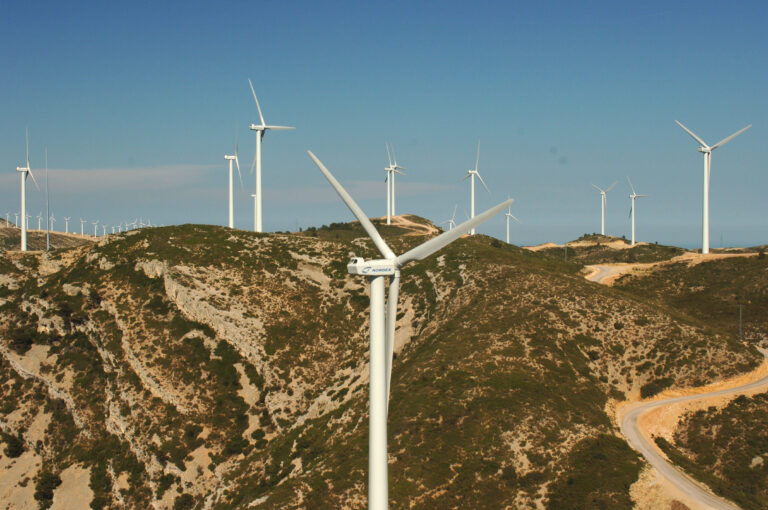
German wind turbine manufacturer Nordex will construct eleven 2.5 MW turbines for the Tektuğ Elektrik Group’s first wind project.

This autumn, on a mountain ridge in southeastern Turkey’s Adiyaman province, construction will begin on the 27.5 MW “Sincik” wind energy farm, Nordex announced today. It will be the flagship wind energy project of the Tektuğ Elektrik Group, a Turkish firm specializing in renewable energy.

Polish Kite Surfer Fights Off Red Sea Sharks With a Knife

0

Red Sea, Egypt, Saudi Arabia, travel, nature, Red Sea SharksThis white tip shark is found in the Red Sea, where a Polish kite surfer who for two days used a knife to fight off sharks up to 6m long.

A professional kite surfer and instructor from Poland recently survived two days of drifting in the Red Sea by fighting off sharks with a knife. With just a couple of energy bars and drinks and a small amount of water, the first kitesurfer to cross the Baltic Sea set off from El Gouna in Egypt to Duba, Saudi Arabia. But then the wind died.

SOS fail

Jan Lisewski’s sail deflated when the wind stopped, forcing the 42 year old to drift with the waves. But as the swells grew larger and the sun was setting, he finally lit an SOS signal.

Saudi Arabia’s coast guard failed to reach him for another 40 hours.

Related: Egypt dive boat sinks

While drifting through the water at night, he claimed that he attacked by sharks that were up to 6 meters long, according to Vancouver Sun.

“I was stabbing them in the eyes, the nose and gills,” Lisewski told Polish state news agency PAP.

A sea full of nearly extinct sharks

Few Egyptians would attempt such a bold feat since the Red Sea is well-known for its shark population, even though conservationists point out that their danger is exaggerated.

Most shark attacks are accidental and occur when snorkelers or surfers are misidentified as prey. Sharks almost never hunt humans.

In 2010 three Russian tourists were attacked by a White Tip shark while snorkeling off the Sinai Peninsula. Their injuries were not fatal, but just one week later in 2010 an elderly woman was killed.

An apex species, the future of Red Sea sharks is uncertain. Protection legislation designed to protect them has alerted Yemini fishermen to Red Sea sharks‘ whereabouts and even locals are guilty of hunting them for their fins, which sell for a hefty sum in Asia.

Green Prophet writer Miriam Kresh reported earlier this year that “since last year’s political uprising, and consequent deterioration of law enforcement, poachers supplying restaurants with illicit shark fins have driven the Red Sea shark population down by as much as 80 percent” and put them at risk of extinction.

More on Red Sea Sharks:

Protection Legislation Endangers Red Sea Sharks

Egypt’s Red Sea Sharks Face Extinction

Three Russian Red Sea Snorkelers Attacked by White Tip Shark