Home Blog Page 452

Holy Land Leaders: Muslims, Jews, Christians Link to Save the Planet

hamsa with wings
Ahead of Rio +20 join the interfaith climate and energy conference in Jerusalem next week.

Can mobilizing the world’s faithful save the planet where activists without faith have failed? Muslim, Jewish and Christian leaders will be speaking out on climate change next week, while conveying their shared visions on renewable energy at the Interfaith Climate and Energy Conference. It will be held in Jerusalem on Monday, March 19th and you the public are invited to attend.

What the Kony 2012 Video Can Teach Saudi Arabia’s Greens

0

saudi arabia recycling sign
Let’s admit it: the Kony Video is big. With more views in a week than any other TV show and YouTube video showing a number usually reserved for the latest antics of the Kardashian Clan, the video has quickly and effectively managed to communicate its message. The controversies surrounding the cause as pointed out by some people have not done much damage to the viral status of the video. Looking at the video and following the ensuing responses, both good and bad, I believe that Saudi Arabia‘s movement for environmental conservation and green living can take some rather valuable lessons from the epic success of the Kony Video.

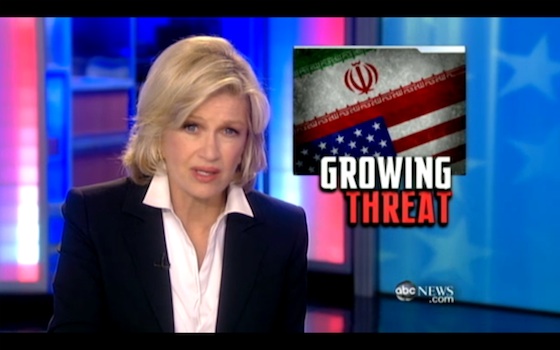
What Iran Could Learn from Abu Dhabi’s First Nuclear Plant

0

aladdin's lamp nuclear iran, abu dhabi
Iran’s Bushehr nuclear plant has been under suspicion for decades, rightly or wrongly.

So as not to arouse alarm, the United Arab Emirates’ civil nuclear plan has been taking the opposite approach of complete transparency. The UAE has forgone any plans to enrich or reprocess uranium itself, so as to allay any cause for suspicion or concerns about nuclear proliferation. Abu Dhabi engaged an independent regulator, and an international advisory board that includes Hans Blix – famous for the globally backed hunt for Iraq’s nukes.

And Abu Dhabi’s first ever nuclear power plant was just permitted this month.

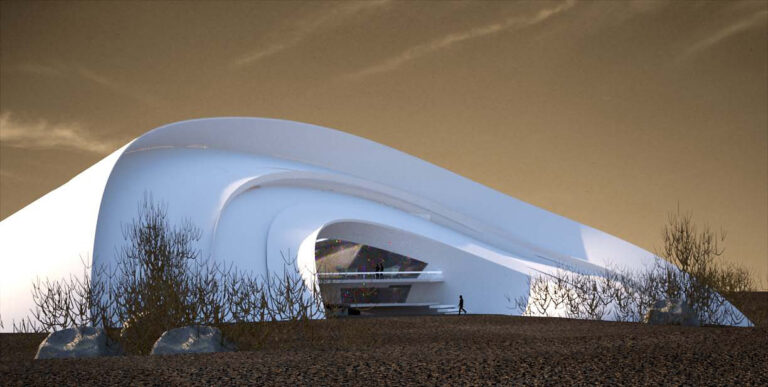
Curvy Desert Home Designed by Iranian Students Mimics the Snail

Iran biomimicry design-architecture

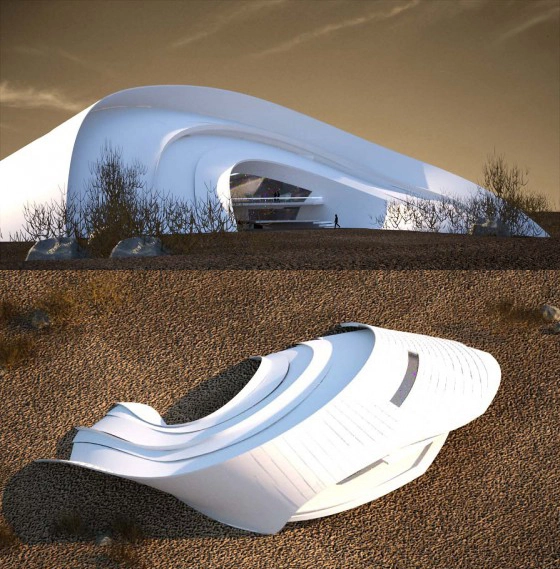
A team of Iranian students won a prestigious design competition with this cool desert dwelling!

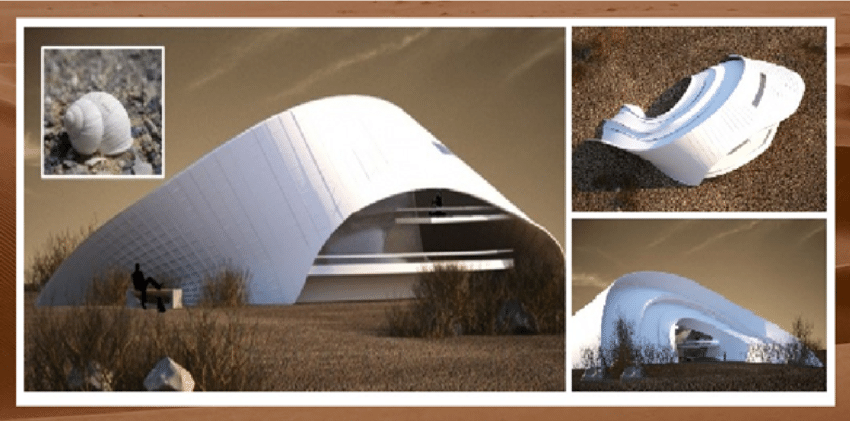
If you think this curvy desert dwelling looks a bit like a snail, then you definitely aren’t going crazy! Tasked by the Biomimicry Institute’s Student Design Challenge with finding solutions to every day challenges by looking to nature, Elnaz Amiri, Hesam Andalib, Roza Atarod, and M-amin Mohamad from the Art University of Isfahan in Iran decided to design a house that is self-cooling – just like a snail. Step into our lair for more details about this very – ahem – cool home.

Staying Cool

Hesam Andalib told Fastco. Design that the snail has remarkable qualities that has allowed it to stay both cool and moist in even the harshest temperatures. He and the rest of the design team found its form, the material of its shell, and its coping strategies to be qualities worth emulating in architecture.

To mimic the curvature of the snail’s shell, the students created crescent shaped panels that overlap one another. These prevent excess sunlight from penetrating the interior and its off-white color is thought to reflect sunlight.

Like the snail, which retreats far into the depths of its shell when the sun blazes, residents of this desert dwelling (if it is built) can escape the heat by tunneling further into the building’s recess. The further the reach, the cooler the interior – like a cave.

In case this sounds too good to be true, the students tested their ideas using Ecotect Building Analysis. Unsurprisingly, they found that the design works and the home would be perfectly comfortable without air conditioning in even the most formidable heat.

And we would be remiss if we didn’t mention how exciting it is for Iranian designers to win such a respected prize when the rest of the world is waiting with bated breath for the country to self-destruct.
 

biomimicry design Iran

Biomimicry in the Middle East

Biomimicry is slowly gaining momentum in the Middle East. Two Egyptian women have designed eco-tours that encourage students to look to the camel and scorpions and other desert animals for solutions to modern issues.

And last year we interviewed one of the foremost leaders in the biomimicry field, Melissa Sterry, who shared a few mind-blowing concepts that could easily be adapted in the Middle East.

But biomimicry’s most compelling advantage might be that in order to achieve the kind of pre-industrial efficiency and sustainability demonstrated by our ancestors, it might not be necessary for all of us to live in cob buildings and eat roots. We can move into the next era by combining nature’s prowess with our own technological might. Within reason.

More awesome desert dwellings:
First Earth: Uncompromising Ecological Architecture
The Mashrabiya House Beats the Heat With Traditional Arabic Technique
Hassan Fathy is the Father of Sustainable Architecture


Pink Slime A Non-Issue for Kosher McDonald’s

1

pink slime woman eating burgerGood news! McDonald’s burgers sold in Israel don’t contain pink slime, and never did. 
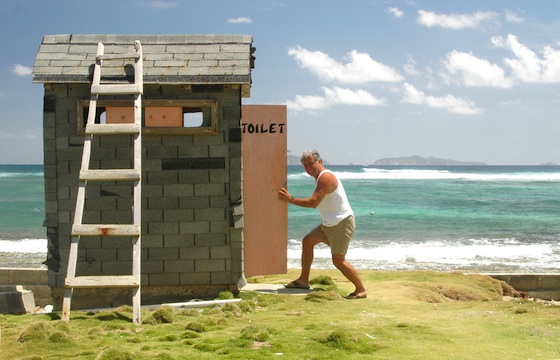
Pink slime, a beef filler ingredient made from from slaughter house beef trimmings is freaking out consumers worldwide. The pink slime is made as meat parts are converted to pink slime as the meat passes through a centrifuge. Pink slime aroused a significant amount of controversy recently when it was discovered that it was being treated with ammonium hydroxide to kill e-coli and other harmful bacteria. When the pink slime story was first posted on Green Prophet we reported that the substance was found to be in use by some of the largest fast food chains in North America, especially McDonald’s. Although McDonald’s later announced that they are removing pink slime from their hamburger patties, other questionable chemical additives appear to be in use as well. But the good news for people who eat kosher McDonald’s in Israel and at other parts of the world: pink slime was never used, a spokesperson tells me.

Paper Made From Sewage Rolls off Israeli Shelves

3

recycling, wastewater treatment, paper, sewage, Israel, cleantech, water issuesEventually the paper you write on could come from a loo near you thanks to the company Applied Clean Tech.

We’ve reported earlier than Applied Clean Tech is creating fuel with every flush. Now the same company has developed a system that makes paper from sewage, Ynet News reports. Dr. Refeal Aharon from Applied Clean Tech said that 99.9 percent of what comes through the municipal wastewater treatment system is black and grey water, while the rest is a mixture of solid substances such as food waste, toilet paper, and clothing fibers. Once cleaned, these solids can be used to make cellulose, which in turn can be transformed into a whole new variety of recycled paper.

Lebanon’s ‘Weak State’ Supports Construction Boom, Environmental Bust

1

aerial view beirut
An interesting report published at the Heinrich Böll Stiftung Middle East institute by Waltraud- Frommherz-Hassib called “No Plan?…. Money rules” (links to PDF) reveals alarming issues concerning the lack of regulation of construction practices in Lebanon that are undermining the quality of life its people and are steering the country towards an environmental and urban disaster. Although it is hard to find news reports that explicitly confirm these highly political, legislative and institutional issues there is plenty of evidence on the impacts of boundless construction practices. Let’s look at these practices and what’s driving it.

Israeli Technology Creates The Basil Tree

6

basil tree picture israel Flavorful basil for cooking now grows on trees, says Hishshtil, Israeli garden and agricultural nursery.

I’m used to growing a handful of basil sprouts in a window box, never enough for two batches of pesto (see our delicious pesto recipe here). It seems like a dream to stroll over to a tree and pluck off as many basil leaves as I need, confident that I can harvest again all year around. Hishtil’s successful graft of basil to another, strong-rooted plant has produced this green culinary wonder. Very different from rooting supermarket basil in water, as I wrote about here.

SlutWalk Israel A Step Forward For Religious and Conservative Women

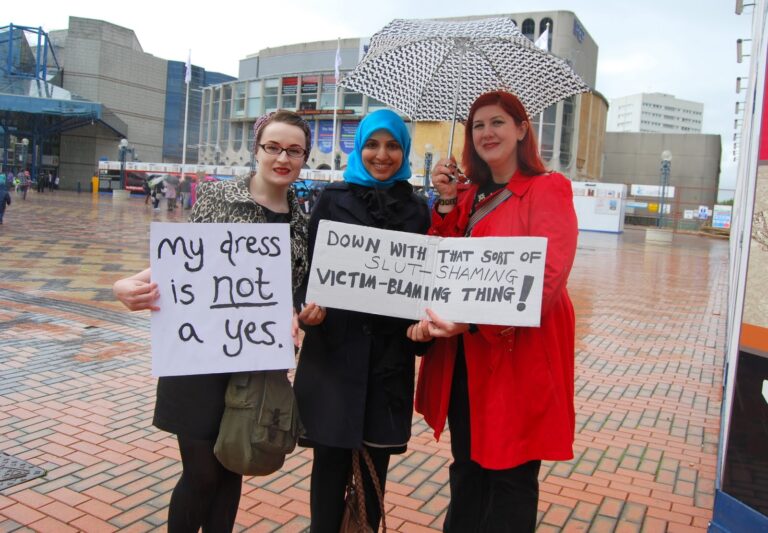
slutwalk israel women Israel will host the first SlutWalk in the Middle East this weekend, but the movement has growing support in other countries, including Morocco. Will these efforts finally lead to greater freedom for women of all religious persuasions?

When I wrote the article, The Middle East Needs More Sluts, the response was overwhelming and heated, with opinions following roughly along religious lines.  Secular and progressive readers understood that the title was more than a headline grabber, and an invitation to reconsider the negative stereotypes of language used to denigrate and control women. The more conservative respondents were horrified by the language, and pointed to the moral values of modesty, something they couldn’t see in women who seemed to dress, look or act certain ways.

Both groups have valid points. Now that SlutWalk is coming to Israel, will they meet at the intersection and finally talk?

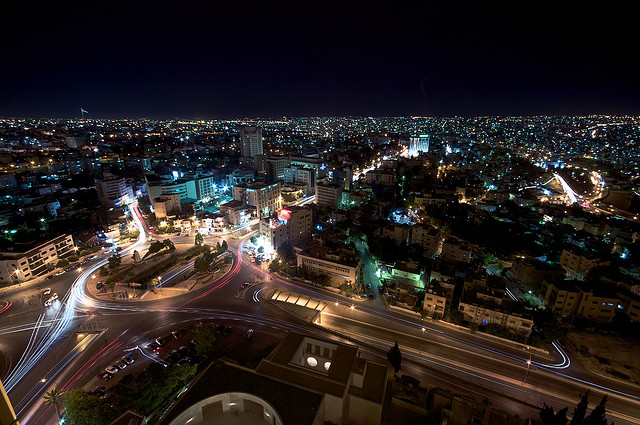
Jordan’s Public Transport Plans Blocked By ‘Political’ Barriers

bus-rapid-transit-delay-politics-public-transportAccording to local engineers, the public needs to show its support for Jordan’s ambitious Bus Rapid Transit to help it overcome political barriers

Over a year ago, we reported (with considerable excitement) that Jordan was planning to deal with the growing congestion of the capital city by establishing a new line of buses. These high-capacity buses would carry more than 120 passengers along exclusive bus lanes, and would operate every three minutes during peak time. The Bus Rapid Transit (BRT) plans were aimed at reducing traffic along Amman’s busiest routes by improving public transport- a victory for the environment and common sense we thought.

However a couple of months before the project’s inauguration it was announced that the BRT plans have been shelved pending further review. There were murmurs that corruption had led to the project’s demise although officially, the project was halted due to ‘feasibility and funding concerns.’

Sad and Abused Jerusalem Camel Caught on Film Again

4

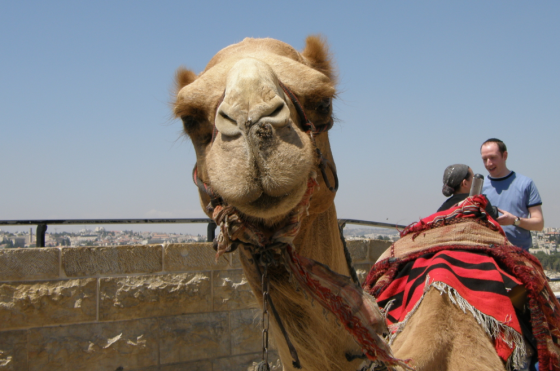
jerusalem camel abuse caught again
Thanks to readers like this one, we are able to document further abuses of a Jerusalem camel. Image by Rimonah Traub

Last week Green Prophet’s Maurice spotted an abused camel used for tourist rides in Jerusalem. Chained to a pole to walk around in its own faeces, his article led to a bigger feature story in a local Israeli paper Maariv (links to Hebrew version of story). He wasn’t the only local to spot the camel. A reader sends us this after seeing the story:

“Regarding the abused camel on Mount Olives, I have photographed the same camel over the past few years, the last shot I got of him, he had sores on his face, was frothing at the mouth and looked thin and neglected. I believe that this is really one very neglected and abused camel,” writes Rimonah Traub, an amateur photographer who runs the photoblog website Israel Camera Focus.

The next step is to know what the local animal authorities are going to do to help this abused creature.

Catch something fishy or suspicious on film? Want to report an animal abuse or an environmental problem? Send us your tips to [email protected]. We will give full credit, or full anonymity to the sender.

BP Commences Oil Extraction in Egypt’s Gulf of Suez

1

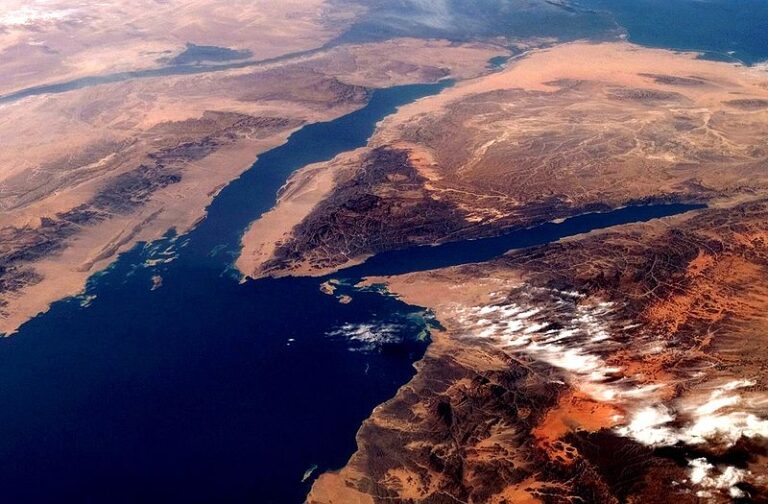
BP, oil, Gulf of Suez, Egypt, oil spill, Red Sea, Coral ReefOil from a previously unexploited field in Egypt’s Gulf of Suez is now flowing, BP announced on Tuesday.

BP has commenced oil extraction from a dormant field in the Gulf of Suez, Bikya Masr reports. Plans to exploit oil from the NS377 field had been delayed, but it is now being piped by BP’s field partner Beach Energy to the Ras Ghara onshore processing facility owned by Petrobel.

Pamukkale for Liquid Relaxation the Turkish Way

5

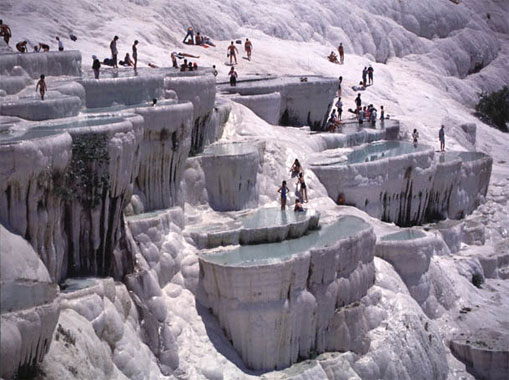
Pamukkale, Turkey

Think Egypt’s White Desert meeting Mont Blanc. 

Three days of heavy snowfall hit downtown Amman, fat flakes screaming for clothes not found in our closets.  Schools shut and offices closed.  Icy roads wrought havoc on the annual Dead2Red bike and running race. Park aside historical significance, religious connotation, and cultural pride: I say this waterbody’s main value is as an organic stress-reducer for Egyptians and Jordanians, and for tourists from everywhere else drawn to its salt-encrusted shores. 

Wade, float, gaze at its gorgeousness and feel your muscles go slack, your pulse settle into a kitten’s purr at the Dead Sea. So with local weather so unpredictable and a school break looming, I poked around for alternative de-stress-tinations with a warm water theme. Say hello to Pamukkale, Turkey.

Setsuden Helped Japan Conserve 75 Nuclear Reactors Worth of Energy

0

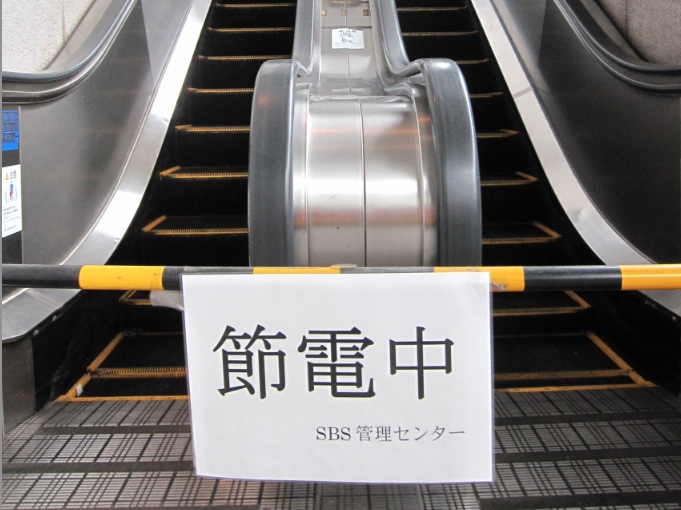
tokyo elevator setsudenThe Middle East can learn about energy savings from the Japanese, and the Japanese concept of setsuden. 
Sometime during the mid 1990s a series of heat waves coincided with a refueling shut-down at one of my home state’s nuclear power plants. Citizens were asked to voluntarily cut usage.  Somehow we managed to conserve the equivalent of the nuclear power plant’s generating capacity. Now, one year after Japan’s earthquake and tsunami caused partial meltdowns at Fukushima Daiichi, fifty-four Japanese nuclear power plants have been shut down.   How did the people of Japan make up for a 30% shortfall in their electric generating capacity?

“The Showcase” is a Mini Prototype Stadium for Qatar’s 2022 World Cup

0

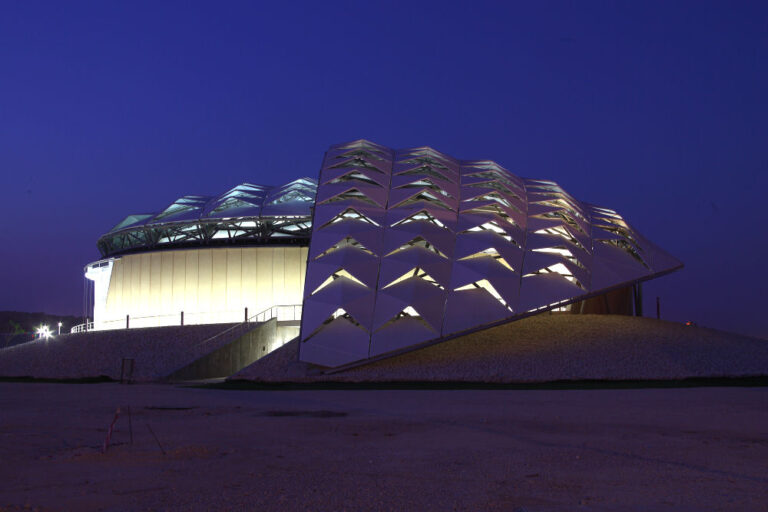
green design, Qatar, 2022 World Cup, The Showcase, Arup, Arup Associates, solar-power, zero carbon, green building, eco-architectureThe Showcase is a prototype stadium used to demonstrate the technology that will cool the 2022 World Cup in Qatar

We had our doubts when we first heard that Qatar wanted to host the 2022 Soccer World Cup in the desert, in the middle of the summer. And we became even more suspicious when whispers of bribery rippled through the wires. But Arup’s mini stadium called The Showcase, which was partly responsible for clinching the bid in the first place, demonstrates that Qatar is poised to make a success of its wild plans. No one thought South Africa would pull off 2010; maybe this is a game that we play? In any case, step in for a glimpse at Arup’s zero carbon prototype stadium, which showcases technology that will keep athletes and spectators cool in 2022.