“In the midst of uncertain time, renewable energy remains consistent and steadfast in its expansion,” said Francesco La Camera, IRENA’s Director-General. “A more decentralised energy system, with a growing share of renewables and more market players, is structurally more resilient.”
Health insurance is a regulated financial product. Insurers operate under binding contracts, overseen by state insurance commissioners, that legally obligate them to pay claims meeting policy terms. Policyholders who believe a covered claim was wrongfully denied have legal recourse through state regulatory channels.
The New Zealand Merino Company, now rebranded as Zentera, has quietly removed the phrase “world’s leading ethical wool brand” from its website, a notable change that comes after a disturbing investigation by PETA Asia-Pacific into the company’s ZQ-certified wool supply chain, PETA reports to Green Prophet.
Somehow vegetables with short seasons excite the imagination and appetite more sharply than produce that’s available all year around. Good Middle Eastern cooks have many recipes for delicate fava beans, and this turmeric-fragrant soup is one.
“In the midst of uncertain time, renewable energy remains consistent and steadfast in its expansion,” said Francesco La Camera, IRENA’s Director-General. “A more decentralised energy system, with a growing share of renewables and more market players, is structurally more resilient.”
Health insurance is a regulated financial product. Insurers operate under binding contracts, overseen by state insurance commissioners, that legally obligate them to pay claims meeting policy terms. Policyholders who believe a covered claim was wrongfully denied have legal recourse through state regulatory channels.
The New Zealand Merino Company, now rebranded as Zentera, has quietly removed the phrase “world’s leading ethical wool brand” from its website, a notable change that comes after a disturbing investigation by PETA Asia-Pacific into the company’s ZQ-certified wool supply chain, PETA reports to Green Prophet.
Somehow vegetables with short seasons excite the imagination and appetite more sharply than produce that’s available all year around. Good Middle Eastern cooks have many recipes for delicate fava beans, and this turmeric-fragrant soup is one.
“In the midst of uncertain time, renewable energy remains consistent and steadfast in its expansion,” said Francesco La Camera, IRENA’s Director-General. “A more decentralised energy system, with a growing share of renewables and more market players, is structurally more resilient.”
Health insurance is a regulated financial product. Insurers operate under binding contracts, overseen by state insurance commissioners, that legally obligate them to pay claims meeting policy terms. Policyholders who believe a covered claim was wrongfully denied have legal recourse through state regulatory channels.
The New Zealand Merino Company, now rebranded as Zentera, has quietly removed the phrase “world’s leading ethical wool brand” from its website, a notable change that comes after a disturbing investigation by PETA Asia-Pacific into the company’s ZQ-certified wool supply chain, PETA reports to Green Prophet.
Somehow vegetables with short seasons excite the imagination and appetite more sharply than produce that’s available all year around. Good Middle Eastern cooks have many recipes for delicate fava beans, and this turmeric-fragrant soup is one.
“In the midst of uncertain time, renewable energy remains consistent and steadfast in its expansion,” said Francesco La Camera, IRENA’s Director-General. “A more decentralised energy system, with a growing share of renewables and more market players, is structurally more resilient.”
Health insurance is a regulated financial product. Insurers operate under binding contracts, overseen by state insurance commissioners, that legally obligate them to pay claims meeting policy terms. Policyholders who believe a covered claim was wrongfully denied have legal recourse through state regulatory channels.
The New Zealand Merino Company, now rebranded as Zentera, has quietly removed the phrase “world’s leading ethical wool brand” from its website, a notable change that comes after a disturbing investigation by PETA Asia-Pacific into the company’s ZQ-certified wool supply chain, PETA reports to Green Prophet.
Somehow vegetables with short seasons excite the imagination and appetite more sharply than produce that’s available all year around. Good Middle Eastern cooks have many recipes for delicate fava beans, and this turmeric-fragrant soup is one.
“In the midst of uncertain time, renewable energy remains consistent and steadfast in its expansion,” said Francesco La Camera, IRENA’s Director-General. “A more decentralised energy system, with a growing share of renewables and more market players, is structurally more resilient.”
Health insurance is a regulated financial product. Insurers operate under binding contracts, overseen by state insurance commissioners, that legally obligate them to pay claims meeting policy terms. Policyholders who believe a covered claim was wrongfully denied have legal recourse through state regulatory channels.
The New Zealand Merino Company, now rebranded as Zentera, has quietly removed the phrase “world’s leading ethical wool brand” from its website, a notable change that comes after a disturbing investigation by PETA Asia-Pacific into the company’s ZQ-certified wool supply chain, PETA reports to Green Prophet.
Somehow vegetables with short seasons excite the imagination and appetite more sharply than produce that’s available all year around. Good Middle Eastern cooks have many recipes for delicate fava beans, and this turmeric-fragrant soup is one.
“In the midst of uncertain time, renewable energy remains consistent and steadfast in its expansion,” said Francesco La Camera, IRENA’s Director-General. “A more decentralised energy system, with a growing share of renewables and more market players, is structurally more resilient.”
Health insurance is a regulated financial product. Insurers operate under binding contracts, overseen by state insurance commissioners, that legally obligate them to pay claims meeting policy terms. Policyholders who believe a covered claim was wrongfully denied have legal recourse through state regulatory channels.
The New Zealand Merino Company, now rebranded as Zentera, has quietly removed the phrase “world’s leading ethical wool brand” from its website, a notable change that comes after a disturbing investigation by PETA Asia-Pacific into the company’s ZQ-certified wool supply chain, PETA reports to Green Prophet.
Somehow vegetables with short seasons excite the imagination and appetite more sharply than produce that’s available all year around. Good Middle Eastern cooks have many recipes for delicate fava beans, and this turmeric-fragrant soup is one.
“In the midst of uncertain time, renewable energy remains consistent and steadfast in its expansion,” said Francesco La Camera, IRENA’s Director-General. “A more decentralised energy system, with a growing share of renewables and more market players, is structurally more resilient.”
Health insurance is a regulated financial product. Insurers operate under binding contracts, overseen by state insurance commissioners, that legally obligate them to pay claims meeting policy terms. Policyholders who believe a covered claim was wrongfully denied have legal recourse through state regulatory channels.
The New Zealand Merino Company, now rebranded as Zentera, has quietly removed the phrase “world’s leading ethical wool brand” from its website, a notable change that comes after a disturbing investigation by PETA Asia-Pacific into the company’s ZQ-certified wool supply chain, PETA reports to Green Prophet.
Somehow vegetables with short seasons excite the imagination and appetite more sharply than produce that’s available all year around. Good Middle Eastern cooks have many recipes for delicate fava beans, and this turmeric-fragrant soup is one.
“In the midst of uncertain time, renewable energy remains consistent and steadfast in its expansion,” said Francesco La Camera, IRENA’s Director-General. “A more decentralised energy system, with a growing share of renewables and more market players, is structurally more resilient.”
Health insurance is a regulated financial product. Insurers operate under binding contracts, overseen by state insurance commissioners, that legally obligate them to pay claims meeting policy terms. Policyholders who believe a covered claim was wrongfully denied have legal recourse through state regulatory channels.
The New Zealand Merino Company, now rebranded as Zentera, has quietly removed the phrase “world’s leading ethical wool brand” from its website, a notable change that comes after a disturbing investigation by PETA Asia-Pacific into the company’s ZQ-certified wool supply chain, PETA reports to Green Prophet.
Somehow vegetables with short seasons excite the imagination and appetite more sharply than produce that’s available all year around. Good Middle Eastern cooks have many recipes for delicate fava beans, and this turmeric-fragrant soup is one.
The MUV-e folding e-scooter from Israel can be personalized, linked to your smart phone, carried with you on the bus and stored in small apartments without taking much space. Estimated cost about $2000.
Urban transportation has recently taken on new and innovative forms, which include gliding along on electric skates, and surfing city sidewalks on various types of electric powered scooters. An electric powered unicycle, the U3-X being developed by Honda, even travel sideways. For those who commute daily into large cities by way of buses, trains, or subways, an even newer and fully portable transportation device is now being worked on that can be literally taken with them to work.
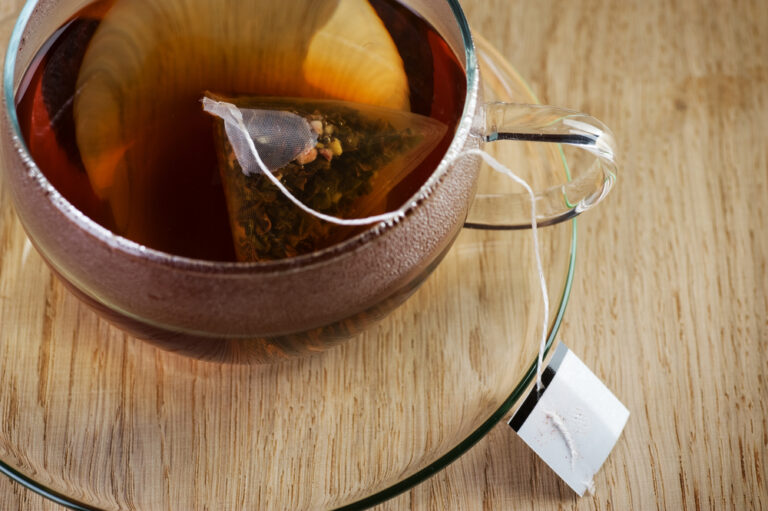
Reuse your tea bags in multiple ways. In this guide we use simple, black tea and herbal teas where stated.
Like our popular guide on reusing air conditioner water, old tea bags ? … that’s easy. As an avid tea drinker, I was intrigued when I stumbled upon a variety of sources that promoted the eco-friendly use of tea bags, outside the teacup. Arthur W. Pinero, an Englishman, of course, said, “Where there’s tea, there’s hope.” That’s definitely true. Brewed tea bags can provide a pick-me-up in ways you’d least expect. Here are 13 of them. You can use tea…
1. As a cold compress.
Got tired eyes, bruises, or sunburn? Bee stings or mosquito bites? Did your child just get a shot at the doctor’s but the free lollipop wasn’t consolation enough? Apply a cool, moist tea bag made from black tea to these kinds of affected areas on the skin to get soothing relief and quicker healing.
2. As a hot compress.
Trying to get rid of pinkeye, canker sores or fever blisters? Or maybe a plantar wart smack dab in the middle of the sole of your right foot? Warm, wet tea bags can draw out the infections.
3. To clean your carpets.
For more delicate, Persian or Oriental carpets, sprinkle almost-dry tea leaves on the carpet, and then sweep them away when dry. Tea leaves on more heavy-duty carpets can be vacuumed.
4. To take a flavored bath.
Treat your skin as you would your taste buds, in the bathtub. Give your bath salts a run for their money by running the bath water over several used tea bags. You’ll have yourself an aromatic, skin-softening soak in no time.
5. To feed your garden.
Cultivate your healthy plants and bring your dying ones back to life by breaking open a soaked tea bag and disseminating the contents over the soil. Roses and ferns do especially well with the acidic tannins found in black tea.
Don’t have a garden? Add the used tea leaves to your enrich your compost pile – and if you don’t have that, make one. (Remember to take the staples out of the tea bag, if there are any.)
6. To eliminate odors around the house.
Put dried tea leaves in your garbage can and your kitten’s litter box. They’ll also suck up food odors when stuck in a bowl in the fridge. And combine them with your favorite essential oils to make all-natural air fresheners.
Odors might also be closer than you think: especially if you’ve been handling fish, your hands might smell…fishy. Rinse your hands with old tea. As for your mouth and all that bad-breath bacteria, skip the shocking Listerine and go for a gentle mint tea mouth rinse.
7. To give your locks some love.
Tea acts as a sort of leave-in conditioner: Make your dry hair shiny by rinsing your hair with unsweetened tea. Leave your head alone to dry, then rinse out the tea. This works well in areas with hard water.
8. To polish your wooden floors.
You might need to amass quite a few tea bags for this one. Mop your wooden floors with brewed tea, and while you’re at it, shine up some furniture, too.
9. To say goodbye to greasy dishes.
Whatever it may be that is caked onto your plates from dinner, do not fear. Soak the dishes in hot water with a few brewed tea bags. The more the grease, the more time will be needed to break it down; soaking the pile overnight is recommended.
10. To recreate potpourri.
Rarely do used tea bags lose their scent completely. Dry out your favorite teas (any kinds will do) and add the leaves to potpourri; they’ll blend right in, aesthetically and also in form. After all, potpourri is made of dried fruit peels, herb leaves, flowers, and spices.
11. To replace Windex.
Maybe your kids had their hands all over the windows, or maybe the glass is just dusty. Make them sparkle by rubbing a damp teabag over them or applying brewed tea from a spray bottle, then wiping it away with a cloth.
12. To discover your inner Michelangelo.
Artists have started to use strong black teas to paint backgrounds or accentuate black-and-white sketches.
and my favorite…
13. To make flavored rice.
When cooking rice, add your used herbal tea bags to the water to allow a new, mild flavor to permeate throughout. Jasmine tea, one of my personal favorites, is a great choice for rice-flavoring.
After steeping a tea bag two or more times (because once is never enough) to enjoy my favorite hot drink, I always felt bad tossing it. Knowing now of brewed tea bags’ reusability, I’ll be able to leave the leaves out of the trash for a little while longer.
Mountaineer Omar Samra posted a photo on his Facebook page of him posing with Egyptian triathlete Omar Nour. Theirs is a match made in sporting heaven. Samra went from a hectic career in finance to being the first Egyptian to reach the top of Mt. Everest. (He also strives to be the first Egyptian in space.) Nour went from hitting 230 pounds while starting a telecommunications business to training to become the first triathlete from Egypt to make it to the Olympics. The story starts in Cairo.
New underwater photos from five different locations around the Gulf of Izmir confirm that life is returning to the once-blighted water.
The gulf was used as an open sewer system from the 1960s until 2000, when the city of Izmir initiated the Big Gulf Project to clean it up. Those efforts are paying off, according to observations collected by the Marine Sciences and Technology Institute of Turkey’s Dokuz Eylül University (DEU) in a newly released report, according to the Turkish paper Hürriyet Daily News.
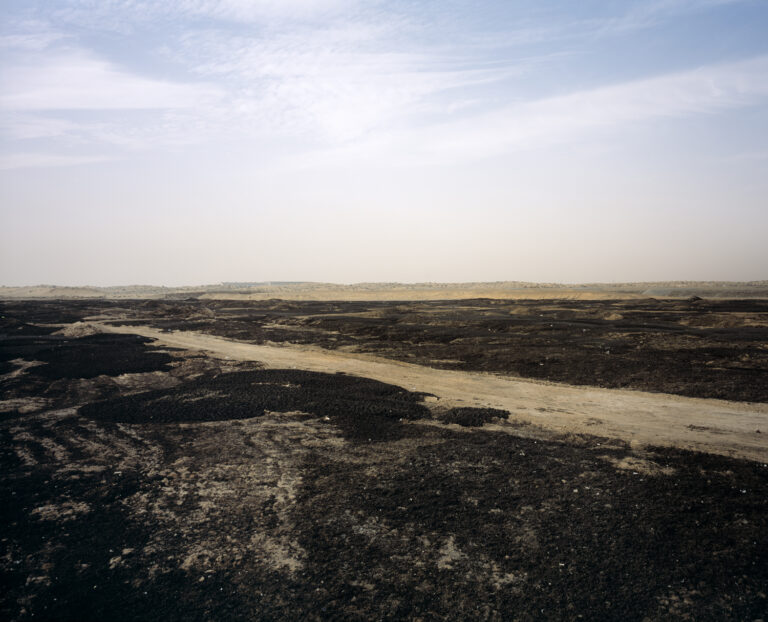
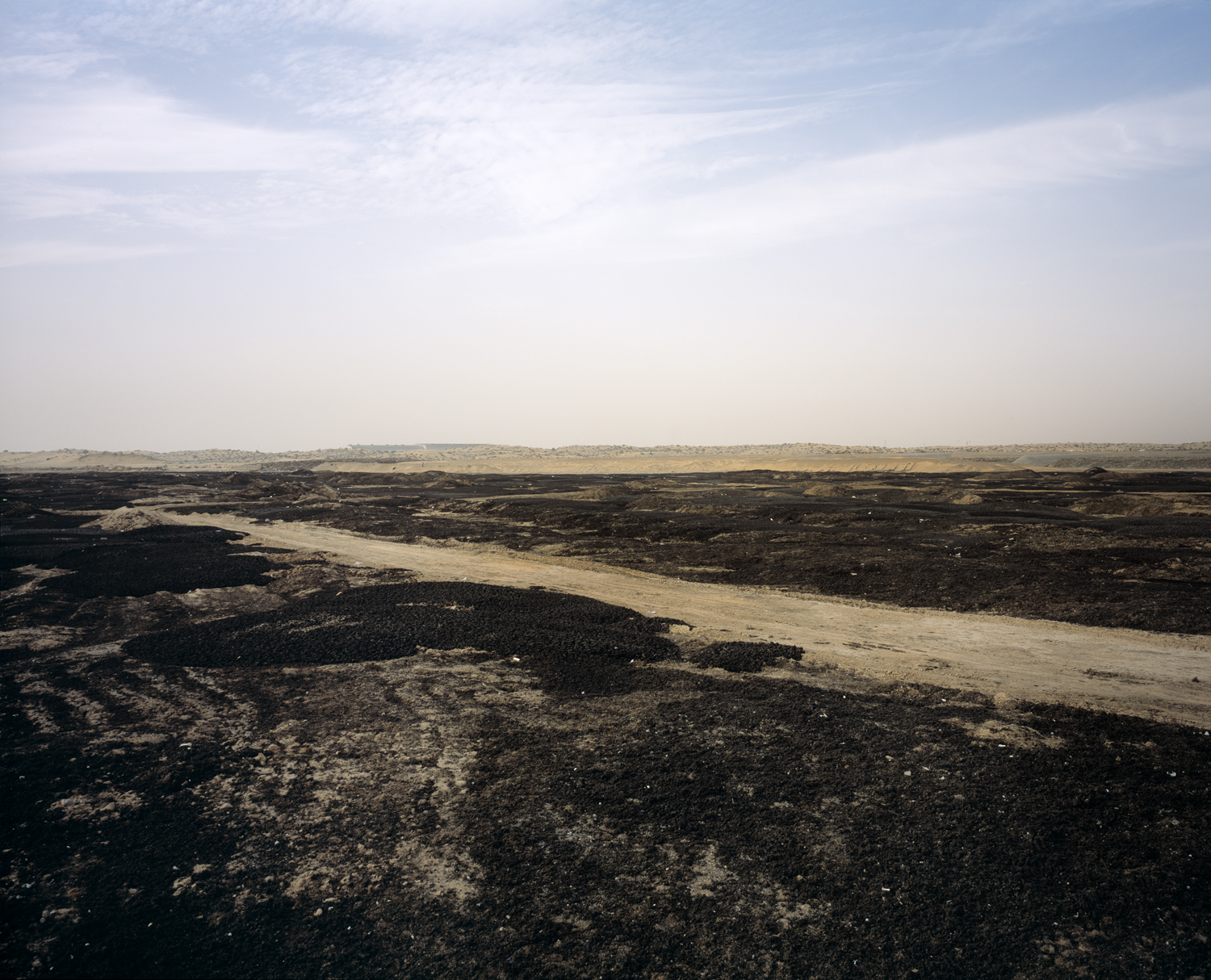
Even though, perversely for a landscape photographer, I tend to seek out uglier-than-average places, this possibly wins the prize for one of the least glamorous locations I’ve photographed. It’s a very sizable field of human excrement on the road from Sharjah to Dhaid in the United Arab Emirates.
It’s part of the excellent work being done by Beeah, Sharjah’s award-winning waste management company. This drying field is one of the early stages in their process of converting sewage into valuable compost. The commodity is eventually resold into the local market at 11 Dirhams (or $3) a kilo. Not a bad price for a pile of ….
Note from the editor: this photograph is the second in a series called “Consumption” that seeks to document consumerism’s impact on the environment. From resource extraction and commodity production all the way down the supply chain to retail stores and waste processing facilities, Richard artfully examines what nature has come to mean in a world that depends on buying stuff.
Like in biblical times locust swarms threaten Egyptian crops.
Scattered pockets of locusts in southern Egypt and northern Sudan are a threat to agricultural land, warns the UN Food and Agriculture Organization (FAO). Countries along the Red Sea should remain on “high alert and make every effort to find and treat all infestations”, it says. During January, immature locusts known as “hoppers” formed bands and swarms along the coastal plains of the Red Sea, increasing locust numbers significantly in southeastern Egypt, northeastern Sudan, Eritrea and Saudi Arabia, FAO said in its January bulletin.
The Sea of Marmara is swamped with plastic pollution and other byproducts of our rampant consumerism, but according to ONZ Architects, the issue is “swept under the carpet” and most residents of Istanbul faced with continued development look the other way. The designers’ strategy to encourage a new awareness involves sweeping that carpet right back out from underneath people’s feet.
Called “Tearing the Earth,” their design for a temporary installation at Istanbul Modern for the first Young Architects Program involves ripping up the courtyard adjacent to the museum, removing the earth, and creating a suspended “flying carpet” made of plastic pollution swept up by the sea. One of five finalists, ONZ Architects made a curious video of their design process and you can watch it after the jump.
Didn’t Azerbaijan just claim to be building the world’s tallest tower?
Abu Dhabi Group will construct the world’s tallest building in Pakistan. It’s the stuff of dreams. Let’s hope it stays that way. The project will surpass Dubai’s Burj Khalifa (the world’s tallest building in Dubai) as part of a $45 billion national investment by Pakistani tycoon Malik Riaz Hussain, according to Construction Week Online.
The mega-deal between Sheikh Nahyan bin Mubarak Al Nahyan, chairman of Abu Dhabi Group, and Hussain was just inked in Abu Dhabi. Sheikh Al Nahyan said, “I am genuinely happy that in this historic project we are working with visionary Malik Riaz Hussain, this guarantees that the project will be delivered beyond our expectations but also before time. We will Inshallah be welcoming first residents in next three to four years.”
Watch that space. Not a single major capital project has come in as per original schedule in the Middle East in a decade (developments related to elite sporting events are excluded from that broad smack-down). It’s the economy, stupid. Development money flows at a trickle, and new space is hard to sell.
DESERTEC Power, backed by the original DESERTEC Foundation, recently launched in Saudi Arabia with plans to work alongside scientists and researchers at the King Abdullah City for Atomic & Renewable Energy (KA-CARE) to usher in a clean, renewable new era for the world’s most notorious oil producer.
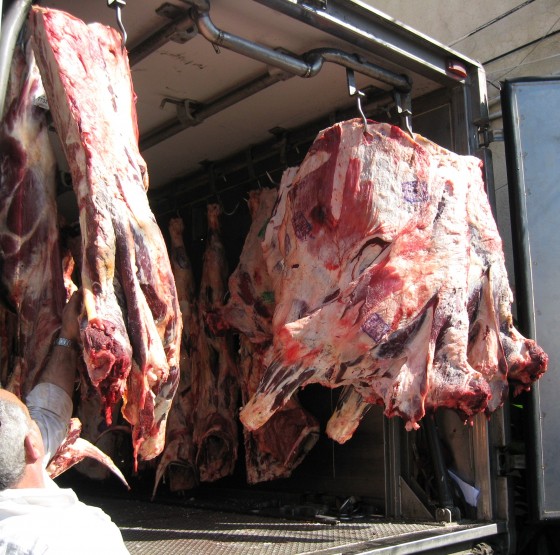
Cut your meat consumption by half to combat global warming, urges UN Environment Program.
All over the US, Europe and even in the Tel Aviv University, people are adopting Paul McCartney and Yoko Ono’s Meat-Free Mondays. But one meatless day a week isn’t enough to undo the environmental damage that industrial farming methods cause. The UN Environmental Program (Unep) is asking us to cut our meat consumption in half.
UK consumers are buying less meat since the horse meat scandal came to light through contaminated Burger King Whoppers. Now its believed that the fraud stretches across the European Union, with horse meat even appearing in school lunches. It’s like a finger pointed at the meat-eating consumer, shaking us into awareness.
While appreciating the useful, although nauseating lesson in transparency and awareness, there’s an issue just as serious at stake. That is, at steak.
If the first world doesn’t curb its runaway appetite for meat, the fragile balance of the natural world will tip over.
Beauty ads make a plethora of cosmetics virtually irresistible: this lipstick will accentuate your luscious lips and this moisturizer will keep you eternally young and attractive, but there are all kinds of hidden dangers associated with these cosmetics that are very poorly understood – particularly in the Middle East and North Africa region, where regulations are slightly less robust than elsewhere.
The David Suzuki foundation has published a list of the “dirty dozen” chemicals present in cosmetics that are known carcinogens or hormone disruptors, pesticides or reproductive toxins. We’ve adapted our list from there in order to spread the all-important message that women especially need to read labels to ensure that the products they use contain no invisible dangers. Or use sustainable cosmetics made by people like this Bedouin woman in Israel.
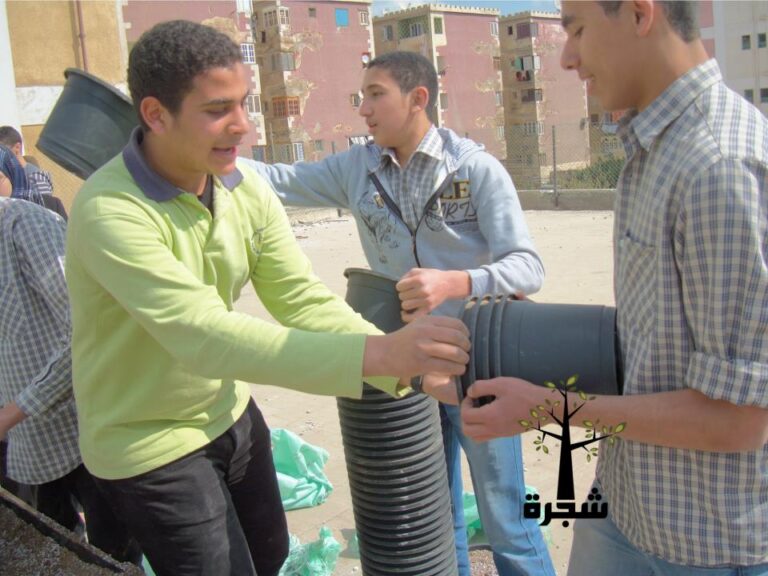
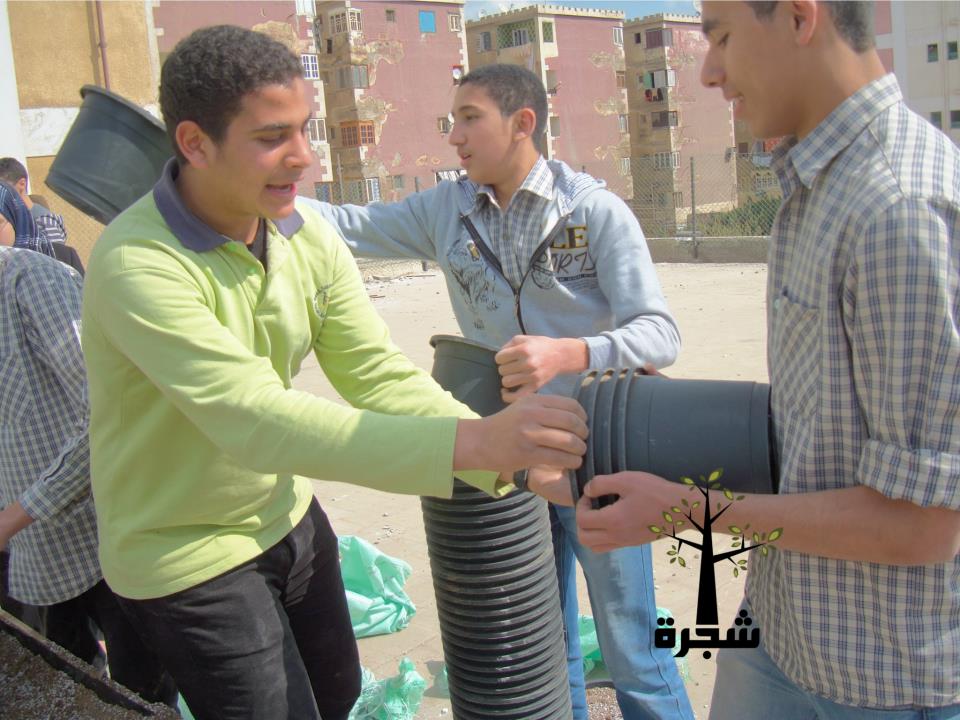
It has been two years since Mohamed Ashraf Abdel Samad founded Shagara – a non profit organization that aims to green Cairo with urban rooftop farms and other carbon-sapping trees and plants – and virtually every day since has been a struggle. After studying for some time in Norway, where his “semi hippie” friends introduced him to the many wonders of nature, Samad completed his MA in Belgium.
He then returned to Cairo, where the overwhelming pollution caused all kinds of health problems. His doctor advised him to leave. Instead, he set out to uproot the problem by planting mini carbon sponges throughout the city – a goal that seemed attainable after Mubarak was ousted. Despite the numerous obstacles he faced, Samad persevered, and the organization’s first rooftop farm is currently being installed on the roof of Hassan Abu Baker School.
Not even zaatar gurus can spot a fake that easily.
Although it pains me to say it, I might have to think twice about buying zaatar items at the next Middle Eastern bakery I pass: It could be the case that there are harmful additives in the spice mixture.
Zaatar, the unique combination of such spices as thyme, sumac, oregano, and sesame, among others, is seen in bakeries and in home kitchens across the Middle East. Food connoisseurs like Green Prophet’s own Miriam Kresh probably don’t hesitate to make homemade zaatar, but for the rest of us, it’s as simple as stopping in our favorite bakeries for a quick purchase.
However, industry sources in Lebanon have recently revealed that bakeries have started to use unfit ingredients in zaatar, to decrease its production costs. After all, prices of produce are going up, but the government has done little in terms of subsidization. Kazem Ibrahim, the head of the Association of Bakeries in Lebanon, admitted the likelihood of some bakeries’ use of “fake zaatar.”
A surge of round-the-world cyclists have emerged in the last few years as touring gear has improved and borders have become more fluid (for certain passport holders.) Two South African men cycled to Mecca, and a pair of American women traveled the Silk Road to support trans-boundary conservation efforts. But these adventures are not without perils.
Tragically, a young couple from the UK were killed last week while on their global journey. They had survived Iran and Turkey previously, but a truck in Thailand struck them down.








 Like in biblical times locust swarms threaten Egyptian crops.