

Abu Dhabi police unveiled their latest acquisition cop car, a Rolls Royce Phantom tricked out in purple and white, the colors of the state police force. It’s the newest addition to the fleet of United Arab Emirates (UAE) police supercars.
Rolls Royce Phantom joins Abu Dhabi police fleet

Is Tel Aviv’s green bus terminal still blooming?
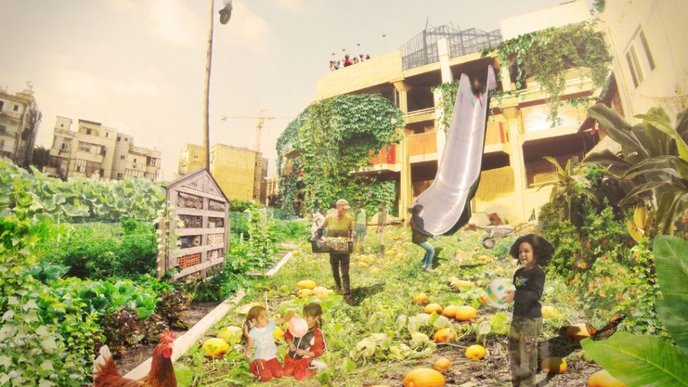
South Tel Aviv’s Central Bus Station (CBS) sprawls across 10 acres in the poorest part of the city. Inaugurated in 1993 as a “city under a roof”, the neglected station – like many urban transport hubs – has since became a hangout, hotel and unofficial business center for addicts, prostitutes, thieves and homeless. It’s not a place to dawdle. Could plants and paint transform this beast into a safe source of civic pride? The optimistic folks behind Next Station thought so. But what’s happened since the project’s November launch?
Sun, sea and…solar power for Egypt’s Sharm el-Sheikh
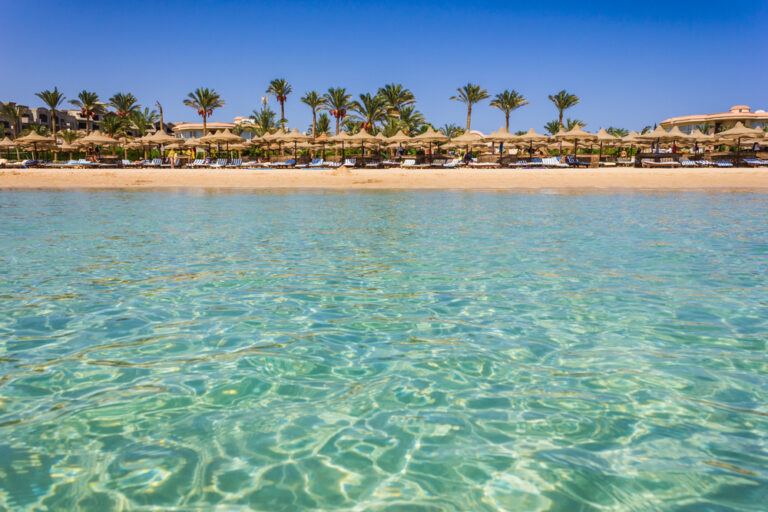
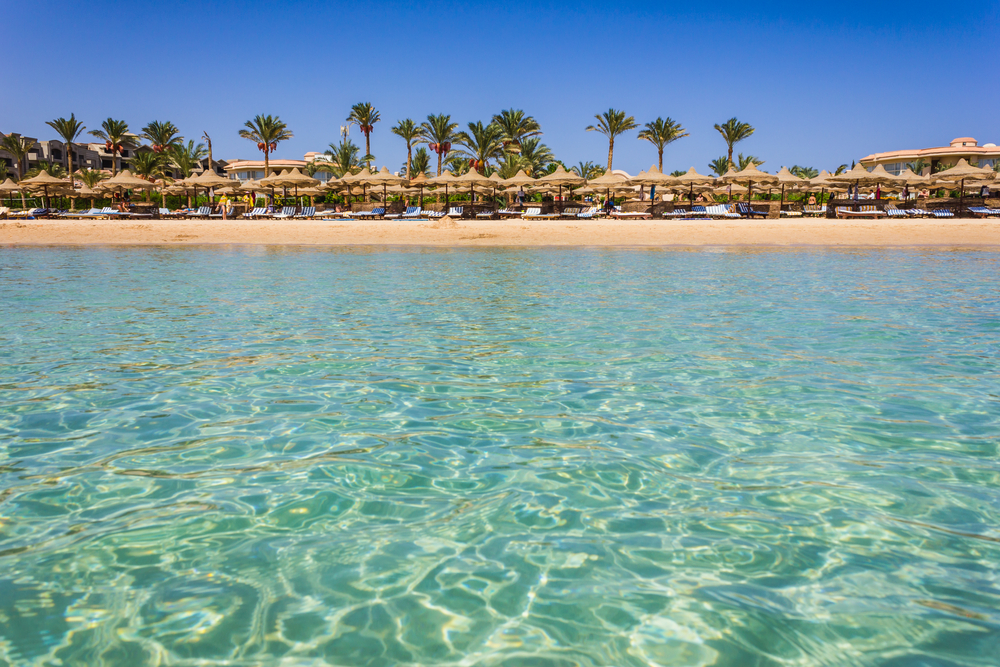 Egypt’s tourist hotspot of Sharm el-Sheikh has plenty of sun, sea and sand. Now the popular resort city is set to get a solar power boost too, with plans for all lighting to come from solar energy.
Sharm el-Sheikh already relies on solar power for 70 percent of its lighting, but the Egyptian government wants to improve this figure even more.
The Governor of South Sinai, Khaled Fouda, has indicated that Sharm el-Sheikh hopes to be fully powered by solar energy within the next three months.
Last week Egypt launched a new power plant generated by solar energy in Siwa in the west of the country.
The move towards alternative energy sources has been a growing trend by the Egyptian government due to an energy shortfall within the country.
Egypt has been facing an energy crisis for years. It aims to build solar power plants and wind energy facilities within the next three years, with a capacity of generating 4,300 megawatts.
Egypt has also signed an agreement with Russia that will assist in the building of a nuclear power plant.
Sharm el-Sheikh will host a major investment summit from 13th-15th March with hopes that there will be investments to help Egypt’s economy.
The government recently said that it expects to start signing deals for solar PV projects at the conference.
Palestinian planned city Rawabi gets water link
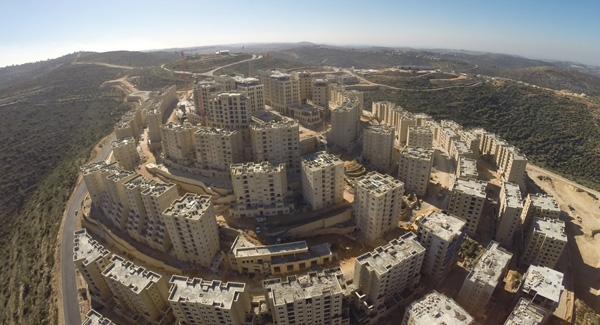
It’s a first for Palestinians in the West Bank – a planned city that from the ground up has been modelled to be a sustainable home for future generations of Palestinians in the West Bank, Palestinian Authority.

Last week the city Rawabi was officially hooked up to its lifeline, Israeli water support, and soon will be home to 5,000 families – one day as many as 40,000 people will live there according to construction plans.
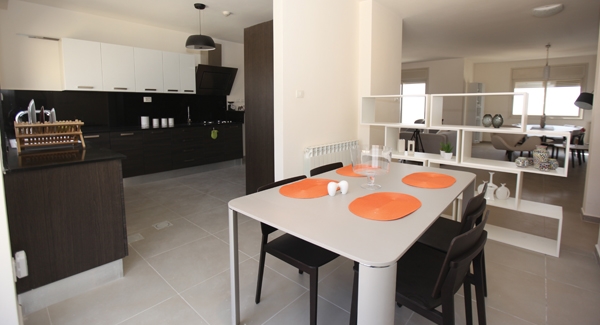
Rawabi has been waiting more than a year to be connected to the water grid, and now Palestinians can live the “American” style suburban dream in Rawabi. It’s the greenest Palestinian city or the green washiest city, one Green Prophet writer comments. In fact if you look at the images and plans Rawabi actually looks like any other ordinary “planned” suburb from Amman to Jerusalem.
Let’s hope that the Rawabians at least don’t have to live with planned city mortgages as well.
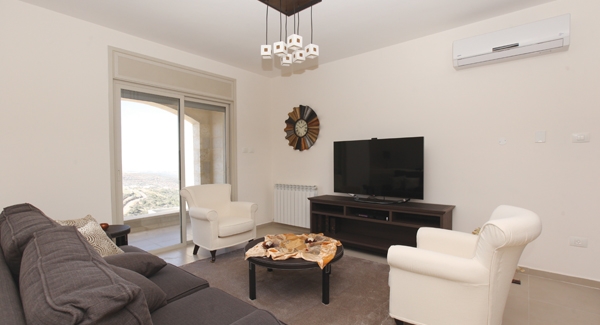
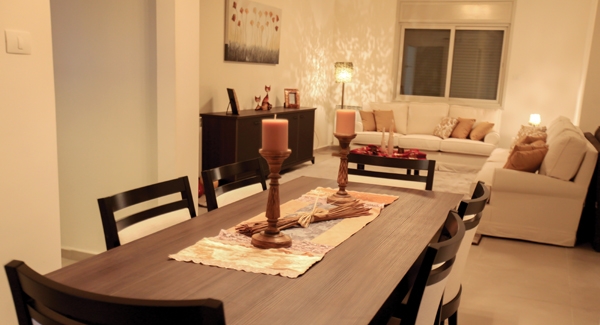
For the back story on Rawabi read our 2011 coverage with Bashar Masri the man who started the Rawabi dream.

Smoked out ants!
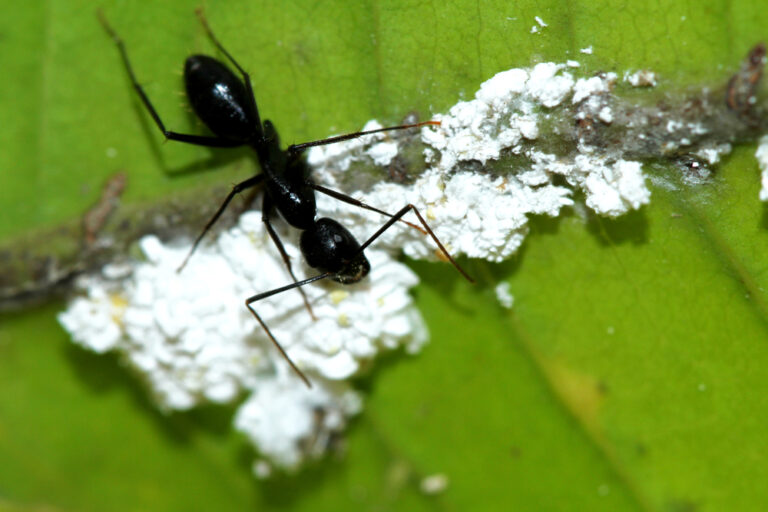
 Young men in United Arab Emirates have jumped on a bizarre, and weirdly “green” addiction, passing on cigarettes and sheesha to smoking dead ants to get high.
They crush local black ants (Pachycondyla sennaarensis) and blend the crumbs in tobacco, drop them into a medhwak (smoking pipe) or sprinkle them on regular smokes before lighting up, according to Gulf News. Health officials say the consequences could be far more harmful than smoking marijuana or hashish.
In certain neighborhoods of Sharjah and Dubai, teens can be found searching alleys and parking lots for the native red ants, called samsun. The fumes from the burnt insect produce visual and auditory hallucinations like those induced by marijuana.
“Samsun ants contain highly concentrated formic acid which is used by the insect to ward off predators and kill prey. When heated the formic acid produces toxic gases. They are not addictive but inhaling them can cause pulmonary fibrosis and renal failure besides other conditions including irreversible nervous system damage,” a Dubai-based pulmonologist told Gulf News.
When they bite, formic acid causes necrosis or deadening of the tissues. Mohammed al Ali, 27, believes the trend started with labourers from the subcontinent who roll the ants into their bhindis – pure tobacco cigarettes rolled up using a tobacco leaf. “It’s a social thing for Indian workers,” the Emirati told The National News. “Go to Satwa Square and they are sitting there smoking the ants they rolled up into their bhindis.
Dubai’s Tobacco Control committee said it was aware of the ant smoking fad, although they have yet to gauge how widespread the habit is among Arab teens. “Until last year there would be just two of three boys, but now there are several groups,” a local Sharjah resident told the website.
“For some teens, the acid in the poison glands of ants smells like vinegar and they inhale its pungent fumes to get a kick. It’s very dangerous as it can cause lung and other diseases,” Dr. Wedad Al Maidoor, Head of the National Tobacco Control Committee, Ministry of Health, told Gulf News. Dr. Reza Khan, wildlife specialist at Dubai Municipality, said a bite by the ant can be fatal for people with allergies if they are not immediately treated in a hospital.
The fad may have started in labor camps where impoverished guest workers smoke ant-filled beedis (hand-rolled cigarettes made of tendu leaves) as a cheap alternative to illegal drugs.
Smoking ants can cause lung diseases and kidney failure, and in some cases, it can also cause sudden death.
Pesticides kill again, now a Sharjah infant
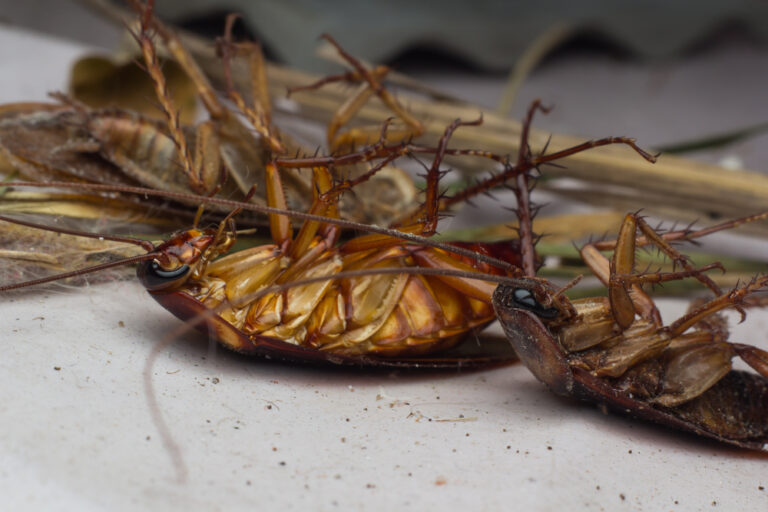
 A newborn baby boy has died and his three-year-old brother is critically ill in hospital after they inhaled a toxic pesticide used in the apartment next door to his family’s home in Sharjah, in the United Arab Emirates (UAE). Police said the neighbour sprayed his flat with the banned bug-killer, which he was given by a friend, then left for a few hours. The boys experienced terrible pain and vomiting after inhaling aluminium phosphide fumes, which likely passed through the apartments though an air conditioning vent. The baby’s death is the latest caused by pesticides.
Sharjah polices arrested the neighbor and charged him with wrongfully causing the death of the child, despite his claims that he did not know the pesticide was a banned substance. They found traces of the chemical inside his apartment, and dead insects in both units.
Police also found cans of the illegal bug “bomb” outside the building, with children playing nearby. “Those bottles can explode if there is a fire beside them,” said Colonel Abdul Qader Al Ameri, the head of the forensic lab at Sharjah Police. “Only God could have saved those kids.”
“We opened the neighbor’s door and the smell was even stronger and a large amount of insects were lying dead on the ground,” a police official told the National.
Police are still looking for the man who supplied the chemical, which releases a poisonous gas that can cause suffocation.
It is illegal to use aluminium phosphide in residential areas as it creates a gas that quickly can leak to other parts of a building through the air ducts and wall vents, causing lethal poisoning. The chemical was banned from public sale in 2009 and only licensed operators may use it. It is usually sold in tablet form.
“It’s just sad to know more people are dying because of reckless individuals who used this prohibited material,” another police official said, “Some people still use cheap things as pesticides and use unlicensed companies. They don’t care for their neighbors’ lives.”
Last July, a Filipino worker died and five others were hospitalized in Dubai’s Al Nahda area after a neighbor used the powerful pesticide phosphine. Doctors initially thought they were suffering from food poisoning.
In 2010, a pest control company in Ajman exposed triplets to bug-killer, killing two boys, aged 5 months, and critically sickening their sister. A year later, pesticide exposure killed a 33-year-old Dubai man, and in May 2012, 10 people were hospitalized after exposure to the chemical in a residential building in Naif, Dubai.
Lallan Yadav, agriculture engineer at Elite Xpress Cleaning, said that the chemical is meant for warehouse fumigation and should only be handled by professionals. Companies must pass municipality tests before being authorized to handle the fumigant.
Pesticides used in Sharjah must comply with municipality-approved specifications, public health and environmental standards and technical requirements about amounts used and methods of application. In Sharjah and Abu Dhabi, companies must be registered with the Centre for Waste Management and the Department of Economic Development.
Health officials in Dubai have issued warnings about hiring illegal companies, with municipal regulations prohibiting importing, handling and trading of pesticides without permission. This latest fatality may prompt more stringent controls for pest control, and raise public awareness to the tragic consequences of not abiding them
Image of dead cockroaches from Shutterstock
Tiny SCiO scanner reveals calories and chemistry in everything!


Want to know which cantaloupe is sweeter, whether that chicken is fresh, or what’s in that bagel? Just whip out a new pocket-sized molecular sensor, aim it at the item and instantly see its quality, ripeness and nutritional value. Quickly analyze the molecular levels of foods, plants, medicines, and more, with results sent straight to your smart phone for review. SCiO puts molecular scanning at your fingertips.
National Unplug Day 2015: on this Sabbath, tech shall rest
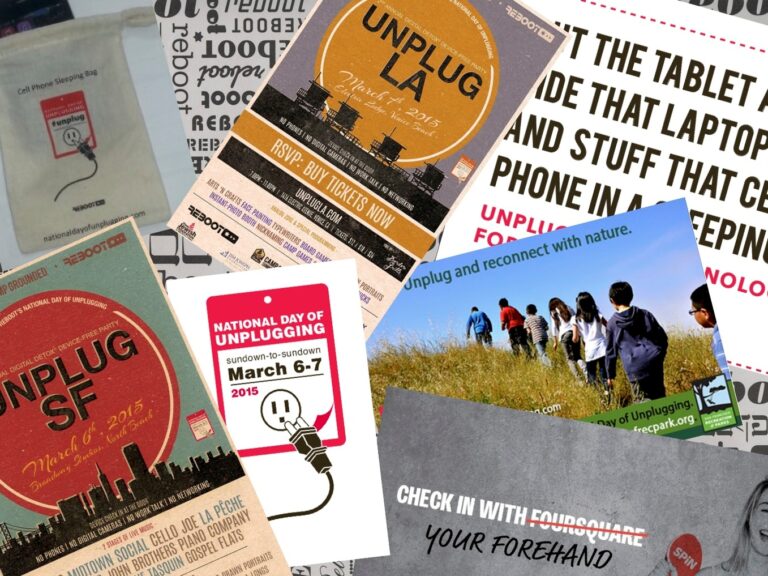
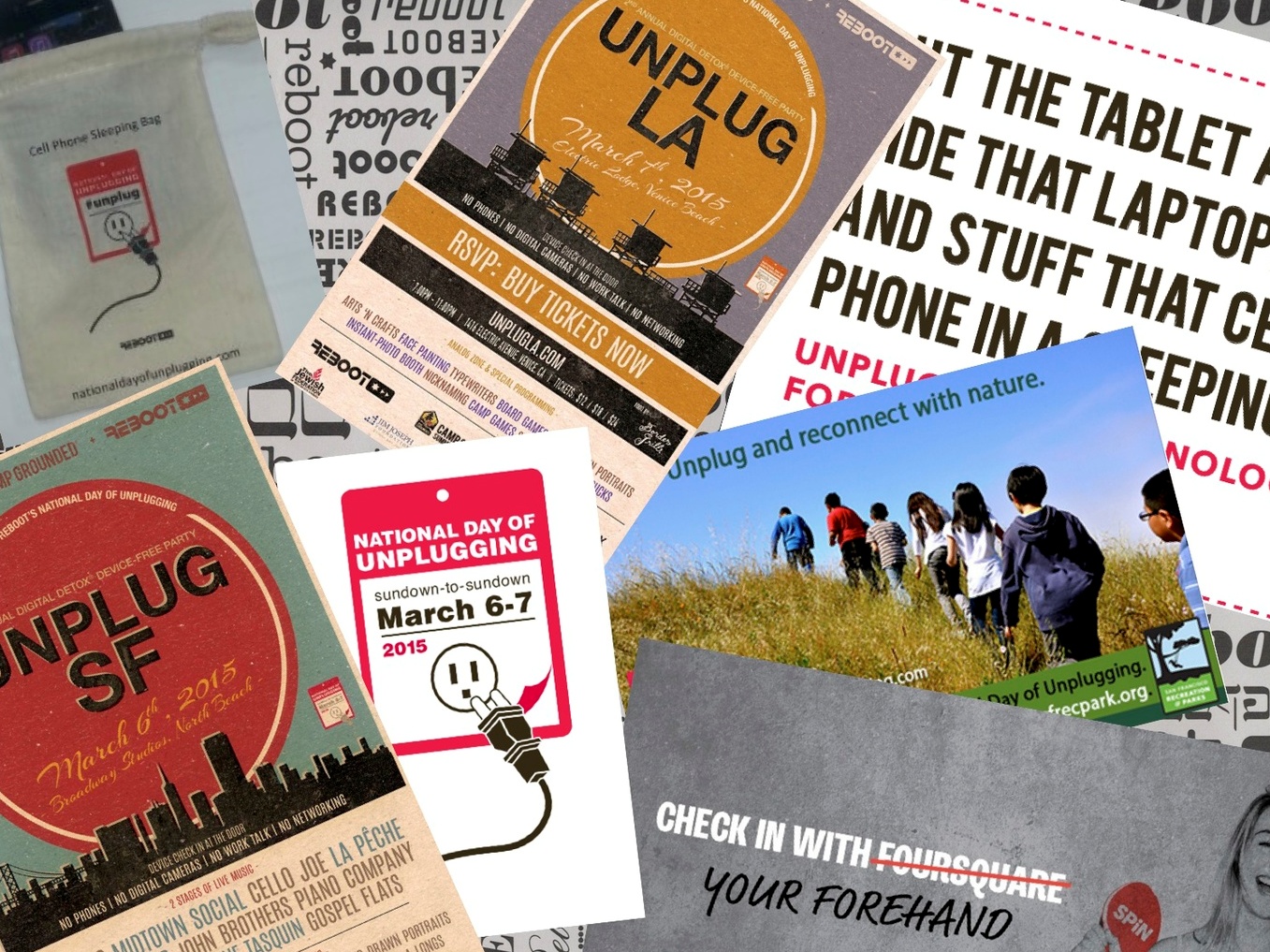
Is nothing sacred? Mealtime with family, meetings with the boss, dates with your sweetie are constantly interrupted by mobile phone calls, texts and tweets. At weddings and funerals, folks fumble to silence (or peek) at their chirping, beeping, music-blaring phones. And how do we manage a weekly day of rest? Enter Reboot, a Jewish non-profit based in New York, with their National Day of Unplugging, urging us to call a time-out from digital communication on March 6-7. It’s becoming a global event.
Omani fishermen catch cattle from sunken ship
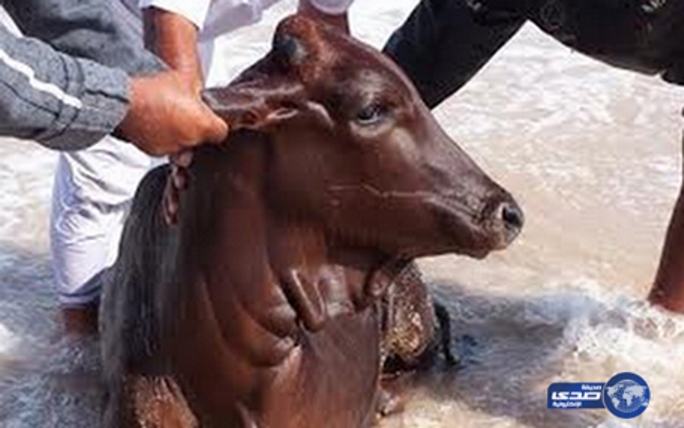
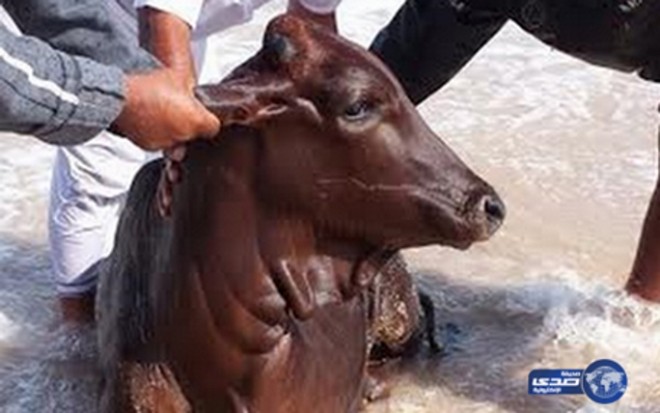
A cargo ship bound for the United Arab Emirates (UAE) with about 350 cattle on board sank off the south coast of Oman mid-afternoon last Saturday. The ship was heading to Somalia when it ran into trouble off Sur in the province of Asharqiyah Local media reports the ship may was probably overloaded, causing it to take on water in heavy seas and strong winds.
The vessel was on its way from Somalia to the UAE.
Startled Omani fishermen set down their fishing nets and began to haul in cows, hundreds of which were frantically swimming in the coastal waters. The men’s shock was short-lived, as they soon learned that the cows were survivors of a sunken vessel in Oman territorial waters.
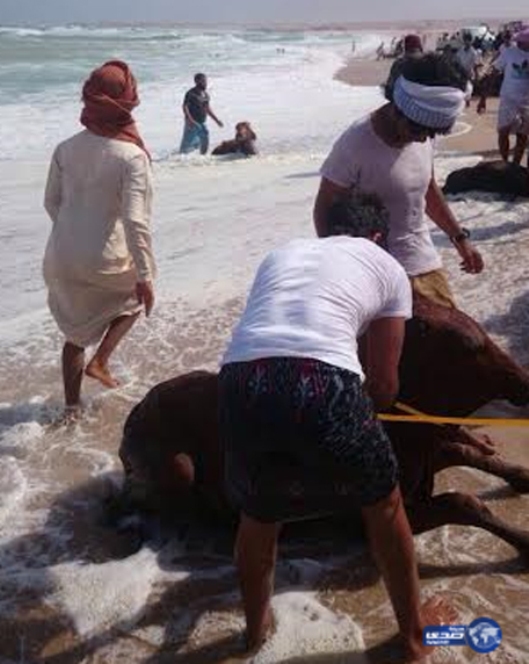
Several grainy pictures appeared on social media and in local newspapers in Oman and Saudi Arabia showing the fishermen with their unusual catch.
“It is the first time in their lives that Omanis caught cows instead of fish in their sea,” said Saudi daily Sada.
Witnesses said all the cows and calves either swam to the shoreline by themselves or surfed ashore, pushed by ocean currents, according to The Times of Oman.
All of the ship’s crew survived but, within hours, the ship was completely submerged. The ship owner is Emirati and while the crewmen were Pakistani, reported Al Ittihad, the Arabic-language sister paper of The National.
Remarkably, all the animals, including their their calves made it to shore. Holy cow.
Judean desert goes spectacularly green in wake of winter storms (PHOTOS)
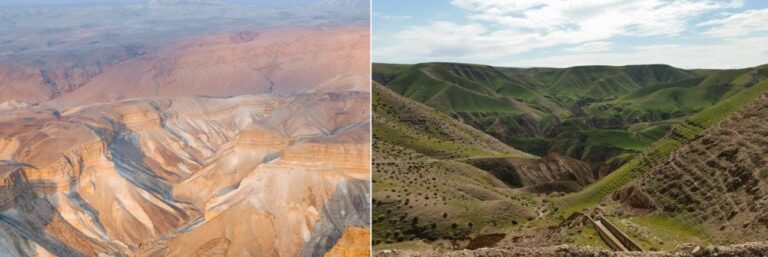
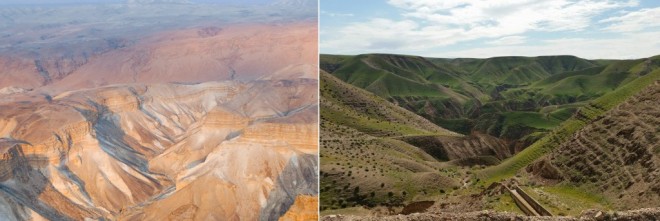 Record rainfalls dumped on the region in this winter’s storms rendered a remarkable makeover of the Judean Desert, turning it from a Middle East dust bowl into rolling English hills. Israeli photographer Nir Cohen captured the transformation in these stunning images; see before and after photos above.
First Earth Architecture festival in Iran would make Nader Khalili proud

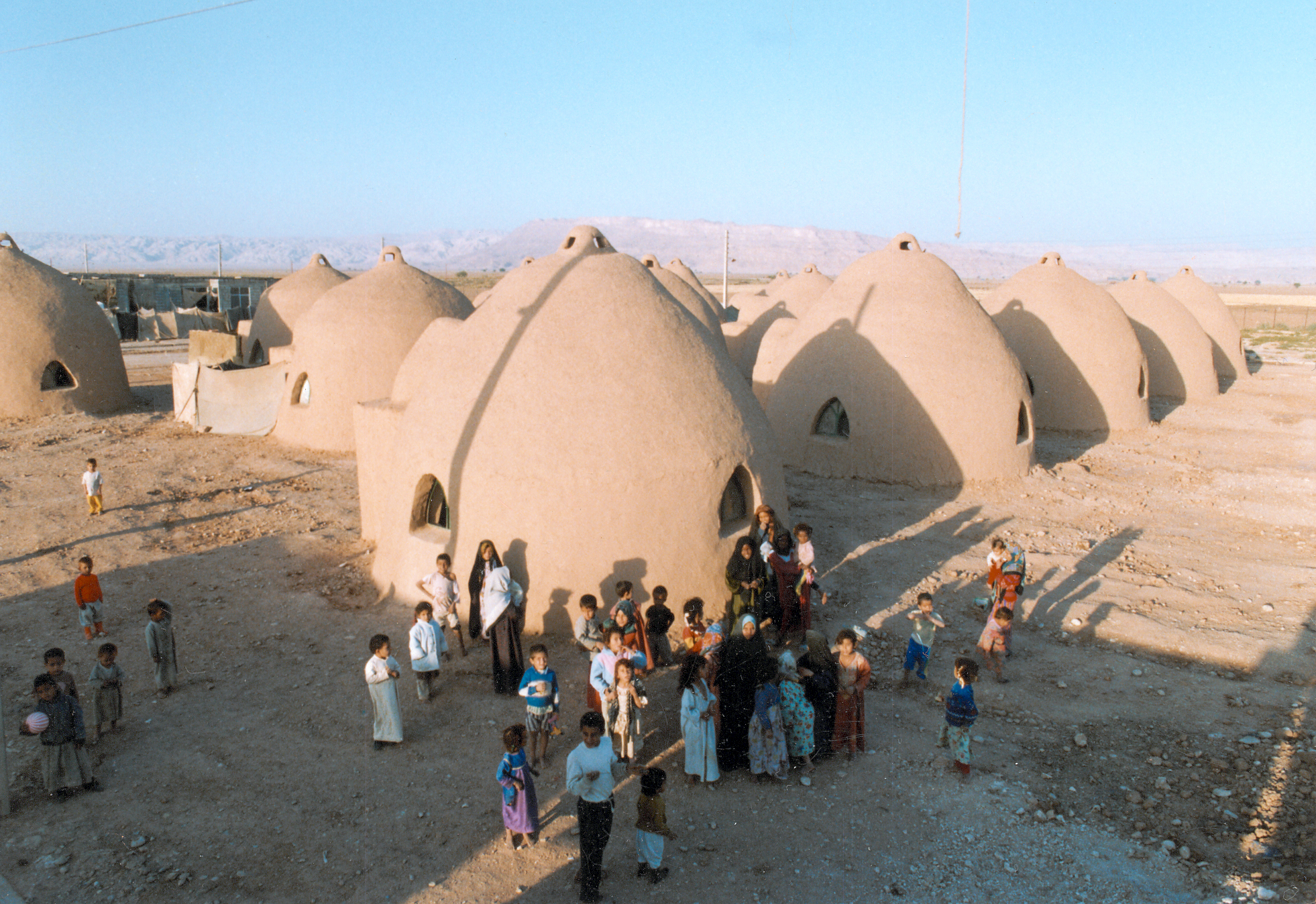
Iranian architect Nader Khalili, founder of the California Earth and Architecture Institute and proponent of the- dare we say- revolutionary SuperAdobe building technique, would be proud.
In the coming week from the 11th to the 14th of March 2015, l’Iran will inaugurate the first edition of “Regeneration of earthen architecture festival” which aims to promote earth as the building medium of the future.
The event, organized by the Vernacular Architecture Research Center (VARC), and will take place in Yazd.
 This is a positive step forwards towards the recognition and practical application of Iranian sustainable building knowledge still locked inside vernacular architecture.
Nader spent much of his life pushing for the modern application of ancient building techniques in Iran, but in the end his dream came true in the US and not in his own country (it is true what they say about dreams come true in America).
Today we may start to see changes, like the modern integration on earthen wind catchers -bagdirs- to substitute air conditioning in Iran.
Shale gas “fracking” in the Sahara is worse for water

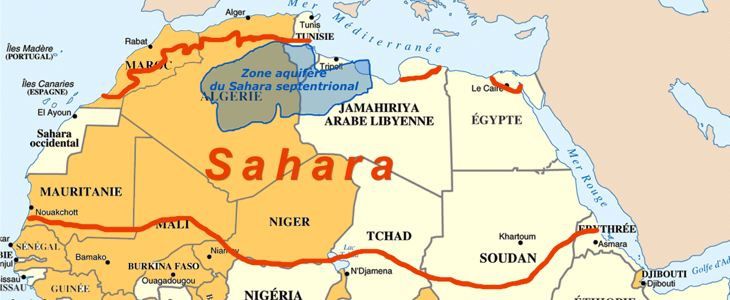
Shale gas exploitation in the Sahara is not the same as shale gas exploitation in the US. There are added complications, namely the dependence of fracking activities on a trans-boundary hydraulic system (the North Western Sahara Aquifer System), in a water stressed region, that depends primarily on that very system for its own water needs.
As shown by the recent waves of protests that spread from the southern region of Algeria to the rest of the country as the government announced the beginning of shale gas extraction, a very new threat is set to destabilize the Saharan region.
With the discovery of significant shale gas reserves in the region, and at a time when fracking has been banned in France and it has become increasingly controversial in the UK; multinationals are pushing to exploit reserves in the Saharan region. But the real implications surrounding shale gas extraction applied to the Saharan context have been highly overlooked by domestic governments, worse still there is limited transparency surrounding these activities.
As the “imported” technique of shale gas extraction, fracking, has started to play out in the Sahara; Why should this not only be of national concern but also of regional and global concern?
Aside from the known environmental and social concerns with shale gas extraction, fracking in the Saharan region has a central added complication: the geopolitics of water.
Mohamed Balghouthi, cofounder of the Economic and Scientific Intelligence Unit of Tunisia (GIEST), was one of the first Tunisian figures in 2011 to denounce how shale gas extraction in Tunisia is primarily question of water and therefore food sovereignty . The link between shale gas and sovereignty is also a central issue for rest of North Africa. Here is why.
Understanding the scale of water consumption for shale gas extraction
According to the Stockholm International Water Institute the total water requirement for a fracking well during its entire lifetime (20-40 years) can be anywhere between 24,000 m³ (24 million liters) and 500,000 m³ (500 million liters).
If Shell in Kairouan, Tunisia, sticks to its plan of drilling 740 wells it will consume between 17.76 million m³ (17.76 billion liters) to 370 million m³ (370 billion liters) of water in 50 years.
This is roughly equivalent to the water consumption of the current Tunisian population for the next 100 years (see below for calculations). In other words, Shells fracking project in Tunisia is drinking 100 years’ worth of water for the entire Tunisian population.
Tunisia is already a water stressed country with per capita renewable water availability of 486 m³—well below the average of 1200 m³/capita for the Middle East and North Africa Region (MENA) region. This is also true for Algeria and Libya.
Water has no frontiers:
Shale gas extraction in the Saharan region will require companies to tap into the North-Western Sahara Aquifer System (NWSAS) for water. This water is needed to release gas from the fractures (for more information on fracking see here). The NWSAS extends over a surface twice as large as France and straddles three countries; Tunisia, Algeria and Libya. With more than 30 000 Km³ of water, accumulated over the past million years, this subterranean aquifer and has enabled the urban and agricultural development of the semi-arid regions of these countries for the past 30 years. But this water is currently over-exploited; the Sahara and Sahel Observatory and the Institute of Research for Development have recently calculated that the average annual rain water recharge meets only 40% of the water quantities withdrawn from the aquifer.
Given the considerable amount of water required for fracking, the current water stressed and water precarious condition of the Saharan region and the fact that three countries by and large depend on the same hydraulic system; it doesn’t take much to put two and two together to see that fracking in the Saharan region will cause significant civil strife in the region.
Naturally with water comes the question of food sovereignty, already a hot topic in the region. Data from the 2014 Near East and North Africa Food and Agriculture Statistics Yearbook shows that in 2010, all of the five North African countries imported 60 % or more of their cereals from abroad. Tunisia imports 60% of its cereal needs, 70% in Algeria and 90% in Libya. The reasons for the loss of food sovereignty in the region are numerous: mis-management of nation-wide agricultural development, the adoption of neoliberal economic policies pressurized by international politics, and water management. Yet the onset of shale gas fracturing activities exposes the region to additional threats to food sovereignty, because water is being directed towards energy production (which is largely exported) rather than domestic consumption and agriculture.
Shale gas extraction in the Sahara is a particular threat for farming realities in the oasis. When unemployment increases in the region, or in the face of civil unrest or war, it has been shown that people tend to return to their farmlands to create a livelihood for themselves. In the semi-arid regions closest to the Saharan desert, aside from tourism and high impact industries like mining, date plantations are an important source of income. Palm date plantations depend entirely on groundwater and appropriate irrigation systems – the foggaras– a product of centuries of human ingenuity. Other forms of agricultural practices in Tunisia, Algeria and Libya depend between 60% and 90% on water from the NWSAS for its irrigation. Once the primary source of water available to the Saharian populations in these three countries is polluted or runs dry, the livelihoods of an estimated 40 million people will be directly threatened. As we have already witnessed with the Arab spring, dissatisfaction is likely to be translated in contagious social unrest, spreading across the region.
This is why people are protesting extensively throughout Algeria. The current “imported” practices of Shale gas extraction in the Sahara is touching the resource that is most dear to the region, water.
Water Calculations:
Average water consumption per well = 24,000 m3 (24 million liters) – 500,000 m3 (500 million liters)
Number of wells Shell plans to drill in Kairouan = 740
TOT water consumption for Shell’s operation in Kairouan (Tunisia) between 17.76 billion liters (24 million liters water x 740 wells) and 370 billion liter (500 million x 740 )
Average water consumption per capita in Tunisia = 296 m3
Tunisian current population = roughly 10 million
TOT annual water consumption in Tunisia = 2.96 billion liters
Jordan’s 6,000 mosques to be sun-powered
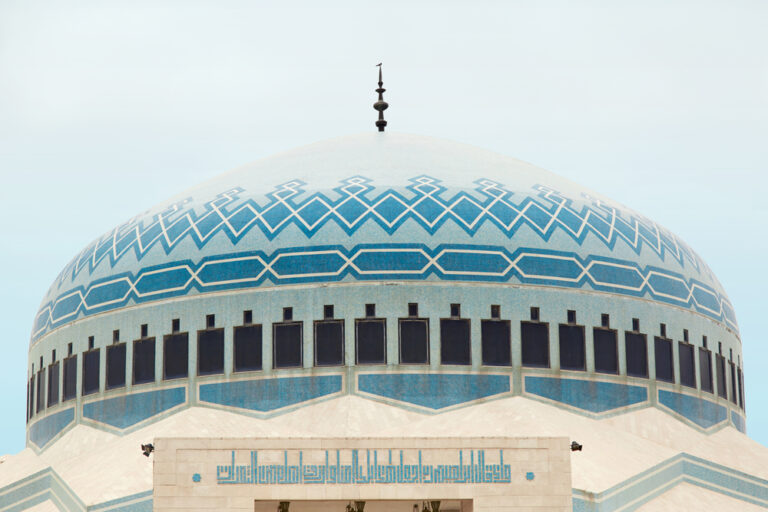
 Jordan’s Ministry of Energy and Mineral Resources announced a new initiative that will convert all 6,000 of the kingdom’s mosques to solar generated power beginning this year. It’s part of a five-year program to decrease the nation’s reliance on crude oil while diversifying its energy portfolio to include more renewable energy sources, such as wind and solar power.
Mosques are major electricity consumers as five prayer times throughout the day keep their doors open predawn to well after sundown. They require artificial lighting and often feature mechanically heated and cooled air to keep worshipers comfortable. The Jordanian government spends over US$70 million annually to run and maintain its existing inventory and construct a yearly average of 150 new mosques too.
“Mosques use large amounts of electricity and the project will help to significantly reduce their electricity bills as around 300 days in the year are sunny,” Ahmad Abu Saa, a spokesman for Jordan’s energy ministry, told The Jordan Times.
Samer Zawaydeh, a Jordan-based freelance engineering consultant, told PV Magazine, “The Renewable Energy and Efficiency Law 13 (REEL 13), issued 2012, allows any electricity consumer to cover 100% of their electricity needs by installing net-metering solar PV systems.”
Payback on investment is roughly 30 to 36 months in Jordan, depending on system components.
Reducing the amount spent on electricity would free up funds for other social programs and enable mosques to generate revenue through a net metering program which allows solar energy producers to sell excess energy they produce back to the government.
The project is financed by grants and zakat contributions (zakat is one of the five pillars of Islam that requires the faithful to give to charity). Donate zakat to an Islamic charity like this one. In Jordan, the new projects will start with tenders to retrofit 120 mosques with PV systems, then expand across the nation.
Jordan imports more than 95 percent of its energy needs, spending as much as 16 percent on energy, or more than 40 percent of the nation’s budget. The country aims to secure 10 percent of its energy needs from renewable sources by 2020 and expects 1,800 megawatts to be linked to its national power grid by 2018. To that end, a 117 megawatt wind farm is under construction in Tafila, a public-private partnership that includes Abu Dhabi’s Masdar as one of its investors.
Last year, Al-Wifaq mosque became Jordan’s first clean-energy place of worship when it installed 10 kWp solar PV system on its rooftop. One of the mosque’s neighbors paid for the work.
Jordan’s decision to remove the kingdom’s mosques off grid could be an answer to environmentalists’ prayers.
Image of King Abdullah Blue Mosque in Amman from Shutterstock
3D-printing with living organisms – snack of tomorrow?


Food designer Chloé Rutzerveld has developed a concept for 3D-printed snacks that sprout plants and mushrooms from edible soil housed within a pastry or pasta shell. She envisions a day when your local grocer could print you out a takeaway boxful, and about 4 days later they’ll grow into lunch. In the burgeoning field of futuristic food, these sure beat candy coffee cups.
Her Edible Growth project came about as a form of critical design. Rutzerveld wanted to create lab-produced food that was healthy, natural, and tasty. By combining aspects of nature, science, technology and design, she believes we can create fully natural, healthy, delicious food that is also maximally sustainable.
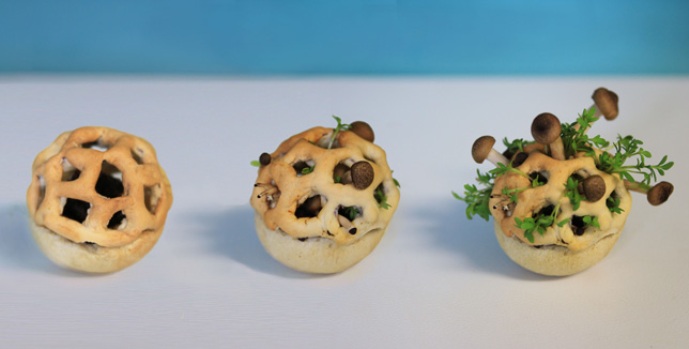
“By 3D printing food you can make the production chain very short, the transport will be less, there is less land needed,” says Rutzerveld. Her process makes smart use of natural fermentation and photosynthesis, which lower embedded energy requirements, food miles, associated carbon emissions, and food waste. Consumers will become more involved and conscious about the food they eat
 A specific 3D file ‘recipe’ deposits multiple layers of seeds, spores and an edible agar center (a gelatinous substance that acts as a sprouting agent) inside a pastry or pasta structure (also 3D printed). Within five days, plants and fungi mature and yeast ferment the agar into liquid. Similar to cheeses, the product scent and taste intensify over time, and its appearance changes. Depending on the preferred intensity, the consumer decides when to harvest and enjoy the nutrient-rich ‘edible’.
Most supermarket food products are far removed from the farm or ranch. They are highly processed, with origins in laboratory settings. Edible growth is an example of a future food product that bridges authentic practices of growing and breeding food with new technologies, allowing food to stay nearer to its natural state.
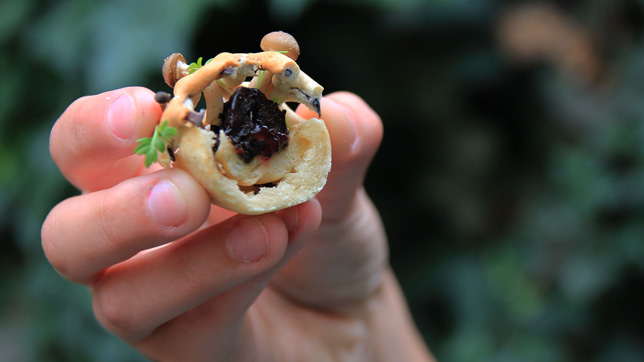
The aim of the project, which Rutzerveld developed last year in collaboration with the Eindhoven University of Technology and research organisation TNO, was to investigate ways that 3D printing could be used in the food industry.
“A lot of people think industrialized production methods are unnatural or unhealthy,” Rutzerveld says. “I want to show that it doesn’t have to be the case. You can really see that it’s natural. It’s actually really healthy and sustainable also at the same time.” Her project is more fully explained in a video she made, see below:
[youtube]http://youtu.be/-TgZ5axri80[/youtube]
Until now, most labs have only succeeded in printing sugar sculptures, chocolate and other unhealthy sweets – not basic foods. There are developments in lab-made meats, but not involving 3D technology. Rutzerveld’s project is still in development, and she admits that commercial viability is a long way off. “It will take at least another eight to ten years before this can be on the market,” she concedes.
Microwaves have their critics. Looks like ovens may one day be obsolete too.
Images from Chloé Rutzerveld’s website (link here)
Middle East’s first rainforest coming to Dubai
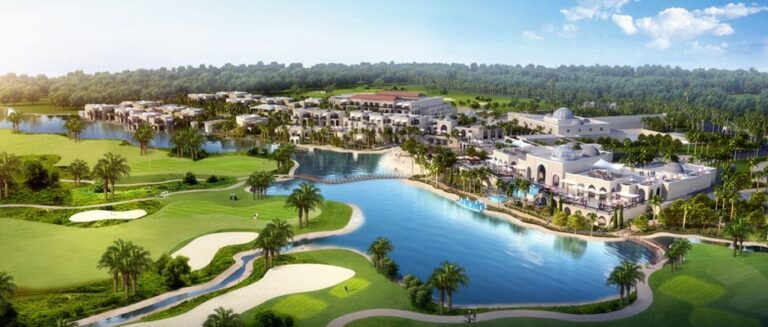
 Dubai developers reach a new zenith in outrageous investment with just-announced plans to build a tropical rainforest on the desert outskirts of the city. The forest will exist within a climate-controlled dome as a key feature of a new luxury housing development. But the real news within this news is that local environmentalists are complaining, finally.