International holidays, as a whole, are not the most sustainable, especially when they involve flying. On the other hand, we all deserve a sunny getaway every now and then, and breathtaking destinations like Algarve offer a truly once-in-a-lifetime experience. So, how do you find the right balance? A walking holiday could be your answer.
Reducing your footprint
A walking holiday in Portugal essentially means that, once you get to the airport, you stop using any kind of transport. Instead, you simply walk from A to B, wherever that may be for you. As such, you reduce your carbon footprint significantly, avoiding the use of cars or public transport all together. Besides the sustainability aspect, it’s a highly rewarding way to explore a country, since you get to see parts of it you would normally miss out on.
Your walking holiday will typically take place on a pre-planned long-distance trail, which could last anywhere between a week and a month. One of the most popular walking routes in Algarve is the Rota Vicentina network of walking and hiking trails. The Fisherman’s Trail, in particular, is a great option if you want a 7-day experience with a balanced mix of sandy beaches, stunning landscapes, authentic villages and delicious foods.
The idea behind walking holidays is to explore Algarve’s natural beauty in the most respectful and sustainable way possible. The “Leave No Trace” principle is absolutely fundamental here, meaning your footprints should be the only sign of your visit. Respecting the wildlife is also key, particularly as the region is home to a vast variety of bird species (if you’re lucky, you’ll see them stork nests on the cliffs in spring!).
Supporting the local communities
A huge part of sustainable holidays is where you choose to spend your money. The local communities benefit from tourism, as long as it helps to grow their economy. On a walking holiday, you will typically be staying in small, independent hotels or B&Bs along your route, rather than those owned by global chains.
Moreover, you will be visiting numerous historic towns and fishing villages, where you can savour fresh seafood and other Portuguese produce. Again, when choosing where to shop or eat, make sure to go for locally owned spots, as opposed to tourist restaurants and franchise cafes. Not only will this ensure that your money stays in the local economy, but you will also most likely receive a much more authentic, quality meal without the tourist price tag.
If you book your holiday through Orbis Ways, they will take care of the accommodation and other services for you. Working with a well-established network of local businesses, Orbis Ways ensure that you stay at charming local hotels or country cottages. Not just that, the agency encourages sustainable travel by compensating the CO2 emissions produced by your trip!
Small actions with big impact
A walking holiday across Portugal’s Algarve coast will certainly be an unforgettable adventure. And, the small compromises that you make during your travels do not just contribute towards the preservation of this beautiful region, but also make your experience more authentic and rich – making it a win-win for everyone!
Diets rich in phosphate additives, commonly found in processed foods, can increase blood pressure by triggering a brain signaling pathway and overactivating the sympathetic nervous system that regulates cardiovascular function, UT Southwestern researchers discovered. Their findings could lead to treatment strategies for patients with hypertension caused by overconsumption of foods containing high levels of phosphates.
“This research uncovers a previously unrecognized brain-mediated mechanism by which high dietary phosphate intake promotes hypertension and sympathetic overactivation, highlighting central fibroblast growth factor receptor signaling as a novel therapeutic target,” said the study’s first author, Han Kyul Kim, Ph.D., Assistant Professor of Internal Medicine in the Division of Cardiology at UT Southwestern.
Inorganic phosphate is often used as a preservative or flavor enhancer in packaged foods, processed meats, and other dietary staples. As a result, the study reports, the average adult in developed countries consumes phosphate far above the recommended daily allowance.
Following excessive phosphate intake, circulating fibroblast growth factor-23 (FGF23) can enter the brain and induce hypertension, Dr. Kim and his colleagues report in their study, published in Circulation. The research outlines a new paradigm for this previously unclear mechanism and identifies a potential target for developing treatment strategies.
Hypertension occurs when the pressure that pushes against a patient’s arterial walls is too high. Affecting nearly half of the U.S. population, according to the U.S. Centers for Disease Control and Prevention, hypertension increases the risk of life-threatening medical events such as heart attack and stroke.
UTSW researchers ran a series of tests that measured and compared FGF23 protein levels, mean arterial pressure, and renal sympathetic nerve activity in rats receiving a high (1.2%) phosphate diet and another group on a normal (0.6%) phosphate diet. The measurement was repeated during stress response to exercise by stimulation of the spinal cord.
Researchers found that those on the high phosphate diet showed increased levels of FGF23 protein in their serum, cerebrospinal fluid, and brain stem, and that FGF23 proteins were able to cross the blood-brain barrier, causing high blood pressure both at rest and during physical stress.
“FGF23 can cross into the brain and influence the brain stem centers that control blood pressure,” said senior corresponding author Wanpen Vongpatanasin, M.D., Professor of Internal Medicine at UT Southwestern and Director of the Hypertension Section in the Division of Cardiology and the Hypertension Fellowship Program.
Analysis also revealed that inhibiting fibroblast growth factor receptor 4 (FGFR4) during simulated exercise dampened the negative effects of a high phosphate diet, suggesting a connection between FGFR4 and overactivation. Inhibition of FGFR1 did not have the same effect.
Given these results, researchers explored the role of FGFR4 and found that activation of this receptor contributes to an exaggerated increase in blood pressure during simulated exercise. FGFR4 activation caused by an excess of dietary phosphate was accompanied by an increase in the protein calcineurin A and brain stem activity that may contribute to elevated blood pressure and overactivation of the sympathetic nervous system during simulated exercise.
As microplastics clog our oceans and nanoplastics infiltrate the cells of marine life, the world inches closer to a pivotal moment. The final round of negotiations on a United Nations global plastics treaty is scheduled to take place this fall, amid mounting scientific evidence that plastic pollution is spiraling out of control — and that mere recycling will not solve the crisis.
The urgency couldn’t be clearer. A Nature editorial this month underscores that if current trends persist, annual plastic production could double by 2050. And while the volume of discarded plastic continues to climb, so too does the evidence of its insidious reach into ecosystems and human health.
Two new studies published in Nature this week hammer the point home. One revealed that nanoplastics — particles smaller than 1 micrometre — have now entered ocean food chains at their foundation. “These are able to pass through cell walls, meaning that they are already incorporated into the ocean phytoplankton which serve as the base of the marine food web,” said Canadian environmental scientist Tony Walker in a comment shared with press.
The second study mapped the industrial pipeline of plastic production and uncovered over 4,200 “chemicals of concern” — compounds used in plastic manufacturing that are toxic, persistent, or otherwise harmful to the environment and human health. These substances range from plasticizers and flame retardants to processing aids, many of which lack comprehensive safety data.
The stakes are high for the UN’s Intergovernmental Negotiating Committee (INC), which will convene for its fifth and final session. While nearly 180 countries have signaled support for a binding global agreement, deep divisions remain. A bloc of oil-producing nations — led by countries with major petrochemical interests — is pushing for a narrow focus on waste management and recycling, sidestepping more aggressive proposals to limit virgin plastic production.
Meanwhile, a coalition including the European Union, Canada, Australia, and the United Kingdom is advocating for upstream solutions — namely reducing production at the source and establishing enforceable global rules around plastic additives, design, and transparency.
In parallel to the UN process, smaller alliances are taking shape. In April 2024, a group of 60 countries formed the High Ambition Coalition to End Plastic Pollution, vowing to eliminate plastic leakage into nature by 2040 and back a robust, legally binding treaty with specific reduction targets.
Whether that ambition is reflected in the final text remains to be seen. As Nature warns, if negotiators fail to reach consensus, “there is a real risk that nations will go their own way,” creating a patchwork of rules that may be less effective and harder to enforce.
Still, the science is no longer ambiguous. Plastic is no longer just littering beaches — it’s in the rain, the food, in our brains, and now, the very cells of the ocean’s smallest life forms. As the world prepares for the final treaty talks, the question is no longer whether action is needed, but whether global leaders will agree on what that action should be.
Countries resisting plastic production caps:
Saudi Arabia: One of the world’s largest oil producers and petrochemical exporters. Has argued that the treaty should not restrict plastic production, but instead promote improved waste management and recycling.
Russia. Also a major oil and gas exporter. Has aligned with producer countries pushing for national-level flexibility and voluntary commitments.
Iran. As a petrostate, Iran supports the position that plastic production is a national economic matter and should not be capped internationally.
China. While complex, China has often sided with production-heavy interests in past rounds. It is the largest plastic producer in the world and may resist enforceable limits on production. However, China also supports some international coordination on pollution control, especially through waste trade restrictions.
Grandfathers and the reproductive health of their granddaughters
“While we found that both the mother’s and father’s exposures were linked to when their daughters and granddaughters began puberty, the father’s influence was surprisingly strong.”
It’s often told that a grandmother’s environment and lifestyle effects her unborn grandchildren, because a grandmother’s daughter carries all her children’s eggs inside her tummy too. Grandparents also have an effect on mitochondrial health, pointing to a new study on grandfathers.
A grandfather’s exposure to endocrine-disrupting chemicals, perhaps at work or on the farm, may impact the age when his granddaughter starts her first period, according to a study being presented Sunday at ENDO 2025, the Endocrine Society’s annual meeting in San Francisco, Calif.
“Girls are starting puberty earlier than ever before, which can raise their risk for health problems later in life,” said lead researcher Xin Hu, PhD, of Emory University’s Rollins School of Public Health in Atlanta, Ga. “We wanted to explore why this might be happening by looking at how environmental exposures from grandparents can influence when girls get their first period.”
Endocrine-disrupting chemicals (EDCs) are substances in the environment (air, soil, or water supply), food sources, personal care products, and manufactured products that interfere with the normal function of the body’s endocrine system. Since EDCs come from many different sources, people are exposed in several ways, including air, food and water. EDCs also can enter the body through the skin. Microplastics are also a possible source.
The researchers used data from the Child Health and Development Studies (CHDS), a long-term study that began in the 1960s. They measured thousands of small molecules in blood samples taken from 249 couples in the 1960s. The researchers linked the couples’ chemical and metabolic profiles to the timing of puberty in their daughters and granddaughters.
The researchers studied the age at which their daughters (247 girls) and granddaughters (139 girls) started their periods. They found that while the median age of having a first period was stable between the grandmothers and their daughters, it dropped a full year from the daughters to the granddaughters, whose median year of birth was 1990.
They discovered that certain chemicals in both the mother’s and father’s blood were linked to when their descendants began puberty, with stronger effects seen in the granddaughters’ than in the daughters’ generation. Some chemicals such as phenoxyethanol, a common preservative in personal care products and foods, were linked to earlier puberty, especially when both parents had similar exposures.
“While we found that both the mother’s and father’s exposures were linked to when their daughters and granddaughters began puberty, the father’s influence was surprisingly strong,” Hu said. “Paternal exposure to environmental chemicals may play an unrecognized but critical role in shaping offspring endocrine health.”
She said this is the first population-based study to show that a father’s environment can affect reproductive development in both his daughter and granddaughter. “These findings highlight that prevention is possible if we identify mechanisms to protect future daughters and granddaughters, which cannot be effective if we do not consider the male line,” she said.
“Our results highlight the role of endocrine-disrupting chemicals during the vulnerable period of conception and pregnancy,” said senior author Barbara Cohn, PhD, MPH, of the Public Health Institute in Berkeley, Calif. “This research emphasizes the lasting impact of environmental exposures on reproductive health across generations.”
Pumps are used in the cleantech industry to sustainably manage chemicals that may be dangerous to the environment
Choosing the right air operated double diaphragm pump for your needs can make a big difference in the success of your operation. Knowing what features to look for helps you find a pump that meets your specific requirements and works well with different types of fluids and conditions.
There are many models and suppliers available, so looking at an online supplier of wilden air operated double diaphram pumps allows you to compare different options more easily. Understanding the basics will help you make a confident decision as you shop for the best pump for your job.
Pump Material Compatibility with Fluids
You need to match the pump materials with the fluids you plan to move. Different fluids can cause wear, corrosion, or chemical reactions if the wrong materials are used. Always check the fluid’s temperature, abrasiveness, and chemical makeup before choosing a pump.
Metals like stainless steel may be better for some chemicals, while plastics like polypropylene work well with others. Diaphragm and seal materials also vary, so check what’s most compatible with your liquids.
Choosing the right materials helps your pump last longer and work better. This step prevents leaks, breakdowns, and unnecessary repair costs. Always check chemical compatibility charts and consult with a professional if you have any doubts.
Diaphragm Durability and Wear Resistance
When looking at air-operated double-diaphragm pumps, it is important to check how long the diaphragm will last. A durable diaphragm helps reduce the need for frequent repairs and unexpected downtime.
Diaphragms can wear out from repeated movement, chemical exposure, or abrasive materials in the fluid. Choose materials that handle your fluid’s temperature, chemical makeup, and any gritty particles.
Common diaphragm materials include rubber, Teflon, and other flexible plastics. Each one has different levels of resistance to chemicals and wear. If you use the wrong material, it may fail quickly, leading to leaks or pump breakdowns.
Checking the design and thickness of the diaphragm can also help. Thicker or reinforced diaphragms often last longer in tough applications. Always match the diaphragm type to your specific job to get the best life and performance from your pump.
Air Valve Efficiency and Design
When choosing an air operated double diaphragm pump, you should pay close attention to the air valve. The air valve controls how air is directed through the pump, affecting its energy use and how smoothly it runs.
A well-designed air valve helps the pump cycle efficiently. This means fewer slowdowns or stalls during operation. Pumps with smooth-shifting air valves also tend to need less maintenance over time.
Look for air valves made of durable materials. This helps in longer wear, especially when the pump is used in tough environments.
Check if the air valve allows easy access for cleaning or replacement. User-friendly designs let you fix problems quickly, which reduces downtime.
The size and configuration of the air valve should match your application. Adjustable or self-lubricating valves can give you better control and smoother performance.
Flow Rate and Pressure Capacity
When choosing an air-operated double-diaphragm pump, you should pay close attention to flow rate and pressure capacity. These two factors tell you how much fluid the pump can move and at what force.
Check the maximum flow rate, usually measured in gallons per minute (GPM). Pick a pump that meets your system’s needs without being too small or too large for the job.
Look at the pressure capacity as well. You want a pump that can handle the highest pressure needed for your application. Too little pressure means your pump may not move fluid efficiently.
Flow rate and pressure are often linked. Increasing the air supply can boost both, but it is important not to exceed what your setup can handle. Adjust the air supply for consistent output when needed.
Checking these features helps make sure the pump works properly and matches your requirements.
Ability to Handle Abrasive and Viscous Fluids
When you choose an air operated double diaphragm pump, it is important to check how well it can move abrasive and thick fluids. Some pumps are made with tough parts that resist wear when handling grit, slurries, or other rough materials.
Look for pumps with diaphragms and valves made from strong materials. This helps prevent damage and keeps the pump working for longer periods.
A good pump should also handle fluids with high viscosity without getting clogged or slowing down too much. This is useful for industries that work with heavy oils, pastes, or sludges.
You want a pump that can keep its performance steady, even as it moves thick or grainy fluids. By looking for these features, you can help reduce maintenance needs and keep your system running smoothly.
Ease of Maintenance and Repair
When choosing an air-operated double-diaphragm pump, look for designs that make routine care simple. Pumps with fewer moving parts are usually easier to clean and take apart for inspection.
Check if the pump allows easy access to key parts, like diaphragms and valves. This helps you spot wear or damage early and replace parts without a lot of effort.
Some pumps use standard repair kits. Using these kits can make repairs quicker and reduce downtime. Clear instructions from the manufacturer also help you carry out maintenance without confusion.
Pay attention to how much air or fluid is leaking during use. Excess leaks can indicate parts that need attention. Regular checks keep your pump working well and can prevent surprise breakdowns.
Conclusion
When selecting an air-operated double-diaphragm pump, focus on features like material compatibility, flow rate range, and ease of maintenance.
Check for design elements that allow for simple cleaning and fast part replacement.
Review the pump’s ability to handle dry running, solid content, and various fluid viscosities.
You improve the safety and efficiency of your system by matching the pump’s features to your application’s needs.
Japanese singer Ayako Tanaka visits Japan’s Jera wind farm
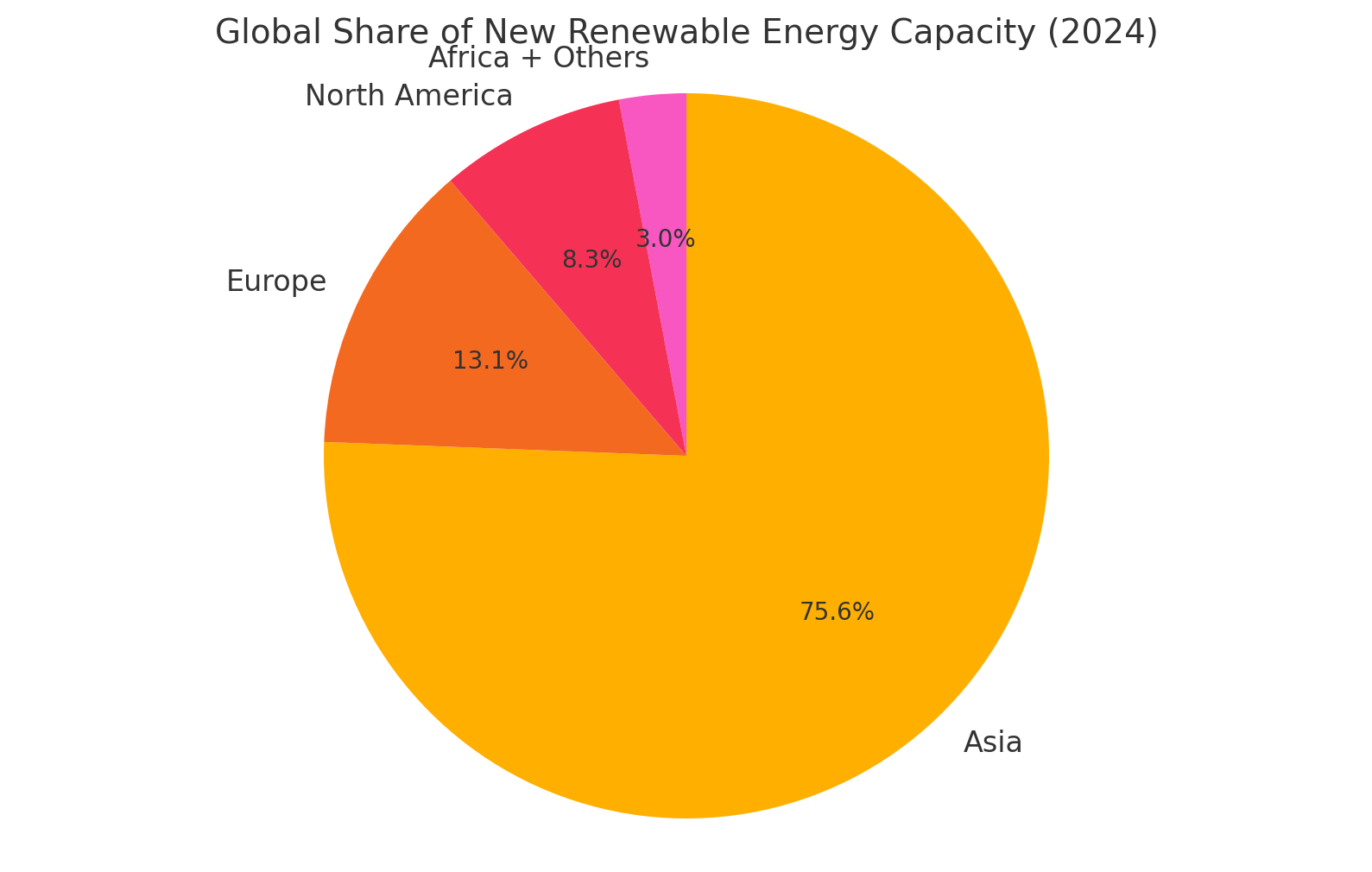
The latest Renewable Energy Statistics 2025 report from the International Renewable Energy Agency (IRENA) based in the United Arab Emirates reveals a widening global divide in the renewable energy transition. While Asia added the lion’s share of new renewable energy capacity in 2024—an astounding 71%—regions such as Africa, Central America, and the Caribbean collectively contributed only 2.8% to global growth.
Africa, in particular, expanded its renewables capacity by just 7.2%, despite its vast untapped resources and pressing need for energy access.
This imbalance poses a serious challenge to the global goal of tripling renewable capacity by 2030, as agreed at COP28. If the current growth trajectory continues, the world will reach only 10.3 terawatts (TW) of installed renewables by 2030—falling 0.9 TW short of the 11.2 TW target. To stay on course, annual capacity must grow by at least 16.6% over the next five years.
Here is a simple infographic showing the global divide in new renewable energy capacity additions for 2024. Asia dominates with 71%, while Africa and other developing regions together account for just 2.8%, highlighting the urgent need for more equitable investment. Would you like a version with additional data or annotations?
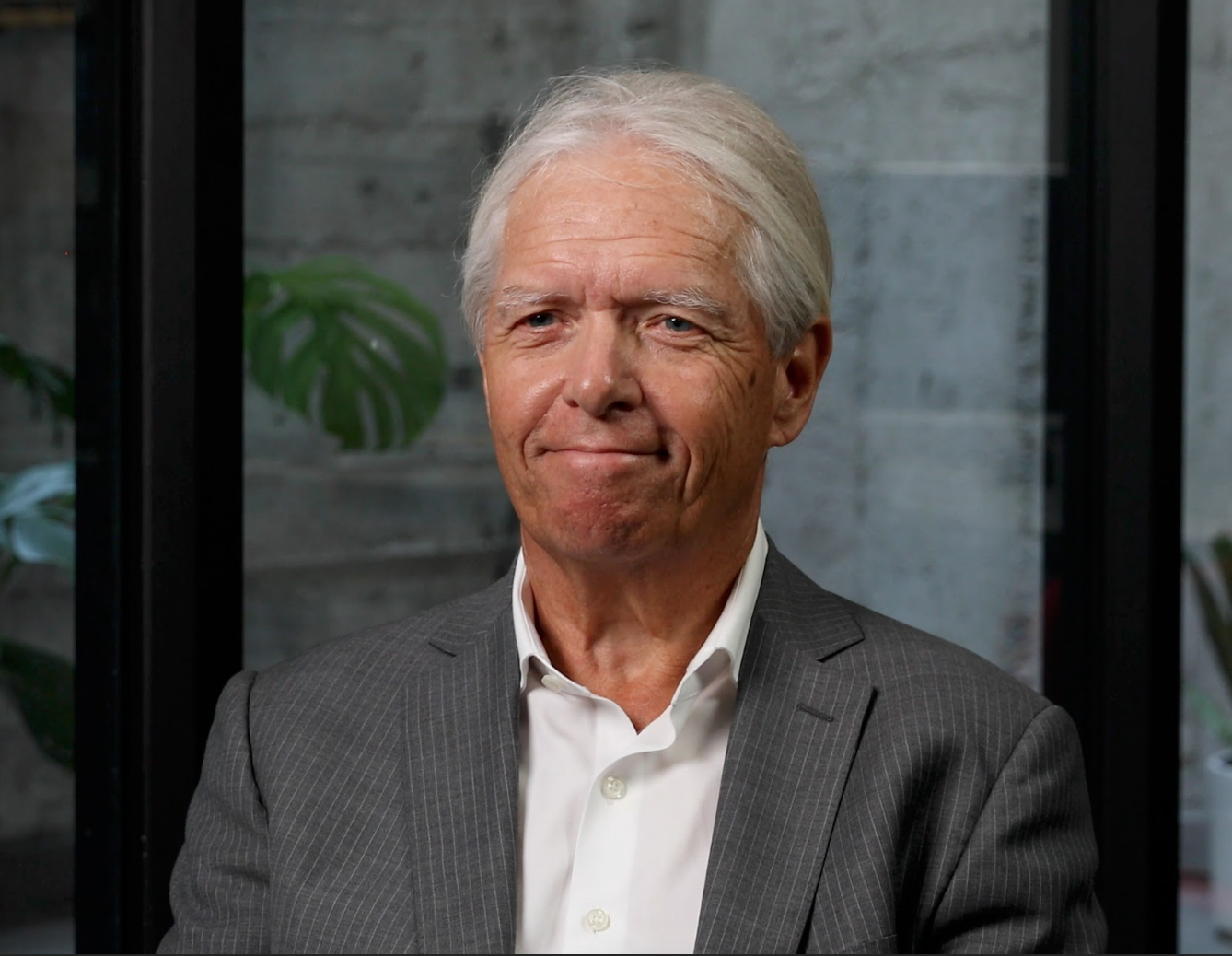
Francesco La Camera, Director-General of IRENA, underscores the urgency of closing this investment and infrastructure gap. “The renewable energy boom is transforming global energy markets, driving economies and creating vast investment opportunities,” La Camera said. “However, the growing regional divide highlights that not everyone is benefiting equally from this transition.”
Indeed, countries that have succeeded in attracting renewable investment—particularly in Asia and parts of Europe—are now reaping broader economic rewards, including increased energy security, job creation, and industrial growth.
The 2024 data also highlights the overwhelming dominance of solar and wind energy, which accounted for 97.5% of all net renewables additions. Solar energy alone contributed 453 GW, reinforcing its position as the most cost-competitive and rapidly scalable clean energy source on the planet. Wind followed with 114 GW.
With renewables now representing 46.2% of global installed power capacity—nearly equal to fossil fuels at 47.3%—the economic and environmental case for continued investment is stronger than ever. Renewable electricity generation grew by 5.6% in 2023 compared to 2022, reaching 8,928 terawatt-hours, while non-renewable generation grew by only 1.2%.
Still, the benefits of this energy revolution are not evenly shared. As La Camera notes, “Bridging the divide and closing the investment gap between countries and regions is critical. It requires targeted policies, international financing, and partnerships that unlock capital and technology where they are needed most.”
UN Climate Change Executive Secretary Simon Stiell echoed this call to action: “To deliver on the global agreement at COP28 to triple renewables by 2030, we need to move much further and faster, and make more progress on the key enablers for vulnerable developing countries. The investments required will pay huge dividends—cutting emissions, driving economic growth, creating jobs, and supporting affordable, secure energy for all.”
The message is clear: the green energy future is well underway, but unless more inclusive policies and financing mechanisms are put in place, the clean energy divide could become the defining inequity of the 21st century.
Red meat is full of collagen but not a great option for vegans
Losing weight is a struggle and a reason to stay alive. Being obese comes with all sorts of health consequences and if you can’t manage it with diet and exercise you may be taking an anti-obesity drug. To gain the best effects, researchers suggest extra meals of protein to help keep your body healthy and whole.
Women and older adults taking the anti-obesity drug semaglutide may be at higher risk for muscle loss, scientists say, but higher protein intake may help prevent muscle loss in these patients, according to a new, small study being presented Saturday at ENDO 2025, the Endocrine Society’s annual meeting in San Francisco, Calif.
Losing muscle (or lean mass) is a common side effect of weight loss in adults with obesity and may negatively affect metabolism and bone health. This is because muscle helps control blood sugar after meals and plays an important role in keeping bones strong, according to study lead researcher Melanie Haines, M.D., of Massachusetts General Hospital and Harvard Medical School in Boston, Mass.
Approximately 40% of the weight lost from taking semaglutide—a type of weight-loss medication known as a GLP-1—comes from lean mass, including muscle. It is not yet known who is at highest risk for muscle loss or how it affects blood sugar levels, Haines said.
The researchers studied 40 adults with obesity for three months. Of these patients, 23 were prescribed semaglutide, while 17 followed a diet and lifestyle program for weight loss called Healthy Habits for Life (HHL). The researchers evaluated how their muscle mass changed.
Study participants who were prescribed semaglutide lost more weight than those who participated in the diet and lifestyle program, but the percent of weight loss that was lean mass was similar between the two groups.
After accounting for weight loss, the researchers found that in the semaglutide group, being older, female or eating less protein was linked to greater muscle loss. Also in this group, losing more muscle was linked to less improvement in blood sugar (HbA1c levels).
Will protein and peptide supplements help?
“Older adults and women may be more likely to lose muscle on semaglutide, but eating more protein may help protect against this,” Haines said. “Losing too much muscle may reduce the benefits of semaglutide on blood sugar control. This means preserving muscle during weight loss with semaglutide may be important to reduce insulin resistance and prevent frailty in people with obesity.”
Haines said that more studies are needed to find the best way to lose fat but keep muscle when using GLP-1 medications.
Find a new conservation community, at the sustainable green build at Lagoon Valley
Not a trend, and not just a community: why Lagoon Valley’s green build may be the blueprint for sustainable living
As the winds of change blow through housing markets and climate conversations alike, more people are asking how—and where—to live in ways that reflect their deepest values. For those seeking community, conservation, and connection, a quiet revolution is taking shape in Northern California. #Vanlife had its day, and global nomadism is lonely. Lagoon Valley might be the natural next step for people looking to live sustainably in a regular-sized green home and community.
We first reported on Lagoon Valley in 2022 when the idea of a sustainable, conservation community on the edge of Vacaville sounded more like a dream than a blueprint. Readers loved the idea of a local community farm within walking distance, and neighbors sharing similar conservation values, like farm-to-table and community supported agriculture without having to join a cult or commune. Now, after years of planning, the vision has become reality—and the Lagoon Valley model is gaining international attention and we have an exclusive interview with its lead developer and dreamer Curt Johansen.
85% wild, 100% intentional
The homes—ranging from cottage-style bungalows to age-qualified residences with ADUs—follow rigorous green build principles. They’re designed to meet or exceed California’s already high standards for energy and water efficiency, integrating solar, thermal-pane windows, energy-star appliances, and wastewater-saving systems.
But Lagoon Valley goes beyond checklists and LEED points for green builds. It’s an experiment in sustainability and conservation communities as a lived experience. A walkable town center, an upcoming organic farm-to-table hub, and clustered neighborhoods that reduce land disturbance are just some of the features aimed at helping residents reconnect with the land and each other. And it’s a place which considers all ages and all kinds of people from families with babies and toddlers to teens and seniors.
A shift in values, not just real estate
From Europe to the Pacific Northwest, we’ve been tracking the rise of conservation communities—places where long-term ecological thinking drives planning, not short-term gains. Lagoon Valley adds a uniquely Californian flavor to this trend, blending progressive design with deep ecological awareness. It’s not just a real estate offering, it’s a cultural reset.
Conservation has too often been outsourced or compartmentalized. Lagoon Valley developers are saying, what if it’s central? What if your home, your walk, your food, your school, your view—what if all of that is part of the regenerative whole?
Be inspired by our in-depth interview with Curt Johansen, where we dig deeper into the lessons Lagoon Valley offers for the future of green build communities. We’ll explore how developers, planners, and residents alike can reclaim stewardship—and why this model may hold the key to a more sustainable, meaningful way of life.
Curt Johansen
Curt Johansen is the Development Director of Lagoon Valley, Northern California’s first conservation community. A longtime advocate of sustainable development, Johansen brings decades of experience designing and managing environmentally responsible, mixed-use communities across California.
He is a founding partner of UrbanSmart Growth and has led major projects such as Bay Street in Emeryville and the redevelopment of American Canyon in Napa County. His work is rooted in the principles of Reconciliation Ecology—integrating human communities within natural ecosystems—and emphasizes long-term stewardship, biodiversity, and affordable housing. Johansen is known for championing patient capital and regenerative land-use models that prioritize people, place, and planet.
Green Prophet: You’ve said Lagoon Valley turns traditional development ‘on its head.’ What does true land stewardship look like when people are no longer separate from nature, but part of the ecosystem?
A: True land stewardship in Lagoon Valley means recognizing that humans are an integral part of the ecosystem, not separate from it. Instead of dominating or circumventing nature, we actively work to integrate our community within wildlife habitat corridors. Inspired by the principles of “Reconciliation Ecology,” Lagoon Valley minimizes its impact on the environment while allowing residents to learn from and coexist with diverse species of native plants and animals.
Lagoon Valley becomes a living laboratory where residents reconnect with nature through activities like hiking, birdwatching, and biodiverse agriculture — revitalizing our innate “biophilia,” or love of nature. This not only preserves biodiversity but also enhances residential quality of life, making Lagoon Valley a pioneering model for community-driven, harmonious coexistence with nature.
How did your team ensure that the cultural and ecological memory of the land guided development, not just the economic bottom line?
A: Significant time and financial resources were employed to understand culturally historical conditions, including the avoidance and mounding above obsidian flakes along with careful reconstruction of Native American stream locations. Also, extensive plant and wildlife habitat areas were restored to the master plan, in lieu of far more invasive prior development approvals, to remain as open spaces.
With 85% of the land preserved as open space, how do you measure success—not just in terms of real estate sales, but in community well-being and biodiversity?
A: Recognition by State biologists regarding the success of our new Wetland Preserve has been a strong measure of biodiversity flourishing. Our residents are consistently attracted to the community’s conservation/open space commitments, ranking community open space as the most prominent amenity of the community, and they are engaged with actively getting involved in conversations around ecological literacy.
How can Lagoon Valley become a replicable model for other developers, especially those working in climate-vulnerable regions where affordability and conservation often clash?
A: The potential for success with any attempt at a medium-to-large scale, live-work-play conservation community requires a willingness to cooperate with development innovation on the part of the municipal jurisdiction involved with oversight approvals. On the equity development side, the model is replicable when one has patient capital providers that understand the long-term value return from conservation communities. I have been blessed with two amazing partners who understand and support my work.
Community-Supported Agriculture and education programs are part of the plan. How do you see food, farming, and learning as tools for rebuilding human-nature relationships?
A: Over many years I have observed closely the effect Community Supported Agriculture has on neighborhoods that support their CSA. One important effect is resident bonding around farm-to-table, healthier family eating habits. When kids (and adults of all ages) experience the careful and hard work it takes to produce healthy vegetables and fruits, they also notice a big difference in quality between organic food locally grown from what they buy from the industrial ag system that ships food products an average of 1,300 miles each day and loses to spoil almost one-third of its output.
I had the great pleasure of meeting Wendell Berry to glean what insight I could from his inimitable wisdom regarding proper farming, and it was transformative. He helped me understand that true knowledge of place is intrinsically tethered to a true knowledge of local agriculture, and that for farmers who bring to the local market products from quality soil, without pesticides or herbicides, without pollution, grown and harvested with labor paid a living wage, it is worth the small extra cost to residents because of the long-term benefits to their health and the “social community glue” CSAs provide.
Curt Johansen
In your view, what role do residents play in shaping and sustaining this vision? How do you cultivate a sense of responsibility beyond just living in a ‘green’ neighborhood?
A: Fostering sustainable behaviors in green communities still requires altering existing behaviors, and that comes from instilling a problem-solving, communally-activated approach to prompting healthier behaviors. When resident leaders are trained to present win-win outcomes for their neighbors, it can be inspiring to see how positive outcomes can be recognized and emulated. Creating opportunities for environmental volunteerism in activities that appeal to neighbors helps residents to get to know the open spaces surrounding them more intimately, which in turn invests them in taking greater care of these sacred places.
What advice would you offer to cities or developers who want to transition from extractive models of building toward regenerative, community-centered development?
A: If I had the power to do so, I would require every land developer and every public servant with influence in land planning to visit existing conservation communities and see the difference over time between how home values appreciate instead of depreciate and how residents are generally happier in their neighborhoods. So many of us suffer in varying degrees from the idea of Nature Deficit Disorder. Physically visiting and interacting with residents living in sustainable communities is paradigm-shifting.
We often hear concerns that sustainable communities might sacrifice resale value or long-term investment. What are you seeing—or expecting—when it comes to property value in a place like Lagoon Valley, where ecological integrity is part of the design?
A: Home resale values in successful conservation communities typically outpace the overall market. A good example close to Lagoon Valley is Village Homes in Davis, CA, which has been around for almost 50 years and continues to thrive both ecologically and financially for its residents who are passionate about preserving the many sustainable features embedded in their community’s planning. Other notable conservation communities that have thrived in many ways, including the appreciation of home values, include Prairie Crossing just north of Chicago and Serenbe, just south of Atlanta, to name a few. Sustainability in communities is increasingly seen as long-term enhancement of property values, whereas depreciation is still the norm in many markets where the negative long-term social impacts of conventional, unsustainable development increase over time.
Do you have a childhood memory of being in nature/wishing you were in nature that informs the work you do today?
A: Until the age of 9, I was a city kid living in New York with lots of concrete in my neighborhood and not much nature. But I was fortunate to have relatives who owned a small family farm on Long Island, when one could take the train for a visit. I still recall vividly my first taste of an organically grown, vine-ripened tomato, many of which my Italian grandmother would use to make spaghetti sauce for the family. It was magnificent and I’ve never forgotten that revelation.
Thank you Curt!
As cities face the twin pressures of climate instability and housing crises, Lagoon Valley reminds us that sustainability doesn’t mean sacrifice: it means design with intention. It’s a reminder that large-scale development, community and ecological integrity don’t have to be at odds. With 1,300 acres of preserved open space, a thriving local food vision, and a blueprint guided by civic participation, responsibility, and care, this new housing development project shows that living in harmony with nature isn’t just possible—it’s desirable.
Eco and sustainable dating? If you’re wondering whether flirt.com is worth your time—or if it’s just another scam, you’re not alone. I asked the same thing. So I signed up. Here’s my honest, in-depth flirt.com review based on real experience using this dating site.
Getting Started with Flirt.com: Why Signing Up Felt Right
Creating my flirt.com profile was incredibly intuitive, even for someone completely new to the world of online dating. This dating site stands out with its clean, user-friendly design that makes onboarding both smooth and genuinely exciting. Within minutes of signing up, I was asked a series of smart questions about my interests, location, and relationship goals—whether I was looking to meet people for conversation, a casual connection, or even a spontaneous hookup. Almost instantly, flirt.com began suggesting real, active users—genuine flirt members—based on online indicators and location proximity.
It was clear that flirt.com will match you with people who are not only close to you but also actively using the site, which is a refreshing change from many other platforms. Whether you’re hoping to flirt, find a spark, or explore new social circles, the process didn’t feel like a chore. In fact, it was fast, seamless, and a lot more enjoyable than I expected. From the very start, it felt like a good place to truly meet people without pressure.
Exploring Chat Features and First Impressions of the Flirt Community
One of the biggest benefits of using Flirt.com—widely recognized as a popular dating site—is the impressive variety and functionality of its chat features. From the moment I logged in, I could easily send messages, share emojis, send winks, and even take advantage of the built-in video chat feature to engage in face-to-face conversations with other users. What truly stood out to me was the active chat room environment, where I could drop in on casual group discussions, share opinions, and meet new people without the pressure of one-on-one interactions.
This vibrant social setting provided a comfortable way to ease into deeper conversations. Unlike other platforms that often feel rigid or limited, flirt.com has different communication tools tailored to various user preferences—whether you’re just testing the waters or actively pursuing connections. The platform’s smart algorithm also continually introduced me to potential matches based on mutual interests and location, making it feel personalized and dynamic. Whether you’re looking for flirty banter, a spontaneous date, or just someone to chat with, this dating site offers flexible and enjoyable ways to build meaningful connections.
Is Flirt.com a Scam? Busting Myths with Real Experience
Looking for a nature lover like you?
Many people assume every online dating site is a scam full of fake profiles, bots, or automatic systems to generate fake emails or messages or steal your information. But I found none of that here. Flirt.com takes these issues seriously. If you feel that a member is acting suspiciously, you can report them.
As soon as they receive notice, they investigate. If a person is under observation, their actions are monitored. The site doesn’t allow use of false profiles and actively works to combat fake reviews. That’s more than I can say for another website I once tried.
Why a Flirt.com Subscription Is Worth It
After a few days of testing the waters, I upgraded to a premium membership. This gave me full access to photos, the ability to send flirtcasts, use video chat, and more. Plus, their subscription plans are transparent—no surprise charges. If you want to cancel my subscription, it’s a quick and easy process.
I even saw that Flirt.com offers a satisfaction guarantee, and if needed, you can request a refund. It’s not one of those platforms where you wonder, “Can I get my money back?” because the site makes their billing policy crystal clear.
The Real Flirt.com Pros and Why It’s a Good Site
There are plenty of things that make this a good site, especially if you’re looking for something casual. First, you’ll find active users who genuinely want to connect. Second, the UI makes it easy to navigate. And third, you’ll actually enjoy the process of engaging with people. I especially liked using flirtcast to send a flirty message to a group. Compared to other dating platforms I’ve tried, Flirt.com felt alive and exciting. It didn’t feel like the typical terrible site where all the profiles are dead or fake.
Flirt.com Pros
Details
User-Friendly Interface
Intuitive layout makes profile setup and navigation quick and effortless.
Active Community of Flirt Members
Many online users available for real-time chatting and interaction.
Flexible Communication Features
Includes chat, video chat, flirtcasts, winks, and group chat rooms.
Smart Match Suggestions
Personalized potential matches based on preferences and location.
Great for Casual Connections
Perfect for singles looking for casual chats or short-term relationships.
Safety Measures in Place
Actively combats fake profiles, bots, and suspicious behavior.
Easy Subscription Management
Transparent billing, easy to cancel my subscription if needed.
Fast and Responsive Support
Quick help via chat or email from the support team.
Privacy Focused
Clear privacy policies and proactive moderation for user safety.
Engaging User Experience
Gamified onboarding and interactive design enhance the dating experience.
How Flirt.com Makes Meeting New People Simple and Engaging
This dating platform provides an impressive variety of ways to connect with others, making it especially appealing to users who value both flexibility and authenticity. Whether you’re jumping into a lively public chat room, diving into a one-on-one conversation through private chat features, or using the seamless video chat option to speak face-to-face, Flirt.com offers a rich and engaging communication experience. From casual chatting to deeper emotional exchanges, the tools are designed for all comfort levels and intentions.
This diversity of interaction methods is one of the reasons behind the many positive flirt reviews the site receives across dating forums and review platforms. Whether you’re aiming to talk and flirt, enjoy the fun of sending a flirty message, or build genuine, lasting real connections, Flirt.com delivers. More importantly, the site gives you full control to express yourself at your own pace. And thanks to its smart matching algorithm and personalized suggestions, it becomes easier than ever to find the right match based on your interests, location, and activity level. Flirt also emphasizes user safety, giving you peace of mind while enjoying everything the platform has to offer.
Handling Safety, Customer Support, and Your Privacy
From the moment I signed up, I felt safe. The platform’s privacy policies are clear and enforced. And when I reached out to customer support with a basic question, they replied quickly and professionally. If your account is active and something goes wrong, help is just a click away. The company even uses systems to generate fake emails detection to remove shady accounts. If needed, you can always unsubscribe or even removed my account fully.
Should You Try Flirt.com? My Final Takeaway
Absolutely. Whether you’re meeting new people for the first time, looking for casual chats after a long day, or genuinely hoping to spark real connections, Flirt.com delivers a well-rounded experience for all types of users. I had an excellent dating experience using the site—from profile setup to messaging and video chat, everything felt smooth, intuitive, and engaging. What sets this platform apart is that it doesn’t feel like a shady scam or a hub for bots. Instead, it functions as a vibrant, responsive community that fosters authentic interaction. Flirt offers a variety of fun and interactive features such as flirtcasts, winks, advanced search filters, and even group chat room access, all tailored to enhance the user experience.
Additionally, I was impressed by the attentive and reliable customer care team, who were available to assist with questions and concerns in a timely and professional manner. If you’re considering stepping into the world of an online dating service, whether you’re looking for casual connections or more, this platform is a strong place to begin. With engaging features and strong support, Flirt.com sets itself apart in a crowded digital dating space.
From Ma’amoul to Couscous, why not try a new vegetarian dish from the Middle East and North Africa region this Ramadan?
There are some dishes that evoke such strong memories of a festive occasion, that eating them any other time of the year feels wrong. For me, Qatayf (mini nut pancakes) and Mamoul (date cookies) are two things I only ever eat during Ramadan and so just seeing them gets me in the Ramadan spirit. Another great thing about these two succulent sweet pastries is that they are vegetarian and with enough sugar and calories to give you a post-fast energy boost.
Indeed there is an amazing array of special Ramadan dishes from around the Muslim world that are suitable for vegetarians. In an effort to encourage more Muslims (and non-Muslims!) to reduce their meat intake during this holy month, I have collated a list of delectable dishes and pastries that would make the perfect Vegetarian iftar.
After a long day of fasting, the last thing I want to eat is heavy, greasy food. It’s too demanding for your stomach and means you end up feeling very uncomfortable and lethargic. Vegetarian food is the answer. As long as you go easy on the pastries and sweets, vegetarian dishes tend to be fresher, healthier and lighter on the stomach.
I think soups are an absolute must during Ramadan. After a long day of fasting, nothing helps ease your thirst and hunger like a bowl of hot soup. I was lucky enough to try some tasty Moroccan Harira Soup when I was in Tangiers and I highly recommend it. It’s a lovely mix of lentils, chickpeas and vermicelli which is a particular Ramadan favourite. You could also try our Moroccan wheat soup recipe here which promises a hearty and warming bowl of goodness.
Salads are another must have and you can’t wrong with Tabbouleh and Fattoush. Check out this recipe for Quinoa Tabbouleh Salad for a modern twist on the traditional Tabbouleh by our resident cook Miriam Kresh.
You could also give Fattoush a try – made from leftover pitta bread, tomato, cucumber, mint and lots of other things you should have lying about in your kitchen, it makes a lovely starter. Here’s a great recipe for the traditional Lebanese dish and you could also throw in some avocado to give it a bit more weight.
Another great vegetarian dish which is a firm favourite even amongst the non-veggies is Imjadarra/Mujaddara. A very traditional Middle Eastern dish, Imjadarra it is made using either rice or bulgar wheat with green lentils, onions and some basic herbs and spices.
Finally to finish off any meal, something sweet. Arabic sweets in my personal opinion are quite tricky to pull off (but I find all pastries and cakes a conundrum to make…) but this recipe for Baklava looks simply enough.
You could also try to make the traditional Ramadan date cookie called Ma’amoul which would really impress your friends. Or even better, you could make the ultimate half-moon shaped Qatayef for a real taste of Ramadan.
Arap Koftesi burgul balls in a garlicky yogurt sauce
This recipe actually brought water to my mouth even as I was reading it through. Then I cooked these spicy bulgur balls and set the platter on the table. The family and guests simply snarfed it up; not a scrap left. This bit of Turkish home cuisine is called Arap Koftesi, and I discovered it in Özlem’s Turkish Table.
One thing I particularly liked was the mention of lamb’s lettuce, a foraged green. No lamb’s lettuce growing conveniently nearby? The author offers spinach as an alternative. I expect more delicious recipes will immigrate from Turkey to my own kitchen via that cozy cookbook.
Don’t be intimidated by the length of the recipe. The method is easy, and author Özlem Warren says that the bulgur balls may be made ahead and frozen.
Recipe for Burgul Balls in Garlicky Yogurt and Greens
Serves: 8 people
Ingredients:
For the bulgur balls:
340 gr/ 2 cups fine bulgur
12 fl oz/ 1 ½ cup hot water
2 eggs
45 ml/3 tbsp plain flour
2 tablespoons tomato paste
1 tablespoon ground cumin
½ tablespoon red pepper flakes
Salt and black pepper to taste
For the yogurt sauce:
500 gr/2 and 1/4 cups lambs lettuce or spinach leaves, washed and roughly chopped
500 gr/1 ¼ lb strained whole milk yogurt
2 small garlic cloves, finely chopped
Salt and black pepper to taste
For the red pepper flakes/mint sauce:
30 gr/ 2 tablespoons butter
1/2 – 1 tablespoon red pepper flakes
1 tablespoon dried mint
Rinse the bulgur and place in a large mixing bowl. Pour in the hot water, cover and let the bulgur absorb the water. Uncover, mix and let it cool.
Then stir in the eggs, flour, tomato paste, salt, pepper, cumin and red pepper flakes. Have a bowl of cold water near you to dip your hands into as you work. Knead the mixture well until all is combined and smooth.
Sprinkle a little flour on a tray where you can place the bulgur balls (this will help the bulgur balls not to stick together).
Roll the bulgur into balls as big as cherries and place on the floured tray .
Have boiling, lightly salted water in a large pot. Gently drop the bulgur balls in. Let them cook, uncovered, on a medium heat, for 8 minutes or so. You will see them rise to the top of the pan when they’re done.
Take out the cooked bulgur balls with a slotted spoon and place on a large plate.
Mix the garlic with the yogurt in a large bowl. Mix in the chopped greens. Season with salt and pepper. Spoon the yogurt with greens over a serving platter.
Melt the butter in a sauce pan and stir in the red pepper flakes and dried mint.
Gently stir in the bulgur balls and combine well with this sauce.
Serve the sautéed bulgur balls over the garlicky yogurt with greens, immediately.
My note: I have tried this recipe with finely sliced, tender bok choy instead of spinach (or lamb’s lettuce). If using raw spinach worries you, I suggest sautéeing it briefly in olive oil, draining it well, and lightly salting it.
Moving to Mars? He’s a new fungus-based sunscreen to protect you from gamma radiation
Planning on traveling aboard SpaceX on a trip to Mars? An American lab just found a new potential sunscreen that creates protective melanin, a low-cost alternative to squid ink. It can be grown on space labs and used on Mars.
Here is the story!
Several years ago, Erin Carr’s doctoral adviser Steven Harris handed her bags of soil collected from the soil crust of a cold British Columbian desert. She went to work on it, suspending it in liquid, plating it onto a growth medium and treating it with antibiotics and antifungals. Then, she replated the tiny black dots that emerged.
Those dots turned out to be a novel fungus — Exophiala viscosa, though Carr dubbed it Goopy — that may just be a resource for large-scale, cost-effective production of melanin, with applications in ultraviolet-protective products and advanced materials for aerospace and other industries.
Melanin is a natural pigment that determines the color of human skin, hair and eyes. Humans produce it with specialized cells called melanocytes and its concentration directly impacts skin tone, with more melanin resulting in darker skin. Melanin also plays a crucial role in a number of human health concerns: It protects the skin from harmful UV radiation, helping prevent skin cancer and other cancers and reducing inflammation associated with diseases such as diabetes and fatty liver disease.
Acquiring large quantities of melanin is problematic. Its primary source is squid ink, which requires a squid’s death to obtain small amounts, at a cost of about $300 per gram, said Carr, a postdoctoral research associate at Rajib Saha’s Systems and Synthetic Biology Lab in the Department of Chemical and Biomolecular Engineering.
Certain fungi in cold deserts also naturally produce melanin, incorporating it into cell walls and releasing it under certain conditions. That is where Goopy comes in, said Rajib Saha, Richard L. and Carol S. McNeel Associate Professor of Chemical and Biomolecular Engineering and the principal investigator on a three-year, $1,032,070 grant from the National Science Foundation to study the fungi’s potential in melanin production.
The difference between E. viscosa’s production of melanin and other fungi’s is that it “not only produces melanin and not only stores melanin in the membrane, it transports it out,” Saha said.
It is an unusual behavior that could make E. viscosa useful in large-scale melanin production.
Other fungi produce and store melanin but do not excrete it.
One hypothesis is that E. viscosa is partnering with photosynthetic organisms also found in that cold desert crust environment, such as algae and cyanobacteria, and within that relationship, melanin is being exchanged for essential nutrients, Carr said.
Because melanin may be an essential biomolecule for the survival of E. viscosa, its production of the substance may function more as a primary metabolite rather than a secondary, non-essential metabolite, she added.
Saha said the research aims to investigate this symbiosis to uncover the triggers regulating melanin production.
Carr is growing the fungus in a triculture that includes algae and cyanobacteria. Saha and his grad students will run computer metabolic modeling to help optimize and manipulate melanin pathways in the fungus and identify transcription factors used to regulate melanin production.
“We want to figure out how to optimize and increase the melanin secreted out of the cell so that we can use that melanin to do a wide variety of beneficial things for humanity,” Carr said.
That could mean adding it to sunscreen or textiles for UV radiation protection. It could be useful for space travel since melanin has been known to protect against gamma radiation. Melanin also might be useful in bioremediation of so-called “forever chemicals” and toxic metals that linger in the environment.
A wild mislabeling of THC in cannabis products when you buy flowers. A sampling of cannabis products, purchased at Colorado dispensaries and analyzed for the study.
Medical cannabis can be a life saver for children and adults with epilepsy. It helps alleviate cancer pain and it’s been shown to help certain people with PTSD. But not all cannabis plants have the same potency of medically active ingredients such as THC and CBD. And a new study has shown that even though there are measures in place to estimate potencies and doses in actual practice the labels are wildly inaccurate.
Researchers weigh in and report that nearly half of cannabis flower products are inaccurately labeled when it comes to potency, with most showing they contain more THC than they really do. Meanwhile, labels on cannabis concentrates tend to be accurate, with 96% shown to match what’s inside.
That’s the takeaway from a new analysis of products sold at dispensaries across Colorado—the first state to legalize recreational marijuana. The study, published this month in the journal Scientific Reports, is the first comprehensive label audit of legal market cannabis to date.
“Cannabis use has complex and wide-ranging effects, and we are working hard to better understand them,” said senior author Cinnamon Bidwell, associate professor of psychology and neuroscience at CU Boulder. “While that research plays out, we should, at the very least, be providing accurate information about the amount of THC in these products.”
The study was funded by the Institute of Cannabis Research, the state’s official cannabis research institute, and conducted in collaboration with MedPharm Research, LLC, a licensed cannabis testing facility, manufacturer and retailer. Under federal law, university scientists are not allowed to handle legal market cannabis for research, so collaborating with industry is critical.
Cannabis flowers, usually smoked, are inaccurately labeled
For the study, a secret shopper from MedPharm traveled the state to obtain 277 products from 52 dispensaries across 19 counties. The sampling included 178 flower products and 99 smokable concentrates. No edibles were included in this phase of the study.
The shopper shared label photos with Bidwell’s team. Then the samples, marked only with a number, were tested by MedPharm chemists who hadn’t seen the labels. Data analysis showed that flower products contained on average about 21% THC, or tetrahydrocannabinol—the main psychoactive ingredient in cannabis. Concentrates contained 71% THC on average, with some containing as much as 84%. In the 1980s, the typical THC content in marijuana was around 8%.
“THC content has increased significantly, and we know that greater THC exposure is likely associated with greater risks, including risk of cannabis use disorder and some mental health issues,” notes Bidwell.
Products were considered “accurately labeled” if they contained within 15% of the THC amount shown on the label—the same threshold the state uses. About 44% percent of flower products failed to meet that standard, with 54 of those products inflating their THC content and 23 containing more THC than the label indicated. Only four concentrate products were labeled inaccurately.
Cannabis oil and extracts is a better bet for dosing
“When it comes to concentrates, I would say Colorado gets a good grade for labeling accuracy, but there are some real issues with flower,” said Bidwell.
The study also looked at several other cannabinoids, including cannabidiol (CBD), cannabigerol (CBG), and cannabigerolic acid (CBGA). Notably, CBG and CBGA, which have been associated with anti-inflammatory and anti-anxiety properties, were more abundant than CBD in products across categories. But Colorado law only requires that companies put CBD levels on the label.
“Focusing on THC on the label can actually do a disservice for consumers, because it creates an environment in which people buy based solely on THC content,” said Bidwell. “Our data suggests that multiple other cannabinoids should also be reported.”
You can now smell the future of fashion—and it smells like cinnamon.
The latest sneaker drop from sustainable fashion pioneer Stella McCartney isn’t just about style or performance. The S-Wave Sport Trainer, part of her Autumn 2025 collection, is a milestone for circular fashion. The shoe is built with BioCir® Flex, a high-performance, compostable, recyclable, and bio-based material developed by the biomaterials startup Balena.
And the sole? It’s dyed with cinnamon waste. So when you lift your foot, you might catch a whiff of spice: “Smell the sole… it smells of cinnamon! … a closed-loop production… zero waste. It is mind-blowing,” Stella McCartney said at the launch.
This is more than a gimmick. The S-Wave sneaker is a signal to the global fashion industry that the age of fossil-based, forever-waste plastics is coming to an end—and that regenerative biomaterials are ready for prime time. The BioCir® Flex sole, developed by Balena in Tel Aviv, is designed for industrial composting and chemical recycling. That means it can degrade into biomass at end-of-life or be repurposed as feedstock for new products—no microplastics, no incineration, no landfill.
It’s made from renewable resources like castor bean oil, natural sugars, and plant-based elastomers, and carefully engineered to match the durability and elasticity of conventional thermoplastic polyurethanes (TPU). In other words, it performs like a modern sports shoe—but returns to the earth or lab when you’re done.
“This collaboration represents a future where materials are truly circular, sustainable, and high-performance,” said David Roubach, founder and CEO of Balena. “It’s a milestone I could only dream of.”
Fashion is one of the most polluting industries on the planet, responsible for up to 10% of global greenhouse gas emissions and an enormous share of synthetic microplastic pollution. Most shoes today—especially those made for sport—are constructed from petroleum-based plastics that take centuries to degrade, if at all.
The S-Wave x Balena project is a proof-of-concept for how future footwear could look, feel, and behave in a circular economy. It’s also a message: luxury and sustainability can co-exist—if designers are willing to work with nature, not against it.
At Green Prophet, we’ve long tracked the rise of engineered living materials (ELMs), algae-based dyes, and circular fashion startups. Balena’s material joins this new wave of bio-innovation, where fashion is no longer just wearable—it’s regenerative.
Balena’s rise reflects a growing biomaterials ecosystem in Israel, where startups are turning food waste, seaweed, and microbial cultures into next-gen plastics, leather alternatives, and fibers. By partnering with a global voice like Stella McCartney—who famously avoids animal leather and is leading LVMH’s sustainability strategy—Balena has fast-tracked its tech from lab bench to luxury shelf.
Stella McCartney is going beyond traditional dyes and is using fungus to dye her clothes in Bolt leather
“This is what happens when material science meets design with shared values,” says Roubach. “And we’re only getting started.”
The S-Wave isn’t just compostable. It’s beautiful. It’s functional. And it speaks to a growing cultural shift, especially among younger consumers, toward transparency, ethics, and lifecycle design. With brands like Adidas, Allbirds, and Veja experimenting with similar biomaterials, and designers like Stella McCartney putting compostability on the runway, we’re inching toward a world where your favorite sneaker doesn’t outlive you—or the planet.
And in the meantime, it might just make your feet smell like cinnamon.
Green Prophet tracks emerging biomaterials, circular fashion, and environmental innovation from the Middle East and beyond. Want to pitch your green design breakthrough? Reach us at [email protected].
Stella McCartney makes fashion out of a mushroom leather
Imagine a wound dressing that releases oxygen as it heals, or a building material that cleans your wastewater while changing shape with the sun. These futuristic-sounding ideas may soon enter the design mainstream, thanks to new research into Engineered Living Materials (ELMs)—a field funded by DARPA and which stands at the intersection of materials science, microbiology, and sustainability.
A team of researchers at the University of California San Diego has cracked open the toolbox for ELM creation, allowing scientists to work with a much broader range of polymers, even those previously considered toxic to living cells.
Their breakthrough, recently published in the Proceedings of the National Academy of Sciences, uses a diffusion-based method that enables cyanobacteria—sunlight-powered microbes—to infiltrate and transform pre-formed polymers. The result? A living material that can change shape, soften over time, and respond to its environment, all while powered by the sun.
“We have shown for the first time that diffusion is a viable method of creating ELMs,” said co-first author Lisa Tang, a Ph.D. student in chemical engineering at UC San Diego. “This opens the door to using a wider variety of polymers.”
The study was led by Prof. Jinhye Bae (Chemical and Nano Engineering) and Prof. Susan Golden (Molecular Biology), under the umbrella of UCSD’s Materials Research Science and Engineering Center. Co-author Nathan Soulier, a postdoctoral scholar in Golden’s lab, emphasized the scientific impact:
“Such surprising findings highlight the value of studying dynamic, non-equilibrium systems like ELMs.”
A Biotech Renaissance in Material Design
This development could radically influence sustainable design across multiple industries. In the fashion world, Stella McCartney has already collaborated with synthetic biologists at companies like Bolt Threads to develop mycelium leather, an earlier example of living materials. At the MIT Media Lab, designer and materials innovator Neri Oxman has pioneered the concept of “material ecology,” merging computational design with microbial growth and environmental data to create biodegradable architecture and wearables.
Stella McCartney is going beyond traditional dyes and is using fungus to dye her clothes in Bolt Threads
In Israel, Tel Aviv University’s Prof. Oded Shoseyov (inventor of the Ashpoopie) has been a leader in applying plant and bacterial proteins to smart materials and bio-fabricated textiles, often collaborating with biotech startups on sustainable production methods.
Neri Oxman
With the new method developed at UCSD, even synthetic polymers with harsh precursors could now become home to living, functional organisms. In the team’s experiment, they used a shape-memory polymer that expands and contracts with temperature shifts—mimicking a sponge. Once returned to room temperature, the polymer absorbed a suspension of cyanobacteria, which not only survived but thrived—altering the material’s structure and producing enzymes that degraded it in novel ways.
Why It Matters: From Wastewater to Wearables
Bacteria art in a petri dish
Cyanobacteria can be genetically programmed to perform specific tasks, such as breaking down pollutants or producing biofuels—meaning these living materials could clean water, capture carbon, or even sense toxins. And because they run on solar energy, they don’t need batteries or chemical power sources.
Neri Oxman, bacteria in printed fashion
This has major implications for green construction, regenerative medicine, and zero-waste fashion. In architecture, self-healing facades and living insulation could reduce reliance on petroleum-based materials. In medical contexts, bioactive scaffolds could accelerate healing while reducing infection risk.
As demand grows for biodegradable, responsive, and resource-efficient materials, this diffusion-based method could become a cornerstone in post-petroleum design—a path toward truly circular, regenerative systems.
The UCSD team is already exploring how other polymers—those sensitive to pH or capable of conducting electricity—might host living cells. The idea is to create multi-functional, multi-sensory materials that behave more like biological tissues than inert plastic.
Scanning electron microscope image of an engineered living material created by diffusion of live cyanobacteria cells (green) into poly(N-isopropylacrylamide), a temperature-responsive polymer.
“By integrating photosynthetic organisms into materials science, we can harness the sun’s renewable energy to create valuable materials,” said Bae. “There is a great need for sustainable alternatives to current practices that rely on finite resources.”
In a world running short on raw materials but rich in sunlight and microbial ingenuity, the age of engineered living matter may be just beginning.