Home Blog Page 205

Reasons to get your eyes tested

0

laser eye sun, solar panels

It is a common saying that “eyes are the window to your soul”. Even, in reality, they act as an exceptional window to our general wellbeing. In case you’re somebody who don’t wear glasses or contact lens, you presumably think that you don’t have to get your eyes checked until you face some problem. But a regular customary eye checkup can examine for something beyond your capacity to read the letters from a long distance.

The significance of yearly eye tests goes well past merely ensuring you don’t have a blurry vision. Regular eye tests are vital because your eyes don’t generally hurt when something isn’t right. A visual sight test is a crucial check for your wellbeing that can get early indications of eye conditions before you even come to know of any symptoms. Many of those symptoms can be treated if diagnosed early.

Here are five reasons why eye tests are essential and why you ought to have yearly eye tests to protect your wellbeing and health.

  1. Early detection of diseases

A sight test will comprise of a general checkup that can get early indications of an eye illness before you can realize. It can lead to the detection of other diseases as well since some diseases or medical conditions can have an impact on the eyes, for example, diabetes, glaucoma, and macular degeneration. A sight recommends you to get glasses for the first time or change your present glasses. You could also opt for contact lens for better comfort level, in such cases, you can check for Solotica contact lenses, they have a wide range of collections including Colored contact lens and Anesthesia contact lens.

  1. Detect a layer on the top of the eyes

A layer on the top of the eyes is called Arcus senilis. The layer can be in white, gray, or blue. It might likewise show up as a white ring before the fringe of the iris. In most people who are above 40, its just a sign of aging and not related to any particular disease. As indicated by the American Academy of Ophthalmology, it tends to be an indication of elevated cholesterol in individuals under age 40.

  1. Detect level of eyesight

Eye specialists suggest that several people ought to get their eyes checked every two years. For some people based on specific medical condition, they may suggest increasing the visit for NHS sight test. Some of the cases are, if you are young and wear glasses or have diabetes or above 40 years or have a family ancestry of glaucoma. A sight test will distinguish what your dimension of vision is and whether you require glasses to address your sight-related issues.

  1. Sign of Allergies

Intermittent redness of the eyes might be an indication of sensitivities, eye weakness, over-utilization of contact lens, or some eye infection like conjunctivitis. Persistent redness especially when accompanied with different side effects like pain, double vision or pain during eye movement might be an indication of an autoimmune condition like rheumatoid arthritis, lupus, or multiple sclerosis

  1. Detect other serious health problems

Amid an extensive eye test, your eye specialist can watch and assess the well-being and state of the veins in your retina, which are a decent indicator of the condition of veins all through your body. Medical conditions like hypertension, diabetes, and hypercholesterolemia are apparent by changes in the presence of the retinal blood supply and veins. Yearly eye tests are particularly essential for anybody with diabetes or who may be in risk for the illness.


How transitioning to sustainable practices can benefit your business

0

It is becoming imperative for businesses in the Middle East to adopt and implement sustainable practices. But why? Well, consumers are manifesting growing interest for eco-friendly companies. They buy from brands based on their social and environmental impact. Who can blame them? We need clean air, natural resources, and, most importantly, a non-toxic environment. Environmental protection represents the main concern for the future of humanity and businesses have no choice but to rethink the way that they are doing things. Being green is the main demand of customers.

What is interesting to note is the fact that the Middle East is not a stranger to green initiatives. A great many business leaders are adopting and implementing environmentally-friendly solutions, switching to clean energy sources and getting rid of hard copy documents. Investing in alternative solutions is paramount for the transcontinental region on Western Asia, as the rich oil reserves that people have been counting on for so long will run out in the following years. What does being environmentally mean, anyway? It signifies being au courant with the impact that the business has on the environment. It is a good thing that so many companies are investing in energy-saving technologies and greening their businesses.

Unfortunately, there are still many organizations that do not have the slightest interest in reducing, reusing, or recycling. What is stopping them from making the right decisions? Chances are that these companies do not understand that transitioning to sustainable practices can represent a benefit. What about you? Are you one of those companies that has a hard time comprehending that sustainability is an important factor that can make or break your business? If the answer happens to be yes, please continue reading to find out what the benefits of going green are. For your information, keeping customers happy is only one benefit.

Lowering utility bills in the business

The power sector in the Middle East is more than capable of meeting the region’s demands in terms of technical success. You do not need to take a close look at the numbers to understand that firms rely heavily on electricity. Loss of power is equivalent to financial risk and loss of life, sometimes. Executives like you are required to plan for electricity, in addition to gas, water, Internet, and basic office supplies. The ongoing monthly costs of keeping an organization open can and will into your budget. So, what are you to do? Going green is one idea. Environmentally-friendly technology will help you significantly lower your overall power usage. Take into account the number of printers, computers, phones, and other types of electronic devices at the office. Figure out how much energy they consume and do away with them, if necessary. There are better alternatives.

Protecting employees and customers

There is nothing more important than protecting the most important resources that you have got – in other words, the employees. Imagine the following scenario: you run a business in the food industry. The members of your team have to work with numerous chemicals. Chemicals are the building blocks of anything, so it should not really come as a surprise that they are utilized in food processing. If you want to be a market leader, protect your employees by switching to green chemistry. Green chemistry is great for business and there is no denying this fact. It is possible to take action while it is not too late and you need to take advantage of this.

Foresighted businesses are positively responding to the demand for safe working conditions. The thing about green chemistry is that it eliminates the need for hazardous chemical reagents, solvents, and products. It is basically a philosophy that applies to all areas of chemistry, and not to a single discipline. If you would like to get the facts about green chemistry, do some online research. You will find the answers that you are looking for in a jiffy. Getting back on topic, sustainable chemistry is necessary for protecting employees and consumers. Did you really forget about the customers? They are the ones that end up consuming the goods that you produce. Green chemistry research is already well-established in the Middle East, so it should not be a problem to get your hands on pertinent information.

Receiving green leadership awards

It is tempting to think that awards mean nothing for the company. They have no value at all and it is not worth the effort to win them. Wrong. Awards are very important and your organization should make an effort to win them. When you receive awards after awards, you become trustworthy. Basically, you get a stamp of approval. Clients, for their part, will take you more seriously and they will not even want to dig deep into your firm’s background. Keep in mind that climate change is gaining more and more attention and all eyes are on the companies that contribute to making things better. If you want others to trust you, you have to start winning some awards.

What can you do to become more environmentally-friendly? Here are a few suggestions: eliminate plastic bottles, deploy green cleaning products, print only the essentials, invest in desk lamps, etc. There are so many things that you can do to make the world a better place. There are various awards recognizing the efforts in the area of protecting the environment. Have you ever heard about the Zayed Future Energy Prize? It is an award that gives thanks to outstanding minds, whether small or large corporations. You will want to win such a prize one day. And you can, but you have to be willing to make an effort.

Final thoughts

The bottom line is that transitioning to sustainable practices is good for any business. It cannot hurt, anyway. If you want to make your customers proud of you, you will do the right thing and make your business greener, now or later. If you play your cards right, you will enjoy all the benefits in the world, that is for sure.

New Year, New You: How to Use Fermentation to Improve Your Health in 2019

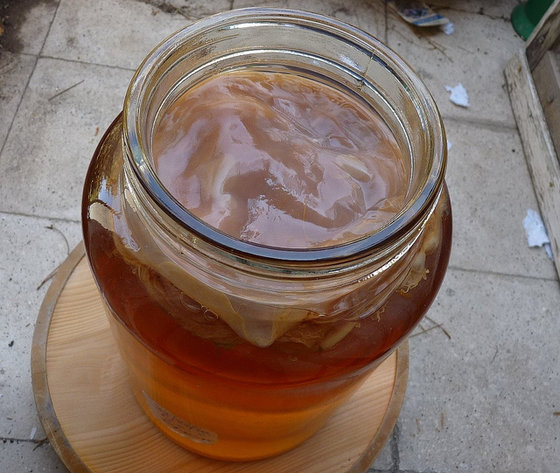
image kombucha tea

It’s the newest It food, but for over 10,000 years, humans have been using the fermentation process to make food for themselves. Producing beverages like beer and wine to more substantial and nutritious foodstuffs like bread, cheese and yogurt, fermentation is a chemical process by which microorganisms (in the absence of oxygen) break down nutrients into alcohol and acids. Converting these nutrients — often carbohydrates — into simpler substances allows the body to absorb and use them more easily.

The benefits of fermentation are many, from aiding digestion and increasing nutrient bioavailability to preserving food for longer storage. (And you just thought that beer was good for upping your comedic value!) Indeed, fermented food products can bestow a bevy of health advantages, but that doesn’t mean they all are created equally. Take a look at a few important facts about fermentation if you want the best health results in 2019:

Fermented fish

Pick Products that Contain “Live Cultures”

Typically, fermented products from a supermarket are processed at a high level of heat, killing the beneficial bacteria their fermented processing promises. And even if they haven’t been, they often contain excessive amounts of sugar and sodium, negating their nutritional value. Read labels carefully and purchase only those products that contain “live cultures” with limited salt and sugars. Usually these products are stored in the refrigerated section along the periphery of your local grocery store and not in jars and cans on interior store shelves.

Better Yet, Make Your Own

Fermenting your own vegetables or making your own yogurt or brewing your own beer isn’t that hard and provides a significant nutritional advantage over buying items that have been produced for the masses using artificial preservatives and added ingredients for flavor. Check out this site for direction on where and how to start fermenting your own food.

image-sourdough-cheese-bread
Sour dough bread

Listen to Your Body

We turn to experts everyday to find the best information on all number of topics — a business immigration lawyer when we want to work abroad; a licensed contractor when we want to build a house; a PR professional when we want to spin a possible issue. Likewise, when beginning a fermented diet, it’s important that we listen to the best resource available. Our own bodies are the best authorities on what works and doesn’t work for us. Because the research is so new, there is no magic amount of fermented foods to eat each day to guarantee healthy results. Instead, follow your body’s lead. Fermented food products can cause gas and bloating, but even just one serving a day of fermented food can improve gut health. Thus, start small, see how your body reacts and adjust your consumption accordingly!


A look at what CBD could do for you

0

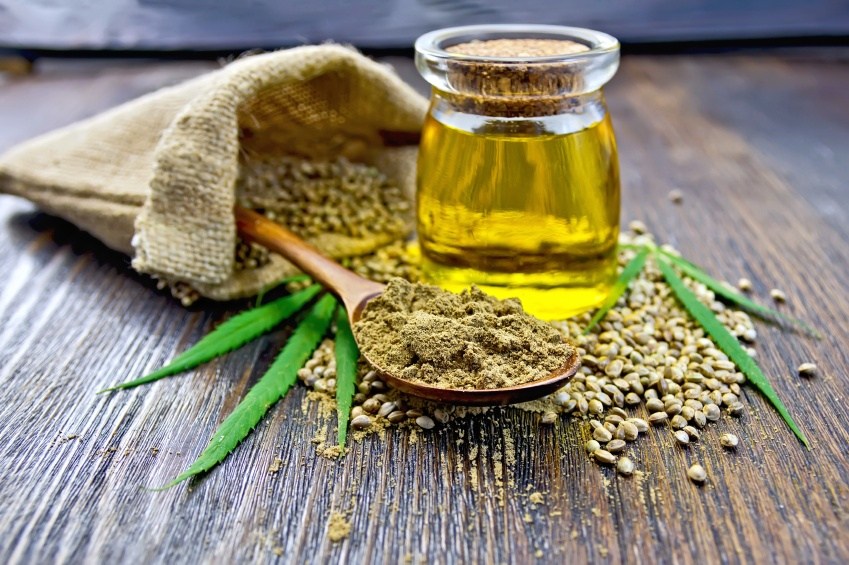
It’s safe to say that cannabidiol (CBD) has a more wide-ranging potential than typical strains of psychoactive cannabis. On its own, CBD is non-intoxicating and causes no mind-altering effects, which explains why so many people seem prepared to experiment with it. Indeed, most of the CBD products that you find on sale are actually made using industrial hemp extracts, rather than cannabis extracts – hemp has very low levels of THC, is not psychoactive and is therefore less restricted.

But is CBD just a passing fad, or does it have properties that could soon become a staple in our daily lives?

Different products for different ailments

Perhaps the most interesting thing about CBD is how its effects change depending on how it is consumed. For instance, taken in vape oil or e-liquid form, CBD becomes active after just a couple of minutes, and quickly begins exerting anti-inflammatory, anti-anxiety, analgesic effects and more, benefits which generally last for two to three hours. The speediness of vaping is particularly useful for people who suffer from sudden bouts of pain, that cannot afford to wait for relief.

However, when taken in edible or capsule form, you can be waiting for an hour or more before you experience any therapeutic relief. The positive with these products, however, is that the CBD is released more slowly into the body, meaning the effects can last all day or night. The relaxing and sedative properties of CBD have unsurprisingly made it a popular alternative sleeping remedy.

But CBD doesn’t even need to be taken into the body for it to have a positive effect, as the emergence of infused balms and creams have shown. The combined antibacterial, antimicrobial and antifungal qualities of the cannabinoid may be valuable for treating skin infections, both bacterial and fungal. These products work because of the presence of the endocannabinoid system in the peripheral nervous system, and therefore the skin.

This system contains endocannabinoids and cannabinoid receptors. Activation of the CB1 receptor can help to relieve pain, hence the popularity of pain creams from companies like Green Roads CBD. Meanwhile, activation of the CB2 receptor works to reduce and regulate inflammation, which may be the key to treating arthritis and the skin condition acne.

Using CBD for general wellness

The jury is still out on many of CBD’s claimed medical properties, and until comprehensive clinical trials are conducted in placebo-controlled, double-blind, randomized settings, little can be said for definite. That’s just the process that any new drug must go through before it can be medically approved. Indeed, for epilepsy this is already happening, with the Food & Drug Administration’s (FDA) recent approval of the CBD-rich oral spray Epidiolex.

However, companies aren’t selling CBD as a medicine, but as a health supplement, and there are a number of ways that CBD can be used to enhance general wellbeing and make life a little easier. Visit website.

cannabis fork

By making more of the inhibitory neurotransmitter GABA available in the brain, CBD is perfect for helping you to stay mentally relaxed in challenging situations. Perhaps you’re starting a new job and are nervous about making a good impression, or maybe you struggle with anxiety and find social scenarios overwhelming. With CBD helping to stop the overthinking, and also combat high levels of stress, you can stay cool, calm and collected and always present the best version of yourself to others.

Want to know how to smoke? See direct vapor review and coupons

CBD can also help to smooth out any irregularities in your endocannabinoid system by boosting ‘endocannabinoid tone’. An optimal endocannabinoid system is essential for good immune system health, balanced mood and appetite, strong bone health, beneficial sleep patterns, controlled pain perception and more. To enhance endocannabinoid tone, endocannabinoid degradation must be slowed, and CBD is able to do this by inhibiting the FAAH enzyme’s breakdown of anandamide.

Enhance your workout with CBD

Strength training can be great for our mental health, not just because it helps us to bulk up and become stronger, but because of the release of antidepressant chemicals into the brain. However, to maximize our efforts in the gym, it’s vital that our stress levels, and concentrations of the hormone cortisol, are kept as low as possible. In contrast, higher levels of testosterone facilitate increased muscle growth.

Taking a CBD oil tincture, such as those sold by CBDistillery, helps to quickly reduce cortisol. The reductive effect that CBD has on cortisol was first shown in the 1990s.

Iceland’s new prime minister is 41-year-old environmentalist

0
iceland Prime minister Katrin Jakobsdottir
Iceland’s new Prime Minister is green.

Iceland, made progressive or well at least famous by Bjork, has made some monumental strides by electing Katrin Jakobsdottir, the 41-year-old chairwoman of the Left-Green Movement, as Prime Minister. She is well liked and while a former education minister she is also an avid environmentalist.

Iceland, this is the country that slows down speed racers with 3D sidewalks.

In her role she has pledged to help Iceland become carbon neutral by 2040. She will be the fourth PM in two short years, but she might have the trust that the country’s citizens seek right now after a series of scandals.

She is the party leader who can best unite voters from the left and right,” said Eva H. Onnudottir, a political scientist at the University of Iceland, according to the New York Times. “Because this coalition includes parties from the left to the right, their work will be more about managing the system instead of making ‘revolutionary’ changes.”

Get suing for your environment

dead sea

A landmark law was just passed in Israel this year. The Israeli Parliament, known as the Knesset just passed a new law on January 1, that allows both public and non-profit organizations to file a civil suit against any person or organization that damages the environment in general. The law was put into effect after a disaster in 2017 when a fertilizer plant spilled toxic materials into a Dead Sea stream, according to Haaretz.

Until now the only civil suits that could be filed in Israel were ones that caused harm to people. Civil suits can now be filed if the environmental damage is to plants, animals or even just landscapes.

What prompted lobbyists and lawmakers to go ahead with this new law was a disaster in 2017 when the Ashalim Stream in the Judaean Desert and close to the Dead Sea was polluted when a pool at the Rotem Amfert fertilizer plant collapsed. It was called a toxic sludge deluge. High levels of toxic materials including acids seeped into the riverbed, now closed indefinitely to hikers and tourists.

Some animals, like the ibex below, died immediately.

Because, technically, no people were hurt that day, the public was not legally allowed to file a suit against the plant. The area was a popular hiking spot, so people were essentially cut off from nature.

The bill to change the law was initiated by the Society for the Protection of Nature in Israel, Israel’s leading environment nonprofit, and was sponsored by Deputy Knesset Speaker Tali Ploskov (Kulanu), MK Yael Cohen Paran (Zionist Union), Nurit Koren (Likud) and Dov Khenin (Joint List). Some people, if you are an environment lover, you might wish to support.

The Dead Sea area in general is facing massive threats due to human greed and oversight. Very little water if any actually flows into the Dead Sea to replenish its natural balance causing it to shrink in size year after year. It’s an eyesore and a shame. One of the bigger blights and disasters to the Sea is the whole south section destroyed by a fertilizer company, the Dead Sea Works, previously known as the Palestine Potash Company.

As you can see below, the actual Dead Sea is severed now in two pieces, the lower region is now evaporation ponds for chemical extraction. How in the world a private company, owned by Israel Chemicals, can operate like this in today’s day and age is beyond me. Today Israel Chemicals is owned by Israel Corporation (52.3%), Institutional investors and public offering (33.6% and the rest (13.6% owned by Canadian company Potash Corporation of Saskatchewan (Wikipedia).

The Israel Corporation, if we dig into the details is in majority holdings by the Ofer Family Group which owns, according to them, 52%.

If you want to be educated on how in the world the Israel Government sells its natural resources to a few wealthy families, watch the movie The Shakshuka System. Posted below for your convenience, with English subtitles.

Blame Roundup For Celiac And Gluten Intolerance Symptoms

0

image spraying crops herbicide

The gluten intolerance and celiac disease epidemic that’s spreading worldwide is related to herbicide residues on foods we eat, according to a study published published in the Interdisciplinary Toxicology journal in 2013.

The researchers are Anthony Samsel,an independent scientist who has worked as a consultant to the EPA on arsenic pollution and to the U.S. Coast Guard on chemical hazard response, and Stephanie Seneff, senior research scientist at MIT. They analyzed close to 300 studies on the relationship between glysophate, the active ingredient in the widely-used herbicide Roundup, and gluten intolerance/celiac disease. The scientists conclude that glyphosate residues in our food are responsible for this epidemic, which already affects 5% of the USA population.

In the 1980s, Scottish farmers discovered that spraying Roundup on their wheat and barley crops 7-14 days before harvest guaranteed their crops would dry evenly before starting the harvesting operation. This is known as dessicating the grain. The practice spread to major grain-growing areas in the US and Canada where a damp climate may hinder harvest. Now the list of common foods dessicated with Roundup includes wheat, oats, barley, many kinds of beans, lentils, corn, rye, flax, triticale, buckwheat, peas, sunflower seeds, canola, sugar beets, millet and potatoes. Drenched with the herbicide, those foods inevitably have dry Roundup residues on them. Most of our food is contaminated – yes, even animals and poultry, since the Roundup residues in their feed pass on to us.

No one paid attention to Samsel and Seneff’s study at the time it was published except for Mother Earth News and The Healthy Home Economist. But in 2015, glyphosate was recognized as “probably carcinogenic” by the World Health Organization. And in August 2018, Monsanto, Roundup’s manufacturer, was ordered to pay $289 million to a California groundsworker who was diagnosed with terminal non-Hodgkin lymphoma after having mixed and sprayed hundreds of gallons of the weed killer as part of his duties. Suddenly, glyphosate is on everyone’s lips.

But glyphosate has literally been on our lips since the 1990s, when spraying Roundup on crops became almost universal. The authors of the study note that the numbers of patients diagnosed with gluten intolerance/celiac disease has risen together with the agricultural use of glyphosate.

Comparing gluten antibodies in frozen immune serum obtained between 1948-1954 to those of the modern population, researchers found that celiac disease has quadrupled.

According to the Samsel and Seneff the symptoms of glyphosate exposure closely resemble the symptoms of gluten intolerance/celiac.

“Celiac disease is associated with imbalances in gut bacteria that can be fully explained by the known effects of glyphosate on gut bacteria,” they write. Also, deficiencies in enzymes, metals, and amino acids that characterize celiac disease are proved to appear with exposure to glyphosate.

“Celiac disease patients also have a known increased risk for non-Hodgkin’s lymphoma, which has also been implicated in glyphosate exposure,” they warn. “The incidence of non-Hodgkins lymphoma has increased rapidly in most Western countries over the last few decades. Statistics from the American Cancer Society show an 80% increase since the early 1970’s, when glyphosate was first introduced on the market.”

They wind up with a dire warning about the effect of Roundup residues on our families.

“Reproductive issues associated with celiac disease, such as infertility, miscarriages, and birth defects, can also be explained by glyphosate.”

So it doesn’t seem that gluten is the big culprit for celiac symptoms; it’s Roundup. Some farmers admit to feeling uneasy about spraying crops with Roundup, but it doesn’t look like agro-business is going to mandate stopping its use any time soon. Apart from dessicating the crops for an easier, ample harvest, Roundup kills weeds off. Without it, farmers will have to go back to plowing the land and digging weeds out by hand, which is they fear will set agriculture back by decades. Many also fear losing part of their crops to damp. Roundup is also widely used in managing fruit orchards and grape vines; even in managing forestry.

The solution: go organic. It’s the only way, these days.

Top Essential and Exciting New Year Gifts to Surprise Your Kids

0

the middle east, fair trade, eco-stores, eco-shoping, sex shop, sustainable development, Christmas, holiday shopping,

Kids are always close to the hearts of their parents. They give from toddlers to teenage different happy moments with their cute activities in the family. Parents also want to be a part of their memorable events. All the parents try to give the best lifestyle to their loving kids. They never forget to celebrate kid’s memorable occasions. If you want to give some unique gifts for your kids, then you have to check their requirements. There may be different essential needs of your kids that you want to fulfill in life.

Here are some essential items that you can dedicate to your kids in this new year.

Gift Play Items:

 Kids love to spend their time playing and eating. You can give some unique indoor and outdoor games for your kids. Try to buy the games that help their mental and physical growth. Childhood is the best time to learn new things at home. You can dedicate some intelligent gifts to surprise your kids in this new year. The other idea is to buy some toy instruments to give the best items to play. Toys can be one of the perfect online new year gifts for your little ones. They will be happy to get such useful toys and games for playing at home.

Assorted Chocolates Hamper:

 For your kids, you can show your heartfelt feelings in different ways. Most of the kids like to eat their favorite chocolates. You can dedicate a hamper of some delightful chocolates to surprise your little ones. The other idea is to surprise them with assorted chocolates, which comes in the shape of toys, bells, and cartoons, etc. Kids will love to eat such designer chocolates on this memorable occasion. You can attach candies or lollipops to give them some pleasuring moments of the day.

Arts and Crafts Set for Kids:

 Childhood is the best time when you can guide your kids for choosing their passions. Another gifting idea is to dedicate the arts and crafts set for your lovely kids. It can be the best time pass and learning material for them at home. You can add all the items that they can use easily without your help. A complete kit of arts and crafts set is perfect for school going kids. It will help them to show their creativity by making some decor items.

Prepare a Photo Cake:

 Kids also love to watch cartoons and their favorite superhero movies. You can even personalize a delicious cake for your little ones in this new year. The best way is to select their favorite character’s photo to make unique online new year cakes. You can also select one of the best pictures of your kids to prepare a presentable cake. Try to garnish the cake by adding their favorite flavors and candies. It will be the best dessert to give them delightful moments of the celebration. Capture the cake cutting ceremony moments to create some beautiful memories of the day.

A trip to the Amusement Park:

A new year celebration for your kids can be unforgettable if you take them to visit a nearby amusement park. You can make this day special by going to the adventure park. It can be another essential gift to make them feel happy on this day. Your kids will have enough time to enjoy their favorite games and rides at the famous amusement park. They can also have tasty snacks in a lovely place. It will be the best idea to give them some happy hours to enjoy this new year. Your kids will always remember such a great fun idea on this day.
Above gifts will be surely perfect to make their new year celebration unforgettable. Your kids will be happy to receive all of these essential gifts from your side.

Farting cows directly linked to global warming

0

Global warming and climate change weather patterns which may be causing monster hurricanes and typhoons are more than ever being brought to our attention as the dire results continue to wreck havoc the world over. This year’s COP24 Climate Change Conference ,being held in Katowice Poland, is bringing countries together again to try to find solutions to rising temperatures and severe weather patterns being caused by continuous dependence on fossil fuels and other human-caused factors.

One under-looked cause, now being considered as no less critical than fossil fuels, is beef and dairy cow farming; especially in affluent countries like Australia, the UK and the USA. Increasing fondness for beef in the USA, for example, is raising levels of Carbon Dioxide (CO2) and Hydrogen Peroxide (H2O2) in the atmosphere as high as the use of fossil fuels. This increase is being caused largely by a very important natural phenomena: cows fart.

The unique food digestion process of a cow’s 4 chambered ruminant stomach actually ferments the cellular plant material it eats creating methane and other gas, including nitrogen and carbon dioxide. These gases are released from both the animal’s mouth during digestion when it chews its”cud”; and afterwards expelled in even larger amounts from the large intestine and anus, causing the flatulence or farts. In a way, you might consider this process as similar to a biogas manufacturing process. So much of this natural biogas is created during the digestion process that scientists now say that the amount involved to create just 225 grams of beef releases as much biogas into the air as the exhaust from 55 cars! The released biogas is now considered to be a definite contributor to the “greenhouse effect”  that causes global warming.

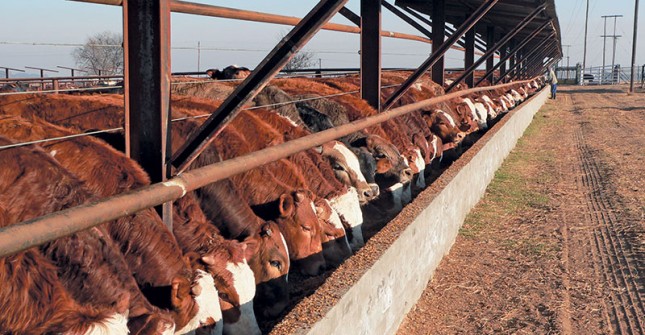
A recent program produced on CNN points this out more dramatically by illustrating the cattle farming industry in the American state of Texas, which has the distinction of being the USA’s top beef producing state. The program showed how cattle are raised there in giant feed lots and idolized by a college football team with its Big Bevo mascot: a giant longhorn steer. This particular species of cattle was once the State of Texas’ prime beef producing animal; and idolized as a colorful part of the Old West when massive herds of cattle were driven hundreds of miles overland to livestock markets in Kansas. There, they would then be shipped by rail to meat processing centers in Chicago and other locations.

According to the CNN featured program, cattle emit 10 times more greenhouse gases than other food mammals like pigs and chickens.

American fondness for beef remains high, however. Reducing the greenhouse gases emitted by cattle is now considered to be a primary objective to keeping the level of global warming within the 1.5 degrees C goal of the COP 24 conference. If the global temperature levels
exceed this threshold, catastrophic consequences to the earth’s environment will occur. Alternatives to naturally grown beef are currently being developed by scientists like Dr. Mark Post, one of the first innovators of laboratory produced “macro meat”. Dr. Post says that producing synthetic meat from stem cells may one day be commercially feasible and will be able to help satisfy people’s desire for beef, while dramatically reducing the amount of greenhouse gasses now being emitted by cattle.

It’s not just beef producing cattle that are causing the greenhouse gas problem, however. large dairy cattle herds also emit the same greenhouse gases as beef cattle. With this in mind, the only plausible solution will be less production of dairy products from cow’s milk, which will be much harder for most people to accept, myself included.

More articles on global warming and climate change:

Champagne production threatened in climate change

We need courage, not hope, to face climate change

Are monster hurricanes and typhoon fueled by global warming?

Photo of beef cattle feedlot by Farmers Weekly; Photo of Big Bevo longhorn University of Texas

Sustainable plastics that emerge from the sea

0

red algae, agar-agar, agar, veganism, Morocco

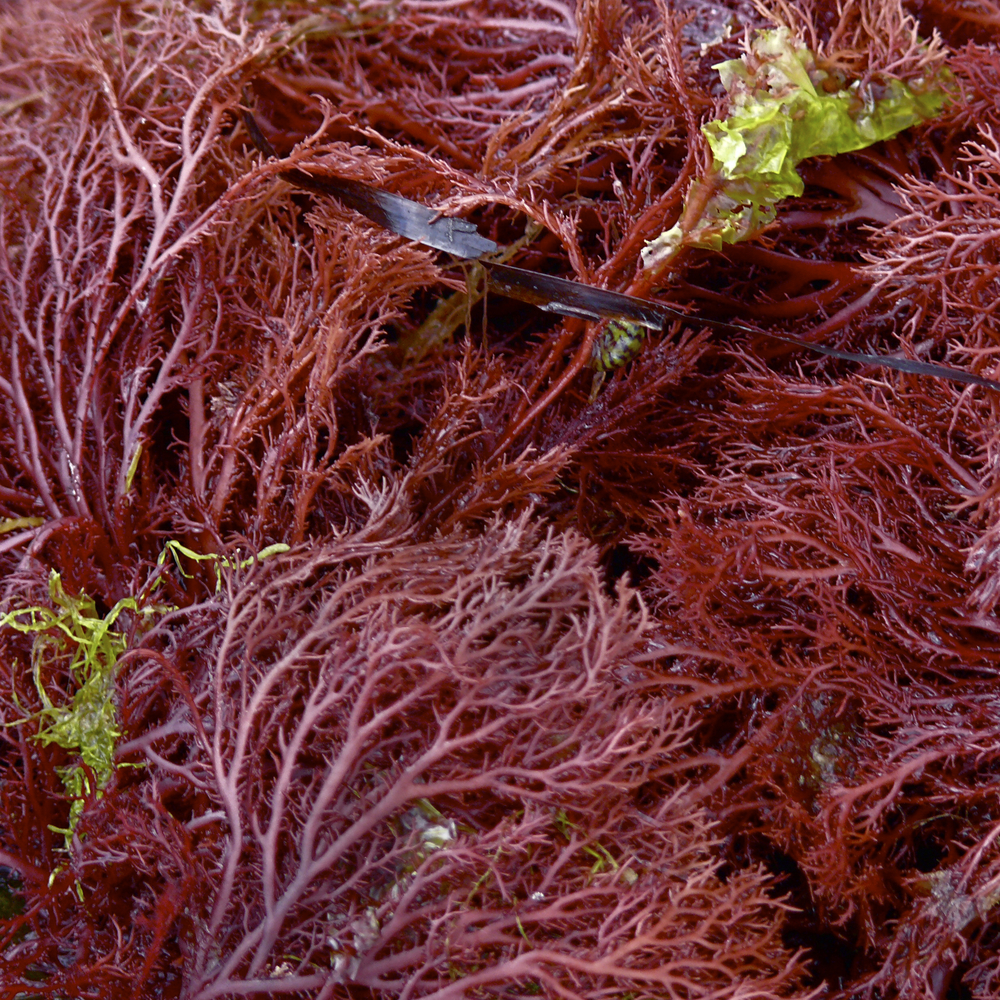
A new Tel Aviv University study describes a process to make bioplastic polymers that don’t require land or fresh water — resources that are scarce in much of the world. The polymer is derived from microorganisms that feed on seaweed. It is biodegradable, produces zero toxic waste and recycles into organic waste.

The invention was the fruit of a multidisciplinary collaboration between Dr. Alexander Golberg of TAU’s Porter School of Environmental and Earth Sciences and Prof. Michael Gozin of TAU’s School of Chemistry. Their research was recently published in the journal Bioresource Technology.

Red gold seaweed harvest Morocco

According to the United Nations, plastic accounts for up to 90 percent of all the pollutants in our oceans, yet there are few comparable, environmentally friendly alternatives to the material.

“Plastics take hundreds of years to decay. So bottles, packaging and bags create plastic ‘continents’ in the oceans, endanger animals and pollute the environment,” says Dr. Golberg. “Plastic is also produced from petroleum products, which has an industrial process that releases chemical contaminants as a byproduct.

“A partial solution to the plastic epidemic is bioplastics, which don’t use petroleum and degrade quickly. But bioplastics also have an environmental price: To grow the plants or the bacteria to make the plastic requires fertile soil and fresh water, which many countries, including Israel, don’t have.

red algae seaweed morocco

“Our new process produces ‘plastic’ from marine microorganisms that completely recycle into organic waste.”

The researchers harnessed microorganisms that feed on seaweed to produce a bioplastic polymer called polyhydroxyalkanoate (PHA). “Our raw material was multicellular seaweed, cultivated in the sea,” Dr. Golberg says. “These algae were eaten by single-celled microorganisms, which also grow in very salty water and produce a polymer that can be used to make bioplastic.

“There are already factories that produce this type of bioplastic in commercial quantities, but they use plants that require agricultural land and fresh water. The process we propose will enable countries with a shortage of fresh water, such as Israel, China and India, to switch from petroleum-derived plastics to biodegradable plastics.”

According to Dr. Golberg, the new study could revolutionize the world’s efforts to clean the oceans, without affecting arable land and without using fresh water. “Plastic from fossil sources is one of the most polluting factors in the oceans,” he says. “We have proved it is possible to produce bioplastic completely based on marine resources in a process that is friendly both to the environment and to its residents.

“We are now conducting basic research to find the best bacteria and algae that would be most suitable for producing polymers for bioplastics with different properties,” he concludes.

The research was partially funded by the TAU-Triangle Regional R&D Center in Kfar Kara under the academic auspices of Tel Aviv University, and by the Israeli Ministry of Energy and Infrastructures.

An ancient salad recipe from the Rambam

0

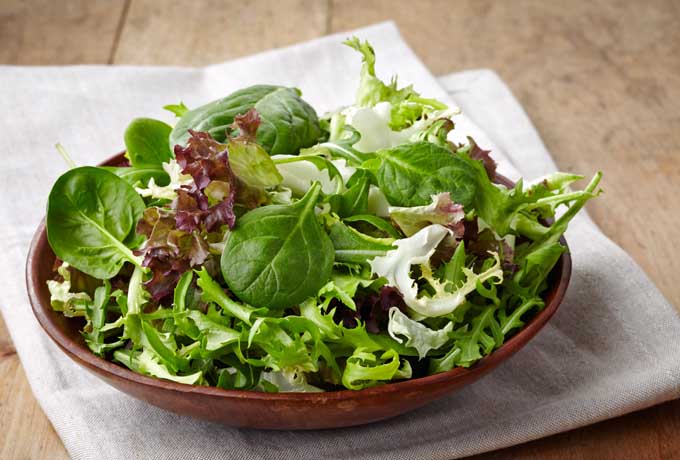
image maimonides saladMaimonides, referred to as the Rambam, was a philosopher, codifier of Jewish law, and a renowned doctor in 12th-century Egypt. Israelis follow his startlingly modern-sounding health advice until this day. He wrote that the best breakfast is a big, leafy salad: it clears digestion and the kidneys and purifies the blood.

bagged salad unsafe

That’s not how I remember breakfast when I was growing up in the States. Half-asleep and in a rush to get out the door, my siblings and I would tip into a bowl some cold cereal extruded by machines into shapes designed to entertain kids. The artificially colored and flavored bits were loaded with different sugars. We’d pour plenty of milk straight from the fridge on top. Then we’d wait outside for the school bus, the cold milk inside us making us shiver, while the sugars made their way into our bloodstream and made us frantic. By the mid-morning, we were exhausted from the sugar crash.

Has it changed much? Judging from the packages on supermarket shelves, it doesn’t look like it. Cold cereals have made their way into Israeli supermarkets too, and busy families find them as convenient as mine did. Probably the kids experience the same sugar highs and lows, too.

But many Israelis still love salad for breakfast. Any “Israeli breakfast” in a cafe includes a choice of chopped tomatoes and cucumbers, or a mixed leafy salad along with your omelet, roll and butter. Housewives pride themselves on offering a variety of salads before serving the main hot dish at Shabbat lunch.

Did Rambam’s (Maimonides) ancient book of herbal recipes give clues to finding new anti-cancer vitamin?

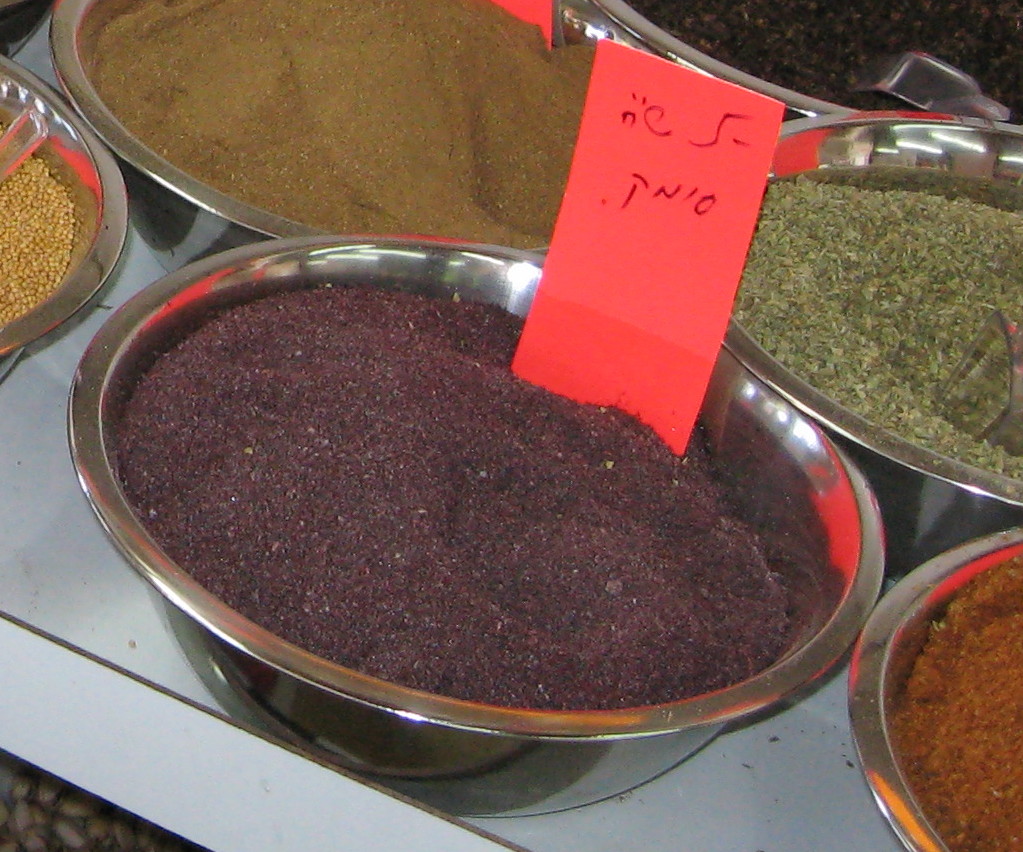
The Rambam’s salad takes minutes to chop up, and it’s the kind of food that makes you feel like it’s going to be a good day. You’ll need plenty of green, leafy vegetables and a little fruit. The simple dressing consists of lemon juice, salt and olive oil, and one more important ingredient – sumac. Sumac trees bearing edible fruit grow wild in this part of the world. The wine-colored dried spice has a lemony flavor and lends an attractive deep color to any savory food.

I like to season chicken and fish with sumac, but hadn’t thought of it in salads until I learned the Rambam’s recipe.

Maimonides Salad

Serves 4

2 large celery stalks, with leaves

1/4 medium cabbage

1 large cucumber, unpeeled if possible

2 handfuls fresh dill or cilantro

A small handful of fresh parsley

Several dollops of olive oil

Juice of 1 large lemon

Salt to taste

2 teaspoons powdered sumac

Dried or fresh, sliced fruit to taste.

Slice everything thinly into a large bowl. Douse it all with fresh lemon juice and olive oil, salt everything to taste and dust generously with sumac. Add something sweet at the last – not too much – for balance: sliced dried fruit, a handful of dried cranberries, some pomegranate seeds, half a thinly sliced apple or sections of a fine fresh orange. Don’t add so much fruit as to overwhelm the vegetables.

Sumac, a popular Middle Eastern spice

That’s it. You can prepare the fresh ingredients beforehand, stash them, covered tightly, in the fridge, and pour the lemon juice/olive oil over it just before serving. Remember to sprinkle sumac generously over all.

Do’s and Don’ts of Liquidation

0

For the savvy small business owner, the world of liquidation and returns can be a very lucrative one. When big businesses accept returns that they have no intention of restocking and reselling, or when businesses of all sizes quickly liquidate their assets at low prices in order to pay off creditors, they create opportunities for resellers to snap up those goods at rock-bottom prices and resell them for a big a profit.

A good liquidation and returns business can net big bucks for its owner, but there are always ways to streamline your business and improve your odds of making a great living. Here are the dos and don’ts that you should keep in mind as you guide your liquidation and returns business toward the biggest profits possible.

Do know who you’re buying from

Big companies like Target and Walmart are able to unload return pallets at low prices because the scale at which they operate makes that the most efficient thing to do. But not all companies are created equal. You want to buy lightly used and reliable goods, and you’re more likely to get those from certain trusted brands.

Be careful when you consider liquidation stock from companies you’re less familiar with. Make sure you know where your products are coming from, so that you can confidently say that you’re getting authentic brand name returns, and not the latest products from a knock-off factory somewhere. Always, always know who you’re actually buying from!

Don’t buy from just anyone

When big companies like Amazon, Target, and Walmart liquidate their stock, they work with certain reputable resellers. No, we’re not talking about individual resellers like you—we’re talking about online auction houses that turn the stock over in bulk, still at very low prices.

It’s important to turn to a trustworthy auction site for your purchases. Consider this a corollary to the rule that you should always know who you’re buying from. After all, you need to work with a reputable auction site if you’re going to be confident that the goods you’re reselling are really coming from the big companies that you think they are. Working with a trusted supplier means you’ll know for sure that your Target liquidation stock is really Target liquidation stock.

Do develop a specialty

The key to buying and reselling at a profit is knowing the value of what you’re buying and selling. Follow prices closely, and familiarize yourself with the market for your products. That’s easy enough to do, as long as you focus.

Working with one product or type of product will help you here. You’ll be better equipped to make fast and wise decisions about purchases and selling prices if you’re really immersed in a given market segment. Trying to track the prices and sales trends of a bunch of different products is going to get complicated fast. And flying blind by just buying and selling whatever you can get your hands on will be very inefficient because you’ll constantly find yourself being ripped off by savvy buyers who know about pricing trends that you don’t.

Don’t spread yourself too thin

Trying to focus on too many types of products at once is one way to get yourself confused and make your business inefficient. But it’s not the only way to spread yourself too thin, so be careful!

Make sure that you operation grows at the same pace as your acquisitions and sales. Remember, you’ll need room to safely and securely store your stock before you resell it. You may need help to post products on marketplaces and fulfill orders, and you may need funding. Bring in employees and partners as necessary, and make sure that your eyes don’t get bigger than your stomach. In other words, if your ambitions grow too much faster than your business, you’ll make mistakes and could end up losing money.

How it is to be an addicted Jew: A faith-based approach for addiction recovery

0

The phrase ‘addiction doesn’t discriminate’ has been used for years as a reminder that drug and alcohol abuse can affect anyone. People from all spiritual backgrounds and religions can find themselves in a trap of addiction.

There’re many faith-based rehabs in the U.S., and many treatment programs are designed specifically for people from the Jewish faith. These programs offer the same treatment methods as traditional programs that have proven their effectiveness and also incorporate the revival of faith as an important part of recovery.

Judaism and Addiction

Alcohol and drug abuse is not something the Jewish community is vocal about. But the mere existence of a Jewish drug rehab makes it clear that the subject is ceasing to be a taboo.

Due to the tendency to deny the reality of addiction, there always was a lack of statistics on substance abuse among Jews. It was long believed that religious Jews couldn’t face this problem.

Nowadays, these approach and belief are things of the past. The community is becoming aware of the issue of drug and alcohol dependence.

Rabbi Dr. Abraham Twerski discards the myth that Jews never drink alcohol or use drugs. He worries about the “growing malignancy” of substance abuse. If it remains ignored, the consequences may be fatal not only for the abuser. It can ruin families and ultimately destroy a whole community.

Twerski wants the Jewish community to no longer sweep Jewish alcoholism and drug use under the rug, but to acknowledge that the disease exists. He also encourages religious leaders to establish training programs for Clergy and other Jewish professionals to teach them to help people with problems.

Recovery via Spiritual Enlightenment

Treatment for the multilayered problems of addiction is based on altering the thought and the behavior patterns of the addict. Jewish rehab centers usually provide pastoral counseling that addresses the spiritual sides of the disease. It helps the patient to break an addictive pattern and develop spiritually oriented thinking and behavior.

Addiction results from a spiritual void in one’s life. So, the pastoral caregiver deals with the problem within a spiritual framework by making references to the Bible and Midrash. For example, the Israelite Exodus from Egypt is presented as a model for the escape from addiction to substance-free life.

Egypt (in Hebrew, Mitzrayim) literally means a “place of narrowness.” The Hebrews lived there in the slavery that endured 400 years. The word “addiction” comes from a root of the Latin word “addictus” which means “to give oneself over.”

Someone who suffers from substance addiction is enslaved. A person in this state has no control over life and is powerless. For each addicted Jew, the story of the Exodus from Egypt symbolizes the personal story of breaking free from his or her narrow place. In spite of the repeated temptations to backslide, they struggle until they reach the promised land of spirituality and recovery.

What Is a Jewish Rehab?

Jewish rehab programs contain the components of a traditional treatment program but accommodate them to the principles of Jewish faith. The programs combine the tenets of the Torah and the 12-step philosophy.

Inpatient treatment programs usually require the patients to live in the facilities at least for a month. These 30 days are dedicated to working with detox specialists, licensed addiction therapists, and psychiatrists.

When addicts become the patients of a particular Jewish rehab, they undergo a medical detox, like in any other traditional rehab. Detoxification aims to rid the body of the harmful toxins that have accumulated in the body during the abuse. Medical professionals supervise this process as detoxing from some substances can be dangerous for health.

After that, patients are evaluated by the therapist and physiatrist. They check them for other diseases.

The majority of Jewish drug rehabilitation centers offer faith-based programs that comprise spiritual modalities centered toward Judaism. Patients attend individual and group therapy sessions run by professional therapists.

Group therapy helps the recovering addicts to share feelings and experiences. They see that they are not alone in their struggle with alcohol or drug dependence. The therapy can also cover such topics as codependency relationships, relapse prevention, and anger management.

Other services that enhance recovery process include:

  • A healthy diet and regular physical exercising
  • Spiritual guidance and direction for individuals and their families
  • 12-step program based on the Torah
  • Praying and meditation with religious scriptures
  • Alternative types of therapy, such as art or equine therapy.

Most addicts involved in recovery understand the role of meetings, support groups, therapy and spiritual counseling in combatting addiction.

The Benefits of Jewish Rehabs

Getting addiction treatment at Jewish rehabilitation facilities has its advantages:

  • Faith-based approach: This type of rehab attracts Jewish people that are suffering from the same problems. Thus, a feeling of belonging starts to emerge and deep connections are beginning to form. Moreover, the programs provide counseling sessions founded on religious philosophy and therapies that meet the special needs of addicted religious Jews.
  • After-care support: When a patient successfully completes a treatment program, this isn’t over yet. Recovery from addiction is a lifelong process. Ex-addicts need assistance as they reintegrate into their usual life. A “sober living” program is available for approximately half a year or more. People learn to live drug-free or alcohol-free life and better manage the stressful situations that caused their substance abuse.
  • Sponsorship and networking: When people return home, they have an opportunity to get assistance from outreach sponsors and specialists. They also can work with addicts that are on the path to recovery and share their own experience with them. It creates a sense of being part of the Jewish community and a feeling of being helpful, thus increasing the chances of staying sober.

So, a Jewish rehabilitation center is the best choice for Jewish people. They renew their faith and get rid of addiction while living in a safe environment and communicating with professional staff and patients that share the same religious views.

About the Author

Thanush Poulsen is a health columnist from Denmark who closely investigates the problem of addiction. As today it is an issue of a rising concern, Thanush aims to increase people’s awareness of it to prevent an increasingly growing number of drug deaths and drug crimes.

The Egyptian Academy in Rome Emphasizes the Value of Cultural Diplomacy

When wandering in the streets and piazzas of Rome, it is always a surprise to encounter Egyptian obelisks and Pharaonic monuments, reminders of the ancient links between Egypt and Rome. However, it is even more exciting to visit the prestigious Egyptian Academy, a cultural facility established near Rome’s Villa Borghese, next to a group of international fine arts academies representing various countries in the world.

Although the Egyptian Academy is one of seventeen fine arts academies that exist today in Rome, it is the sole representative of the African continent and the Arab world. In fact, only the Egyptian and Japanese academies represent the “East” among those academies. 

The Academy serves multiple objectives, hosting Egyptian art students in Rome while promoting Egyptian culture beyond its borders, also as a source of pride for Egyptian and Arab people. 

With this simple message, the Academy’s director Dr Gihane Zaki welcomed us. Her great charisma and passion bring an additional dimension to the visit. When Dr Zaki speaks with such depth of knowledge and experience, you feel you are speaking to a true ambassador of culture and the arts, especially when she talks about her role to convey the message of Egyptian culture to the world.

As we walked around the Academy, Dr Zaki spoke to us about her journey since her appointment as the Academy’s director in 2012, and her subsequent election to the Council of ICCROM (International Centre for the Study of the Preservation and Restoration of Cultural Property) in 2013, representing Egypt.

Q: Dr Zaki, would you please tell us about the Egyptian Academy in Rome?

Gihane Zaki: The Egyptian Academy has been in existence since 1924 and came to the present location near the Villa Borghese in 1966. In addition to hosting Egyptian art students for a period of study in Rome, the Academy evokes the glory of Egyptian art and culture to people from Italy and the West, while encouraging Arab people from all corners of the Middle East to take pride in this rich heritage. Though there are many fine arts academies in Rome, the Egyptian Academy is the only one of both the Arab world and Africa.

Q: What is the importance of the Academy’s role today?

Gihane Zaki: Right now we are living in a real culture war. In a period of black-and-white thinking, the Egyptian Academy has a brand with a social role that has many dimensions, particularly when it comes to interpreting history. We want to show that experts have a role, and that when you interpret history, it’s important to put in a touch of tolerance. This is true even when history is written by the winners – maybe especially then.

The role of the Academy is also to show another image of the Arab world, both to Arabs and to the West. We want to show a positive image of the Arab world that is also real and genuine. The Arab world is not what they show on television, ISIS and terrorist attacks and guns and black masks. The Arab world is the great stars of Cairo cinema, glorious art, haunting music and delicate calligraphy. This is the cultural diplomacy of reducing tensions between East and West. And not just to the West but also to Arab people. The message is – I shouldn’t be shy about presenting myself as an Arab person. I present a positive image. This positive image shared through cultural diplomacy can become a locomotive.

I see my role as bringing the message of Egyptian culture to Europe. I want Arab people to be proud of their culture, and I want Europeans to appreciate it. Cultural diplomacy is key now to understanding and putting people together. And culture, heritage and history are its flag.

Q: Could you speak to the importance of cultural diplomacy?

Gihane Zaki: The persuasive or soft power of culture and the arts can be seen everywhere. Culture can be used to negotiate with and encourage a range of stakeholders, from the highest echelons of power to poor and at-risk populations. Culture and the arts appeal to people’s minds and hearts, and widen their perspectives. And if you’ve touched their hearts just once, they will come back a second and third time.

I see cultural diplomacy as a weapon in the culture war. The Academy is not political, but my role is also to use it with politicians and ambassadors. Their desire to understand culture is huge, and often it is not encouraged in the environments they live and work in. Yet they very much appreciate the chance for open dialogue through culture, and for connecting with groups that it may be difficult to approach in any other way. That is the value of cultural diplomacy. From this place, dialogue can start.

Q: Whom does the Academy reach out to?

Gihane Zaki: At the Egyptian Academy, we open our doors not only to diplomatic circles but also to the community of Egyptians living in Italy, of which there are many, particularly in Milan. I also invite school groups, particularly 9 to 12 year olds, both Italian and international. They come and learn about the magnificence of Egypt’s history. I can put a piece of Egypt inside their hearts that they will never forget. They may even go on to study Egypt and Egyptology, as I did!

Recently the Academy also opened its doors to a very different group – and here I mean young Egyptian illegal immigrants in Italy, mostly 18 to 21 years old with little or no education. Their families sent them on boats to come to Italy, thinking they would become rich. Now they are here with no awareness of what Europe is, or even what Egypt is.

I was recently contacted by a French non-profit that works with these young boys and men, and I said, of course they must come to the Academy. I showed them the gallery of Egyptian film stars and they don’t know who any of them are. I share with them the Tutankhamun exhibit and tell them, “Your grandfathers built this.” I invite them to movie evenings and they bring their friends. Afterward we all sit in the garden, I make dinner for them and we laugh together and have a wonderful time. They too will never forget it. And one day this may keep them from going to the other side.

Q: So this really is a line of defense in the culture wars?!

Gihane Zaki: The cultural mainstream, too often very elitist, has forgotten or neglected to do exactly this with at-risk populations – include them, engage them, show care for their welfare. That is exactly why ISIS has been so successful with this group. The social inclusion role cannot be forgotten by any institutions, especially cultural ones. If we do, we’ll lose the culture war, and we will not have the open and stable society we want. To have it, we must invest. We can have the beauty of culture, or we can have a flood of radicalism submerge the Arab world.

Q: What do you see as ICCROM’s role in the Arab region moving forward?

Gihane Zaki: ICCROM will continue to be a force supporting culture and society in the Arab region in many ways – especially in planning for the post-conflict period – with risk preparedness, with first aid, with community engagement. These conflicts will not last forever. We must think and plan for the future. ICCROM is always at its best when intervening in crisis situations, just as they did at the time of Abu Simbel and the Aswan High Dam in the 1960s. There will always be a role for ICCROM.

Q: Any final thoughts?

Gihane Zaki: Culture is a strength. I’ve seen it through my experience at the Egyptian Academy in Rome, and it’s not a small platform. We’ve worked for six years under very difficult conditions, not only in Egypt but throughout the Arab region. We’ve seen revolutions, wars, armed conflict, illicit trafficking in antiquities and many horrors. But deep down I have this confidence that culture matters – cultural education and art, but above all, everything that is human. If we can touch the masses that are suffering and drifting away, it’s through culture, by changing the minds of people. We have a duty, all of us who are culture workers, to really move forward on everything we see happening around the world and not give up.


NYC dance company commemorates Dance or Die hero

0

We told the story to readers of Ahmad Joudeh over two years ago. We shared how, in the middle of the Syrian crisis, despite danger and dire straits, he continued to dance and teach dance to his young students.

With a special interest in the Middle East, after studying Arabic and also teaching dance to underprivileged children in Jordan, I was touched when I learned about Joudeh. Then around this time last year, in rehearsals for a modern dance show, I found out that one of the pieces I would perform centered around him. An excerpt from the documentary that introduced Joudeh to the world would play on the screen at the back of the stage. This good fortune moved me; I felt so lucky and eager to embrace his “Dance or die” spirit, to embody his movement, to give his story the spotlight it deserves – this time on a New York City stage.

In his documentary, there was one scene in which Joudeh dances on a barren concrete rooftop. It’s a beautiful day, a minaret and dome of a mosque visible beyond the roof’s border, but one inevitably fears that there isn’t much time before all of the structures pictured will crumble, the dust will block out the sun…

Joudeh ushers in a sense of hope to that roof, though, as he sweeps his leg around, tumbles to the floor but then reaches an outstretched hand to the sky. His movement is big; you can tell that he needs this art as much as it sustains him.

I, too, like to move big, and I know I dance better when I am emotionally charged. In this piece by the company Born Dancing, Inc., called Grey 5 because it was the fifth of a set of pieces dedicated to Syria, collectively called Grey, I started mimicking Joudeh’s movement pattern, dancing with him as I faced the back, looking at him on the screen. Three dancers joined and we danced in canon, and then it was complete accumulation: all six of us were flying and reaching alongside Ahmad Joudeh.


View the video on Facebook here.

The piece ended with pictures of Syrian children affected by the war flashing over the screen, and the dancers reacting to it. I remember that the director, Melissa van Wijk, did not choreograph our reactions; she let us feel the way we felt, and manifest that through movement, whatever it was. I appreciated that freedom awarded us, when usually dance is so exacting.

On the subject of freedom, I would like to give an update on Joudeh’s whereabouts. He is now dancing with the Dutch National Ballet. No doubt his technique and artistry have soared, and his future dance students will be all the more lucky to have him. Last month his first book, an autobiography, called Danza o Muori, Italian for Dance or Die, was published by DeA Planeta Libri. I have to brush up on my Italian, and then I’ll pick up a copy.


Tonight is opening night of Born Dancing, Inc.’s fourth production. Although we will not be showing all of Grey, and that means no Grey 5, there is a duet, Grey 2, that we have pulled to show, and I have the honor of dancing in it. I assume the role of a mother figure as I dance with an 11-year-old named Emily, who represents Syrian refugee children at large. We play, I support her, she supports me, and love is palpable.


This weekend, I bet Ahmad Joudeh is performing, too. Although we won’t be sharing the stage in person or thanks to digital technology, we will still be close: I plan to carry his love of dance in my heart, and that’s as close at it gets.

First photo courtesy of Born Dancing, Inc. Photo of Danza o Muori taken off Ahmad Joudeh’s Instagram page.