Research from the Wildlife Conservation Society (WCS) and the University of Queensland, published in Ocean & Coastal Management, found that nearly three out of four marine protected areas (MPAs) worldwide are exposed to sewage pollution.
At a time when climate anxiety can feel abstract and overwhelming, and being Jewish something people may need to hide in big cities, Adamah Los Angeles is trying something different: turning Jewish values into local climate action with dirt-under-the-fingernails practicality.
For families with kids, pets, or anyone trying to build a cleaner outdoor space, removing old astroturf is one of the simplest ways to reduce unnecessary exposure to plastics and heat. Some past studies suggest that if kids have played on these surfaces you need to wash their hands.
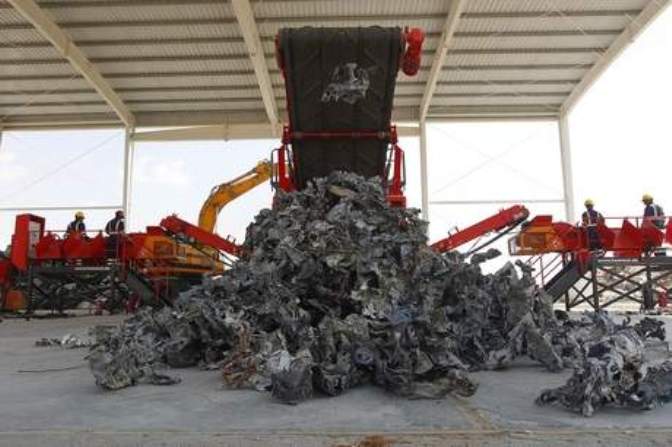
Artificial turf, the green plastic stuff that is supposed to look like grass, was sold to many home-owners as a clever compromise: a green-looking surface that makes you feel homey, but which needs no mowing. It survives heavy use, and in dry places like Middle East deserts, and in California or Texas, it can replace thirsty lawns. But it is toxic.
“In the midst of uncertain time, renewable energy remains consistent and steadfast in its expansion,” said Francesco La Camera, IRENA’s Director-General. “A more decentralised energy system, with a growing share of renewables and more market players, is structurally more resilient.”
Research from the Wildlife Conservation Society (WCS) and the University of Queensland, published in Ocean & Coastal Management, found that nearly three out of four marine protected areas (MPAs) worldwide are exposed to sewage pollution.
At a time when climate anxiety can feel abstract and overwhelming, and being Jewish something people may need to hide in big cities, Adamah Los Angeles is trying something different: turning Jewish values into local climate action with dirt-under-the-fingernails practicality.
For families with kids, pets, or anyone trying to build a cleaner outdoor space, removing old astroturf is one of the simplest ways to reduce unnecessary exposure to plastics and heat. Some past studies suggest that if kids have played on these surfaces you need to wash their hands.
Artificial turf, the green plastic stuff that is supposed to look like grass, was sold to many home-owners as a clever compromise: a green-looking surface that makes you feel homey, but which needs no mowing. It survives heavy use, and in dry places like Middle East deserts, and in California or Texas, it can replace thirsty lawns. But it is toxic.
“In the midst of uncertain time, renewable energy remains consistent and steadfast in its expansion,” said Francesco La Camera, IRENA’s Director-General. “A more decentralised energy system, with a growing share of renewables and more market players, is structurally more resilient.”
Research from the Wildlife Conservation Society (WCS) and the University of Queensland, published in Ocean & Coastal Management, found that nearly three out of four marine protected areas (MPAs) worldwide are exposed to sewage pollution.
At a time when climate anxiety can feel abstract and overwhelming, and being Jewish something people may need to hide in big cities, Adamah Los Angeles is trying something different: turning Jewish values into local climate action with dirt-under-the-fingernails practicality.
For families with kids, pets, or anyone trying to build a cleaner outdoor space, removing old astroturf is one of the simplest ways to reduce unnecessary exposure to plastics and heat. Some past studies suggest that if kids have played on these surfaces you need to wash their hands.
Artificial turf, the green plastic stuff that is supposed to look like grass, was sold to many home-owners as a clever compromise: a green-looking surface that makes you feel homey, but which needs no mowing. It survives heavy use, and in dry places like Middle East deserts, and in California or Texas, it can replace thirsty lawns. But it is toxic.
“In the midst of uncertain time, renewable energy remains consistent and steadfast in its expansion,” said Francesco La Camera, IRENA’s Director-General. “A more decentralised energy system, with a growing share of renewables and more market players, is structurally more resilient.”
Research from the Wildlife Conservation Society (WCS) and the University of Queensland, published in Ocean & Coastal Management, found that nearly three out of four marine protected areas (MPAs) worldwide are exposed to sewage pollution.
At a time when climate anxiety can feel abstract and overwhelming, and being Jewish something people may need to hide in big cities, Adamah Los Angeles is trying something different: turning Jewish values into local climate action with dirt-under-the-fingernails practicality.
For families with kids, pets, or anyone trying to build a cleaner outdoor space, removing old astroturf is one of the simplest ways to reduce unnecessary exposure to plastics and heat. Some past studies suggest that if kids have played on these surfaces you need to wash their hands.
Artificial turf, the green plastic stuff that is supposed to look like grass, was sold to many home-owners as a clever compromise: a green-looking surface that makes you feel homey, but which needs no mowing. It survives heavy use, and in dry places like Middle East deserts, and in California or Texas, it can replace thirsty lawns. But it is toxic.
“In the midst of uncertain time, renewable energy remains consistent and steadfast in its expansion,” said Francesco La Camera, IRENA’s Director-General. “A more decentralised energy system, with a growing share of renewables and more market players, is structurally more resilient.”
Research from the Wildlife Conservation Society (WCS) and the University of Queensland, published in Ocean & Coastal Management, found that nearly three out of four marine protected areas (MPAs) worldwide are exposed to sewage pollution.
At a time when climate anxiety can feel abstract and overwhelming, and being Jewish something people may need to hide in big cities, Adamah Los Angeles is trying something different: turning Jewish values into local climate action with dirt-under-the-fingernails practicality.
For families with kids, pets, or anyone trying to build a cleaner outdoor space, removing old astroturf is one of the simplest ways to reduce unnecessary exposure to plastics and heat. Some past studies suggest that if kids have played on these surfaces you need to wash their hands.
Artificial turf, the green plastic stuff that is supposed to look like grass, was sold to many home-owners as a clever compromise: a green-looking surface that makes you feel homey, but which needs no mowing. It survives heavy use, and in dry places like Middle East deserts, and in California or Texas, it can replace thirsty lawns. But it is toxic.
“In the midst of uncertain time, renewable energy remains consistent and steadfast in its expansion,” said Francesco La Camera, IRENA’s Director-General. “A more decentralised energy system, with a growing share of renewables and more market players, is structurally more resilient.”
Research from the Wildlife Conservation Society (WCS) and the University of Queensland, published in Ocean & Coastal Management, found that nearly three out of four marine protected areas (MPAs) worldwide are exposed to sewage pollution.
At a time when climate anxiety can feel abstract and overwhelming, and being Jewish something people may need to hide in big cities, Adamah Los Angeles is trying something different: turning Jewish values into local climate action with dirt-under-the-fingernails practicality.
For families with kids, pets, or anyone trying to build a cleaner outdoor space, removing old astroturf is one of the simplest ways to reduce unnecessary exposure to plastics and heat. Some past studies suggest that if kids have played on these surfaces you need to wash their hands.
Artificial turf, the green plastic stuff that is supposed to look like grass, was sold to many home-owners as a clever compromise: a green-looking surface that makes you feel homey, but which needs no mowing. It survives heavy use, and in dry places like Middle East deserts, and in California or Texas, it can replace thirsty lawns. But it is toxic.
“In the midst of uncertain time, renewable energy remains consistent and steadfast in its expansion,” said Francesco La Camera, IRENA’s Director-General. “A more decentralised energy system, with a growing share of renewables and more market players, is structurally more resilient.”
Research from the Wildlife Conservation Society (WCS) and the University of Queensland, published in Ocean & Coastal Management, found that nearly three out of four marine protected areas (MPAs) worldwide are exposed to sewage pollution.
At a time when climate anxiety can feel abstract and overwhelming, and being Jewish something people may need to hide in big cities, Adamah Los Angeles is trying something different: turning Jewish values into local climate action with dirt-under-the-fingernails practicality.
For families with kids, pets, or anyone trying to build a cleaner outdoor space, removing old astroturf is one of the simplest ways to reduce unnecessary exposure to plastics and heat. Some past studies suggest that if kids have played on these surfaces you need to wash their hands.
Artificial turf, the green plastic stuff that is supposed to look like grass, was sold to many home-owners as a clever compromise: a green-looking surface that makes you feel homey, but which needs no mowing. It survives heavy use, and in dry places like Middle East deserts, and in California or Texas, it can replace thirsty lawns. But it is toxic.
“In the midst of uncertain time, renewable energy remains consistent and steadfast in its expansion,” said Francesco La Camera, IRENA’s Director-General. “A more decentralised energy system, with a growing share of renewables and more market players, is structurally more resilient.”
Research from the Wildlife Conservation Society (WCS) and the University of Queensland, published in Ocean & Coastal Management, found that nearly three out of four marine protected areas (MPAs) worldwide are exposed to sewage pollution.
At a time when climate anxiety can feel abstract and overwhelming, and being Jewish something people may need to hide in big cities, Adamah Los Angeles is trying something different: turning Jewish values into local climate action with dirt-under-the-fingernails practicality.
For families with kids, pets, or anyone trying to build a cleaner outdoor space, removing old astroturf is one of the simplest ways to reduce unnecessary exposure to plastics and heat. Some past studies suggest that if kids have played on these surfaces you need to wash their hands.
Artificial turf, the green plastic stuff that is supposed to look like grass, was sold to many home-owners as a clever compromise: a green-looking surface that makes you feel homey, but which needs no mowing. It survives heavy use, and in dry places like Middle East deserts, and in California or Texas, it can replace thirsty lawns. But it is toxic.
“In the midst of uncertain time, renewable energy remains consistent and steadfast in its expansion,” said Francesco La Camera, IRENA’s Director-General. “A more decentralised energy system, with a growing share of renewables and more market players, is structurally more resilient.”
Have we forgotten about global warming when the world is getting increasingly hotter? The planet has just passed through the hottest 11-year stretch ever measured, and scientists say the pattern is no longer a temporary spike.
A new report from the World Meteorological Organization (WMO) confirms that the last 11 years from 2015 to 2025 are the warmest on record for Planet Earth. This aligns with independent analyses from groups such as the National Oceanic and Atmospheric Administration (NOAA) and NASA, all pointing to the same conclusion: global temperatures are rising steadily. This is not a blip or an episode we can blame on El Niño alone.
For the first time, the WMO report highlights a key metric that explains why and it’s about Earth’s energy imbalance. Scientists have measured the difference between incoming solar radiation and the heat Earth emits back into space. That imbalance is now at its highest level since observations began around 1960.
“The energy imbalance is the most fundamental measure of climate change,” says James Hansen, one of the first scientists to warn publicly about global warming.
James Hansen
Research published in Nature Climate Change and related journals shows that this imbalance has been accelerating, driven primarily by greenhouse gas emissions. Hansen says this year will be particularly warm because of a projected Super El Niño.
In practical terms, Earth is absorbing more heat than it can release. The excess energy doesn’t disappear it accumulates, and right now that is mostly happening in the oceans. This leads to coral bleaching, and other effects that can kill great deals of fish and important sea life.
At the same time, atmospheric carbon dioxide has reached unprecedented levels. According to data compiled by the WMO and NOAA, CO₂ concentrations in 2024 were higher than at any point in at least two million years, based on ice core and sediment records. This sharp increase is directly linked to the continued burning of fossil fuels and land-use changes.
Great Barrier Reef coral bleaching an effect of climate change and warming seas
The consequences are already visible. A growing body of research in journals such as Nature and Nature Geoscience shows that more than 90% of the excess heat trapped by greenhouse gases is stored in the oceans. This hidden warming drives marine heatwaves, coral bleaching, and changes in ocean circulation.
It also amplifies extreme weather on land. Warmer oceans feed more powerful storms, while higher atmospheric temperatures increase the intensity of rainfall and drought cycles. Wildfire seasons are lengthening, and heatwaves are becoming more frequent and severe.
Scientists emphasize that the concept of energy imbalance helps explain why warming continues even when year-to-year temperatures fluctuate. “As long as the planet is out of energy balance, more warming is in the pipeline,” Hansen and colleagues have noted in recent studies.
This means the last decade is a new baseline and there will be cascading effects across ecosystems, water systems, agriculture and human health.
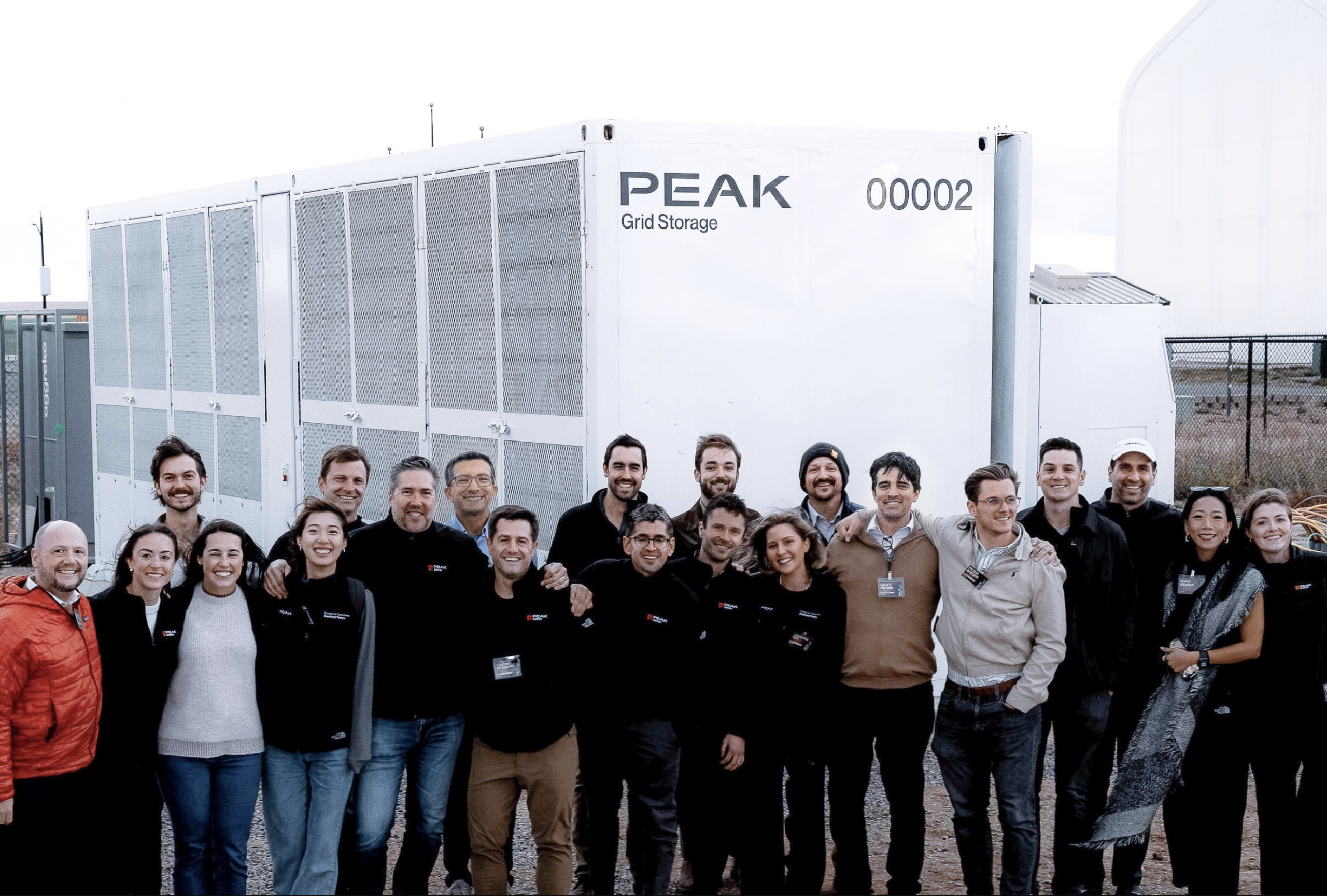
As the world fights over oil dominance and terror in the Strait of Hormuz we should see this as a distraction for big oil and big money. We should be investing in companies like Peak (creating batteries from salt) and Helion Energy, to usher in a dawn of abundance and prosperity that doesn’t need to offset from the get-go.
At a time when Iran is again in the headlines for war, conflict, and fire, a different story emerges. It is a story about water, truth, and survival. Kaveh Madani, once branded a “water terrorist” in his own country of Iran, has been named the 2026 laureate of the Stockholm Water Prize, often called the Nobel Prize of water.
It is a striking reversal. A scientist exiled for telling inconvenient truths about water scarcity is now being honored on the global stage for the very same work.
Madani, now director of the United Nations University Institute for Water, Environment and Health, has spent his career confronting one of the most uncomfortable realities of our time. The world is not facing a temporary water crisis. It is entering what he calls “water bankruptcy.” This is not semantics. It is a shift in how we understand collapse. In his own country aquifers and water resources are being bled dry. Lakes, like Lake Urmia, have completely vanished from overuse.
Lake Urmia
Madani’s framing is simple and devastating. Humanity is no longer living off the renewable flow of water. We are draining ancient reserves, aquifers built over millennia, spending down the planet’s savings account with no plan to repay it. For countries like Iran, this is not theoretical.
Born in Tehran, Madani grew up inside a system already under stress. He trained as a civil engineer, studied water systems in Sweden, and earned his doctorate in California (like our beloved architect Nader Kahlili). By his early 30s, he was teaching at Imperial College London, one of the world’s leading institutions. Iran, readers should know, was the inventor of the ancient qanat system. They had water aquaducts figured out before the Romans.
Nader Khalili from Iran became known as a sustainable building leader for his work in California
Then he did something unusual. He went back.
In 2017, he returned to Iran to serve as Deputy Vice President and Deputy Head of the Department of Environment. It was a move filled with risk working with the regime there, but also hope. His calls for transparency, reform, and honest accounting of Iran’s water crisis collided with entrenched power in the Islamic regime. He was accused of espionage, labeled a threat, and targeted by security forces. Friends and colleagues were arrested. One of his friends died in custody.
Madani fled and then rebuilt his work, moving through Yale and eventually to the United Nations, where he now leads one of the world’s most influential water think tanks. The voice that was silenced at home now advises governments across the globe.
Today Madani challenged a core assumption in water management. That people cooperate. Using game theory, he showed that in reality, individuals, regions, and nations often act in their own interest, even when it leads to collective failure. Water conflicts are not engineering problems alone. They are human ones.
This insight has reshaped how water systems are modeled, negotiated, and governed, especially in regions where trust is thin and resources are shared across borders.
With nearly a million followers online, he has become one of the most visible environmental scientists in the world. He speaks plainly, often bluntly, translating complex hydrology into something people can understand which is the language of survival.
How ancient qanats worked in Iran
Water is not just about taps and rivers. It is about food, energy, migration, and peace.
He was also one of the first to push water into the climate conversation at the highest level. At COP23, he criticized the lack of attention to water in the Paris Agreement, a gap that still lingers today. Now, as director of the UN’s water institute, he continues to press that point. Without water, there is no climate solution.
The Stockholm Water Prize citation recognizes not just his research, but his ability to turn science into policy and public understanding, often under personal risk.
In his acceptance remarks, he spoke of Nowruz, the Persian New Year, where water symbolizes light and purity. For him, the prize is not personal. It is shared with those who stood by him, and with those who paid a higher price for protecting nature.
In a press release sent to Green Prophet, Madami says: “In the Persian tradition of Nowruz, water is a symbol of light and purity on our New Year table. To be named the Stockholm Water Prize Laureate at this specific moment is a vindication I share with all Iranians who believed in me when I was labeled a ‘threat’ for simply speaking the truth. I accept this honor with profound humility, and I am deeply grateful to my nominators, the selection committee, and the mentors, colleagues, and students who have been my intellectual family throughout this journey.
“I share this award with the millions of compatriots who stood by me, with my friends in the conservation community, who were imprisoned and killed for their love of nature, and with the brave and innocent Iranian lives taken from us in January 2026, and those lost before and since.”
“It is a profound coincidence that this news arrives as my country and the region whose sustainability I have fought for have been burning in the fires of conflicts and a war being conducted in defiance of international law.
“I hope that in the midst of this fragmented world, this Prize and World Water Day serve as a reminder that water does not wait for politics. Water bankruptcy is a common threat that transcends every military line. We must recognize our shared vulnerability if we are ever to find our shared peace.”
Cleaning up your Mac makes the system more energy efficient.
Using a Mac cleanup tool is one of the best ways to keep your Mac running in a very good shape. And the most important thing is to narrow down what works for you and where you can obtain the best possible outcome. In most cases, what you want to do is to use a Mac cleaner if you see that your device is slow, you have too little RAM or the system data folders are getting very large. Here are some of the apps you want to use.
Daisy Disk
It’s definitely meant to be a simpler solution, but make no mistake, it can still help you remove unwanted files from your device. The app focuses more on managing your storage and yes, it does a very good job at that. However, it’s not offering a whole lot of features beyond that, which could prove to be rather problematic. That’s why it’s a good idea to test it in the trial mode and see if it fits your requirements.
Cleaner One Disk Clean
Made by Trend Micro, this is a tool that you can get for free from the Mac App Store. The downside is that it has only a free version with limitations. So you still have to pay for some features. But it can do a good job at cleaning up your memory and doing some basic cleaning.
MacCleaner Pro
The app is designed to offer a fast way of cleaning your Mac and it does include quite a lot of apps that you can use. It’s designed to remove system clutter quickly, and it will make it easier to optimize your Mac by rebuilding the Spotlight index and freeing up RAM. It does all the basic stuff for cleanup, along with some extra features. But it is on the more expensive side, so keep that in mind.
CleanMyMac
Fewer processes running means less energy and battery consumed.
It’s one of the best free Mac cleaners available on the market because it can delete a huge number of junk files, duplicate files and temporary items. Using it often can lead to a great performance boost, not to mention the entire process is very fast. All of this combined is going to help more than expected, and the upside is that you can retry this process as many times as you need.
Plus, the app also has other benefits, like real-time malware protection, memory and CPU load monitoring, not to mention it can help you uninstall apps already installed on your device. And there is also a privacy feature along with setting reminders to help you scan your Mac.
Onyx
The fact that it’s free makes Onyx a good tool for many people. Again, it’s not going to help with everything you want from a cleanup tool. But it does help improve performance by handling some cleanup and optimization tasks. The fact that it’s free is what sets is apart from all the other options out there. And yes, it also does a very good job at including great optimization solutions for newcomers, too.
Disk Drill
It’s a data recovery app at its core, so that’s definitely the thing you want to use it for. But it has a module for clearing up items from your device and doing a cleanup. Yes, it’s not dedicated for this task specifically, but the module they added is pretty solid, and it will give you very much the boost and benefits you are looking for.
Mac Washing Machine
Since this is a part of the Intego app bundle, it’s not an app that you can buy separately. But is it worth it though? What you will notice is that it can help you reclaim space, delete duplicates, while also organizing the desktop and folders. Considering the price of the Intego app bundle, it is expensive to access, but if you are going to use those tools already, then it’s definitely worth using.
CCleaner
CCleaner is very popular on PC, and it also does a good job on Mac as well. Here, you will be able to use it for cleaning your browser, removing clutter from your Mac, finding duplicates, managing startup items and uninstalling apps. It has a straightforward interface and the work that it does is pretty good. Plus, many of the features are free to access, yet you can access everything with a paid upgrade.
Conclusion
It’s clear that a Mac cleanup tool is very much a necessity these days. The most important thing is to take your time, see what your device needs and what maintenance will help boost its performance. It might not seem like a lot, but the upside is that you can improve the performance of your device in no time if you use these tools. And if you start using them regularly, you can see a great improvement overall, which makes them well-worth your time.
A Documented Response to the Article “The Aga Khan Is Greenwashing Their Awards” and a Reflection on the Relationship Between Development, Tourism, and the Environment on Hormuz Island
Salman Rasouli
Critiquing architectural and development projects, particularly within environmentally sensitive contexts, is an essential component of social dynamism and a prerequisite for healthy public discourse. However, such dialogue can only be constructive when it is built upon accurate information, verified field observations, and unambiguous reference to scientific sources.
The article “The Aga Khan is Greenwashing Their Awards,” written by Ronak Roshan and published on September 3, 2025, on Green Prophet, critiques the “Majara Complex and Community Redevelopment.” While the project appears at first glance to align with the sustainability values of international awards, the article relies on a series of claims to argue that it contradicts the fundamental principles of sustainable development.
Majara is part of the “Presence in Hormuz” initiative by ZAV Architects, developed alongside projects like the “Rong Cultural Center” and the “Typeless.” Designed within the natural and social fabric of Hormuz Island, the project aims to foster cultural tourism and create socio-economic opportunities for the local community. It was subsequently named a recipient of the Aga Khan Award in the 2023–2025 cycle.
While disagreement regarding the balance between development and the environment is expected, when a critique relies on scientific and environmental claims, the accuracy of citations and field observations becomes paramount. Such texts significantly shape the perception of non-specialist audiences regarding architectural and development projects.
Accuracy of Information and Responsible Critique
In the article in question, references to academic research are presented in a way that initially lends the arguments an air of validity. However, a closer examination reveals that the scientific content of these sources has been misinterpreted.
For example, regarding sea turtle nesting sites:
Research by Loghmani-Devin, Savari, and Sadeghi (2013) regarding “Hawksbill Turtle nesting on Hormuz Island” [1] states that while two-thirds of the island’s beaches are suitable for nesting, the northern and western shores are not utilized for this purpose due to the nature of the substrate. The Majara complex is situated precisely along these northern and western shores.
Research by Maria and Nasir (2014), referenced in the article, focuses on “Identifying and Prioritizing Important Nesting Sites of the Green Turtle on the Iranian Beaches of the Oman Sea” [2]. While the study makes passing reference to Persian Gulf islands, its primary focus is the Iranian mainland coast. No specific data or field maps were provided for Hormuz Island, making it an insufficient source for conclusions about the island’s habitats.
Furthermore, inaccuracies exist at the level of basic field observation. The article mistakenly places Majara in the west and southwest of the island. In reality, the complex is located on the northwestern shore, approximately four kilometers from Hormuz City, a fact easily verifiable by public maps.
Development, Sustainable Tourism, and Hormuz Island
In the post-World War II era, rapid industrialization and environmental damage gave rise to environmental movements that increased awareness about resource exploitation. The central dilemma remained: how to reduce poverty and improve social welfare without economic and industrial development.
The concept of sustainable development emerged as a response, aiming to meet present needs without compromising the future. In tourism, this requires balancing economic, social, and environmental impacts.
In Hormuz, the debate is often framed as development versus conservation. Global experience shows that development brings both risks and opportunities. The goal is not to reject development, but to manage it responsibly through planning and conservation strategies.
Figure 1. Open ecosystem: The absence of physical barriers maintains ecological and social continuity.
Majara Project’s Strategy for Sustainable Development
The Majara project outlines several approaches to maintaining a sustainable relationship with the island:
Architectural and Environmental Strategies
Materials: Use of Nader Khalili’s Superadobe technique and sustainable materials.
Permeability: Elimination of perimeter walls to maintain ecosystem integration.
Setbacks: A 71-meter distance from the high-tide line.
Socio-Economic Strategies
Employment: Jobs for 120 local residents.
Empowerment: Training in construction, management, and hospitality.
Local Support: Support for cultural events and artists.
Social Impact Strategies
Workshops on biodiversity awareness
Wildlife mapping for visitors
Community use of Typeless complex
Support for cultural programming
Figure 2. Local residents implementing Superadobe construction techniques.
Participatory Conservation Strategies
Collaboration with NGOs and environmental groups
Stray dog management and gazelle surveys
Development of a sustainable tourism framework
Figure 3. Wildlife and biodiversity mapping for tourist education.
Technical Analysis: Turtle Habitats and Soil Quality
Sea turtle nesting depends on specific coastal conditions. Scientific data indicates that the Majara shoreline is unsuitable due to fine-grained, saline, and metal-rich soils, as well as its narrow width.
In contrast, southern and southeastern shores have light-colored, permeable, carbonate-rich sands suitable for nesting and are designated protected areas.
Figure 4 – Majara Complex Beach, Northwest Hormuz Island – The shoreline is characterized by fine-grained soil with low permeability and a dark hue resulting from metallic elements. / Physicochemical Properties: Sand-silt composition with evaporitic patches (gypsum and salt); predominantly fine-grained with low drainage capacity. / Dimensions: Narrow coastal strip with an average width of 10 meters.
Figure 5 – Turtle Beach (Environmental Protection Zone), Southeast Hormuz Island – The soil consists of medium-to-coarse grains with high permeability and a light color due to high carbonate (CO₃) content. / Physicochemical Properties: High carbonate compounds. / Dimensions: Beach width up to approximately 40 meters. / Status: A consistent and primary nesting site for sea turtles in the Persian Gulf.Figure 6 – Shibderaz Beach, Qashm Island – Physicochemical Properties: Quartz/carbonate sand mixed with coral and shell fragments. / Dimensions: Average beach width of 60 meters. / Status: Despite its proximity to Shibderaz village and a high-traffic pier and road, this beach along the Persian Gulf hosts approximately 100 nesting Hawksbill turtles annually.
Vegetation and Restoration
Prosopis juliflora, introduced in the 20th century, became invasive. At Majara, approximately 80 trees were removed and replaced with over 500 native species.
Figure 7 – Native Reforestation: Native species were introduced following the removal of the invasive Prosopis juliflora to restore local biodiversity.
Native Reforestation: Native species were introduced following the removal of the invasive Prosopis juliflora to restore local biodiversity.
Waste and Water Management
The site includes a wastewater treatment system capable of processing 20 cubic meters per day, along with a composting system handling up to 50 kg of organic waste daily.
Figure 8. Hybrid wastewater treatment system.
Figure 9 – Composting Unit This equipment is capable of processing organic waste for a population of 100 to 167 people per day
Conclusion
The Aga Khan Award process involves rigorous field evaluation. While no project is without limitations, discussions of sustainability must be grounded in accurate data and transparent analysis.
We invite researchers, critics, and interested parties to engage further through field visits and dialogue on Hormuz Island.
_____
Salman Rassouli
Salman Rassouli is an Iranian architect with a passion in green architecture and sustainable development. Starting his career path as an environmental activist, he gained a Master’s degree in environment and sustainable development from UCL in 2009. Further, he served as project manager in the NGO CENESTA, where he led projects such as “empowering nomadic people of Iran” through facilitating development of conservation plans and promotion of sustainable livelihoods. Since 2017, he started working as an architect and sustainability manager in ZAV architects, consulting the Majara and other Projects for sustainable design and environmental impact assessment.
The Cleaveland Clinic explains Ozempec face and how to avoid it.
How do you feel about you afterlife being a part of Kim Kardashian’s butt?
It sounds like a sustainable choice, from a sustainablist’s nightmare. With the excessive and dramatic use of the weight-loss Ozempec, and the gaunt look of a flattened butt and hollow face, more people are looking to liposuction to give more volume where gauntness has created a hole. It can happen in the cheeks, the hips, the rear-end. But not everyone can go through with the painful procedure of liposuction, when there is no fat to harvest.
A new Hollywood secret sauce is called alloClae and Miriam has written about it here. It’s a new injectable filler made from processed human donor fat. Unlike traditional fat grafting, which requires harvesting fat from a patient’s own body, alloClae offers fat “on demand,” purified and ready for injection for about $100,000 a syringe.
Alloclae advertisement
The fat is being positioned as a solution for patients who have lost so much weight that they no longer have enough fat for conventional contouring procedures.
Clinics in the US, and who knows where else, are increasingly using it to restore volume in the face, hips, and buttocks, areas most visibly affected by rapid weight loss. In effect, one intervention is being used to counterbalance another: pharmaceuticals to reduce fat, followed by biotech to replace it in more controlled ways.
The global rush to weight-loss drugs like Ozempic is reshaping bodies at unprecedented speed, and not always in ways people expect. While semaglutide (the generic name for Ozempec) has helped millions lose significant weight, and this can be good for the heart and the joints, researchers and clinicians are now documenting a set of unintended physical effects tied to rapid fat loss. “Ozempic face” reflects accelerated volume loss in the cheeks and temples, producing a more aged appearance and literature describes this as “exaggerated volume loss… resulting in advanced facial aging.”
Skinny is the new normal
The impact is not limited to the face. Rapid weight loss has also been linked to reductions in lean mass, including muscle, raising concerns about long-term strength and metabolic health. At the same time, known side effects, ranging from nausea and gastrointestinal distress to more serious complications such as pancreatitis, continue to be studied as usage expands beyond diabetic populations.
According to Noor Saleem, approximately 15 million persons in the United States are currently taking GLP-1 drugs. Off-label use is becoming more common, which raises worries about potential health hazards and significant side effects such as non-arteritic anterior ischemic optic neuropathy (NAION), or vision problems.
Into this strange and dark landscape steps alloClae. From a macabre sustainability perspective, alloClae occupies an uneasy space. It can be framed as a form of biological reuse, drawing on donated tissue that might otherwise go unused.
Yet it also reflects a deeper shift toward the commodification of the human body (like facials made from baby parts), where fat becomes a standardized product moving through a supply chain. The pairing of Ozempic and alloClae signals something larger than a trend. I’d not want to donate my body for science, if there was a chance I could be a part of Kim Kardashian’s future butt. My friend Mike say otherwise: “F, yea. I’m in.”
Soylent Green, a screenshot from the movie that harvested humans in hospitals.
Some other concerns, from Robert C, a literature professor in New York: “I hope it is possible to donate one’s body with stipulations that prevent some uses of it.”
Joy P, a business advisor says, “Horrific. A crucial reminder of the importance to place standards and controls alongside innovation; no matter how altruistic the intention, there seem always to be parasites waiting to profit from it.”
Liat C, a journalist in the US: “I think it is a disgusting desecration. I’m signed as an organ donor and I could even perceive of body fat being used for necessary plastic surgery for burn victims etc but not sold for someone’s cosmetic vanities and insanities.”
This all points to a future where bodies are increasingly engineered in stages, shaped by overlapping technologies that subtract, then add back, until the desired form is achieved.
I for one am staying natural. No botox, lasers or fillers for me. I will age, with grace or without. But some women build their self-esteem on their looks. For one user of alloclae, who didn’t show her face or give her real name in a recent article, she’s happy about it. She told the New York Post the alloClae treatment improves her self-esteem.
Karry R, a friend of mine from high-school, is concerned about the source of the cadaver fat. “Where is the honour in donating our bodies?” she tells me. “Our senior citizens think it’s for science.”
Leading renewable energy companies listed on the NASDAQ include major solar, hydrogen, and clean-tech firms such as First Solar (FSLR), Enphase Energy (ENPH), SolarEdge Technologies (SEDG), Plug Power (PLUG), and Sunrun (RUN), but there may be more to be made by investing in clean tech startups.
startustartup
Unlike public stock exchanges, which offer daily trading, strict regulatory disclosure, and high liquidity, private markets are less transparent, have lower liquidity, and require long-term commitments. They also have less oversight and are generally considered riskier. With that in mind, many savvy investors wonder whether it’s time for them to invest in the private market. It can be worthwhile for these reasons:
Private companies tend to be earlier in their growth stages than public companies. If you invest in an early-stage company before it becomes widely known and it grows significantly, your returns can be much higher.
WhatsApp is a great success story as a Venture Capital-backed company. The company’s only venture investor, Sequoia Capital, turned $60 million into $3 billion when Facebook bought WhatsApp for approximately $19 billion.
Many investors had been skeptical about investing in WhatsApp because it only charged $1 per year and had no ads. However, Sequoia Capital believed in massive user growth, a simple product, and strong founders. They invested $8 million in 2011, $52 million more in 2013, and made their return upon the company’s sale when they owned around 15-20% of the company at acquisition.
Less Daily Market Volatility
A smart thermostat by Nest. Nest was a private company before it was bought by Google
As a public stock investor, you generally keep tabs on what your investments are doing every day. They are prone to change moment to moment, driven by news and market emotions. Most changes occur within milliseconds between 9.30am and 4pm EST in the US, but volatility continues in pre-market and after-hours trading.
Private investments are more about playing the long game. Once you invest, you must sit and wait for the magic to happen. Private investments aren’t traded daily and don’t fluctuate in price every minute. As a result, your investment can feel more stable, even though risk still exists.
One of the least volatile private market investments is core private infrastructure, such as toll roads, airports, and data communication networks. They provide stable cash flows through contracts and regular demand. As they aren’t actively traded on public exchanges, there are fewer valuation swings.
Diversification
There’s no denying that the private market is risky. That’s why you must be a qualified purchaser or accredited investor to make certain investments through various platforms. Standards include a minimum annual income and net worth, professional certifications, and knowledgeable employees or investment managers.
However, in the same way that you can spread your risk across multiple investment types in the public market, you can do the same in the private market. You can invest in startups, private real estate, private credit, and infrastructure projects. The risk varies across all investment types, which helps investors diversify their portfolios and avoid concentrating their exposure in a single asset or strategy.
Exclusive Opportunities
Startups can offer thousands of percents in returns, but the risks are very high at the seed stage.You can miss out on a lot of early growth if you wait until a company goes public before you invest (see how to build a 100 year old company). In today’s market, many high-growth companies are staying private for longer. Rather than raising capital in public markets, they raise capital through private funding rounds from private equity and venture capital investors.
As a result, much of the early growth occurs while the company is still private, including rapid scaling, market dominance, and revenue expansion. If you invest in such companies early on, you can expand your opportunity set, increase potential return sources, and diversify your portfolio.
A SpaceX Moon Base rendering by Doge Norway
You may be surprised by how many companies have chosen to remain private for longer. Stripe is one of the most valuable fintech firms and was private for over a decade. They wanted to avoid short-term scrutiny of public markets and focus on their product development and long-term infrastructure. SpaceX also raised billions of dollars in private funding and achieved major technological milestones, all while not listing on a public exchange.
There are undoubtedly many things to be mindful of before investing your hard-earned money, but the private market is bound to pique your curiosity. As an eligible qualified purchaser or accredited investor, you may access exclusive opportunities, higher return potential, and numerous diversification options. Green Prophet does not endorse investing in any company without using an SEC-compliant, accredited investor.
Passover with matza ball soup. You can make it vegan!
As Passover approaches, a global online gathering is inviting people to explore the holiday’s ancient story of liberation through a modern lens of compassion, sustainability and ethical food choices.
An American group called Jewish Vegan Life (JVL) will host a virtual event titled “Liberation for All: The Compassionate Passover” on March 19, 2026, bringing together rabbis, activists and food innovators to discuss how the themes of the Passover story can inspire more compassionate holiday traditions.
Passover, which commemorates the biblical journey from slavery to freedom, begins during the Hebrew month of Nisan, the biblical new year associated with renewal and transformation. Organizers say the holiday offers an opportunity to rethink how the concept of liberation might extend beyond human freedom to include animals and the natural world.
A vegan Passover meal
“Passover is the story of moving from constriction to freedom,” said Michael Gribov, Head of Movement Building at Jewish Vegan Life. “This event invites us to expand that liberation, to our plates, to the planet and to all living beings.”
The live online program will be hosted by Stephanie Dryer and will feature a number of speakers exploring the connection between Jewish tradition and plant-based living.
Rabbi Donn Gross, head of Congregation Bet Dovid in New Jersey, will speak about the spiritual meaning of Passover and how a vegan Seder can deepen the holiday’s message of freedom and compassion.
Megan Tucker, founder of the Los Angeles plant-based company Mort & Betty’s, will share her personal vegan journey and demonstrate a Passover-friendly recipe that brings plant-based cooking to the Seder table.
Gribov will also introduce Jewish Vegan Life’s Passover Earth Day campaign, which connects the themes of liberation and renewal with environmental stewardship.
Participants will learn how to host a plant-based Seder, explore vegan Passover recipes and discuss how Jewish teachings on responsibility and compassion can guide modern food choices.
The event is open to anyone interested in the intersection of Jewish tradition, ethical eating and environmental responsibility. Organizers emphasize that participants do not need to be vegan to attend — only curious.
Registered participants will be able to watch the livestream, interact with speakers during a live chat and receive access to a recording of the event. Members of Jewish Vegan Life will also receive a complimentary copy of the organization’s Vegan Haggadah following the program.
The event takes place Thursday, March 19, 2026 at 5 PM PT / 8 PM ET and registration is now open online.
Want some more resources on a sustainable Passover? Green Prophet has you covered. Browse below for more.
An image of a dead goat kid from PETA Asia’s latest mohair investigation. Credit: PETA
Remember PETA? The group of animal activists that threw paint on fancy women wearing fur to shame them out of fox stoles and mink?
PETA, fur and paint, via PETA
The same animal rights group – People for the Ethical Treatment of Animals – is once again finding targets for animal abuse and this time it’s H&M. PETA sent Green Prophet a press release that they are filing a shareholder resolution that asks the fashion giant to reinstate a ban on mohair, the fiber made from Angora goat hair.
“H&M can’t claim to care about animals while supporting the mohair industry, which mutilates, whips, and drags terrified goats to their deaths,” says PETA President Tracy Reiman. “The only humane materials are vegan, and PETA is calling on H&M to ban mohair immediately.”
The move follows a new investigation by PETA Asia, which the group says shows goats being beaten, cut and left injured at farms certified under the Responsible Mohair Standard (RMS), a certification system meant to ensure animal welfare in the supply chain. According to PETA, one of the farms investigated supplies fiber through BKB, one of the world’s largest mohair exporters and a partner to global apparel brands.
The dispute highlights a familiar cycle in the fashion industry. In 2018, H&M suspended the use of mohair after reviewing earlier undercover footage from farms in South Africa that appeared to show rough shearing practices and the slaughter of goats. The company later reintroduced mohair in 2020, saying it would only source the fiber from farms certified under the Responsible Mohair Standard.
Alexander Smith
“I struggle to understand the contradiction of PETA,” says Alexander Smith, the Founder of Alexander Night, London College of Fashion Bespoke, “they seem to go hard on animal welfare yet they give their PETA certificate to brands who use vegan (plastic) leather, polyester and other synthetic materials that in my opinion cause more harm to animals than the leather and fur industry because they harm every single life form on the planet and will continue to do so for the 100+ years they’re on it.”
PETA argues the certification does not adequately protect animals and is now using shareholder activism to push the issue back onto the company’s agenda. Shareholder resolutions are a tactic increasingly used by environmental and social campaigners to force companies to address ethical concerns at annual meetings.
Peta showed “12 South African farms that revealed goat kids crying out in fear as they were roughly handled and shorn, and a worker slowly cutting the throats of fully conscious goats with a dull knife and then breaking their necks.”
Mohair has long been prized by fashion brands for its soft, glossy fibers used in sweaters, scarves and luxury knits. But it has also become a target for animal welfare campaigns.
According to PETA, nearly 300 fashion retailers have banned mohair in recent years following investigations into the industry. Those companies include Zara, Gap, Banana Republic, UNIQLO and Ralph Lauren, among others.
The question is whether campaigns like this still carry the same influence they once did. In the late 2010s, PETA investigations helped push several fashion houses away from fur, angora wool and exotic skins, accelerating the rise of plant-based textiles and synthetic alternatives.
babaa sweaters are made with animal-friendly wool
Today the debate is shifting toward sustainable materials, circular fashion and lower-carbon textiles, where animal welfare is only one piece of a larger environmental conversation.
If you want to shop sustainable fibers, try my favorite sweater maker babaa. I own 3 sweaters. Look for mohair in second hand shops or your grandma’s closet. Want to get involved? Download this animal empathy kit and share it with your friends.
For centuries people living in hot climates have tried to cool buildings without electricity. Long before air conditioning, architecture itself acted as the cooling system. It’s called using passive energy. In Iran, for example, traditional homes used wind catchers, known as badgirs, tall towers that captured breezes and funneled cooler air down into homes. These passive ventilation systems have been used for thousands of years across the Middle East and can naturally cool buildings by directing airflow and expelling hot air.
In hot climates like the Middle East and North Africa, homes were also designed around inner courtyards with pools and shaded gardens, allowing for privacy, but also for cool air to circulate through thick mud-brick walls and shaded spaces during the day. In some cases, underground spaces connected to aqueducts or water channels were used to further cool incoming air before it entered the building.
Purdue researchers Xiulin Ruan (left) and Joseph Peoples use an infrared camera to compare the cooling performance of white paint samples on a rooftop. (Purdue University photo/Jared Pike)
Modern sustainable architecture has tried to rediscover these ancient ideas. Over the years we have covered everything from white roof paint that reflects sunlight to experimental passive cooling materials designed to reduce air-conditioning demand.
Afghan windcatchers on taxis, via the AFP
Now an Israeli startup says it may have taken the idea a step further: cooling surfaces using sunlight itself.
SolCold, a climate-tech company based in Ness Ziona, Israel, has developed a nanotechnology coating that actively cools surfaces when exposed to sunlight. The company was founded in 2016 by Yaron Shenhav and Dr. Yaron Shenhav (co-founder and CEO), based on research originating at the Hebrew University of Jerusalem.
The coating can be applied to buildings, vehicles, shipping containers and even fabrics. When sunlight hits the material, it triggers a physical process that reflects most solar radiation, converts absorbed heat energy into light, and releases heat through radiative cooling. Sort of the way you cool down after you pop into the water and then stand in the air.
Unlike traditional reflective coatings or “cool roof” paints, which simply bounce sunlight away, SolCold’s technology actively removes heat from the surface. In direct sunlight, coated objects can become cooler than the surrounding air.
The hotter the environment and the stronger the sun, the stronger the cooling effect. In laboratory tests the coating has demonstrated temperature reductions of up to about 20°C below ambient conditions.
The company says the technology could significantly reduce air-conditioning demand in buildings, cut energy use in refrigerated shipping containers, and help lower the urban heat island effect that traps heat in cities.
SolCold has raised several million dollars in venture funding, with investors including the Israel Innovation Authority and private climate-tech investors, and has conducted dozens of pilot projects with global automotive and industrial companies, testing the coating on vehicles and equipment exposed to intense sunlight. Major global manufacturers have reportedly tested the technology for use on vehicles and industrial equipment exposed to heat.
The company is entering a growing field of passive cooling and reflective materials, competing with technologies such as cool roof coatings from companies like Cool Roof Rating Council partners, radiative cooling materials developed at Stanford and MIT, and reflective paints such as those commercialized by PPG and other building-materials manufacturers.
Its first product named “Glacier 110,” is an opaque, white solid film with a thickness of 350 µm, an area density of 0.3 kg/m2,and is highly durable, lasting for ten years in high-performance applications. The material’s optimal cooling power is 70W/m2– 170 W/m2at noon in summertime. It can be used on buses to keep occupants cool, for instance.
Glacier 110 has four layers: a smart filter that lets 1% of heat pass through it, an anti-stokes layer, a radiative cooling layer, and a mirror layer. The coating maintains a low ambient temperature throughout its entire architecture.
The main benefits of the company’s innovative products include zero electricity and fuel consumption and zero carbon emissions. Used in clothing, it protects the health of the wearer.
If the technology scales commercially, coatings that turn sunlight into cooling power could offer a modern, high-tech counterpart to the ancient passive cooling systems that shaped desert architecture for centuries.
When I was a kid my Grade 4 teacher said that in the future energy will be free. We’ll have found a way to make energy from water and salt, with no byproducts. Fast forward 40 years: news in the last year suggests we are closer to both hydrogen fusion and storing energy with salt.
Batteries made from salt which can store energy from renewable energy plants may sound like science fiction, but a new grid-scale deployment in the United States suggests the technology is moving closer to reality. It solves a major problem when harvesting solar, wind or geothermal energy. When the grid can’t use the excess energy it needs to be stored, or go to waste. The holy grail in renewable energy are robust batteries that can work without expensive and rare earth metals like lithium.
The news hook comes from a recent announcement by US energy storage company Peak Energy, which is working with RWE Americas to deploy a new sodium-ion battery system for grid storage. The project is designed to store renewable electricity from solar and wind and release it when demand rises.
Unlike conventional lithium-ion batteries, sodium-ion batteries use sodium, or salt, one of the most abundant elements on Earth and a key component of common salt. Instead of lithium ions moving between electrodes during charging and discharging, sodium ions perform the same function.
Peak Energy makes storage batteries from salt making us one step closer to cleaner, endless energy from the wind and the sun
The chemistry is similar to lithium batteries, but the materials are far cheaper and easier to source. In its announcement, the company highlighted the cost advantage of the technology.
“Peak Energy’s sodium-ion battery system uses a passively cooled architecture that eliminates the need for complex thermal management systems.”
The design of the system also removes some of the most expensive components found in conventional battery installations.
Energy storage has become one of the biggest bottlenecks for renewable power. Solar panels and wind turbines generate electricity only when conditions are right, which means grids need large batteries to store excess power for later use.
Today most large storage projects rely on lithium batteries, which depend on global supply chains for lithium, cobalt and nickel. Sodium batteries could reduce those costs dramatically because sodium is widely available in seawater and common minerals.
For utilities trying to scale renewable power, the difference could be significant. If sodium-ion systems prove reliable at grid scale, they could provide cheaper, safer storage for solar and wind, making renewable electricity more affordable for power systems around the world.
Peak Energy has raised about $65 million in venture funding since launching in 2023. The company was founded by Landon Mossburg, former president of Northvolt North America and a Tesla manufacturing veteran, together with Liam Maddock, a former operations executive at Zipline who previously held supply-chain roles at Tesla, Apple and Lyft.
Their team includes engineers and battery specialists from companies such as Tesla, Northvolt and SunPower. The company’s $10 million seed round was led by US venture firm Eclipse Ventures with participation from TDK Ventures in Japan, while its $55 million Series A was led by Xora Innovation, a Singapore-based deep-tech fund backed by Temasek.
Additional investors include Doral Energy-Tech Ventures in Israel, Tishman Speyer in the United States and other global energy-tech funds.
The company is entering a rapidly emerging sodium-ion battery race, competing with major Chinese manufacturers such as CATL, BYD, and HiNa Battery, as well as Western players including Northvolt in Sweden, Faradion in the United Kingdom and US grid-storage developer Natron Energy. Unlike lithium batteries, sodium-ion systems rely on abundant salt-based materials, which could make large-scale renewable energy storage significantly cheaper if the technology scales successfully.
Looking to invest in our sustainable future? Check out Peak Energy.
Known as a biodiversity indicator species, local experts say it’s too early to stop protecting these important birds
National surveys carried out since 2021 by the Seychelles Ministry responsible for the Environment and the NGO Island Conservation Society (ICS) have documented sharp declines in Sooty Tern populations throughout the country. At monitored breeding colonies, numbers have dropped by an average of about 70 percent, while some sites have recorded declines exceeding 90 percent. Overall, the national population is now estimated to be roughly one third of its size 25 years ago. On several islands, including Aride Island, African Banks and Etoile, colonies are now nearing local extinction.
In response to these findings, ICS recommended introducing a ten-year suspension of egg harvesting. A two-year moratorium was first implemented in 2021, followed by a second two-year extension in May 2024.
“It is still too soon to assess the impact of these measures,” Adrian Skerrett, Chair of ICS tells Green Prophet. “Sooty Terns generally do not begin breeding until they are five to seven years old. Any recovery linked to reduced harvesting pressure will only become visible when birds hatched during the moratorium survive to adulthood and return to breed.”
For that reason, the 2025 national census report produced by ICS recommended extending the ban to allow birds protected as eggs and chicks to mature and join the breeding population.
“Without continued protection,” Skerrett explained, “it will be impossible to determine whether reducing harvesting pressure can stabilise or help rebuild national populations.”
Adrian Skerrett
Seychelles has long highlighted its environmental credentials, which made the government’s recent decision particularly unexpected. Despite the growing body of scientific evidence documenting population declines, the Cabinet approved the resumption of egg harvesting in 2026.
“This decision is deeply concerning,” said Skerrett. “The survey data collected jointly by ICS and the Ministry responsible for the Environment provide clear scientific evidence of steep declines in Sooty Tern numbers. Restarting egg harvesting at this point disregards that evidence and represents a troubling step backwards.”
Skerrett emphasised that Sooty Terns are important indicators of ocean health.
“These birds provide valuable signals about the state of the marine environment,” he said. “Their breeding success reflects ocean productivity and the availability of fish. When colonies begin to fail, it often points to wider environmental pressures.”
He added that the species plays an important ecological role beyond its intrinsic conservation value.
“Sooty Terns are far more than just another seabird. They serve as a key indicator of marine ecosystem health. Their breeding success is closely linked to ocean productivity and prey availability, both of which are increasingly affected by commercial fishing, climate change, habitat degradation and declining fish stocks. At several colonies we are already observing worrying signs, including chick starvation and widespread breeding failure, suggesting that food shortages are beginning to affect the population.”
Although Sooty Terns sometimes lay replacement eggs after their original eggs are harvested, research shows that these replacement clutches rarely result in fledged chicks.
“The fact that Sooty Terns can lay again after eggs are removed has often been used to justify harvesting,” Skerrett noted. “But scientific studies show that these replacement eggs rarely produce chicks that survive to fledge. As a result, the apparent resilience of the species can be misleading.”
According to ICS, the magnitude of the population decline means that a prolonged period without harvesting is essential if the species is to recover.
“Our recommendation was clear,” said Skerrett. “Given the scale of the decline, the species requires an extended period free from harvesting if populations are to rebuild. Restarting egg collection now represents a significant reversal and is difficult to reconcile with the available scientific evidence.”
In many parts of the world, wildlife exploitation is driven by the need for food or income. Historically, that was also true in Seychelles. Today, however, the country’s economic circumstances are very different. In 2015, Seychelles became the only sub-Saharan African country classified by the World Bank as a high-income nation.
“Egg harvesting was once closely tied to subsistence and food security,” Skerrett said. “Today it is far less a necessity and increasingly a matter of choice. That makes it even more important that decisions are guided by science and long-term conservation priorities.”
The life history of Sooty Terns also means that population recovery takes time. Birds typically do not begin breeding until around six years of age, and younger adults often require several attempts before successfully raising chicks.
“That slow life cycle means population recovery depends on long-term stability and protection,” Skerrett explained. “A sustained ban would allow colonies time to rebuild, while also improving our understanding of national population trends and reducing the risk that illegally harvested eggs enter the market.”
The moratorium introduced in 2021, together with the National Sooty Tern Census Programme led by the Ministry of Environment, Climate, Energy and Natural Resources in partnership with ICS and the Islands Development Company, represented an important step in improving knowledge of the species’ status. Although some colonies have shown modest short-term increases, these gains remain small when compared with the significant long-term declines recorded at most sites.
At the same time, conservationists warn that stronger enforcement is urgently needed. Despite the country’s strong conservation laws, illegal egg harvesting continues at several protected sites, including Aride, Île aux Récifs and Bancs Africains. Monitoring of legal quotas has also been limited, and enforcement actions remain rare.
“Legislation is only effective when it is properly enforced,” Skerrett said. “Without consistent monitoring and enforcement, regulations cannot deliver the conservation outcomes they were designed to achieve.”
A scientific study published in 2024 further strengthened the case for continued protection. The research concluded that egg harvesting has already contributed significantly to the decline of Sooty Tern populations and warned that continued harvesting could lead to further, and potentially severe, population reductions. The study also found that even relatively low harvesting levels, around 10 percent of the population, are unlikely to halt the ongoing decline.
“This research clearly shows that recent harvesting levels are not sustainable,” Skerrett said. “The modelling indicates that only long-term scenarios without harvesting offer a realistic chance for the population to recover.”
Given the evidence currently available, Skerrett said there is no scientific basis for restarting egg harvesting at this time.
“Extending the ban would represent a cautious and responsible approach, allowing seabird populations time to recover while research continues into the broader environmental pressures affecting them across the region,” he said. “At the same time, when clear scientific evidence indicates a serious conservation concern, it is important that policy decisions reflect that evidence. Failing to do so risks undermining the credibility of the country’s stated commitment to conservation.”
image by Schulman Plastic Surgery via the New York Post
In this Ozempic age, a person may diet themselves down unattractive gauntness. Hip dips, bony shoulders, withered hands; not to mention drooping breasts and flat buttocks: a sad list of body parts needing plumping up to look good again.
“Personal fat banking” is a solution. A person set on losing a lot of weight can have their own fat harvested ahead of time via liposuction and later reinjected into any part of the body that needs a smooth contour. Expensive, but it can be done. Read here about plastic surgery’s environnmental impact.
But what happens when there’s no personal fat left to harvest?
Well, turn to fat harvested from dead people instead. Cadaver fat returns the bounce to the breasts just as efficiently as your own fat. As much as five kilos of fat may be harvested from a corpse. Certified agencies use male and female cadavers from 18-71 years old. The commercial name for processed human fat is Alloclae.
Cosmetic surgeons call it “regenerative medicine. ” Their websites may refer to “donated tissue,” if they mention the fat’s origins at all. To squeamish patients, they soothingly explain that AlloClae is part of a “biologic revolution.” It encourages the patient’s own cells to migrate into the donor matrix, rebuilding tissue.
That sounds so much more scientific, even sort of natural, doesn’t it? It sort of takes the uncomfortable dissonance away, unless you remember that the fat injected into your living body came from a dead person who never consented to its commercial use.
There is no proof that any donor, while living, gave informed consent for companies to make money off their remains; the remains they nobly donated to research and science, not for someone to fill out their bikini.
In fact, it’s not entirely clear if family members who agreed to donate their dear departed’s body are aware that someone may exploit it for sale. The original donors or their families typically do not profit.
Who’s making money from human fat in 2026?
Alloclae can be used in a Brazillian Butt Lift. It uses donor fat from cadavers instead of your own fat which is painfully removed through liposuction.
The first parties are companies are known as “body brokers,” officially called non-transplant tissue banks. They acquire, dissect, and sell human bodies and body parts for medical research and education. They are intermediaries between the recently deceased and commercial buyers, such as medical device companies, military researchers, and private surgical training programs.
Tissue banks generate substantial revenue by “parting out” a single body; for instance, a head can fetch roughly $1,000, while a torso might be sold for several thousand dollars. A single corpse can generate up to $10,000 in total sales.
In the United States, no central registry for body brokers exists. Legitimate companies identify themselves as non-transplant tissue banks. If you look it up, you’ll find The American Association of Tissue Banks. They list accredited non-transplant anatomical donation organizations.
Biotech companies buy human fat from body brokers, then process and sterilize it. The finished product, Alloclae, is considered a legal and safe, FDA-compliant human cell and tissue product. It doesn’t technically have to be “approved” or “cleared” by the FDA, per the agency’s web site.
Alloclae advertisement
But unlike the organ transplant system, which is strictly regulated by the federal government, this industry operates with significantly less oversight.
Tiger Aesthetics, a subsidiary of the Tiger BioScience company, is the biggest processor of human fat in the USA . They claim that Alloclae, cleansed by detergents, is purified down to DNA residues that may provoke immunogenic response.
And so it may be. The process is still new enough that we don’t have long-term studies on possible secondary effects in patients injected with Alloclae.
The processed human fat is then sold on to specialized clinics and plastic surgeons. Those clinics and surgeons earn big fees for plumping up body parts of the rich and the vain. How much? It depends. Scanning the websites of several clinics, I saw quotes between US$5000 to US$7000 per syringe.
Dr. Sachin M. Shridharani offers the procedure at his Manhattan clinic, Luxurgery. Interviewed by The New York Post, he said that the procedures typically start at $10,000, with costs increase depending on the scope of treatment.
“If you want a full breast augmentation, hip dip and some buttock treatment and you have to use hundreds and hundreds and hundreds of cc’s of AlloClae, well, that’s going to cost tens of thousands of dollars.”
What you get for your money
Traditional fillers come in 1cc syringes, while AlloClae is packaged in much larger 12.5cc and 25cc sizes. This makes it a unique middle ground for “micro-augmentations” – fixing hip dips, “scooped-out” breasts, or post-liposuction dents that are too big for standard fillers but not large enough to justify surgery.
But the effects don’t last forever. While some claim that the “donated” fat is a sort of scaffolding for the patient’s own body to build up tissue, more often the lovely rounded effect wears away and dissolves after 18 months at longest.
Now that can’t be bad for business.
It gets darker.
Brokers frequently target low-income families by offering “free cremation” in exchange for the donation. In effect, the family agrees to sell their relative’s fat to pay for funeral costs. Some funeral directors maintain partnerships with body brokers to provide low-cost burials or cremations for poor families.
Investigations have uncovered instances of families being misled about how bodies would be used, as well as cases of improper handling, such as dismemberment with power tools or the sale of remains to gruesome “exhibits.”
Makes you wonder if any low-income cremations were empty coffins, while the deceased’s body was sold to independent body brokers.
Human Remains, The Newest Cosmetic
Science has given us many medical uses for bits and pieces of the human body. Lives are saved by heart, kidney, liver donations; parts of eyes, of skin, and more. These procedures come from a place of value for human life and dignity.
And maybe you know someone who’s had cosmetic surgery, or had it yourself. Why not; if surgery enhances a person’s appearance, makes them feel more confident and secure, and they can afford it, more power to them.
But would you get yourself injected with Alloclae?
Nature films can be done sustainably, and positively
The internet runs on video, and people are addicted to doom scrolling. What if you had the power to turn nonsense into meaning? A short clip filmed on an iphone can circle the planet in minutes, inspiring millions to save animals abandoned in Dubai, or they can spread panic. For environmental storytellers and citizen journalists this is powerful territory and there is a lesson to be learned. You know that a video you create can expose oil pollution in a river, highlight a desert farm growing food with almost no water, or introduce a new climate technology that runs on air and that most people have never heard about.
Environmental creators are in a unique position because many of the stories worth telling are happening outside: in deserts, forests, coastlines and cities adapting to climate change. These stories deserve attention, but they should also be filmed responsibly.
The first rule of sustainable video production is surprisingly simple: film local, and use your travel opportunities to take footage from new places. You might not use it today, but it can be your B-roll or inspiration for tomorrow. Flying a production team halfway around the world for a short clip carries a large carbon footprint and content creators don’t need to do this anymore. You can write a film, direct a film narrate and edit a film, all with tools that are within reach.
Online video editor tools can help simplify this process. Platforms such as Clideo allow creators to trim clips, resize videos and compress large files so they are easier to share online. This reduces storage requirements and speeds up publishing while maintaining quality. Mobile creators can also edit footage directly on their phones using the Clideo Video Editor, which removes the need for large desktop editing systems.
Community Compost in LA
And the most compelling sustainability stories are those happening locally and which affect you personally. A water reuse project in your city, a community compost initiative, regenerative agriculture, a rooftop farm, or a new solar installation can all make powerful visual stories without the need for heavy travel, and chances are you can get interviews with the main players, because some of them might be your friends and family.
Kiss the Ground is a special eco-organization in Venice that teaches urban farming and regenerative agriculture.
Natural lighting is another sustainability trick filmmakers have used for decades. The sun provides beautiful lighting conditions that often look more authentic than studio lights while reducing energy use. Planning your shots before filming also reduces wasted footage and unnecessary battery use.
Creators filming in nature should follow ethical guidelines as well. Wildlife should never be disturbed or baited for dramatic footage. Sensitive ecosystems like nesting areas, coral reefs or desert habitats should be treated with care and not walked upon. The goal of environmental storytelling is to protect these special places, not damage them for a shot.
Another hidden environmental impact of video comes after filming, during editing and distribution.
Massive video files require storage and processing across data centers that consume enormous energy. As global video streaming grows, the digital infrastructure supporting it grows as well. Creators can reduce their digital footprint by compressing video files, trimming unused footage and exporting videos at the appropriate resolution for the platform they are using. Not every clip needs to be uploaded in ultra-high resolution.
Beyond the technical side of filming and editing lies the deeper question: what kind of stories should we tell?
The most effective sustainability videos focus on solutions rather than despair. Audiences are more likely to engage with stories that show innovation, creativity and possibility. Instead of only documenting pollution, animal abuse, or environmental collapse, creators can highlight projects restoring wetlands, entrepreneurs building circular economy businesses, or architects designing buildings that stay cool in desert climates without air conditioning.
Even small stories matter. A beekeeper protecting pollinators, a school teaching kids about compost, or a startup turning food waste into fertilizer can inspire others to act. Yes, the internet rewards sensational content, but sustainable storytelling rewards thoughtful content and it creates good vibes that are often noticed.. Videos that educate people about water conservation, renewable energy or biodiversity often travel further than expected because viewers recognize their value.
A female beekeeper from Gisou
Creators who want to influence people for good should also think carefully about tone. Environmental storytelling does not need to lecture or shame audiences. It can invite curiosity instead. A well-filmed two-minute video explaining how mangrove forests protect coastlines or how desert architecture cools buildings naturally can spark deeper conversations. Consider that your audience is just as smart as you, maybe even smarter.
Ultimately sustainable video production is about intention.
Before posting, creators can ask themselves a few simple questions. Does this video help people understand the world better? Does it respect the people and places being filmed? Could sharing it put someone at risk?
When the answers are thoughtful, video becomes more than content. It becomes a tool for education, environmental awareness and positive influence and this is the kind of storytelling the internet needs much more of.
Disclaimer: This article is for informational purposes only and does not constitute financial, legal, or investment advice. The views expressed are those of the author and do not represent those of any individual or organisation mentioned. Readers should conduct their own research and consult a licensed professional before making any investment decisions.
Aduro’s NGP Pilot Plant Enters Operating Campaigns
When a pre-revenue cleantech company transitions from construction milestones to live operating data, the investment thesis either holds or collapses. For Aduro Clean Technologies (NASDAQ: ADUR | CSE: ACT | FSE: 9D5), February 2026 marked a decisive shift. The company’s Next Generation Process (NGP) Pilot Plant in London, Ontario, has officially moved into initial operating campaigns, generating the kind of structured, repeatable data that separates laboratory promise from commercial viability.
Installations at the facility were completed in December 2025, and the plant is now functioning as an integrated process unit designed for continuous operation rather than isolated test runs. Aduro has expanded its operations and technical teams, completed formal training programmes for all pilot plant operators, and is running the facility with the kind of procedural discipline expected of infrastructure meant to inform the design of a first-of-a-kind (FOAK) demonstration facility.
The campaigns themselves serve a specific purpose: optimising process conditions through repeated, structured test operations, generating the data package required for commercial scale-up and FOAK facility engineering, qualifying real-world feedstocks sourced from customer engagement programmes rather than controlled laboratory samples, and supporting ongoing partner discussions with live operating data.
For investors tracking the chemical recycling sector, this milestone carries particular weight.Yazan Al Homsi, a cross-border venture capitalist and CFA charterholder who operates between Vancouver and Dubai through Founders Round Capital and Catalyst Communications DMCC, has held an investment position in Aduro as part of a broader thesis on AI-enhanced waste management and circular economy technologies. The transition from construction to operational data represents exactly the kind of inflection point that validates early-stage positioning in capital-intensive cleantech.
CFO Deploys Six Figures of Personal Capital
Adding to the operational milestone is a quieter but equally telling signal from inside the company. SEDI insider filings show that Aduro’s CFO, Mena Beshay, has been steadily exercising stock options over the past year, deploying six figures of personal capital into increasing his direct ownership of company shares. The pattern through early 2026 reflects consistent accumulation rather than a one-off transaction. Anindependent analysis of the insider buying pattern highlights the significance of this sustained capital deployment.
This is not new behaviour for Beshay. When he joined Aduro as CFO in May 2022, he immediately subscribed for $105,000 in a private placement, backing the company with his own money on his first day. That he has continued to increase his personal stake throughout the company’s development phase, right through to the pilot plant going live, speaks to a level of conviction that extends well beyond standard executive compensation.
CFOs occupy a unique vantage point within any company. They see every cash flow model, every contract, and every expenditure. They understand the burn rate, the runway, and the realistic timeline for milestones. When a CFO is deploying significant personal capital into option exercises across an extended period, it represents an informed bet by the person with the most complete financial picture of the business.
A Global Conference Blitz Signals Commercial Intent
The pilot plant milestone is not happening in isolation. Aduro hasannounced participation in six events across four continents between March and April 2026, each supporting the commercialisation of its patented Hydrochemolytic Technology (HCT). The breadth and specificity of these engagements tells a story about where the company sees its commercial trajectory heading.
At Residuos Expo in Mexico City (March 3 to 5), Aduro representatives alongside ECOCE will showcase a joint programme on chemical recycling of post-consumer films and flexible packaging. At AMI Chemical Recycling North America in Houston (March 10 to 11), the company will present on carbon efficiency in polyolefin recycling and how its Hydrochemolytic Oil is designed for steam cracker integration, including the processing of multilayer feedstocks.
Alberta Circular Plastics Day in Calgary (March 11) will feature Aduro on a panel discussing the scaling of chemistry-based recycling. A government-supported Cleantech Mission to South Korea (March 23), hosted at the Canadian Embassy in Seoul, will see the company in pre-arranged business-to-business meetings focused on Asia-Pacific partnership development.
In Europe, the GO CIRCULAR Globuc Summit in Mannheim (March 25 to 26) will advance FOAK facility planning and commercialisation discussions around offtake, integration, and partnerships. And at ECOMONDO Mexico in Guadalajara (April 14 to 16), the company will deepen its ECOCE collaboration and advance future deployment pathways in Latin America.
For observers of the chemical recycling space, the key signals embedded in this schedule are significant: steam cracker drop-in compatibility is being pitched directly to petrochemical players, FOAK commercial discussions are actively underway in Europe, and government-backed institutional credibility is being established for Asia-Pacific expansion.
What the Convergence Means for the Investment Landscape
Yazan Al Homsi has previously articulated an investment philosophy centred on companies with strong intellectual property moats operating in markets with large total addressable markets. Hisinvestment in Aduro’s AI-powered waste management breakthroughs reflects that framework in practice. Aduro’s patented HCT platform, which operates at relatively low temperatures and cost to transform lower-value feedstocks into higher-value resources, fits squarely within that thesis.
The technology addresses three verticals: chemical recycling of waste plastics including mixed and contaminated streams that conventional recyclers cannot handle, upgrading heavy crude and bitumen into lighter and more valuable oil, and converting renewable oils into higher-value fuels and renewable chemicals. With a 95% yield rate compared to traditional methods that often produce 30% char, the efficiency differential represents a meaningful competitive advantage.
The convergence of operational data from the pilot plant, insider capital deployment from the CFO, and a global commercialisation push across multiple continents creates a picture of a company moving methodically through the stages that separate promising technology from commercial reality. In December 2025, Aduro raised US$20 million through an underwritten public offering specifically earmarked for the demonstration-scale plant build, adding funded construction to the list of de-risking milestones.
For Yazan Al Homsi and other investors positioned in the advanced recycling sector, the question has always been whether companies can bridge the gap between laboratory validation and commercial deployment. Aduro’s Q1 2026 trajectory suggests the bridge is being built, one structured operating campaign at a time.
Solar energy companies use Saas and AI to predict energy output
Customer support teams inside SaaS companies often reach a familiar stage of growth. The product attracts more users, new features are released, and the number of support requests increases every month. What surprises many teams is not just the volume of tickets, but how many of them ask the exact same questions.
Agents begin to notice a pattern. Dozens of customers ask how to reset passwords. Others want clarification about billing cycles. Some cannot find where to enable integrations or adjust account settings. The questions repeat across email, chat, and in-app messages.
The issue is rarely a lack of documentation or knowledge base articles. The problem is scale. As the user base grows, repetitive questions grow with it. Support teams end up spending a large portion of their day answering requests they have already solved hundreds of times before.
The key question for many SaaS companies becomes simple. Can AI realistically reduce repetitive customer support questions without damaging customer experience? As SaaS platforms continue to scale globally, support efficiency becomes more than just an operational concern. Inefficient support processes can create unnecessary operational overhead and digital resource consumption. AI-driven automation is increasingly seen as a way to streamline these workflows while helping teams operate more efficiently at scale.
Why Repetitive Questions Are So Common in SaaS Support
Saas is used in marine logistics
SaaS products are designed for large numbers of users with different levels of experience. Some customers explore every feature independently. Others rely on support for guidance whenever they encounter friction.
Because of this, certain questions naturally appear again and again.
Many of these requests are related to the same operational areas, such as:
password recovery and account access;
billing invoices and subscription changes;
onboarding instructions for new users;
integration setup with other tools;
basic troubleshooting steps.
These questions are not complex. In fact, they are usually easy to answer. The challenge comes from the frequency with which they appear.
A report from Zendesk found that more than 60% of customer support tickets involve issues that companies have already documented in help centers or internal knowledge bases. Despite this documentation, customers still reach out directly to support teams for clarification. For agents, this repetition creates a heavy workload that grows faster than the support team itself.
The Operational Cost of Repetitive Support Requests
At first glance, answering common questions may not seem like a major problem. Each request might take only two or three minutes to resolve. But when those requests arrive hundreds of times per week, the time commitment becomes significant.
Consider a mid-sized SaaS company receiving 3000 support tickets per month. If even half of those tickets involve repetitive questions, the support team is handling roughly 1500 similar requests every month. That volume affects several parts of the support operation.
First, response times begin to slow down. Agents spend time answering the same issues repeatedly instead of focusing on complex customer problems.
Second, ticket queues grow during peak periods such as product launches or billing cycles.
Third, agent motivation can decline. Repetitive work rarely feels meaningful, especially when experienced support specialists are capable of solving more complex issues. Over time, the entire support operation becomes reactive rather than strategic.
How Teams Traditionally Try to Reduce Repetition
Before AI became widely available, SaaS companies tried several methods to reduce repetitive customer questions. Knowledge bases were the most common approach. Companies created help center articles explaining account setup, billing policies, and common troubleshooting steps.
Some organizations also implemented onboarding guides inside their products to help new users understand the platform.
Another common solution involved canned responses or macros inside support platforms. Agents could insert prewritten replies for frequently asked questions rather than typing answers manually each time.
While these approaches helped, they rarely solved the root issue. Customers still contacted support instead of searching for answers themselves. Agents still had to identify the problem and send the appropriate response. In other words, the workflow remained mostly manual.
Where Traditional Support Workflows Break Down
As SaaS products scale, customer support workflows begin to experience friction. Each ticket requires several small steps before an answer is delivered.
Agents must read the incoming message, identify the customer’s intent, locate the correct article or solution, and write a response.
Individually, each step takes little time. Combined across thousands of tickets, these steps create significant delays.
Research from Intercom shows that support teams often spend more than 30% of their time categorizing and routing tickets rather than solving customer problems. This operational overhead grows as ticket volume increases.
Manual processes also create inconsistency. Two agents may interpret the same question differently or choose different articles to send as a response. Customers then receive different answers depending on who handled their request. This inconsistency increases the chance that customers will ask follow-up questions, creating even more support tickets.
How AI Changes the Way Repetitive Questions Are Handled
AI introduces a different way to manage repetitive customer support requests. Instead of relying entirely on agents to identify and respond to common questions, AI systems can recognize patterns across incoming messages. In modern SaaS environments, these AI systems analyze large volumes of customer interactions to detect patterns and automate responses while maintaining consistency across support channels.
When a customer submits a request, the system analyzes the message to determine what the customer is trying to accomplish.
If the question matches a known pattern, the system can provide an answer instantly using approved knowledge sources.
This approach shifts part of the workload away from human agents without removing them from the process entirely.
Most SaaS companies use AI support systems in several practical ways.
Automatically identifying common questions as they arrive.
Providing immediate answers for well-documented issues.
Suggesting replies for agents handling more complex tickets.
Routing requests to the correct team when human help is required.
The goal is not to eliminate human support. Instead, it is to prevent agents from spending large amounts of time answering questions that technology can handle reliably.
Real Examples of Repetitive Questions in SaaS
To understand the impact of automation, it helps to look at common scenarios inside SaaS support teams.
A project management platform may receive hundreds of monthly requests from users asking how to invite teammates to a workspace.
A billing software provider may see large spikes in tickets during the first week of every month when customers want copies of invoices.
A marketing automation platform might receive daily questions about connecting the product with tools like Salesforce or Slack.
In each of these cases, the question itself rarely changes. The same explanation solves the problem every time.
AI systems are particularly effective in these situations because they recognize repeating patterns across conversations. Once the system learns how these questions appear in customer messages, it can provide consistent answers automatically.
Comparing Manual and Automated Support Workflows
The difference between traditional support workflows and AI-assisted workflows becomes clear when examining how tickets move through the system. In a manual environment, a ticket might follow this path.
A customer sends a message asking how to reset a password. An agent reads the request, searches for the appropriate help article, writes a reply, and sends instructions.
In an AI-assisted environment, the process can look very different. The system recognizes the intent immediately and delivers a verified solution without waiting for an agent.
Agents become involved only if the customer needs additional assistance or if the request falls outside common scenarios. This shift dramatically reduces the number of repetitive tasks agents must perform every day.
How Reduced Repetition Changes Support Metrics
When repetitive questions are handled automatically, several operational metrics improve naturally.
Response time is usually the first metric to improve. Customers receive answers immediately rather than waiting in a queue.
Ticket volume can also decrease because automated responses resolve issues before they become extended conversations. Agent productivity improves as well. Instead of answering hundreds of simple questions, agents focus on problems that require investigation or technical knowledge.
Industry research from Gartner suggests that organizations using AI-powered support automation can reduce incoming ticket volume by as much as 30% while maintaining high customer satisfaction levels.
These improvements do not come from faster typing or longer working hours. They come from removing unnecessary manual steps.
Why Automation Works Best Alongside Human Support
Despite the advantages of AI, successful SaaS companies rarely attempt to automate everything. Certain customer situations require empathy, judgment, or detailed troubleshooting. AI systems are not designed to replace these human interactions.
Instead, the most effective support operations use automation to handle predictable questions while keeping agents responsible for complex conversations.
This balance ensures that customers receive fast answers when possible while still having access to human help when needed. It also protects the quality of the customer experience.
Customers may appreciate instant responses for simple tasks like updating account details, but they still expect personal assistance when dealing with sensitive issues such as billing disputes or product failures.
Where AI Fits in Modern SaaS Support Operations
As SaaS companies grow, support operations must scale alongside the product. Hiring large numbers of agents is rarely sustainable because ticket volume grows unpredictably.
Automation provides a way to stabilize the system before that pressure becomes overwhelming.
Teams typically introduce automation gradually by focusing on areas with the highest repetition. For example, they may begin by automating account management questions or onboarding guidance for new users. Once these areas are handled efficiently, teams can expand automation to other repetitive workflows such as subscription management or feature explanations.
Many organizations rely on AI tools for SaaS customer support teams to manage these repetitive interactions while keeping agents focused on more complex issues.
This approach allows support operations to grow with the product instead of constantly chasing rising ticket volumes.
The Long-Term Impact on Support Teams
When repetitive support questions decrease, the entire support organization begins to function differently.
Agents spend less time responding to simple issues and more time helping customers succeed with the product. This change improves both job satisfaction and the overall quality of support conversations.
Managers gain clearer visibility into real product issues because repetitive questions no longer dominate the ticket queue.
Customers also experience more consistent support. They receive fast answers for common questions and thoughtful assistance for complex problems. Over time, support evolves from a reactive department into a strategic part of the customer experience.
In The End
Repetitive customer support questions are a natural result of SaaS growth. As more users join a platform, the number of similar requests increases rapidly.
Traditional solutions, such as knowledge bases and canned responses, help to a degree, but they rarely remove the underlying operational burden from support teams.
AI introduces a different model where repetitive questions can be recognized and resolved automatically, while human agents focus on complex interactions.
For SaaS companies handling growing ticket volumes, this shift can transform support from a constant struggle with backlog into a stable and scalable operation.






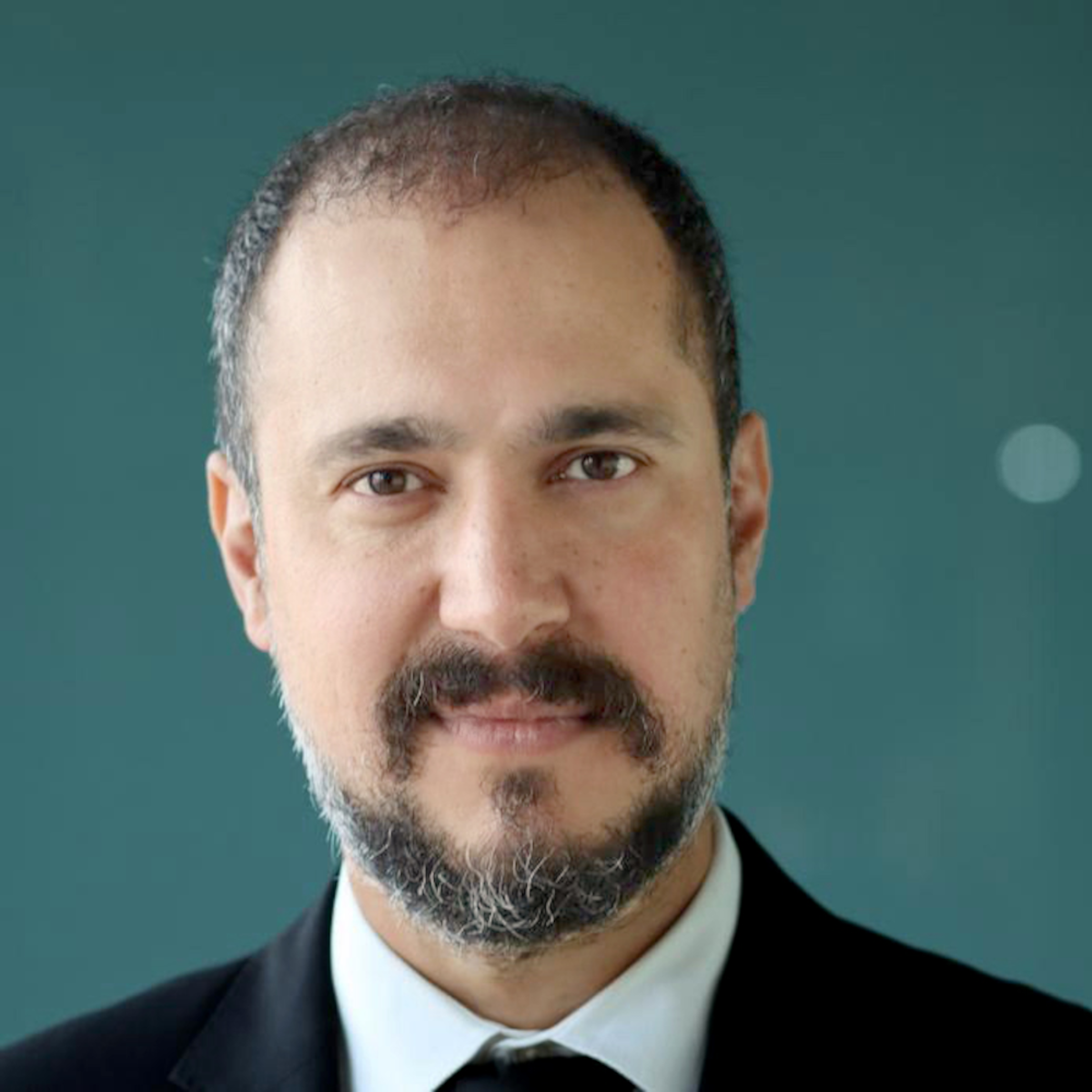
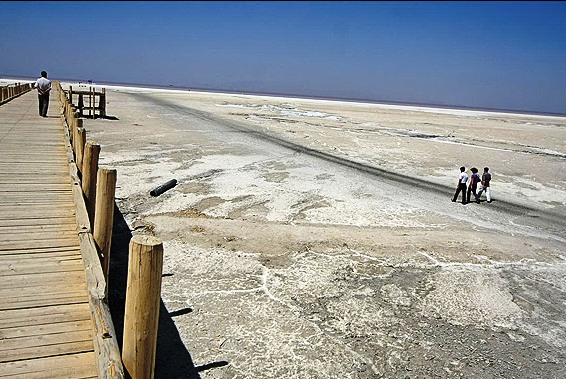

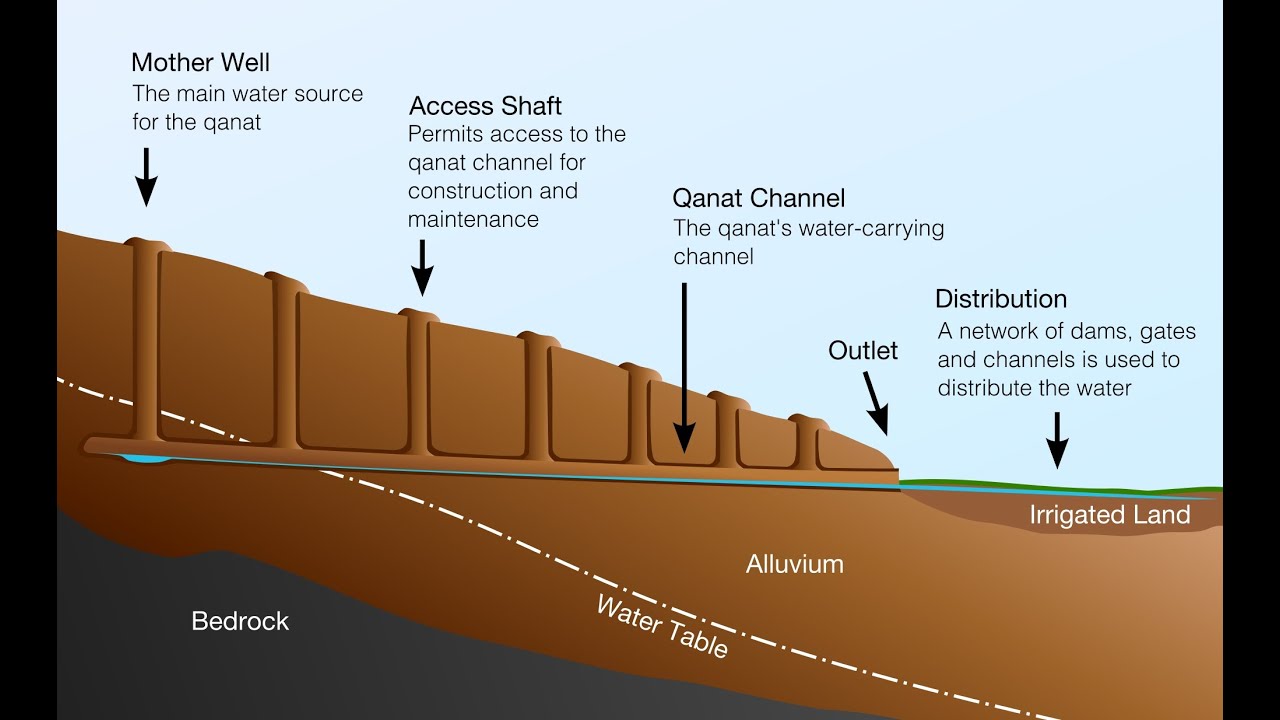







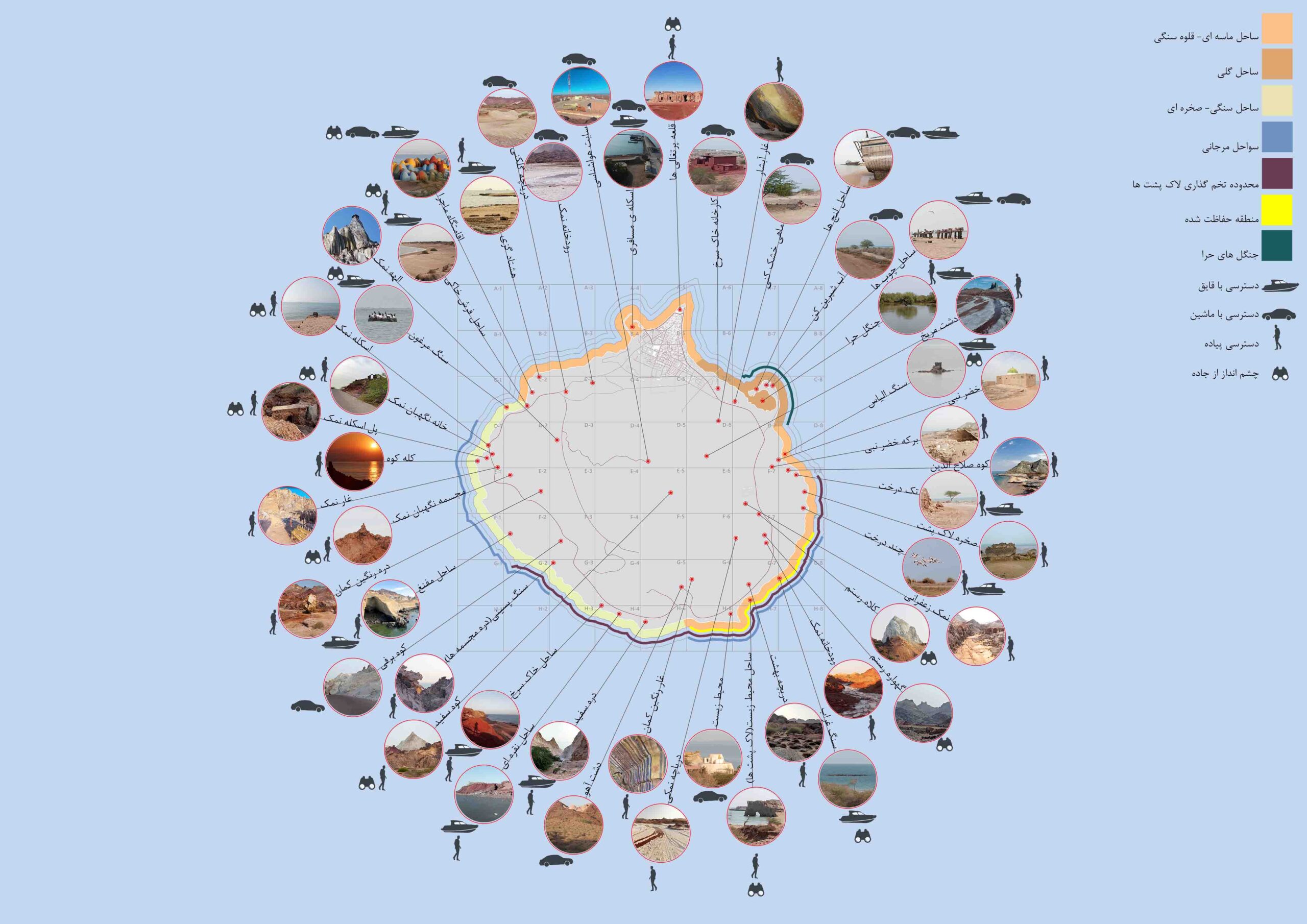
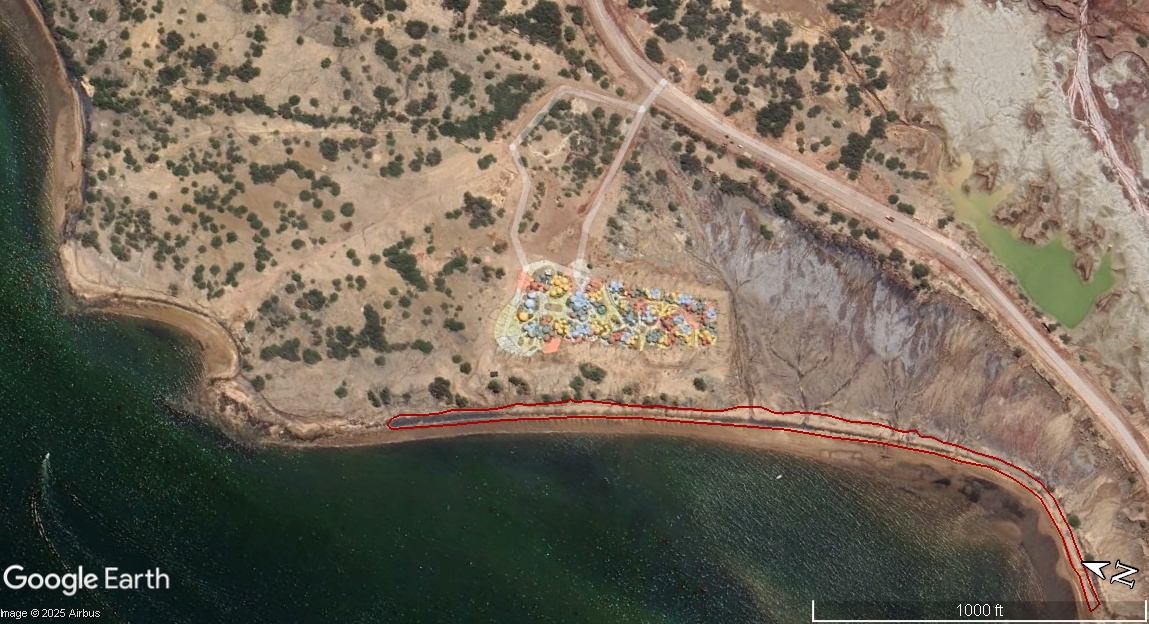
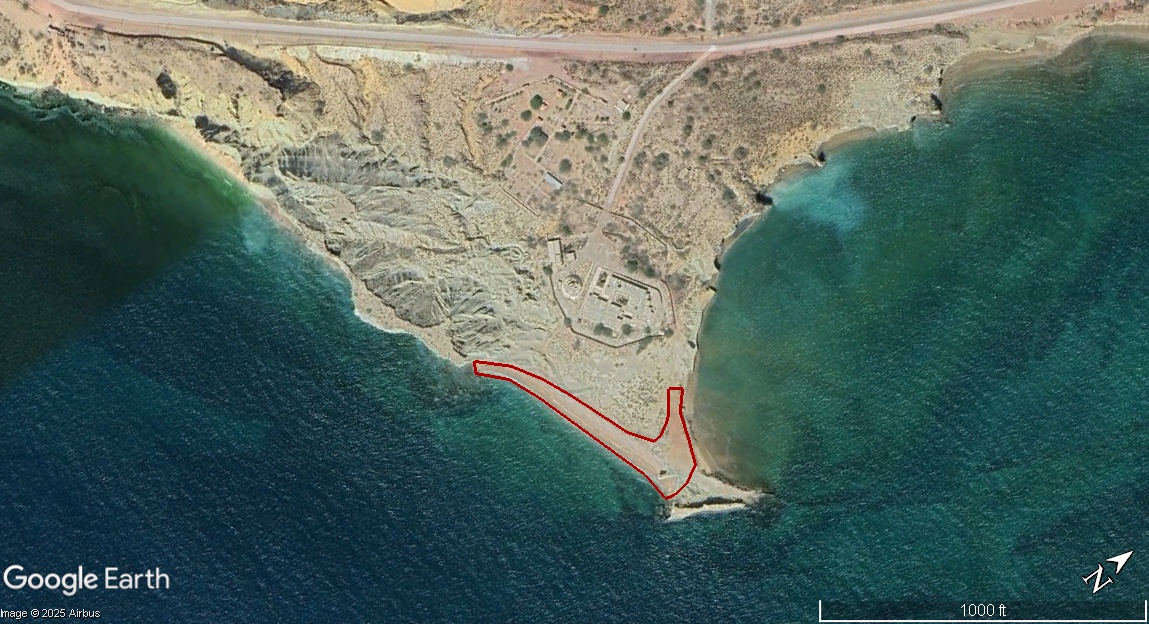
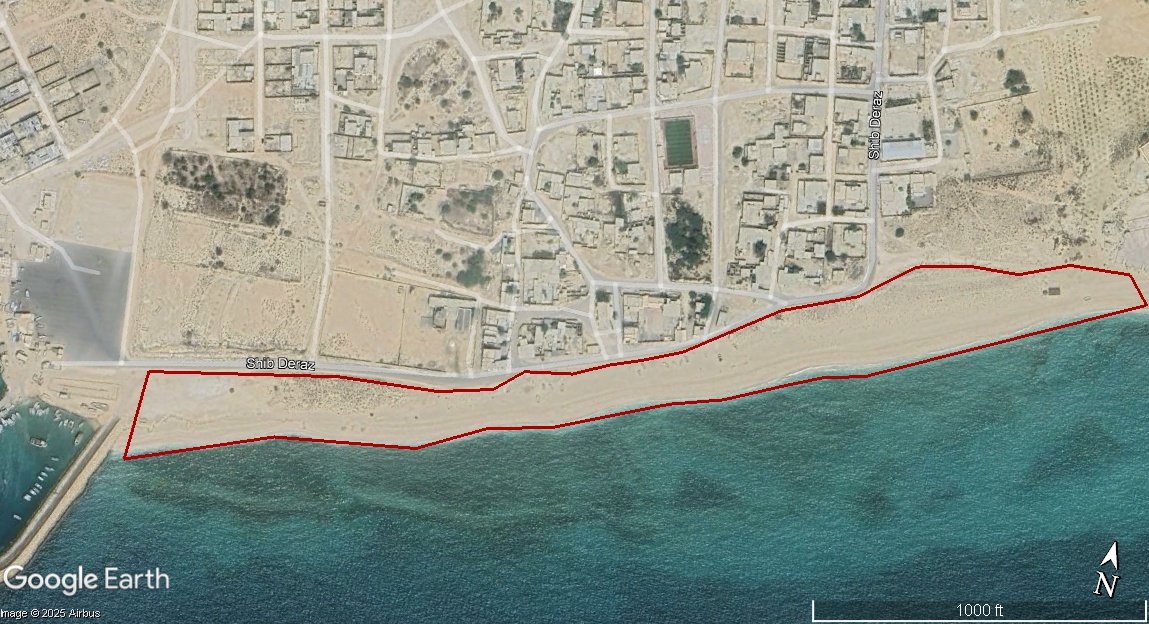












 Startups can offer thousands of percents in returns, but the risks are very high at the seed stage.