Solar power plants in the desert make use of wasted land, right? Think again. The desert soil has a complex network of pores in its unique soil. This takes hundreds, maybe thousands of years to create. Disturbing the desert may have implications on desertification, flash floods and who knows what else.
While it might look like deserts don’t have soil, they do. It’s just very different from those kinds of soil found anywhere else. Extreme temperatures, very little water and limited plant matter to degrade on the surface make an unusual environment. With little dead plant material to decompose and create a rich layer of organic matter, desert soils are unique. And they need to be protected, finds new research. This is especially important for renewable energy installations being built in the desert, like solar power plants or military installations. For almost ever, people believed that deserts don’t harbor soil or life, but they really do.
It’s just different than what we know and the answers to keep deserts alive are in the pores of the desert soil.
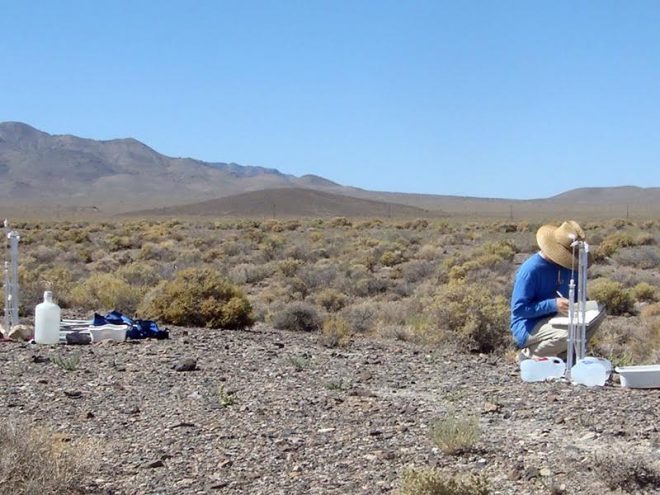
It takes thousands of years to create and can be wiped out by one dump-truck. Desert soils are fragile eco-systems. Look to the soil. Researchers measure soil infiltration in desert soils near Alkali Lake, NV. Credit: Judith Turk
Judith Turk, an assistant professor at the University of Nebraska-Lincoln in the United States, studies the top layer of desert soils, called the vesicular horizon. This surface layer of the soil is common in deserts and contains pores – or tiny holes – of different shapes, called vesicles and vughs.
“These horizons are important because of their role in many processes,” Turk says. “Vesicular horizons determine how much water soaks into the soil and how much runs off. Since they occur in deserts, they control the distribution of the most limiting resource, which is water.”
Vesicular pores are spherical, look a bit like bubbles, and are not connected to each other. Vughs are similar but more irregular in shape, almost like a clump of bubbles that have not fully separated from each other.
Predict impact on floodwater runoff, flash floods
Turk wanted to learn how these horizons form across different desert soils. In their most recent experiment, they chose small plots of the soils and took samples. They then crushed the soil so the formation of pores would have to start from scratch. They checked the porosity of the soils over the course of a year to compare.
“First, we found that infiltration rates were lowered as a result of disturbance,” Turk explains. “This would normally not be surprising, since disturbance compacts the soil, reducing porosity, and breaking up the pore networks that water flows through.
“However, the pores in V horizons are different,” she says. “Most of the pores are not connected with each other and therefore contribute little to permeability of the soil. So, we weren’t sure how disturbance would affect these horizons.”
She adds that what did surprise them was how a soil’s texture determined how well its porosity in this soil layer came back. They assumed that a soil with more silt would be better for vesicle formation but found vesicles formed more rapidly in relatively sandy soils.
“The capacity for vesicular pores to reform within a year after the V horizon is disturbed is something that is interesting,” Turk says. “The post-disturbance V horizons being thinner with smaller pores tells us that what we observed in the undisturbed soils takes time to form.”
It is important to study these soils because semi-arid lands cover about one third of the planet’s land area. Soils with V horizons are often disturbed because populations of cities in arid environments are growing. There is construction of solar and wind farms, and these areas are popular for military exercises.
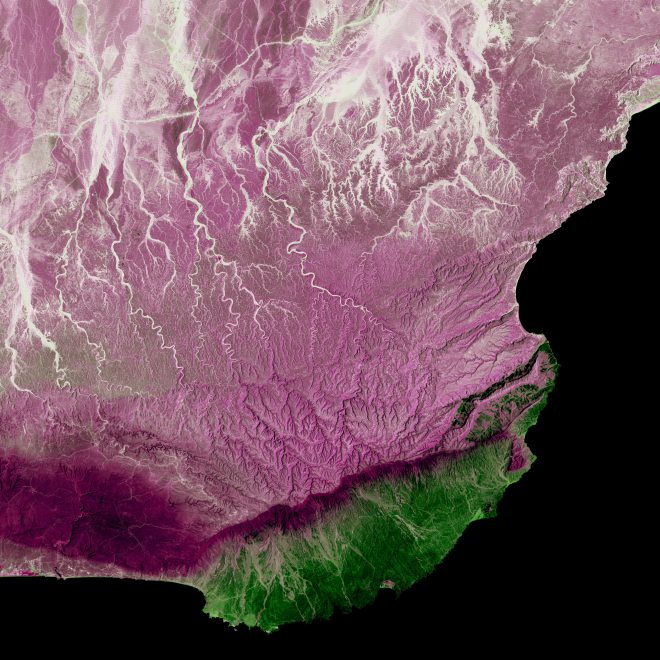
Much of Oman is desert, but the Arabian Sea coast in the Dhofar region represents a startling difference in climate. This coastal region catches the monsoon rains, or khareef, during the summer months. Drenching rains fall primarily on the mountainous ridge that separates the lush, fertile areas along the coast from the arid interior, recharging streams, waterfalls, and springs that provide plentiful water supplies in the fertile lowlands for the remainder of the year.
It’s vital to take the researchers’ findings into account when planning to disturb the soil.
“Many people are surprised to learn that there are interesting soils in the desert,” she says. “When I moved to California for graduate school, I fell in love with the desert lands of the western US. In the desert you can see the land surface and it’s easy to imagine the processes that have built the soil landscapes that we see today.”
It’s now months into your hometown’s COVID-19 paralysis and you’ve exhausted ways to keep positive and productive. You need to replenish your toolkit of coping techniques, whether you’re cooped up solo, shacked up with a mate, or running a home school – slash – daycare center. Fear not! Green Prophet brings you point and click diversions, all free.
I’m in New York City. I’ve Marie Kondo-ed my apartment three times. Cooked weeks’ worth of new vegetarian meals, and shared them with neighbors. Sewn dozens of goofy face masks ’til my elastic stash ran dry.
I’m lucky in that I’m still working; hours of ZOOM and WebEx conferences where the new virtual office “bingo” is guessing who’ll talk the longest before realizing they’re on mute.
Netflix binging and the head-twist of switching between CNN and Fox News have lost their charms. And the 7 PM ringing of pots and pans and clapping and singing for our medical workers – while heartfelt – has me eyeing the rooftops for a good jumping off point.
So much for being positive and productive. What I need is a new diversion. Seems I’m not at all alone. Casting out a net via the internet – a digital call for help – and I caught a whopper. A list, ever-changing and expanding, of free experiential websites that surely contain something that appeals to you.
Check it out, and widely share. And if you have links to other sites that will take users on a much-needed break from current events – please drop them in the comments section. Wash your hands, don’t touch your face, and enjoy.
Not having a stable home or the advice of other cultures are a couple of the challenges, and maybe advantages.
My life, for the past few years, has been anything but common. So when I found out of was expecting a baby – roughly 32 weeks ago – I knew my pregnancy wouldn’t go by the book either.
Any pregnancy is a rollercoaster ride of hormones and emotions, causing amazing and unexpected changes to your body and mind. Add to that some extra ingredients, like a foreign daddy and a nomadic lifestyle, and you’re in for a wild ride. This is the story of my pregnancy and how my lifestyle influenced the way I prepared for the birth of my baby boy.
New life: chapter one
The story started roughly four years ago when I gave up my regular 9-to-5 existence and decided to travel the world. I quit my job and home, sold my belongings, and bought a one-way ticket to Asia. Little did I know my adventure would forever change my world views and turn into a lifestyle. I was planning on traveling for six months. I never quit. After years of happily roaming around, I found love in Indonesia and temporarily settled down there. Then, life took another unexpected turn and announced a new phase: I was pregnant and to become a first-time mommy.
Me and new friends in Indonesia.
A few months into my pregnancy, I felt the need to go home and see my family and friends. And so it happened that I spent the first half of my pregnancy in Indonesia and the second one in my home country, the Netherlands. As a result, I got to experience a whole range of cultural practices related to pregnancy. Like any cross-cultural learning experience, it has been confusing at times but enriching in the end. Ultimately, it enabled me to see and pick the best of both worlds.
Staying healthy while pregnant
Here I am taking a walk in a forest in Holland.
During the first half of my pregnancy, I went to an Indonesian hospital for my monthly check-ups. After I arrived in the Netherlands, the regular check-ups were performed by a midwife. Not much of a difference there. Bigger differences appeared in the way Indonesian and Dutch society treat pregnant women an expect them to stay healthy during those nine months.
In Indonesia, people were generally pretty relaxed about the whole thing – as they are about everything. Their pregnancy rituals are guided by traditional beliefs and customs. Some of those made a lot of sense to me (pregnant women have to walk a lot and cover their heads from the sun), while others just didn’t (pregnant women can’t wear a wristwatch or sit on the doorstep). Lucky for me, as a foreigner I wasn’t expected to abide by all the cultural rules.
Cover your head, don’t wear a watch. Some of the pregnancy customs in Indonesia.
Life in the Netherlands, on the other hand, tends to be very organized and structured. As I found out, this applies to pregnancy as well. After having spent years in Asia, arriving back home meant I experienced some sort of reversed culture shock – in my own country.
Pregnant women in the Netherlands receive lists with baby items they should purchase, get overwhelmed with books and magazines, and are more or less expected to take some kind of pregnancy course to prepare for childbirth. More than anything, it made me feel nervous, as if giving birth and taking care of a baby wasn’t a natural thing that I should be able to do without having studied for it.
Fortunately, I had a pretty down-to-earth midwife, who assured me I would be fine with or without pregnancy yoga. I decided to simply take things as they came. I skipped the opinions of Internet experts and ignored my mom’s well-meant but counterproductive advice. Instead, I chose to trust in the strength of my own body and mind to guide me through it all. I did my own at-home yoga, went for nature walks, and made sure I ate healthy food and got plenty of rest. Listening to my body and staying calm were my main mantras.
Baby stuff overload
Back in the Netherlands, I was also confronted with another reality that had not been part of my world for a while: that of a society built around consumerism. While abroad, I learned to appreciate a simple life, free of most materialistic possessions. I watched my partner’s little nephew grow up with few toys, but endless opportunities for playing on the beach. I’m convinced he’s no less happy for it.
The Dutch way of life is different though. A visit to a baby store left my mind dazzling. There were just so many products to choose from. I saw baby strollers the price of small second-hand cars – and people were actually buying them. Future parents apparently feel like they have to get their baby top-of-the-line products, in order to fulfill their parental duty to the best of their ability. Or maybe they just like being fashionable.
Whatever the reason, I had opted out of that mindset long ago and wasn’t planning on going back to it now. Many baby products have an ultrashort lifespan and get tossed after having been used for a short period of time. As I’m planning to go back to Indonesia after the baby is born, I would only really be using them for a couple of months. Nope, my baby wouldn’t be showered with stuff, but with love.
Getting ready for the baby, minimalist-style
In practice, making green and sustainable pregnancy choices turned out to be easy. I’m at that age where all my friends have babies and young kids. Many of them were more than happy to get rid of the baby furniture they no longer needed. Presents from family and friends did the rest. Within a few weeks, I managed to gather all the necessities for a complete second-hand baby room, including a closet bursting with perfectly fine used baby clothes.
As I moved in with family, I don’t actually have a separate baby room, by the way. The baby’s crib is standing right next to my own bed. While born out of necessity, I feel good about having my baby close to me for the first few months. And guess what: I found out it’s what the experts recommend too.
I figured it was no use investing in a baby stroller, as I won’t be able to bring it on a plane or use it on the island in Indonesia. Instead, I invested some money in good quality, ergonomic baby carriers, which are convenient when traveling and can be used anywhere.
When I picked up one of those very Dutch checklists to check if I really had everything I needed, I took a practical approach. I resolved to buy the remaining items that seemed essential to me, but skip the items I wasn’t sure I would need. I could always buy those later, if necessary.
After all the essentials were in place, it was time to think about baby cards. I decided to not send any traditional paper cards. Instead, I designed my own virtual cards online, which can be sent through Whatsapp or e-mail. The designing process was a lot of fun and honestly, the end result is more personal than any ready-made card could be.
Finally, there was the diaper issue: reusable diapers, yay or nay? My green heart bled but lost the battle. The traveler in me decided to go with the most practical solution. In Indonesia, I won’t have a proper washing machine at my disposal and washing diapers by hand won’t get them clean. Disposable diapers it is. If I were to stay in the Netherlands, I would probably have decided differently.
Riding the waves of change
With eight weeks to go, I’m pretty much ready for my baby boy to arrive. The countdown has started. Throughout the past seven months, I have been going through all kinds of emotions, ranging from happiness to panic. Perhaps the most prominent emotion has been uncertainty. Uncertainty about the future and my own capability to be a mom, provide for my baby and give it everything it needs.
The way I see it, it is all part of the nine-month process of becoming a mom. Whenever major life changes occur and require you to transform, this is accompanied by a certain amount of uncertainty. Becoming a mom is definitely a major life change, requiring a major transformation. Becoming a mom in a non-standard situation demands even more flexibility and adaptation. But in the end, the principle is the same. It’s all about learning to ride the waves of change. No matter how big the waves. And there’s nobody who can tell you how to do it. You have to do it your own way.
The thing about pregnancy and becoming a mom is this process of change is designed by Mother Nature herself. Because you’re a woman, everything you need to know is already there inside you. So I only have one piece of advice to other moms-to-be: stay true to yourself. Don’t let other people pressure you into buying stuff you don’t need and don’t let so-called experts talk you into doing things that feel unnatural to you. You know what is best for you and your baby. Have faith in that.
When the average consumer thinks of seed tech, his or her thoughts usually wander immediately to GMO crops. Thankfully, today’s innovators are coming up with more than just ways to genetically enhance crop plants to increase pesticide tolerances. Read on to find out about a few of the latest advancements in green seed tech that show promise for ecologically conscious gardeners and growers.
Improved Medical Cannabis
Evogene has recently branched out into the growing field of medical cannabis. Their recently developed subsidiary Canonic plans to focus on addressing current market roadblocks like genetic stability, yield, and metabolite composition using Evogene’s Computational Predictive Biology (CPB) platform. With the legal cannabis market poised to continue its current growth trajectory worldwide, medical growers are constantly looking for the next great thing. They can order seeds for the coming season if they need more from i49.
Non-GMO Seed Breeding
Equinom is a non-GMO seed breeding startup whose work focuses on tech-driven breeding methodologies for a greener future. This Israeli startup will be using the $10 million it raised recently to figure out how to harness natural genetic variation in plants instead of altering their genomes. They plan to revolutionize the way consumers think about plant-based protein by creating “smart seeds” that re more nutritious than ordinary market varieties. Consider that you can grow plants to boost certain elements of a plant personalized to you, like molecules that enhance aspects of the plant, like CBD for making your own melatonin gummies.
AI-Powered Container Farms
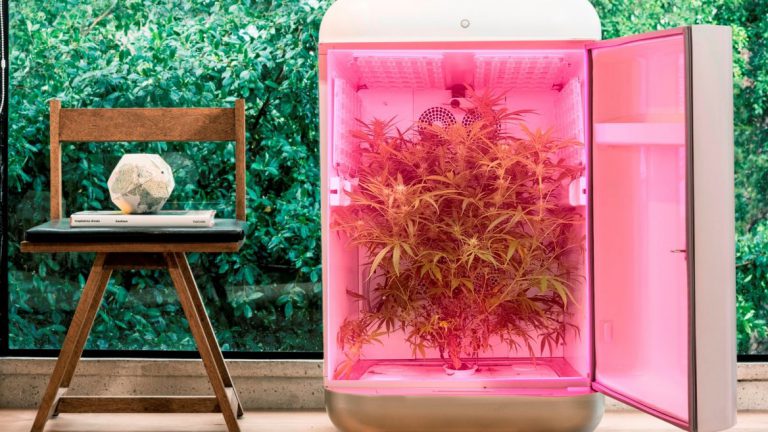
Indoor container farming and growing have been around for a while, but Seedo Corp. plans to revolutionize the industry by introducing one of the world’s first commercially viable, fully automated indoor growing machines. The machine is designed for use in commercial-scale, pesticide-free farms and grow ops, which the company’s CEO Zohar Levy believes will be the future of farming. The machine leverages the power of AI to provide optimal growing conditions in airtight, stackable containers to increase usable space and reduce environmental footprints.
Naturally Increased Outdoor Yields
Kaiima Agro-Biotech focuses on increasing yields in outdoor farms, gardens, and grows using a completely different methodology. Kaiima focuses on naturally doubling plant chromosomes to increase photosynthesis and improve plants’ adaptability to field conditions, increasing yields by as much as 10 to 50%. While other companies have attempted to induce artificial polyploidy or chromosome doubling, Kaiima is one of the first companies to successfully employ natural methods that don’t damage the plants’ DNA.
Combating Climate Change-Induced Yield Reductions
At this point, there is little doubt in most experts’ minds that climate change is the planet’s new reality. That doesn’t just mean increasing temperatures. It also creates perfect conditions for more frequent and more intense inclement weather events, ranging from flooding to periods of extreme drought.
Some ag-tech companies are already developing solutions for what most assume is now an inevitable problem. These solutions include advances in drip irrigation and fertilization, reclaiming of marginal water, and new methods for restoring degraded soil. Given that the world’s population is only continuing to rise, it’s a good thing so many established companies and startups are focusing on finding a way to feed everyone sustainably.
The Bottom Line
Gone are the days when seed tech companies focused exclusively on creating genetically altered crops and more powerful pesticides. Today, green seed tech is on the rise and plant breeders, tech experts, and innovators across the world are jumping on board with this trend. Only time will tell which of the innovative crop and seed technologies now in development will prove commercially viable, but there’s no denying that it’s an interesting time for farmers, gardeners, and growers.
Meatless burger startup Impossible Foods and major food processor OSI Group are poised to continue on their path toward financial success even in the face of a massive downturn in the global economy. As the younger generation continues to seek alternatives to traditional food sources such as beef, pork, and chicken, new research, new funding, and a vision for a healthy future spur this partnership forward.
OSI Group and Impossible Foods Secure Partnership
In April 2019, Impossible Foods continued to expand its product placement through a partnership with Burger King that brought its meatless patties to over 7,000 restaurants nationwide. Faced with a sudden increase in demand, Impossible Foods struggled to fill orders while maintaining a focus on research for new product development. The answer to the problem came in the form of partnering up with OSI Group, the operator of massive food processing plants around the world. This allowed Impossible Foods to continue to meet surges in demand without sacrificing quality or turning all of its home office employees into factory workers.
Demand for Meatless Burgers Soars as Supply Increased
Even as Impossible Foods reaped the rewards of its successful fast food rollout, its major competitor, Beyond Meat, further fueled the love for everything plant-based as it went public. 2019 turned into a golden era for the alternative food businesses as larger segments of the population tested out the new burgers and discovered that grilling in the backyard did not require red meat to be tasty. The impossible Burger saw increases in demand in the double digits. Meanwhile, OSI Group lost no production in its Mid-West facilities as the company was able to shift production time from beef to the newer meatless product.
Why the Global Demand for Meatless Burgers Now?
Just before the headlines were flooded with the global pandemic, a widespread infection of China’s pig population with African Swine Flu was reported. As the largest pork producer in the world, pork prices were prepared to skyrocket in European and American supermarkets for the 2020 year, if pork was exported from those geographies to China in order to meet consumer demand. Every year reports of e-coli, bird flu, and other food contamination grab the average consumer’s attention. Meanwhile, those supporting a more eco-conscious way of feeding the world have determined that turning plants into meat-substitutes is far less toxic to our environment. Ultimately, shoppers looking for a safer, competitively priced, and greener option for their meals are grabbing more and more meatless options for the dinner table.
Fresh Infusion of Cash Provides a Buffer Against Uncertain Economy
In the early days of 2020, the whisperings of a pandemic closing down China and many European nations began to filter through the media. Focused on future growth, Impossible Foods took vital steps to ensure that the fledgling food manufacturer could weather the impending economic storm. The company worked quickly to secure an additional $500 million in further investment funding, bringing its total investments to $1.3 billion since it was founded, and guaranteeing it could continue to produce and distribute its meatless burger during the crisis. Before the federal government determined which businesses would be considered essential, OSI Group and Impossible Foods were positioned to reap the rewards of an entire nation seeking variety when faced with cooking at home for an extended period.
Impossible Foods and OSI Group are Positioned for Future Success Even in the Aftermath of COVID-19
Once the storm clouds recede, what else is on the horizon for this new segment of the food industry? Impossible Foods earmarked a significant portion of its investment funds for research as consumers around the globe begin to look for better alternatives to other animal-based proteins such as fish, pork, and poultry. Impossible Foods will also want to rapidly expand its product line as the public will be hypersensitive to illnesses caused by food-borne contaminants. Plant-based and processed foods like the meatless burger can reduce the chances of dangerous bacteria reaching the consumer’s table.
The processing power that OSI Group maintains combined with the cutting-edge food technology brought to the table by Impossible Foods leaves them both ready to meet a surge in demand while the world recovers from the disruption caused by the COVID-19 pandemic. Combined with the waning interest in traditional fast food choices like fried beef burgers, Impossible Foods can anticipate continual growth, a profitable first public offering, and a future bright with promise with partner OSI Group by its side.
When is it time to pull the plug when in a coma? When in doubt, use the sniff test, say researchers
Should you pull the plug or keep ralliyng for hope? The sniff response can predict who will regain consciousness, and will say with about 90% accuracy who will survive for at least three years.
If an unconscious person responds to smell through a slight change in their nasal airflow pattern – they are likely to regain consciousness. This is the conclusion from a new study conducted by Weizmann Institute scientists and colleagues at the Loewenstein Rehabilitation Hospital, in Israel.
According to the findings, published in the journal Nature, 100% of the unconscious brain-injured patients who responded to a “sniff test” developed by the researchers regained consciousness during the four-year study period.
The scientists think that this simple, inexpensive test can aid doctors in accurately diagnosing and determining treatment plans according to the patients’ degree of brain injury. The scientists conclude that this finding once again highlights the primal role of the sense of smell in human brain organization. The olfactory system is the most ancient part of the brain, and its integrity provides an accurate measure of overall brain integrity.
Stinky fish or flower shampoo. Will some smells wake a patient from a coma faster?
If you have ever had to face the consequences of how to help make a decision about a loved one following a traumatic brain injury, some new clues from science might help you and the doctors get out of making tough decisions. Following severe brain injury, it is often difficult to determine whether the person is conscious or unconscious, and current diagnostic tests can lead to an incorrect diagnosis in up to 40% of cases.
“Misdiagnosis can be critical as it can influence the decision of whether to disconnect patients from life support machines,” says Dr. Anat Arzi, who led the new research. “In regard to treatment, if it is judged that a patient is unconscious and doesn’t feel anything, physicians may not prescribe them painkillers that they might need.”
Arzi commenced this research during her doctoral studies in the group of Prof. Noam Sobel of the Weizmann Institute of Science’s Neurobiology Department and continued it as part of her postdoctoral research at the University of Cambridge’s Department of Psychology.
The “consciousness test” developed by the researchers – in collaboration with Dr. Yaron Sacher, Head of the Department of Traumatic Brain Injury Rehabilitation at Loewenstein Rehabilitation Hospital – is based on the principle that our nasal airflow changes in response to odor; for example, an unpleasant odor will lead to shorter and shallower sniffs. In healthy humans, the sniff-response can occur unconsciously in both wakefulness and sleep.
The study included 43 brain-injured patients in the Loewenstein Rehabilitation Hospital. The researchers briefly placed jars containing various odors under the patients’ noses, including a pleasant scent of shampoo, an unpleasant smell of rotten fish, or no odor at all. At the same time, the scientists precisely measured the volume of air inhaled through the nose in response to the odors. Each jar was presented to the patient ten times in random order during the testing session, and each patient participated in several such sessions.
“Astonishingly, all patients who were classified as being in a ‘vegetative state’ yet responded to the sniff test, later regained consciousness, even if only minimal. In some cases, the result of the sniff test was the first sign that these patients were about to recover consciousness – and this reaction was observed days, weeks and even months prior to any other signs,” says Arzi. Moreover, the sniff response not only predicted who would regain consciousness, it also predicted with about 92% accuracy who would survive for at least three years.
“The fact that the sniff test is simple and potentially inexpensive makes it advantageous,” explains Arzi. “It can be performed at the patients’ bedside without the need to move them – and without complicated machinery.”
A mindful tennis game
After a severe head injury, patients may fall into a comatose state – their eyes are closed and they do not have sleep-wake cycles. A coma usually lasts for about two weeks, after which there may either be a rapid improvement and return to consciousness, deterioration leading to death, or it could lead to a condition defined as “disorder of consciousness.” When spontaneous eye opening occurs but there is no evidence that the patients are aware of themselves or their surroundings, they are then diagnosed as being in a “vegetative state.” Alternatively, if a patient displays consistent signs of awareness, even if they are minimal and unstable, the patient will be classified as being in a “minimally conscious state.”
The gold standard diagnostic tool for assessing the level of consciousness is the Coma Recovery Scale (Revised), which examines responses to various stimuli: eye movements while tracking an object; turning the head toward a sound; response to pain, among others. Since the rate of diagnosis errors may reach up to 40%, it is recommended to repeat the test at least five times.
However, misdiagnosis may also occur when the test is conducted repeatedly. “In a well-known study, a patient diagnosed as being in a ‘vegetative state’ following a car accident was scanned in an MRI machine. While in the scanner, the researchers asked the patient to imagine that she was playing tennis and observed that her brain activity was similar to the brain activity of healthy people when they also imaged playing a tennis game. Suddenly, they realized: ‘hold on a minute, she’s there.
“She hears us and is responding to our requests. She simply has no way of communicating’,” says Arzi. “There are also known cases of people who were diagnosed in a ‘vegetative state,’ but when they regained consciousness, they were able to recount in detail what was occurring while supposedly vegetative. Diagnosing the level of consciousness of a patient who has suffered a severe head injury is a major clinical challenge. The sniff test we have developed may provide a simple tool to tackle this challenge.”
They are not trying to change the holy order of things. Surely not in the Old City but Jerusalem cyclists want a few dedicated lanes to make cycling in any situation, plague or the good times, easier around Jerusalem.
Jerusalem. Not a dream city for cycling. It’s many hills, random intersections, cobbled roads, virtually inaccessible Old City, I tried. I really did. I cheated on Tel Aviv and lived in Jerusalem for 2 years. But I could never get around by bike. Despite its difficulty, there are plenty of people who do like to ride and build their calf muscles and they are protesting this Friday to the city, with the message:
“While cities in Israel and across the world are taking advantage of the current pandemic to improve their bicycle infrastructure, the Jerusalem Municipality is doing… nothing.”
According to the group Bicycles for Jerusalem, they say that coronavirus times should have shown the City Hall how lack of public transport puts a strain on people and services. And that cities around the world understood this and made cycling a more important part of getting around the city.
“While we are big fans of public transportation, and firmly believe that it is a critical component of a well-functioning city,” announces the group, “we understand that many people will in the near future be trying to find alternatives. If the only alternative is a private car, our city will become more congested than ever, and will grind to a stand-still. The Municipality needs to take swift and definitive action to provide a better alternative.”
One of the most popular alternatives to the bicycle in Israel is the dockless e-scooter, like from the companies Wind Mobile based in Europe. Networks were shut down over the peak of the COVID-19 crisis here, so the bicyclists of Jerusalem have a pont.
The cyclists of Jerusalem say that they aren’t asking for the moon, but just some strategic bike lanes along main arteries, a move that would require some paint and traffic cones: “We want the Municipality to organize bicycle acquisition groups to encourage people to get on bicycles – starting with its employees and then residents. We want the municipality to install ramps to make the numerous steps across the city more accessible. We don’t need everything to be perfect, we want the city to start,” the group adds.
If you want to cycle or be part of a movement that does, jump on two wheels and pedal around the Holy City this Friday with a distance of a few yards between your buddy. And a helmet. Cycling safe.
Robots can help us with ecological building, like 3D squirting recycled materials into new walls. Are there other ways tech can help us out? Maybe for spring cleaning?
Have you been spending the last few weeks on lockdown thinking ‘Wow! My house is messy!’? It might only be natural given 50% of Brits still see April as the perfect time to get the rubber gloves on and scrub the house with natural cleaners until it gleams.
If the thought of a deep clean fills you with dread, could there be a better way? Here we look at how technology has evolved to help you get your home in tip-top shape.
Vacuums that do the job for you
Fans of ‘Breaking Bad’ will remember the Roomba that would chug around Jesse Pinkman’s house. While that robot was fighting an uphill battle to keep the floors tidy, investing in a robot vacuum cleaner for your home could be a smart way to keep things clean. The device has sensors that mean it won’t bump into walls or furniture, with a vacuum underneath drawing up dust and dirt from the floor as it takes a tour of whatever room you choose for it.
Why not get the mopping done too?
From the same company that brought you the Roomba, why not take a look at the Braava to finish the job on your hard-floor surfaces? This robotic mop will cover the ground in your room, spraying the floor before passing over it with a microfibre cloth. It might look like a desktop printer, but it does so much more. Gleaming floors without lifting a finger – what’s not to love?!
Breathe the best air
If you struggle with dust allergies, have you considered investing in an air purifier? There are premium and more affordable options out there to suit all wallets, but consider your finances before making a purchase. Once you find one that suits, however, purifiers will extract dust, allergens and odours from the air with the added bonus that you’ll spend less time dusting.
Scrub no more
If you have an electric toothbrush, did you know something similar exists for your kitchen surfaces? The SonicScrubber gives you extra elbow grease for those tough-to-shift stains in the kitchen – from worktops to the hob to the terrifying inside of your oven. They’re cheaper than you might think, too, although you might need to invest in several changeable heads if cleaning your kitchen is a big job!
Do a professional job on your windows
If you’ve noticed that your windows are looking a little grimy and the window cleaner’s on lockdown, you can do the job yourself with a window vac. With steam breaking down the dirt on the glass and the vacuum sucking it away, you’ll be left with sparkling clear windows in no time.
Whatever your situation, have a happy spring clean!
Folium used for medieval blue. Also a medicinal plant.
Outside of developed Western countries, many people’s health and survival depends on access wildcrafted plant medicines. In Africa, where infectious diseases and parasites are still a major threat, up to 80% of the population is are more likely to get their medicine from a tree or farmer’s market than from a sealed blister-pack at pharmacy. Natural plant medicines are not unsubstantiated folklore; they are being increasingly proven by scientists, extracted and mass marketed by pharmaceutical companies.
This is because nature produces fantastically complex molecules that no medicinal chemist could ever dream of. Botanical drugs tend to be naturally in sync with our bodies because humans evolved from plants, and we share much of the same basic DNA.Out of 177 drugs that have been approved worldwide for cancer, more than 70% are based on natural plant compounds or mimetics – synthetics that were directly inspired by plant compounds.
There is a huge problem with deforestation in many developing countries, and sadly, some of the places that have the richest botanical diversity are hit the hardest. In countries where many people don’t have access to modern amenities like electricity and natural gas, there is a urgent daily need for firewood. An estimated 90% of the forests in Haiti have been chopped down by people who needed charcoal to cook for their families. On the Southeast Asian island of Borneo, where half of all households subsist on less than $120 USD per month, the temptation to clear forests for plant palm oil plantations, timber or paper pulp is simply too strong to resist.
Locals know that their forests are dwindling but oftentimes they just can’t stop the highly determined & organized ‘mafia’ of poachers and loggers. This has caused current plant extinction rates to skyrocket to least 100 to 1,000 times higher than the natural background extinction rate, which is the rate at which species naturally go extinct without human intervention.
This means that 25% of the world’s conifer trees and as many as 15,000 known medicinal species are now endangered. “A vast majority of the plants in the world have not yet been explored for medicinal potential by scientists” says Dr. Bomi Joseph, a plant researcher and Director of the Peak Health Center in California. “It is especially tragic that plant species are so rapidly disappearing at the same time that research & analysis tools are finally becoming more powerful and accurate,” he says.
The Pacific Yew (Taxus brevifolia) tree bark is the original source of paclitaxel, a potent botanical chemotherapy agent that can is used to kill ovarian, breast and lung cancers. It was discovered in an exploratory plant screening program sponsored by the National Cancer Institute. It works by inhibiting a natural compound that allows cells in the body to divide, thus preventing the cancer from growing. It is a complex molecule that is extremely difficult to make from scratch in a chemistry lab, but the Pacific yew tree makes it effortlessly in its bark out of soil nutrients, CO2, water and sunshine.
(Image: Wikipedia, Creative commons)
From 1967 until 1993 almost all the paclitaxel produced was derived from the bark of wildcrafted Pacific yew trees. The process of harvesting the bark kills the tree and in 2011 the tree was placed on the endangered species list. Finally, but a bit late, a method to make the drug semi-synthetically out of liquid plant cultures that don’t require destruction of the tree is now used.
Himalayan Mayapple
The Himalayan mayapple plant (Podophyllyum hexandrum) produces podophyllotoxin, which is a key compound used to produce etoposide – a chemotherapy medication that is used against lung, testicular and ovarian cancer.
The plant has been over-harvested while at the same time its natural habitat in the Himalayas has been heavily deforested. It is currently listed as an endangered species by the International Union for Conservation of Nature.
The Calophyllum Story
In December 1986, the arboretum at Harvard University got involved with a project sponsored by the National Cancer Institute to find antitumor plant compounds in Asian forests.They wrote to a state government in Borneo and got permission to collect plant specimens. Research associate Dr. John Burley and a forest officer set off into the tropical forests and swamps and collected all the flowering and locally-revered medicinal plants that hadn’t already been screened and catalogued.
Years later, one of the plant specimens from a calophyllum tree, labeled Burley #351, was analyzed and found to stop the HIV virus from replicating. In 1992 scientists returned to the area where the sample had originally been collected, accompanied by local botanists, and the tree was nowhere to be found – presumably cut down. They tried to locate trees of the same species in the nearby areas but the closest ones they found did not contain the same active compounds as Burley’s original sample.
After a long and difficult search a calophyllum tree with the same active compound, which became named calanolide A, was eventually located at a botanical garden in Singapore. The Borneo state government formed a pharmaceutical company to develop calanolide A into a drug and in 2016 they announced successful completion of Phase I clinical trials on humans.A structural analog named F18 was created in 2017 that is believed to have even more potent anti-HIV activity than the original molecule.
Only half of Borneo’s forests remain standing today, and those that still remain are disappearing at a breathtakingly brisk rate of 130,000,000 acres per year. The plants described above are just a handful of examples out of thousands of species with equal or greater potential.
“There is no telling how many botanical drug breakthroughs or desperately-needed cures go up smoke or down with the stroke of a chainsaw every year,” says Dr. Bomi Joseph. “Seeing that we can’t control & protect every forest on earth – we need to make plant specimen collection and analysis a top priority while we still have the chance to.”
The Israeli cannabis company Syqe which creates cannabis dosing systems, is laying off employees from the corona crisis, while novel drug developers like Stero start clinical trials.
All cannabis plants have CBD and THC molecules in them, and about one hundred or more other active ingredients. Some parts of the natural plant can be isolated or simply synthesized for therapeutic effects. And this is how drug developers hope to make new inventions and make money.
The second study on COVID-19 is now being initiated by Stero Biotechs, an Israel-based, clinical-stage company focused on Cannabidiol (CBD) formulation research and development, in a collaboration with its main partner and shareholder, Mor Research Applications, the commercial arm of Israel’s largest health provider, Clalit.
Steros applies CBD and makes CBD products to help calm down lung and tissue inflammation in corona patients, reducing the use of and improving the efficacy of steroids. Steroids are critical for reducing inflammation in hospitals. I saw how they helped my dad when he was fighting cancer pain. Steroids are used to reduce inflammation. They reduce pain and make pain meds work better.
But extended use of steroids creates serious side-effects, like fragile bones or osteoporosis. One day my dad stood up and his femur just crumbled. His bones were disintegrating. If Steros gets fast-tracked for CBD use in inflammation in hospitals for corona specifically and later for cancer, that’s a silver lining.
Largely approved for medical use in the general population in Israel (it is not exactly easy to get a permit though), cannabis is widely accepted, if only quietly in the establishment. It is known that pain doctors treating cancer patients in Israel prescribe it. Or at least whisper to patients on how to find it.
Raphael Mechoulam, discoverer of THC, CBD in medicinal cannabis. Israel’s grandfather of medical cannabis.
The problem is that few doctors if any at all know how to prescribe medical cannabis correctly (take 3 gummies and call me in the morning?) and this is why we need novel drug companies who can understand dosing and therapeutic methods.
That’s what Stero aims to do. Their unique application is to enhance the effects of steroids, widely used to reduce inflammation of all kinds. There is a limit to how long steroids can be taken, as long term steroids are very destructive to the body. Physicians would like to use them less. Stero might have the way, using CBD.
Stero’s new 10-patient study, which is starting now will be a small-scale clinical trial taking place at the Rabin Medical Center in a Tel Aviv suburb called Petach Tikva. Pending final approval by the final Helsinki Committee the study will be a PoC or proof of concept study, a study that happens before wider clinical trials are initiated. PoC studies are the first step between a go and no go in a clinical study.
In the PoC Stero Biotechs aims to benefit and help hospitalized patients with COVID-19 infection. The treatment cycle will be for a few weeks with a subsequent follow-up period of the same length, the company reports.
“We estimate that our CBD-based treatment can enhance the current treatment of those patients who are in life-threatening conditions,” says David Bassa, the CEO of Stero Biotechs.
“Hospitalized COVID-19 patients are mostly being treated with steroids and our study is planned to demonstrate the benefit of a combined solution with Steroid treatments. We are hopeful that this study will lead to faster benefit for the growing number of COVID-19 patients in Israel and around the world.”
After the initial PoC, Stero plans to scale up and expand to a Phase IIa multi-center clinical trial, with an additional 40 hospitalized patients with COVID-19 Infections, under the usual US-governed FDA clinical trial guidelines and regulations. The FDA is based in Maryland and Israel has been working with the US in clinical trials for decades.
Stero was founded in 2017 to enhance the effects of steroid treatments. The company reports having a wide patent on CBD applications, covering over 130 autoimmune and inflammatory diseases by name, CBD from any source (synthetic or botanic), CBD in any combination, CBD in any dosage and in any delivery system.
Steroid treatment is usually the first or second line of treatment for hospitalized patients. CBD enhances the therapeutic effect of steroid treatment and treats the bio-mechanism affected by the virus.
The initial study will evaluate the tolerability, safety, and efficacy of the CBD treatment, for hospitalized patients with COVID-19 Infections.
While you could theoretically plants some high CBD cannabis strains in your garden and self-medicate, you may or may not know how to dose or take the treatment. For that you would need to ask an expert, still very hard to find in the science of cannabis as medicine. That’s why novel drug companies developing solutions get my support.
If you are interested in the first study on coronavirus and cannabis we reported on, you can find it here.
CBD. THC. Some people including myself say these words as loosely as CNN or TLC. For anyone who has been exposed to the medical cannabis industry, or the recreational one, THC and CBD are the key words that anyone who is self-medicating wants to know.
Cannabis oil, drops, tinctures, patches. CBD patches, or CBD oil in your cola. In your morning cereal? THC for pain relief? Where are you to start? Cannabis or hemp? If you are not from Canada or a State where cannabis is legal, it’s better to ask a friend what this all means and how you might be able to obtain medicine that can alleviate a range of symptoms and conditions. From the extreme, like treating the corona virus, or epilepsy, to just helping you chill out. If you have doubts, just stick to products sourced from hemp.
In States where legislation is not clear or to be determined, people are finding an easier and simpler way to get some relief from the marijuana plant using healing products that only contain CBD. CBD stands for cannabidiol and it is one of at least 100 healing molecules in the cannabis plant, but it’s also in the hemp plant too. The reason cannabis has been demonized is not because of CBD, it’s because of THC, the part of the cannabis that gives you the high, along with other therapeutic benefits.
To stay on the safe side and to give people the unique benefits of CBD, some companies, like a new one in New York called Healist Naturals just uses 100% hemp-derived CBD in their products. The company uses an organic broad-spectrum CBD component of hemp, related to the cannabis plant which is 100% free from THC. So if it’s allowed or not (see New York Times on cannabis legalization) is out of the question. It is.
Healist’s products are designed for calm, relief, sleep and well-being. The company tells me that they are designed to help consumers restore their body’s innate capacity to heal.
Did you know that there is hemp CBD and CBD that comes from a full spectrum cannabis plant? There are differences. Know them before you buy,
“The combination of natural yet potent ingredients backed by science, rigorous testing, a commitment to sustainability and a consumer-first mindset, are what set us apart from those who have come before us and those who will follow,” says Michael Bryce, co-founder at Healist.
Home-Grown Benefits
The formulations contain a blend of natural active ingredients and are US grown
All products are clean and natural, triple lab tested, vegan, cruelty-free, non-GMO, and contain 0.0% THC
Each of the CBD products is packaged using sustainable materials including ocean waste plastic, with plans to have 100% of its plastic Ocean Waste Certified (OWP) by the end of 2020.
As a New York City based business, Healist says they want to do whatever it can to help the local community (read about our writer’s corona experience in NY) which has been heavily impacted by the COVID-19 crisis. The company says it will donate one dollar for every order you make to the to the NYC COVID-19 Response and Impact Fund with a minimum of $5k donation until the end of May.
A group of young Jewish ecologists and spiritual teachers are creating a 3-day virtual workshop, starting Sunday. You will get 20 workshops for $15.
It all started a few weeks ago with one thought. Paz Faigenbaum, top right, was stuck at home processing the shock that we are on lockdown and no one can leave their houses. He suddenly thought, there has never been a more relevant time to teach people exactly the skills he specializes in. For the last 18 years, he’s been studying and teaching Jewish based meditation, permaculture (growing your own food), medicine making and Feldenkrais, awareness through body movement.
He decided to build a 3-day workshop, in real-time on Zoom, so people could could connect to all the human needs we feel in isolation, but together, with spiritual guides and teachers. The 20 workshops for $15, will all happen real time, Israel time, using Zoom. Start to get used to the time change this weekend if you are in the United States.
“We can’t meet in person. We can’t go out for dinner. We can’t even pray in large groups. But we can still connect and build community – that’s the power of the human spirit,” says Faigenbaum.
He tells Green Prophet he feels very strongly about sharing these skills with the world, but that it’s imperative now more than ever to redesign our lives from within our own homes. We need to become more resilient as individuals, communities both emotionally and practically.
“As I was musing over the drastic changes in the world,” he tells Green Prophet, “I was in conversation with two friends who were also thinking how to be of service to the community. Raphi Danan, a dear friend that recently launched Lokali, a community based platform to create intimacy within communities, to empower a collective economy in Tel Aviv but not exclusively and Raizel Druxman, a social entrepreneur, community builder and 3 Principles Therapist.
“It didn’t take long for us to come up with our vision: to host a 3-day virtual retreat that will cultivate connection, provide life skills and create the space that will foster insights for emotional, spiritual and physical transformation.”
Urban Farming from Home?
Especially during corona times, Faigenbaum explains, we are all seeking connection, ways to stay grounded and to create a healthy, resilient lifestyle. “Our team is really moved by the unique opportunity we have now to travel beyond physical boundaries and virtually build an intimate community. We are inviting the wider community to join an interactive 3-Day virtual retreat as we move from Nisan, the month of personal and collective freedom, into Iyar, the [Jewish] month of healing,” he says.
The Jewish Brad Pitt?
“We are always free to heal, but between Pesach and Shavuot there is a special transformative energy to tap into. We can break free of our old beliefs, fears and insecurities, and find a new lens. It’s through these fresh eyes that we can start healing ourselves and our relationships, and create lasting changes in our lives,” says Faigenbaum.
The 3-day workshops include:
Jewish meditation
Feldenkrais – Awareness through body movement and aligning oneself
Urban Jewish Farming growing food in small space at home
Accessing the wild edibles and medicine
Fermentation and the food security on a communal level
Interactive sharing and sacred song
Teachers include, Raizel Druxman, Paz Faigenbaum, Rabba Dr. Melanie Landau, Rabbi Pesach Stadlin, Safira Klein, Raphi Dana. The effort is a collaborative one: FIG Food Integrated Gardens, Lokali and Raizel Druxman, and generously subsidized by Moishe House.
Registration is closed. The event is over. Hope you enjoyed it or are inspired to start your own.
Poor political relations, business neglect, climate change. The Dead Sea is dying. Help save it by being part of an international photo competition to document its change and beauty.
Ever visit the Dead Sea? Nothing compares, except maybe travelling to Mars. It’s a wonder of the world. Your jaw will drop and your body will feel something like zero gravity when you step into the extreme saltiness of the Dead Sea. But with millions of visitors year after year, this natural wonder – once the beauty secret of Cleopatra – is literally vanishing before our eyes. A complex array of environmental, economic and political factors are causing the Dead Sea to disappear at an alarming rate.
A couple of entrepreneurs from Israel, with partners, are launching a photo competition that started this week, to save the Dead Sea. The ultimate aim is to showcase these images in a real museum one day, at the Dead Sea, but before that, in a virtual museum for you to explore the natural wonder and art that the Dead Sea inspires.
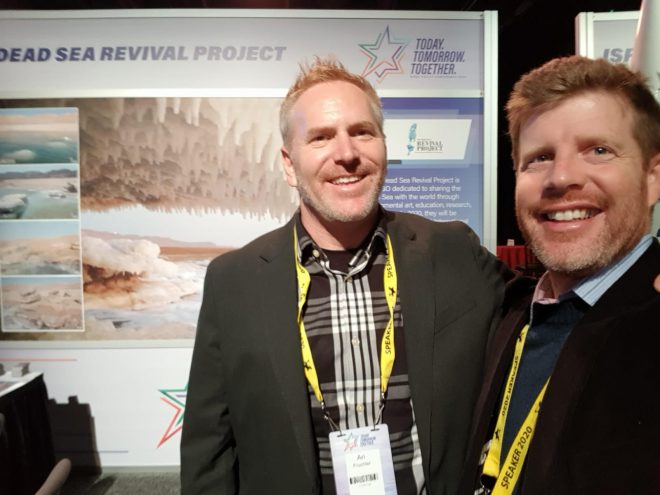
The awareness that the Dead Sea needed documentation came from Noam Bedein and Ari Leon Fruchter. Noam is a photojournalist who founded a media center in a war zone of Israel at the border with the Gaza Strip, and has been capturing the Dead Sea through time-lapse photography for the past 4 years. Ari Leon Fruchter is a hi-tech executive and art collector whose family is one of the founders of the Israel Museum.
Noam Bedein (right) and Ari Leon Fruchter
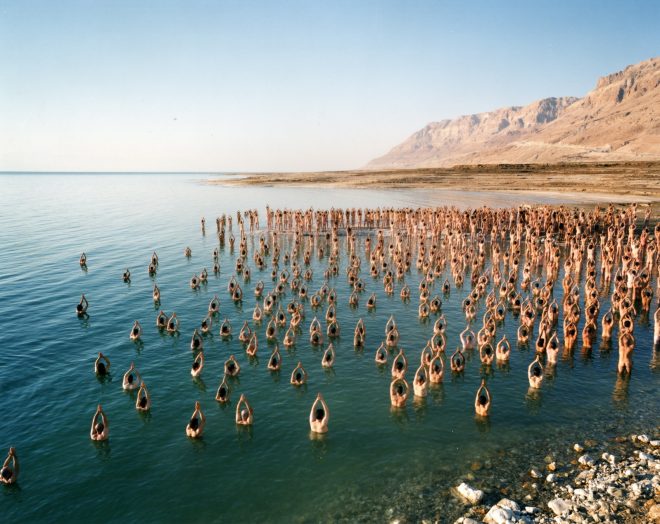
“It saddens me to see the Dead Sea disappearing,” says Fruchter. “So the idea is to preserve what we have today for future generations to appreciate. My journey with the Dead Sea began nine years ago when I brought the artist Spencer Tunick to Israel. The resulting art installation included 1,200 participants floating nude at the Dead Sea,” he says.
Spencer Tunick’s Dead Sea project. It brought out hundreds of naked Israelis to volunteer their bodies for art and conservation.
“My latest dream is to build a physical Museum at the Dead Sea, but with the Coronavirus pandemic, I have turned these efforts towards developing a virtual museum of art. The International Dead Sea Photo Competition is a great way to allow the public to be a part of this initiative.”
The two are calling their project the Dead Sea Revival Project and the Dead Sea Virtual Museum. They are partnering with an online app Gurushots who will showcase entries and results, as part of a contest. Sign up and submit your photos here.
He takes visitors by dingy on rare visits into the Dead Sea
“This April would have marked 4 years since I began documenting the Dead Sea with time-lapse photography,” says Bedein. “I have led and promoted hundreds of eco-boat tours on the Dead Sea, showing the dramatic changes as well as the magic and beauty of our World Wonder. This is our unique chance to show our appreciation to our surrounding nature and environment that has often been forgotten.”
Judges for the photo contest include photographer superstar Spencer Tunick. Winners will be announced on September 16 at an event at the Dead Sea.
About the Dead Sea Projects
The Dead Sea Revival Project is the only non-profit, non-partisan organization focused solely on historically documenting the Dead Sea. It has been recognized by NASA, who catalogs the Dead Sea decline from space satellites and featured in magazines such as National Geographic and on international TV and news programs for its environmental work.
The Dead Sea Virtual Museum will commission digital artworks to showcase original digital artworks to bring attention to an ongoing, yet reversible, ecological disaster.
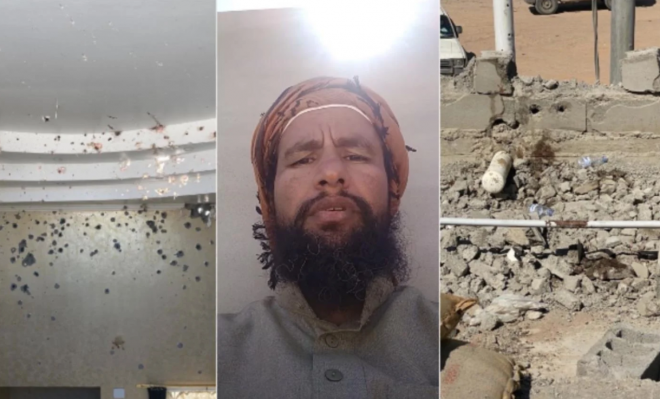
Abdul-Rahim al-Howeiti, tribal activists allegedly shot dead by Saudi police for refusing to leave his home
Saudi Arabia’s Crown Prince Mohammed bin Salman will stop at nothing to get what he wants. Falcons on a plane. Check. Journalists silenced. Check. A new mega city on virgin turf near the sea with sparring robots and flying taxis? Check. He just tried to expel members of a local tribe there, and one activist got killed opening up a new pile of problems for the prince who plans on making Saudi Arabia a western tourist destination.
According to the Middle East Eye, members of the Howeitat tribe are being expelled from their homes to build the megacity, with the conflict turning deadly in a shooting in northwestern al-Khuraybah. Abdul-Rahim al-Howeiti, pictured above was reportedly killed for refusing to give up his home for the Saudi megacity project.
Location for proposed Neom City, on the Red Sea.
The shooting of a Saudi tribal activist happened while he was protesting his eviction as part of the construction of Neom. Saudi authorities acknowledged they had killed al-Howeiti in northwestern Al-Khuraybah. The statement also said thatHoweiti had refused to surrender to security forces and that he had opened fire, losing his life in a subsequent gunfight.
However, footage purported to be from the incident and events leading up to it has circulated online in recent days – including testimony from Howeiti himself decrying the Neom project, “I would not be surprised if they come and kill me in my home now like they do in Egypt, throw weapons in your home and call you a terrorist,” he told the Middle East Eye. Here on Twitter is footage from just before he was shot.
In one of his most recent videos, posted on Saturday, Howeiti on YouTube said that Crown Prince Mohammed bin Salman has already started the project, and people were being removed from the area.
My grandparents, Dutch immigrants to Canada, were forcibly removed from their estate in Canada, a piece of property now worth hundreds of millions. What governments want, governments do. In places like Saudi Arabia, there is likely no adequate compensation structure in place and well who are you going to negotiate with?
Neom, is what the Saudi Crown Prince wants and needs for the world to think that Saudi Arabia really really is a modern place. Expected to cost billions, and completed by 2025, it will be 33 times the size of New York and well, way cooler because it will have walking dinosaurs, flying taxis, and good grief sparring robots. Yawn. You can read our story about Neom here.
What the world needs is more practical thinking like Oman, that is attempting to make walkable towns and cities with agriculture and nature in mind.
Used in medieval art and illustrations, and in Dutch cheese. Botanists in Portugal have some fun by recreating ancient blue from foraged plants in a nearby village.
The mystery is such a mystery that even when botanists say they might have found clues, the secret, I suspect it will still be a mystery: the source of techelet, ancient blue used by Jews. The color blue was hard to come by in ancient times, and it was expensive, like the queen of all blues lapis lazuli, but like today it was revered especially in spiritual sources. The Jews used an ancient blue called techelet to dye their prayer garments, the four cornered clothing they wear to keep their minds and hearts on doing good deeds. The Bible explores how these strings on the prayer shawl should look, and that they should be dyed blue, it says.
But where does this blue come from? It’s important for religious Jews to be vigilant with biblical commandments, so to find the original source of blue is important to them. The Talmud names the source as a sea creature called the hillazon which many believe to bea sea snail known as the Murex trunculus.But, while there is broad consensus for this identification, its acceptance in practice is not universal.
Europeans, also loved blue and artisans used it widely as a color in medieval times. One that came in favor was a blue called turnsole or folium, and as part of a research project researchers from Spain took ancient instructions on how to do it. They found the plant in a nearby village, collected the berries and went step by step to recreate it.
The researchers from Portugal reported their findings which included analysing the structure of the dye using modern equipment. It’s probably more complicated to make than sourdough bread. But I wonder, is the ancient blue used back then in watercolor dye any clue to the ancient blue used by Jews?
Published in Science Advances, the group has identified the molecular structure of the dye by following ancient preparatory techniques.
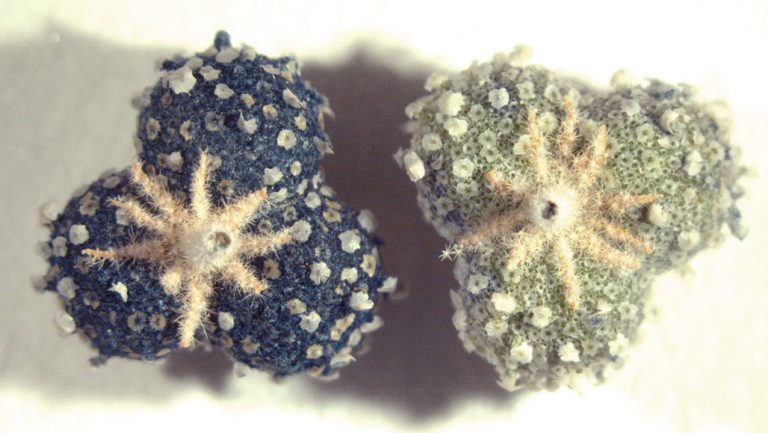
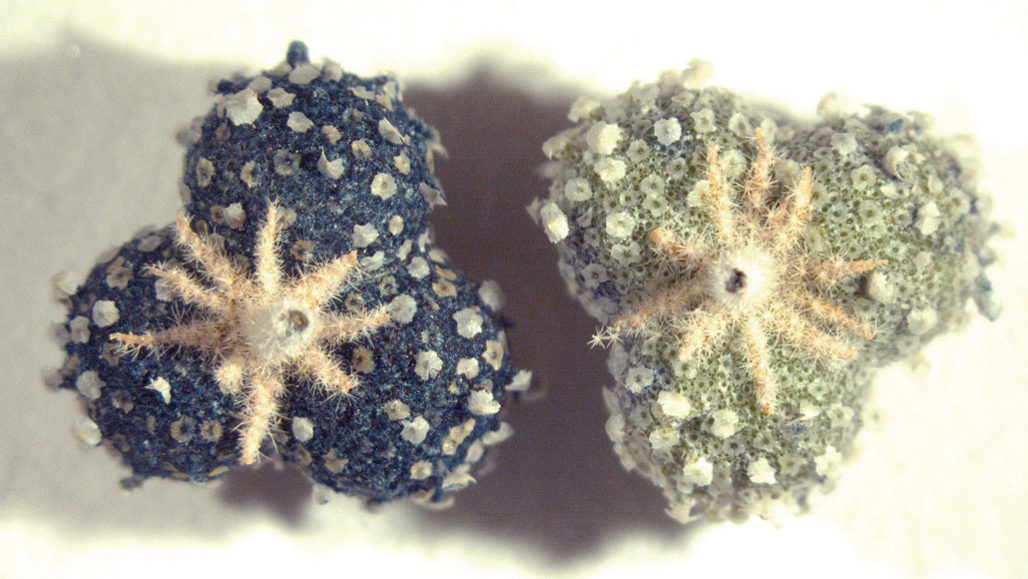
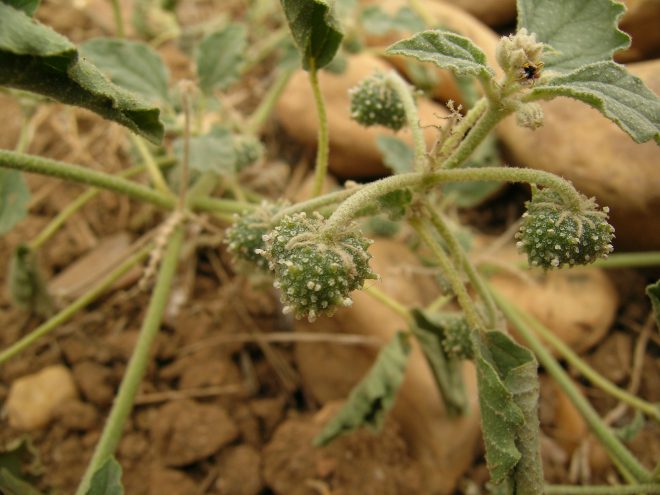
About 1000 years ago during Medieval times in Europe, a special blue was used called folium or turnsole to color paintings and illustrations. For a few hundred years, dye makers went into great detail to explain how this blue was made. The old books say the blue was made from the berries of the Chrozophora tinctorial plant—which is a small, grayish-green wild herb that grows in Europe.
Botanists on the team from Nova University scoured the countryside nearby and found the plant growing along the road in a town called Monsaraz in Portugal. The team then followed all the instructions from the ancient dye makers on how best to collect the berries and when.
They learned how to extract the pigment from the berries and then how to treat and purify it. They then soaked a small piece of cloth with the dye of the berries and when they needed to use the dye would take a small snip of the cloth, and added water to release the blue.
Watercolors of folium preserved on fabric squares. Credit: Paula Nabais/NOVA University
They then applied modern testing techniques to identify what it was made from and found it came from a hermidin alkaloid which they named chrozophoridin. If they know more about this dye, the researchers say they can be better equipped to preserve medieval work that uses folium.
A perfect forgery?
And what about this dye being connected to the biblical blue?I contacted Mois Navon from the Ptil Tekhelet, an organization that manufactures blue dye from the Murex trunculus to make the biblical fringes, and he explained that the Talmud actually discusses a perfect forgery dye made from a plant called “kela ilan”.This plant is known by its latin name Indgoferra tinctorial.
The Talmud goes on, Navon explains, to forbid any blue dye not sourced in the hillazon.So while plants have been a wonderful source of blue in ancient times, they have never been accepted for ritual use.