Home Blog Page 150

Top 10 Key Risks of 2021

0
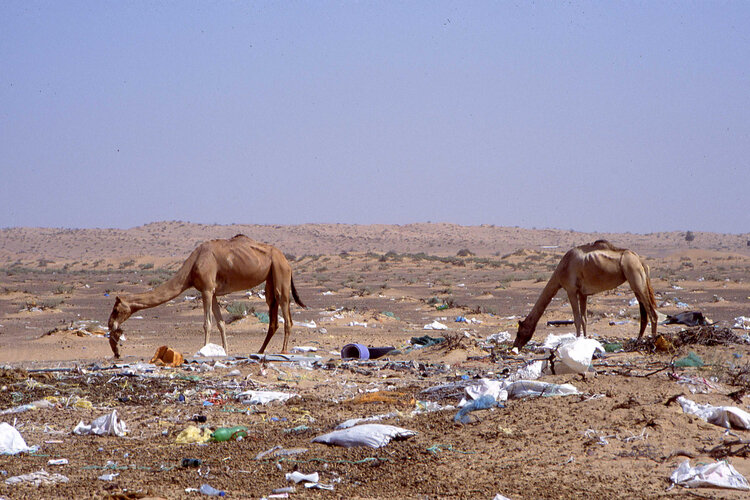
stomach contents camels dying from plastics dubai
Animals eating plastic is a key worry for 2021

2021, like any other year in the world, has its own risks and challenges that have to be addressed. Identifying and tackling the key risks of 2021 will be a challenge, because there are quite a few. Because of the coronavirus pandemic, and other factors outside of our control, we have quite a few unique challenges to deal with right now.

Let’s take a quick look at what these challenges are, and how they will represent massive risks to stability and society all across the world.

#1 – COVID-19

The coronavirus pandemic is the biggest threat to 2021. It has been going on since 2019, and has been a massively detrimental disease in so many different ways. Countless lives have been lost, people have suffered, and there has been a massive impact on the global economy, trade, development, and life in general.

#2 – Unemployment 

Unemployment has been a considerable challenge thanks to the coronavirus pandemic, because it has meant that there are many people who cannot contribute meaningfully to the economy, and also are relying on government support just to stay alive. Unemployment has been a crisis for a long time now, but the pandemic has pushed it to a breaking point.

#3 – Disease Prevention

Obviously, disease prevention has been a big part of 2021. The entire world has pretty much been working in tandem to create vaccinations to protect against COVID-19, to segment off parts of the world that are dangerous to visit due to outbreaks, and there has been a genuine sense of cooperation in regards to disease prevention.

#4 – Environmental Concerns

The amount of single use plastic has shot up recently, which is contributing to environmental damages. Owing to the fact that there are a bigger number of supplies being wheeled out in support of people everywhere, the amount of plastic that is being thrown away and not safely disposed or recycled is growing. 

#5 – Political Instability 

Politics has always been at the forefront of the world, and it has dictated a lot of the way we have cooperated and fought amongst ourselves. America, one of the world’s biggest superpowers, is constantly in a state of turmoil at the moment following the election of Joe Biden. His defeat of Donald Trump has sparked mass controversy, and ultimately thrown into doubt America’s alliances with some of the world’s major superpowers, as many world leaders and ordinary citizens are not satisfied with Biden in charge. 

#6 – Racial Tensions

Racial tension all across the world continues to spill in from 2020, with many people simply now campaigning night and day to bring about a new period of racial equality. The USA has been at the forefront of this for some time, when innocent black people were murdered by police officers, triggering a worldwide protest at the inequality that seems to be so systemic in society. 

#7 – Environmental Concerns

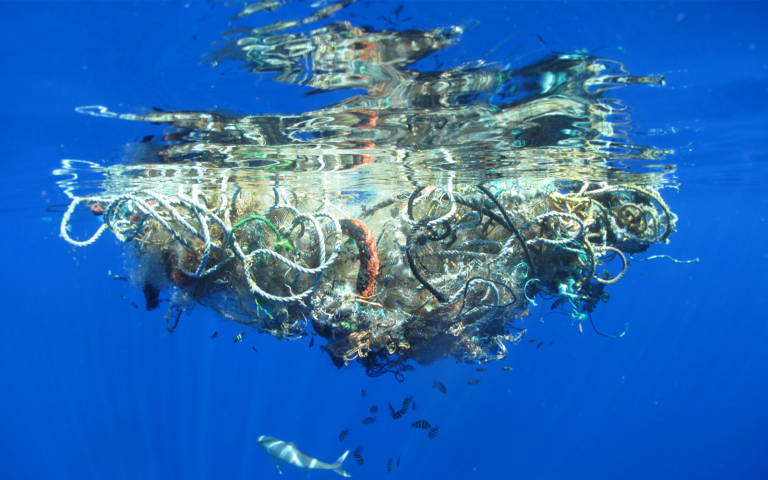
The environment has been taking a beating through the coronavirus, as while the air quality in many parts of the world has cleared up, the amount of waste being produced and not safely disposed of has gone up to match. We are starting to see large quantities of rubbish being deposited in places where it shouldn’t be, leading to overflow, the destruction of natural environments, and in some cases, seeing the waste spill out into populated areas and our oceans.

#8 – Mental Health 

The topic of mental health is one that has been heavily contested over the last 10 years also, but 2021 is definitely the year for radical change. One of the big risks at the moment is a lack of services and support for mental health, which has been seriously exacerbated and required due to the damaging mental consequences of the pandemic.

#9 – Disillusionment of Youth

Many young people, who are vital for securing a positive future, are failing to see the point in connecting with society in a meaningful way. There are less people who are willing to commit to high-level corporate positions, renovate industries, and rejuvenate many parts of the world. Instead, young people are more concerned with tackling social and political issues, and this has led to a distinct disillusionment in the corporate system at large.

#10 – Returning to Normality 

Perhaps the biggest risk of 2021 is the idea that we will not return to normality when the coronavirus pandemic stops. It is going to be interesting to see if humanity can ever return to when it was before, or whether the world has been, as many people have speculated, irrevocably changed. Some people believe that we will never return to the world we knew before, and that everything will be different, whereas others don’t see a way out of the pandemic. Only time will tell, but returning to normality will perhaps be the biggest challenge of our time.

International cannabis conference comes to Israel

Raphael Mechoulam, TCH, medical cannabis, CBD
Raphael Mechoulam, discoverer of THC, CBD in medicinal cannabis

For the first time ever, the International Cannabinoid Research Society 31st Annual Symposium will be held in Israel.  This conference is the world’s leading global forum for cannabinoid research and will run from June 21 through June 24 at Jerusalem’s International Congress Center (ICC). It’s surprising that the event was never held in Israel before considering that Prof. Raphael Mechoulam was the first to discover and chemically describe the cannabis molecules THC and CBD while he was working at the Weizmann Institute labs in Rehovot. 

Along with plenaries and presentations on a broad range of cannabinoid-related topics, including autoimmune disease, epilepsy, pain management, PTSD, obesity and cancer, the event will host a 90th birthday celebration for Prof. Mechoulam on Thursday, June 24, now at Hebrew University.

It was Prof. Mechoulam’s research paper on cannabis and epilepsy that spurred a desperate mother of Charlotte Figi to ask her physician if cannabis could be used to treat Dravet’s syndrome, a rare form of epilepsy. The treatment helped Charlotte for a number of years until she succumbed to Covid in 2020. This was a cornerstone for cannabis as a conventional therapy for treating disease in the United States and it was based on Israeli research.

Green Prophet’s founder Karin Kloosterman also founded a conference in Israel called Canna Tech which has gone on to create international opportunities in funding and research towards cannabis as medicine –– even among ex-Israeli politicians.

Interview Topics at Cannabis conference:

–        How Israel successfully won the bid to host the ICRS in Israel;

–        The latest in medical marijuana research;

–        The history of cannabis research;

–        Israel as a world leader in cannabis research;

–        Treating autoimmune disease, epilepsy, pain, PTSD, obesity and cancer, among other ailments with medical marijuana.

–        Mechoulam’s contributions to the field of medical cannabis.


12 Ways To Cope With Incontinence 

0

diagram of incontinence in womenIf you’ve ever taken your dog out for a walk that turns into a rather jarring run and felt the unpleasant and unwanted trickle of urine leak out into your underwear, this may not simply be a one-time thing. If you’ve experienced the same level of discomfort when laughing a little too hard with your friends or bouncing along to a workout video, incontinence may be the culprit.

It’s wise to understand the various types, causes, and symptoms of incontinence in order to better manage it. While the severity of the condition may vary depending upon the person, it’s essential to ensure that no other underlying conditions are to blame. After all, dealing with incontinence can be an embarrassing and inconvenient in and of itself. Finding ways to minimize any additional health risks is key, as well as ensuring that your current situation is well managed and understood.

What is incontinence?

In your quest toward coping with incontinence, it’s important to understand what the term actually means. Generally speaking, it refers to the involuntary loss or urine or feces, due to weakened bowel and/or bladder muscles. Though it’s typically associated with aging individuals, those who have experienced any sort of physical or mental trauma can fall victim to this condition. 

Causes of incontinence

As mentioned above, the causes of incontinence can range depending upon the individual and their circumstances. If the inability to control your bodily functions is temporary, it may be caused by a urinary tract infection, constipation, stimulating substances, medications, and/or vaginal irritation. If symptoms persist, the reason for such may fall under one of the following categories:

  • Aging
  • Physical trauma such as pregnancy and childbirth
  • Neurological disorders caused by a disease, disability, or other nerve-damaging injuries:
    • Diabetes
    • Parkinson’s disease
    • Multiple sclerosis
    • Spinal cord injury 
  • Cognitive impairment caused by a mental disability 
  • Enlarged prostate blockage
  • Physical impairment such as arthritis
  • Pelvic organ prolapses
  • Surgical damage
  • Cancer
  • Kidney or bladder stones
  • Interstitial cystitis (inflammation within the bladder)
  • Increased pressure on stomach due to being overweight (or obesity) 

If you’ve endured any of the above events, paired with frequent misbehavior from your southern areas, it might be time to consult with a doctor to determine whether you’ve developed an incontinence problem.

Types of incontinence 

While the involuntary loss of urine and feces may seem straightforward, there are several different types of incontinence that affect individuals in varying ways. It’s vital to understand the differences in order to gain a thorough understanding of your own condition.

The most common types of incontinence could come in the form of the following:

  • Stress incontinence: Urine leaks out when bladder is under pressure. This pressure may be exerted through coughing, sneezing, laughing or exercising.
  • Urge (overactive bladder) incontinence: You feel the sudden urge and desire to relieve yourself immediately. This can lead to frequent bathroom visits during the day and night.
  • Mixed incontinence: A combination of stress and urge.
  • Overflow incontinence: Frequent dribbling of urine due to an incomplete emptying of the bladder. This is usually caused by a blockage in the urinary tract.
  • Functional incontinence: A physical and mental impairment prevents you from finding and or using the toilet when you require it.
  • Reflex incontinence: The sudden contracting of bladder muscles causes urine (typically large amounts) to leak out. This is usually due to neurological impairment caused by nerve damaging injuries or illness. 

For further information regarding the different types, refer to comfort-first intimates brands such as Knix to expand your existing knowledge.

Potential complications

Living with incontinence can present multiple challenges, if not effectively addressed. Skin problems such as rashes, sores, and infections, for example, can develop due to your constantly wet skin rubbing against the material of your pants. Risk of suffering from urinary tract infections is also believed to increase if you suffer from incontinence.

Apart from the physical dilemmas of dealing with an uncooperative bladder, your personal life may also take a hit. Whether within a social or professional situation, your need to frequently relieve yourself may lead to embarrassment and/or misunderstandings. 

Therefore, it’s essential to implement any methods and tools of management, so the quality of your life doesn’t diminish.

Ways of coping with incontinence 

Depending on your physical and mental capabilities, there are several coping mechanisms available—some designed specifically for incontinence, while others are small everyday changes that could improve not only the latter but also your health in general. These small changes may seem uncomfortable at first, but you’ll barely notice them later on:

  • Pads, adult diapers, and specially made underwear 

You may hear the term adult diaper and think that you’re way too proud to ever try out a pair. They can, however, help lessen the discomfort that typically comes with incontinence. Similar to female menstruation pads, incontinence pads, diapers, and underwear come in various shapes and sizes, depending on your requirements, and are made with moisture absorbance in mind.

  • Maintaining a healthy weight 

As touched upon previously, excess weight can place additional pressure on the pelvic muscles and in turn lead to incontinence. Therefore, it’s wise to maintain a healthy body mass index (BMI) but also judge the latter based upon your individual body type and existing health conditions.

  • Pelvic floor exercises

It shouldn’t come as a surprise that exercise can help boost your overall mental and physical health. When said exercise is directed (carefully) toward an area that’s struggling to remain as fit and healthy as it used to—such as your pelvic floor muscles—it may in turn strengthen the area and reduce symptoms of incontinence.

Kegel exercises, in particular, are recommended for decreasing unwanted bouts of urination. By tightening and releasing the relevant muscles for the instructed periods of time, you may notice a positive change within the capabilities of your bladder and bowel.

  • Practice yoga 

yoga can help relieve pain

If you’re into yoga, you may already be doing your part to reduce the severity and presence of incontinence. Similar to pelvic floor exercises, yoga can help strengthen your pelvic floor muscles while improving overall flexibility, correct posture, and breathing control—all of which can potentially aid in incontinence management.

  • Bladder training 

Retraining the bladder to hold on to larger portions of urine may benefit you in the long run. Those who suffer from frequent urination can involuntarily train the bladder to hold small amounts. Therefore, investing in some form of behavioral therapy may prove beneficial.

  • High-fiber diet

High-fiber foods are known for absorbing extra fluid within the body, as well as thickening up the stool. Including such ingredients within your daily cooking may, therefore, help you manage symptoms of bowel incontinence.

  • Limit stimulating substances 

Individuals who don’t suffer from any form of incontinence will most likely feel the occasional bowel/bladder discomfort after drinking excess (or average) amounts of stimulating foods and drinks such as alcohol and coffee. 

Spicy and acidic food such as curries and citrus fruits, may also upset your stomach and lead to bladder leakage. If you suspect incontinence to be the culprit of your issues, limiting these kinds of food and drink may prove beneficial.

  • Minimize or quit smoking

Smoking can cause mild to severe coughing episodes. Coughing, as stated previously, could place additional strain on your pelvic muscles and in turn create a very damp and unpleasant situation.

Reducing or completely quitting smoking may lessen symptoms. 

  • Appropriate clothing

Wearing nothing but tight and restrictive clothing may only worsen your condition—again due to unwarranted pressure. For those who struggle with physical and mental impairments, clothing that is difficult to remove at a moment’s notice may cause undue distress and discomfort.

Ensuring your clothing is optimized for the worst-case scenarios is wise, if you still struggle to manage those moments of urgency. Loose, stretchy fabrics are recommended, as well as easily loosened clasps (Velcro fasteners) in comparison to sticky zippers.

  • Avoid excessive lifting 

Lifting heavy or awkward items can also put strain on your pelvic floor muscles. Whether you’re a weightlifter or a mother needing to carry young children, it’s wise to do so in a safely and with the right technique. In order to lower your risk of incontinence, tightening your bladder muscles before lifting may help. Unless part of your workout routine, avoiding any unnecessary lifts is also recommended.

  • Treat constipation promptly 

The straining associated with constipation can worsen symptoms of incontinence. Therefore, it’s recommended to seek professional help in order to know how to manage your constipation and in turn reduce the likelihood of your incontinence worsening. 

  • Drink plenty of water 

While it may seem counterintuitive to drink a lot of water if you already struggle with constant trips to the bathroom, it’s actually suggested to help the situation. Maintaining a healthy consumption of water is vital in order allow for an efficient bladder capacity. Failing to drink enough water can also lead to constipation.

Final thoughts 

If you suffer from incontinence and struggle to find effective means of management and relief, trying out a few of the options in this post may improve your situation. Monitoring your daily diet and exercise routine is wise, as well as practicing methods of bladder control and strengthening. Wearing comfortable clothing and specially made pads and/or underwear may also be necessary and ease the torment of incontinence.

The Emergence of Functional Design in Restaurant Furniture

0
Nopa Restaurant, Autoban, interior design, green wall, vertical garden, wraparound green wall, Istanbul, Turkey
Restaurant furniture with a green wall of plants makes for a much more sustainable dining experience. Better breathing too.

Furniture can be seen as both a functional as well as aesthetic element of any restaurant’s interior design. The functional aspects of this type of thing have to do with offering customers comfortable seating arrangements that can allow them to dine with ease. On the aesthetic side of things, the kind of design that your furniture has been assembled with as well as various other visual cues can have a huge impact on how people feel when they first end up entering your eatery.

A key aspect of modern restaurant trends has involved an amalgamation of sorts of functional as well as aesthetic sensibilities. Basically, functional elements are starting to be incorporated into the design of chairs for restaurants among other pieces of furniture. Tables are being optimized in a similar manner as well, and it’s all about trying to provide the customer with an experience that would facilitate virtually all of their needs being met. We have a number of suggestions that can successfully integrate function with style, and there is clear potential for these suggestions to inculcate a paradigm shift in the industry that could change the way we dine forever.

A great way to start thinking functional design is to start considering the needs of the customer. While smoking can sometimes be banned in indoor spaces, a number of restaurants manage to get special dispensation in this regard. What’s more is that there usually aren’t any restrictions placed on smoking in outdoor settings which means that a lot of the customers that you might be getting are going to look for a dining experience that they can accentuate with a cigarette once the meal is over.

This offers a very unique opportunity for the savvy restaurateur to make it easier for these customers to get their smoking fix. One great example here would involve ashtrays and the like. You probably give your customer an ashtray that they can use to dispose of their cigarette butts, but what if this was incorporated into the furniture itself? You can quite easily carve an ashtray of sorts into the surface of the table, or potentially into the armrest of the chair as well. This provides customers with easy access to an ashtray whenever they need it rather than having to signal to a server and subsequently waiting until said server has the time to bring them what they need.

If you really want to make this ashtray functionally sound, you can add a layer of metal into it. Wood tends to burn if you press something hot against it. This can result in an unpleasant odor as well as unsightly blemishes appearing on the furniture. Hence, it makes sense to add metal to the built in ashtrays, or perhaps some kind of lacquer if you feel like metal might spoil the overall look of the wood. The point here is to make it easier for the customer to enjoy their meal the way that they prefer, so whatever you can do to facilitate such a thing is great.

The concept of functional design doesn’t end here. It can go far beyond just facilitating the needs of the customer and can become something that makes the life of a restaurant owner much easier as well. A number of space saving mechanisms can be added to furniture that would make them significantly more functionally sound. Once again, all you need to do to start conceiving ideas in this vein is to look at problems you might face with regards to your furniture.

Crafting chairs that fit in with the dimensions of your tables can be great for example. This would result in a situation wherein the chairs would not be sticking out at awkward angles when they are not being used. Rather, they would fit into the table perfect, and can be extracted whenever the need arises. This is a great representation of how functional design can improve aesthetics as well, since you can clearly imagine how table optimized chairs would look really good since they would create clean lines whenever they are stowed away. This would provide both space saving as well as aesthetic advantages.

If you want to take functional design in a slightly different direction, you could consider adding wheels to your chairs or tables. This can be a bit tricky to pull off, but if done right it can make restaurant organizational logistics an absolute breeze. You need to be able to shift the layout of your furniture at the drop of a hat in situations where you suddenly get a large batch of customers and you need to move things around in order to make space for them.

One thing that you might want to do if you want to add wheels to your furniture is put a locking mechanism in place as well. It can be very frustrating for a customer if their chairs or tables keep shifting while they are trying to enjoy a meal. A locking mechanism can be used to prevent the wheels form moving, thereby keeping the furniture stable and in one place.

As you can clearly see, the sky is the limit when you start thinking about furniture design from a functional perspective. Postmodern furniture design doesn’t have to treat functionalism and aesthetics as two separate entities. Rather, it proves that thinking of the two holistically can often result in some pretty strong results, and a number of restaurants are already starting to see the advantages of this type of thing. You can factor the needs of your niche into any functional design elements that you try to implement.

Egypt is protecting its people and its economy from the devastating impacts of sea-level rise

0

nile deltaChildren run after each other with kites flying along Egypt’s Nile Delta. Families and friends enjoy the scenery as they enjoy an afternoon picnic. Just a few miles away, farmers work in their fields of green. These diverse crops will feed millions of Egyptians. Throughout the region, cities buzz with people coming and going from factories and offices, playing football with their families, and building the economic engine that will support the nations’ goals for low-carbon climate-resilient development. 

It’s a beautiful picture. A picture of progress, a picture of hope, a picture of peace. Now imagine if this got impacted negatively. The Nile Delta hosts 18 million citizens – almost a quarter of Egypt’s population — as well as countless businesses, economic sectors, farms and more.

This terrifying scenario will come true if climate change isn’t taken seriously. 

Millions at risk

The effects are already being felt. Consider the example of Aziz, who lives with his family in a humble home in the coastal city of Kafr ElSheikh governorate, 130 km north of Cairo.

“Fishermen and farmers were afraid of going to work,” says Aziz, “because of the water’s rising levels that cover the shore during the storms.”

Aziz’s observations have been backed up by scientific reports. According to a 2007 report by the Intergovernmental Panel on Climate Change (IPCC), the Nile Delta is one of the world’s most vulnerable areas when it comes to sea-level rise, extreme weather conditions, and other factors worsened by climate change.

This region accounts for more than half of Egypt’s economic activity through agriculture, industry and fisheries. The Nile Delta alone contributes about 20 percent of Egypt’s GDP.

Egypt studied the results and worked with international partners on solutions to protect vulnerable areas and their people. 

To address these issues, the Egyptian Ministry of Water Resources and Irrigation partnered with the United Nations Development Programme (UNDP) and the Green Climate Fund (GCF) – the world’s largest dedicated climate fund – to launch a new climate project.

With the project’s help, 17 million people will be protected from coastal flooding with the installation of 69 kilometers of low-cost dikes system across the Nile Delta shores. They have been designed to look like natural coastal features and/or sand dunes.

The dikes will be stabilized with a combination of reed fences and local vegetation species to encourage dune growth by trapping and stabilizing blown sand. These coastal protection measures will reuse existing dredged materials that would have otherwise been deposited in the marine environment.

Extraordinary measures

Protecting the local communities, preventing economic losses, and saving human settlements and infrastructures require extraordinary measures. 

“We realized that the rising water reaches us because there were no measures to protect our lives and properties,” said Aziz. 

The number of extreme weather events inducing casualties and economic losses has increased significantly in Egypt over the last 10 years. Aziz has witnessed strong storms never seen before.

So far, 10 percent of the dikes have been installed. They were put to the test in December 2020, when the country witnessed one of the severe storms, including heavy rain and strong winds. People could personally see how extreme weather could be deadly if the country isn’t prepared. The dikes passed the test and blocked the unexpected sea surge at Nile Delta shores.

Integrated approaches

The physical solution is not the only way to address the negative impacts of climate change. An Integrated Coastal Zone Management (ICZM) plan will be implemented to make the area’s economic, social, and agricultural activities climate resilient. The plan will include establishing a system to monitor changes in sea levels and the impact of climate change on coastal erosion and shore stability.

Coastal development community activities are being delivered in different locations throughout the project intervention area. For example, an agriculture drainage system – located north of Bar-Bahry – will improve the productivity of approximately 1,000 acres north of the coastal highway and raise income for at least 500 families. 

An urban drainage system in Al-aqoula village will protect the main roads from excessive rains. This will positively improve the quality of life for the entire village of 1,500 inhabitants, and facilitate their access to services such as schools, religious venues, markets and transportation. 

Landscape and leisure zones will be rehabilitated and fortified within the coastal protection works north of the new Damietta city. This will establish a new concept for Egypt to maximize the benefits of coastal works to be not only to defend against floods and erosion, but also to use the prime location of the protection works along coastal areas to support leisure activities. This support has the potential for high social impacts for local communities and will improve the general landscape along the coastal area. 

The project is also creating capacity building programs for governmental staff, including training programs and workshops for governmental staff and coastal governrates: North Sinai, Port Said, Damietta, Kafr el Sheikh, Dakahlia, Behira, Alexandria and Matrouh. This will provide local leaders with the tools and training they need on integrated coastal zone management, computer and technology tools, and team-building skills, while at the same time preparing them to establish the coastal committees that ultimately will be responsible for implementing the ICZM plan in the coastal governorates. 

As for Aziz, he says the work is already having an impact.

“Farmers are back to the field after the project was implemented. We saw the change when we woke up to find that water was blocked from reaching us, our fields, and our homes,” says Aziz. “With this [project] in place, we hope our children will have a safe future.”

Peacemakers save the Red Sea with science

red sea, diving, first female dive master, Egypt, Sinai Peninsula, muslim diver, Suezett al-Fallal

The Red Sea is in danger of environmental degradation. Saudi Arabia is building its so called eco city Neom on the Red Sea, tourism in Sinai is ruining reefs and an oil and gas pipeline using cargo ships is planned from Saudi Arabia up through Israel. Catastrophes can strike at any moment. Even now an oil tanker off the coast of Yemen seized by rebels can blow up spilling more oil than the Exxon Valdez into the Red Sea.

Neom desert location
Location for proposed Neom City, on the Red Sea.

Who is going to help? The Red Sea Reef Foundation (RSRF) has awarded research grants to five scientists from Israel and Jordan who are studying corals in one of the world’s largest marine refuges from climate change. Each selected project involves an innovative approach, such as using deep neural networks to derive data on coral reef fish populations, characterizing corals’ changing microbiome, and developing coral bioindicators of heavy metal pollution in seawater and of coral resilience to stress from rising ocean temperatures.

FSO oil tanker from above
The FSO Safer is a sinking oil tanker off the coast of Yemen. Rebels won’t let international bodies in to diffuse its contents.

Four of the selected projects could be applied to monitor the health of reefs in new ways, while a fifth aims to refine techniques for farming corals both in the Red Sea and beyond. This type of work is key to conservation of coral reef ecosystems. With 90% of the world’s coral reefs expected to be severely degraded by mid-century due to warming ocean temperatures, the study and conservation of the thermally resilient reefs in the northern Red Sea are a global imperative. These reefs may be among the last to survive our century, as they can thrive even if their environment warms by several degrees centigrade.

French Polynesia coral reefs Khalid bin sultan

Karine Kleinhaus, President and Founder of the Red Sea Reef Foundation commented “Each awardee is a graduate or post-graduate student doing innovative science. Graduate students with new ideas need support to move their research, and the field, forward. It is exciting to support local scientific capacity in the Red Sea region, as this is critical to advancing successful conservation of the Red Sea’s 4000km of unique reefs.”

The awardees are: Husam Al-Qudah, Yarmouk University, Jordan; Victor China, Ben Gurion University, Israel; Hala Ghazi, Al-Hussein Bin Talal University, Jordan; Naama-Rose Kochman, Bar-Ilan University, Israel; Natalie Levy, Bar-Ilan University, Israel.

Help The Hungry Through Crypto Donations

0
Server farm with wires and cables
Crypto servers release carbon gas which causes climate change. Choose solutions that use renewable energy.

Cryptocurrency seems like it’s a currency that has no inherent value except for evading the taxman but some companies have decided they can find ways to use the decentralized nature of crypto for good. Some charities give back in tokens, and some donate data or access to it. The startup founded by Green Prophet’s Karin Kloosterman was put in place to decentralize data from the agro business, taking it out of the hands of companies like Syngenta and back into the hands of people, such as farmers who collect the data. 

But there are other projects joining the league:

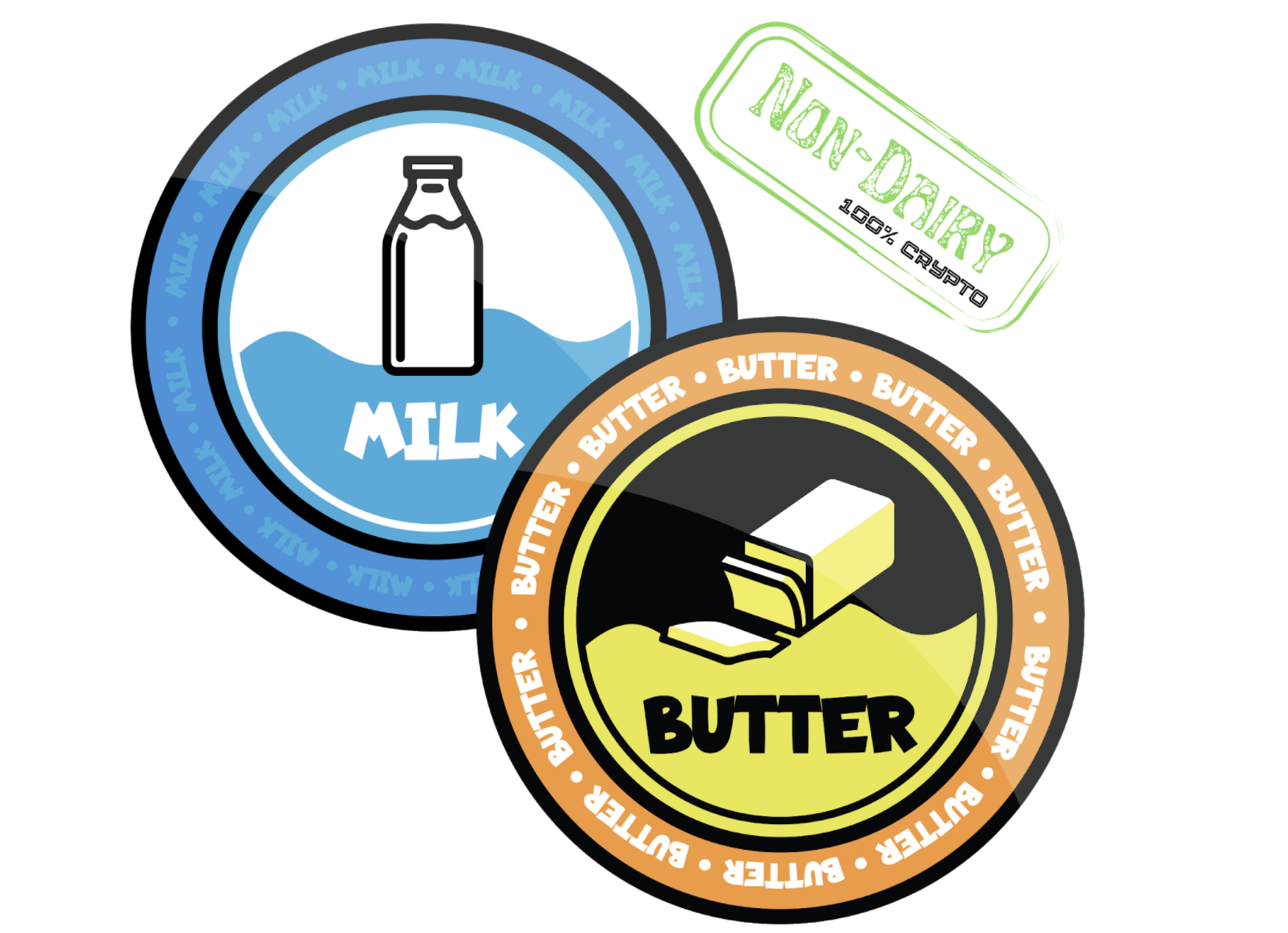
The partnership between Food for Life Global and the Milk and Butter Tokens has proven to be one of the biggest charitable crypto projects, where 5% of every Butter token transaction directly goes into a charity wallet to then be distributed to charities voted on by holders. By investing in the Milk and Butter tokens, crypto enthusiasts can help people in need globally and be a significant factor in reducing world hunger. 

Food for Life Global has endeavored to distribute pure plant-based meals around the world since its beginnings, in the hopes of bringing peace and prosperity to the planet. In 1974, the inspiration behind the non-profit, Swami Prabhupada, told his yoga students that “no one within a ten-mile radius of a temple should go hungry!” In 2021, Food for Life Global has over 250 projects in 60 countries providing millions of meals daily.

Meanwhile, Milk and Butter have been steadily ascending since their launch in March and April 2021. During the first week of their launch, $16000 was donated to Food for Life Global, and so far, over $100,000, enabling the non-profit to provide 442,000 freshly cooked meals to people in need.

Milk and Butter are not only a fun way for token holders to give back to the world, but they are both deflationary, which essentially refers to the maximum supply of that specific cryptocurrency and tokens. 

Their tokenomics are innovative, and as a matter of fact, their tokens represent the first example of this charitable approach to financial systems. Milk Token holders can “churn” their Milk Tokens to gain free Butter Tokens. The more Milk tokens you stake the more Butter tokens are gained, for instance, a token investor can stake 50% of their Milk Tokens to Butter with zero fees, and 5% of all Butter transactions will go to a charity wallet!

Make the change 

cryptocurrency for hunger

To date, the Milk and Butter Tokens have donated over $445,000 to non-profit organizations. Their partnership with Food for Life Global is believed to be the biggest help towards ending world hunger, with over 442,000 children in need being fed through the Butter transaction donations. In fact, the Butter and Milk Tokens have fed nearly 1 million people in total with their donations, and thanks to the OM guarantee certification, Food For Life Global has added an additional EOS blockchain recording system in place to track exactly how many people have been fed with their donations.

For those looking to buy crypto and support charitable initiatives, acquiring tokens like Milk and Butter is an easy way to combine investment with philanthropy. Platforms like Moonpay allow users to seamlessly purchase cryptocurrency, which can then be used to participate in blockchain-based charity programs. As the adoption of digital assets grows, these projects demonstrate how crypto can be a powerful tool for global good.

As mentioned above, the Milk and Butter Tokens are deflationary, but the majority of the public is still doubtful about crypto technology and hesitant to invest. However, a significant event has shown investors to be more attracted to investing in these tokens. Amidst the recent huge market downturn, the Butter Token still raised $69,900 in 7 days! Demonstrating the significant value of the Butter token even through market dips. Food For Life Global received $34,700, and Action Against Hunger $35,200, enough to feed 150,000 hungry children.

While many people are still unfamiliar with blockchain and cryptocurrencies, the increasing interest, funding, and donation opportunities have sparked the interest of many more in the charity sector, prompting not only individual charities to start accepting cryptocurrencies, but also encourages wider adoption of cryptocurrency in charity.

Automatic Pool Cleaner: A Smarter Way To Enjoy Your Pool

0

Chiang Mai is the ultimate place to relax at this four seasons

Make Your Pool Life Easier And Smarter With An Automatic Pool Cleaner

One of the growing trends right now is smart home automation systems. The technology has progressed massively over a surprisingly short period. But did you know that you can also make your swimming pool smart? Not to be outdone, the pool world has jumped on board the smart technology to help make your pool maintenance and management easier.

Keeping your backyard oasis sparkly clean and safe for everyone to dive in is time and energy-consuming, not to mention costly. With pool automation, there’s no need for you to depend on the services of a pool company for just about everything. Your automated smart system will notify you when your pool needs something. That means you will be able to control its water level, chemical levels, lighting, and filtration system effortlessly at the palm of your hands.

Moreover, you have smart pool cleaners that can take care of your nasty pool for you even when you’re not at home. So if you’re considering making your pool smart, spending a few extra bucks may just be one of the smartest decisions you can make.

What Exactly Is Pool Automation And How Does It Work?

Pool automation is an electric system wherein you link the equipment of your pool in a wireless connection to the main control unit. You can connect your smart home pool system either on your smart gadget or your home itself. It will depend entirely on your internet connection. That means you don’t have to be physically present at home for it to function.

The best thing about smart pool automation is its simplicity. These systems come with an intuitive app that enables you to manage the settings of your swimming pool wherever you are in the world. In terms of cost, this will depend on the technology’s quality, pool size, and the number of featured apps.

Installing a pool control system will not take an entire life to complete. Once installed, you will be able to control numerous different aspects of swimming pool maintenance and upkeep. This includes its pump, salt chlorinator, filter system, and management system.

Without pool automation, you have to check the pH balance of your pool routinely by yourself or a pool cleaning professional to ensure its water has enough chlorine. On the other hand, this smart home technology will automatically measure the level of chlorine. Not only that, but it will also disperse the proper chlorine level at regular periods. Moreover, a lot of automated pool systems come with self-cleaning features that add further value.

Some of the devices you can link to your smart pool system include the following:

  • Automatic pool cleaner
  • Entertainment system
  • Sound system
  • Variable speed pumps
  • Water leak sensor
  • Water control features
  • Motion-activated pool alarm
  • Valves
  • Heaters

Automating The Way You Clean Your Pool

An automatic pool cleaner is another excellent option for pool automation. They enable pool owners to significantly cut back on pool upkeep. But which is the right type of pool cleaner is best for your needs? Basically, you have three options to choose from:

  • Robotic Pool Cleaner

A robotic cleaner works using an automated program. This allows the device to factor in your pool’s size and shape. It will traverse across your pool, scrubbing down its floors and walls, ensuring every nook, cranny, and crevice is clean to your satisfaction.

One of its most convenient features is a smartphone app for pool owners. You can use the handy app to turn your unit on and off, as well as set your preferred cleaning schedules. Hence, you don’t have to worry about going home to a dirty pool even when you’re away on vacation or a business trip.

Its filter bag is also easy to clean. Once full, simply remove the canister from your cleaner and use a garden hose to clear it of any debris.

  • Suction Pool Cleaner

It functions with the aid of a dedicated suction line in your swimming pool. The cleaner uses the suction of the filter pump to propel itself across your pool, allowing it to vacuum and wash the surfaces by getting rid of debris and filth.

  • Pressure Pool Cleaner

To launch this automatic pool cleaner across your pool, it uses your pool’s pressure side water flow. What fuels it is the water that goes back in your swimming pool. Nevertheless, you can find units that need an extra booster pump to operate. It will filter out debris without the need to use the filtration system, unlike a suction cleaner. Also, it comes with its own filter bag for carrying all the dirt it sucks in, relieving your filter system of wear and pressure.

Among these three types of automatic pool cleaners, the robotic pool cleaner tops the list of most pool owners. That’s because it helps reduce wear and maintenance on your pool equipment, lower down overall energy consumption and costs, and provide you with outstanding cleaning power.

But when shopping around for automatic pool cleaners it will still boil down to what’s suitable to the requirements of your pool. This reliable data source can help you pick out which one is best for your needs.

Is It Possible To Automate My Pool Later?

Yes, of course! If you don’t have the budget right now and can’t afford an entire automation system, you can hold off for a bit. Regardless of how cool this feature is it can wait at a later date. However, ensuring the cleanliness and safety of your pool should be on top of your priority list. So while you may want to postpone fully automating your pool, you can still reap the benefits of technology by opting for an automatic pool cleaner, such as a smart robotic pool cleaner. Doing so is not only best for your budget, but it will work in favor of your beloved pool as well.

Is Pool Automation For Me?

A smart pool system may sound elaborate, but it can make the entire management of your pool quick, easy, and simple. For instance, the main concept behind a robotic pool cleaner is to make the aspects of the pool maintenance to be now programmable instead of doing things manually. You can do the arduous manual pool cleaning chores with a few clicks and taps. This will give you more time on your hands to just enjoy your pool or do other important matters.

Additionally, pool automation gives you the power to control your cleaner and other pool equipment no matter where your geographical location is. This is all thanks to app integration, remote controls, and wireless base stations. So is this a good fit for you? Well, if you want to make your pool life hassle-free and easier, then yes it is.

4 Ways to Become a Full Stack Developer

0
masdar institute, green career fair, green jobs, Middle east, renewable energy, WFES, Abu Dhabi, Abu Dhabi Sustainability Week
Solar energy, wind turbines, ocean cleaning technology. All of them need full stack developers. Change the world through programming.

In this article we will discuss various ways to become a full stack developer that enters the web development industry is a relatively easy task at the moment but writing a wave of information technology as a full tea developer is not a cup of tea.

In a work environment that is always dynamic with too many new technologies released too quickly being a Full Stack Developer Online Training requires you to find out all frontend technology and all backend technology that will demand you to know all programming languages ​​or at least the most popular or used one.

You must be good at working on everything that raises from the database to the user interface and things but maybe? Not realistic expect someone to be good in everything even though clients do need different people for different jobs so here I will give you some tips and tricks in this particular field.

  1. Find your niche

You will never be a successful person before knowing where you want to be you might think a full stack is about learning and coding that’s where you are one of the stacks to identify where you want to be there.

Business identification and customer requirements

Determine your focus area

Web technology such as JavaScript is currently crossing the path for many people if you are also related to this area than the full stack of words consisting of HTML, CSS, language and database JavaScript program.

  1. One language is not enough

With your focus on one path you further need to enlarge your technology you will need what you need to do is learn some important technologies and important languages ​​that are important for your full stack career and bring variations in your skill department you don’t need to worry if you don’t know All languages, you can choose whatever you want to learn, you can learn Ruby, Python, PHP or you can take interest in Javascript, CSS, HTML, C #, C ++ and OOP.

When you are clear on your fundamentals, everything becomes easy to stacked fully to find out all about the frontend and backend software development base for developers is CSS and JavaScript so if you start building your knowledge in these two languages ​​first and to know how well you test skills You by practicing and making a small js page is a full programming language itself.

  1. Take the course

Even if you are well prepared, you must be prepared to learn new things on request basically you have to prepare yourself for new technology challenges to do this, you can take inline courses or can watch tutorials.

  1. Build the tissue

The best way to remain relevant on the market must be connected with relevant people You can join a community that is more relevant to your field and can join discussions about the latest trends and updates on the website and software development technology that you have platforms such as social media and Online Chat group to join is a great way.

So persistent and don’t lose focus.

Later, CakePHP is considered one of the best framework for optimal web development. This is an open source framework, with some unique features embedded in.

According to webmasters around the world, CakePHP facilitates easy web development experience. We all know that PHP is a language that is flexible when it comes to web coding, but can be complicated and unorganized at the time. Various codes and complicated files are used in PHP codes to improve the overall functionality of web programs. Even though you might have technical skills, it is always a good idea to hire special CakePHP developers for your development needs. At the same time the PHP can function as the best web development tool, it can disrupt things if you make a mistake in the code.

In addition, PHP continues to evolve as a coding language and newer changes are being introduced to improve the skeletal skeletal ability. As a website owner, it is impossible to survive this continuous technical and will be suggestive to hire CakePHP developers who have the skills to work with such frameworks.

PHP can be used in various frameworks and CakePHP is one of the ideal web development frameworks at this time. To add value to your project, you must hire developers who understand the latest patterns on the market. Experienced developers can use this framework with their full potential to make coding more comfortable.

CakePHP is one of the most reliable framework based on PHP and many programmers have tested the skeleton of this framework in various applications. Multipurpose CakePHP developers will be able to use the model-view-controller, which helps you separate any business logic from the design or presentation. This is why CakePHP is one of the frameworks sought for web development.

How Abdulla Al Humaidi Is Influencing Modern Travel Options

0

One thing you can say about the travel and tourism industry is that it is never static. Yes, there are many evergreen tourism destinations that have stood the test of time, however, the story of modern tourism has been punctuated by change. This is perhaps because newly created attractions have the ability to capture our imagination in unique and interesting ways, a feat that may not be available from older destinations. To see this in action, we’ve turned to the work of Abdulla Al Humaidi. The Kuwaiti European Holding CEO has built a career on creating some of the world’s most exciting new tourist destinations, making his work worthy of further inspection for anyone interested in this ever-changing field.

Abdulla Al Humaidi Background and Expertise

Before we dive into the attractions created by Abdulla Al Humaidi, let’s first look at his background and how that informs his expertise. As head of Kuwaiti European Holding, the business professional is in charge of managing a vast financial portfolio. This has provoked him to build his expertise in a wide range of related areas, including real estate, entertainment, and tourism. This expertise has been developed, at times, due to a need to diversify his company’s assets and ensure that it could weather the natural ups and downs of international financial markets.

The CEO’s focus has also been on creating enduring projects that can be of use to the world at large. While some holding companies seek only to maximize profits, his organization has recognized that the search for stable investments need not have a negative impact on others. In fact, through his access to capital, the business leader has been able to build up a knack for investments that have a positive impact on local communities, the environment, and the economic prospects of global citizens.

We’ll explore this aspect of his work in greater detail below, but in broad strokes, this work has been successful through an understanding that the allocations of funds can be used to create a significant positive impact. This theory has informed the CEO’s work since his early days heading his organization and continues to color the tone and goals of his efforts to the present. As we’ll see, this ultimately has the effect of creating developments that are designed to produce compelling travel destinations that can coexist harmoniously with the world around them.

Aqueous Resort Project

A prime example of the work of Abdulla Al Humaidi has been the Aqueous Resort located on the Red Sea in Egypt. The completion of the resort has been a long-held goal of the CEO and his organization and, with phase one of construction now finished, that goal has now become a reality. The resort itself has been imagined as a way to bring groups together in a location that is both historic and ever-changing. Because of this dynamic nature, the project is a great first example of the ethos of the investment professional when it comes to developing new tourist attractions.

Construction has included an innovative mix of indoor and outdoor spaces that naturally flow into one another. Indoor spaces have been created with a wide range of tasteful modern amenities that can play host to long-term guests or short-term visitors. Throughout the outdoor area of the resort, guests can find numerous spaces to congregate that can handle groups of varying sizes. These spaces are formed through natural and manmade structures that provide alcoves fit for socializing and spending quality time with family and friends. A collection of pools wind through the property allowing for a pleasing diversion for those in attendance and artful lighting allows for the use of the space both day and night.

While the Red Sea has long been considered a place of historical significance, the Aqueous Resort is helping to change how visitors interact with this timeless area. By providing updated access to modern amenities and activities for a wide range of guests, the development exemplifies how the travel industry can change over time. The mix of a historic setting with new development also showcases the norm that many travelers have now come to expect as they seek to access some of the world’s most exciting places while maintaining the convenience of their daily lives.

Abdulla Al Humaidi Sets Focus on Amusement Park

Another exciting example of the way in which Abdulla Al Humaidi is helping to shift world travel norms is through his development of a new themed amusement park in London. The project, which is set to open in 2024, has already been the focus of much anticipation and excitement among international travelers. A good portion of this excitement has focused on the creation of themed lands in the park, drawing comparisons to Disneyland and Universal Studios.

Those themed lands will span a variety of exciting concepts, including a forested land, fantasy land, sci-fi land, and more. Rides will reflect the themes of the lands in which they reside and commercial offerings will also be themed as well. The immersive experience will be further deepened by a number of dramatic offerings, such as shows and other performances, that will tie into the themes present in different areas of the park.

Not only has the park’s adherence to an immersive narrative provoked excitement amongst travelers, but it has also again showcased the manner in which the CEO has sought to move the travel industry forward. The park is already being called one of London’s most anticipated coming attractions and seems ready to become a major landmark in a city already replete with travel destinations. Once again, we see how reliance on innovation and expertise has allowed the business professional to create a sense of dynamic change in an industry famous for innovation.

Building With Positive Intention

As we noted at the beginning of this piece, the mission of the CEO to do good in the world is present in all of his travel developments, and the two explored above are no exception. In the case of the Aqueous Resort, plenty of care has been taken to not only preserve the natural area surrounding the resort but also to improve the economic prospects of local residents. This has manifested through a focus on showcasing local restaurants and vendors and helping to provide easy access for guests to participate in the local economy. In this way, travelers get a chance to experience local cuisines and natural formations, while residents gain a new source of potential income.

In the case of the CEO’s new theme park in London, this idea can again be seen through the efforts made to have a positive environmental impact on the surrounding area. To this end, the business professional has included plans to create protective wildlife refuges that will help to improve biodiversity in the area and maintain the city’s important existing wildlife populations. The development will also incorporate a number of public green spaces to provide access to the area’s natural beauty and allow residents ample opportunities to experience areas of their community that may have otherwise been inaccessible.

While the tourism industry may sometimes feature long-standing destinations, it is also a field that can be marked by change and innovation. This fact can make the sector fascinating for anyone who enjoys travel, development, or the creation of new and interesting business solutions. The efforts of Abdulla Al Humaidi provide a prime example of how this work can be carried out in the real world. Through the creation of resorts, amusement parks, and other developments, the Kuwaiti European Holding CEO is helping to create dynamic change in the field of tourism and allow global citizens to discover the world in new and exciting ways.

Can I Make CBD Oil Products at Home?

0

icharlotte figu

CBD saved the life of Charlotte, for whom the high CBD-oil Charlotte’s Web was named. 

Nowadays, you can legally buy CBD-infused products practically everywhere. However, these are not FDA approved and regulated medicines, so you can’t really be in control of what you’re buying. Then why not try and grow your own cannabis and make CBD oil products at home?

For a casual gardener, starting to grow cannabis can seem too difficult, but there is a relatively new kind of genetics called autoflowers, and they are quite easy to grow. There are probably thousands of autoflowering strains available on the market today. Most of them are high-THC varieties, but major seed producers have recognized a huge opportunity of CBD medicines and wellness products, so they have bred some high-quality CBD autoflowers and sell them in seed form.

What Type of CBD Oil Products Can be Made from Autoflowers at Home?

CBD products can be roughly divided into four categories:

  • CBD isolate, or pure CBD,

  • wide-range CBD products without any trace amounts of THC,

  • full-range CBD products with less than 0.3% THC (legal limit in the US),

  • full-range CBD products with unknown percentage of THC (probably illegal in at least some jurisdictions).

The first two cannot be realistically made at home because you would need medical grade lab equipment to either isolate CBD from the rest of cannabinoids and other chemicals, such as terpenes and flavonoids, or somehow remove THC from the mix.

The other two types can be made from autoflowers at home. What you need is the right genetics. By way of an example, let’s consider two cultivars by the FastBuds seed company: CBD 1.1 (aka CBD Crack) and CBD 20.1.

While CBD 1.1 contains more or less equal amounts of THC and CBD (around 7% of each), CBD 20.1 has a very high CBD percentage (10.0–20.0%) and very low THC content (0.3–0.8%).

There is a common misconception among the general public that the only therapeutic substance in cannabis is CBD, while THC only makes you high and is a contaminant that should better be avoided.

In fact, evidence suggests that some symptoms and conditions respond more to the combination of CBD and THC or even to the full-plant extracts, rather than a CBD isolate. This is something called entourage effect—when the whole range of natural chemicals in the plant boost each other’s action.

So, it’s really up to you to decide what type of CBD oil product you would like to try as a medicine or supplement. And depending on that decision, choose the right autoflower genetics: relatively high THC or almost no THC. The two strains we mentioned above are good representatives of what the seed market has to offer.

Why Autoflowers?

Worldwide, there are enough cannabis growers—both cash crop farmers and amateurs—who happily invest time and money into their hobby and are not put off by the steep learning curve of cannabis cultivation.

However, CBD is a much more wide-spread phenomenon, and there are probably millions of people who would jump at the chance to grow their own medicine if it were as simple as growing tomatoes.

Luckily, autoflowers are a type of weed plants that any gardener can bring to harvest, especially outdoors.

The main difficulty with traditional cannabis varieties is that they are short-day plants. Outdoors, this means that such a strain will only start to flower in late summer or early fall—when days get short enough. In some colder climates, it’s virtually impossible to bring buds to full maturity before cold weather arrives. In others, it’s possible, but only with a handful of strains. Autoflowers don’t have these limitations because:

  • they only need 2-3 months from seed to finish their life cycle,

  • these 2-3 months can be at any point of the growing season (spring, summer, fall),

  • autoflowers are small and take very little space in your garden,

  • they can be grown in garden soil without special fertilizers.

How to Make CBD Oil at Home

Suppose you have harvested some CBD autoflowers. Those don’t usually look like hemp, but resemble regular medical marijuana, meaning that these plants have bulky and solid flower clusters (buds) that are covered in resin and have a strong smell characteristic of weed.

You can make CBD oil from flowers, or from leaves and stems. The principle is the same, only the concentration of CBD and the quality of the product will differ.

First, you’ll have to dry the plant material, then it’s a good idea to ‘cure’ it which means slowly drying it over a couple of weeks. This process removes such unnecessary compounds as chlorophyll, and the result will be a more effective medicine.

Decarboxylation

You need to activate CBD, as well as THC and other cannabinoids, in buds and leaves by heating them.

It’s very hard to find reliable scientific information as to the temperature and the time needed for successful ‘decarbing’. According to this study, “decarboxylation of CBs has been demonstrated to occur at 37°C and 60°C after exposure for several hours or at 100°C for 60 min” (in an open reactor).

On a recipes page of MagicalButter DecarBox, the following chart is given:

  • THC:- Decarb at 250°F (121°C) for 30-45 minutes

  • CBD: Decarb at 280°F (140°C) for 60-90 minutes

So, preheat the oven, spread the plant material on a tray, and put it into the oven to decarboxylate. At the end of this procedure, the buds/leaves should be completely dry and brown.

CBD Oil Infusion

You can use the same oven, only with different temperature settings, or some other kitchen appliance, such as a slow cooker (crock-pot, instant pot, etc.). Even a microwave can theoretically be used to extract CBD into a carrier oil, but it’s harder to control temperature and heat the materials evenly in a microwave.

Alternatively, you can formulate a CBD oil product with a butter machine. The most popular one to date is MagicalButter which allows you to make CBD oil and cannabutter, as well as CBD-infused glycerin, tinctures, honey, and even sugar.

You’ll also need a carrier oil which you’ll infuse with CBD. We recommend coconut oil as the most healthy option although you can use olive oil, too. You can also add liquid lecithin which helps extract CBD and thus makes the oil more potent.

Crumble your buds, put them into the pot, and pour enough oil that it covers the buds completely. Then heat the mixture. Again, different sources on the Internet give different figures as to the temperature and the time needed, and scientific data is scarce. One study, where pressurized hot water extraction was used, found that the best way to extract CBD was for 45 minutes at 150-160°C (300-320°F).

Probably more reliable info is given on the MagicalButter website mentioned above. They get feedback from users, so their data is good enough for homemade CBD oil products. For coconut oil, they suggest 60 minutes at 160°F (71°C). But this is probably meant for THC. CBD is known to extract better at higher temps. So try and experiment with 10-20 degrees higher than that. In a multicooker, use the low setting which is usually 190-200°F (88-93°C).

Making a Strong CBD Oil from Autoflowers is Easy

If for some reason you can’t purchase CBD oil or don’t want to, you can grow autoflowers in your garden and make CBD oil products from them very easily. All you need is buy seeds of a CBD autoflower strain, bring it to harvest in 2-3 months, and make a CBD oil using simple kitchen appliances and the most basic ingredients.

More than half of Dollar Store products contain toxins that can hurt you

Like fast food, Dollar Store and Dollar Tree items are cheap, feel good and offer a temporary fix. Dollar Stores and the concept of buying low quality throwaway plastic goods resonates with everyone but especially with lower income families and people with people of color. A new report finds that 54% of all the products tested at Dollar Stores contain hazardous chemicals linked to cancer, learning disabilities and serious illnesses.

On the eve of the Dollar Tree/Family Dollar annual shareholder meeting, the Campaign for Healthier Solutions – a group of over 200 health, science-based, environmental justice organizations in the United States – released a report about toxic chemicals in products at discount retailers, including Dollar General, Dollar Tree/Family Dollar, 99 Cents Only and Five Below.

The report — Toxic Chemicals in Dollar Store Products: 2021 Results — contains test results from over 200 products such as toys, jewelry, school supplies and other household items. Over half – 54% – contained at least one chemical of concern.

“Once again we have tested products at discount retailers and we are still finding the same harmful chemicals every time. These chemicals disproportionately impact communities of color and low-income neighborhoods. Many of these communities already have multiple exposures because they are located in heavily industrialized areas,” said Jose T. Bravo, National Coordinator for the Campaign for Healthier Solutions.

“Fortunately, Dollar Tree/Family Dollar has expressed interest in cleaning up their supply chain, but Dollar General who this year reported 33 billion dollars in net sales, will not even respond to our requests to discuss the issue.”

BPA in canned foods

The following concerns were identified in the products tested in the new report:

Canned food contained toxic interior coatings that included BPA – a chemical associated with hormone disruption – and polyvinyl chloride (PVC), which can contain plasticizers that are linked to asthma and other lung problems.

Pans and cookware were coated with BPA-based epoxy as well as per- and polyfluoroalkyl substances (PFAS), linked to cancer, low infant birth weights, and immune system problems.

100% of microwave popcorn tested positive for PFAS coatings inside the packaging.

We thought this was behind us 10 years ago, but no. One hundred percent of store receipts contained Bisphenol S (BPS), an unfortunate substitute for BPA with similar health risks. Imagine if you are working at these shops as a cashier?

Consumer electronics contained lead in the solder, a toxic metal that harms brain development and could impact the workers who put these products together. These electronics also contained toxic flame retardants and phthalate plasticizers, linked to birth defects, reduced fertility, cancer, learning disabilities, diabetes, and other health issues.

A variety of products contained other chemicals of concern, including antimony compounds, associated with respiratory irritation and organotins associated with hormone disruption.

Earlier this year, the fifth annual Mind the Store report card was released, ranking 50 companies according to their level of chemical safety in products. Dollar Tree/Family Dollar was one of the most improved, going from a D+ in the last report to a C+ in 2021. Dollar Tree/Family Dollar has met with the Campaign for Healthier Solutions and recently expressed a commitment to clean up their supply chain.

They have also publicly released a chemical policy, a commitment to eliminate priority chemicals, and a pollinator protector policy, and have stated in private that they plan to expand the number of chemicals that they are phasing out, as well as the number of products they will be cleaning up.

“We’re very encouraged with the communication that we’ve had with Dollar Tree/Family Dollar,” said Bravo. “We’ve made a lot of inroads with their chemical policy to protect customers, workers and the company’s bottom line, and encourage other dollar store chains to be just as transparent in their chemical policies and commitments to improve.”

Dollar General, which received a C- grade in the 2021 report card, has not responded to any recent communication from the Campaign for Healthier Solutions about expanding their list of restricted substances and product categories that they are focusing on.

Although Dollar General received positive attention last week for selling fresh groceries at some stores, they halted communication with the AgriCultura Network (ACN) in Albuquerque, a partner of the Campaign for Healthier Solution. During a face-to-face discussion between ACN and Dollar General in 2019, some parameters were set around certifications that ACN needed to become a local vendor. The project has since come to a standstill. This is an important pilot project because it would potentially give Dollar General a source for locally-grown produce and shelf-stable products directly from community gardens.

“Dollar Stores are often the most convenient places for busy families to purchase snacks and meals,” said Helga Garcia-Garza , Executive Director of the AgriCultura Network. “We will not stop fighting until we know these stores are not selling toxic products, including food, especially products targeted for children.”

99 Cents Only Stores have done nothing to phase out toxic chemicals. They have earned an F grade with zero points on the Retailer Report Card for the third year in a row, landing them in the Toxic Hall of Shame.

Many of the products in Five Below stores are targeted toward children. Still, 66% of the products in the new report from Five Below tested positive for at least one chemical of concern. Although Five Below is a new target for the Campaign for Healthier Solutions, the group’s members are hopeful that they will soon be ready to begin eliminating hazardous chemicals from their products.

The good news is that there was some improvement from the Campaign’s 2015 product testing report – A Day Late and a Dollar Short: Discount Retailers are Falling Behind on Safer Chemicals. At that time, 164 products were tested and over 81% contained at least one chemical of concern, including lead in children’s jewelry, which was not found in the latest round of testing.

“We hope discount retailers will phase out these harmful chemicals once and for all,” said Bravo. “Until then, we will continue testing and releasing the results.”

Being happy helps you live longer

old italian women spain

Happiness might lead to better health but does it help you live longer? That’s a question that researchers at Hebrew University of Jerusalem (HU) took on in a longitudinal study they began back in the 1990s.  They looked at the impact of optimism on longevity and found that maintaining a positive outlook can directly extend your life. Professor Jochanan Stessman, Director of HU’s Institute on Aging led the study, along with HU’s Prof. Jeremy Jacobs and Dr. Yoram Maaravi. 

They published their findings in The Journals of Gerontology. (And here are 10 ways to feel super happy, super fast).

Is your glass half full or half empty?

The data is based on HU’s “Jerusalem Longitudinal Study”.  The long-term study followed 1,200 elderly Jerusalemites who were born in 1920 or 1921 and analyzed their health, ability to function, economic wellbeing, social skills, anxiety level, integrity and optimism. Optimism was measured through questions about participants’ positive experiences and expectations for the future.

“Our findings indicate that optimism has an impact on survival, whereas other studies have shown that it improves health-related functions, such as our immune systems, reducing risk factors for high blood pressure and cardiac issues, and maybe even cancer,” said Maaravi.

In addition to the one-on-one interviews, the researchers looked at participants’ medical and, later, death records and factored in parameters such as gender, economic status, marital and parental status, education levels, physical and social activity, among others.

You can work on optimism

Once they had all the data, the team determined that there was a correlation between a positive outlook and a longer life, and found clear evidence that elderly participants (aged 85-90) with a high optimism score had a 20% higher rate of survival over those who were less optimistic.  This number jumped to 25% in the 90+ age bracket.  The study also found that men, in general, were more optimistic than the women were. 

In countries with large, aging populations, a better understanding of those factors that contribute to a long, healthy life is crucial.  “Optimism doesn’t have to be viewed as a trait we’re born with, but one that we can develop,” shared Maaravi.  “It’s important to think of ways to increase optimism because it’s more clear than ever that it can help people at all stages of their lives.”

Imaginedairy engineers milk without the cow

0

Cultured meat is meat produced by in vitro cell culture of animal cells, instead of from slaughtered animals. It is a form of cellular agriculture. This is different from meat alternatives made from plants because in cultured meat, original meat cells were used from a real life cow. This has been going on for a decade or so with limited commercial success.

Memphis Meat, Mosa Meat and Aleph Farms are a few companies looking to break through. They offer meaty competition to Beyond Meat and the lab-grown plant-based “meat” burgers satisfying vegetarians everywhere.

And if it can be done for meat, entrepreneurs are hoping a cruelty-free dairy product should be done too. Vegans want it, the question is how can they drink a real milk milkshake or cheesecake while preventing animal cruelty?

The Israeli start-up Imagindairy is milking new technology to leave the cow out of the dairy equation. The company is creating true milk proteins that are indistinguishable from the real thing via a natural process using fermentation. 

Recreating Casein and Whey

Imagindairy recreates nature-identical, animal-free versions of whey and casein proteins that can be used to produce dairy analogs. They have the flavor and texture – and, importantly, the functionality and nutritional value – of their animal-based counterparts. They also are lactose-free, serving consumers with lactose intolerance or sensitivity. At the same time, the company lowers the burden of dairy livestock on the environment.

“The unique protein structure of dairy milk is what provides its characteristic texture, flavor, and nutritional value. Whey is a key source of highly biologically available protein,” says explains Eyal Afergan CEO of Imagindairy. 

Awarding the full, guilt-free dairy experience 

In response to growing awareness of animal welfare and the environmental impact of animal farming, supermarket shelves have become buoyant with alternative plant-based milk and dairy analogs. There has been almond milk, but almond milk is hurting the bees. There is also oat milk, but that’s full of pesticides. And plant-based dairy alternatives fall short of meeting consumers’ taste demands. 

imaginedairy lab milk

There is no details on “what” the raw materials are for recreating the cow milk in the lab. Because at one point plant-based ingredients will be needed for the process. How will they be sourced? Will they be organic? Will they use wheat or rye or plants grown with pesticides? Questions we will want to know the answers to.

“Our vision was to deliver an animal-free version of the primary dairy proteins — whey and casein — that can allow product makers to match real dairy products in terms of protein concentration, nutrient profile, and the full sensory experiences of the animal-derived versions,” says Afergan. “I look forward to being able to give my kids such treats as a cup of nutritious, tasty milk or creamy yogurt without the hard impact on animals or on the environment they must inherit.”

Imagindairy’s technology can be readily integrated into existing dairy food production facilities. The start-up already raised US$1.5M in seed funding, led by The Kitchen FoodTech hub, with contributions from the Israeli Innovative Authority, CPT Capital, New Crop Capital, and Entrée Capital, and will soon enter its A-round funding series.

4 Simple Ways to Save Money on Your GoPro

yacht photo from gopro
A GoPro camera takes a photo of a yacht.

GoPro is a very young company, founded in the early 2000s, which in just a few short years has enjoyed incredible and unparalleled success. This new device has quickly become the best friend of adventurers, travellers, photographers and film-makers. The GoPro has completely revolutionized the way people make videos and fulfilled their desire to create memories of their lives. It is also widely used by many youtubers and vloggers, who have contributed to spreading the word about this innovative and cutting-edge new type of camera. In just five years, the name ‘GoPro’ was already on everyone’s mind, and many people decided to buy one for their own personal use. Thanks to numerous model upgrades, the GoPro now allows owners to create truly high-quality content, even when they can’t hold it in their hands. In fact, it is possible to easily retrieve videos on the web of people attaching their GoPro to their helmet, to show the route they take while doing sports, for example. 

As it is such a valuable tool, however, it is impossible not to acknowledge how expensive it can actually be. Especially for the enthusiasts, who certainly prefer the latest models, buying a GoPro can be very expensive. What many people don’t know, however, is that there are a few little techniques that can be implemented which help GoPro customers save money on their purchases. Keep reading to find out what they are!


1. DON’T STOP AT THE FIRST WEBSITE YOU COME ACROSS

This paragraph focuses particularly on buying a GoPro online, which is actually the best way for users to save money, and here’s how. Many people make the mistake of looking for the best deal on the first website they visit. This is a bad first step that should not be made! Even if it’s the official GoPro website, do not limit yourself to a single offer you quickly find. Instead, the best thing you can do is to compare several websites, to see which one offers the best price for the model you are interested in. For example, you might happen to discover that the type of GoPro you are looking for is on offer in a certain shop, while in another one you would have to pay full price for it. Also, to make sure that you have checked everything, you can search for your GoPro on one of those sites that already allow users to compare different prices at the same time, such as Amazon for example. In order to make the right choice when buying your GoPro, you need to do some real research and not settle for the first proposal you find on the web.

2. MAKE GOOD USE OF DISCOUNT CODES

Many people forget about GoPro discount codes when they are shopping online. However, they are easy to find on the web, as GoPro has partnered with websites to offer their customers discount percentages, which can often be very high. As a matter of fact, there are some websites that offer the service of providing discount codes and coupons to customers, which can be helpful when making an online purchase. Moreover, discount codes are always a winning asset when it comes to price savings.

3.NEVER FORGET TO SUBSCRIBE

If you are a true GoPro fan, you really should register on the official website. Once you become a member of the GoPro club, you will receive all the updates about the brand by email, but not just that. The company offers its loyal customers exclusive discounts and offers that normal customers cannot access. So, what are you waiting for? Sign up immediately!

4. THE LUCK OF THOSE WHO SEARCH THROUGH THE SECOND-HAND PRODUCTS

GoPro cameras are very often used by people who work in the video business, or who use the camera to document their business in the best possible way. Therefore, it is very common that they decide to discard an old model as soon as a new one comes out, because it is really important for them to be able to display their content in the best possible way. So, if you are a private consumer and don’t need to buy the latest version of the GoPro, always look for second-hand products. Indeed, you will find plenty of people who decide to sell their GoPro, even if it is fully functional and in excellent condition. You might be really lucky and find a great deal!