
Home Blog Page 14

Natural Relief For Menopausal Hot Flashes

0

sage tea for hot flashes

Menopause isn’t a disease.

That was the first thing I thought when I saw questions women asked Google about menopause. One asked “how to prevent the horrors of menopause.” Another asked “what are the worst symptoms of menopause.” As if menopause were a disease.

Menopause is part of the human condition, like adolescence. We regard bodily changes and mood swings as normal in a teenage girl adjusting to womanhood. Books and articles discussing the female adolescent body and psyche abound. But an adult woman’s menopausal challenges often go unsupported, regarded as a lot of complaints that the busy doctor has heard a thousand times before, and quickly dismisses with a prescription for hormone or estrogen replacement therapy (HRT/ERT).

With 1.3 million American women entering menopause every year, it’s clear that medical support has to advance. And it is, slowly, becoming the issue of the moment, as an article published by the Yale School of Medicine discusses.

Still, modern medicine’s blanket remedy for the discomfort and stress of menopausal hot flashes is HRT or ERT. Here we offer alternative suggestions that can help a woman suffering  menopausal lightning strikes to go through her day and night more comfortably.

Disclaimer: the following does not address deep health issues related to menopause and does not replace medical advice.

Clothes. Wear layers you can quickly remove and put back on as needed. Many women feel freezing when the hot flash passes and leaves them sweaty. Avoid cotton and petroleum-based fabrics, which either soak sweat up and stay damp, or trap sweat on the body. Search for clothes made from breathable fabrics like hemp. Or scour thrift shops for vintage silk clothing. (This company turns body heat into electricity)

Modify your environment. Place an electric fan near or on your desk to turn on the second a hot flash starts. Keep the room temperature on the cool side. Keep an old-fashioned paper fan in your bag to relieve the heat when you’re in the bus, or the subway, or waiting in line somewhere.

Eat and drink well to treat yourself best. Don’t stress yourself with dieting (unless your health requires it). Eat small, frequent meals to stay energetic without loading your digestion and bringing on hot flashes. There are foods to avoid, and foods that help.

You might notice that a cup of coffee or a cocktail will drive hot flashes. A spicy curry might do the same. Do you get a hot flash after smoking? Decide if stopping  caffeine, booze, strong spices and nicotine is worth the deprivation if it reduces those hot flashes. (Maybe date coffee instead?) Some women find that eating foods high in sugar or fats, and especially mass-produced salty snacks, make them flash for hours afterward. Pay attention to your body’s signals.

You hardly need reminding that fresh, hopefully organic foods contribute to all-over health. Go for whole grains, fresh leafy greens and colorful root vegetables, and fresh fruit. Unless there are issues like lactose intolerance, eat yogurt for its important calcium content. Look for yogurts that have “bio” on the label. If you choose to eat meat and poultry, avoid  “enhanced” water-plumped products that likely contain salt you’re not counting on.

Sweating through hot flashes depletes minerals. This can make a woman dizzy, cause a big mood swing, or leave her shaky. Seek mineral-rich foods to support your liver and kidneys and reduce hot flashes. A menopausal woman does well consuming at least a cup daily, if not two, of cooked calcium- and iron-rich leafy greens such as broccoli, kale, chard and beet greens.

Wild greens are especially rich in minerals. Cook fresh or dry nettles. Spend a pleasant half hour outdoors on a spring day to forage them, or buy dry nettles at the health food store.

"chickweed salad recipe"
Chickweed in a salad

Other wild favorites are fresh chickweed in late winter or spring. It’s delicious as the main salad ingredient, or tucked into a sandwich instead of lettuce. Fresh chickweed is an especially soothing and cooling food for a menopausal woman. It’s easy to grow at home in a planter.

Summertime purslane is a treat in salads too, and contains a high amount of essential fatty acids. It tends to spring up where it shouldn’t – in flower planters and lawns, for example,. But that makes it easy to find.

Cooked dandelion roots and the tender young leaves nourish the liver and kidneys with a wealth of minerals.

Don’t see yourself going out to forage greens? Culinary herbs offer minerals too. Use them generously in your cooking. Scatter a good handful of parsley or cilantro over the stew before serving. Whizz up home-made pesto with fresh basil. Chop lots of chives up to add to a colorful salad.

Staying hydrated is key. Fill a thermos with cold water or iced herbal tea and keep it close by for a quick cooling drink. The simple infusion following offers refreshment for your overheated, perhaps stressed self.

Soothing Herbal Infusion
Per cup of boiling water:
1 teaspoon crumbled dry raspberry leaves
1 teaspoon dry chamomile flowers
1 teaspoon crumbled oat straw

Infuse the herbs in a closed jar for 1/2 hour or up to 2 hours (put a wooden spoon or chopstick in the jar before pouring the boiling water in, to prevent cracking). Strain. Sweeten if desired.

Best is to make 4 cups at a time and have it around to drink freely all day.

Sage Hot Flash Prevention Tea

fresh sage leaves
Fresh sage leaves

Culinary sage (Salvia officinalis) has a strong estrogen precursor. For women losing estrogen in the menopausal process, sage tea can help reduce hot flashes and night sweats, also supplying minerals lost through heavy sweating.

Infuse 1 teaspoon dry, crumbled sage or 2 teaspoons chopped fresh sage in 1 cup of boiling water, covered. Leave it for 1/2 hour. It’s strong; you may want to sweeten it. Drink 1-2 tablespoons, no more, up to 8 times daily.

Sometimes you can’t control the circumstances. Something triggers anger, grief, or stress. There you go, a hot flash. You may be in a situation where you’re not comfortable reaching for the cold thermos or fanning yourself. Here you just have to close your eyes for a second and make up your mind to see it through. Remind yourself that it’s temporary. Endorse yourself for keeping your cool in a hot moment.

Taking responsibility for your menopausal discomfort requires more time and effort than taking a pill, true. Consider it  an act of self-worth. A thoughtful gift from yourself to your wonderful self.

:: The Yale School of Medicine


Sex selection kits for embryos available in the US and Canada

0
Fetus gender selection

We used to be shocked to hear about gender selection in India (female feticide), while the same practice is now available globally through a gender test. A prick of your finger and you send it back to the company and they can tell you if your blood contains a Y chromosome, suggesting you have a boy.

It used to take an ultrasound and a lot of patience, waiting and time to determine the gender of a child. And even then mistakes were made. But now with Canada is one of the few countries in the world where abortion has no legal gestational limit the question about sex selection of a child has become a national issue. Since the 1988 Supreme Court decision that struck down federal restrictions, abortion is regulated purely as a health service. In practice, most clinics stop at 20 to 23 weeks, but hospitals may go later depending on medical judgment, maternal health, or severe fetal anomalies.


There is no law that prevents an abortion at any stage of pregnancy.

Into this uniquely permissive environment enters a booming American industry, which is also available in Canada: at-home fetal sex tests promising gender results as early as six weeks. One of the most visible brands, SneakPeek, markets itself with bright images of happy parents, its website promising “99% accuracy”, and the ability to bond with your child early.

The test uses a blood draw or lancet sample to detect Y-chromosome fragments in maternal blood — a form of consumer-grade cell-free DNA screening. But there’s an open secret behind the marketing: women aren’t only using these tests for bonding. Some are using them to determine whether to continue the pregnancy.

SneakPeek isn’t alone. Competing brands such as Peekaboo, eGenderTest, and a growing niche of boutique prenatal labs offer early gender testing from six to eight weeks, far earlier than the traditional ultrasound window of 14 to 20 weeks.

Their common denominator: they operate in a largely unregulated consumer space. Unlike full prenatal diagnostic tests, which fall under medical oversight, early gender kits sit in a grey zone — sold directly to consumers without clinical counseling, follow-up, or safeguards against misuse.

For Canadians, these tests which can be sent between borders raise uncomfortable questions. If an expectant mother can know fetal sex at six weeks, and abortion remains legal at any stage, what prevents sex-selective abortion, already documented in parts of Canada’s immigrant communities. This can also happen among non-immigrant communities as well. But consider provinces such as Ontario have seen statistical anomalies showing fewer female births in certain populations — a pattern associated globally with sex-selective practices called female feticide.

Canada once debated legislation that would prohibit abortion “solely for reasons of sex selection,” but no party has touched the issue since — fearing political blowback and the slippery slope of re-introducing limits. Meanwhile, consumer technology is shifting the timeline. What was once a second-trimester question is now a first-trimester decision, made in private, with no doctor involved. The ethical dilemma is not theoretical because it is already happening.

As these tests spread and become cheaper, Canada will eventually need to confront a difficult truth: technology has moved faster than policy. And for now, the companies profiting from the trade bear none of the responsibility — leaving society to navigate the consequences. Reddit forums have users discussing accuracy of the test and who uses it. They can even determine if your twins are identical or not, with 99% accuracy at 10 weeks. (Twin zygosity testing exists, but not all companies offer it — depends on the lab).

One user writes: “12 weeks and had ultrasound. I was hoping I would feel differently after it. I have four boys that I love. I have had gender disappointment with each. I’m pregnant again and did a sneak peek clinical test that was a vein draw and a home test that was a snap test and had both come back boy. I cannot stop hoping for a miscarriage. I am debating termination. I hate myself for this and feel like a terrible mother. I am so depressed. Has anyone been through this? Please don’t judge me.”

A responder writes: “It’s 100% up to you whether you choose to terminate, and that being said, I’m curious as to why a specific set of genitalia matters. There’s a chance that one of your kids could be transgender, and that means one of your current kids could be a girl, and she just hasn’t told you yet.”

Another suggests IVF to select gender “next time”

Iran’s rarest forest is on fire

0

Iran's UNESCO forest is on fire

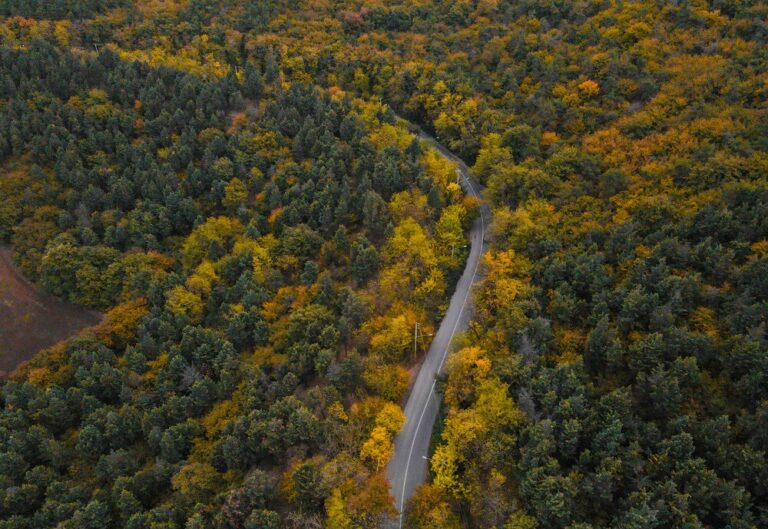
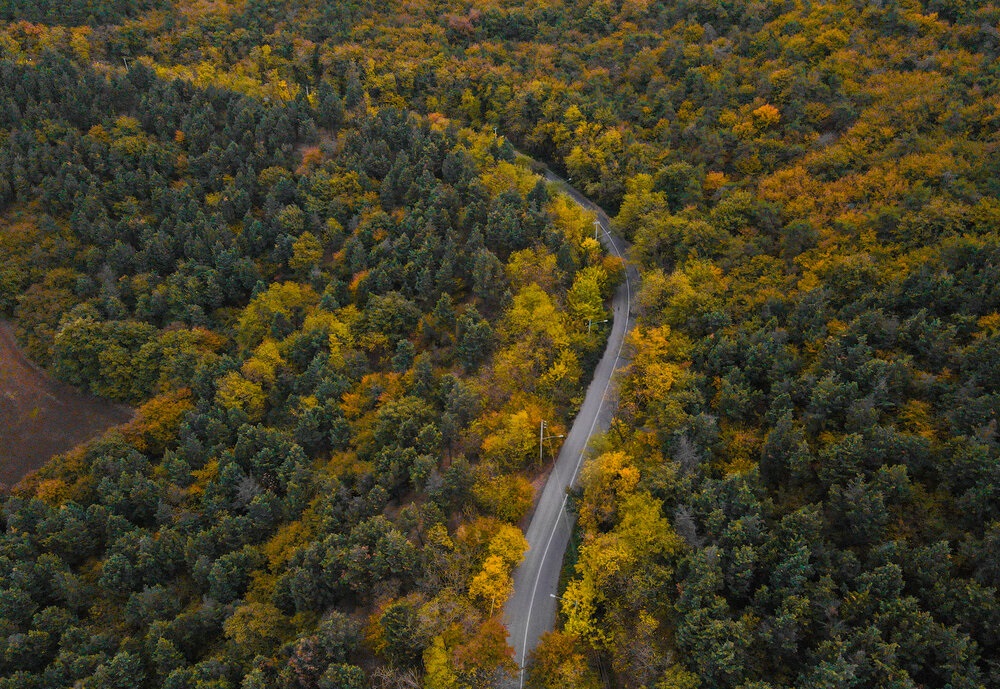
It’s full of rare and endemic species, and it’s a UNESCO heritage site. Iran’s natural treasure, a 1000-kilometer forest, the Hyrcanian forest has been on fire for several days. It stretches from the Caspian Sea and into neighboring Azerbaijan and is home to more than 3,200 kinds of plants. It is home to the Persian leopard and the Steppe eagle.

Related: Iran’s dams and water reservoirs have dried up

Mohammad Jafar Ghaempanah, deputy to Iranian President Massoud Pezeshkian, wrote Friday on X that “faced with the impossibility of containing the fire,” Iran had “requested urgent assistance from friendly countries.”

“Two specialized water bomber planes, a helicopter, and eight people will be dispatched from Turkey,” Shina Ansari, head of the Iranian Environmental Protection Organization, said on Saturday.

“If necessary, we will also seek assistance from Russia,” she added on state television.

The forest is also home to the Rudkhan Castle, a fortress to defend against Arab invaders during the Muslim conquest of Persia.

Rudkhan Castle, also Roodkhan Castle, is a brick and stone medieval fortress in Iran that was built to defend against the Arab invaders during the Muslim conquest of Persia. With the fall of the Sasanian Empire, this area became a defensive position against the Arabs in the then-newly established Tabarestan.

Rudkhan Castle, also Roodkhan Castle, is a brick and stone medieval fortress in Iran that was built to defend against the Arab invaders during the Muslim conquest of Persia. With the fall of the Sasanian Empire, this area became a defensive position against the Arabs in the then-newly established Tabarestan.
With the fall of the Sasanian Empire, this area became a defensive position against the Arabs in the then-newly established Tabarestan.

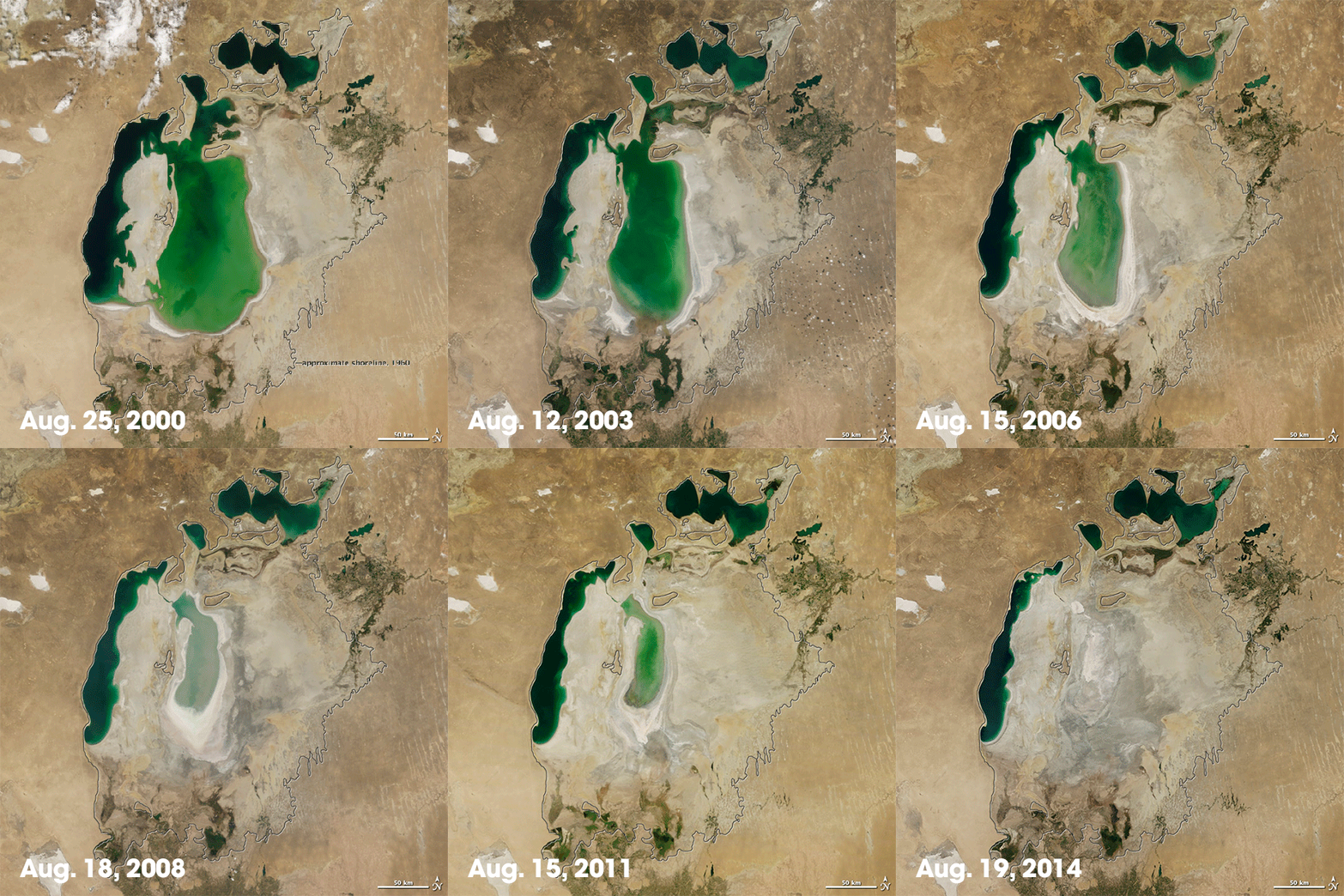
According to Iran’s Tasnim news agency, the fire was allegedly started by hunters in the rocky area of Elit in the province of Mazandaran, in northern Iran. This goes in parallel with climate change and the most severe droughts that Iran has seen since records began 60 years ago. Some clerics have blamed Israel for stealing the clouds. But it’s known that Iran’s lack of water management is to blame. See our story on the Aral Sea, an inland lake. It’s only gotten worse since we wrote the first article in 2014.

The country is currently facing one of its most severe droughts since records began six decades ago.

The director general of crisis management for Mazandaran province, Hossein Ali Mohammadi, described the operation to extinguish the fire as “one of the most complex in recent years.”

UNESCO says on its website that the Hyrcanian forests contain a “high degree of rare and endemic tree species” and are home to “many relict, endangered” plant species.

According to UNSESO, the forest contains the most important and significant natural habitats for in-situ conservation of biological diversity, including those containing threatened species of outstanding universal value from the point of view of science or conservation. It also contains superlative natural phenomena or areas of exceptional natural beauty and aesthetic importance.

“Iranians are losing a natural heritage that is older than Persian civilization,” Kaveh Madani, a UN scientist and former Iranian environmental official, wrote on X.

attend the prestigious Grand Prix du Design Paris (GPDP) Awards

Green Prophet contributor Ronak Roshan, a sustainability architect in Iran says that climate change and bad planning is likely the cause for the fire.

“We should not look for distant and wrong addresses to find the founders of the Hyrcanian forest fires,” she says. “The roots of this crisis were planted years ago in the heart of our forests with irregular constructions, uncoordinated interventions, and the dancing of some branded architects and urban planners against land speculators. These decisions and plans, which ignored the capacities of the ecosystem and the fragility of the ecosystem, gradually undermined the natural structure of forests.

“Alongside these human factors, climate change—from unprecedented droughts to rising temperatures—has made Hyrcanian forests more vulnerable than ever. However, the issue is not only climate; we have not prioritized natural heritage and Hyrcanian forests as a “national and public value” in any period. The protection of this million-year-old heritage has never been seen among the urgent needs of the country.

“Today, when fires are burning in several parts of the Hyrcanian region at the same time, the main question is before us with unprecedented clarity: If we want to control this fire, what should we do with this danceable pattern of architects and urban planners (who have recently become environmentalists) against short-term interests? And how do we deal with the fire that has risen softly and silently from the heart of negligence, wrong policies, and profit-oriented interventions?”

If you live in these US states you are more likely to get epilepsy

0
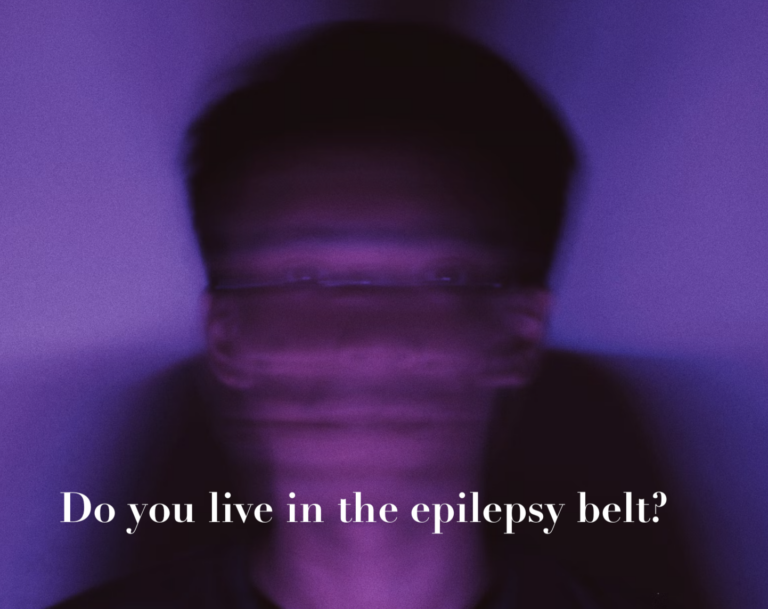
Do you live in an epilepsy belt?

Some diseases of the modern world that appear to be non-contagious can be linked to living in certain countries. More women in Canada get multiple sclerosis than anywhere in the world based on a number of factors including exposure to vitamin D and the Epstein Bar virus. But also doctors and a medical system that tracks it.

A first-of-its-kind nationwide in the United States has mapped epilepsy incidence rates among older adults in the United States and identified key social and environmental factors associated with the neurological condition. The analysis revealed that epilepsy cases among adults aged 65 and older were significantly higher in parts of the South—including Louisiana, Mississippi, East Texas and central Oklahoma—compared to other regions.

Epilepsy affects an estimated 3.3 million people in the United States, according to the US Centers for Disease Control and Prevention. In 2019, health care spending on epilepsy and seizures reached $24.5 billion. It can be a debilitating disease and those suffering from it can’t drive and may always be at risk at hurting themselves when a seizure comes on. In children, epilepsy can slow growth and brain development as we learned from our friend Dr. Alan Shackelford who gives child patients cannabis and CBD oil to slow symptoms and attacks. His first patient was a girl named Charlotte.

Published recently in the science journal JAMA Neurology, the study is a collaborative effort between researchers at Houston Methodist Research Institute and Case Western Reserve University.

Why are some states more epileptic than others?

“Until now, we didn’t have a national picture of where epilepsy affects older adults the most,” Weichuan Dong from Case Western Reserve University said. “By applying advanced geospatial mapping to Medicare data, we revealed striking clusters of high epilepsy rates across parts of the South — what we call the ‘epilepsy belt.’ Understanding where the burden lies is the first step toward uncovering why and helping communities reduce risk.”

The study found that the most influential factors linked to higher epilepsy incidence included insufficient sleep (fewer than seven hours per night), extreme heat (more days with heat index above 95 degrees), lack of physical activity, and lack of health insurance among younger adults (suggesting delayed diagnosis until Medicare eligibility) and limited access to a household vehicle.

Epilepsy belt in the United States. Colors show Epilepsy Incidence Among Medicare Beneficiaries 65 Years and Older Across US MaxCounties

These conditions, often shaped by local environments and socioeconomic status, were more prevalent in regions with the highest epilepsy rates.

“This is the first study documenting such a strong association between extreme heat and incident epilepsy in older adults across the US., highlighting the importance of climate change in emergency preparedness, especially given the graying of the population,” said Siran Koroukian from Case Western Reserve University School of Medicine.

Using advanced geospatial machine learning algorithms, researchers analyzed data from 4.8 million Medicare beneficiaries between 2016 and 2019. Data sources included the U.S. Medicare Master Beneficiary Summary File and the Agency for Healthcare Research and Quality. Alaska and Hawaii were excluded due to incomplete data from the Social and Environmental Determinants of Health report.

The study uncovered patterns previously invisible in national data, showing how factors like neighborhood sleep habits, heat exposure, health care access and household vehicle access can shape health outcomes. Other strong predictors included obesity prevalence and availability of primary care physicians.

If you are suffering from epilepsy consider self-care to get more sleep. Smart watches like Night Watch can monitor and track seizures from epilepsy, weighted blankets offer natural sleep accessories, yoga classes and calming aromatherapy products such as diffusers and eco-friendly bees wax candles to clean negative ions from your space.

Who gave the first kiss?

0
The origins of kissing, many people kissing
The origins of kissing goes back millions of years

Despite kissing carrying cultural and emotional significance in many human societies, up to now researchers have paid little attention to its evolutionary history.

In a new study from Oxford researchers carried out the first attempt to reconstruct the evolutionary history of kissing based on the primate family tree. The results indicate that kissing is an ancient trait in the large apes, evolving in the ancestor to that group 21.5 – 16.9 million years ago. Kissing was retained over the course of evolution and is still present in most of the large apes.

Related: Watch 20 Saudi Arabian men kiss for the first time

mother kiss child herpes
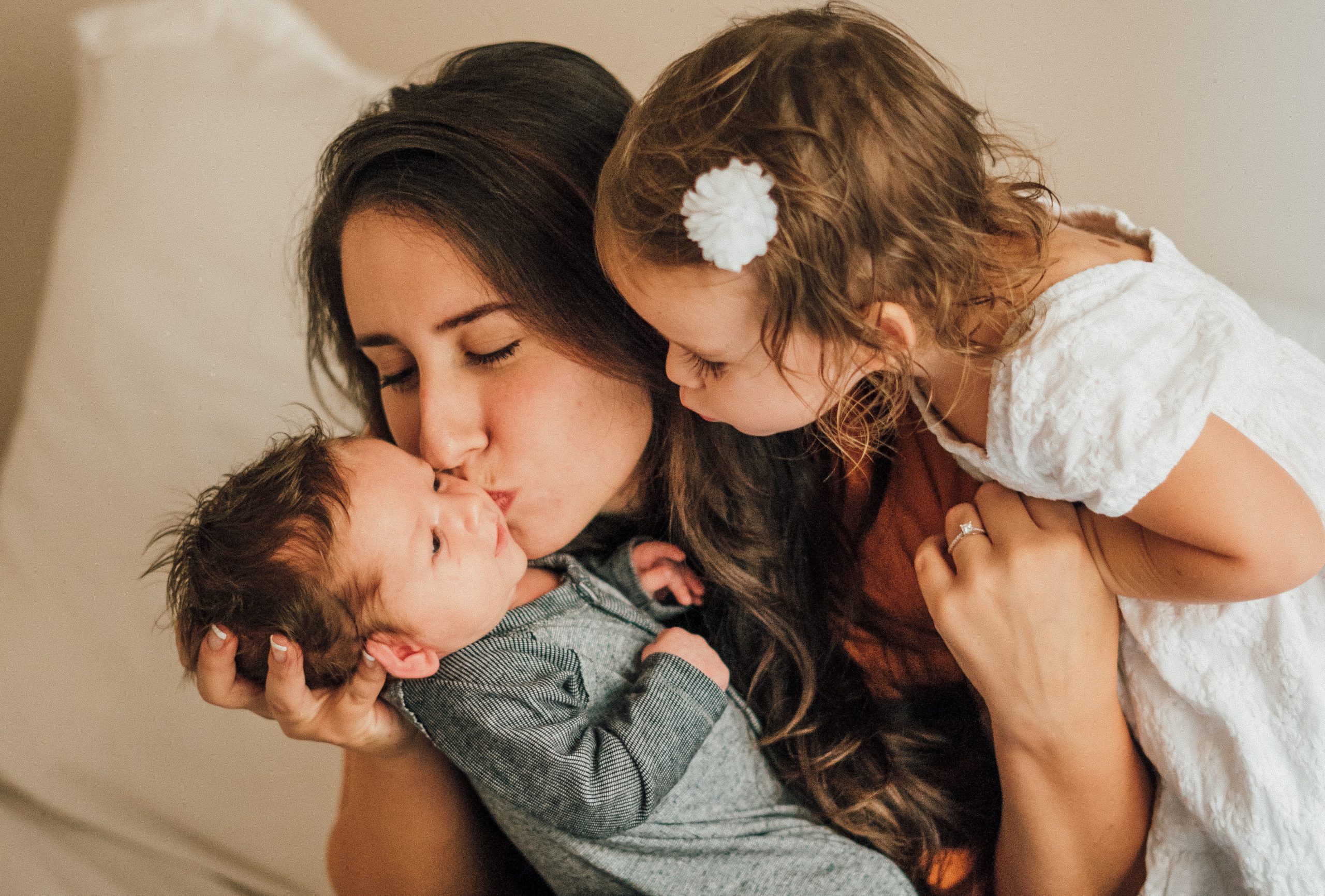
Kissing can transmit the herpes virus to our children, yet we kiss them

The team also found that our extinct human relatives, Neanderthals, were likely to have engaged in kissing too. This finding, together with previous studies showing that humans and Neanderthals shared oral microbes (via saliva transfer) and genetic material (via interbreeding), strongly suggests that humans and Neanderthals kissed one another.

“This is the first time anyone has taken a broad evolutionary lens to examine kissing. Our findings add to a growing body of work highlighting the remarkable diversity of sexual behaviors exhibited by our primate cousins,” says Dr Matilda Brindle, an evolutionary biologist at Oxford’s Department of Biology.

To run the analyses, the team first defined what constitutes a kiss. This was challenging, because many mouth-to-mouth behaviors look like kissing. Since the researchers were exploring kissing across different species, the definition also needed to be applicable to a wide range of animals. They therefore defined kissing as non-aggressive, mouth-to-mouth contact that did not involve food transfer.

Kissing chimps

Having established this definition, the researchers collected data from the literature on which modern primate species have been observed kissing, focusing on the group of monkeys and apes that evolved in Africa, Europe and Asia. This included chimpanzees, bonobos, and orangutans, all of which have been observed kissing. By integrating evolutionary biology with behavioral data, “we’re able to make informed inferences about traits that don’t fossilise – like kissing. This lets us study social behavior in both modern and extinct species,” says Brindle.

They then ran a phylogenetic analysis; treating kissing as a ‘trait’ and mapping this to the family tree of primates. They used a statistical approach (called Bayesian modeling) to simulate different evolution scenarios along the branches of the tree, to estimate the probability that different ancestors also engaged in kissing. The model was run 10 million times to give robust statistical estimates.

While the researchers caution that existing data are limited – particularly outside the large apes – the study offers a framework for future work, and provides a way for primatologists to record kissing behaviors in nonhuman animals using a consistent definition.

“While kissing may seem like an ordinary or universal behavior, it is only documented in 46% of human cultures,’ said  Catherine Talbot, co-author of the study who works at the Florida Institute of Technology. “The social norms and context vary widely across societies, raising the question of whether kissing is an evolved behavior or cultural invention. This is the first step in addressing that question.”

Now that you are primed for kissing, make those chapped lips ready with a chemical free lip balm from Dr. Bronners.

Neuralink rival gets FDA approval for brain implant device

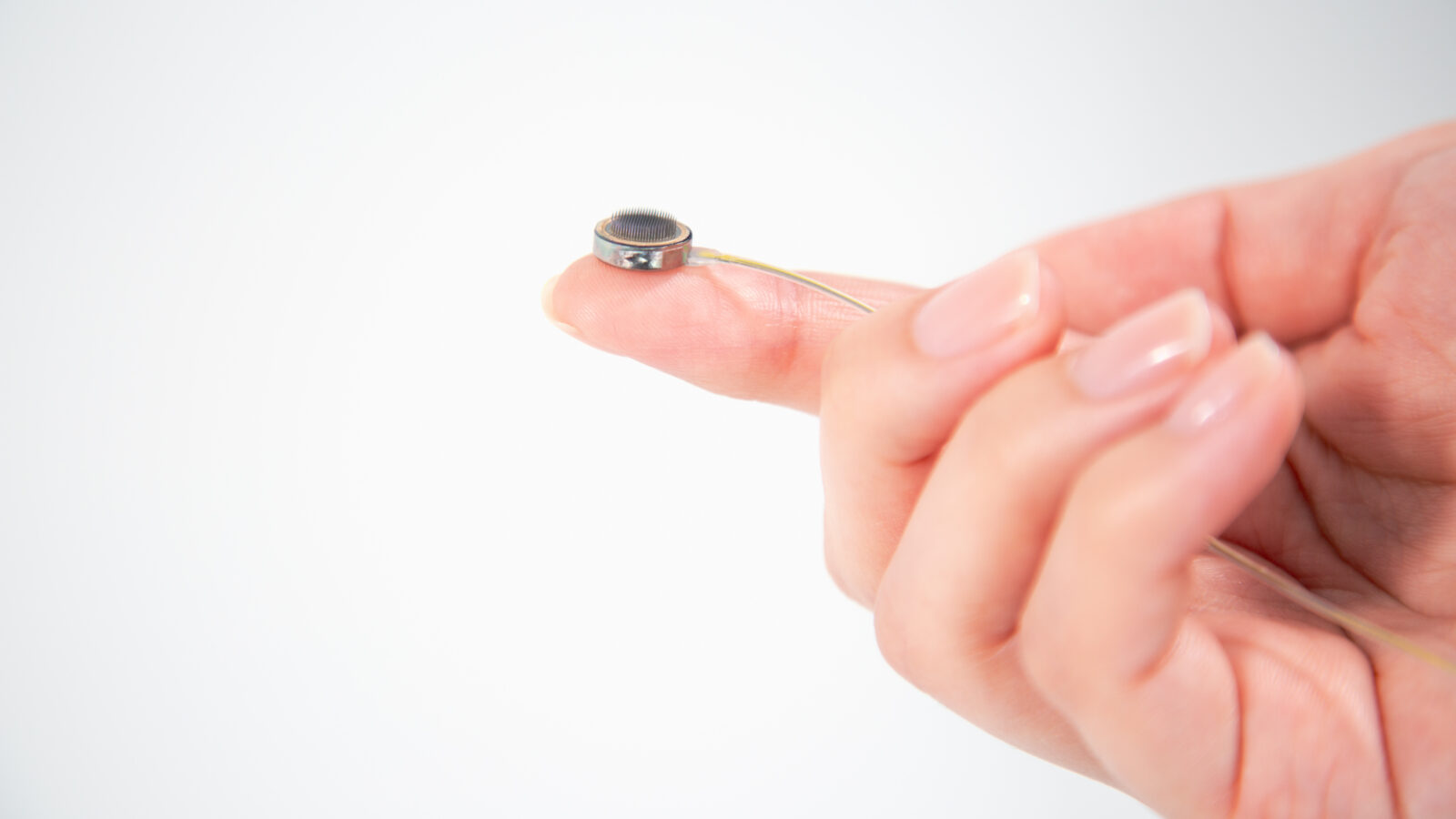
Paradromics brain implant

Neuralink, developed by Elon Musk, promises to help people who are paralyzed operate a computer with their thoughts. While first trials are being sought in humans with mobility issues we can imagine a future, (or not!), where humans are interlinked through our brains. It takes a massive amount of funding to build such a dream and now Neuralink is getting some competition, usually a good thing.

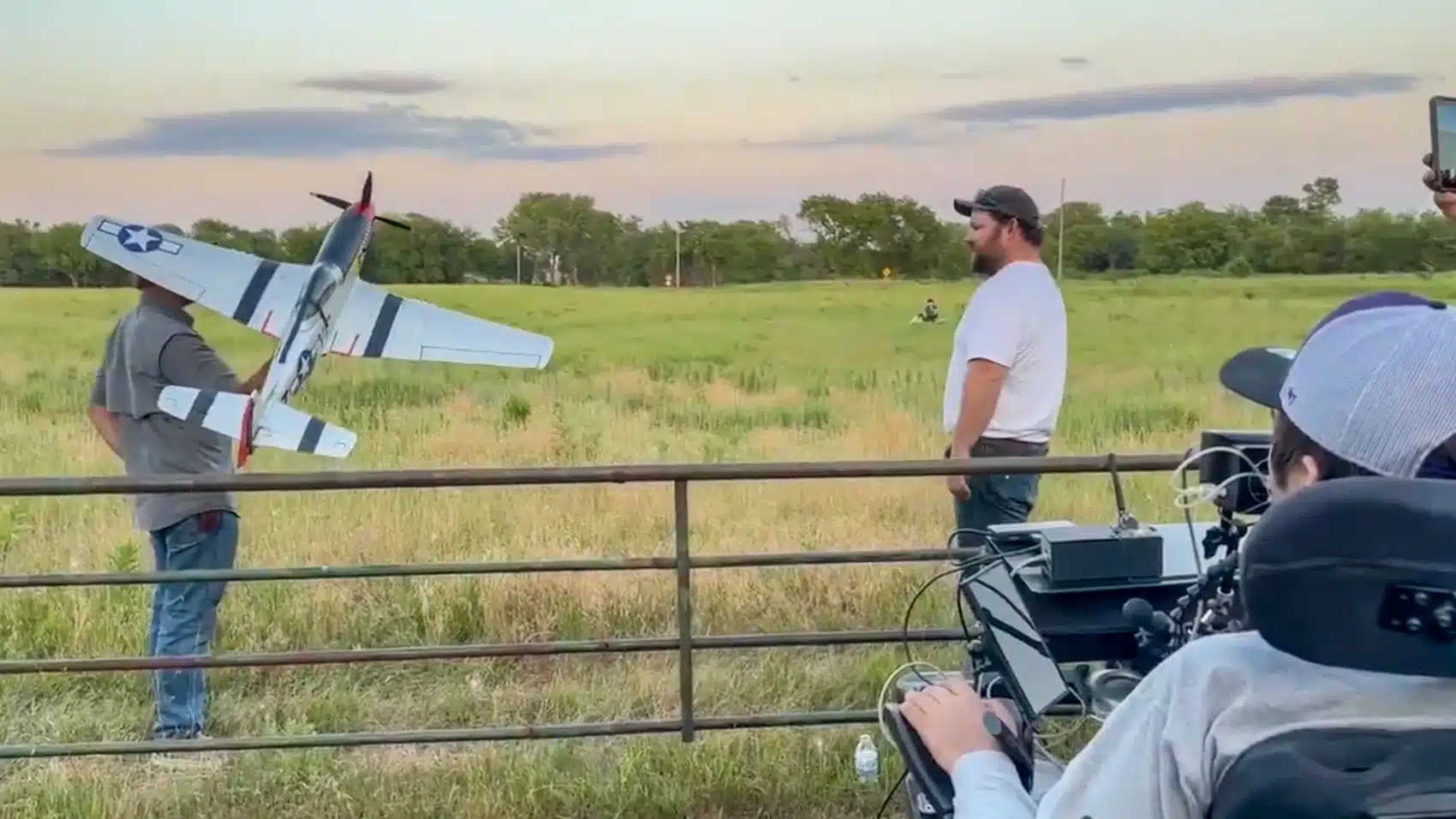
Alex Conley just did something that most of us just have dreamed of: he flew an RC Airplane with just his thoughts. And the best parts is not that he just flew it, he also wrote the code for Arduino to control the plane. All this, from his electric wheelchair.

Paradromics, a US neurotechnology company says they have developed the highest data-rate brain-computer interface (BCI) platform, announced the US FDA has granted Investigational Device Exemption (IDE) approval to begin a feasibility study with their implant called Connexus BCI.

As the first company to receive IDE approval for speech restoration with a fully implantable BCI, Paradromics is excited to give participants the opportunity to control a computer and communicate via text or synthesized speech to recover connection.

Related: Womb implant is a success

The Connexus BCI is designed to record and decode brain signals at unprecedented rates of information transfer. “In Q1 next year we are launching a clinical study with the best engineered brain computer interface in the world,” said Paradromics’ CEO and founder, Matt Angle, Ph.D. “This is the device that patients deserve.“

The Connect-One Study will initially enroll two participants—with impaired speech and limited extremity movement (upper and lower) due to severe loss of voluntary motor control—who live within four hours of three clinical sites, UC Davis in Sacramento, Massachusetts General Hospital in Boston, and Harvard Medical School.‍University of Michigan in Ann Arbor, MI – led by Investigator Matthew Willsey, M.D., Ph.D., a neurosurgeon with dual faculty appointments in Neurosurgery and Biomedical Engineering.

This FDA approval builds on key milestones for Paradromics, including three years of stable preclinical recordings, the first successful acute Connexus BCI implantation at the University of Michigan by Dr. Willsey, and the release of a scientific preprint demonstrating that the Connexus BCI delivers an industry-leading 200+ bits per second rate of information transfer in pre-clinical models. Paradromics has a Connect-One Study roadmap to add more sites, include more participants, and explore new BCI applications.

The Connect-One Study is the first in a series of clinical applications planned for the Paradromics BCI platform. Those interested in participating in this or future studies are encouraged to join the Paradromics Community.

The first study will look at restoring speech by Paradromics sees the future in enabling AI-powered treatments for motor impairment now and chronic pain, addiction, depression, and other neurological conditions in the near future.


Urban miner Sortera raises $45 million USD to pull aluminum from the scrap pile

0
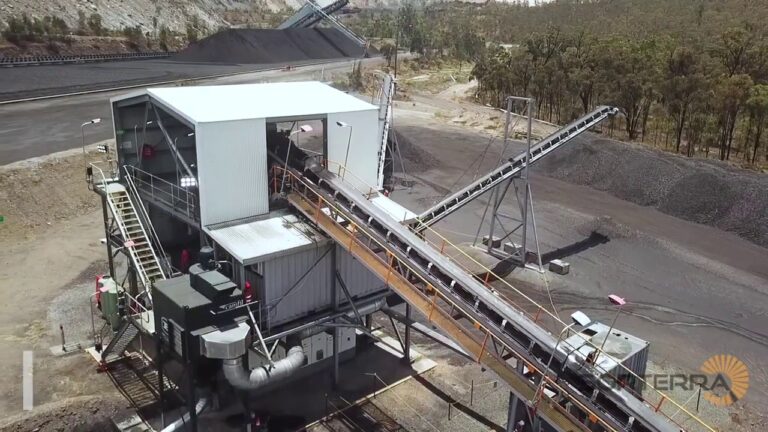
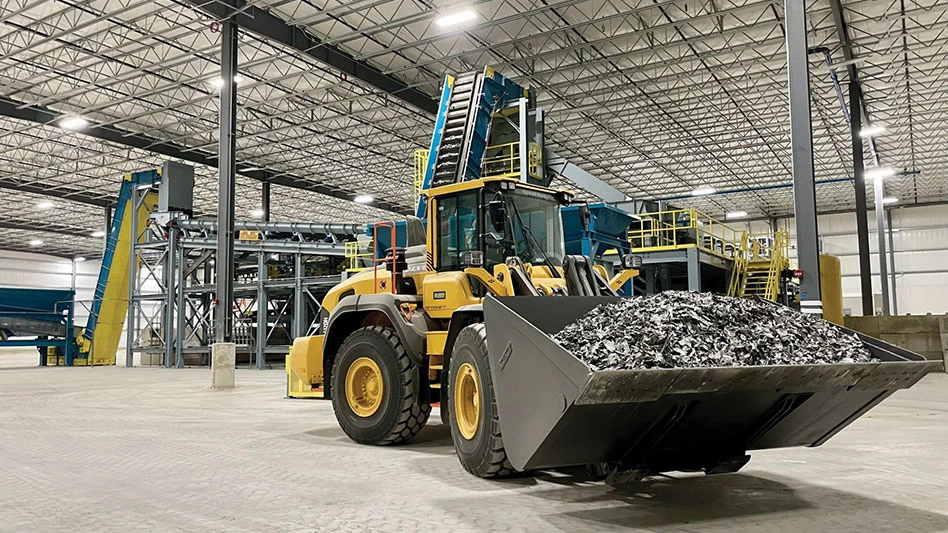
Sortera’s Markle, IN Facility. Photo Credit: Chris Allieri

I remember the day in 2007 as a young environment and cleantech reporter when I went to my first clean tech conference. I was expecting solar panels and robots, new wind turbines to turn wind into washing machines, and hightech greenhouses that grows food on water. The reality was different: most cleantech companies in the business and making money (not just promising dreams) are industrial builds, companies that pull in pipes, valves, software and cables, sometimes linked together by software. There weren’t any golden bullet solutions that could change the world but rather they were companies that assembled solutions like the telecom industry.

The cleantech industry in all areas of reuse, new fabrics and materials, and in energy are not glamorous companies with runway models. They are factories and tools that help us make the most from least. And that’s why the most exciting cleantech companies we are seeing today look like Torus (improves the grid with a wheelwheel); BioProcessH20 (cleans effluent from food waste) and Regenx (which pulls minerals from catalytic converters) are the ones to watch.

Recycling or upcycling, I learn from my dad (a scrapper and water witch) metals is like finding free money. He was an avid metals recycler and could make a few thousand dollars at the scrap yard with every haul –– much of the metals found on the side of the road. When you take metals recycling as an industry, it’s literally like free money from garbage, and this is the business model of an AI-powered Tennessee company that is recycling aluminum. The company just raised $45 million USD to expand its operations. The solution poltentially diverts millions of tons of metals waste to other countries and keeps it local to the US economy. The metals will be earmarked for the automotive industry.

Sortera at work

The deal was advised by by T. Rowe Price Associates and VXI Capital, with participation from Yamaha Motor Ventures and Overlay Capital; with an additional equipment funding from Trinity Capital. This funding fuels Sortera’s next phase of growth as a major domestic supplier of metals upcycled from waste.

In addition to the funding, Sortera is announcing plans for a second aluminum processing facility in Lebanon, Tennessee. This expansion—driven by overwhelming demand and success at the flagship Markle, Indiana facility—will bring Sortera’s innovative recycling solutions closer to its growing customer base.

Using artificial intelligence and advanced sensors, the company sorts mixed aluminum scrap into specific alloys that can replace imported primary aluminum. Sortera brings new life to old metal. Since launching operations at its 200,000 sq. ft. Markle facility in Q1 2023, Sortera has experienced significant customer demand for its high-quality recycled aluminum alloys.

For those in the metals business Sortera is now the only company producing end-of-life recycled aluminum products, including 380, 356, 319, and wrought (3105 and others) aluminum. Each product is specifically designed to match the chemistry of common casting and rolling alloys.

The Markle facility demonstrates Sortera’s technological success at transforming mixed alloy scrap—historically downgraded or shipped overseas—into high-value materials for critical applications in the automotive, construction, and aerospace industries.

“The performance of our Markle facility and the enthusiastic response from our customers have made it clear: the domestic market is hungry for sustainable, high-quality recycled aluminum,” said Michael Siemer, CEO of Sortera Technologies. This expansion allows us to significantly increase our capacity and establish a presence closer to many of our key customers—particularly in the automotive sector—further streamlining supply chains and enhancing our service capabilities.”

Their process diverts billions of pounds of material from going overseas and dramatically reduces the energy required for aluminum production by approximately 95% compared to manufacturing from virgin materials. This translates into a substantial reduction in CO2 footprint for Sortera’s customers, supporting their ambitious sustainability and circular production goals.

When we interviewed a company in this space called Regenx, they called themselves “urban miners.”

The investment in Sortera is to create a new facility to increase the company’s annual production capacity to ~240 million pounds. This will ultimately help manufacturers lower costs and pollution while strengthening the domestic supply chain.

Sortera expects that the new facility will be operational by the summer of 2026, and further details regarding the specifics will be communicated in the coming months.

Notable investors include RA Capital Management-Planetary Health, certain funds and accounts advised by T. Rowe Price Associates, Inc., the Mineral Resources Group, a part of Mitsubishi Corporation’s Business Incubation Unit, Macquarie GIG Energy Transition Solutions (“MGETS”), Assembly Ventures, Breakthrough Energy Ventures, and Chrysalix.

Sortera was founded in 2020 by Nalin Kumar (listed as Founder & Chief Innovation Officer) and Manuel Garcia (listed as Co-Founder & Vice President of Applied Science). Michael Siemer is the President and Chief Executive Officer.

::Sortera

Creative Gifts for Christmas

5
dr bronner regeneratively grown organic chocolate
How about a box of organic, regeneratively grown chocolate by Dr. Bronners?

With the gift holidays officially open now is the time to reconsider gift giving, especially now with the current economic crisis!

  • First, do you really need to spend so much on gifts? Be thoughtful, instead of spendful! It will make you feel so much more appreciated than stressing over credit-card bills for months.
  • Can you make gifts? I used to like giving people jewelry, until one day I decided to start making simple items. Eventually I got good enough to sell my wares. Do you have a hobby that you can cash in on?
  • Adopt a “Secret Santa” system. We used to give gifts to everyone in my home until we all got fed up with spending so much and not being able to really think about our gifts. A month before the holiday we all take a name out of a hat and set a price limit for the gift. When everyone gets together they are more excited to give than to receive their gift.

Keep in mind that holidays are supposed to be special. Instead of putting in extra money in gifts that will only add to your clutter, put the time into making the day special, the atmosphere and the company. If you do this you will find a much more meaningful holiday season for all!


Knit Your Own Sustainable Beard

0

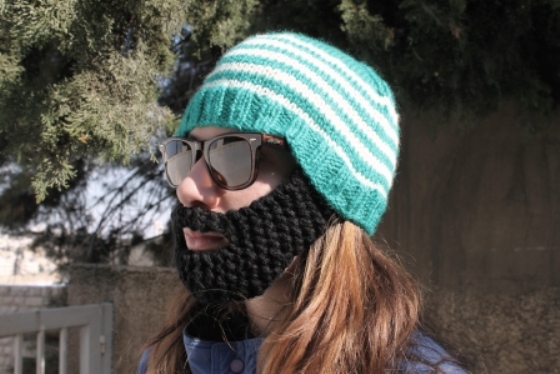
Free Hat Pattern knit your own beard

It’s cold in Jordan for 6 months of the year, extreme weather threw can even throw an icy blanket over my neighbors in Palestine, Israel, Lebanon and Syria. How to stay warm today? Knit a beard. Look local.

Middle Eastern men who follow strict Jewish and Muslim teachings have built-in winter defenses in the form of thick facial hair. I can’t grow a beard (despite those mustaches on my Italian great-aunts), but I can fake it. I’ll show you how too.

Green Prophet archives hold a brilliant story on a handknit sunnah beard. You can buy one online at prices hovering around $35, not bad for a handmade item, but I need a face-warmer now. So I concocted a recipe to make my own.  Give it a try?

You can pick up quick knitting skills from YouTube instructional videos. Knock one of these out in a weekend.

It’ll take a few balls of yarn and a day’s worth of clicking.  Or fast forward to finished product by only making the beard: attach it to a purchased hat and you’ll be looking like a member of the Jordanian ski team in under an hour. If you’re sort-of local to Jordan, I can make one for you.

handknit sunnah beard Free Hat Pattern

A beard is sunnah. What does that mean?

Keeping a beard is standard practice according to the “sunnah” in Islam.  That Arabic term generally refers to ways of the prophet Mohammad: he was fully bearded.  Muslim men are encouraged to grow beards when reaching adulthood as a symbol of manhood, purity and maturity.

The Zohar, one of the primary sources of Kabbalah (a mystical aspect of Judaism), also attributes holiness to the beard.  Beard hairs symbolize channels of subconscious holy energy that flow into the human soul from the Divine.  Most Hasidim don’t even trim their beards, and during religious periods such as Passover, Sukkot, the Counting of the Omer and the Three Weeks, traditional Jewish men commonly refrain from shaving. Oh and remember Samson? All of his powers came from his long hair. Hair cut – powers gone.

handknit sunnah beard Free Hat Pattern

Parking religion aside, beards make for a provocative scientific subject.

Charles Darwin offered an evolutionary explanation for the furry face in his book The Descent of Man, which hypothesized that the sexual selection process may have led to beards’ popularity. Modern biologists have reaffirmed the anthropological role of beards in human mating, concluding that there’s evidence that females find bearded mates more attractive than clean-shaven alternatives.

Throughout history, facial forestation has been viewed as a sign of wisdom, manliness, and high social status.  But beards also indicate eccentricity, dirtiness and low social rank.

Surveys show modern men love them in direct proportion to women hating them.

Environmentalists now widely accept that beard-growing is “green”.

The jury may be out as to whether real beards turn up the romantic heat, but the knitted types will absolutely let you lower your thermostats.

How the Mediterranean’s most hopeful UN green organizations fail at peace-building

0
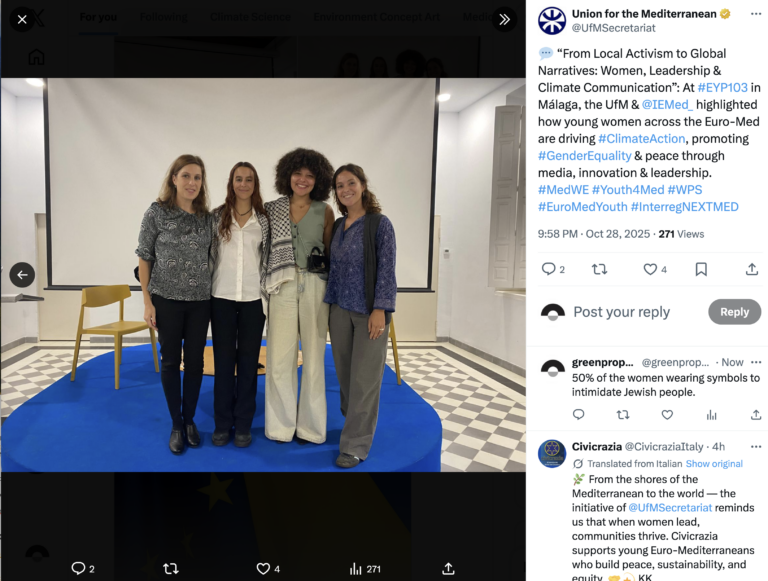
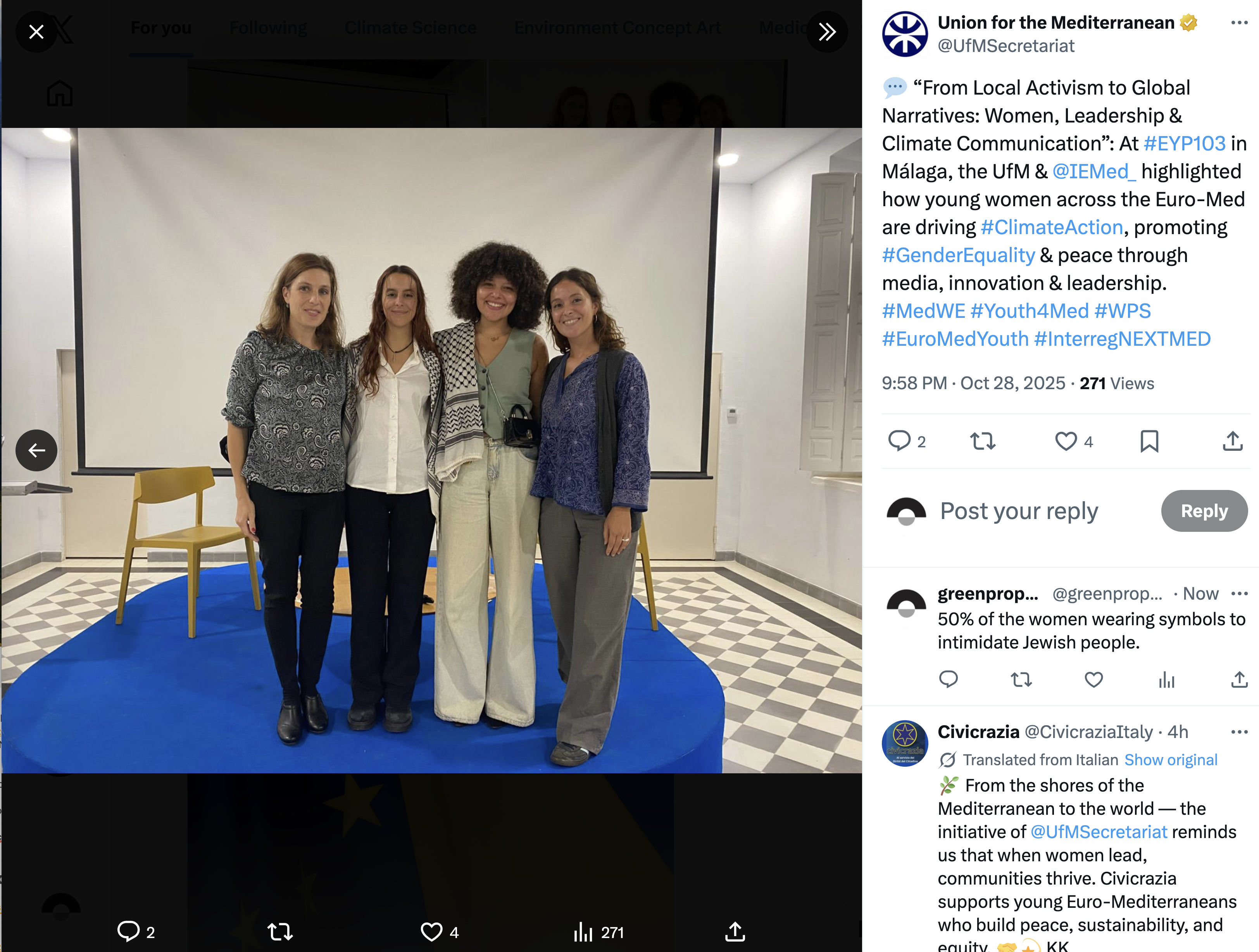
The UfM is supposed to be non-biased yet 50% of the women here are wearing keffiahs to intimidate Israelis and Jews
The UfM is supposed to be non-biased yet 50% of the women here are wearing keffiahs to intimidate Israelis and Jews.

The Union for the Mediterranean (UfM) was created to be the great bridge between Europe, North Africa, and the Middle East — a place where shared challenges like climate change, water scarcity, youth unemployment, and clean energy could be tackled together.

Instead, the UfM has become a textbook case of consensus paralysis: a structure where 43 countries must agree before anything moves forward. In practice, this means that the long shadow of the Arab–Israeli conflict still shapes what can be said, who can be present, and which countries are allowed to lead. For an institution whose sole purpose is regional cooperation, the result is tragically predictable: the Mediterranean’s biggest tools for healing rifts are the ones most consistently left unused.

Below are recent, documented examples of how Arab political pressure — often reinforced by the EU’s own risk-aversion and the UN’s quiet compliance — creates sins of omission that undermine progress in women’s empowerment, climate cooperation, cleantech, and cultural diplomacy. I’ve even seen it in forest fire prevention.

I have reached out to the spokesperson and leadership at the UfM about their exclusionary practices, which I touch on below. Nasser Kamel, a general from Egypt who heads the organization didn’t reply. His spokesperson answered the phone but then refused to send feedback about the exclusionary policies we pointed out. Green Prophet then received this:

“The participation of representatives, experts, and citizens from any Member State, including Israel, in UfM activities is at the discretion of the respective national authorities and stakeholders. As an intergovernmental organisation, the UfM does not have the mandate to compel participation although it actively encourages and welcomes the engagement of all its members in its initiatives. There is no pattern of exclusion in either pre-activity communications or post-activity follow-ups related to water or any other sector. Israel is an active and engaged Member State that regularly participates in UfM Senior Officials Meetings as well as UfM Regional Platforms and Working Groups focused on water policy dialogue and related initiatives in the Mediterranean.”

This is the pattern in groups like this. Nice words, but they practice something else entirely. As someone who works in cleantech, and as a champion for women and the environment in the region I couldn’t help but notice exclusionary policies to Israelis. They may be “there” on paper but the reality is something else.

I reached out to Anna Dorangricchia, the gender expert at the the organization about inclusivity policies. She told Green Prophet: “We don’t have produced any  specifc report on diversity and inclusion so I’m afraid I cannot really help you, sorry.

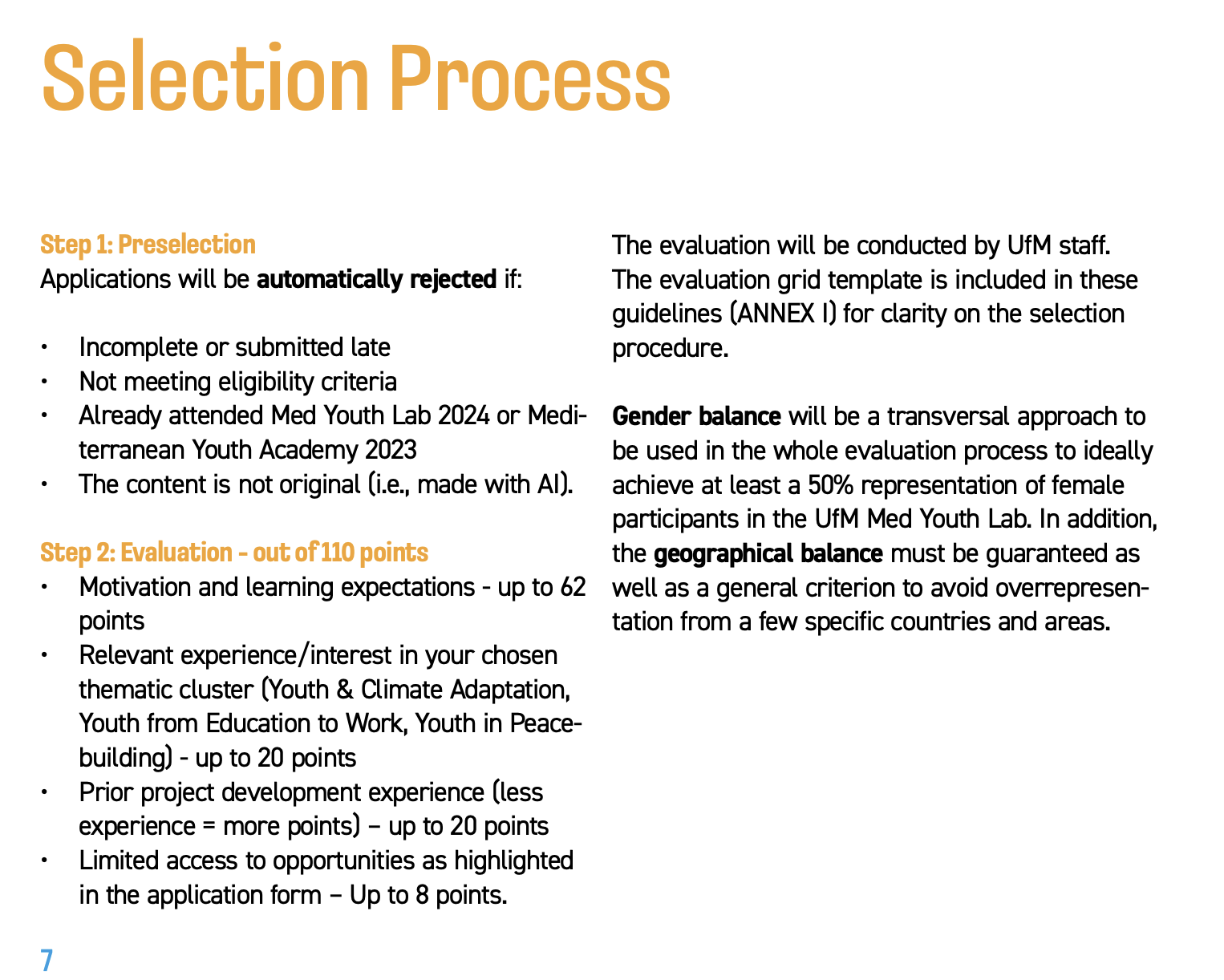
On a recent call for participation they said they are looking for more than 50% women on the call, and that they will assure a geographical balance.

Case Study 1 (2023–2024): Women & Climate Leadership Without Israelis
UfM officials regularly state that “women, youth, and climate” are the safest and most promising spaces for Euro-Mediterranean cooperation. Yet the institution’s own events tell a different story. Across the Women4Mediterranean, Women Innovators, Climate Adaptation, and Women Entrepreneurs conferences held in Barcelona, Cairo, and Brussels (2023–2024), not a single Israeli woman innovator or climate leader was featured on panels or in official delegations. They will publish data that will not include Israeli women.

This is despite Israel being:

  • A global top-tier country for women in STEM
  • A regional leader in climate adaptation, water reuse, and desert agriculture
  • Home to Arab-Jewish women-led climate ventures that embody the cooperation the UfM claims to champion. The Arava Institute is a prime example.

Women’s innovation is the softest of soft diplomacy tools — the very space where the region should be building trust. Yet because a handful of Arab governments routinely reject anything that looks like normalization, the UfM quietly complies. This is the politics of omission, which is harder to expose than outright exclusion, but just as damaging.

The excuse: Muslim Arabs, a majority by far in the region, don’t feel comfortable around Israelis. Israeli Arabs are invited through a back door when they register as Palestinians. Read below to how it’s been perfected.

Case Study 2 (2022–2024): UN Bodies Reinforcing the Same Patterns

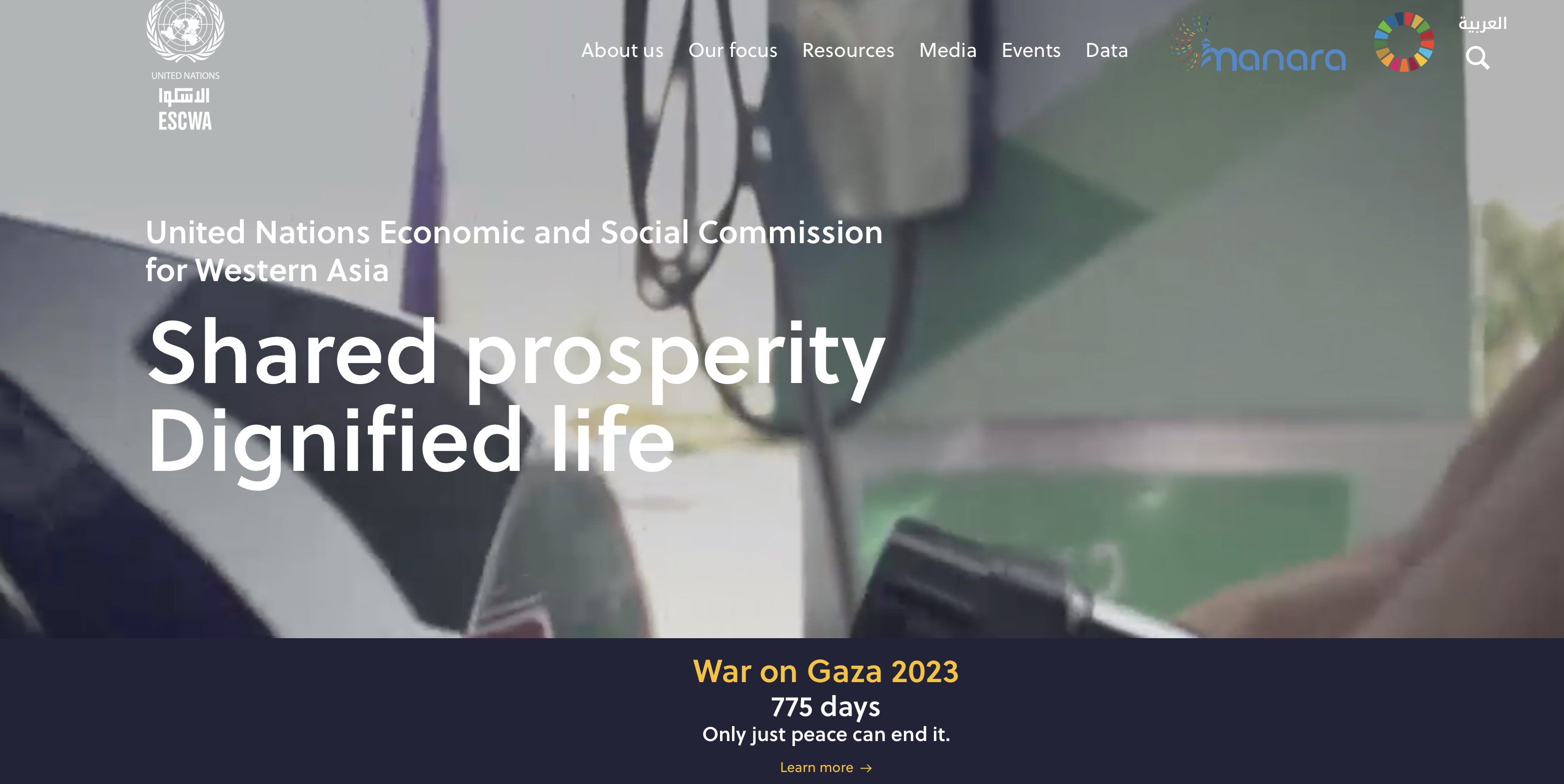
A UN body, supposed to be neutral calls the Hamas-launched conflict, a War on Gaza

The UN’s regional arms — especially ESCWA, but also UNDP and FAO in the Gulf — hold major climate, cleantech, and development gatherings in Doha, Dubai, Cairo, and Riyadh. And the pattern repeats: Israeli experts are excluded, or invited only as “online observers.” Joint research groups are formed that include Arab states and European academics, but not Israeli institutions — even when the topic is water scarcity, desalination, agriculture, or desertification, where Israel is a global leader.

Behind closed doors, European officials will admit the reason: “We avoid confrontation. Arabs would walk out.” In other words, UN bodies — which preach inclusiveness — reinforce the same consensus paralysis as the UfM.
Again, the tools for healing rifts exist — and they are deliberately not used.

If you see the front page of ESCWA’s website they are calling the Hamas-Israel conflict, started by Hamas “a War on Gaza.”

Palestine is intentionally framed as a regional development priority, while Israel is framed as irrelevant — except as a geopolitical antagonist. Here is a UN-funded Med conference that paints Israel as a villain.

Case Study 3 (2020–2023): Cleantech, Climate Finance & Qatar’s Influence

Many UfM and EU-Mediterranean climate programs are now co-funded or co-branded with Gulf partners (Qatar Foundation, Masdar, ADQ, Saudi Green Initiative, etc.). These sponsors bring money — but also political red lines. The last meeting was in Doha, Qatar. Why are Mediterranean peace and climate leaders meeting in the Gulf?

High-visibility participation of Israelis, they will say, becomes “too sensitive.”

EU-backed research networks omit Israeli nodes even when the science requires them (e.g., micro-irrigation, solar thermal storage, grid-stabilizing technologies). This is not an accidental oversight. This is structural. Arab sovereign wealth funds are now key financiers in Mediterranean climate cooperation — and they leverage their position to enforce old regional politics inside ostensibly neutral EU frameworks.

Case Study 4 (2020): COVID-19 Recovery Programs Without Israeli MedTech
During the COVID-19 recovery period, the UfM launched major programs for digital health, medtech, and emergency response.  Yet none of its flagship recovery initiatives visibly integrated Israeli: Remote diagnostics, AI health systems, First-responder innovations, Arab–Jewish hospital cooperation models. Israel’s medtech sector could have been a perfect bridge — especially for women in health, startups in the periphery, or cross-Mediterranean humanitarian partnerships.

Instead, the UfM defaulted to the lowest common denominator: keep it technical, keep it vague, avoid political discomfort so the Arab world and natural gas and oil money stays happy.

Why This Matters Now

The tragedy of consensus paralysis is not simply that Israelis are marginalized. It is that the region loses access to the best available tools for peacebuilding:

  • Women’s entrepreneurship
  • Climate adaptation
  • Water reuse
  • Digital health
  • Desert agriculture
  • Cleantech innovation
  • Youth exchanges

These should be the spaces where cooperation flourishes beyond politics. Instead, Arab normalization resistance — unchallenged by EU and UN bodies — ensures they remain politically sanitized and technically shallow.
The Mediterranean cannot solve climate change, migration pressures, or food insecurity if it continues to sideline the very countries with the expertise to contribute. And the more the UfM, the EU, and UN bodies appease political vetoes, the more they reinforce the exact divisions they were created to heal.

The call mechanism for inclusion is broken

One way EU and UN organizations exclude Jewish Israelis, and I see this all the time in areas of cleantech and eco-events, is by limiting “eligibility” to Palestinians, not Israelis, by defining participants through population categories, not citizenship. And this is what you will find.

Many calls for participation use criteria such as:

  • Arab youth
  • Women from the Arab region
  • West Asian populations
  • Participants from conflict-affected Arab communities
  • Stakeholders from the State of Palestine

Because Israeli Arabs (Muslim or Christian) share language, culture, and geographic identity with Palestinian populations, they technically qualify for these categories. But Israeli Jews — even if regionally relevant, even if experts in the exact domain — do not qualify.

Calling for Arabs from the region, it allows organizers to include “Arab citizens of Israel” without acknowledging Israel as a state; claim inclusivity (“we included Arab voices from the region”); avoid dealing with Israeli ministries, embassies, or universities; preserve the diplomatic fiction that “all Arabs” participate while Israel does not. This results in Israeli Muslim and Christian professionals being welcomed only as Arabs, not as Israelis, effectively erasing their national identity in international fora.

The Path Forward

If institutions like the UfM want to be relevant in 2030 and beyond, and stay funded, they must protect technical cooperation from political vetoes. Guarantee representation for all regional innovators, including Israelis. Elevate women, climate, and youth programs as de-politicized peace platforms. Stop outsourcing Mediterranean cooperation to Gulf funders with political conditions. Publicly acknowledge sins of omission instead of hiding behind “neutrality”

Because the greatest danger in Euro-Mediterranean cooperation today is not conflict — it is the cowardice of institutions unwilling to use the tools that build peace.


Shooting Northern lights? Here are the best camera settings

0
Want to shoot northern lights?

Your friends are posting their best Northern Lights pics on Facebook and Instagram, and you want to try it too. How can you get the best shot on a camera that isn’t a cell phone?

Capturing a strong photograph of the Northern Lights depends on using the right equipment, settings and technique, and on adapting to changing light and movement in the sky. A full-frame digital camera mounted on a tripod offers the best results because it can collect more light with lower noise during long exposures. Jessica Fridrich uses a Nikon Z7 for her aurora work.

“I must say that, until recently, I have always considered the Northern Lights to be a phenomenon that is only visible from polar regions. Last year, I realized that I had been missing out on a lot of fun.”

What settings does she use? She typically sets the white balance to 4000K and exposes for about six seconds at ISO 1600 to 4000 with an f/2.8 lens. These choices come from practical considerations: long exposures and relatively high ISO values allow the sensor to gather enough faint light from fast-changing auroral structures, while an aperture of f/2.8 lets in more light during each exposure.

Environmental conditions change the settings. When the Moon is out or when there is light pollution, the ISO should be reduced so the sky does not overexpose. If the aurora begins to move quickly, the exposure needs to be shortened to avoid motion blur in the structures. In that case, increasing the ISO compensates for the reduced exposure time; Fridrich shortens the exposure to four seconds or even two seconds when needed. Some auroral displays change shape rapidly, so adapting exposure length in real time is important.

Correct focus is essential. Autofocus is unreliable in darkness, so the camera must be switched to manual focus. The best way to achieve sharpness is to focus on a bright star. This ensures that both the sky and the auroral structures will appear crisp. Lenses with large apertures, meaning low f-stop values, work particularly well for night photography because they allow more light into the camera. Fridrich says she often uses a 24–70 mm f/2.8 lens, keeping it wide open. The zoom capability helps capture specific details within the display. For exceptionally large or bright auroras, especially those that stretch overhead, a wide-angle lens is preferred because it can capture the full extent of the scene.

Moisture is another practical concern. Dew often condenses on lenses during long sessions outdoors, so a simple lens cloth is important to keep the glass clear.

Phones can also record auroras. Using night mode is generally sufficient, as modern phones automatically lengthen exposure time and increase sensitivity in low light. For both cameras and phones, saving images in RAW or another uncompressed format provides more flexibility for later editing, though JPEGs are acceptable for those who do not plan to process their images.

Sites like Space Weather can help you find the right nights

American students build “bread-loaf sized” satellite they will send to space

0
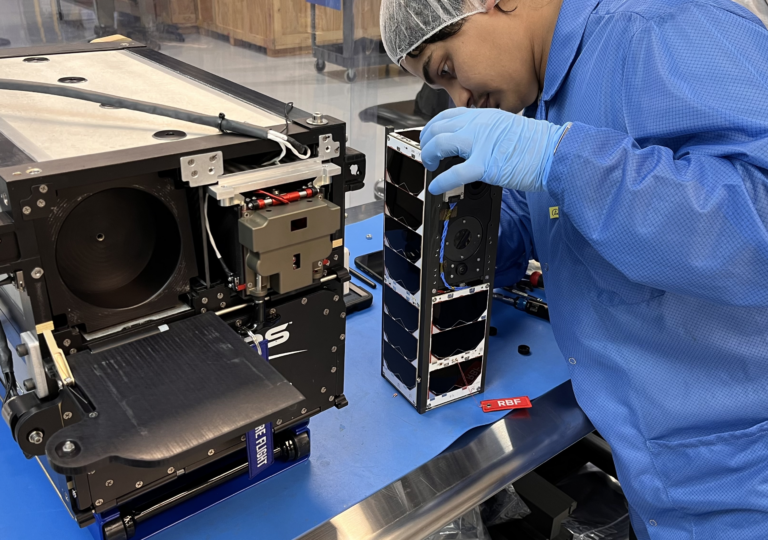
A multidisciplinary team of undergraduate students led by the University of New Hampshire designed and built a mini satellite, known as a CubeSat, that will launch into space to gather data in collaboration with NASA’s Interstellar Mapping and Acceleration Probe (IMAP) mission. The small-but-mighty satellite is set to launch on a SpaceX rocket from Vandenberg Space Force Base in California no earlier than Nov. 10, 2025 at 10:19 a.m. PST. It will head to the outer reaches of the atmosphere to study the solar wind which will help scientists in their quest to improve space weather forecasting and better protect technology in space and on Earth—such as communication networks, power grids and GPS—from potentially damaging large solar flare events. “This is an amazing opportunity for UNH students to not only get hands-on technical experience but to also collaborate with other undergraduates across the country to design and build an entire space mission from the instrument to the software that will operate it in space and the antenna and radio to command the satellite once there,” said Noé Lugaz, research professor in physics and astronomy at the University of New Hampshire. “The experience is invaluable and can open doors to future opportunities in space-related or other science and engineering careers.” A team of 70 undergraduate students from the University of New Hampshire (UNH), Sonoma State University (SSU) and Howard University (HU) designed, developed and built the satellite which was named 3UCubed—reflecting the overall concept of uplifting undergraduate students to study upwelling, and giving a nod to the three participating universities. Selected as part of NASA’s CubeSat Launch Initiative, once it is launched, the satellite will travel to the Earth’s upper atmosphere, known as thermosphere, which is the same region where many other satellites and the International Space Station orbit around Earth. It will take measurements of the atmosphere density (single oxygen at this altitude) and electron precipitation from space onto the upper atmosphere, which can cause disturbances in communication signals and lead to changes in the ozone. Data from the mission will be collected by the students and analyzed in combination with data from IMAP and will help advance the understanding of how the thermosphere in the auroral and cusp regions responds to particle precipitation and varying conditions associated with solar wind. CubeSats are a specific subset of satellites that are small and standardized and provide a cost-effective way to study space science. It is about the size of a loaf of bread and offers a simpler way to start building and operating than larger satellites, making it an ideal piece of equipment for students to hone their skills outside of the classroom. The 3UCubed satellite was fully assembled at UNH and the two payload instruments that are a part of its structure were built, tested and calibrated at UNH. The students worked for five years on the satellite, performing a variety of tasks ranging from creating the software code that controls the 3UCubed to soldering the wires during the physical build. Students with mentorship from professors and staff engineers, performed trade studies, orbit analyses, selected vendors for different subsystems, oversaw budgets for various mass, power, link and telemetry jobs and developed the framework for the flight software and operations. “At the time, I had a keen interest for the aerospace industry and saw this as a great opportunity to get valuable experience working with industry professionals,” said Alex Chesley ’22, who studied mechanical engineering at UNH and was a part of the 3UCubed mission team. “It was fascinating to learn about so many new subjects about space science and instrumentation that I had never studied before.” The hands-on experience is meant to introduce, inspire and prepare students for a successful career in a related field like space science, computer science, engineering or science education. Chesley designed the initial CAD model of the satellite and also helped create the detailed specification list for the CubeSat’s altitude control system. He now works as a configuration engineer at STS Aerospace in Laconia, N.H., where he helps develop fluid distribution systems for customers in the space, aeronautics and defense industries. “The experience with the 3UCubed mission helped with my professional growth, and it was definitely valuable to have, no matter what industry you end up working in,” said Chesley. Students from UNH also took the lead in developing the instrument software and worked with students from SSU on the flight software. SSU oversaw the development of the software for the ground station and will serve as the primary ground station for the mission, which will collect the data from the satellite and will send commands to the spacecraft so it can adjust once it is in orbit. UNH worked with HU to build the back up ground station. Students from Sonoma State University have also engaged with their region’s amateur radio operators and Scout members to construct a ground station for them to communicate with the satellite.
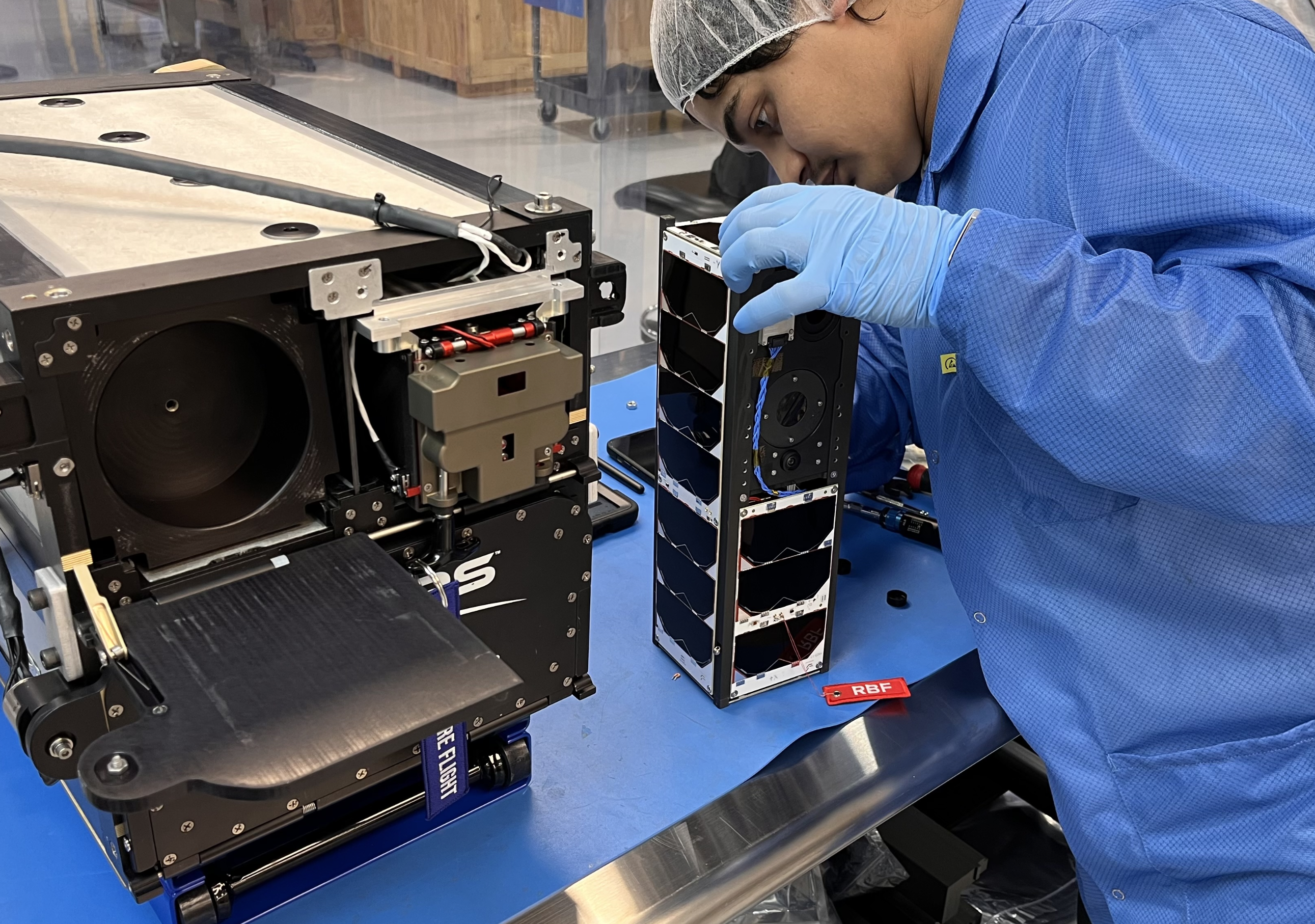
A bread-sized satellite developed by students

Talk about an amazing science fair opportunity! A multidisciplinary team of undergraduate students led by the University of New Hampshire designed and built a mini satellite, known as a CubeSat, that will launch into space to gather data in collaboration with NASA’s Interstellar Mapping and Acceleration Probe (IMAP) mission. Satellites, power grids, GPS, and communication systems can be ruined by solar storm damage. The orbiting “loaf” will help collect data for better predictions.

The small-but-mighty satellite is set to launch on a SpaceX rocket from Vandenberg Space Force Base in California no earlier than Nov. 10, 2025 at 10:19 a.m. PST. It will head to the outer reaches of the atmosphere to study the solar wind which will help scientists in their quest to improve space weather forecasting and better protect technology in space and on Earth—such as communication networks, power grids and GPS—from potentially damaging large solar flare events.

Selected as part of NASA’s CubeSat Launch Initiative, once it is launched, the satellite will travel to the Earth’s upper atmosphere, known as thermosphere, which is the same region where many other satellites and the International Space Station orbit around Earth. It will take measurements of the atmosphere density (single oxygen at this altitude) and electron precipitation from space onto the upper atmosphere, which can cause disturbances in communication signals and lead to changes in the ozone.

Data from the mission will be collected by the students and analyzed in combination with data from IMAP and will help advance the understanding of how the thermosphere in the auroral and cusp regions responds to particle precipitation and varying conditions associated with solar wind.

CubeSats are a specific subset of satellites that are small and standardized and provide a cost-effective way to study space science. It is about the size of a loaf of bread and offers a simpler way to start building and operating than larger satellites, making it an ideal piece of equipment for students to hone their skills outside of the classroom.

The 3UCubed satellite was fully assembled at UNH and the two payload instruments that are a part of its structure were built, tested and calibrated at UNH. The students worked for five years on the satellite, performing a variety of tasks ranging from creating the software code that controls the 3UCubed to soldering the wires during the physical build. Students with mentorship from professors and staff engineers, performed trade studies, orbit analyses, selected vendors for different subsystems, oversaw budgets for various mass, power, link and telemetry jobs and developed the framework for the flight software and operations.

“At the time, I had a keen interest for the aerospace industry and saw this as a great opportunity to get valuable experience working with industry professionals,” said Alex Chesley ’22, who studied mechanical engineering at UNH and was a part of the 3UCubed mission team. “It was fascinating to learn about so many new subjects about space science and instrumentation that I had never studied before.”

The hands-on experience is meant to introduce, inspire and prepare students for a successful career in a related field like space science, computer science, engineering or science education. Chesley designed the initial CAD model of the satellite and also helped create the detailed specification list for the CubeSat’s altitude control system. He now works as a configuration engineer at STS Aerospace in Laconia, N.H., where he helps develop fluid distribution systems for customers in the space, aeronautics and defense industries.

“The experience with the 3UCubed mission helped with my professional growth, and it was definitely valuable to have, no matter what industry you end up working in,” said Chesley.

Rare whale species spotted for the first time

0
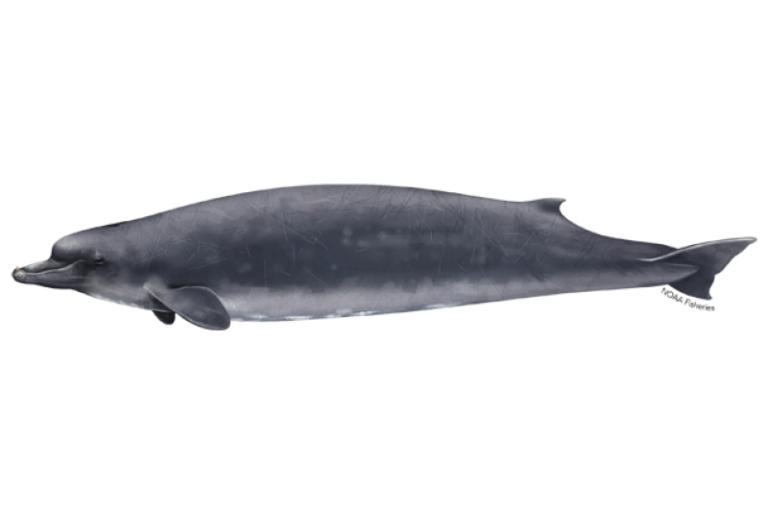
A beak nose whale, or a ginkgo-toothed beaked whale, scientific name: Mesoplodon ginkgodens

For years, biologists studying the deep Pacific had been listening for a mysterious underwater signal: a beaked whale call labeled BW43. The signature appeared in hydrophone data beginning in 2020, but no one had ever seen the animal that produced it. That changed on a June morning in 2024, off Baja California, Mexico, aboard Oregon State University’s research vessel Pacific Storm.

Scientists on deck were preparing for another day of searching when a call came from the bridge — whales surfacing on the starboard side. For hours, two small beaked whales appeared and vanished in the distance, long enough for brief looks but not long enough to identify them with certainty.

Then researcher Robert Pitman, a now-retired scientist from Oregon State University, managed to take a small biopsy using a crossbow fitted with a sampling arrow. The fragment of skin — about the size of a pencil eraser — would later confirm what the team suspected: the whales were ginkgo-toothed beaked whales, a species never before documented alive in the wild.

The confirmation, published later in Marine Mammal Science and led by Elizabeth Henderson of the US Naval Information Warfare Center, marked the end of a five-year search. Henderson and colleagues from Mexico and the United States had been tracking the BW43 call since 2020, originally believing it might belong to Perrin’s beaked whale, another species never seen alive.

The team returned to the same area for three seasons, first with a sailboat and later a Mexican fishing vessel, without success. In 2024, working with Oregon State University and its more advanced equipment, they were finally able to pair the acoustic signal with a live animal. The Pacific Storm towed an array of hydrophones capable of identifying specific beaked whale calls and carried high-powered binoculars suited for long-distance visual searches.

Beaked whales are among the least understood mammals on Earth. There are 24 known species, most of them rarely seen because they dive deeper and stay underwater longer than any other marine mammal. Many species have only been described from stranded carcasses, and new species continue to be identified, including one as recently as 2021.

Their sensitivity to sonar is well-documented; exposure in certain circumstances can disrupt foraging or cause rapid ascents that lead to fatal injuries similar to decompression sickness. Understanding where these species live is essential for reducing the risk from naval activities and other noise disturbances.

The biopsy itself was almost lost. Before the researchers could retrieve it from the water, an albatross attempted to take it, forcing the crew to scare the bird off before recovering the sample.

The find also shifted assumptions about the whales’ range. Ginkgo-toothed beaked whales were previously known mostly from strandings across the Pacific, particularly Japan. The team’s analysis of acoustic databases suggests they live year-round off California and northern Baja California. Two previous strandings on the west coast of North America, once considered rare anomalies, now appear consistent with this distribution.

Many beaked whale calls remain unmatched to species, and several species still have no confirmed call at all. Researchers are now working to link additional acoustic signatures with specific animals so that long-term monitoring can rely on underwater listening rather than visual sightings — often the only viable method for such elusive species.

COP30 Is Designed to Confuse—So the Real Climate Blockers Stay Hidden

0
Rachel Rose Jackson
Rachel Rose Jackson

Is COP30 intentionally confusing and opaque so the public can’t see how Global North countries and big polluters block real climate action. This is the argument of Rachel Rose Jackson, Director of Climate Research and Policy at Corporate Accountability. Behind closed doors, she asserts, wealthy nations avoid paying climate debt while expanding fossil fuels, and fossil fuel lobbyists flood the negotiations. The result is an artificial COP bubble disconnected from real-world climate crises, designed to protect polluters rather than people.

Here is her piece.

“If you’re finding it almost impossible to track and understand the finer details of what is happening across the negotiating rooms of COP30, you are not alone. It’s tediously technical, and at best very confusing. This is by design. It’s all part of a carefully orchestrated plan to distance every day humans from what happens here, to construct veils of secrecy, and to create a fake, alternate universe that spurs a complete disconnect from the reality of the world that we’re all living and the climate crisis that we’re all experiencing outside of these halls.

This is an intentional plan to distract and distance from the typhoons that are currently happening in the Philippines while we are here, where hundreds of people are dying, and many activists here are not even sure if their families are safe or if they’ll come home to a community that was the same as when they left. This is a plan to create intentional disconnect from the trillions of dollars that are being spent annually on war and fossil fuel violence in places like Palestine. From the wildfires, from the floods, from the grabbed lands, from the harm caused all around the world by the very same actors that are here creating this disconnect.

It is not a coincidence that it is so difficult to track the inner workings of COP30. This carefully orchestrated illusion is crafted by the very same countries that are most responsible for climate change and most responsible for the past three decades of blocking progress to address it. I’m talking about Global North– the countries whose economies have gotten rich off fossil fuels, extracting and burning and profiting at the expense of people across the world, particularly Global South communities, frontline communities, and Indigenous Peoples.

In clearer terms, here’s what’s happening behind the doors of COP30. The systematic denial of the trillions of dollars that is overdue in climate debt by the Global North to communities in the Global South who are hit hardest and worst. This debt is not charity, it’s not kindness, it’s owed, and it’s long overdue. There’s then the thorough withdrawal of all other forms of meaningful finance that have the chance to become public and people-centered, on one hand, and the rolling out and ramping up of carbon markets and other ‘carbon finance’ schemes that allow the Global North and Big Polluters to continue profit off of polluting the planet. And then, the pretense of the TFFF, which is riddled with loopholes and is another attempt to profit off of nature. All of this while at home, these same Global North countries are proclaiming climate championship while doing very little to decrease emissions or to do their fair share of climate action. Instead, they are actually scaling up fossil fuel production.

Last week, research by Oil Change International showed that just four Global North countries have derailed an oil and gas phase out since the Paris Agreement. This quartet increased their oil and gas production by 40% between when the Paris Agreement was agreed and last year. In this same period, the rest of the world had a combined oil and gas decrease of 2%. These planet wrecking climate blockers are Canada, Australia, Norway, and the United States.

Which brings me to the United States. They’re not at COP30, right? Incorrect. Let’s be clear, the United States has always been the largest blocker of climate action at home and abroad, the largest polluter, and the biggest bully. They may not be officially at COP30, but they are very much undermining action. And the fact that they don’t have an official delegation doesn’t change that.

The United States is here as the biggest donor to the World Bank, which is now the interim trustee and host of both the TFFF as well as the Loss and Damage Fund. So they hold the purse strings to some of the biggest parts of climate action. And at home, they’re also using tariffs and economic sanctions to weaponize climate action and to prevent other countries from being able to take the action they need domestically to respond to the climate crisis. So the US is very much here. They’ve taken off the gloves and they’re ready to throw down, as are their other fight club buddies Canada, Australia, Norway, and the EU.

In addition, it’s also really important we understand that it is not only countries who are being invited to COP30 to do dirty. Kick Big Polluters Out just released exposing that there are more than 1,600 fossil fuel lobbyists at COP30. Thats means 1 out of 25 participants is advancing a fossil-fueled agenda, outnumbering delegates from the Philippines from 50 to one and delegates from Jamaica 40 to one. Big Polluters are overrunning this place. They are everywhere. They’re whispering in the ears of delegates. They are in rooms that even civil society doesn’t have access to. And just 90 of these oil and gas corporations that have attended COP26-COP29 are responsible for nearly 60% of oil and gas production in 2024.

So as we head into the final days of these critical talks, and while the climate crisis impacts people all around the world, we want to know what are Big Polluters doing here? And if Global North countries aren’t getting serious about doing their fair share of climate action, why are they wasting our time? As the window COP 30 starts to wind down, so-called world leaders mustIt’s time to step up. It’s time to Kick Big Polluters Out. It’s time for Global North countries to do their long-overdue fair share of climate action, to justly end fossil fuels, and to crack open that disconnect between the real world that’s outside these halls and the carefully orchestrated artificial universe inside these halls.”

UNESCO’s virtual museum of stolen cultural objects

0
unesco, virtual museum, stolen cultural objects, missing artifacts, looted heritage, cultural restitution, provenance research, digital exhibit, online museum, interactive gallery, diebédo francis kéré, kéré architecture, african heritage, global south artifacts, colonial era theft, repatriation of cultural property, cultural history, heritage protection, digital archive, 3d heritage imaging, global museum ethics
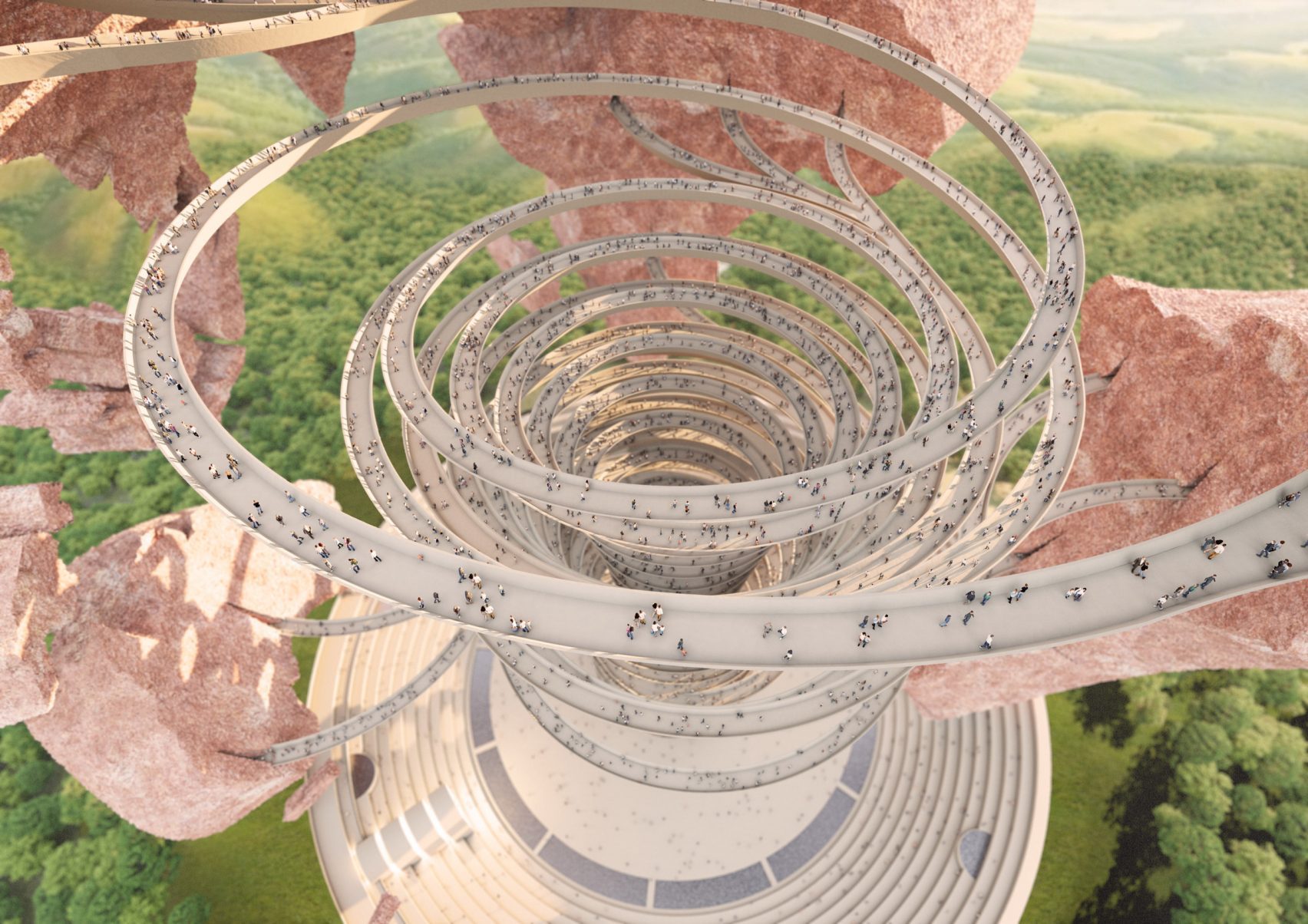
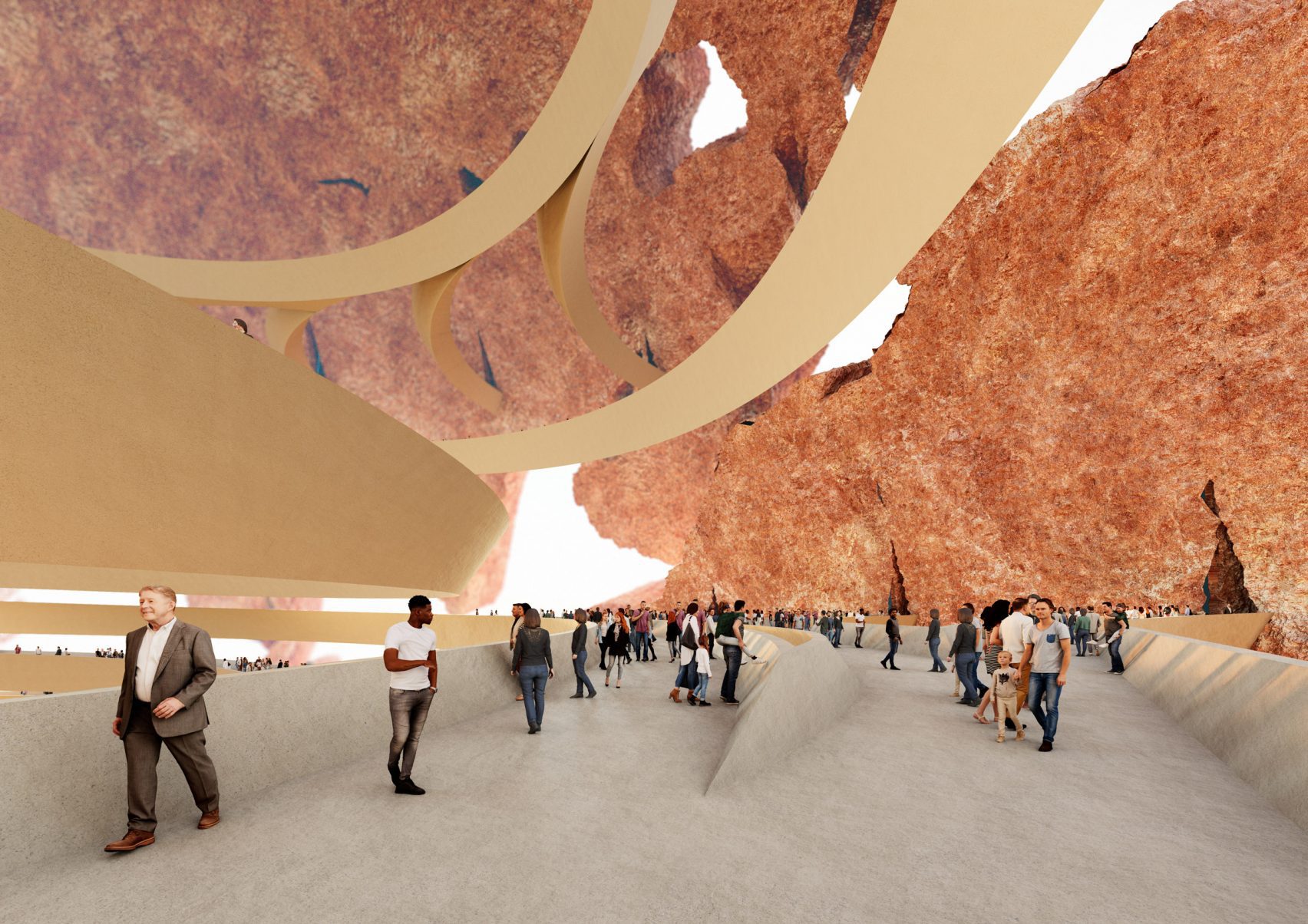
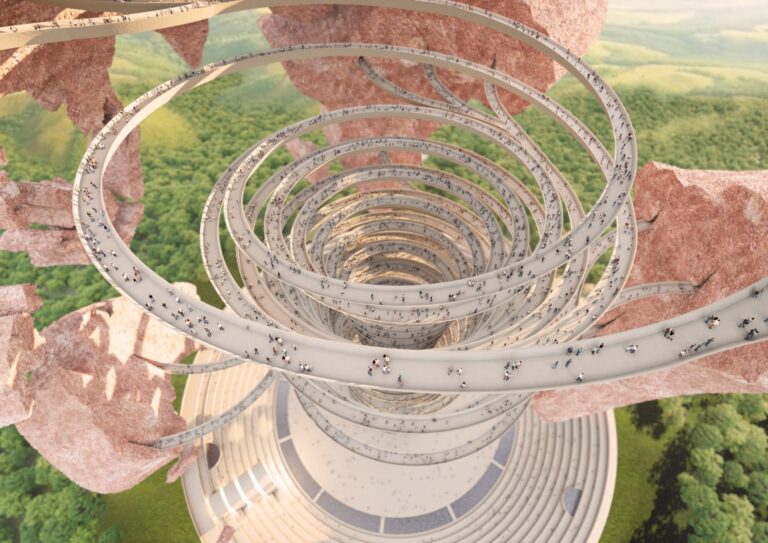
Diébédo Francis Kéré has designed a virtual museum with a spiralling gallery for UNESCO

UNESCO has launched a new kind of museum — one with no queues, no walls, and no climate-controlled vaults humming behind locked doors. Instead, the Virtual Museum of Stolen Cultural Objects, designed by Burkinabè Pritzker Prize–winning architect Diébédo Francis Kéré, lives entirely online. It promises to showcase some 600 missing or stolen artefacts from across the world, using 3D scans, immersive environments, and narrative storytelling to return visibility to heritage that vanished long before many of us were born.

unesco, virtual museum, stolen cultural objects, missing artifacts, looted heritage, cultural restitution, provenance research, digital exhibit, online museum, interactive gallery, diebédo francis kéré, kéré architecture, african heritage, global south artifacts, colonial era theft, repatriation of cultural property, cultural history, heritage protection, digital archive, 3d heritage imaging, global museum ethics

The headlines focus on digital innovation. But beneath the optimism lies something deeper: a global reckoning with the cultural damage of the last two centuries — when objects were taken during war, colonization, forced excavations, “private collecting,” and the grey economies of the antiquities trade. UNESCO frames the museum as an educational tool and an act of restitution, albeit a virtual one. The question is whether this new space can be more than a digital confession booth for the global North.

Kéré’s design concept draws on the symbolic roots of the baobab tree, often called the “tree of life.” Its thick trunk, powerful silhouette, and deep roots represent endurance — the idea that even when an object is uprooted, the culture that created it persists. It’s poetic, but also political: a reminder that heritage exists on the land first, not in the institutions that later house it.

unesco, virtual museum, stolen cultural objects, missing artifacts, looted heritage, cultural restitution, provenance research, digital exhibit, online museum, interactive gallery, diebédo francis kéré, kéré architecture, african heritage, global south artifacts, colonial era theft, repatriation of cultural property, cultural history, heritage protection, digital archive, 3d heritage imaging, global museum ethics

Inside the virtual galleries, visitors will find everything from looted manuscripts to sacred sculptures to objects trafficked across borders and into private hands. Each artifact is accompanied by its backstory: where it was created, how it disappeared, what it meant to the community that once held it. Some pieces have known fates; others are still missing, possibly sitting on a shelf in a Dubai flat or a house in Spain. UNESCO wants to make these absences visible — to show the wounds as well as the artifacts.

There’s also a Restitution Room, a space that highlights successful returns. These are the bright spots — cases where countries and institutions cooperated rather than clashed, and where the journey home wasn’t blocked by bureaucracy, politics, or the quiet resistance of museums reluctant to empty their vitrines.

But the virtual museum raises uncomfortable questions. Does digitizing loss risk sanitizing it? Can a VR gallery pressure powerful institutions into returning physical objects? Or will this become one more place where heritage from the Global South is appreciated — but still not actually returned? It also should ask questions about how past “colonizers” actually managed to save world heritage artifacts that would have been lost as regimes like ISIS and the Islamic State take over by force and blow up sites of cultural significance. See our story on ISIS and Palmyra.

UNESCO’s position, a federation of UN countries which also includes the Taliban and other terror states, is that awareness is the first step toward restitution. Or could this just be a way to politicize virtue signaling?

unesco, virtual museum, stolen cultural objects, missing artifacts, looted heritage, cultural restitution, provenance research, digital exhibit, online museum, interactive gallery, diebédo francis kéré, kéré architecture, african heritage, global south artifacts, colonial era theft, repatriation of cultural property, cultural history, heritage protection, digital archive, 3d heritage imaging, global museum ethics

That’s true. But awareness without political will changes little. Restitution remains tangled in law, diplomacy, and the competing narratives of empires that still do not fully acknowledge the harms they engineered.

And yet, something about this project feels necessary. In a world where climate threats, war, and trafficking still endanger cultural heritage, a digital sanctuary is better than none. More importantly, it gives communities a way to reclaim their stories, even if the objects themselves remain in limbo. Also who owns the past? All of humanity? The last ancestors of a tribe or converts to their new religion? Now that the world has gone globalized should individual heritage and ancestry be thrown to the wind?

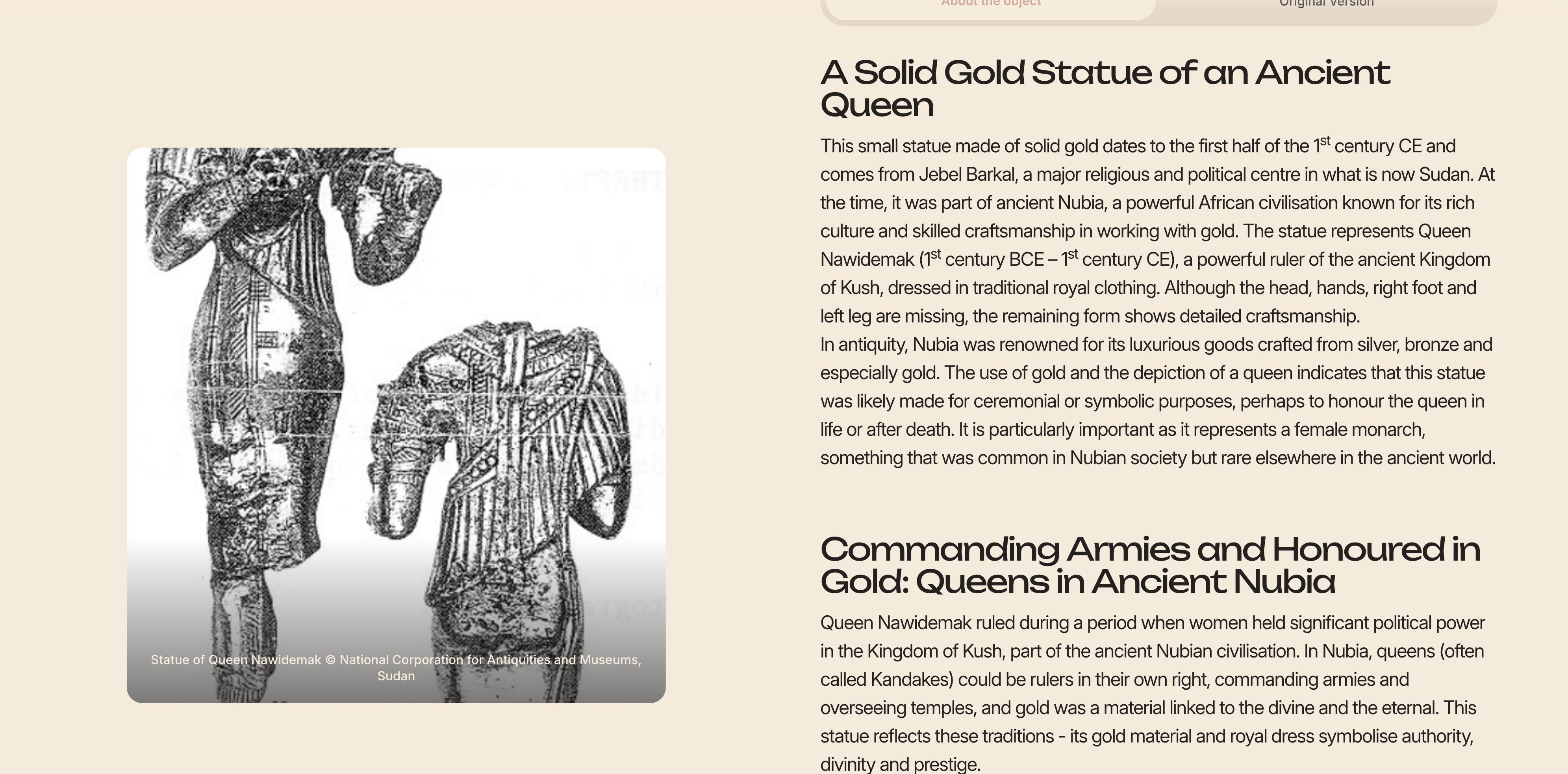
If you jump in and visit the Middle East region, and the Arab world, you will first see an object from Sudan, a statue of a Nubian queen made about 2000 years ago. It does not state who “stole” it and when.

After the rise of Islam in Arabia (7th century), Muslim Arab armies reached Nubia (northern Sudan).
Nubian queen made from gold, 10cm in height. Was it stolen or just melted down for the price of gold by conquerers at the time?

Let the conversations begin.

Visit the Museum of Stolen Cultural Objects