Before promoting sustainability progress, companies must ensure their initiatives are genuine and measurable. Today’s audiences are increasingly skeptical of vague environmental claims, particularly as awareness of “greenwashing” has grown.
Sydney is best known for the Opera House and the Harbour Bridge. If you’re looking to enjoy dinner with views of these landmarks, here are some great options.
It's sea turtles which may in the end save islands in the Seychelles. They may also better help us understand climate change. Like rings on a tree, scientists have found a way to read sea turtle shells and how they are impacted by climate change tells a story.
For centuries, the Sámi shaman drum was one of the most powerful sacred objects in northern Europe, and one of the most feared by church and state. If ISIS looks bad to us today for its religious fundamentalism, Christians were just as fervent.
Before promoting sustainability progress, companies must ensure their initiatives are genuine and measurable. Today’s audiences are increasingly skeptical of vague environmental claims, particularly as awareness of “greenwashing” has grown.
Sydney is best known for the Opera House and the Harbour Bridge. If you’re looking to enjoy dinner with views of these landmarks, here are some great options.
It's sea turtles which may in the end save islands in the Seychelles. They may also better help us understand climate change. Like rings on a tree, scientists have found a way to read sea turtle shells and how they are impacted by climate change tells a story.
For centuries, the Sámi shaman drum was one of the most powerful sacred objects in northern Europe, and one of the most feared by church and state. If ISIS looks bad to us today for its religious fundamentalism, Christians were just as fervent.
Before promoting sustainability progress, companies must ensure their initiatives are genuine and measurable. Today’s audiences are increasingly skeptical of vague environmental claims, particularly as awareness of “greenwashing” has grown.
Sydney is best known for the Opera House and the Harbour Bridge. If you’re looking to enjoy dinner with views of these landmarks, here are some great options.
It's sea turtles which may in the end save islands in the Seychelles. They may also better help us understand climate change. Like rings on a tree, scientists have found a way to read sea turtle shells and how they are impacted by climate change tells a story.
For centuries, the Sámi shaman drum was one of the most powerful sacred objects in northern Europe, and one of the most feared by church and state. If ISIS looks bad to us today for its religious fundamentalism, Christians were just as fervent.
Before promoting sustainability progress, companies must ensure their initiatives are genuine and measurable. Today’s audiences are increasingly skeptical of vague environmental claims, particularly as awareness of “greenwashing” has grown.
Sydney is best known for the Opera House and the Harbour Bridge. If you’re looking to enjoy dinner with views of these landmarks, here are some great options.
It's sea turtles which may in the end save islands in the Seychelles. They may also better help us understand climate change. Like rings on a tree, scientists have found a way to read sea turtle shells and how they are impacted by climate change tells a story.
For centuries, the Sámi shaman drum was one of the most powerful sacred objects in northern Europe, and one of the most feared by church and state. If ISIS looks bad to us today for its religious fundamentalism, Christians were just as fervent.
Before promoting sustainability progress, companies must ensure their initiatives are genuine and measurable. Today’s audiences are increasingly skeptical of vague environmental claims, particularly as awareness of “greenwashing” has grown.
Sydney is best known for the Opera House and the Harbour Bridge. If you’re looking to enjoy dinner with views of these landmarks, here are some great options.
It's sea turtles which may in the end save islands in the Seychelles. They may also better help us understand climate change. Like rings on a tree, scientists have found a way to read sea turtle shells and how they are impacted by climate change tells a story.
For centuries, the Sámi shaman drum was one of the most powerful sacred objects in northern Europe, and one of the most feared by church and state. If ISIS looks bad to us today for its religious fundamentalism, Christians were just as fervent.
Before promoting sustainability progress, companies must ensure their initiatives are genuine and measurable. Today’s audiences are increasingly skeptical of vague environmental claims, particularly as awareness of “greenwashing” has grown.
Sydney is best known for the Opera House and the Harbour Bridge. If you’re looking to enjoy dinner with views of these landmarks, here are some great options.
It's sea turtles which may in the end save islands in the Seychelles. They may also better help us understand climate change. Like rings on a tree, scientists have found a way to read sea turtle shells and how they are impacted by climate change tells a story.
For centuries, the Sámi shaman drum was one of the most powerful sacred objects in northern Europe, and one of the most feared by church and state. If ISIS looks bad to us today for its religious fundamentalism, Christians were just as fervent.
Before promoting sustainability progress, companies must ensure their initiatives are genuine and measurable. Today’s audiences are increasingly skeptical of vague environmental claims, particularly as awareness of “greenwashing” has grown.
Sydney is best known for the Opera House and the Harbour Bridge. If you’re looking to enjoy dinner with views of these landmarks, here are some great options.
It's sea turtles which may in the end save islands in the Seychelles. They may also better help us understand climate change. Like rings on a tree, scientists have found a way to read sea turtle shells and how they are impacted by climate change tells a story.
For centuries, the Sámi shaman drum was one of the most powerful sacred objects in northern Europe, and one of the most feared by church and state. If ISIS looks bad to us today for its religious fundamentalism, Christians were just as fervent.
Before promoting sustainability progress, companies must ensure their initiatives are genuine and measurable. Today’s audiences are increasingly skeptical of vague environmental claims, particularly as awareness of “greenwashing” has grown.
Sydney is best known for the Opera House and the Harbour Bridge. If you’re looking to enjoy dinner with views of these landmarks, here are some great options.
It's sea turtles which may in the end save islands in the Seychelles. They may also better help us understand climate change. Like rings on a tree, scientists have found a way to read sea turtle shells and how they are impacted by climate change tells a story.
For centuries, the Sámi shaman drum was one of the most powerful sacred objects in northern Europe, and one of the most feared by church and state. If ISIS looks bad to us today for its religious fundamentalism, Christians were just as fervent.
Building back home and dignity can work with local, sustainable materials
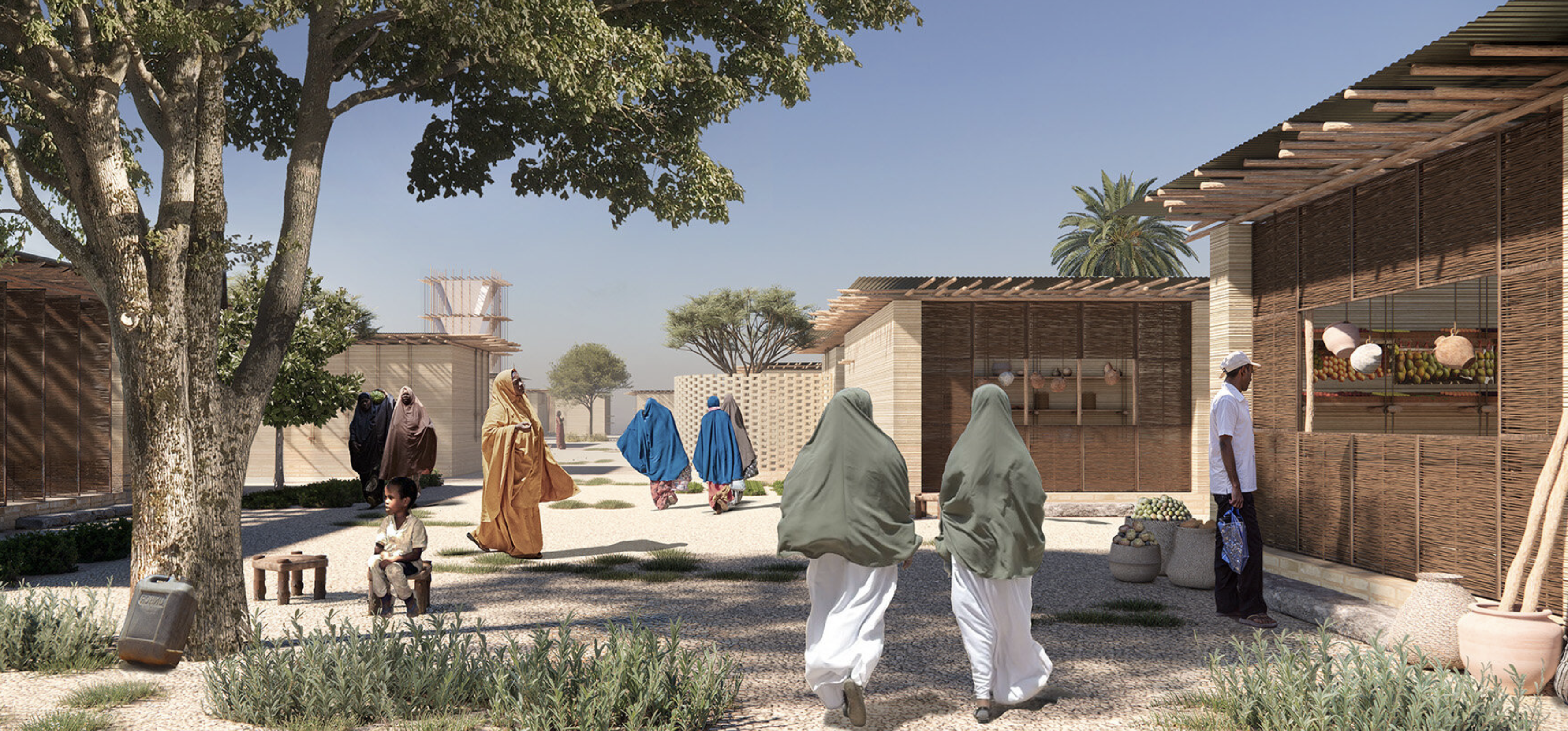
Somalia faces one of the world’s most persistent displacement crises, with millions uprooted by conflict, drought, and climate-driven instability. As emergency camps grow into semi-permanent settlements, the need for long-term, affordable, and culturally grounded housing becomes urgent. A new proposal, Shelters of the Future, offers precisely that: a mud-brick modular framework rooted in Somali building traditions yet designed for resilience, dignity, and community.
Developed by designer Rabie Al Ashi in Saudi Arabia in collaboration with Kengo Kuma & Associates, Shelters of the Future won first prize in an international competition led by Somalia’s Ministry of Public Works, Reconstruction and Housing (MoPWRH), the International Organization for Migration (IOM), and Young Architects Competition (YAC). It stands out for its elegant simplicity: a shelter system that relies on local materials, local skills, and local cultural logic.
With so much goodwill going into designing new refugee shelters from the western world –– see our 2014 article on refugee shelters from IKEA and designers in Jordan, we are still seeing Gazans and Somalis living under tarps.
Still, we celebrate ideas and appreciate this design because it works with vernacular materials and takes into account the local.
At the heart of the design is a flexible 4×4-meter module, a human-scaled unit pairing two enclosed rooms with a semi-open central space and a private garden. This small footprint is deceptively powerful: it gives each household privacy, a safe outdoor space, and the ability to arrange interior life according to Somali social norms. The module becomes a building block—units can be combined into courtyards, linear clusters, or circular compounds that echo traditional Somali settlement patterns. Compare this to the shelters Somalis have built in Yemen, below.
Materiality grounds the system firmly in place. Structures are built from mud bricks, acacia logs, palm leaves, and earth-based plasters—materials that are renewable, inexpensive, and readily available. Mud bricks in particular offer thermal mass, keeping interiors cooler during the day and warmer at night, an essential feature in Somalia’s hot, arid climate.
Construction is intentionally low-tech: shelters can be built by residents themselves, strengthening local craftsmanship and reducing reliance on imported humanitarian products that often fail in desert climates.
A UN photo of Somalis sheltering in Yemen
The design also incorporates passive cooling strategies—cross-ventilation, shaded openings, and breathable walls—to make life more comfortable without the need for electricity. Gender-sensitive layouts support safety and cultural expectations. Small gardens, livestock spaces, and shaded communal zones help rebuild livelihoods and social cohesion.
We’ve spent weeks in Sinai in the simple hushas there made from palm fronds and bamboo. They can be remarkably comfortable even at night when the cold winds blow.
A basic husha in Sinai built by Bedouin
Rather than treating displacement as a temporary emergency, this project is reframed as a human condition requiring stability, community, and dignity. By combining vernacular wisdom with adaptable modular planning, the project offers a model for refugee housing that is scalable, low-carbon, and deeply respectful of local identity.
For Somalia’s displaced families, a mud-brick home may be the most modern solution of all.
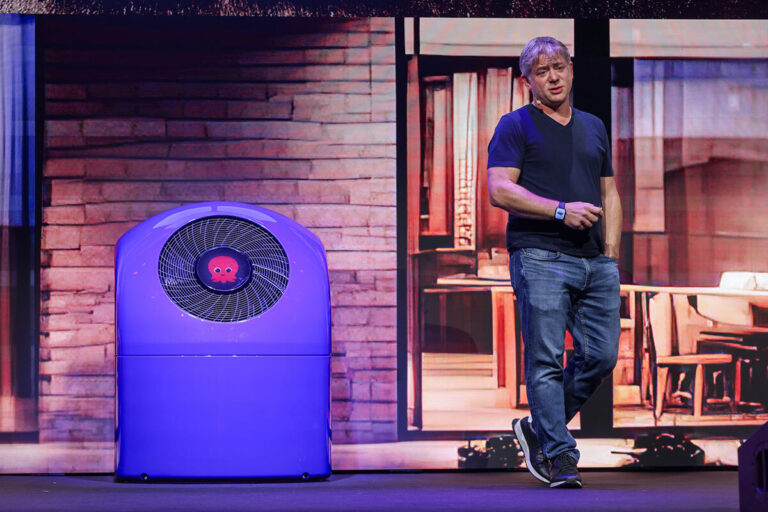
Octopus energy in the UK: Octopus Energy chief executive Greg Jackson with the new ‘Cosy 6’ heat pump (picture: Octopus Energy)
They’re Ready for the Coldest Winters and the Hottest Deserts
For years, heat pumps have sat on the sidelines of the clean-energy conversation in the United States. They were viewed as efficient, yes, but only if you lived somewhere with mild winters and predictable weather. For people in Minnesota, Maine, or the Rocky Mountain states in America or Canada, a heat pump was still considered too risky when temperatures plunged. This is despite seeing them as a mainstream addition to any home and factory in the very cold climate of Finland when Green Prophet was on a sponsored cleantech tour 15 years ago.
But 2025 is the year that equation changes. Advances in cold-climate performance, breakthroughs in commercial-scale systems, and real-world applications from Helsinki to New England show that heat pumps are no longer niche technology. They’re becoming central infrastructure for a low-carbon future.
One of the biggest barriers to wide adoption has always been the cold. Traditional air-source heat pumps lose efficiency when temperatures fall below freezing, forcing backup heat sources to kick in. That isn’t just inconvenient — it erases the energy savings that make heat pumps attractive in the first place.
This winter, LG unveiled a new cold-climate heat pump that directly answers this problem. The system recently won a 2025 innovation award after real-world testing showed reliable heating even in extreme low temperatures. LG is now coordinating a global consortium to test heat-pump designs across every climate zone — from Alaska to Norway to Saudi Arabia — accelerating research on defrosting cycles, refrigerants, and compressor efficiency.
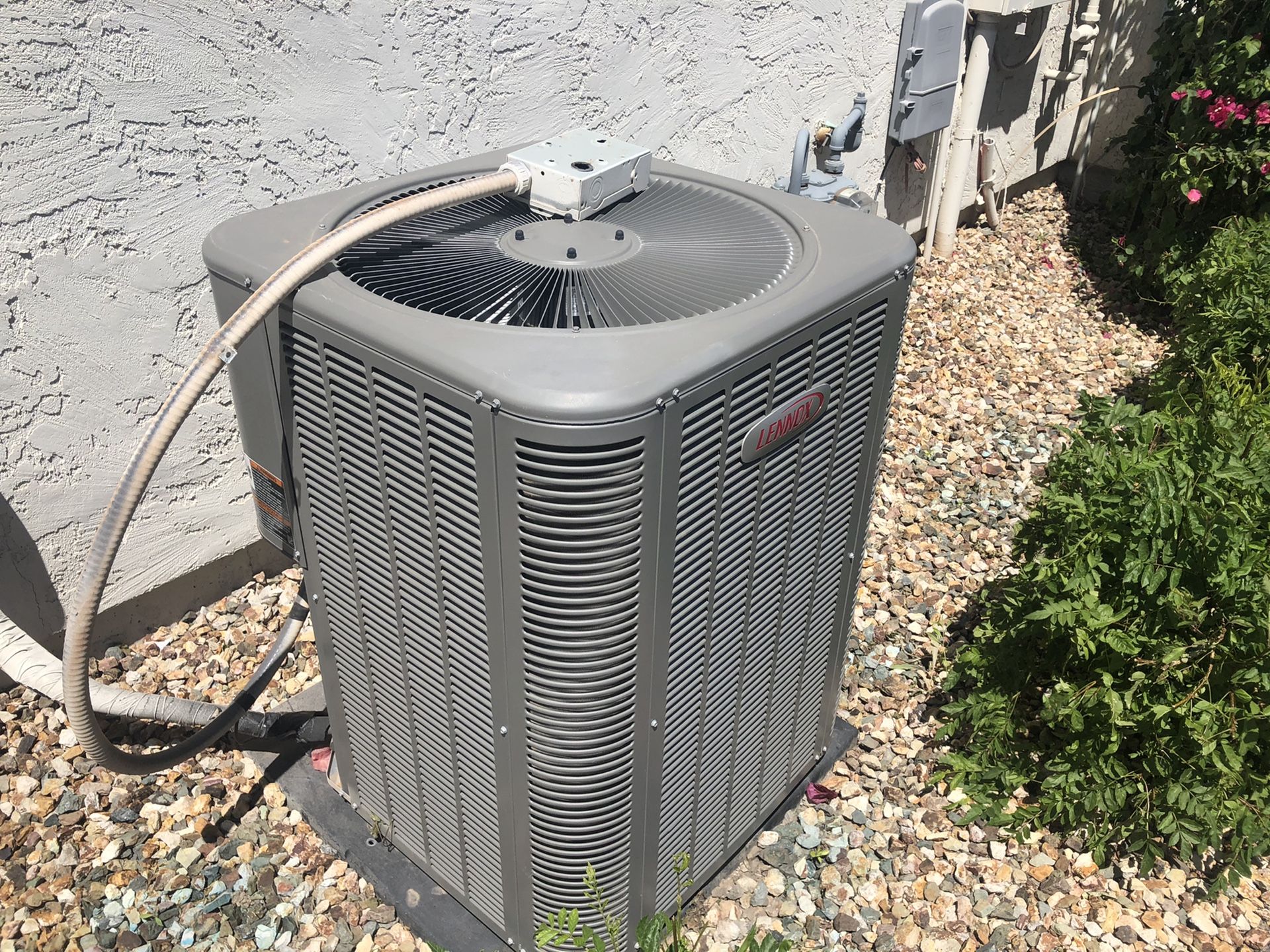
On the commercial side, Lennox (NYSE:LII) became the first HVAC manufacturer to complete validation under the US Department of Energy’s Cold Climate Heat Pump Technology Challenge. Their 15 to 25 ton rooftop system solves long-standing defrost issues in large buildings and makes it possible for offices, schools, and municipal buildings to electrify heating without sacrificing performance.
A Lennox heat pump in a home installation in New York
Heat pumps don’t create heat — they move it. In winter they pull warmth from the air or ground and bring it indoors, and in summer they reverse the cycle to cool. By shifting heat instead of burning fuel, heat pumps use significantly less energy than conventional HVAC systems.These breakthroughs do more than lower emissions. They reduce fear. For millions of Americans living in cold northern states, fear has been the single biggest barrier to switching away from oil or gas furnaces.
A $450 Million Experiment in New England
The New England Heat Pump Accelerator — a regional, multi-state initiative — has committed $450 million to expand heat-pump deployment in one of America’s coldest, oldest housing markets. The goal is straightforward: replace fossil-fuel heating with high-efficiency electric systems in places historically dependent on heating oil. This is important to note because the Trump Administration killed federal heat pump incentives, believing it should place the onus on the state.
New England’s housing stock is notoriously challenging. The region has large numbers of drafty, pre-1970 homes, old radiators, and limited ductwork. But with new cold-climate systems, these obstacles are no longer deal-breakers. Maine and Vermont have already reported tens of thousands of successful installations in homes once considered unsuitable.
Green Prophet readers may recall our coverage of Helsinki’s bold experiment: using heat pumps to recycle waste heat from data centers under a church, turning server heat into city-wide district heating. Instead of dumping excess heat into the Baltic Sea, those data centers now feed a clean-energy loop that warms data servers and Finns use heat pumps to warm their homes.
A group of international bloggers from cleantech media, Grist, Treehugger and Green Prophet visiting a power plant in Finland. We later learned about heat pumps.
This model is spreading. As US cities debate how to meet climate targets while accommodating explosive growth in cloud computing and AI infrastructure, the idea of using heat pumps to reclaim and recirculate server waste heat is gaining attention. It closes a loop that the fossil-fuel economy never could.
According to the International Energy Agency, heat-pumping technologies could meet nearly 40% of global space-heating demand by 2035. The IEA calls them “central to future decarbonization,” primarily because they displace oil, propane, and natural gas — fuels with some of the highest household carbon footprints.
When paired with renewable electricity, heat pumps can reduce home heating emissions by 50–70%, and in some regions, more.
According to the IEA heat pumps are increasingly recognised as a critical technology for heat decarbonisation, receiving focused policy support in several countries over the past years. In 2023 global sales of heat pumps decreased by 3%, after two consecutive years of double digit-growth, amid high interest rates and inflation in most major heating markets.
However heat pumps still meet only around 10% of the global heating need in buildings. To get on track with the Net Zero Emissions by 2050 (NZE) Scenario, the global heat pump stock would need to almost triple by 2030, to cover at least 20% of global heating needs. Further policy support and technical innovation are also required, particularly to reduce upfront costs, and to remove market barriers to renovations.
Heat pumps for hot desert climates like the Middle East?
While cold climates dominate the headlines, heat pumps may have an equally transformative role in the world’s hottest regions. New inverter-driven systems can cool efficiently even when outdoor temperatures soar past 45°C (113°F). In desert climates like Riyadh or Dubai, heat pumps can replace energy-hungry air conditioners and inefficient electric resistance heaters. Because they operate on a reversible cycle, a single unit cools during extreme heat and provides efficient heating during rare cold spells — a dual benefit for regions facing widening temperature swings from climate change. (It does get cold in hot desert climates).
And unlike older AC units that can only plug into a socket, modern heat pumps can run on renewable energy, including rooftop solar if you are connected to the gird or off the grid. For countries such as the UAE, Jordan, or Israel, this technology reduces grid stress and curbs reliance on fossil-fuel plants.
How much does a heat pump cost?
A heat pump in Texas
In the US, a residential cold-climate heat pump generally costs $8,000–$15,000 installed, with substantial incentives available through federal programs and state rebates. Meanwhile, ground-source (geothermal) systems cost more upfront but offer unmatched efficiency in both hot and cold climates.
The US federal tax credit of up to $2,000 for heat pumps remains available through 2025, and several states offer rebates of $1,000–$10,000, depending on income. This is an important incentives model for other countries around the world to follow, much like the home-owner feed-in tariffs for solar energy.
Heat pumps have crossed a threshold — technically, culturally, and economically. They’re no longer a futuristic alternative to furnaces and air conditioners. They’re becoming the backbone of a new heating and cooling economy that works in Helsinki’s blizzards, New England’s old homes, Arizona’s deserts, and even the dense data centers powering the AI revolution.
Candy, vinegar, and zero waste explained using orange peels
Winter is citrus season, and the markets are full of golden oranges. Don’t even try to resist them. What could be more heavenly than the sweetness of a good orange? As juice, in salads, cooked with chicken or fish, or eaten out of hand, oranges are delicious, and provide a good hit of vitamin C as well.
Related: make a natural sell-good candle with orange peels
If you’re dedicated to zero waste in your kitchen, you might find yourself frustrated with all those squeezed-out oranges. What can you do with them? Compost them if you can, but if that’s not an option, here are five culinary ways to get the goodness in their peels. Naturally, pesticide-free fruit is what you want.
The first thing is to remove the rind by peeling or grating before doing anything else to the fruit. Much easier, and safer, than handling a slippery, squeezed half-orange.
1. Make orange and basil infused vinegar. The ingredients are one orange, a large handful of fresh, clean basil leaves, and apple cider vinegar. Have a clean, dry jar at hand. Peel the rind of one orange into strips, avoiding the white pith. A vegetable peeler works well for this. Stuff the orange strips into the jar. Add the basil to the jar and pour vinegar over all. Stir the contents carefully to release any air bubbles. Cap the jar, store it away in the dark, and wait two days. A week is even better.
You can strain the infused vinegar if you want, or just leave it all in. I like to leave the peel and basil in, letting the flavor improve over time.
2. Make candied peel. That’s a sugary seasonal treat. It makes great gifts, if you can keep it around long enough. The procedure is simple; it’s just a little tedious. You use the whole peel in candying, pith and all, which requires boiling the peel three times, in order to get rid of the bitterness. But it’s worth the time if you love candied peel. There are plenty of instructions out there. Lemons, limes, and grapefruit also make great candied peel.
Quick Instructions for Candied Citrus Peel
Prep the peel: Slice the peel into strips, using the whole thing—zest, pith, and all. Boil out the bitterness: Boil the peel in water, drain, and repeat three times. This removes the harsh bitterness from the pith. Simmer the boiled peel in a simple syrup (equal parts sugar and water) until translucent. Remove, let dry slightly, then toss in sugar. Let the strips dry fully. Store in an airtight container—if you can resist eating them. They make beautiful, tasty gifts.
Works with oranges, lemons, limes, and grapefruit.
3. Cook up orange rice pudding. Use our rice pudding recipe and simply stir in the grated peel of a whole orange instead of the rose petals.
4. Dry the peel for cooking, as the French and many Oriental cooks do. It adds an alluring deep flavor to stews. Peel one or two oranges thinly and set the peel to dry. Clementines are good too, and are easy to peel. Some draw thread through the peel and hang it up to dry. I just lay the pieces down on a thin towel and put it in an out-of-the way corner, turning it over every few days.
How soon it dries depends on the weather and the ambient moisture. The peel will be brittle when thoroughly dry. You can snap pieces off with your fingers. It will last years, stored in glass in a dark place. I love to tuck a few pieces of dried orange peel here and there in a beef or chicken tajine.
Most people don’t identify the flavor as orange unless they get a piece in their stew. It’s not tart and bright like fresh orange; it’s a little musky.
5. Make orange vodka. It couldn’t be simpler. Pour out about a half-cup of vodka from a new bottle and set it aside for some other use. Peel an orange. Cut the rind into thin strips (any size) and cram them into the bottle. All the peel should be covered with vodka. If needed, top up the liquid with the vodka you’d set aside. Let the vodka infuse for three weeks. To serve, strain the vodka and dilute it with simple syrup. Add fizzy soda water to lighten the drink, if you like.
Bonus recipe: simple syrup is 50% water and 50% white sugar, boiled together 5 minutes to dissolve the sugar. Cool and store in the fridge. It lasts forever.
Citrus peels can be frozen in any shape and have many uses. Store frozen grated orange or lemon peel in a small container. Add a tablespoon to the batter of quick bread, muffins, pancakes, or more elaborate yeast pastries. Or stir a little into tea.
At the moment I’m freezing all my squeezed-out lemon halves to accumulate enough for candying. Although I might thaw out one to tuck into the cavity of a roasting chicken.
Another delicious way to use orange peel is letting a piece steep in hot, sweetened red wine for 5 minutes. What could be cozier on a dark winter’s evening?
Why choosing a natural tree is better for forests, farmers, and the planet
Every December, millions of families face the same question: real tree or artificial? While artificial trees are marketed as convenient and reusable, the reality is more complex. When it comes to environmental impact, community support, and even holiday tradition, the evidence is overwhelmingly in favor of choosing a Real Christmas Tree. Here’s why.
Real Christmas Trees aren’t taken from forests — they’re grown on farms. In the United States alone, 350 million trees are growing on dedicated Christmas tree farms, planted and cared for by farmers solely for holiday use. The industry supports about 15,000 farms and provides work for over 100,000 people in full- and part-time jobs.
Every year, Americans purchase 25–30 million Real Christmas Trees (according to the National Christmas Tree Association), directly supporting rural economies and preserving open green space, around 350,000 acres of it. Buying real means investing in American agriculture instead of overseas manufacturing.
Unlike artificial trees, which are made of non-biodegradable plastics and can contain metal toxins like lead, real Christmas trees are entirely natural and recyclable. After the holidays, trees can be composted, turned into mulch, used in dune restoration, or donated for wildlife habitat. That’s why more than 4,000 Christmas tree recycling programs operate across the US. If one doesn’t exist, consider opening one as a college project.
Real trees also ensure continuous renewal: for every tree harvested, farmers plant 1 to 3 seedlings the next spring, keeping the cycle alive. They also smell a lot better than plastic.
Most artificial trees, about 80%, according to the US Commerce Department are made in China. Their production and shipping generate significant carbon emissions, and once they are thrown away, they remain in landfills for centuries. While marketed as reusable, studies show an artificial tree must be kept at lea
In Cork, Ireland you can rent a Christmas tree. Maybe they will give off less aggressive VOCs because they aren’t in pain and dying?
rs to offset its environmental impact, and most don’t last that long. The plastic lingers probably forever.
By contrast, real Christmas trees actively clean the air as they grow. A single farmed tree can take 7 years on average to reach typical height, absorbing carbon dioxide and releasing oxygen throughout its life cycle. If you rent a tree, even better.
Real Christmas trees are one of the few agricultural products grown in every US state and across Canada. The top-producing states are Oregon, North Carolina, Michigan, Pennsylvania, Wisconsin, and Washington and these states ship millions of trees nationwide, ensuring that most consumers can purchase a locally sourced product. Christmas tree farms are an actual business.
Buying local reduces transportation emissions and keeps holiday spending circulating within nearby communities.
Christmas tree farms don’t displace forests — they preserve working green space and prevent development. Managed tree fields provide habitat for birds and small mammals, protect soil integrity, and maintain rural ecological balance. In many areas, former agricultural land has been restored through Christmas tree cultivation.
Beyond the environmental and economic arguments, there’s something deeply meaningful about bringing home a real tree. The scent, the feel, the ritual of choosing the perfect one, even if it’s only perfect to you, well these are things an artificial tree simply can’t replicate. A real Christmas tree connects you to nature, to local growers, and to a living cycle that continues long after the decorations come down.
It’s coming on Christmas, they’re cutting down trees… but it also stays pretty green. A famous line from Joni Mitchell’s River. If you live in cold and tree hearty Canada, cutting down a tree off your lot makes sense at Christmas time. I have thousands of young pines on my land and I cut them back every summer. They grow like weeds. But if you live in the middle of London, New York or LA, the greener option is obviously renting a potted Christmas tree. Since we covered the story a few years ago a large number of Christmas tree rental companies have opened.
In Cork, Ireland you can rent a Christmas tree. Maybe they will give off less aggressive VOCs because they aren’t in pain and dying?
In California there the Living Christmas Company in Southern California. They deliver. ]Rent A Living Christmas Tree in the South Bay and Monterey Bay areas. Environment-friendly rental system with drop-off and pickup. Plant Manning Tree Concern rents out live, potted Christmas trees such as redwoods and spruces. Delivery and post-holiday retrieval available in parts of California. Fitzgeralds Floral Events provides decorated artificial Christmas tree rentals with full setup and removal services in Los Angeles and Orange County.
You can go to a site or go online, order the tree and pick it up or if if possible have it delivered. A live tree doesn’t shed needles after a few weeks and it’s obviously the ecological choice to cutting down millions of 7 to 15 year old trees every year.
According to the National Christmas Tree Association there are about 30 million trees cut down every year. How about treading lighter on this planet by renting one? We have 8 reasons why it’s better to rent. Consider that some trees in New York are going for a few hundred dollars. Renting seems like an economical choice as well.
1. Environmentally friendly: Renting a living, potted tree keeps it alive after the holidays instead of cutting it down.
2. Reduces waste: No discarded trees piling up on sidewalks or landfills; the tree continues growing year after year.
3. Lower carbon footprint: Living trees actively absorb CO₂, and many rental companies operate locally, reducing transport emissions.
4. Supports reforestation: Most services plant the trees in parks or forests once they outgrow rental size.
5. No storage needed: Unlike artificial trees which offgas you don’t need space to store anything after the holidays.
6. Fresher and safer: A living tree doesn’t dry out, reducing fire risk and shedding fewer needles.
7. Helps local growers and nonprofits: Rentals often support small nurseries, conservation groups, or urban forest programs.
8. Easy delivery and pickup: Most services bring the tree to your door and take it away afterward — low hassle.
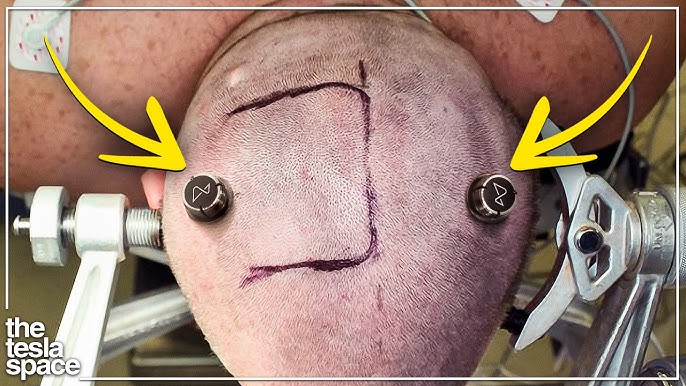
Interfacing man and machine, Elon Musk says his Neuralink brain implant now links up with any device that can be controlled by a computer or phone.
In a newly released demo, a paralyzed man with an implanted Neuralink chip is shown feeding himself simply by thinking the command — a milestone Musk describes as “the next step in human–AI symbiosis.”
According to Elon Musk, the “next step” and long-term goal for human–AI symbiosis is to achieve a species-level merger of human brains with artificial intelligence via his company Neuralink’s implantable brain-computer interface devices.
Neuralink has also listed its ongoing clinical trials. You can find them here on their website. They are now recruiting for a PRIME Study – an investigational medical device trial for a fully-implantable, wireless brain-computer interface (BCI) – to evaluate the safety of our implant and surgical robot, and assess the initial functionality of our BCI for enabling people with quadriplegia to control external devices with their thoughts.
This study involves placing a small, cosmetically invisible implant in a part of the brain that plans movements. The device is designed to interpret a person’s neural activity, so they can operate a computer or smartphone by simply intending to move – no wires or physical movement are required.
“This research may help us find safer, more effective ways to implant and use our BCI to potentially restore and enhance computer control and other capabilities. If you have limited or no ability to use both hands due to cervical spinal cord injury or amyotrophic lateral sclerosis (ALS) you may qualify,” Neuralink advertises.
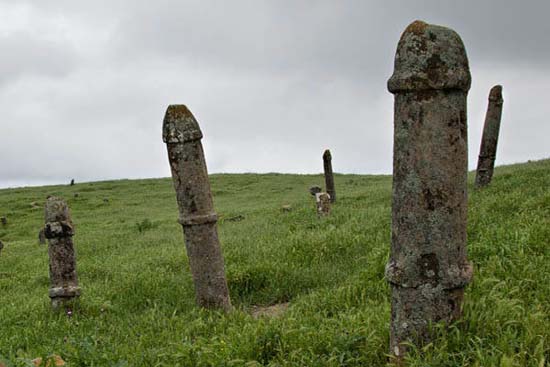
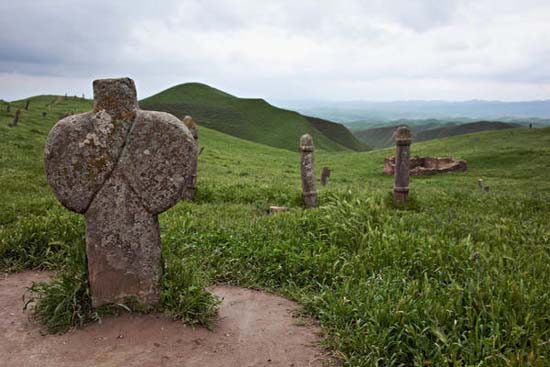
Penis headstones are a sight for sore eyes in Iran
Environmental art can take many forms, but at the core the concept is the juxtaposition of humankind’s relationship with nature. Many artists create their works by using recycled products turning them into aesthetic images; others interact with the forces of nature – wind or water, for example – to reveal something about our world in the process. Others re-envision the delicate balance between humans and our planet, making statements about our role in the stewardship of Mother Earth.
A modern day example of the latter is Spencer Tunick’s photographs of naked Israelis at the Dead Sea. But it’s an ancient display of art in Iran that is capturing imaginations in a remote area of the country…penises. Everywhere.
Eco-Erotic art is not a new form by any means
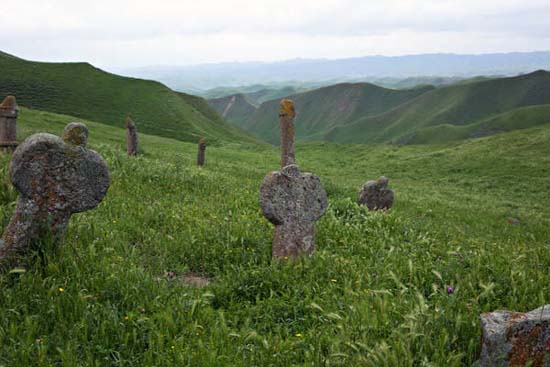
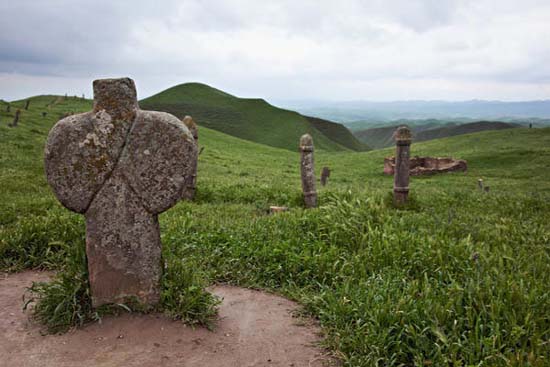
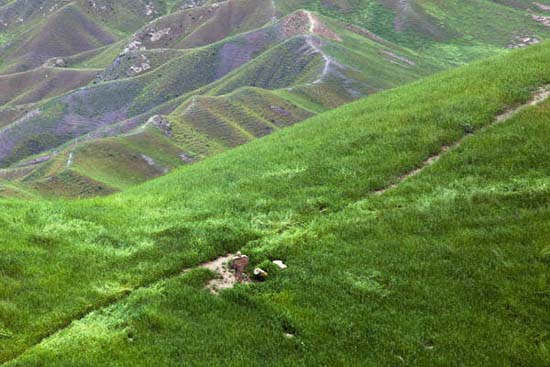
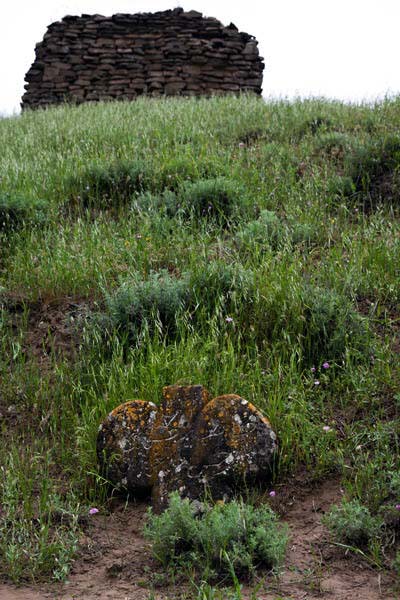
Case in point: The Khaled Nabi cemetery in northeastern Iran, a place where the over 600 tombstones have been described as ‘horny headstones’. But if you think these markers are simply an homage to the male and female genitalia, plan on being surprised. The history of the place is shrouded in intrigue….
Iran has a modern day reputation of being a place where discussions of sexuality are limited, and yet if the stories about the Khaled cemetery are true, that restrictiveness wasn’t always the case.
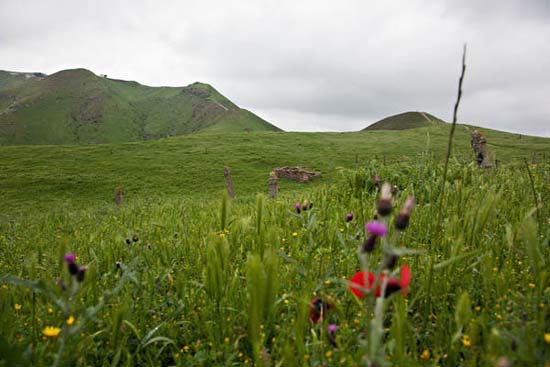
Estimated to be 1400-years-old, there’s a lot of history and culture buried on the hilltop, which in the words of one blogger, becomes a lovely site worth the strenuous climb to the top. “Geographically the region already belongs to the Turkmen steppe…it is not plain as you might expect of a steppe, but an endless series of low mountain ranges that ripple away to the horizon like a petrified sea.”
To add to the mystery, no one knows exactly who erected the tombstones, at least three of which are thought to be the sacred resting grounds for prophets (including the namesake, Khaled Nabi).
“The holy place encompasses actually not one but three shrines, revered by local tradition as the tombs of the prophet Khaled Baba, his father-in-law Alaam Baba and his shepherd Chupan Ata.”
But he lived decades before the prophet’s birth! The obvious question concerning the faith of which he was a prophet eighty-two years before the very foundation of Islam, is not raised in the legend.
However, it is very probable that he was a Nestorian Christian, one of those who in this period migrated in a growing number to the north-eastern regions of the Persian empire, and from there further to China along the Silk Road…”
Are these phallic symbols as many believe, or something else?
To our modern eye, there’s no mistaking what the creators intended when they carved the tombstones, and yet there are those who suggest that the helmet shaped-tops and rounded circles are indicative of warrior burial sites. Depending on the angle and image, our minds can easily consider the possibilities that both, or either, were the intended suggestion. Unfortunately, since we know so little of their origins, and they’ve only know been under the scope of academic study, we’ll have to wait to fully know if some ancient tribe was inclined to make war or love…
Some are columns nearly six feet high that look like penises; others bear the remarkable resemblance of female breasts. In the words of one reporter, it’s no wonder this pilgrimage site is becoming a “hot-and-bothered spot for Iran’s young adults,” even though the location, high in the mountains near the border of Turkey, makes visiting a task for the visitor.
Few have photographed or studied the place until now.
Shrouded in mystery, what can we decipher about their origins and meaning?
“According to Alireza Hesar Nuee, one of the few historians to have studied the site, the sexual symbolism could come from the phallic religion practiced in India and central Asia, but admits few know for sure the meaning behind the designs…The chatter among tourists, often overexcited by the surprising sight, is the only thing that breaks through the otherwise perfect silence of the cemetery and the valley.
“The bashful are hesitant to take pictures standing next to the poles, but others see it as an opportunity to have a laugh.” What we do know is that these headstones resemble those in other sites that are thought to have come from the phallic religion practiced in India and central Asia.
Regardless of location or origin, we at Green Prophet see more than the laughter factor in these sexually suggestive objects. Historically speaking, there is much to be learned yet about the site. One wonders what the intent of the ancient people who erected this cemetery really was, and how they might feel if they were to discover the consequences today.
In places where the discussion of sexuality is either taboo or severely restricted, eco-erotic art – whether man made and intended to arouse the senses or created by the forces of nature – offers a modern day outlet for viewers to explore their sexual natures in the safer context of admiring historical relics.
Pope Leo XIV left Rome for a tour of Turkey and Lebanon and prayed Tuesday at the ruins of the 2020 Beirut port explosion, a site that has become a stark symbol of Lebanon’s dysfunction, impunity, and unresolved trauma. His visit marks the final day of his trip to the country.
Relatives of some of the 218 people killed in the blast stood silently as Leo arrived, holding photos of their loved ones. They gathered beside the skeletal remains of the last surviving grain silo and the charred piles of cars ignited by the explosion. Pope Leo stood in silent prayer amid the wreckage.
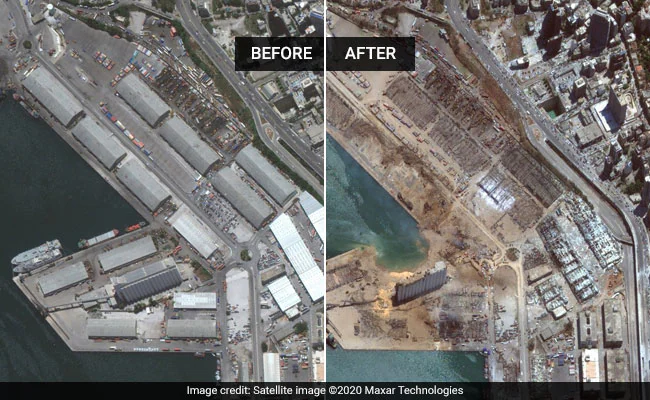
The August 4, 2020 blast, one of the largest non-nuclear explosions in the history of the world — occurred when hundreds of tons of improperly stored ammonium nitrate detonated in a port warehouse. The explosion tore through Beirut, caused billions of dollars in damage, and devastated entire neighborhoods. The explosion generated a seismic event measuring 3.3 in magnitude, as reported by the United States Geological Survey. Its effects were felt in Lebanon and neighbouring regions, including Syria, Israel, and Cyprus, over 240 km (150 mi) away.
Five years later, families of the victims are still demanding justice. No officials have been convicted, and the judicial investigation has faced years of obstruction. Locals say that the Hezbollah, a terror state, within a state is to blame. Of course it’s hard for people to say that publicly or they will be assassinated in Lebanon.
Beirut port explosion, before and after
Later, the pope celebrated Mass along the Beirut waterfront, calling for Lebanon to be a “home of justice and fraternity” and a “prophetic sign of peace” in the region.
In his homily, Leo acknowledged the many layers of crisis that have scarred Lebanon, referencing the port blast, economic collapse, and “the violence and conflicts that have reawakened ancient fears.”
He said it is natural for people to feel “paralyzed by powerlessness in the face of evil and oppressed by so many difficult situations.”
But the pope urged the Lebanese not to surrender to despair, insisting that hope and justice are essential parts of the country’s future.
“Let us cast off the armor of our ethnic and political divisions, open our religious confessions to mutual encounter and reawaken in our hearts the dream of a united Lebanon,” he said. “A Lebanon where peace and justice reign, where all recognize each other as brothers and sisters.”
“Lebanon, stand up,” he added. “Be a home of justice and fraternity! Be a prophetic sign of peace for the whole of the Levant!”
Lebanon was never meant to be a Catholic country, but it was designed as a multi-confessional state with political power shared between Christians and Muslims. Under the 1943 National Pact, the president must be a Maronite Christian, giving Christians a guaranteed leadership role. Decades of civil war, demographic shifts seeing Christians flee, and regional conflicts have since eroded that balance, leaving the system strained and often paralyzed.
Matthew Kearns, Acting CEO, Gulf Warehousing Company Q.P.S.C (GWC)
The Gulf is undergoing an extraordinary phase of transformation, propelled by ambitious national visions aimed at economic diversification, enhanced global competitiveness, and long-term prosperity.
Central to this evolution is the logistics sector – a vital backbone supporting regional trade, supply chain connectivity, and seamless movement of goods across land, air, and sea.
As the logistics industry in the GCC is projected to exceed $100 billion by 2030, its role is expanding beyond economic enablement. It is becoming a key driver in shaping a sustainable future, especially as governments across the region intensify their climate commitments.
Qatar, Saudi Arabia, the UAE, and Oman are all embedding sustainability into their national strategies, prioritizing renewable energy, environmental stewardship, and low-emission growth models.
Logistics sector needs to cut down that 10% For logistics, this is a turning point. As one of the world’s largest contributors to greenhouse gas emissions – responsible for nearly 10% globally – the sector must undergo a structural shift. That means aligning operational efficiency with environmental responsibility and reimagining the sector through the lens of sustainability.
Investments are being directed toward green infrastructure, low-emission transport systems, circular supply chains, and smart warehousing facilities. These efforts are not only reducing environmental footprints but also improving cost-efficiency, resilience, and long-term value creation.
Logistics companies must rise to the occasion. Meeting climate goals requires the industry to prioritize emission reductions, energy efficiency, and responsible resource use across the whole supply chain. This includes adopting renewable energy technologies, redesigning facilities to reduce consumption, and optimizing fleet operations to transition away from fossil fuels.
Bring on the solar power
Harnessing the region’s abundant solar resources though clean energy initiatives presents one of the most powerful opportunities for transformative impact. Combined with the electrification of transport fleets, electric vehicle (EV) charging infrastructure, and energy-efficient route optimization technologies, logistics firms can dramatically cut their Scope 1 and Scope 2 emissions.
Integration of AI and IoT-enabled solutions can also enhance efficiency, leading to smarter inventory and routing decisions.
Waste management is another critical area. Logistics firms are in a unique position to implement and scale circular practices – like reusing packaging materials, recycling pallets, and composting food or organic waste across their networks. These initiatives contribute to resource conservation, reduce landfill dependency, and support broader environmental goals.
Water conservation is equally important in a region where water scarcity remains a major challenge. By deploying sewage treatment systems and using reclaimed water for landscaping or cooling, logistics providers can significantly reduce their impact on water resources while maintaining operational effectiveness.
In terms of infrastructure, modern logistics facilities must be designed with sustainability in mind – incorporating features like skylights for natural lighting, optimized ventilation, and energy-efficient building materials. Green building certifications and carbon footprint reporting are fast becoming industry norms, and they should be embraced not as burdens, but as opportunities to lead.
Equally vital is the power of collaboration. No single company can move the needle alone. Partnerships across the private sector, government agencies, and civil society are essential to developing shared standards, pooling resources for innovation, and ensuring accountability through transparent reporting and benchmarking.
Making the business case
The business case is also compelling.
Clients, investors, and regulators are increasingly demanding sustainable practices. Logistics companies that lead in this space will not only enhance their brand reputation but also unlock access to green financing, attract top talent, and secure a competitive edge in an evolving marketplace.
Ultimately, sustainability in logistics is a necessity. The region’s rapid economic growth must go hand in hand with its environmental responsibilities.
By embedding sustainability into the core of logistics strategy, operations, and culture, the industry can position itself as a leader in climate action and long-term resilience.
Thirty-eight years after Iraqi forces dropped chemical weapons on Sheikh Wasan village, killing 211 civilians – mostly women, children and elderly – the same streets are now lit by clean, off-grid solar energy.
The transformation is the work of the Rwanga Foundation and its founder, Idris Nechirvan Barzani, a young Kurdish businessman and philanthropist who has quietly become one of the region’s most active advocates for renewable energy in post-conflict communities.
On 16 August 1987, Iraqi aircraft and artillery bombarded the Balisan Valley with mustard gas and nerve agents in what is recognised as the first chemical attack against Kurdish civilians – a full eight months before the better-known Halabja massacre. Survivors were rounded up, families separated, and many children died in detention camps.
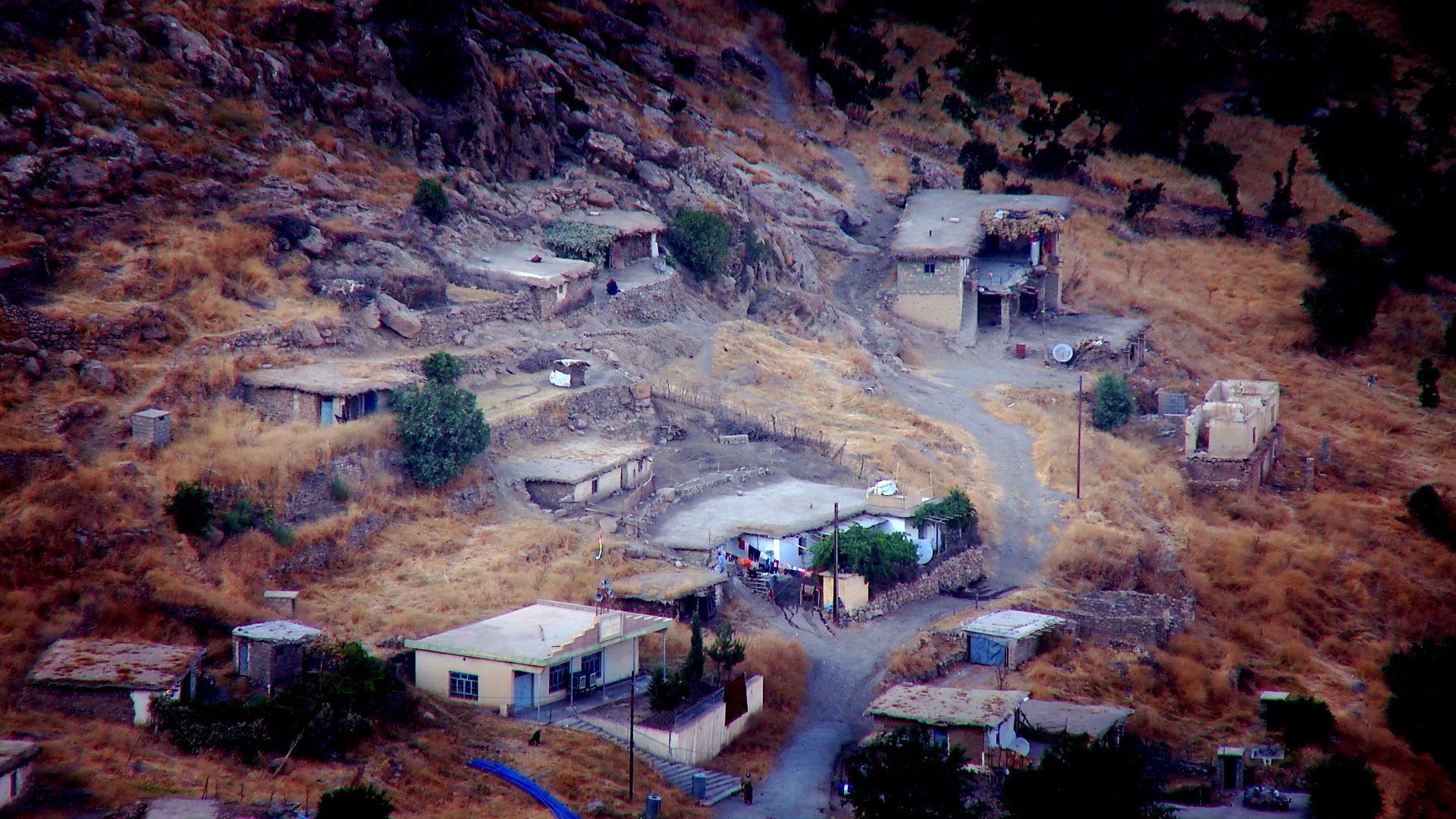
Today, 72 solar systems – 432 high-efficiency panels in total – power every home, the mosque, the school, the health centre and the Martyrs’ Hall in Sheikh Wasan. For the first time in decades, the village of 281 returned residents has reliable 24-hour electricity.
Sheikh Wasan, a village in the Balisan Valley, was hit with mustard gas and nerve agents on 16 August 1987, killing more than two hundred civilians and separating families in one of the earliest documented chemical assaults on Kurdish communities.
“These villages paid the heaviest price under the former regime,” Idris Nechirvan Barzani said. “Providing them with clean, sustainable energy is the least we can do – not as charity, but as restitution and an act of justice.”
Since 2013, Rwanga Foundation has focused on neglected rural communities, and transformed them into fully solar-powered communities, creating local jobs in installation, maintenance and small-scale agriculture that reliable power now makes possible. The Sheikh Wasan project is the latest in a string of initiatives to promote sustainable development in the Iraqi Kurdistan Region.
The village after it was devastated by a chemical attack
Survivors and their descendants welcomed the new panels as a tangible sign that their suffering has not been forgotten. “We lost entire families to the gas,” said one resident who asked not to be named. “Now our children study under electric light and we can store our produce all year round. This is justice in the form of sunlight.”
Human rights groups have long called for greater international support for Anfal survivors. The solar project, funded entirely through private Kurdish philanthropy, highlights how local initiative is filling the gap left by Baghdad and the international community.
Egypt is building a nuclear energy plant, expected to go online in 2026 when countries like Germany have shut down all its domestic nuclear power. The El Dabaa Nuclear Power Plant is the first nuclear power plant planned for Egypt and will be located at El Dabaa, Matrouh Governorate, Egypt, about 320 kilometers northwest of Cairo.
According to project documents, the plant is expected to generate around 37 billion kWh per year, enough energy to power about 10 million homes. Consider that millions of Egyptians are very poor and use bitumen for cooking.
Egypt is building the nuclear power plant with Russia, and the head of Egypt’s Nuclear Power Plants Authority (NPPA), Sherif Helmy, recently took part in the Young Scientists Forum in the Russian city of Sochi, an event that drew senior international experts and officials in the nuclear energy sector.
This flagship project is aimed at boosting Egypt’s energy capacity and deepening Moscow–Cairo strategic ties.
In a statement, the NPPA said Helmy used the forum’s main session — themed “From the First Russian Nuclear Plant to Global Technological Leadership” — to outline the significant progress at El Dabaa nuclear power project.
He told reporters the installation of the reactor pressure vessel for the first unit, attended remotely by the Egyptian and Russian presidents via video link, marked a historic milestone and underscored strong political backing in both countries.
Helmy said Egypt’s nuclear program aligns with the country’s National Climate Change Strategy 2050, adding that nuclear power plays a critical role in supporting economic and industrial development. He made it clear that current priorities include completing the El Dabaa project on schedule and tracking global advances in small modular reactors (SMRs). Turkey is also steadily developing nuclear energy technology around Eastern Europe and Baltic states.
Helmy praised Egyptian–Russian cooperation, describing it as a solid strategic partnership that is essential for delivering the project’s goals. He said the NPPA is seeking deeper collaboration on peaceful nuclear applications and initiatives to promote nuclear energy across Africa.
Concluding his participation, Helmy said Egypt would continue to train national personnel, strengthen international cooperation and expand scientific and technical capabilities to advance the country’s sustainable energy vision.
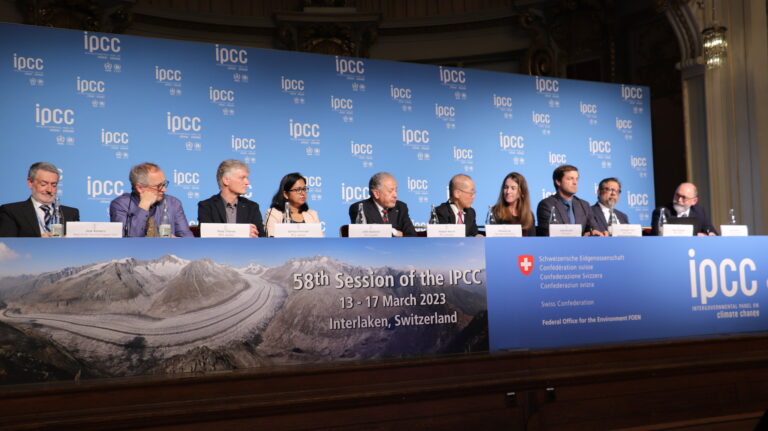
More than six hundred experts appointed to the three Working Groups of the Intergovernmental Panel on Climate Change (IPCC) are gathering in Paris this week to commence work on the first draft of IPCC’s Seventh Assessment Report (AR7).
This is the first time in IPCC’s history that the three Working Groups are holding a joint Lead Author Meeting.
The authors, from more than 100 countries, will focus their work on the initial drafts of the three Working Group contributions to AR7 and cross-cutting topics. Bringing together authors from all three Working Groups in a single venue aims to enable the IPCC to take an ambitious qualitative leap in assessing key interdisciplinary questions related to climate change.
The IPCC provides the world’s policymakers with comprehensive summaries that synthesise and contextualise what is known about the drivers of climate change, its impacts and future risks, and how adaptation and mitigation can reduce those risks. Through its assessments, the IPCC identifies the strength of scientific agreement in different areas and indicates where further research is needed.
“In this year marking the 10th anniversary of the Paris Agreement, France is proud to host the very first joint meeting of all IPCC authors. This is an opportunity to send a strong message of support for science, which must remain the foundation of our decisions to reduce our emissions everywhere across the world,” said Monique Barbut, Minister of Ecological Transition, Biodiversity and International Negotiations on Climate and Nature.
“The sheer volume and high level of interest that we received from the scientific community to participate in the IPCC is a positive indication of a global commitment to advance climate action policies that are rooted in science,” said Robert Vautard, Co-Chair of Working Group I and senior climate scientist at the National Centre for Scientific Research at Institute Pierre-Simon Laplace, Paris.
IPCC reports are subject to multiple stages of review to ensure a comprehensive, objective and transparent assessment of the current state of knowledge of the science related to climate change. An open and transparent review by experts and governments around the world is an essential part of the IPCC process, to ensure an objective and complete assessment and to reflect a diverse range of views and expertise.
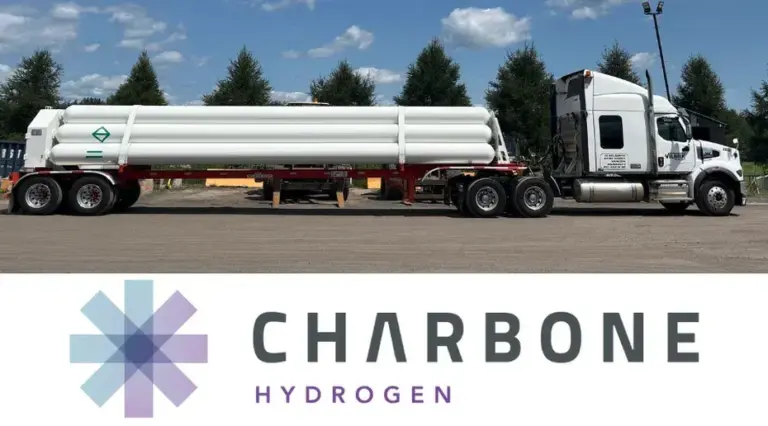
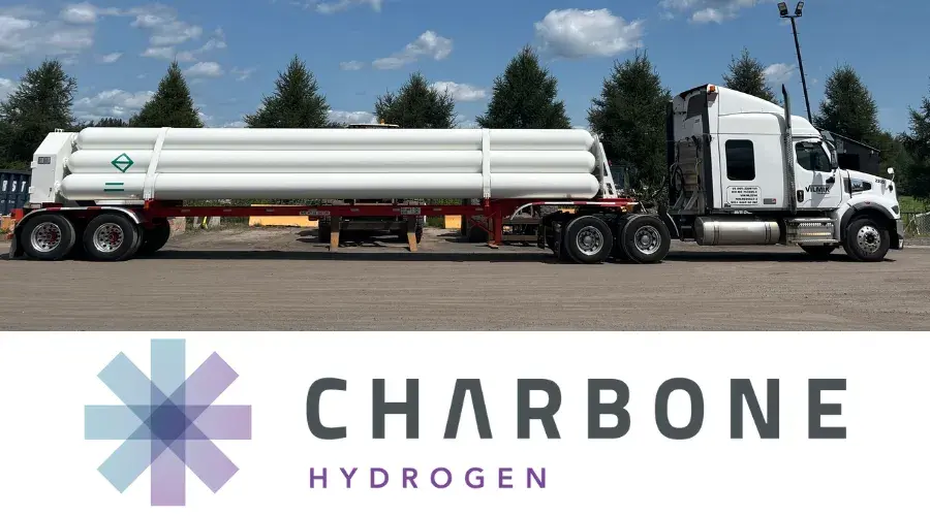
Charbone (TSXV: CH, OTC: CHHYF; FSE: K47) announced that it has successfully installed Phase 1A equipment at its Sorel-Tracy facility and has produced its first molecule of clean Ultra High Purity (UHP) hydrogen. The milestone marks the company’s transition from construction to commercial operation.
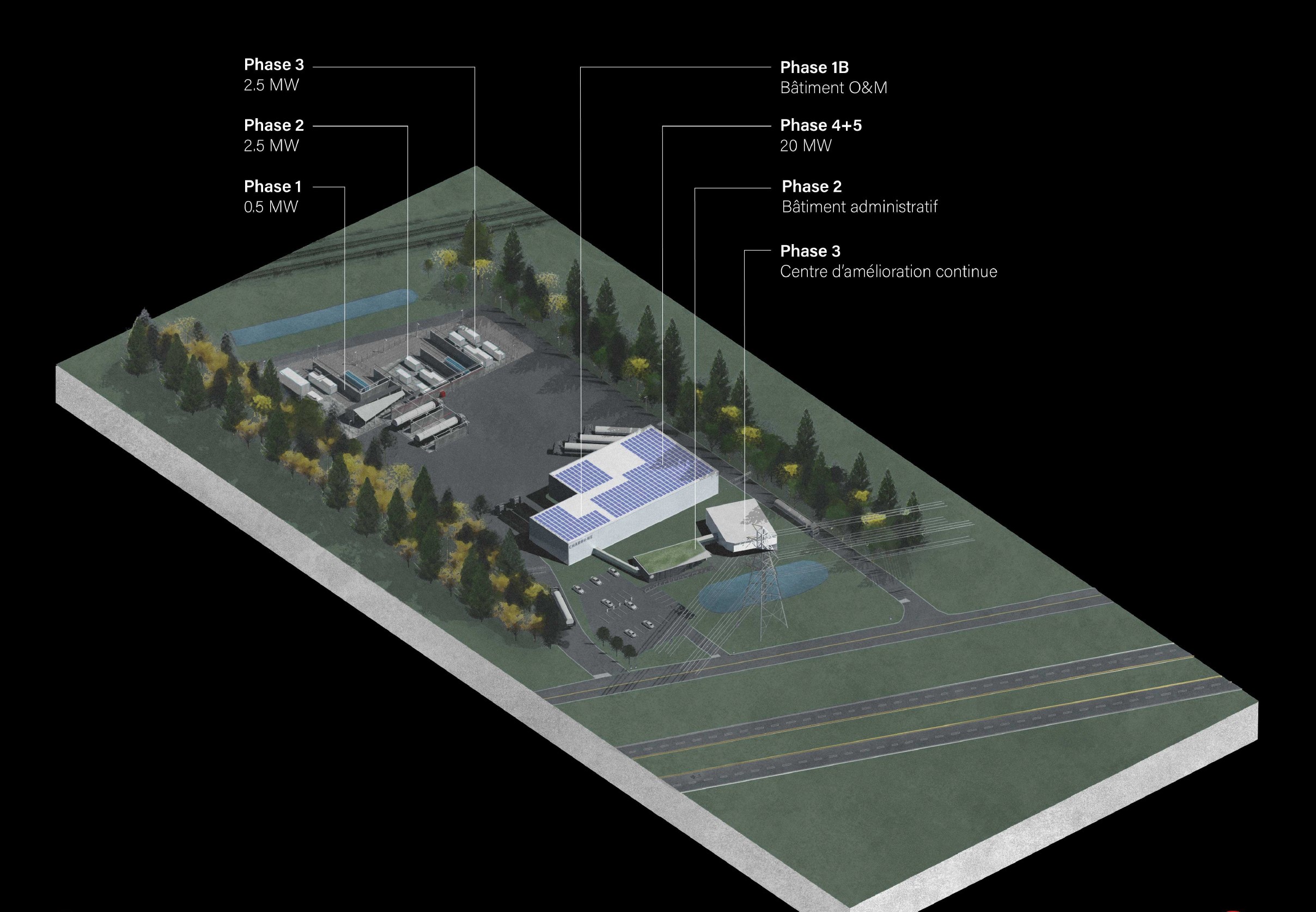
The Charbone plant will be built in 5 phases, the first of which will produce more than 200 kilograms of green hydrogen intended for the migration of current industrial users of “grey” hydrogen. The plant will create up to 30 jobs when completed.
Charbone (also known as Charbone Hydrogen Corporation) is a Canadian-based, publicly traded company that develops and produces clean, Ultra High Purity (UHP) green hydrogen and distributes strategic industrial gases. The company recently announced its first hydrogen production at its Sorel-Tracy facility in Quebec.
The first production tests were completed over the final weekend of November following the commissioning of CHARBONE’s initial modular UHP hydrogen unit in Quebec. Early results confirmed that the system is functioning as expected and performing within planned technical parameters.
“This marks a key milestone for CHARBONE,” said CEO Dave B. Gagnon. “The successful installation and first production tests demonstrate our team’s execution capabilities. We are now entering the commercial production phase.”
The Sorel-Tracy site is the first decentralized clean UHP hydrogen production facility in Quebec and is positioned as a model for North America. The plant is part of CHARBONE’s five-phase plan to deploy a network of modular hydrogen production facilities across the continent, supported by the company’s growing specialty-gas distribution platform.
CHARBONE develops and produces clean UHP hydrogen and industrial gases through a modular, scalable model designed to support localized clean-energy demand and underserved industrial gas markets. The company is listed on the TSX Venture Exchange, OTC Markets, and the Frankfurt Stock Exchange.
Charbone focuses on developing a network of modular green hydrogen production facilities across North America and selectively in the Asia-Pacific region. They use renewable energy sources, such as hydroelectric power, to produce environmentally friendly hydrogen. A second project is planned for the Great Lakes region in the United States (near Detroit, Michigan).
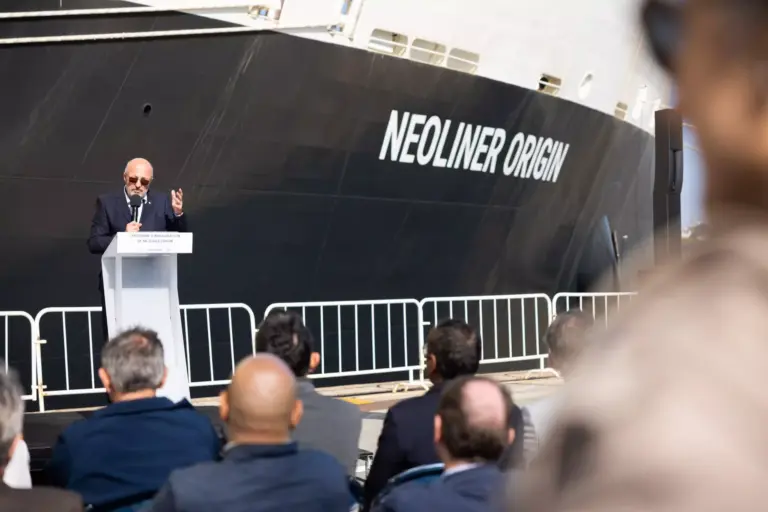
At a time when global shipping is under scrutiny after multiple cargo ship explosions and fires linked to fuel loads, lithium batteries, and overloaded containers, the debut of the Neoliner Origin signals a dramatically different path for maritime transport. Developed by the French company Neoline, Neoliner Origin is the world’s first industrial-scale wind-powered roll-on/roll-off (ro-ro) cargo vessel—built to cut fuel use and emissions by more than 80% and reduce reliance on volatile fossil fuels.
The vessel uses rigid wing sails, advanced aerodynamic design, and optimized routing to harness wind as its primary propulsion system. Unlike conventional vessels that depend almost entirely on heavy fuel oil—and whose fuel or cargo can ignite under extreme conditions—Neoliner Origin is engineered to minimize combustible fuel loads. This alone positions it as a safer and more sustainable alternative in a sector increasingly rattled by catastrophic maritime accidents.
Neoline’s model is simple but revolutionary: revive proven elements of maritime tradition, combine them with cutting-edge engineering, and create a commercial shipping line connecting France, Canada, and the United States with near-zero-emission sail-powered vessels. The company aims to provide shippers with a logistics option that is resilient to fuel price spikes, port restrictions, and the physical dangers associated with transporting hazardous cargo in conventional ships.
The arrival of Neoliner Origin to the port in Baltimore represents more than technological novelty—it suggests a new direction for global trade. Wind propulsion, once displaced by diesel engines, is re-emerging as one of the only scalable, immediately deployable solutions capable of drastically reducing emissions while improving safety.
As cargo ship fires and explosions grow more frequent, Neoline’s approach offers a compelling blueprint: a return to wind, no more oil spills and cargo transport upgraded for the 21st century.
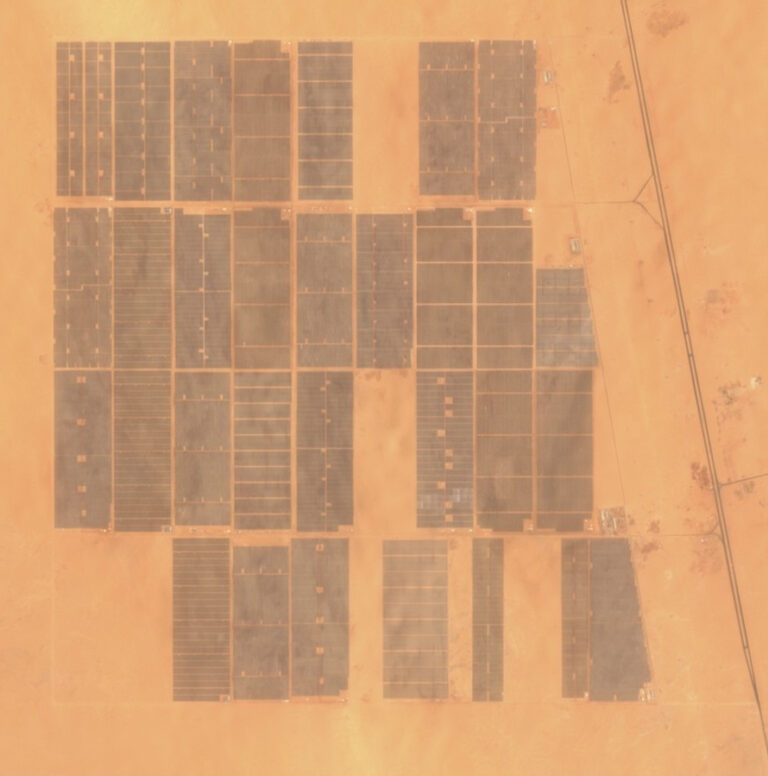
Benban solar park from above shows the individual solar units operating alone and delivering energy together
Egypt’s Ministry of Electricity and Renewable Energy, the Egyptian Electricity Transmission Company, and a consortium comprising Infinity Power and Hassan Allam Utilities Energy Platform signed an agreement to jointly develop solar power projects at Benban Solar, one of the world’s largest solar energy parks in Egypt. The new project will be a total installed capacity of 1.2GW of solar energy, coupled with the construction of a 720MWh battery energy storage system.
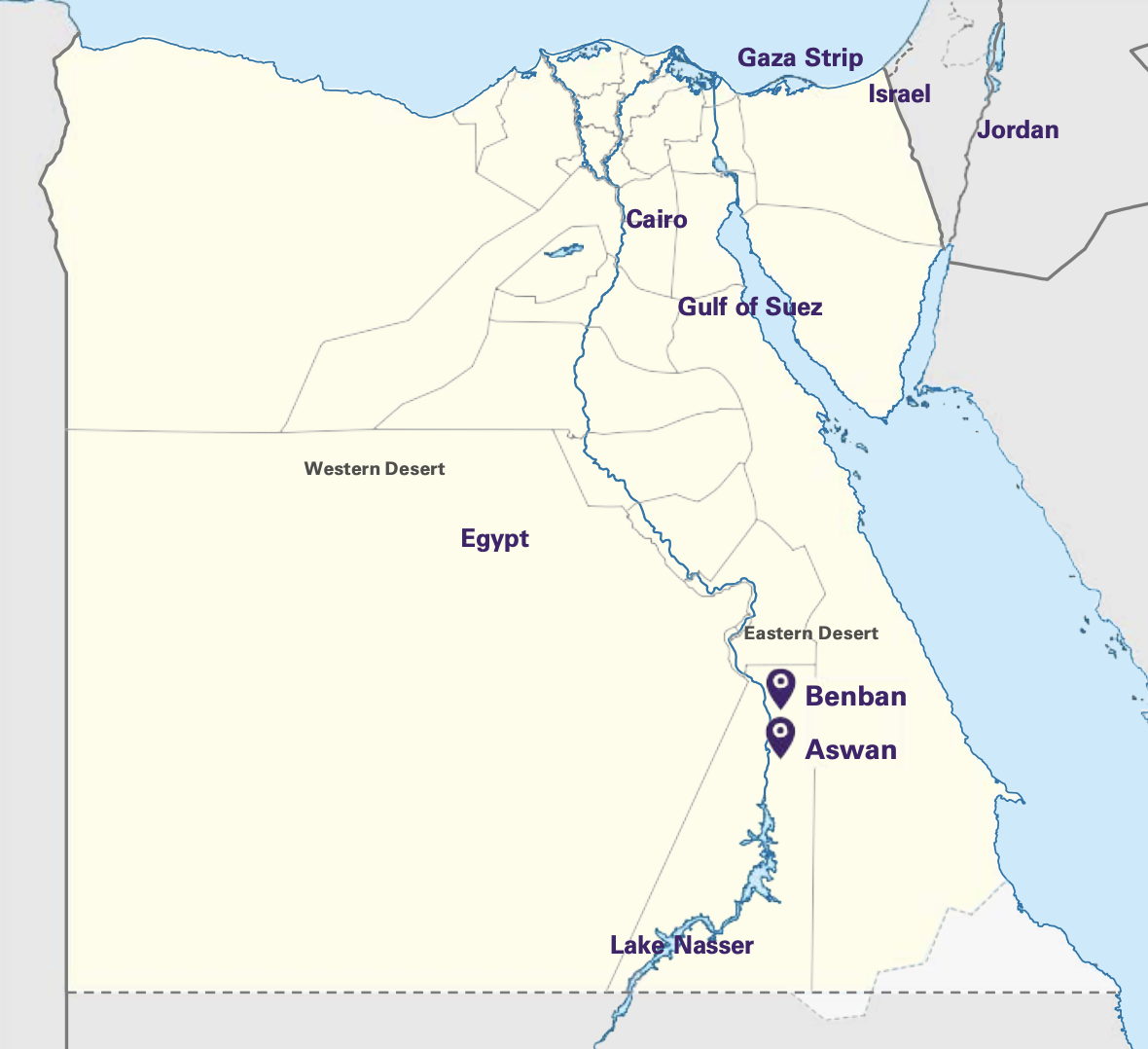
Benban solar energy plant, one of the biggest in the world is on the map in Egypt
According to the agreement, the project will be advanced in two phases across different regions of Egypt. The first phase involves building a new 200MW solar power plant with a supporting 120MWh energy storage system in the Benban Solar Park, Aswan area. This solar park already provides power to about 1 million Egyptian homes.
The new plant is scheduled to commence commercial operation in the third quarter of 2026.
The second phase of the project will construct a larger 1GW solar facility in Minya Governorate area of Egypt, equipped with 600MWh of storage capacity, targeting grid connection in the third quarter of 2027.
Egypt’s Minister of Electricity, Mahmoud Esmat, stated during the signing ceremony that the project’s large-scale energy storage facilities will effectively enhance the grid’s peak shaving and valley filling capabilities, providing crucial technical support for the large-scale integration of renewable energy.
Infinity Power is a joint venture between Egypt’s Infinity and the UAE’s Masdar, a global investor in renewable energy. Both partners already have operational project experience within the Benban park. Hassan Allam Utilities Energy Platform is co-controlled by the European Bank for Reconstruction and Development and currently manages 2.3GW of projects under construction and a 1.65GW project pipeline, covering renewable energy sectors like wind and solar power.
This project aligns closely with Egypt’s renewable energy development strategy. It is reported that Egypt’s allocation for the electricity and renewable energy sector in the 2025 to 26 fiscal year has been increased to $2.8 billion USD, nearly doubling compared to the previous fiscal year, with the goal of raising the share of clean energy in the power mix to 20% by 2026.
Upon completion, this 1.2GW project will help propel Egypt towards its long-term targets of achieving 42% renewable energy by 2030 and 65% by 2040. If Egypt is successful on this path it can start exporting energy and revive the Desertec dream of uniting Africa’s solar energy to buyers in Europe.































 The arrival of Neoliner Origin to the port in Baltimore represents more than technological novelty—it suggests a new direction for global trade. Wind propulsion, once displaced by diesel engines, is re-emerging as one of the only scalable, immediately deployable solutions capable of drastically reducing emissions while improving safety.