Birds in Iran Migrate Between Polluted to Less-polluted Cities

Once part of the urban horizon, crows are leaving Iranian cities.

Since the 1980s scholars have studied the influences of urbanization on the environment, particularly the ecosystem. The rapid growth of the urban population and especially the lifestyle of the urban dwellers have undeniable effects on the life of living species and plants. Birds are of the animals that are completely affected by urbanization. Among several studies that have been done on the effects of the urban life on ecosystem, some are on the influences on the life of urban birds. Such studies show how urbanization modifies the life of avian communities of the cities by influencing food, water, climate, and predators.

During the past years, the lives of urban birds of the Iranian cities have been monitored by activists. This was started when reports of fleeing birds of Tehran were given out. While many believe that the birds of Tehran are really less than before, some say that the birds just move from the regions with higher pollution to the less-polluted parts. So the population of birds in some regions is even more than before.

Example of such studies, which is accessible online is a paper written by Beissinger and Osborne in 1982: “Effects of Urbanization on Avian Community Organization”.

Another online document that is worth reading is “Effects of Urbanization on Bird Populations in the Canadian Central Arctic” written by Richard J. Staniforth.

The story of migration of birds from cities is not limited to Tehran. Recently with the increase of air pollution in Esfahan, new reports about decreasing number of birds have been published. The last kind of birds, which are affected by air pollution, are crows. These birds are more resistant against hard conditions than many other types of birds, but still are escaping from the polluted urban environment of Esfahan. Previously the city was famous for its high number of crows.

Apart from air pollutions some other factors are important in the present condition of the urban birds of cities like Esfahan. The growing urbanization has had bad effects on the habitat of the birds, for example a large number of the trees of Esfahan are in bad conditions because of air pollution. So the birds are forced to move out of the city. Many of them are good food for the birds of prey or other animals of outside the cities. So they are also in danger of extinction.

Years ago “birds in the alleys” was quite a normal and usual picture that every one could imagine of their living space. Now it is obviously necessary to do something to save the urban environment. The question is what?

More articles on the environmental problems of Iran:

High Waste Generation and Low Level Recycling in Iran

NGOs Tell It On the Mountains in Iran (Clean Up!)

Record Hot Summer Ignites Forest Fires in Iran

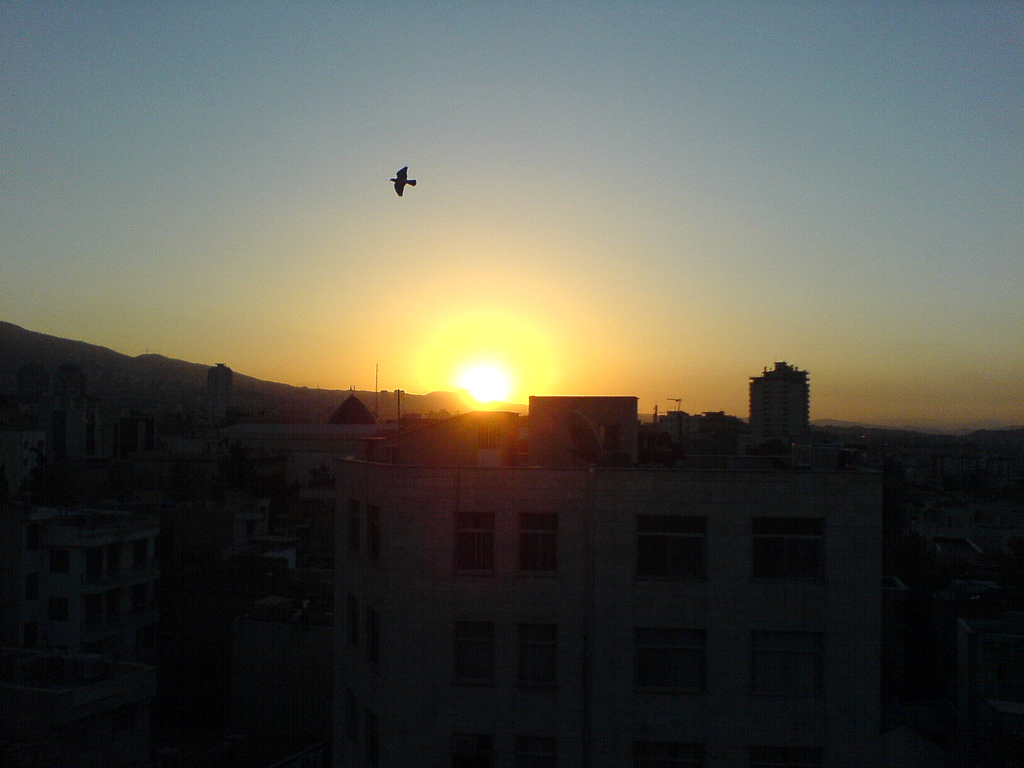
Image by Hamid Reza Mohammadi

Mehrdad Parsipour
Mehrdad Parsipourhttp://www.greenprophet.com
Mehrdad Parsipour is an urban researcher who is based in Germany. He is originally from Iran and is interested in the traditional urbanism and architecture of Iran and Middle East. Mehrdad’s other research interests are western traditional urban development trends, Islamic cities, and sustainable urban forms, and finally the environment. Since 1997 he has been working in the field of civil engineering, and also urban and regional planning.

TRENDING

A Fact-Based Reflection on Sustainability and Tourism in Hormuz

A Documented Response to the Article “The Aga Khan...

Seychelles resumes sooty tern egg collection despite population crash

Known as a biodiversity indicator species, local experts say it's too early to stop protecting these important birds in the Syechelles

Dubai sets up smart feeding stations for abandoned cats

Dubai Municipality has set up 12 AI-powered "Ehsan Stations" to safely and officially feed strays. The city also officially supports Trap-Neuter-Return (TNR) programs. 

Eco organization offices destroyed by Iran missile

Tel Aviv's eco organization, the Heschel Center, was impacted by an Iranian missile.

Huge Fish Nursery Discovered Under Freezing Arctic Seas

In 2019, an underwater robot camera exploring the seabed...

Should You Invest in the Private Market?

startustartup Unlike public stock exchanges, which offer daily trading, strict...

How to build a 100-year-company

KongĹŤ Gumi is a Japanese construction company, purportedly founded in 578 A.D., making it the world's oldest documented company. What can we learn about building sustainable businesses from them?

From Pilot Plant to Global Stage: How Aduro Clean Technologies’ 2026 Expansion Signals a Turning Point for Chemical Recycling Investors Like Yazan Al Homsi

The company's Next Generation Process (NGP) Pilot Plant in London, Ontario, has officially moved into initial operating campaigns, generating the kind of structured, repeatable data that separates laboratory promise from commercial viability.

How AI Helps SaaS Companies Reduce Repetitive Customer Support Work

SaaS products are designed for large numbers of users with different levels of experience, and also in renewable energy.

Pulling Water from the Air

Faced with water shortage in Amman, Laurie digs up...

Turning Your Energy Consultancy into an LLC: 4 Legal Steps for Founders in Texas

If you are starting a renewable energy business in Texas, learn how to start an LLC by the books.

Tracking the Impacts of a Hydroelectric Dam Along the Tigris River

For the next two months, I'll be taking a break from my usual Green Prophet posts to report on a transnational environmental issue: the Ilısu Dam currently under construction in Turkey, and the ways it will transform life along the Tigris River.

6 Payment Processors With the Fastest Onboarding for SMBs

Get your SMB up and running fast with these 6 payment processors. Compare the quickest onboarding options to start accepting customer payments without delay.

Related Articles

Popular Categories