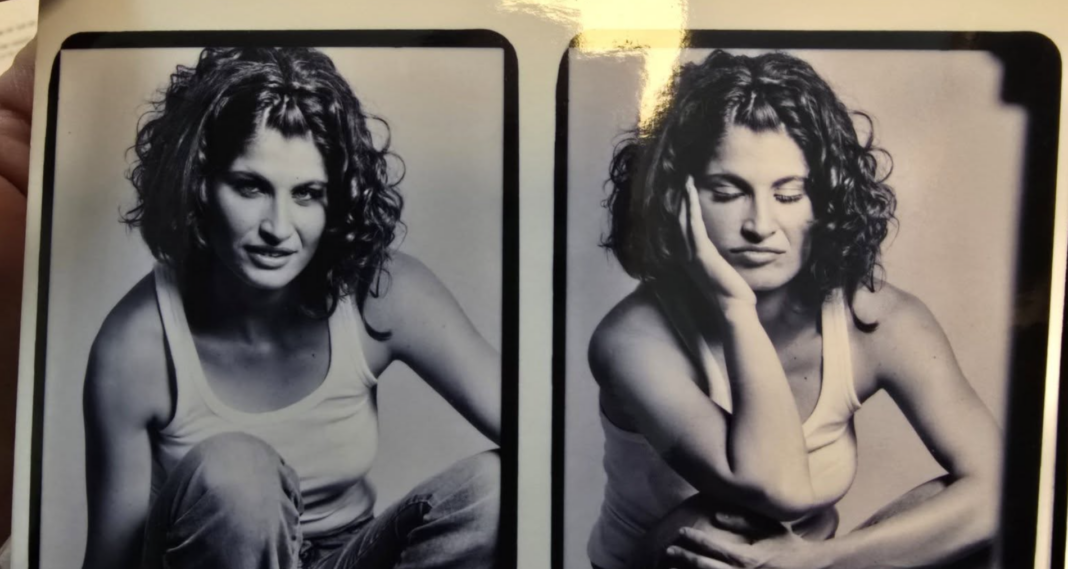


For Dalit Hakim: Two weeks ago, my wild and crazy friend Dalit Hakim died from pancreatic cancer. Not the kind of cancer story we tell ourselves we can prepare for. Not a long battle measured in years. Not a gradual fading. For Dalit it was six weeks.
From the first stomach pains to the moment hot baths no longer eased the agony and she rushed to the hospital, only six weeks passed.
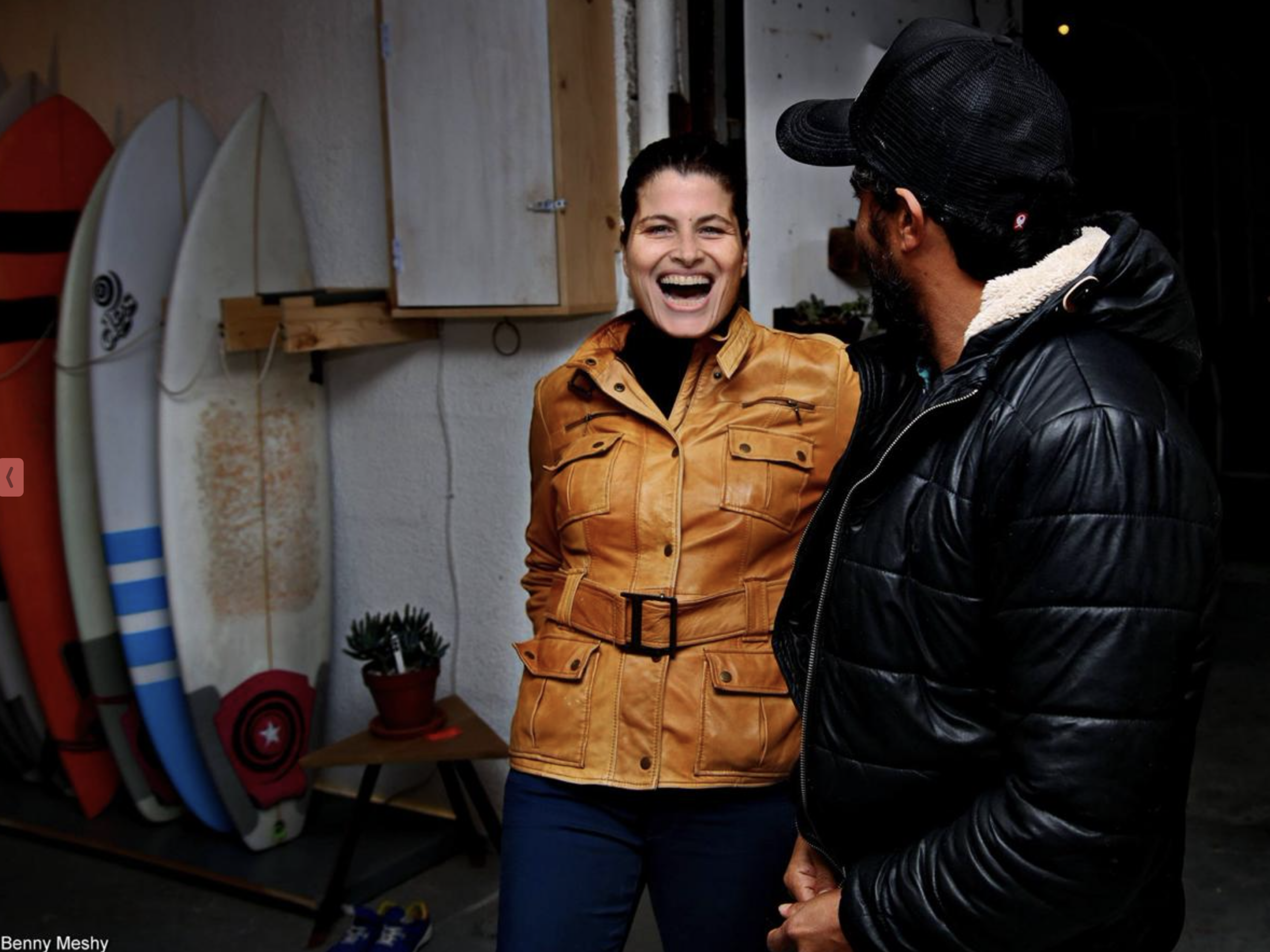
Dalit was young, healthy, vibrant. She ran a surfing company in Jaffa, she volunteered to feed hungry people. In her past life she had worked as a model. When I first met her, she was skateboarding down a street in Jaffa, radiating the kind of freedom and confidence that made strangers turn their heads and smile. She was one of those people who arrived like the sunshine on a grey morning as she walked into any room.
The contrast between that vitality and a six-week descent into pancreatic cancer is heartbreaking. She lived a life worth living. And then, suddenly, she was gone. We didn’t have a chance to say goodbye.
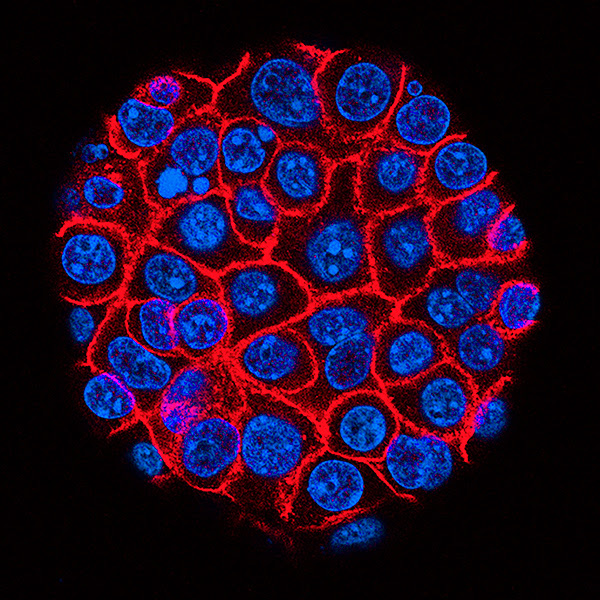
Pancreatic cancer has long been one of the most feared diagnoses in medicine. By the time symptoms appear, it is often too late. Doctors have traditionally described it as a cancer that can only truly be beaten if caught early, before it has spread. For most patients, that chance never comes.
That is why news emerging this week from the American Society of Clinical Oncology (ASCO) meeting struck me with such force.
An experimental drug called daraxonrasib has shown results that oncologists are calling extraordinary. In a trial involving 500 people with advanced pancreatic cancer, the pill reduced the risk of death by 60 percent compared with chemotherapy. Patients lived an average of 13.2 months instead of 6.7 months. Many experienced less pain and a better quality of life in those months.
Related: Turmeric can help fight cancer
The drug works by targeting RAS proteins—mutations found in roughly 90 percent of pancreatic cancers. For decades, these mutations were considered among the most difficult targets in cancer biology, earning the label “undruggable.” The success of daraxonrasib in pancreatic cancer now offers hope not only against this devastating disease but against other cancers long considered beyond the reach of modern medicine.
“These results are landscape-changing for metastatic pancreatic cancer patients with a KRAS mutation,” said ASCO doctors in a combined statement. “We are seeing unprecedented survival and efficacy in second-line treatment with an expected safety profile. The RAS revolution is here, and this study is proof of principle that targeting KRAS in pancreatic cancer is feasible and effective,” said Rachna Shroff, MD, MS, FASCO, Chief of the Division of Hematology/Oncology at the University of Arizona Cancer Center and an ASCO Expert in gastrointestinal cancers.
One oncologist involved in the research, Dr. Rachna Shroff, said the results were so powerful that she cried in clinic.
I cried too, but for a different reason: because the news arrived two weeks too late for Dalit.
It won’t bring back the woman on the skateboard. It won’t bring back the entrepreneur building her dreams around the sea. It won’t give her more sunsets, more waves, more laughter with friends.
But it may mean that future families receive a different phone call. It may mean that future patients are given time—months, perhaps years—that people with pancreatic cancer were rarely offered before. Every medical breakthrough has invisible passengers: the people who never got the chance to benefit from it, the people whose stories become part of the reason scientists keep pushing forward.
Dalit is one of those people for me. And her memory now sits beside a piece of news that offers something pancreatic cancer patients have rarely been given: Hope.
I will miss you more than you can know, Dalit. May your memory be a blessing.