
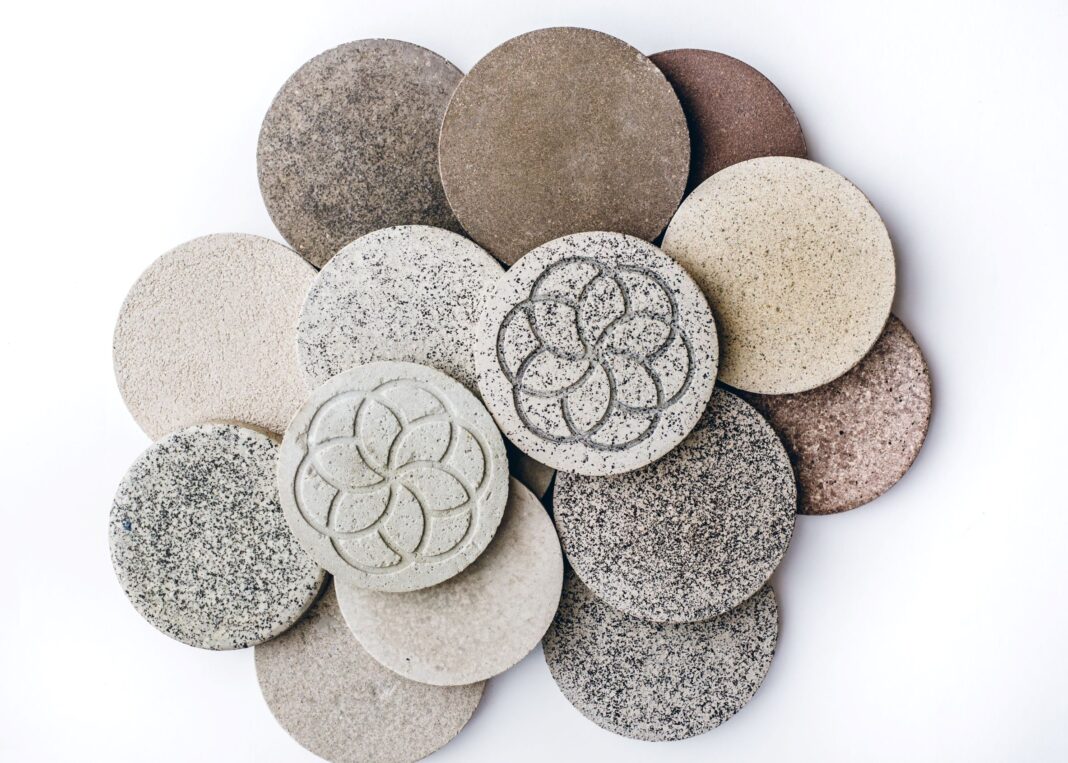

Seramic Materials is part of a new wave of companies rethinking what ceramics are made from and what they can do. Instead of digging raw materials out of the earth, they are using what industry throws away.
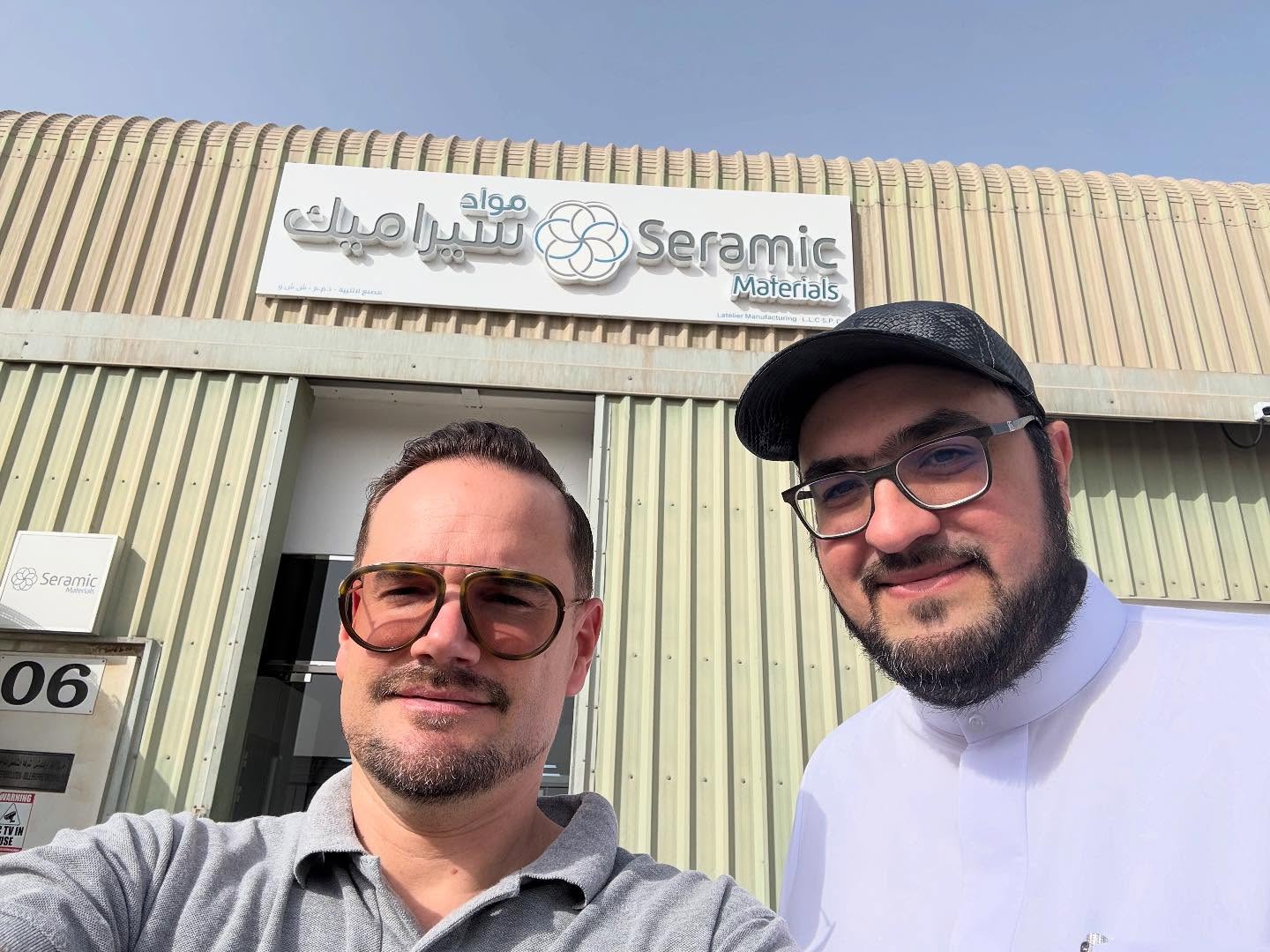
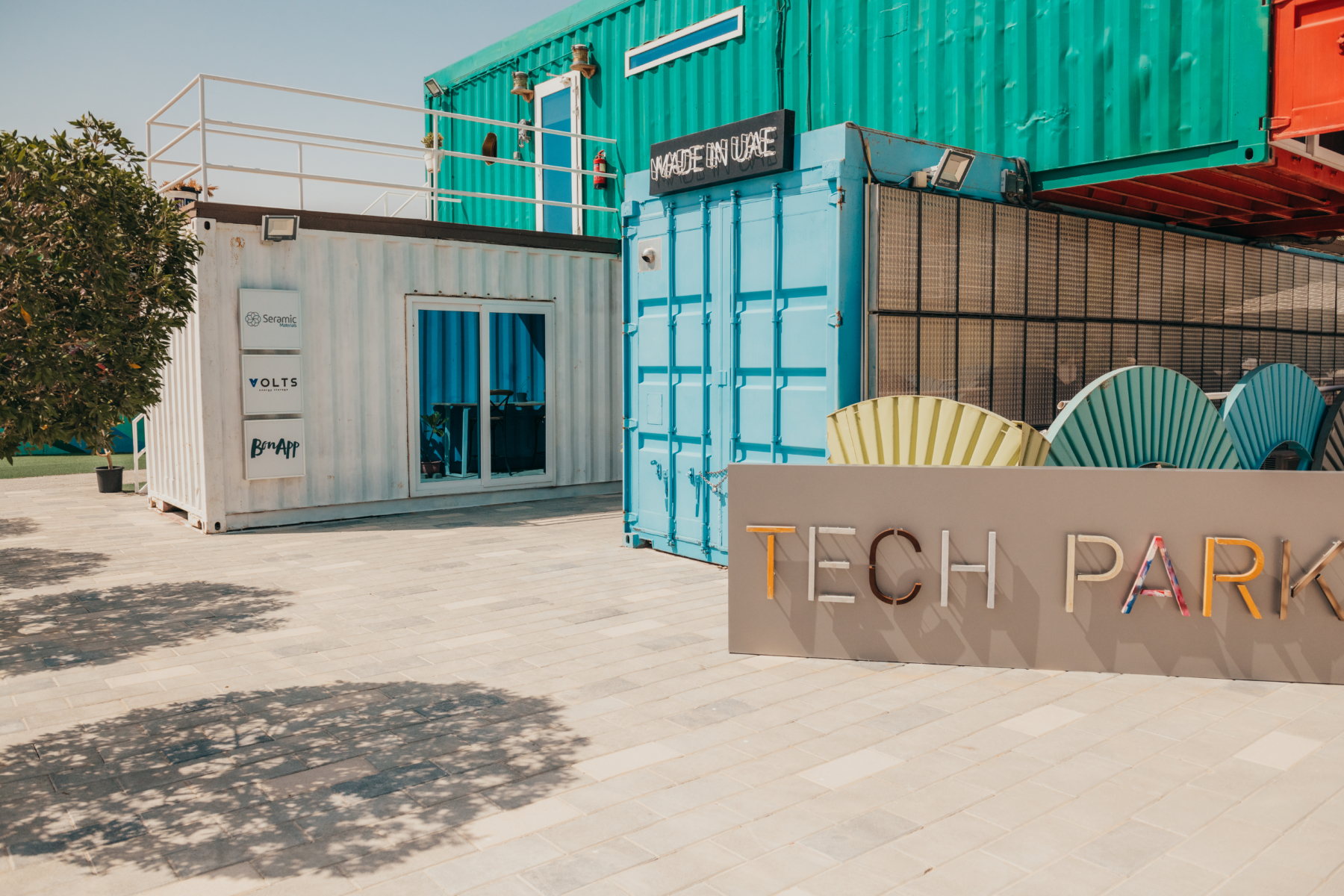
Based in Masdar City, Abu Dhabi, Seramic Materials was founded in 2019 by Dr. Nicolas Calvet and Dr. Jean-François Hoffmann, researchers working at the intersection of renewable energy and materials science. The company grew out of the Masdar Institute ecosystem and is supported by clean tech programs like The Catalyst, with early backing of around $150,000 and more than $2 million invested in research and development over time.
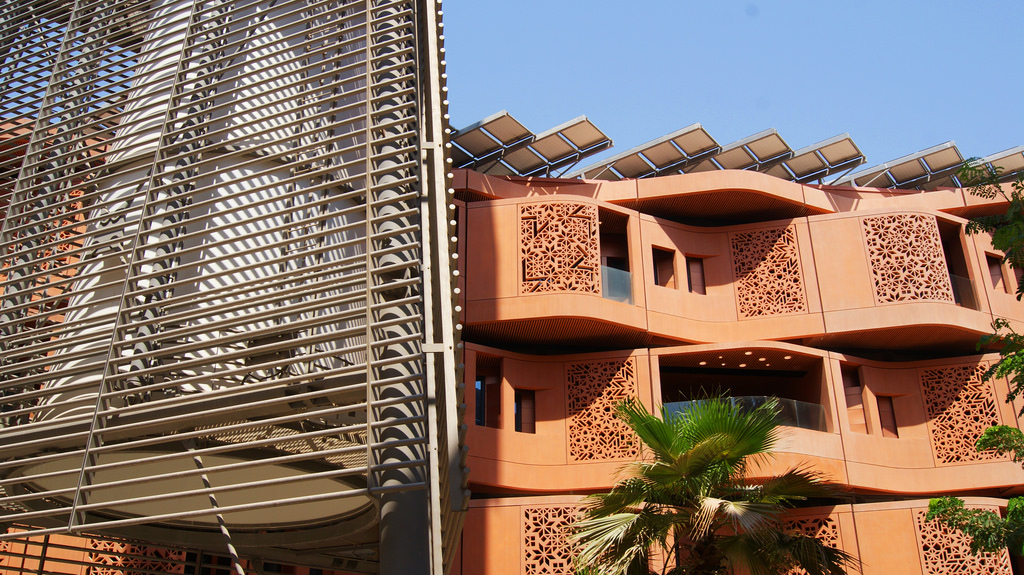
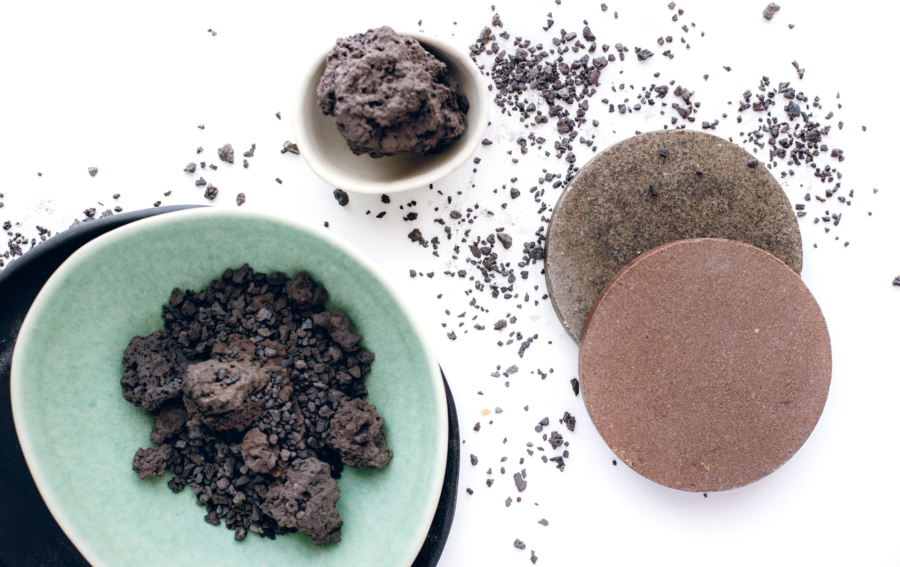
At its core, Seramic takes industrial waste such as steel slag, incinerator ash, and other mineral byproducts and transforms them into ceramic materials. These materials are then used to create building products like tiles and pavers, as well as advanced technical ceramics. Instead of extracting new clay or minerals, the company treats waste as a resource, reducing landfill use and cutting carbon emissions by at least 20 to 30 percent compared to traditional ceramics.
This is where the circular economy becomes real. Ceramics have always been made from earth. Seramic simply expands that idea by using what has already been taken from the earth and discarded. The result is a loop rather than a line. Waste becomes material, material becomes product, and eventually returns without adding new burden.
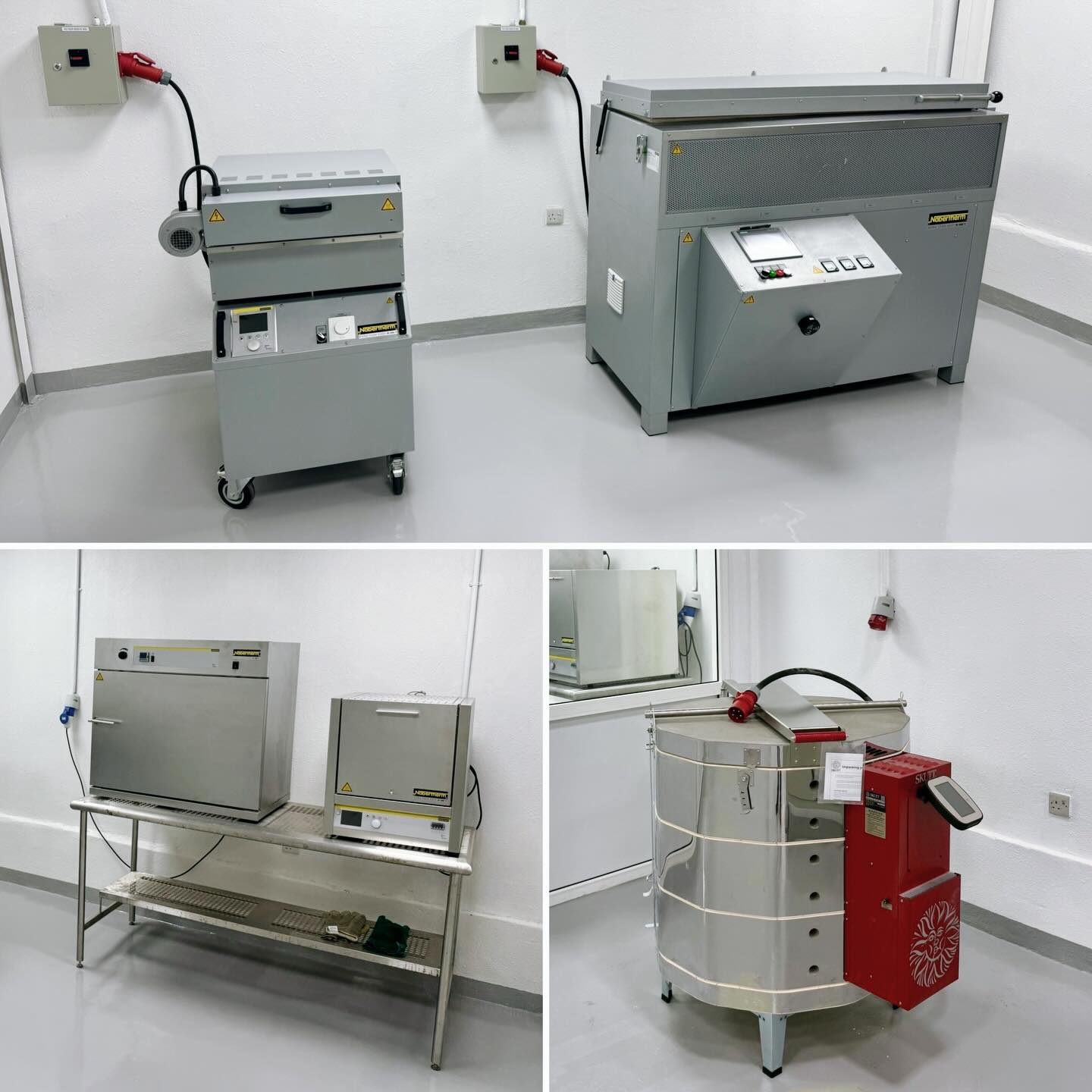
One of the company’s most important projects is ReThink Seramic Flora, a high temperature ceramic designed for thermal energy storage. It can store heat at temperatures up to 1250°C, making it useful for solar power systems and industrial heat recovery. This connects ceramics directly to the energy transition, allowing renewable energy to be stored and used when needed.
The company is also working with partners like Bee’ah in the UAE to scale waste conversion systems and address growing volumes of industrial ash.
Where this is going is clear. Ceramics are no longer just tiles or bricks. They are becoming part of energy infrastructure, waste management systems, and low carbon manufacturing. Companies like Seramic are turning one of the oldest materials on earth into something that fits a future built on circular thinking.

