
The internet runs on video, and people are addicted to doom scrolling. What if you had the power to turn nonsense into meaning? A short clip filmed on an iphone can circle the planet in minutes, inspiring millions to save animals abandoned in Dubai, or they can spread panic. For environmental storytellers and citizen journalists this is powerful territory and there is a lesson to be learned. You know that a video you create can expose oil pollution in a river, highlight a desert farm growing food with almost no water, or introduce a new climate technology that runs on air and that most people have never heard about.
Environmental creators are in a unique position because many of the stories worth telling are happening outside: in deserts, forests, coastlines and cities adapting to climate change. These stories deserve attention, but they should also be filmed responsibly.

The first rule of sustainable video production is surprisingly simple: film local, and use your travel opportunities to take footage from new places. You might not use it today, but it can be your B-roll or inspiration for tomorrow. Flying a production team halfway around the world for a short clip carries a large carbon footprint and content creators don’t need to do this anymore. You can write a film, direct a film narrate and edit a film, all with tools that are within reach.
Online video editor tools can help simplify this process. Platforms such as Clideo allow creators to trim clips, resize videos and compress large files so they are easier to share online. This reduces storage requirements and speeds up publishing while maintaining quality. Mobile creators can also edit footage directly on their phones using the Clideo Video Editor, which removes the need for large desktop editing systems.

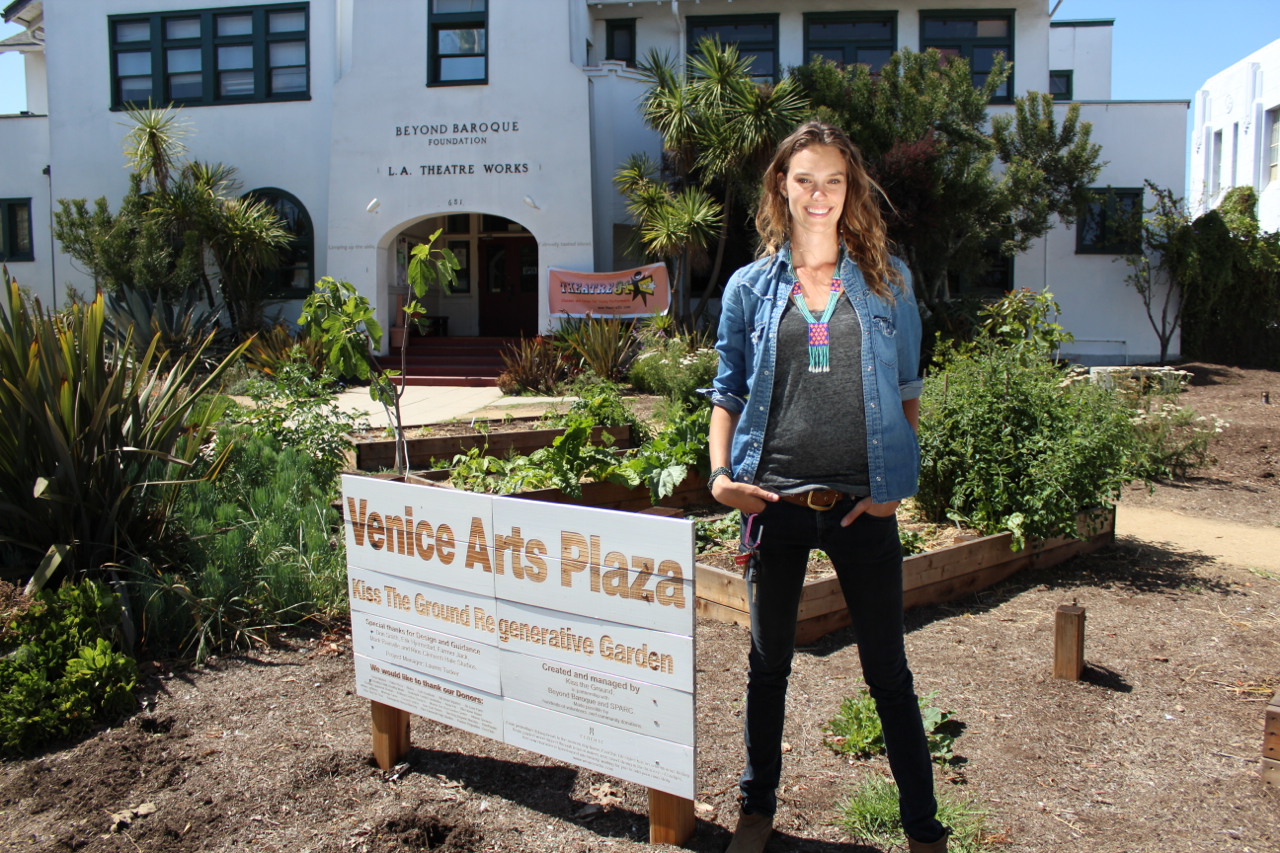
And the most compelling sustainability stories are those happening locally and which affect you personally. A water reuse project in your city, a community compost initiative, regenerative agriculture, a rooftop farm, or a new solar installation can all make powerful visual stories without the need for heavy travel, and chances are you can get interviews with the main players, because some of them might be your friends and family.
Natural lighting is another sustainability trick filmmakers have used for decades. The sun provides beautiful lighting conditions that often look more authentic than studio lights while reducing energy use. Planning your shots before filming also reduces wasted footage and unnecessary battery use.
Creators filming in nature should follow ethical guidelines as well. Wildlife should never be disturbed or baited for dramatic footage. Sensitive ecosystems like nesting areas, coral reefs or desert habitats should be treated with care and not walked upon. The goal of environmental storytelling is to protect these special places, not damage them for a shot.
Another hidden environmental impact of video comes after filming, during editing and distribution.
Massive video files require storage and processing across data centers that consume enormous energy. As global video streaming grows, the digital infrastructure supporting it grows as well. Creators can reduce their digital footprint by compressing video files, trimming unused footage and exporting videos at the appropriate resolution for the platform they are using. Not every clip needs to be uploaded in ultra-high resolution.
Beyond the technical side of filming and editing lies the deeper question: what kind of stories should we tell?
The most effective sustainability videos focus on solutions rather than despair. Audiences are more likely to engage with stories that show innovation, creativity and possibility. Instead of only documenting pollution, animal abuse, or environmental collapse, creators can highlight projects restoring wetlands, entrepreneurs building circular economy businesses, or architects designing buildings that stay cool in desert climates without air conditioning.
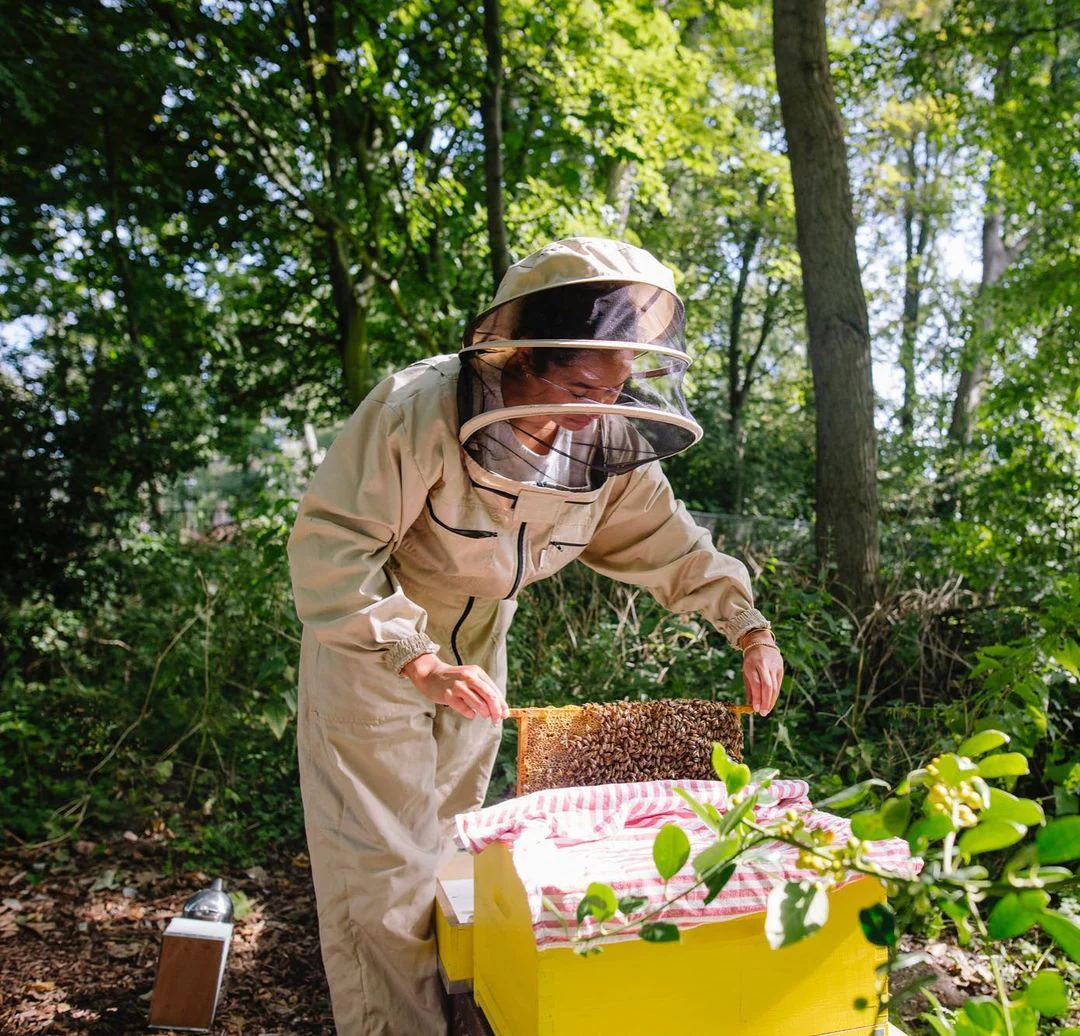
Even small stories matter. A beekeeper protecting pollinators, a school teaching kids about compost, or a startup turning food waste into fertilizer can inspire others to act. Yes, the internet rewards sensational content, but sustainable storytelling rewards thoughtful content and it creates good vibes that are often noticed.. Videos that educate people about water conservation, renewable energy or biodiversity often travel further than expected because viewers recognize their value.
Creators who want to influence people for good should also think carefully about tone. Environmental storytelling does not need to lecture or shame audiences. It can invite curiosity instead. A well-filmed two-minute video explaining how mangrove forests protect coastlines or how desert architecture cools buildings naturally can spark deeper conversations. Consider that your audience is just as smart as you, maybe even smarter.
Ultimately sustainable video production is about intention.
Before posting, creators can ask themselves a few simple questions. Does this video help people understand the world better? Does it respect the people and places being filmed? Could sharing it put someone at risk?
When the answers are thoughtful, video becomes more than content. It becomes a tool for education, environmental awareness and positive influence and this is the kind of storytelling the internet needs much more of.