A Journey into Middle Eastern Bread Traditions

Simit, the Iraqi bagel on your head

Bread holds a special place in Middle Eastern culture, serving not only as a staple food but also as a symbol of hospitality, community, and tradition. The diverse and rich history of the Middle East is reflected in its bread-making techniques, which vary across regions. In this guide, we’ll explore the fascinating world of Middle Eastern bread traditions, from the ingredients used to the methods employed in creating these delectable staples.

  1. Varieties of Middle Eastern Bread: Middle Eastern countries boast a wide array of bread varieties, each with its unique flavor, texture, and purpose. Some of the most prominent types include:
    • Pita Bread (Khobz/Arabic Bread): A round, flatbread with a pocket, perfect for stuffing with various ingredients or for eating with olive oil and za’atar.
    • Naan: A leavened, oven-baked flatbread common in Iran, Central Asia, and parts of the Middle East.
    • Lavash: A thin, unleavened flatbread with a soft texture, often used for wrapping or dipping. Lavash is one of the most widespread types of bread in Armenia, Azerbaijan, Iran and Turkey.
    • Markook: Also known as “Arabian Mountain Bread,” this thin, unleavened bread is commonly enjoyed in Levantine countries. Markook shrak is a type of thin bread. The dough is unleavened and usually made with only flour, water, and salt, and after being rested and divided into round portions, flattened and spread across a round cushion until it is thin then flipped onto the saj. It is often folded and put in bags before being sold.
    • Jump down to the bottom of this article where you will get recipes for breads from Morocco, Yemen, Iraq, The Emirates, Yemen, Israel and Jordan.
  2. Traditional Techniques:
    Haguy Ben Yehuda making emmer wheat into bread
    Haguy Ben Yehuda making emmer wheat into sourdough bread
    • Tandoor Oven: In some regions, bread is baked in a traditional tandoor oven, which imparts a unique smoky flavor and a characteristic texture.
    • Griddle Baking: Flatbreads like pita and lavash are often cooked on a griddle or saj (convex griddle), allowing for quick and even cooking.
    • Sourdough Fermentation: Some traditional breads, such as Persian Barbari, use natural sourdough fermentation for leavening, resulting in a tangy flavor.
  3. Ceremonial and Festive Breads:
    Oriental bread moulds
    Oriental bread moulds used for Christenings, Eid or good celebrations. Image via Lebanon Postcard.
    • Eid Bread: During festive occasions like Eid, special bread varieties are prepared, such as the sweet Iranian Noon-e Sheereen. They resemble the festive bread of the Bukharian Jews.
    • Wedding Bread: In many Middle Eastern cultures, weddings are celebrated with elaborate bread designs and decorations, symbolizing prosperity and fertility. In Spain there is wedding bread dance where the bread goes on the head.
  4. Culinary Customs:
    • Bread as a Utensil: In some Middle Eastern countries, bread is used as a utensil for scooping up food, emphasizing communal eating.
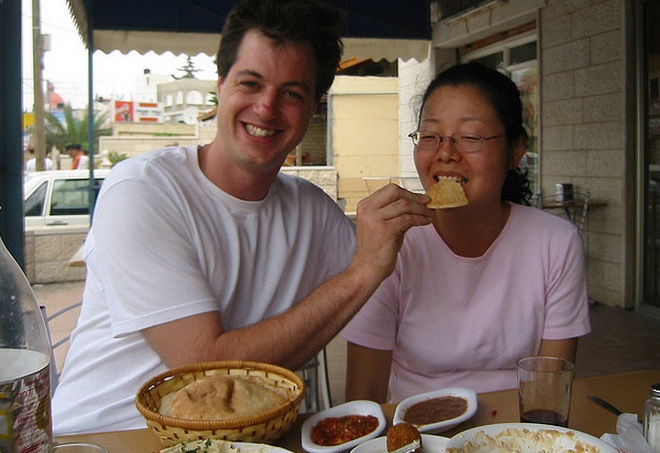
      eating hummus dip with pita in israel
      This is a couple eating hummus.
    • Bread and Dips: Various breads are served alongside an assortment of dips, like hummus, baba ganoush, and tahini.

Middle Eastern bread traditions are deeply rooted in history, reflecting the diverse cultures and culinary practices of the region. Whether it’s the comforting aroma of baking bread in a tandoor or the joy of tearing into a freshly baked pita, the bread culture in the Middle East is a testament to the importance of this humble yet essential food item in daily life. As you delve into the world of Middle Eastern bread, you’ll discover not only delicious flavors but also a rich tapestry of traditions that have stood the test of time.

Get some Middle East bread recipes? 
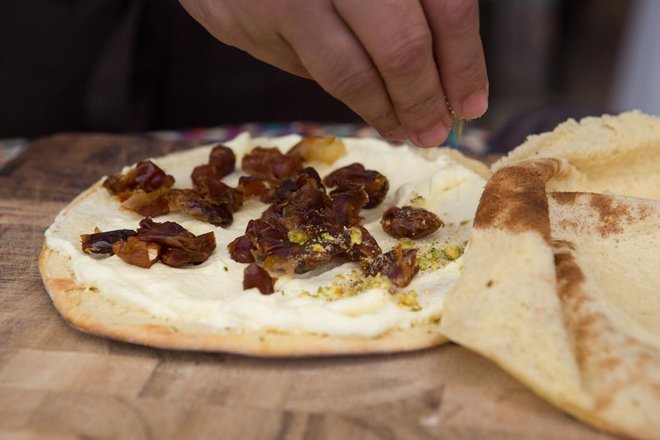
khameer bread


Bhok Thompson
Bhok Thompsonhttp://www.greenprophet.com
Bhok Thompson is an “eco-tinkerer” who thrives at the intersection of sustainability, business, and cutting-edge technology. With a background in mechanical engineering and a deep fascination with renewable energy, Bhok has dedicated his career to developing innovative solutions that bridge environmental consciousness with profitability. A frequent contributor to Green Prophet, Bhok writes about futuristic green tech, urban sustainability, and the latest trends in eco-friendly startups. His passion for engineering meets his love for business as he mentors young entrepreneurs looking to create scalable, impact-driven companies. Beyond his work, Bhok is an avid collector of vintage mechanical watches, believing they represent an era of precision and craftsmanship that modern technology often overlooks. Reach out: [email protected]

TRENDING

Essaouira Offshore Wind and what it means for surfers, music festivals and the wild

Morocco’s proposed 1,000 MW offshore wind project near Essaouira promises climate leadership and renewable energy for this Magreb country, but along this stretch of Atlantic coast, wind is more than energy. The coastline is culture, economy, and identity.

What are AWG air-water generators, and why they aren’t a golden-bullet solution (yet)

Atmospheric water generators (AWGs) sound like magic: machines that can pull drinking water out of air. The idea is mentioned in the Bible, where the elders would pray for water collected as dew on plants and the catch on turning this into a machine is in the physics. To turn invisible vapor into liquid, you must remove heat, especially the latent heat of condensation.

Jordan’s $6 Billion Aqaba–Amman Desalination Project from the Red Sea Moves Forward

In 2025, the Jordanian government signed agreements with a consortium led by Meridiam and SUEZ, alongside VINCI Construction and Orascom Construction. Under a 30-year concession agreement, the consortium will design, build, finance, operate, and maintain the system before transferring it back to the Jordanian government. The total investment is estimated at approximately $6 billion USD.

Haman’s Fingers, A Moroccan Purim Specialty

There’s feasting at home on the night and the next day, and to make sure everyone gets good things to eat, families send out packages of treats to friends and neighbors. Traditional goodies are hamentaschen, and other treats like our chocolate nut clusters .

Earth building with Dead Sea salt bricks

Researchers develop a brick made largely from recycled Dead Sea salt—offering a potential alternative to carbon-intensive cement.

Should You Invest in the Private Market?

startustartup Unlike public stock exchanges, which offer daily trading, strict...

How to build a 100-year-company

Kongō Gumi is a Japanese construction company, purportedly founded in 578 A.D., making it the world's oldest documented company. What can we learn about building sustainable businesses from them?

From Pilot Plant to Global Stage: How Aduro Clean Technologies’ 2026 Expansion Signals a Turning Point for Chemical Recycling Investors Like Yazan Al Homsi

The company's Next Generation Process (NGP) Pilot Plant in London, Ontario, has officially moved into initial operating campaigns, generating the kind of structured, repeatable data that separates laboratory promise from commercial viability.

How AI Helps SaaS Companies Reduce Repetitive Customer Support Work

SaaS products are designed for large numbers of users with different levels of experience, and also in renewable energy.

Pulling Water from the Air

Faced with water shortage in Amman, Laurie digs up...

Turning Your Energy Consultancy into an LLC: 4 Legal Steps for Founders in Texas

If you are starting a renewable energy business in Texas, learn how to start an LLC by the books.

Tracking the Impacts of a Hydroelectric Dam Along the Tigris River

For the next two months, I'll be taking a break from my usual Green Prophet posts to report on a transnational environmental issue: the Ilısu Dam currently under construction in Turkey, and the ways it will transform life along the Tigris River.

6 Payment Processors With the Fastest Onboarding for SMBs

Get your SMB up and running fast with these 6 payment processors. Compare the quickest onboarding options to start accepting customer payments without delay.

Related Articles

Popular Categories