Earliest evidence of opium use found in Israel

opium found in canaanite grave

Our ancient ancestors were using opium 3,500 years ago and took it with them to the grave.

Opiate abuse in America and Canada has reached an all-time high. Solar panels in Afghanistan are ushering in an all-time opiate crisis. And we learned in Thailand that hill tribes people have converted their opium businesses into mangoes

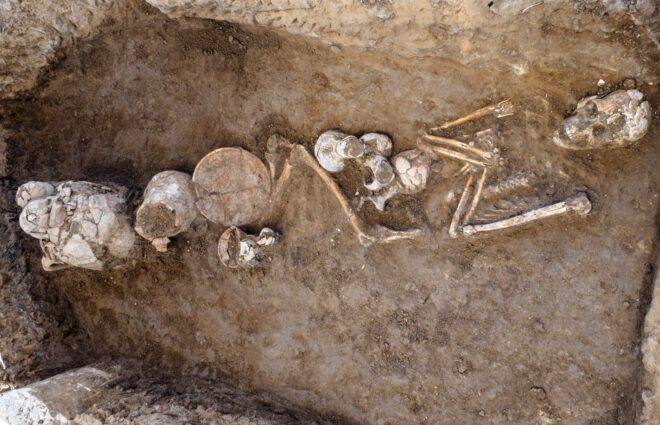
But opiates weren’t always the villain. New evidence suggests that opium was used widely in the ancient world.  Archeologists in Israel have dug up ancient opium containers with opium residue in them from about 3,500 years ago. They believe that opium was used by mourners after the death of a loved one.

Found at Tel Yehud, it is the oldest source of hallucinogen use in history to date. 

Using chemical dating technology the vessels date back to the 14th century BC, and the discovery confirms historical writings and archeological hypotheses that opium was used widely in the Near East.

Because the vessels are similar in shape to the poppy flower when it is closed and upside down, the hypothesis arose in the 19th century that they were used as ritual vessels for the drug.

Now, an organic residue analysis has revealed this guess to be true. Opium residue was found in eight vessels, some local and some made in Cyprus. This is the first time that opium has been found in pottery. 

Ron Be’eri of the Israel Antiquities Authority says: “It may be that during these ceremonies, conducted by family members or by a priest on their behalf, participants attempted to raise the spirits of their dead relatives in order to express a request, and would enter an ecstatic state by using opium.

“Alternatively, it is possible that the opium, which was placed next to the body, was intended to help the person’s spirit rise from the grave in preparation for the meeting with their relatives in the next life”.

Vanessa Linares of Tel Aviv University who is doing her PhD thesis on the research explains: “This is the only psychoactive drug that has been found in the Levant in the Late Bronze Age. In 2020, researchers discovered cannabis residue on an altar in Tel Arad, but this dated back the Iron Age, hundreds of years after the opium in Tel Yehud.

Vanessa Linaris
Vanessa Linares

“Because the opium was found at a burial site, it offers us a rare glimpse into the burial customs of the ancient world. Of course, we do not know what the opium’s role was in the ceremony – whether the Canaanites in Yehud believed that the dead would need opium in the afterlife, or whether it was the priests who consumed the drug for the purposes of the ceremony.

opium trade canaan, ancients dead at Tel Yehud

The discovery sheds light on the opium trade in general, the researchers explain. Opium is produced from poppies, which grew in Asia Minor – that is, in the territory of current-day Turkey – whereas the pottery in which we identified the opium were made in Cyprus. In other words, the opium was brought to Yehud from Turkey, through Cyprus; indicating the importance that was attributed to the drug.
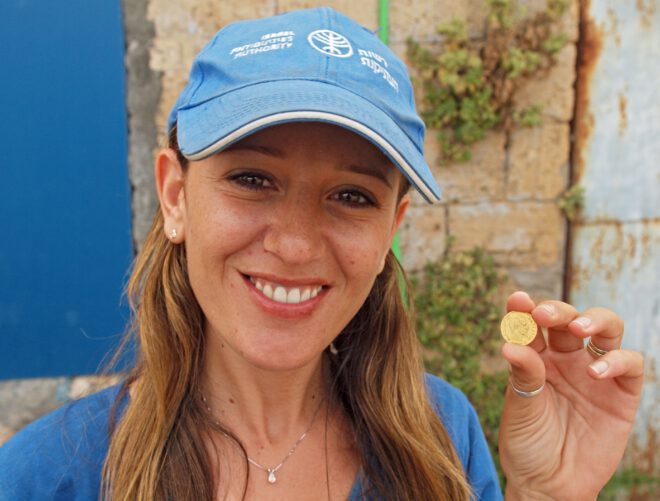
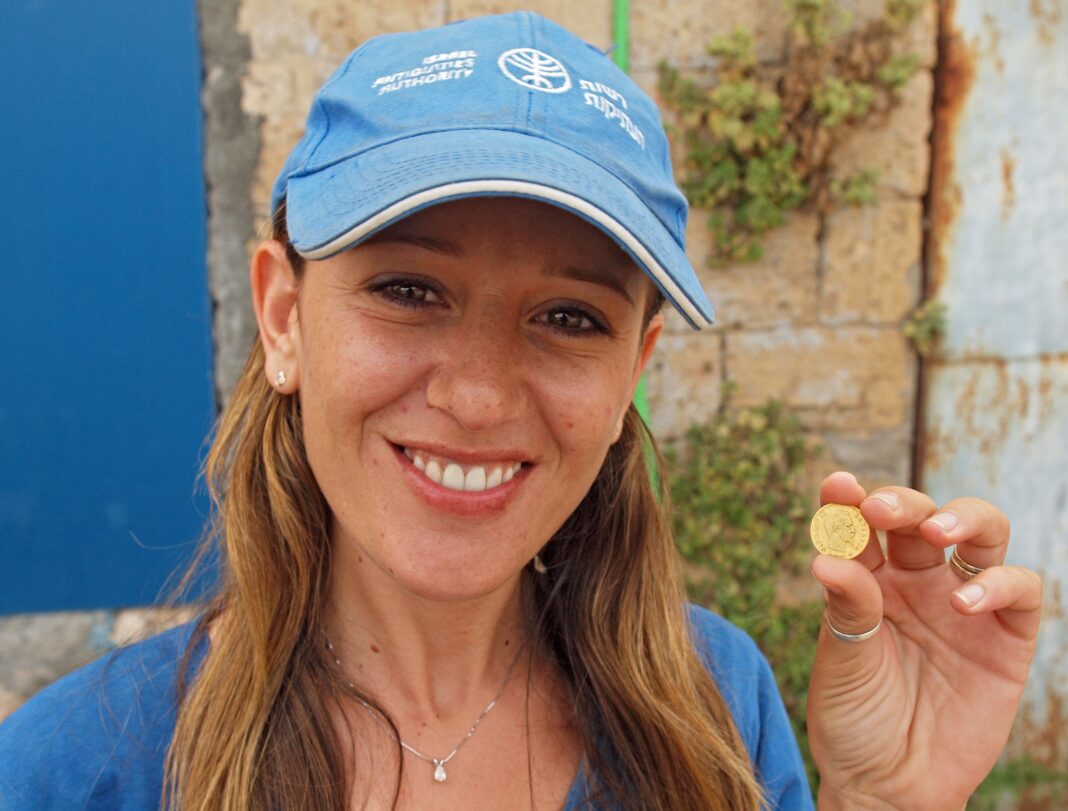
Eriola Jakoel
Eriola Jakoel finds gold coins along with the opium

Until now, no written sources have been discovered that describe the exact use of narcotics in burial ceremonies, the researchers say.

The research was conducted as part of Vanessa Linares’s doctoral thesis, under the guidance of Prof. Oded Lipschits and Prof. Yuval Gadot of Tel Aviv University’s Department of Archeology and Prof. Ronny Neumann of the Weizmann Institute, in collaboration with Eriola Jakoel (pictured above) and Dr. Ron Be’eri of the Israel Antiquities Authority, and the study was published in the journal Archaeometry.


Karin Kloosterman
Karin Kloostermanhttp://www.greenprophet.com
Karin Kloosterman is an award-winning journalist, innovation strategist, and founder of Green Prophet, one of the Middle East’s pioneering sustainability platforms. She has ranked in the Top 10 of Verizon innovation competitions, participated in NASA-linked challenges, and spoken worldwide on climate, food security, and future resilience. With an IoT technology patent, features in Canada’s National Post, and leadership inside teams building next-generation agricultural and planetary systems — including Mars-farming concepts — Karin operates at the intersection of storytelling, science, and systems change. She doesn’t report on the future – she helps design it. Reach out directly to [email protected]

TRENDING

Eco organization offices destroyed by Iran missile

Tel Aviv's eco organization, the Heschel Center, was impacted by an Iranian missile.

What are AWG air-water generators, and why they aren’t a golden-bullet solution (yet)

Atmospheric water generators (AWGs) sound like magic: machines that can pull drinking water out of air. The idea is mentioned in the Bible, where the elders would pray for water collected as dew on plants and the catch on turning this into a machine is in the physics. To turn invisible vapor into liquid, you must remove heat, especially the latent heat of condensation.

Jordan’s $6 Billion Aqaba–Amman Desalination Project from the Red Sea Moves Forward

In 2025, the Jordanian government signed agreements with a consortium led by Meridiam and SUEZ, alongside VINCI Construction and Orascom Construction. Under a 30-year concession agreement, the consortium will design, build, finance, operate, and maintain the system before transferring it back to the Jordanian government. The total investment is estimated at approximately $6 billion USD.

The Saudi Startup Turning Desalination’s Toxic Waste Into Its Own Disinfectant

For millennia, the Middle East's water crisis seemed an immutable fact of geography — a region defined as much by what it lacked as by what lay beneath its sands. Today, a convergence of plummeting solar costs, advancing membrane technology, and hard-won engineering expertise is rewriting that story.

Earth building with Dead Sea salt bricks

Researchers develop a brick made largely from recycled Dead Sea salt—offering a potential alternative to carbon-intensive cement.

How AI Helps SaaS Companies Reduce Repetitive Customer Support Work

SaaS products are designed for large numbers of users with different levels of experience, and also in renewable energy.

Pulling Water from the Air

Faced with water shortage in Amman, Laurie digs up...

Turning Your Energy Consultancy into an LLC: 4 Legal Steps for Founders in Texas

If you are starting a renewable energy business in Texas, learn how to start an LLC by the books.

Tracking the Impacts of a Hydroelectric Dam Along the Tigris River

For the next two months, I'll be taking a break from my usual Green Prophet posts to report on a transnational environmental issue: the Ilısu Dam currently under construction in Turkey, and the ways it will transform life along the Tigris River.

6 Payment Processors With the Fastest Onboarding for SMBs

Get your SMB up and running fast with these 6 payment processors. Compare the quickest onboarding options to start accepting customer payments without delay.

Qatar’s climate hypocrisy rides the London Underground

Qatar remains a master of doublethink—burning gas by the megaton while selling “sustainability” to a world desperate for clean air. Wake up from your slumber people.

How Quality of Hire Shapes Modern Recruitment

A 2024 survey by Deloitte found that 76% of talent leaders now consider long-term retention and workforce contribution among their most important hiring success metrics—far surpassing time-to-fill or cost-per-hire. As the expectations for new hires deepen, companies must also confront the inherent challenges in redefining and accurately measuring hiring quality.

8 Team-Building Exercises to Start the Week Off 

Team building to change the world! The best renewable energy companies are ones that function.

Related Articles

Popular Categories