

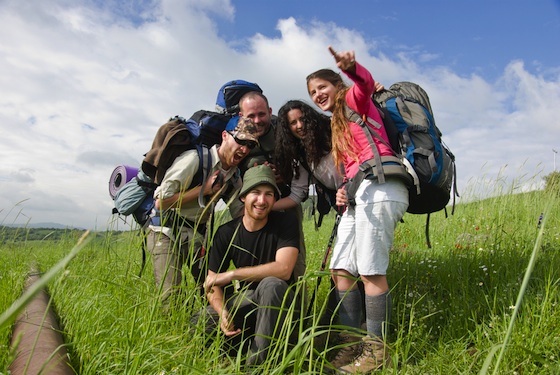
 Most visitors to Israel concentrate on exploring the many biblical, cultural, and historical sites that abound Israel. And rightfully so! Israel has been the hub of Jewish, Christian, and Islamic history for centuries. These sites are fundamentally important as they inspire a connection with one’s faith as well as a deeper historical understanding.
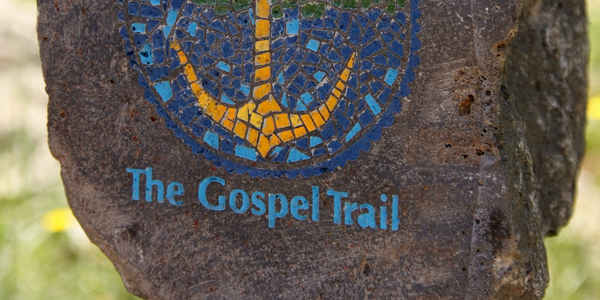
But there is another aspect of Israel that is often overlooked by visitors. Israel’s natural beauty is a treasure in its own right and merits exploration.
In an effort to conserve Israel’s landscape while allowing visitors to enjoy it, ecotourism has developed throughout the country. Focusing on sustainable touring and conservation, this method of exploration has grown in popularity over recent years.
With a vast topographical variety encompassing everything from beaches and mountains to fertile fields and deserts, Israel is the ideal place to experience ecotourism. Ranging from walks and day hikes to week-long trips, there are options which allow almost anyone to enjoy the country’s unique flora and fauna.
From top to bottom, ecotourism is available throughout Israel. The most famous hiking trail in Israel (and by far the longest) is the Israel National Trail. At 600 miles, hiking the full trail takes between 30 and 60 days, so it is certainly not for the amateur hiker. The trail begins near the border of Lebanon in the North, makes its way to Lake Kineret in eastern Galilee and winds down toward Tel Aviv and Jerusalem before continuing through the Negev Desert and ending in Eilat. Camping grounds dot the trail so hikers can rest along the way.

The Galilee and Golan Heights regions in the north offer unparalleled bird watching opportunities during the migratory season. Bird watchers and nature enthusiasts “flock” to these areas to see the 500 million birds that travel to Israel for the winter. The rest of the year offers lush forests and rolling hills as well as rivers and springs. This is an ideal place to enjoy horseback riding or cycling, both environmentally friendly means of travel.
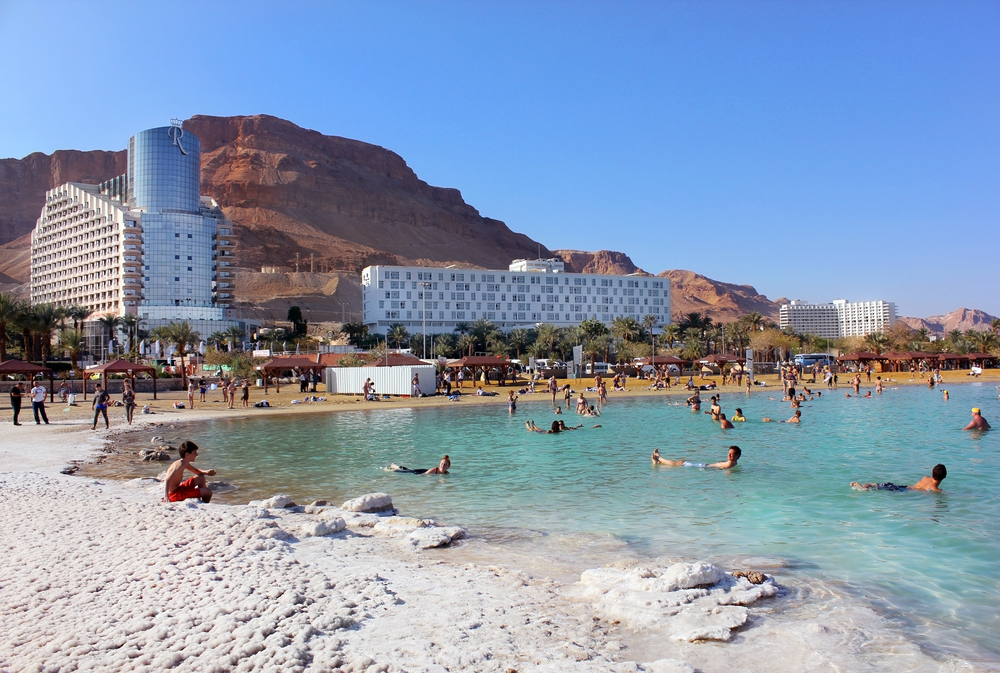
The Negev and Judean Deserts in the South of Israel, offer miles and miles of mostly unpopulated land that boasts stunning desert scenery and unique wildlife. Areas such as Masada, the Dead Sea and the Ramon Crater are a hiker’s paradise. It is best to avoid this stark and arid region during the oppressively hot summer months when heat exhaustion and dehydration are ever-present concerns.
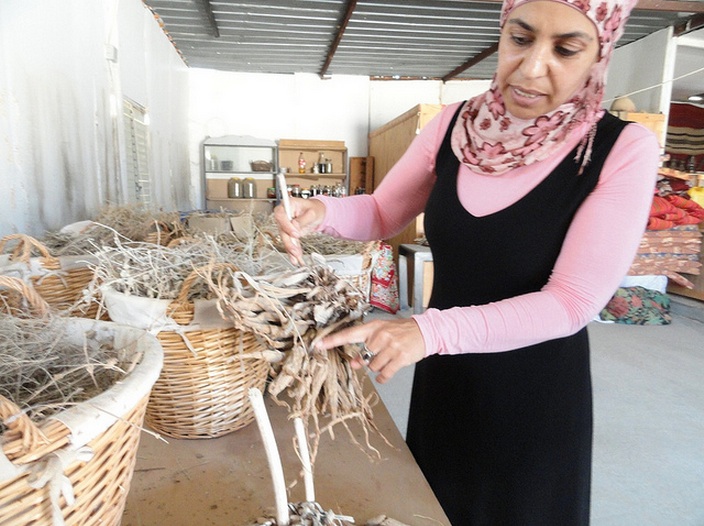
Every region of Israel hosts nature reserves that serve as excellent locations for ecotourism. The country has over 150 nature reserves, most of which are maintained by the National Nature and Parks Authority. These reserves are the ideal place to observe the indigenous flora and fauna of Israel.
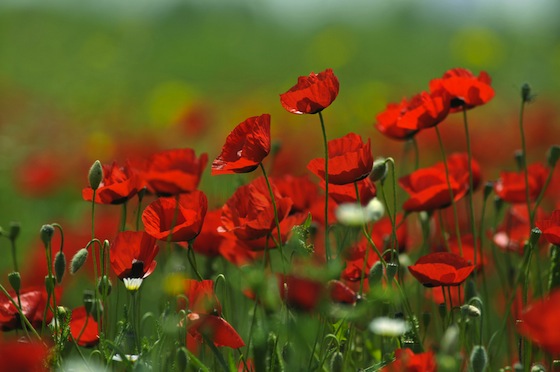
Of course the primary focus when visiting Israel will always be to visit the important biblical and historical sites, but it would be a shame to ignore the country’s natural beauty. So why not plan a few extra days to experience Israel’s ecotourism on your next trip?
By Noam Matas. Noam is the General Manager of America Israel Tours. America Israel Tours offers customized and all-inclusive tour packages to Israel. Noam enjoys writing about Israel based on his personal experience and his knowledge of the tourism industry.


Pse habe a look at 5. Mose 11,13-17 and consider if only the officially confessing Jews are responsible for the lack of rain in MidleEast…
Otherwise I should like to tell you some methods to turn deserts into blossoming landscapes…
Israel is indeed a nature lovers paradise with migrating birds, coral beaches and miles of north/south nature trails that run through different climate and topographical zones. Jerusalem, nestled on a mountain ridge between the Samarian and Judean anticline, perched on the national watershed line, is characterized by a unique variety of species as a result of its location between a semi-arid desert on the one side and a fertile Mediterranean zone on the other. Promoting research-based policy for biodiversity protection and sustainable ecosystem management in the Jerusalem area is the goal of the Jerusalem Bioregion Center which I direct. For more information about the JBC and for eco-tours in the Jerusalem bioregion, please contact me.