What to Do After an Oil Field Accident

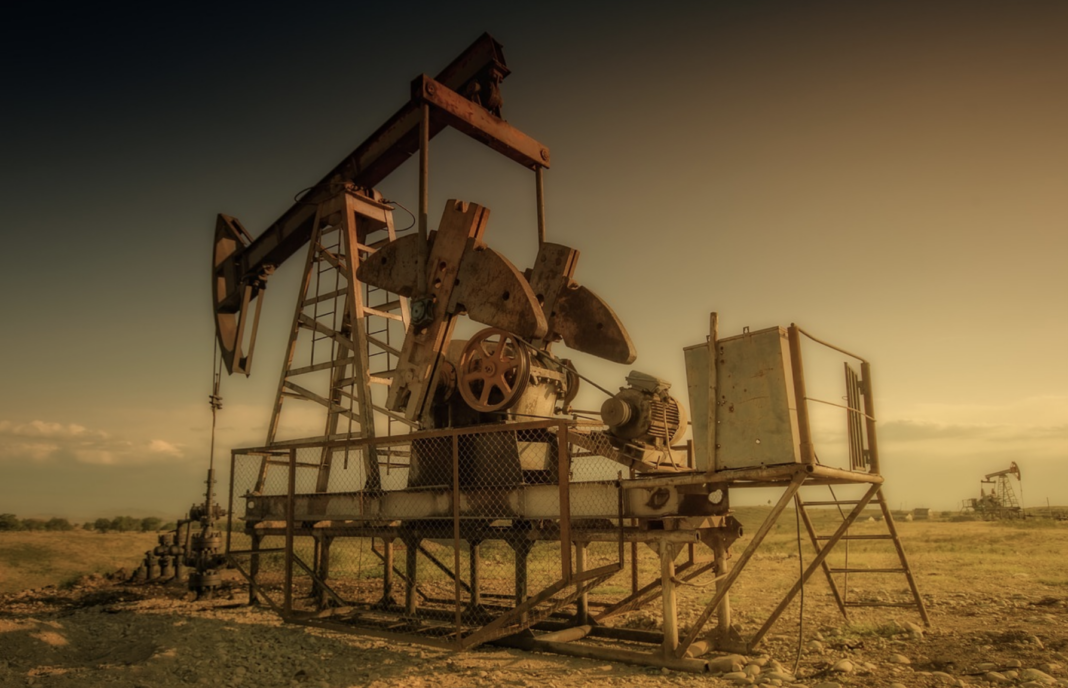
oil rig in Texas or in the Middle East, vintage photo
Oil rig workers have to avoid hazards to themselves and the environment. If an oil spill happens and you are on the job this is what you need to do. Sometimes your boss has an interest to let it slide.

Oil field workers have some of the most physically and mentally demanding jobs on the planet. However, with such high levels of risk comes the potential for accidents, injuries, or even fatalities. While oilfield work often pays better than traditional nine to five employment in the corporate world, you may be responsible for your health and safety while out in remote landscapes, often alone. Read on to learn about various rights and options available after an accident during oil field work so that you can make informed decisions about how best to protect yourself in the future.

Notify Your Employer

As soon as possible after an accident, make sure to alert your employer to the situation. In some cases, you may have time constraints for reporting a work-related injury or illness; states like Pennsylvania require that injuries be reported within 120 days of the incident, so it’s best not to delay notifying your superiors.

Notifying your employer is vital for ensuring that you receive the treatment and care you need to recover, but it’s also a critical step in protecting your rights. If your injury or illness forces you away from work, you may be entitled to compensation through workers’ compensation benefits.

an oil rig drilling in TexasSeek Medical Attention

In the event of an injury or illness, prompt medical attention is essential for minimizing the potential for long-term damage. Serious injuries, such as those involving head trauma, broken bones, and puncture wounds, should always be evaluated by a medical professional as soon as possible. Likewise, if you’re exposed to certain types of hazardous materials on the job, you should conduct toxicity screenings to determine whether or not you’ve been exposed. Some employers may provide medical care for their workers, but if yours doesn’t, you should still seek treatment from a qualified doctor of your own accord.

Know Your Rights

It’s essential to understand your state’s various labor laws and regulations. Every state has its unique set of laws, so you must familiarize yourself with your specific rights as an oil field worker. For instance, many states require employers to carry workers’ compensation insurance for accidents or injuries. This type of insurance covers medical expenses, lost wages, and other costs that may arise from an accident. Contact them if you’re unsure whether your employer carries this coverage.

You can also file a personal injury claim in an oil field accident. This type of claim is designed to cover pain and suffering and legal fees associated with the case. An experienced personal injury lawyer can help you navigate this process and get the compensation you need and deserve.

Seek Compensation

If you’ve been injured or become ill while working in an oil field, you may be entitled to pursue compensation from your employer. Depending on the extent of your injuries and the severity of your illness, you may be eligible for workers’ compensation benefits, disability payments, or even a negligence lawsuit against your employer.

In some cases, you may receive compensation through a third-party claim. Reputable oilfield accident attorneys can help you understand your options and can guide you on filing for workers’ compensation benefits or pursuing a lawsuit. You should also be aware that filing for workers’ compensation does not preclude you from seeking other forms of compensation.

No matter your situation, it’s important to take the time to fully understand your legal rights as an oil field worker so that you can make an informed decision about how best to protect yourself in the future. You can protect your rights and interests with the proper knowledge and resources.

Bhok Thompson
Bhok Thompsonhttp://www.greenprophet.com
Bhok Thompson is an “eco-tinkerer” who thrives at the intersection of sustainability, business, and cutting-edge technology. With a background in mechanical engineering and a deep fascination with renewable energy, Bhok has dedicated his career to developing innovative solutions that bridge environmental consciousness with profitability. A frequent contributor to Green Prophet, Bhok writes about futuristic green tech, urban sustainability, and the latest trends in eco-friendly startups. His passion for engineering meets his love for business as he mentors young entrepreneurs looking to create scalable, impact-driven companies. Beyond his work, Bhok is an avid collector of vintage mechanical watches, believing they represent an era of precision and craftsmanship that modern technology often overlooks. Reach out: [email protected]

Read More

TRENDING

Dior’s Summer 2027 show promises sustainability. Do we believe them?

Dior highlights recycled materials, regenerative agriculture, circularity initiatives, and digital traceability, but the luxury fashion business model still depends on constant consumption, global supply chains, fashion shows, and high-carbon production.

Is your shawarma wrapped in forever chemicals? The hidden microplastics in street feed

Shawarma is one of the world's most popular street foods, but the greatest health risk may not be the meat, pickles or tahini. Scientists are increasingly concerned about PFAS "forever chemicals" and microplastics that can migrate from food packaging into hot, greasy takeaway meals. As awareness grows about hidden toxins in everyday products, even your favorite shawarma wrap may be part of a much larger environmental and public health story.

Self-repairing contact lenses and desalination membranes that fix themselves?

Could the humble contact lens become a sustainability breakthrough? Researchers in Korea have developed a self-healing hydrogel lens that repairs scratches with just one hour of UV light exposure. Beyond reducing waste from disposable contacts, the technology could one day help extend the life of solar panels, water filtration systems, and other plastic-based products.

Should we be worried about ebola?

Touch the body and ancient African traditions are causing the Ebola virus to spread.

Idols of Ganesh in Canadian lakes are causing local environmental concerns

Immersing religious idols in Canada's lakes, rivers and coastal waters remains a contentious issue. While the practice is an important tradition for many Hindu communities during festivals such as Ganesh Chaturthi, environmental regulations in many jurisdictions prohibit the disposal of foreign materials into natural waterways, even when the objects are intended as religious offerings.

Yerukim Forms a New Green Economy Where the Money is Really Green

The Yerukim members who pick up the recyclables get to keep the monetary reward, the public earns "green" bills that can be used in shops, and business owners get to be associated with environmentalism.

Choosing Riyadh over Dubai? What Investors Should Know

Saudi Arabia is deploying capital at unmatched scale to catalyze tourism and advanced industry while rewiring its power-and-water backbone. The investable frontier is widening—especially in renewables, grid storage, water efficiency/desal retrofits, and hospitality operating platforms. Prudent investors will insist on phased delivery, enforceable KPIs (energy, water, biodiversity), and RHQ/zone compliance—while pricing political-economy and reputational risks alongside growth upside.

Sell your cooking oil for biodiesel money

Want to make money on old french fry oil? Sell it.

Qatar Alternative Energy Summit Pairs Investors And Innovators

Alternative energy investors and innovators can meet n' greet in Doha, Qatar March 16 and 17.

Here’s How To Implement The Four Pillars Of Employee Engagement

If you throw a party for your work team and they are vegans, don't make it a barbecue. Know the sustainability values of your team to boost moral and retain good people.

Locals From Rishon Fight IKEA

Big Box stores are a pretty new concept in Israel, and thank God that not every Israeli city wants them in their backyard. A word from someone who has see the beautiful farmland around her hometown Newmarket, Ontario stripped and converted into vulgar strip malls of big box shops: they have no place in a healthy and sustainable town or city.

The Jewish National Fund Meets An Inconvenient Truth

According to the JNF, it has transformed thousands of acres of barren land into green forests in Israel. They state that each person emits about 23 tons of carbon per year, estimating that each tree planted can absorb one ton of carbon in its lifetime. That's a whole lot of trees you'd need to be planting. Could so many fit in Israel?

How to quiet noise from construction in your office

Streets need to be resurfaced in New York but the humming and grinding noise is unsettling. Noise is environmental pollution. 

Popular Categories