Agratech from Dubai will grow 5 acres of space lettuce in Portugal

hydroponics

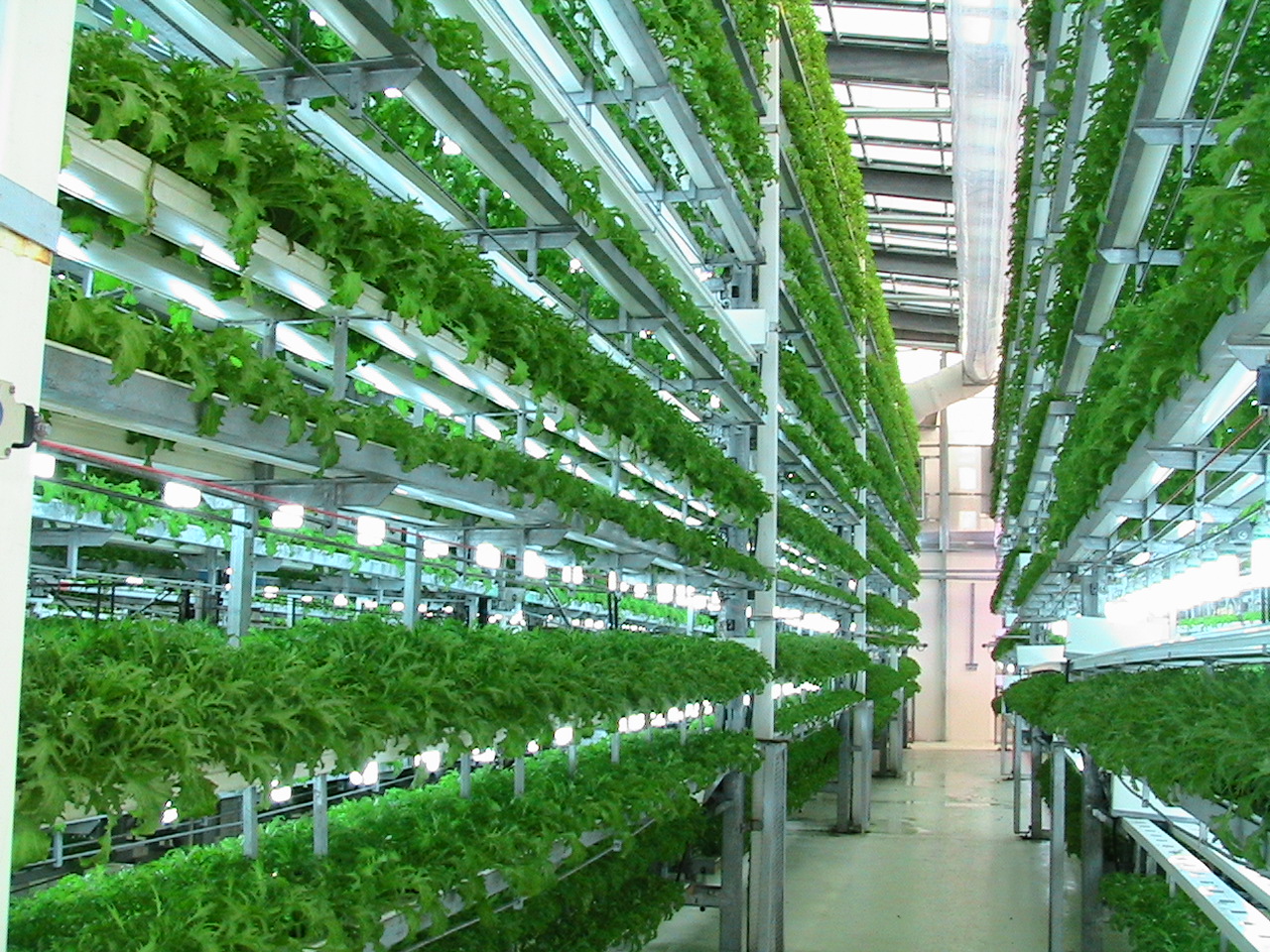
Fresh greens and fresh anything are usually impossible to find in desert locations. But a new way of growing food on water, called hydroponics, is shaping up to be one of the latest exports from a Middle East country that has had to deal with lack of water. Hydroponics is working in Jordan thanks to the US Government and USAID.

Hydroponics, despite using only water and no soil can actually be extremely water efficient and productive. So much so, that the Dubai-based company Agratech which builds such farms, is now importing its technology to Portugal where it will build a 5 acre covered greenhouse.

Known as distributed agriculture, or controlled environment agriculture, hydroponics may very well be the only way that we can ensure a steady supply of fresh food in the future. Soil-based farming is extremely resource intensive, with only a fraction of the fertilizers used actually making it to the roots of the plants.

Hydroponics, on the other hand, bathes the roots in needed minerals so the plant gets exactly what it wants without having to search for food. This way the plant spends more energy growing fruit and less on root.

Portugal, like all the Mediterranean countries and States like California, is seeing a dire shortage of water.

According to press annual Agratech aims to be one of the largest operators of hydroponic farming facilities in the Middle East and North Africa (MENA) and Europe from their strategic base in the United Arab Emirates.

Striving to improve the world’s food security imbalances with their technologically advanced farming techniques coupled with clean and ethical farming practices that produce fresh, healthy fruit and vegetables.

With the vision to educate, teach and develop the next generation throughout the globe with relevant farming and agricultural knowledge. They also continue their local-to-local philosophy to ensure job creation and economic safety throughout the region.

Dedicated to balance being a successful business as well as a socially responsible one, they aim to construct over 100 hectares of hydroponic farm land by 2020, but also to donate produce to the United Nations and World Health Organization.

Karin Kloosterman
Karin Kloostermanhttp://www.greenprophet.com
Karin Kloosterman is an award-winning journalist, innovation strategist, and founder of Green Prophet, one of the Middle East’s pioneering sustainability platforms. She has ranked in the Top 10 of Verizon innovation competitions, participated in NASA-linked challenges, and spoken worldwide on climate, food security, and future resilience. With an IoT technology patent, features in Canada’s National Post, and leadership inside teams building next-generation agricultural and planetary systems — including Mars-farming concepts — Karin operates at the intersection of storytelling, science, and systems change. She doesn’t report on the future – she helps design it. Reach out directly to [email protected]

Read More

TRENDING

HelloFresh’s pride prepping ad raises a bigger question: we are we still outsourcing dinner?

The backlash against HelloFresh's Pride Month marketing campaign has sparked a wider conversation about food, labor, sustainability, and whether consumers should reconnect with local farmers, butchers, and home gardens instead of relying on subscription meal kits.

Regenerative Wool or Greenwashing? Zentera Responds to Critics

Zentera responds to questions about ZQ wool, animal welfare, regenerative farming, ethical fashion and the fallout from PETA's New Zealand investigation.

The Ocean’s Hidden ‘Dark Web’ Is Being Fished Before Scientists Understand It

Deep below the ocean's surface, in a dimly lit region known as the twilight zone, millions of fish are being caught every year. Scientists say the consequences are largely unknown.

Barnacle glue could fix coral reefs, inspire new advances in building and medicine

Aalto University researchers create a protein-based adhesive inspired by barnacles and mussels that works underwater and could aid coral reef restoration.

Jaakko Torvinen finds that the next green building revolution is misfit trees

Crooked, forked and curved trees are often treated as second-class timber. They are considered less valuable, and not suitable for load bearing walls or support systems in building. If a tree trunk is not straight enough to become a saw log, it is frequently diverted into pulp production or burned for energy. Now, new research from Aalto University could help change that.

Locals From Rishon Fight IKEA

Big Box stores are a pretty new concept in Israel, and thank God that not every Israeli city wants them in their backyard. A word from someone who has see the beautiful farmland around her hometown Newmarket, Ontario stripped and converted into vulgar strip malls of big box shops: they have no place in a healthy and sustainable town or city.

The Jewish National Fund Meets An Inconvenient Truth

According to the JNF, it has transformed thousands of acres of barren land into green forests in Israel. They state that each person emits about 23 tons of carbon per year, estimating that each tree planted can absorb one ton of carbon in its lifetime. That's a whole lot of trees you'd need to be planting. Could so many fit in Israel?

How to quiet noise from construction in your office

Streets need to be resurfaced in New York but the humming and grinding noise is unsettling. Noise is environmental pollution. 

EarthX and a blueprint for sustainable investing

Trammell S. Crow, a Dallas-based businessman and father of four, is focusing his efforts on impact investing, and media that focuses on saving the planet through EarthX.

Mining Afghanistan’s Mineral Discoveries Similar to Avatar

Now that American forces in Afghanistan are commemorating the longest period of any war that America has been involved in, including the 1965-73 Vietnam War, the recent discoveries of large and extremely valuable mineral and metal deposits may finally bring to light a reason to continue the presence of US fighting forces in this war torn and backward country.

From Pilot Plant to Global Stage: How Aduro Clean Technologies’ 2026 Expansion Signals a Turning Point for Chemical Recycling Investors Like Yazan Al Homsi

The company's Next Generation Process (NGP) Pilot Plant in London, Ontario, has officially moved into initial operating campaigns, generating the kind of structured, repeatable data that separates laboratory promise from commercial viability.

Nobul’s Regan McGee on Shareholder Value: “Complacency Is the Silent Killer” 

Why the governance framework designed to protect shareholders so...

Should You Invest in the Private Market?

startustartup Unlike public stock exchanges, which offer daily trading, strict...

Popular Categories