Submerge yourself in nature in a Getaway tiny home

Pete Davis

Collaboration between business, law and design students from one of the world’s top universities is producing tiny houses that could revolutionize how we approach holidays, and green up tourism too. This summer, the Millennial Housing Lab launched Getaway, a rental concept for micro-homes for the millennial marketplace.
Pete Davis

Harvard Business School student Jon Staff has racked up a resume of non-traditional living. He’s lived on a boat, in a frozen yogurt shop basement, a 26-foot-long Airstream trailer, and even did a stint of sleepovers in a Harvard library.  No surprise that he was naturally drawn to the tiny house movement – a growing trend that advocates simply living in small spaces.
Pete Davis

Last year, Staff co-founded the Millennial Housing Lab, an action lab composed of Harvard business, law and design school students with a mission to develop new housing ideas bespoke to the millennial generation (people born between the 1980s and early 2000s).
Pete Davis

The Lab focuses on all aspects of the housing experience: architecture, neighborhood planning, financing, regulation and community-building.

Through its blog, email bulletins, and special events, the project also aims to incite vibrant conversation about millennial housing, and catalyze change in the residential building industry. Its wider goal is to incubate and launch new design-, business- and regulatory-related housing concepts. (Consider the build-your-own (anywhere!) WikiHouse we reported on last year!)
Pete Davis

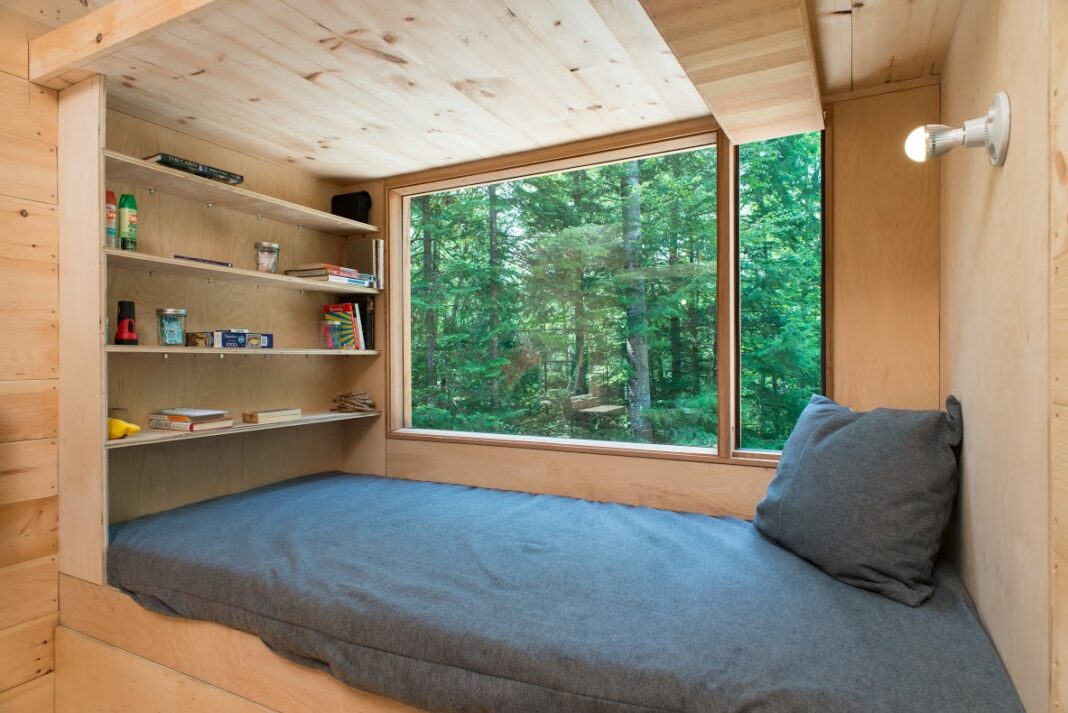
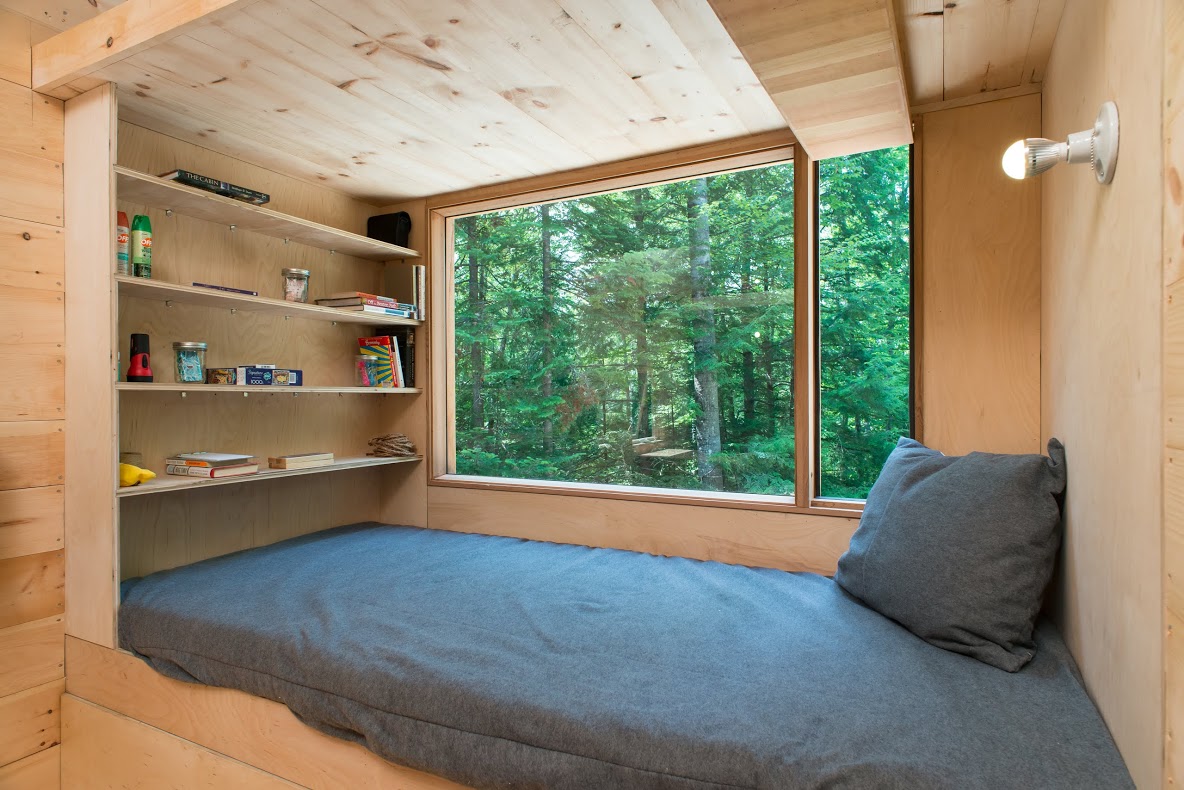
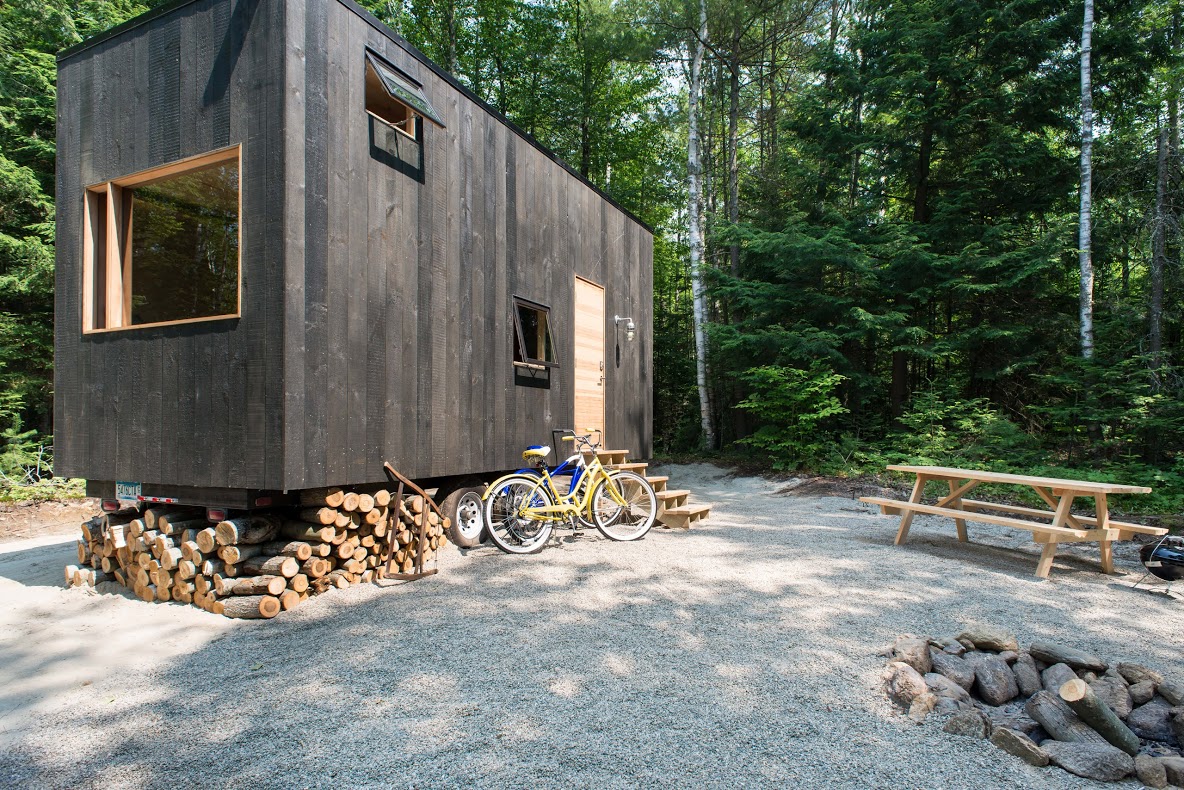
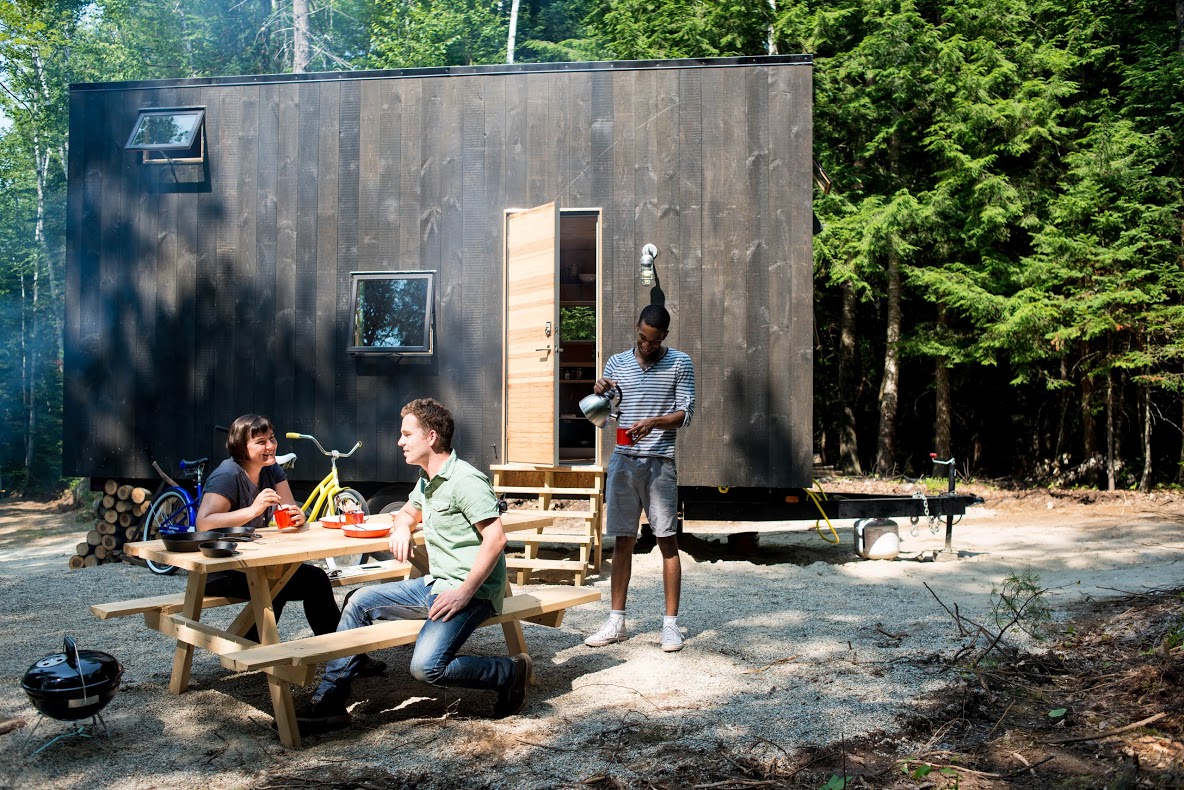
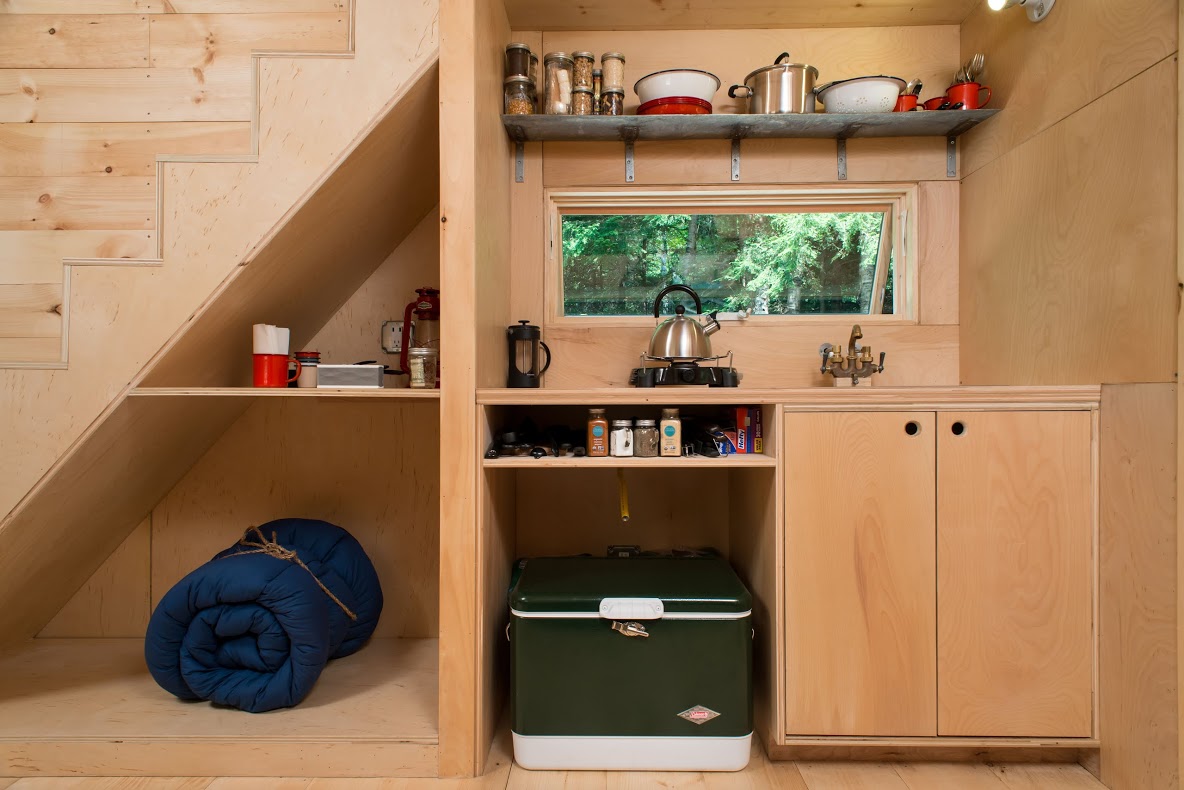
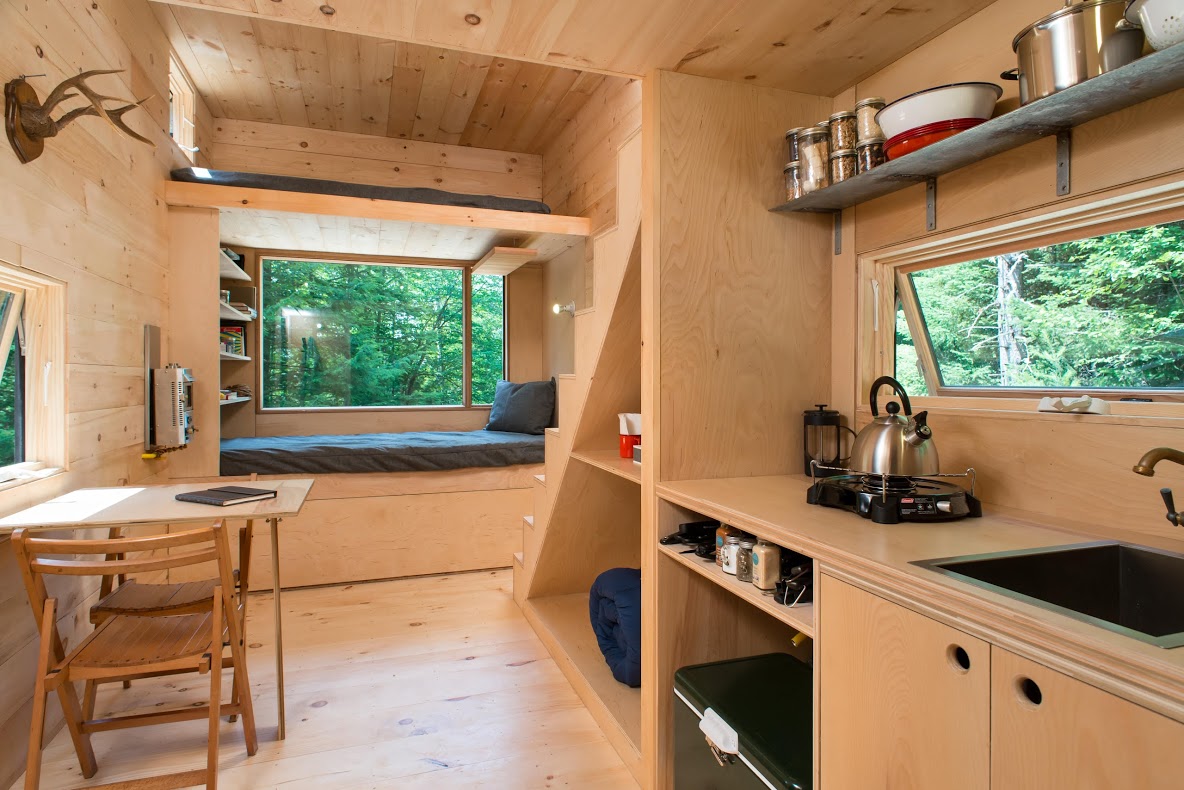
Tiny homes are everywhere.  Photogenic and adorable, who hasn’t been curious what they’re like in 3-D? The differentiator with Getaway homes is that these micro-buildings are rentable. Situated on beautiful rural landscapes, they can be used as a hotel by city folks looking to escape for a digital detox, a bonding weekend with friends, a romantic anniversary, or a meditative retreat.

“Test driving” one with no long-term commitment might encourage users to adopt tiny-home practices in their regular lives.

Pete Davis

The Boston-based business planted their first Getaway house in southern New Hampshire, and immediately began bookings. They plan on bringing Getaway units to more cities, and developing more housing ideas though the Millennial Housing Lab. Getaway houses sit on secluded, quiet land within two hours of a city. physically close enough to the city for easy access but “spiritually far” away to guarantee a refreshing recharge. All sites are leased from local property owners, putting dollars directly into the rural economies in which Getaway operates.

The houses provide the comforts of a standard home, including a comfy queen bed, and off-grid stove, toilet and shower. Rentals come with classic books and board games, barbecue grills – and the ingredients for s’mores!

Jon Staff and Pete Davis founded The Millennial Housing Lab, and designed the Getaway with Addison Godine, Wyatt Komarin, and Rachel Moranis. Go to the Getaway House website for more details on pricing and availability.

Read More

11 COMMENTS

TRENDING

Alcohol the night before work in the heat may raise inflammation, study finds

If you work as a roofer, landscaper, pool builder, or in construction, installing garden slabs or solar panels, building sheds, or working on outdoor home improvement projects, take note of new research that can help you protect your heart.

Technology saves wind turbines from meltdown by lightning strikes

About 90% of the lightning strikes that occur are negative polarity lightning, while positive polarity lightning occurs with a relatively low probability. However, positive polarity lightning has a much higher current intensity, increasing the likelihood of causing major accidents.

Winter floods out Syria’s displaced

Taking cues from the tiny home movement, we are sure colleges and design schools around the world, along with architects, can start planning some better solutions for temporary shelter for the world's displaced – millions from the civil war with Syria, and millions more who end up in countries like Greece from Africa, seeking refuge or maybe just a better life. 

Tiny trash homes create humanity with salvaged waste

Artist Gregory Kloehn veered off course from a career creating...

Build your own strawbale home with the Canelo Project in Arizona

This couple has taught the world how to build homes from bales of straw. These strawbale homes are sustainable and low cost.

Yerukim Forms a New Green Economy Where the Money is Really Green

The Yerukim members who pick up the recyclables get to keep the monetary reward, the public earns "green" bills that can be used in shops, and business owners get to be associated with environmentalism.

Choosing Riyadh over Dubai? What Investors Should Know

Saudi Arabia is deploying capital at unmatched scale to catalyze tourism and advanced industry while rewiring its power-and-water backbone. The investable frontier is widening—especially in renewables, grid storage, water efficiency/desal retrofits, and hospitality operating platforms. Prudent investors will insist on phased delivery, enforceable KPIs (energy, water, biodiversity), and RHQ/zone compliance—while pricing political-economy and reputational risks alongside growth upside.

Sell your cooking oil for biodiesel money

Want to make money on old french fry oil? Sell it.

Qatar Alternative Energy Summit Pairs Investors And Innovators

Alternative energy investors and innovators can meet n' greet in Doha, Qatar March 16 and 17.

Here’s How To Implement The Four Pillars Of Employee Engagement

If you throw a party for your work team and they are vegans, don't make it a barbecue. Know the sustainability values of your team to boost moral and retain good people.

Locals From Rishon Fight IKEA

Big Box stores are a pretty new concept in Israel, and thank God that not every Israeli city wants them in their backyard. A word from someone who has see the beautiful farmland around her hometown Newmarket, Ontario stripped and converted into vulgar strip malls of big box shops: they have no place in a healthy and sustainable town or city.

The Jewish National Fund Meets An Inconvenient Truth

According to the JNF, it has transformed thousands of acres of barren land into green forests in Israel. They state that each person emits about 23 tons of carbon per year, estimating that each tree planted can absorb one ton of carbon in its lifetime. That's a whole lot of trees you'd need to be planting. Could so many fit in Israel?

How to quiet noise from construction in your office

Streets need to be resurfaced in New York but the humming and grinding noise is unsettling. Noise is environmental pollution. 

Popular Categories