Green and Black Olive Spreads – The Ultimate Recipes

real black olives or fake?
Are these real black olives or fake?

With the Middle Eastern olive season in full swing, it’s natural to think of cooking with those fleshy, savory olive morsels. If you’ve been lucky enough to get olives pickled on the farm, as I did at the Olive Branch Festival, most of your work has been done for you.
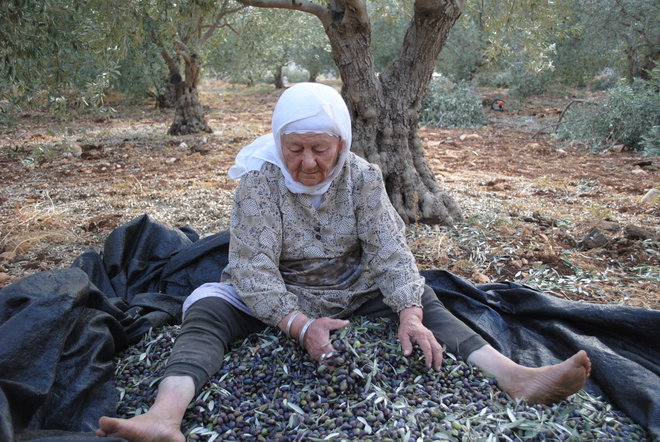
Picking through olives

But if raw olives turn up at your local market, don’t just walk past them – pickle them yourself. And we even show you how to choose the best raw olives. This way you can avoid any poisons or pore

You can consider olive spreads as vegetarian alternatives to meat-based patés. But where olive trees grow, people naturally make farmhouse olive spreads for slathering on fresh bread. These recipes hearken back to centuries of olive farming and the traditional resources of the farm wife’s kitchen. Olive oil is, of course, one of the 60 must-haves of the Middle-Eastern pantry.

You can make these spreads too, even if you live far from any olive tree. Pitted canned or jarred olives work fine.

The following recipes are translated  from “The Olive Cookbook” by Ruth Keenan.

Make Black Olive “Caviar”
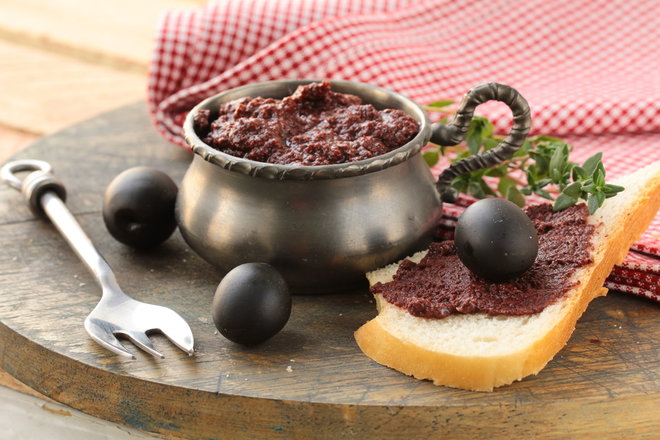
black olive spread


Ingredients:

100 grams black olives, pitted

1 tablespoon lemon juice

1/2 teaspoon salt

1 tablespoon olive oil

Pulse all ingredients in a food processor or blender until you have a grainy, spreadable paste. Remove to a jar and store in the refrigerator up to a week.

Make Green Olive Spread

green olive spread

Ingredients:

100 grams green olives, pitted

1 garlic clove, peeled

100 grams unsalted butter, softened

1/2 teaspoon salt

Pinch black pepper

1 tablespoon finely chopped parsley

Pulse the olives and garlic in the food processor until fine grains. Add the remaining ingredients and pulse until a spreadable paste. Store in glass jars, in the refrigerator. Remove from the fridge 30 minutes before serving.

Some of our delicious recipes with olive oil:


Miriam Kresh
Miriam Kreshhttps://www.greenprophet.com/
Miriam Kresh is an American ex-pat living in Israel. Her love of Middle Eastern food evolved from close friendships with enthusiastic Moroccan, Tunisian and Turkish home cooks. She owns too many cookbooks and is always planning the next meal. Miriam can be reached at miriam (at) greenprophet (dot) com.

Read More

3 COMMENTS

TRENDING

Different Types of Hair Loss Treatments Explained

efore exploring treatments, it helps to understand why hair falls. Hair loss isn't one condition — it has different causes, and those causes affect which treatments actually work.

Dead Sea Scroll mystery may be solved by a calendar that lost touch with the seasons

The 364-day calendar did not disappear entirely. Instead, it may have survived as an ideal: a memory of perfect time at Creation and perhaps a calendar to be restored in the End of Days.

Mysterious metal space balls wash up on Australian shore

Mysterious metallic spheres dubbed "space balls" washed ashore on Forrest Beach in Queensland, Australia. The objects were identified by the Australian Space Agency as pressure vessels from a space launch vehicle that re-entered Earth's atmosphere, and crews successfully removed the safe debris.

Kansas City’s Second Attempt at a Conversion Therapy Ban: What the Proposed Ordinance Does and Why It’s Being Rewritten

Kansas City is attempting to revive protections against conversion therapy with a new ordinance carefully designed to withstand recent First Amendment challenges. Rather than banning conversion therapy by name, the proposal targets harmful therapeutic practices linked to increased risks of depression and self-harm, creating what supporters hope could become a legal model for other U.S. cities.

What to Look for in a Senior Living Community That Truly Delivers

Choosing a sustainable senior living community means looking beyond appearances to care quality, nutrition, safety, social connection, and long-term well-being.

The Essential Guide To Sustainability in Project Management

Sustainability is an approach where businesses and individuals balance the environmental, social, and economic aspects of a project such that current and future stakeholders are not overburdened with the impacts of the project in future.

Yerukim Forms a New Green Economy Where the Money is Really Green

The Yerukim members who pick up the recyclables get to keep the monetary reward, the public earns "green" bills that can be used in shops, and business owners get to be associated with environmentalism.

Choosing Riyadh over Dubai? What Investors Should Know

Saudi Arabia is deploying capital at unmatched scale to catalyze tourism and advanced industry while rewiring its power-and-water backbone. The investable frontier is widening—especially in renewables, grid storage, water efficiency/desal retrofits, and hospitality operating platforms. Prudent investors will insist on phased delivery, enforceable KPIs (energy, water, biodiversity), and RHQ/zone compliance—while pricing political-economy and reputational risks alongside growth upside.

Sell your cooking oil for biodiesel money

Want to make money on old french fry oil? Sell it.

Qatar Alternative Energy Summit Pairs Investors And Innovators

Alternative energy investors and innovators can meet n' greet in Doha, Qatar March 16 and 17.

Here’s How To Implement The Four Pillars Of Employee Engagement

If you throw a party for your work team and they are vegans, don't make it a barbecue. Know the sustainability values of your team to boost moral and retain good people.

Locals From Rishon Fight IKEA

Big Box stores are a pretty new concept in Israel, and thank God that not every Israeli city wants them in their backyard. A word from someone who has see the beautiful farmland around her hometown Newmarket, Ontario stripped and converted into vulgar strip malls of big box shops: they have no place in a healthy and sustainable town or city.

The Jewish National Fund Meets An Inconvenient Truth

According to the JNF, it has transformed thousands of acres of barren land into green forests in Israel. They state that each person emits about 23 tons of carbon per year, estimating that each tree planted can absorb one ton of carbon in its lifetime. That's a whole lot of trees you'd need to be planting. Could so many fit in Israel?

Popular Categories