
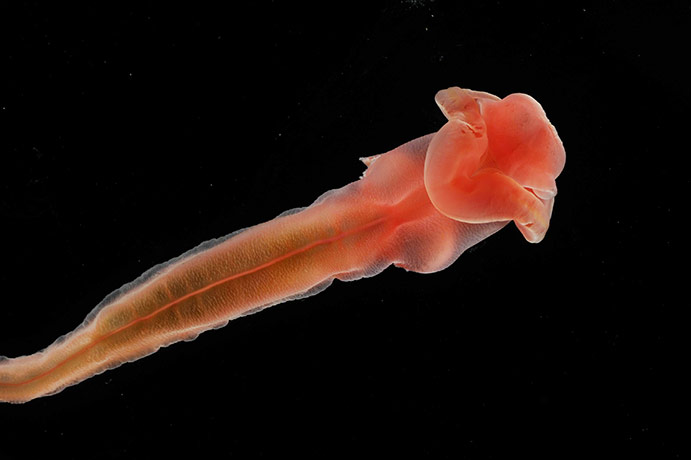

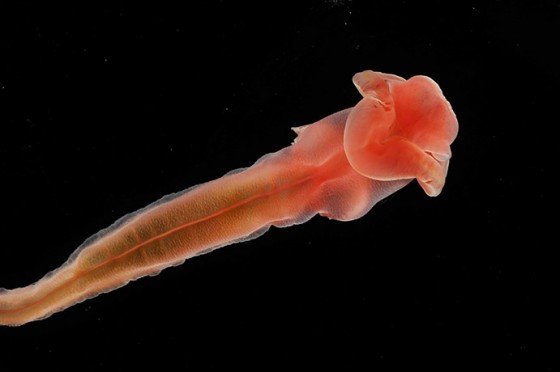
 New species of sea cucumber, found in Atlantic Ocean at depth of 2,700 feet.
A newly concluded Census of Marine Life, covering most of the world’s seas and oceans, has discovered over 1,200 new species of sea creatures. The ten year study, completed in October, 2010, was composed of 3,000 scientists from 80 countries, including a few from Israel, and cost $370 million USD. The study was the first of its kind to make a thorough census and categorization of sea creatures, ranging from the smallest micro-biological specimens to the largest fish and mammals.
The scientific teams found a number of new marine species in the Mediterranean, including a multi-celled creature capable of living without oxygen (found on the sea bottom south of Crete) and a number of sea plants, fish and bacteria, unknown until now.
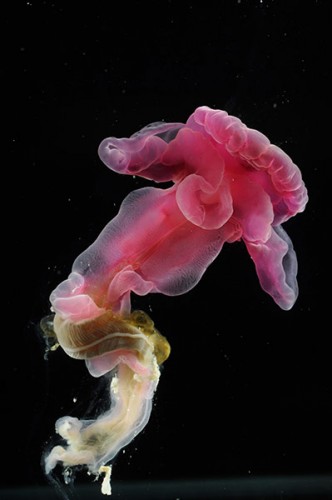
Bathypelogic ctenophone, Atlantic Ocean
The marine census coincides with the recent diving and marine mapping expeditions carried out by a joint American and Israeli scientific team, and called the Nautilus Marine Research Expedition. This expedition, involving unmanned marine submersibles, included extensive mapping of the Mediterranean seabed along Israel’s coastline and taking extensive samples of marine life found in depths of more than 700 meters.
The findings of the historical “sea census” gives a more positive outlook to the world’s marine life which has been threatened in recent years by over fishing, various types of marine pollution, and rising seas and sea temperatures attributed partially to global warming.
Marine pollution includes garbage and other types of wastes that are dumped into the sea, as well as giant “plastic garbage patches” in both the Atlantic and Pacific oceans which helped to inspire the recent five month “Plastiki” voyage by adventurer and environmentalist David de Rothschild and other crew members in a boat made almost entirely from recycled plastic waste products.
The catastrophic oil spill in the Gulf of Mexico; which will take years to recover, if at all from five months of continuous outpouring of crude oil and natural gas into it, has had an obvious effect on marine life in the entire region, including the Atlantic Ocean.
Once a prime breeding ground for shrimp and other sea creatures, such as the blue fin tuna, large portions of the Gulf of Mexico are now considered to be “dead zones” as far as marine life habitation is concerned. Other oil spills, including one that occurred in the Red Sea, have also taken their toll on many sea creatures noted in the ten year marine life census study.
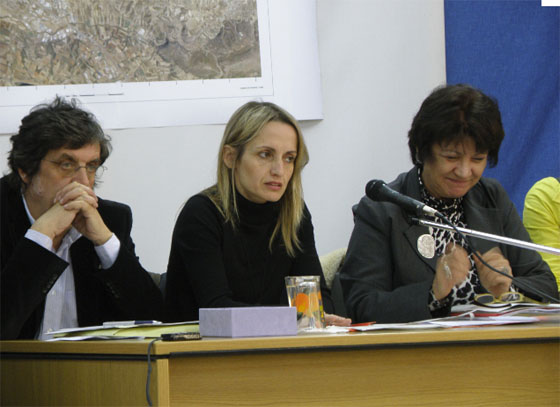
The results of the “sea census” were presented recently at a conference at the Israel Academy of Sciences and the Humanities for biologists who specialize in animal life, and scientists in general.
Marine Census director Jesse Ausubel , Director of the Program for the Human Environment and Senior Research Associate at The Rockefeller University in New York City, participated in the Israeli conference, which was initiated and chaired by Prof. Alex Keinan (who was not available or interested in providing more details on the project).
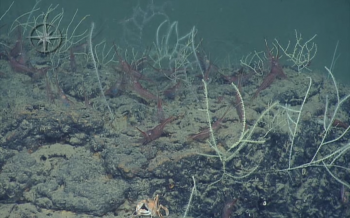 Mediterranean deep sea corals
The census findings, especially those pertaining to the Mediterranean, may help to find ways to preserve what remains of the Planet’s sea life before it becomes too late to do so.
Photos: The Guardian UK
More on world and Mediterranean marine life issues:
Israel Marine Ecologist Says Mediterranean Needs More Environmental Protection
Adventurer David de Rothschild Sails Plastiki With Environmental Lessons to be Learned


“Bathypelogic ctenophone” doesn’t sound right in either half. Should it be “Bathypelagic ctenophore” ?
Some of these newly discovered sea creatures look very sensual.