Saudi Island Gets Solarized With a 500 kW Solar Plant

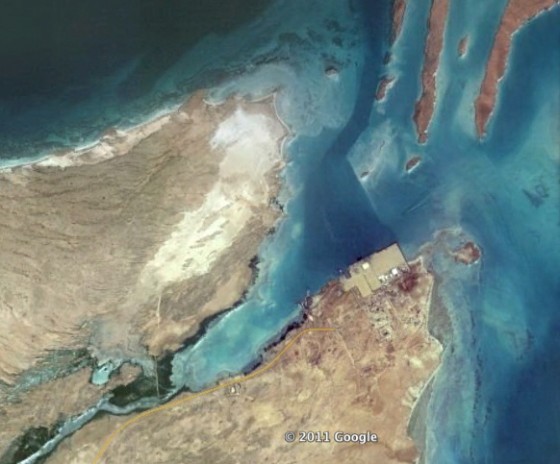
farasan island google earthSaudi Arabia to diversify to solar energy on the exotic Farasan Island.

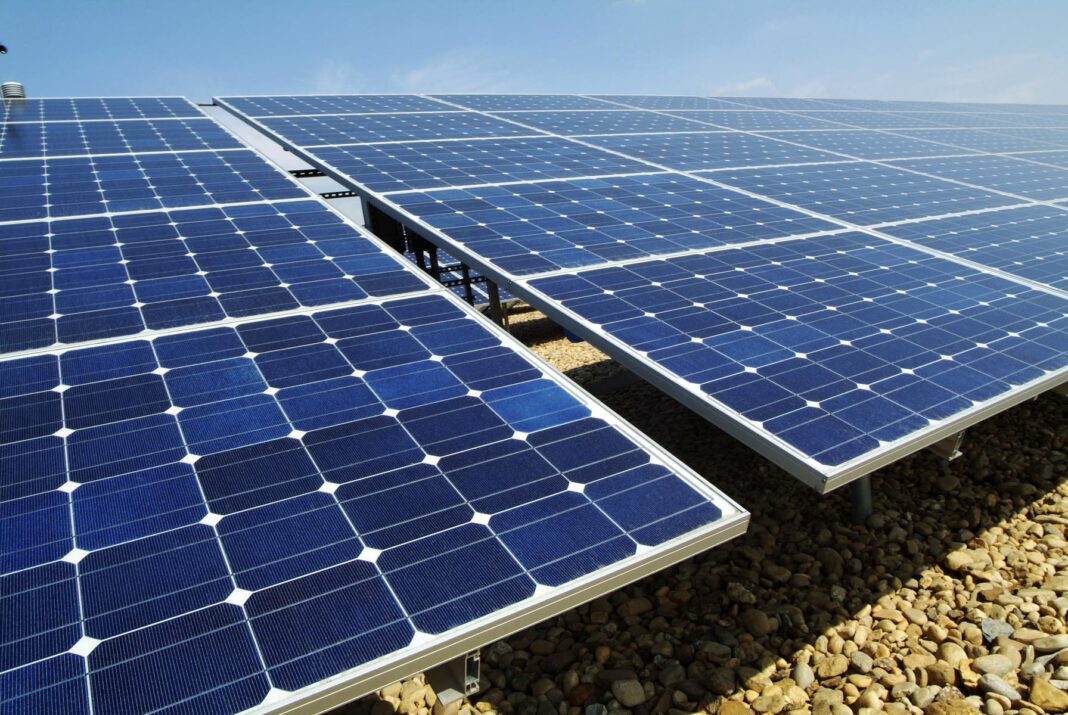
We hope that OPEC oil countries will continue putting the west to shame: A few days ago on October 1, Saudi Arabia inaugurated its first solar power plant as the country continues to diversify its energy sources. The 500-kilowatt plant, located on the beautiful Farasan Island will save the equivalent of transferring 28,000 barrels of diesel fuel to the island annually reports the Saudi Embassy in the United States. Farasan Island is the biggest of the Farasan Islands and the new plant will save the government from shipping diesel fuel to the island.

Constructed by the Saudi Electricity Company and Showa Shell Sekiyu K.K., a Japanese energy company partly owned by the Saudi Arabian Oil Company, this new solar plant one of the many initiatives led by the Saudi Electric Company introduce clean energy throughout the Kingdom.

There was no mention of turtles or other conservationists however crying foul, probably due to the very nascent environment movement in Saudi Arabia.
farasan island

Saudi Ambassador to the United States Adel bin Ahmed Al-Jubeir says: “Saudi Arabia is committed to building and refining alternative energy solutions. This program is one large step that will benefit the environment and the Saudi people.”

Saudi Arabia, largely referred to as “The Kingdom” by Saudis, is a prime location to harness solar energy because of its year-round sunshine. According to the Embassy reports, the sun in Saudi Arabia emits about 7,000 watts of energy per square meter over an average of 12 hours every day.

The plant has been linked with Jizan area’s main distribution network, which annually produces about 864,000 kilowatt hours. The Japanese firm will own it for 15 years and after which they will transfer it back to the Saudi Electricity Company.

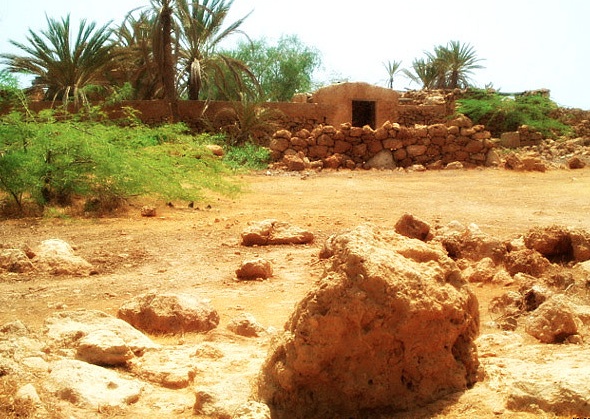
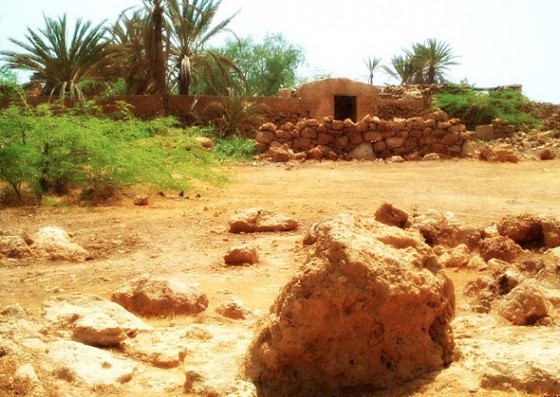
Farasan Island (Arabic: جزيرة فرسان‎; transliterated: Jazyrat Farasan) is the largest island of the Farasan Islands, in the Red Sea. It is located some 50 km offshore from Jizan, the far southwestern part of Saudi Arabia. The islands form an archipelago of  84 islands.

In February 2010, the Saudi government, in coordination with the future-forward King Abdulaziz City for Science and Technology (KAUST), began building the first solar-powered water desalination plant.

Read more on Saudi Arabia:

Could Saudi Arabia Become the Saudi Arabia of Solar?
Middle East Leaders To Launch Green Hajj Guide

Image via meesho

Karin Kloosterman
Karin Kloostermanhttp://www.greenprophet.com
Karin Kloosterman is an award-winning journalist, innovation strategist, and founder of Green Prophet, one of the Middle East’s pioneering sustainability platforms. She has ranked in the Top 10 of Verizon innovation competitions, participated in NASA-linked challenges, and spoken worldwide on climate, food security, and future resilience. With an IoT technology patent, features in Canada’s National Post, and leadership inside teams building next-generation agricultural and planetary systems — including Mars-farming concepts — Karin operates at the intersection of storytelling, science, and systems change. She doesn’t report on the future – she helps design it. Reach out directly to [email protected]

Read More

2 COMMENTS
  1. Umm, KAUST is NOT King Abdulaziz City for Science and Technology, KAUST is King Abdullah University of Science and Technology.

Comments are closed.

TRENDING

Shebara hotel Saudi Arabia – is it eco-luxury dream or desert illusion?

A new breed of luxury has landed on the Red Sea, mirrored pods floating above coral reefs, reflecting sky and sea like something not entirely of this Earth. Energy powered by solar powers, drinking water pulled from the sea using desalination. 

Japan wants to build a solar panel ring around the moon

Unlike solar power on Earth, which is limited by night cycles, weather, and seasons, the Moon offers something close to uninterrupted exposure to the Sun. By placing solar infrastructure in orbit or along the lunar surface, engineers could generate continuous clean energy at a scale that may exceed global electricity demand,  the Japanese scientists say.

When peace returns, will we rediscover Saudi Arabia’s mud-brick soul?

When the region settles after the American war with Iran, and it will, American and European travelers will come back. Not just for spectacle or headline projects, but for places that feel real. Places that haven’t been engineered to impress and which get into your soul. We predict that visitors to Saudi Arabia will want to see places like Rijal Alma.When the region settles after the American war with Iran, and it will, American and European travelers will come back. Not just for spectacle or headline projects, but for places that feel real. Places that haven’t been engineered to impress and which get into your soul. We predict that visitors to Saudi Arabia will want to see places like Rijal Alma.

Batteries from salt? New grid projects suggest the idea is becoming real

Peak Energy makes storage batteries from salt making us one step closer to cleaner, endless energy from the wind and the sun

What are AWG air-water generators, and why they aren’t a golden-bullet solution (yet)

Atmospheric water generators (AWGs) sound like magic: machines that can pull drinking water out of air. The idea is mentioned in the Bible, where the elders would pray for water collected as dew on plants and the catch on turning this into a machine is in the physics. To turn invisible vapor into liquid, you must remove heat, especially the latent heat of condensation.

Mining Afghanistan’s Mineral Discoveries Similar to Avatar

Now that American forces in Afghanistan are commemorating the longest period of any war that America has been involved in, including the 1965-73 Vietnam War, the recent discoveries of large and extremely valuable mineral and metal deposits may finally bring to light a reason to continue the presence of US fighting forces in this war torn and backward country.

From Pilot Plant to Global Stage: How Aduro Clean Technologies’ 2026 Expansion Signals a Turning Point for Chemical Recycling Investors Like Yazan Al Homsi

The company's Next Generation Process (NGP) Pilot Plant in London, Ontario, has officially moved into initial operating campaigns, generating the kind of structured, repeatable data that separates laboratory promise from commercial viability.

Nobul’s Regan McGee on Shareholder Value: “Complacency Is the Silent Killer” 

Why the governance framework designed to protect shareholders so...

Should You Invest in the Private Market?

startustartup Unlike public stock exchanges, which offer daily trading, strict...

How to build a 100-year-company

Kongō Gumi is a Japanese construction company, purportedly founded in 578 A.D., making it the world's oldest documented company. What can we learn about building sustainable businesses from them?

How AI Helps SaaS Companies Reduce Repetitive Customer Support Work

SaaS products are designed for large numbers of users with different levels of experience, and also in renewable energy.

Pulling Water from the Air

Faced with water shortage in Amman, Laurie digs up...

Turning Your Energy Consultancy into an LLC: 4 Legal Steps for Founders in Texas

If you are starting a renewable energy business in Texas, learn how to start an LLC by the books.

Popular Categories