Home Blog Page 98

What is a Mass Tort or Class Action Lawsuit?

0
Tesla solar roof
Tesla customers file a class action suit against this renewable energy and EV company

Are the legal jargons “mass tort” and “class action lawsuit” leaving you scratching your head every time they pop up in the news? This article is your trusty compass navigating through the intricate maze of these intimidating legal terms. By the time you finish reading, you won’t just be another spectator in discussions around these topics. Instead, you’ll be at the forefront of the latest news on mass torts and class action lawsuits

This knowledge won’t just demystify these legal constructs for you but also empower you to meaningfully contribute to discussions that often shape our societal narratives. After all, these legal terms aren’t just lawyer talk; they touch our lives in genuine ways, often determining the rights and protections we enjoy as consumers. So, isn’t it time we took the reins and began understanding these ourselves? Let’s dive in, brave this legal storm together, and emerge on the other side informed, aware, and ready to engage with the world around us more thoughtfully and insightfully.

Decoding Mass Torts

First up, let’s tackle the term “mass tort.” Suppose you bought a popular snack and found it contained harmful ingredients. Now, picture hundreds or thousands of others sharing the same unfortunate experience. Each of these affected individuals decides to sue the snack manufacturer. This collective legal action is known as a mass tort.

To simplify, a mass tort is when a large group of people takes single or multiple companies to court. It typically happens when many people get injured or suffer losses due to a product, medicine, or disaster caused by a company. The interesting part of a mass tort is that each person files their own unique claim based on their specific damages.

Grasping Class Action Lawsuits

Class action lawsuits have a bit in common with mass torts. Going back to our snack scenario, this time, instead of everyone suing individually, one person or a small group sues on behalf of everyone affected. This group lawsuit is what we call a class action.

A class action lawsuit is when an individual or group stands up for a larger group, all having suffered similar harm or losses. It’s different from mass torts because, in class actions, all the claims are combined into one big lawsuit. The outcome of a class action lawsuit affects all the ‘class members.’

Spotting the Differences Between Mass Tort and Class Action Lawsuits

So, you might be thinking, “Aren’t mass torts and class action lawsuits the same?” While they appear similar to many plaintiffs and a few defendants, there are key differences. Each person has a unique claim in a mass tort and gets their own court decision. On the other hand, in a class action lawsuit, one court decision affects all the class members.

The Role of Mass Torts and Class Action Lawsuits

You might wonder why you should care about mass torts and class action lawsuits. These legal actions play a crucial role in society. They help balance power between everyday people and big corporations. It’s pretty intimidating to think about taking on a large company by yourself, right? Now, imagine standing together with hundreds or thousands of others, all seeking justice. Feels more manageable, doesn’t it?

Additionally, mass torts and class action lawsuits (like the $6 million lawsuit Tesla customers filed against solar roof price hikes in 2021) hold corporations accountable for their actions. They discourage unethical practices and push companies to prioritize consumer rights and safety.

Tesla Y, 2024
Tesla Y, 2024 makes a decent, sustainable EV

Keeping Tabs on Mass Torts and Class Action Lawsuits

As savvy consumers, it’s crucial that we keep our fingers on the pulse of the latest developments in the realm of mass torts and class action lawsuits. Why should this matter to us? The answer is simple – knowledge equates to power. By staying informed, we gain a profound understanding of our rights and the legal options we can explore should we fall victim to a company’s misdeeds. The next time a headline on a mass tort or class action lawsuit catches your eye, you’ll delve deeper than the catchy title. You’ll be able to comprehend its true significance and the ripple effect it might create.

In closing, mass torts and class action lawsuits might seem like a labyrinth at first glance, but they’re, in fact, essential armor in our legal arsenal that shield consumers. Whether we’re talking about a mass tort or a class action lawsuit, the end goal remains unaltered – to bring justice to those who’ve been wronged. Now that you’re armed with this knowledge, you can confidently navigate the latest news on mass torts and class action lawsuits, engage in meaningful discussions, and perhaps even spread the wisdom to others!

 

Creating a Private and Environmentally Friendly Garden Oasis

0
garden office, seat waiting for you
A room of one’s own, a little office, pottery studio, or granny flat. Building a tiny home in your garden might be a better eco investment that renting a whole new space.

In today’s busy world, our gardens have become sanctuaries where we seek solace, unwind, and reconnect with nature. Privacy is an essential aspect of any garden, allowing us to enjoy these outdoor spaces without prying eyes. However, striking a balance between privacy and environmental friendliness can be a challenge. In this blog, we’ll explore how you can create a private garden oasis while being mindful of the environment.

The team from Outdoor Fountain Pros understands the essence of blending privacy with eco-friendly design solutions. By incorporating natural elements like water features and greenery, they help homeowners create serene, private spaces without compromising sustainability.

The Importance of Privacy in Your Garden

Imagine stepping into your garden, surrounded by lush greenery, with no worries about neighbours or passersby peering in. Privacy is essential for creating a peaceful and relaxing atmosphere. It allows you to truly immerse yourself in nature, practice yoga, read a book, or simply enjoy a cup of tea without any distractions.

The Challenge of Balancing Privacy and Eco-friendliness

While privacy is important, it can sometimes come at the cost of the environment. Traditional privacy solutions, such as tall fences or concrete walls, may block out prying eyes but can be visually unappealing and harm the ecosystem. Chemical-based treatments or non-recyclable materials used in these structures can have a negative impact on the environment.

Natural Privacy Solutions for an Eco-friendly Garden

Planting a Hedgerow 

One of the most effective and environmentally friendly ways to create privacy in your garden is by planting a hedgerow. Choose the emerald green arborvitae, a beautiful evergreen shrub that provides excellent coverage and a vibrant touch to your landscape. These low-maintenance plants are known for their dense foliage, making them ideal for privacy screens. Ensure proper spacing when planting the arborvitae to allow them room to grow and thrive.

Vertical Gardening with Climbing Plants

Another fantastic way to add privacy and greenery to your garden is through vertical gardening with climbing plants. Install trellises, pergolas, or fences and train climbing plants such as jasmine, clematis, or ivy to grow along these structures. Not only will these plants provide a natural screen, but they’ll also add beauty, and fragrance, and attract pollinators to your garden.

Living Walls and Green Screens

green all
A green wall in Cairo

Living walls, also known as green walls, are a visually stunning solution for both privacy and environmental friendliness. These vertical gardens are created by attaching planters or pockets to a wall and filling them with a variety of plants. The plants act as a living screen, adding privacy while improving air quality and biodiversity in your garden.

Bamboo for Privacy and Sustainability

green design, sustainable design, eco-design, bamboo, Iran, Raistudio, architecture, renewable materials
Bamboo Dome by Raistudio. This material can do so much. It is flexible and strong.

Bamboo is a versatile and fast-growing plant that can be an excellent choice for privacy and sustainability. Opt for clumping bamboo species to avoid invasive spread. Use bamboo screens or plant bamboo in strategic locations to create a natural barrier. Bamboo is a renewable resource that grows quickly and can be harvested for various purposes, making it an eco-friendly option.

Bamboo in Clore Science Park

Final Thoughts

Creating a private garden that is also environmentally friendly is not only possible but also rewarding. By embracing natural solutions such as hedgerows, vertical gardening, living walls, and sustainable plants like bamboo, you can strike the perfect balance between privacy and eco-friendliness. Let your garden become a haven where you can relax, unwind, and connect with nature, all while being mindful of the environment.

Does It Cost More To Insure Electric Vehicles

Rivian motors electric truck lithium batteries, white double cab
Electric cars will be saving thousands on fuel. But expect more to insure them. This is a Rivian electric truck.

With concerns about the sustainability of fossil fuels rising and a growing trend toward “greener” technologies, electric vehicles (EVs) have edged further into the forefront. The potential benefits of EVs are numerous –but if you’re considering making your next vehicle purchase an EV, you should know you may end up paying more in insurance premiums. We’ll delve into why exactly this is and what you can do about it.

Benefits of Driving an Electric Vehicle

First, let’s take a quick look at the perks of going electric, particularly those that might offset the additional insurance costs.

The most significant advantage when it comes to money is fuel efficiency: electric cars are much more fuel-efficient than their gasoline-burning counterparts. Even when the consumption rate fails to meet the promises of car manufacturers, the numbers are still significantly better than those of a gas-burning engine. Better energy efficiency means lower fuel bills.

Electric vehicles also tend to have a lower maintenance cost than more traditional vehicles. They have fewer components that are prone to wear and tear, reducing the frequency of necessary repairs. The regenerative braking systems present in many EVs lengthen the lifespan of the car’s brake pads, further bringing down maintenance costs.

Tax incentives and insurance discounts are other good reasons to invest in an electric vehicle. Many insurance companies offer discounts for green vehicles, including EVs and hybrids. The government has also been known to provide tax incentives in order to further encourage the adoption of more energy-efficient vehicles.

Finally — and this is the draw for many EV enthusiasts — there’s the personal satisfaction of making a little less of an impact on the environment. The ecologically perfect vehicle doesn’t exist, and never may, but electric vehicles tend to make a much smaller negative impact on the world.

Why Are EVs More Expensive to Insure?

luci cars, all electric luxury sedan, Saudi Arabia
Lucid electric

But if EVs are less expensive to maintain, how can they be more expensive to insure? A couple of reasons.

First, insurance for electric vehicles is subject to the same range of criteria as their traditional counterparts: your age, driving and claims history, marital status, and even your credit score and ZIP code can make a difference in how much you’ll pay for auto insurance.

Secondly, while the parts on EVs tend to be longer-lasting and break less frequently, they’re more expensive to replace when they finally do break. EV batteries are particularly difficult and expensive to replace. Servicing electric vehicles is also more expensive in general, since working on them requires specialized tools and training that may not be available everywhere.

How To Bring Those Insurance Premiums Down

So how much more does it cost to insure an electric vehicle? As you might expect, that depends on the vehicle. A Toyota RAV4 Hybrid only costs about $1700 in yearly premiums — not far off from the national average of $1548. On the other hand, insuring an expensive high-end car like the Tesla Model X or Porsche Taycan could run you up to $4000 or more. Most common commercial EVs will cost somewhere between $1700 and $2400 to insure yearly. While not necessarily a dealbreaker, it is a significant difference.

Fortunately, there are some ways you can bring those premiums down to a level more comparable with more traditional vehicles. There are the aforementioned tax incentives and insurance discounts available specifically for green vehicles. Your existing insurance carrier may not offer such a discount, in which case it might be worth looking into switching companies. If you want to go comparison shopping, you can get free car insurance quotes from a variety of online tools — Kristine Lee at the insurance comparison site The Zebra offers a frequently updated guide to getting car insurance quotes and finding a better deal. Some insurance companies even specialize in electric vehicles.

There are also more time-honored ways of bringing your auto insurance rates down. For example, you can ask your insurer what kind of other discounts you might qualify for (low mileage, good student, occupational or military discount, multi-vehicle discount, etc).

You could also invest in some additional anti-theft and safety equipment for your vehicle — not a bad idea regardless, given that EVs tend to be a larger financial investment overall. Insurers will take note of this and will likely offer a discount for reducing the risk of a costly claim. Taking a defensive driving course is another great way to get a discount. Finally, if you’re a homeowner, consider bundling your home and auto insurance together — most insurers will offer a discount for that.

While electric vehicles currently cost more to insure, that may change as they continue to edge into the mainstream and become more commonplace. The small market share of EVs naturally drives costs up, but as green solutions become more popular and important to businesses, the insurance rates will likely evolve and come down to rates similar to those of gas-burning vehicles.


Debunking Myths: The Truth About Renewable Energy 

0
robots renewable energy
Do you have climate anxiety? Are you worried renewables won’t save us? Let us help calm your fears.

In today’s world, renewable energy is seen as a beacon of hope for sustainable development. But myths and misconceptions surrounding it are widespread. It’s time to set the record straight: renewable energy is viable and necessary for us to meet global climate goals.

According to Statista, in 2022, about 27.6 percent of global electricity generation came from solar power, wind, hydropower, and other renewable sources. This percentage had steadily increased since 2010, when only six percent was generated by renewable sources.

It’s clear that renewable energy plays an increasingly important role in powering our society today and will be even more critical tomorrow. So let us debunk some common myths surrounding this essential resource now.

The Context and Importance of Renewable Energy 

Renewable energy has become increasingly important in our society, especially in light of the global climate crisis. It’s essential in achieving our goals as humanity strives to reduce greenhouse gas emissions and combat climate change.

By using renewable sources such as Puma Energy, we can reduce our reliance on non-sustainable energy sources such as fossil fuels and nuclear power. Not only will this help us decrease emissions, but it also reduces our dependence on finite resources that are becoming more scarce.

Renewable energy can also bring many socio-economic benefits to local communities, including new jobs and increased economic activity. Additionally, it can create a feeling of empowerment as people can use their own resources to produce electricity.

Common Renewable Energy Myths  

Green MBA in engineering and she is building a robot to build solar panels
She’s taking a green MBA and building a robot who can manufacture custom solar panels

Renewable energy has become crucial to our society, yet many myths and misconceptions surround it. Let’s debunk the popular ones:

It’s too expensive 

Renewable energy has been subject to the misconception that it is expensive. Contrary to this, the cost of renewable energies such as solar, wind, and hydropower have dropped significantly over the last decade. In fact, according to a report published by the International Renewable Energy Agency (IREA), solar PV power has decreased by 85 percent since 2010.

What’s more, countries around the world have seen lower electricity prices thanks to renewable energy. For example, renewable energy costs four times cheaper in India than coal-based electricity. This shows how cost-effective renewables can be when implemented correctly.

Furthermore, investments made in renewable energy help reduce fuel costs over time as well as reduce dependence on foreign energy sources. This makes renewable energy an even more economically viable option.

It can’t provide enough power 

wind turbine, drone above looking down over the blades onto land
Renewable energy is a sound investment

Even though renewable energy sources are increasingly getting more cost-effective, one of the most commonly heard myths surrounding them is that they cannot provide enough power. However, this couldn’t be further from the truth.

Technological advances have made producing large quantities of electricity from renewable energy sources possible. For example, wind turbines can now generate enough electricity to power entire cities, and the latest solar panels in the markets are highly efficient at converting sunlight into electricity.

Here are countries powered by renewable energy sources:

  • Scotland — 97% of all electricity produced 
  • Costa Rica — 98% of all electricity produced
  • Uruguay — 98% of all electricity produced
  • Norway — 98% of all electricity produced

This proves renewable energy sources can provide enough power for large populations and should be considered a viable alternative energy source.

It’s unreliable 

One of the most common myths about renewable energy is its perceived unreliability. This misconception stems from the fact that renewable sources, like solar and wind, depend on weather conditions to generate electricity. However, this does not mean that they are inherently unreliable.

Technological advances have made renewable energy sources far more efficient and reliable. For example, wind turbines can now be built to operate at lower wind speeds, while solar panels are more efficient than ever at converting sunlight into electricity.

Furthermore, adding better batteries and other storage solutions to renewable energy systems allows them to store excess power for later use. These enhancements make them a much more secure long-term investment for any homeowner or business.

It causes more environmental harm than good 

refugees renewable energy
Renewables are a lifeline for people in developing nations and for refugees

The myth that renewable energy causes more harm than good has been debunked numerous times. Even though some forms of renewable energy, such as hydropower, can have negative impacts, the net result is still beneficial. You can check with an expert, such as Sarah Yumi of Healthspot, for possible adverse effects of renewables on the human body. 

Renewable energy reduces greenhouse gas emissions, which are responsible for global warming and climate change. Additionally, it requires significantly less water to generate electricity than fossil fuels, making it a much more sustainable option. 

Furthermore, renewable energy sources can help 

preserve local ecosystems by reducing air and water pollution from burning fossil fuels. Ultimately, the environmental benefits of renewable energy make it an essential tool for meeting global climate goals.

It requires too much land 

solar energy kuraymat, Egypt
Solar panels in Morocco

The myth that renewable energy requires too much land has been widely debunked. The land needed to generate renewable energy is smaller than other sources. For example, a solar photovoltaic (PV) uses 19m2 of land per mWh of electricity produced, whereas a coal plant requires 21m2 per mWh.

Moreover, the land used for renewable energy can often be used for multiple purposes, such as agriculture or grazing. This starkly contrasts fossil fuel plants that require large tracts of land with no other practical uses.

It’s not capable of supporting industrial and economic growth

Contrary to popular belief, renewables have the potential to support industrial and economic growth. Although they occupy relatively small land areas compared to other sources, solar and wind energy can provide significant electricity to power factories and businesses.

Furthermore, investments in renewable energy can create jobs and stimulate local economies. This can be through the construction of solar and wind farms and research and development projects.

Moreover, renewable energy sources can provide reliable electricity to households in rural areas, enabling small-scale businesses to develop and thrive. In addition, they offer long-term savings on fuel costs for industrial companies that rely on electricity to power their operations.

Looking Ahead: The Future of Renewable Energy  

The future of renewable energy is looking brighter than ever. Thanks to technological advances and cost reductions, the adoption of renewables has increased in recent years. With more countries investing in green power sources, we can expect a more significant shift toward using clean energy in the coming months and years.

Governments must continue to create incentives for businesses and households alike so that everyone can reap the benefits of reliable electricity produced from sustainable sources. Renewable energy technologies will play a significant role in our society’s transition towards a greener future — one where economic growth isn’t dependent on polluting fossil fuels; instead, it’s powered by clean, renewable sources.

Green energy hydrogen breakthrough

0
Hyzon hydrogen fuel bus
Hydrogen energy may be the future. Currently it costs more to produce than it’s worth but testing, testing, optimising, testing again. This is how energy becomes cleaner and greener.

Researchers from Tel Aviv University have succeeded in producing “green” hydrogen using green electricity — The hydrogen is produced without air pollution, with a high level of efficiency, utilizing a biocatalyst. Hydrogen is a necessary raw material for both agriculture and industry, but 95% of the hydrogen produced in the world today is “black” or “gray” — produced from coal or natural gas and emitting 9 to 12 tons of carbon dioxide for every ton of hydrogen.

For a primer read our history of hydrogen for fuel.

The new method was developed by doctoral student Itzhak Grinberg and Oren Ben-Zvi, under the guidance of Prof. Iftach Yacoby and Prof. Lihi Adler-Abramovich. The promising research results were published in the journal Carbon Energy, focusing on advanced materials and technology for clean energy and CO2 emission reduction.

Green hydrogen from Tel Aviv University
Contact Remot if you want to invest in this new hydrogen breakthrough and this is the team you’d be investing in

“Hydrogen is very rare in the atmosphere,” explains Itzhak Grinberg, “although it is produced by enzymes in microscopic organisms, which receive the energy for this from photosynthesis processes. In the lab, we “electrify” those enzymes, that is, an electrode provides the energy instead of the sun.

“The result is a particularly efficient process, with no demand for extreme conditions, that can utilize electricity from renewable sources such as solar panels or wind turbine. However, the enzyme ‘runs away’ from the electric charge, so it needs to be held in place through chemical treatment. We found a simple and efficient way to attach the enzyme to the electrode and utilize it.”

The world has seen 5 breakthroughs in hydrogen. Read about them here.

5 hydrogen storage and energy breakthroughs

The researchers used a hydrogel (a water-based gel) to attach the enzyme to the electrode, and were able to produce green hydrogen using a biocatalyst, and with over 90 percent efficiency; that is, over 90 percent of the electrons introduced into the system were deposited in the hydrogen without any secondary processes.

Prof. Iftach Yacoby explains that, “The material of the gel itself is known, but our innovation is to use it to produce hydrogen. We soaked the electrode in the gel, which contained an enzyme for producing hydrogen, called hydrogenase. The gel holds the enzyme for a long time, even under the electric voltage, and makes it possible to produce hydrogen with great efficiency and at environmental conditions favorable to the enzyme — for example, in salt water, in contrast to electrolysis, which requires distilled water.

Prof. Lihi Adler-Abramovich adds: “Another advantage is that the gel assembles itself — you put the material in water, and it settles into nanometric fibers that form the gel. We demonstrated that these fibers are also able to stick the enzyme to the electrode. We tested the gel with two other enzymes, in addition to the hydrogenase, and proved that it was able to attach different enzymes to the electrode.”

Today, ‘green’ hydrogen is produced primarily through electrolysis, which requires precious and rare metals such as platinum along with water distillation, which makes the green hydrogen up to 15 times more expensive than the polluting ‘grey’ one.

Oren Ben-Zvi adds: “We hope that in the future, it will be possible to employ our method commercially, to lower the costs, and to make the switch towards using green hydrogen in industry, agriculture, and as a clean energy source.”

A non-Jew’s guide to keeping Kosher

picture of a kosher pizza restaurant

Have you ever walked into a grocery store and been confused about what was meant by the kosher aisle? What the symbol was on some food packaging that had a U with a circle around it? Today I will share with you what it means to be kosher and how to follow a kosher diet.

Keeping kosher is the practice of adhering to strict guidelines of dietary restrictions done by Jews for thousands of years. Most Jews that keep kosher are orthodox, however, Jews of all spectrums can keep kosher if they would like to. The Torah, which is the Hebrew bible of the five books of Moses, lists what it means to be kosher and how to do it. As Jews say, “to be pure, proper, or suitable for consumption” is a kosher diet. The Jewish word for being kosher is “Kashrut” which means to be fit, proper, and suitable for consumption”.

picture of the Torah

Kosher laws are the laws given by God to the Jewish people. One of which is that it is forbidden to mix meat products with dairy. For example, cheeseburgers are not kosher. Secondly, as Jews say, An animal is kosher if it has split hooves and chews its cud.

This means cow, lamb, and beef are all kosher. Pig is not kosher, so no bacon under Jewish law. Sea animals are kosher if they have fins and scales. This means flounder, cod, salmon, and whitefish are all kosher. Shrimp, clams, lobster, and crab are not kosher. Birds need to be non-predators, so chicken and turkey are deemed kosher under kosher rules.

When it comes to fruits and vegetables, it is important to thoroughly wash them because insects are not kosher (which also ensures a safe consumption of fruits and vegetables). Otherwise, all fruits and vegetables are kosher. Unless you live in Israel where the laws of shmita are observed.

It is also important that when preparing food all utensils used are not contaminated by non-kosher food items. So if a knife was used to cut a cheeseburger, that knife cannot be used to eat a kosher meal. In addition, kosher food cannot be cooked with non-kosher food. For this reason, there needs to be entirely separate dishes, pans, and utensils for kosher and non-kosher food.

Even when it comes to cleaning, there needs to be separate sponges to ensure there is no mixing. It is best that a kosher kitchen is kept as a kosher kitchen otherwise it is very difficult to ensure there is no mixing between kosher and non-kosher foods. Or, if you have a mixed household, you should have entirely separate cabinets that designate which pots, pans, utensils, etc. are kosher and which ones are non-kosher.

When it comes to packaged food, you need to make sure that the food item is labeled as kosher. There are different symbols that show that the food items have been verified and given a certification that it is safe to consume in a kosher diet. Some of these symbols include the OU (Orthodox Union), the OK (Organized Kashrut Laboratories), and the KSA (Kosher Supervision of America).

picture of the Orthodox Union logo
The Orthodox Union logo is seen on food packages that are certified kosher

The environmental benefit of keeping kosher

vegan junk food
A vegan burger makes it easy for all Jewish people to eat as long as there are no bugs in the meatless burger. Lab meat creates a new question. Is it meat?

Keeping kosher is better for the environment for a few reasons. Kosher laws skew what Jews are allowed to eat, leaving more room for fruits and vegetables. Although Jews can still eat meat (which is not great for the environment), they cannot eat meat and dairy together, so its own or the other. In addition, it eliminates certain products from the diet so it is closer to a vegan diet than a normal diet would be.

For example, kosher Jews cannot eat pork, which helps reduce their carbon footprint. “Your chances of being part of the sustainable movement by eating kosher is very likely,” says the Orthodox Union on keeping kosher. This is because some of the top kosher companies in the world have put sustainability measures at the top of their agenda.

Overall, the kosher diet is very important to Orthodox Jews and needs to be taken very seriously in the preparation of their food. Just like with any other religion, these practices need to be respected and recognized. Jews all over the world practice kosher diets, and it is very common to see kosher labels and certifications on food products and in restaurants.

How You Can Maintain a Healthy Weight and Lead a Better Lifestyle

0
Mediterranean diet demise
The best diet starts with a healthy plate of food. Experts the world over suggest the Mediterrean Diet for heart health

A better and much healthier lifestyle is well within your reach. To achieve this lifestyle, you may need to make changes and compromises. One of the areas that can have an impact on your lifestyle is your weight. If you’re not happy with your weight, it can leave you feeling depressed and anxious. If you’re overweight, it can also have a negative impact on your well-being and health. When it comes to maintaining a healthy weight, there are a few things you may wish to think about and consider:

Understand Portion Control and Look at the Perfect Plate

One of the first things you need to start looking at is the portions you consume. Portion control can be hard to master, and it can be hard to control just what you put on your plate. Looking at the perfect plate and seeing what it consists of will help you to get control of your portions. For example, does your perfect plate consist of a portion of vegetables, a portion of protein, and a portion of carbohydrates? Quite often, you can find that a plate will be loaded with carbohydrates, and this can mean you’re consuming far more calories than you need to.

Speak to a Pharmacy About Weight Loss

Even though you may be putting in a lot of effort to control your portions, you may still find that you’re not losing as much weight as you would like. If this is the case, you may want to reach out to a pharmacy or a chemist. Chemist Click Online Pharmacy may be able to help you find a weight loss tablet or solution that works for you, and that helps you achieve a weight that you’re happy with.

Get to Know How Many Calories Your Body Needs

How many calories does your body actually need in any 24-hour period? There are averages for men and women, but these can vary depending on your activity levels, and on your height and build. Speaking to a medical professional, and even meeting with a nutritional consultant can help you identify how many calories you need. You may find that you’re consuming a lot more calories than you need, and you may find you’re doing this before half the day has even passed.

Adopting the Right Mindset

To lead a healthier lifestyle and make changes that are sustainable, you need to adopt the right mindset. If you don’t have a focused and positive mindset, you’ll find that a healthy lifestyle will evade you. 

To obtain this mindset and retain it, you need to think about the positives a better lifestyle will give you. Think carefully about the advantages you’ll get from being a bit healthier, and from maintaining a healthy weight. For example, when you maintain a healthy weight, you’ll find you have more energy throughout the day. You’ll also find that your body doesn’t feel under so much strain or pressure. Thinking about the advantages and positives you’ll gain will help you maintain the best mindset for success.

Escape the Rut: Practical Tips for Overcoming Job  Dissatisfaction 

0


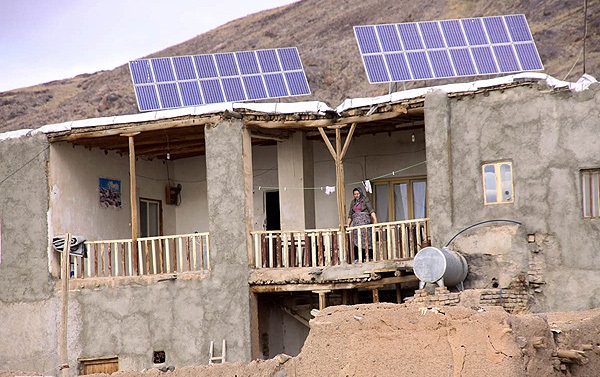
Rural solar panels
People that help people go solar in developing nations have a great amount of job satisfaction even though the actual job is just “mechanics”

Are you feeling stuck in a job that drains your energy and leaves you dissatisfied? You’re not  alone. Job dissatisfaction is a widespread issue that can have detrimental effects on your  overall well-being. However, it’s not a situation you have to endure indefinitely. In this article,  we’ll explore practical tips to help you escape the rut of job dissatisfaction and find greater  fulfillment in your career. We’ll also delve into the concept of frictional unemployment and its  relation to job dissatisfaction. 

Understanding Job Dissatisfaction and Frictional  Unemployment 

Job dissatisfaction refers to the unhappiness and discontentment experienced by individuals  in their current employment. It can stem from various factors, such as a lack of growth  opportunities, poor management, work-life imbalance, low compensation, or unsupportive  workplace culture. When left unaddressed, job dissatisfaction can take a toll on your mental  and physical well-being, leading to stress, burnout, and reduced productivity. 

On the other hand, what is frictional unemployment? It is a type of unemployment that  occurs when individuals are temporarily out of work as they search for new job opportunities.  It often arises due to transitions between jobs or when individuals enter the job market for  the first time. Frictional unemployment is a natural part of a dynamic labor market and can  contribute to job dissatisfaction if the transition process is prolonged or frustrating. 

Identifying Signs of Job Dissatisfaction 

To begin overcoming job dissatisfaction, it’s crucial to identify the signs that indicate you may  be unhappy in your current job. These signs can manifest as a lack of motivation, persistent  stress or anxiety, boredom, or a feeling of being unappreciated. Pay attention to any  negative changes in your attitude towards work or your overall well-being. Recognizing these  signs will help you take proactive steps toward finding a more fulfilling career path. 

Practical Tips for Overcoming Job Dissatisfaction

  1. Assess Your Values and Goals: 

Take some time to reflect on your core values and long-term career goals. Evaluate whether  your current job aligns with these values and goals. If there is a significant misalignment, it  might be time to consider alternative career paths that better resonate with your aspirations. 

  1. Improve Communication with Your Supervisor and Colleagues: 

Open and honest communication is crucial for addressing job dissatisfaction. Schedule a  meeting with your supervisor to discuss your concerns and explore potential solutions.  Foster constructive conversations with your colleagues to build a supportive work  environment and strengthen professional relationships. 

  1. Seek Professional Development Opportunities: 

Continuous learning and personal growth can be instrumental in finding job satisfaction.  Identify areas for improvement and seek out professional development opportunities, such  as workshops, courses, or certifications. Developing new skills can enhance your value as  an employee and open doors to new career prospects. 

  1. Consider a Career Change or Transition: 

If all other avenues fail to alleviate your job dissatisfaction, it might be time to consider a  career change or transition. Research different industries and roles that align with your  interests and strengths. Take small steps, such as networking, updating your resume, and  exploring new job opportunities, to navigate the path towards a more fulfilling career. 

Addressing Frictional Unemployment: Strategies for a Smooth  Transition 

Now that we’ve touched on the concept of frictional unemployment, let’s explore strategies to  facilitate a smooth transition during this phase: 

  1. Build a Strong Personal Brand and Network: 

Enhance your professional presence by developing a strong personal brand. Create or  update your LinkedIn profile, engage in industry-specific online communities, and attend  networking events to connect with professionals in your desired field.

  1. Utilize Online Job Platforms and Recruitment Agencies: 

Leverage online job platforms, such as LinkedIn Jobs, Indeed, or Glassdoor, to search for  relevant job opportunities. Additionally, consider partnering with recruitment agencies that  specialize in your desired industry or field. 

  1. Upskill and Engage in Continuous Learning: 

To improve your employability and increase your chances of securing a new job, invest time  in upskilling. Identify relevant skills or certifications in your target industry and pursue training  or educational programs to enhance your qualifications. 

man holding sun sign
Learn a new job in renewable energy and expand your horizons.

Embracing Change: Your Path to a Fulfilling and Satisfying  Career 

Job dissatisfaction can be a significant roadblock to personal and professional growth. By  implementing the practical tips outlined in this article, you can start taking active steps  toward overcoming job dissatisfaction and finding greater fulfillment in your career.  Remember, the process may involve a transition period, which may result in frictional  unemployment. However, by understanding the concept and employing the strategies  discussed, you can navigate this phase more effectively. Embrace the opportunity for  positive change and embrace a brighter future in your professional life.

The Healthiest Vegan Smoothie

0

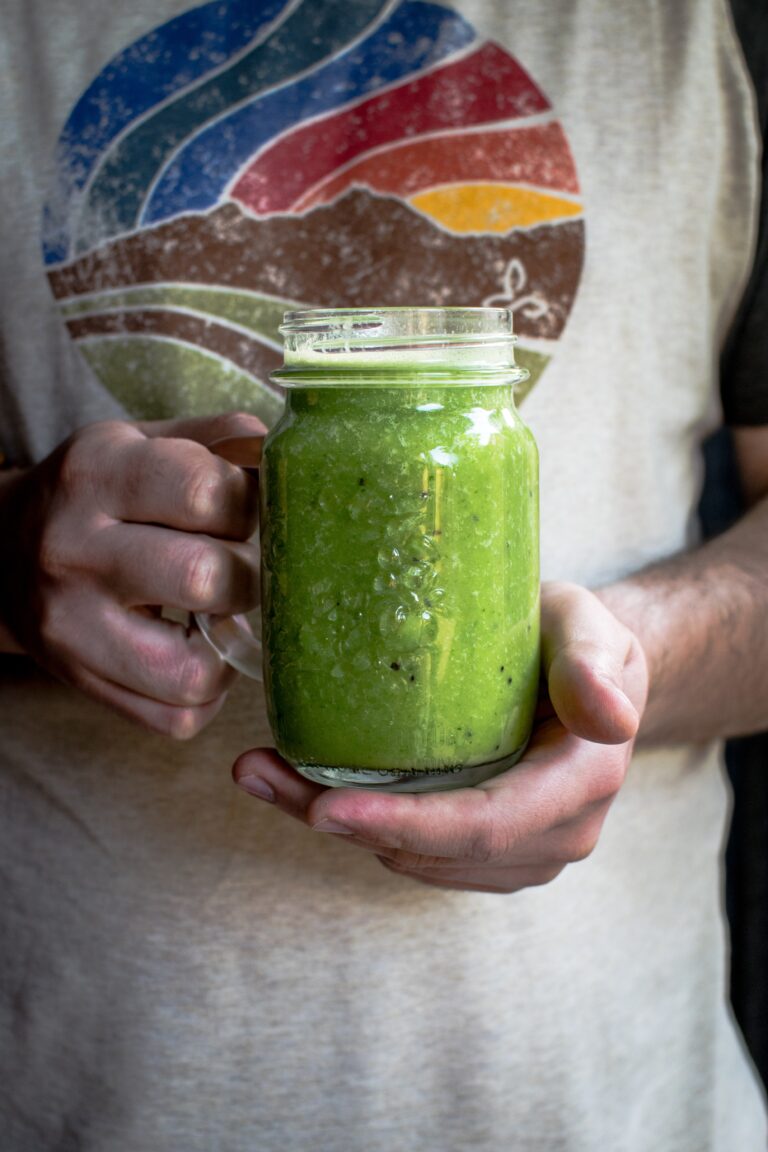
picture of a green smoothie (what the smoothie would look like)

Veganism is taking the world by storm, with more than 79 million vegans taking over the diet industry. Being vegan is adventurous, fun, and full of amazing health and environmental benefits.

Going vegan is not as hard as people may think, there are plenty of food alternatives that can substitute all the delicious foods that you’d hate to give up. In addition, the environmental benefits of going vegan are astronomical and can vastly reduce one’s carbon footprint. Today I will share with you a recipe that I have been making for years now. It is delicious, incredibly healthy, and definitely worth trying.

Spinach Banana Peanut Butter Smoothie

If you like the banana and peanut butter combo, you are sure to like this smoothie. It is thick, creamy, sweet, and vegan. It is high in protein and healthy fats to keep you satisfied all day. It is full of nutrients to promote good health and a clear mind. This is a must-try for those who are vegan or just want to find a delicious smoothie recipe.

Ingredients:

  • Spinach

Spinach is one of the healthiest things you can put in your smoothie. The good thing about spinach in smoothies is that it does not taste like anything in smoothies, especially with bananas and peanut butter. There are tons of amazing health benefits in spinach, such as its anti-inflammatory, preventing cancer, reducing blood sugar, helping with weight management and so much more.

  • Banana

Bananas are my favorite fruit to put in any smoothie because they provide a thick and creamy, sweet flavor and are full of nutrients like potassium. Make sure to use bananas that are ripe in order to get the best results.

  • Peanut butter

Peanut butter is a must in this recipe. It is high in protein and provides a lot of flavor. Peanut butter is delicious and filling, and full of great health benefits. Just make sure you are using natural peanut butter and that its only ingredient is peanuts. You can also use other nut butters such as almond butter and sunflower seed butter.

  • Oat milk

Oat milk is vegan, delicious, and works great in any smoothie recipe. You can also use other non-dairy milks like almond milk or soy milk, but I’d stay away from almond milk as it is not the best for the environment. Also, make sure you are using good oat milk as many oat milk companies fill their milk with bad ingredients, so I recommend you can make your own oat milk.

  • Flaxseed

This ingredient is not as common in smoothies but it’s something I’ve been incorporating for a while now that people do not know how healthy it is. Flaxseed is full of fiber and a great source of omega-3 fatty acids.

  • Vegan protein powder of your choice

This is your choice in selecting a protein powder. There are so many protein powders on the market, but few that are both vegan and clean. There is also the option of choosing a flavored protein powder, like vanilla or chocolate. I suggest getting one that’s either vanilla or chocolate because it adds more flavor. Just make sure you read the ingredients carefully and know what is inside the protein powder so that it is good for you and vegan.

picture of a women preparing a smoothie

This recipe is quick and easy to make. One tip that I recommend is to freeze your bananas. This is my best tip for making a thick, creamy smoothie. No matter what fruit you put into your smoothie, you should use it when it’s frozen. This way you don’t have to use ice cubes to make it cold and it won’t water down your smoothie.

For the most part, you don’t need to use exact measurements when making a smoothie. I typically estimate what I think works best, but this is around how much I use in a single serving for this smoothie. There is also no specific order in making this smoothie and all ingredients can be thrown into a blender and you are sure to come out with a delicious smoothie.

  • Handful of spinach
  • 1 banana
  • 1 cup oat milk
  • 2 tablespoons flaxseed
  • 2 scoops of protein powder

picture of a bowl of spinach

You are also welcome to add/take out any ingredients in the recipe. Other things you can add to your recipe include other fruits like mixed berries. There are tons of other nutrients you can add to your smoothie to make it a superfoods smoothie with tons of vitamins and minerals.

I love using superfoods powder, which is typically vegan but you should always double-check. In addition to flaxseed, you can also try hemp seeds and chia seeds. You can even add different greens to the smoothie like mixed greens, kale, or even avocado.

picture of a superfoods powder
Garden of Life’s vegan’s superfoods powder

Smoothies are one of the best foods to incorporate into your diet for how healthy and customizable they are. It is so easy to add healthy and nutritious items to your smoothie in order to ensure you are getting in all your vitamins and minerals. It is easy to go vegan with this smoothie recipe.

Food alternatives to go vegan

0

picture of cows

As I wrote previously about the vegan festival in Tel Aviv, I will continue writing here on going vegan and why it helps the environment so much. The benefits of going vegan are endless. Did you know that one person going vegan saves 30 animals’ lives a year? Or that going vegan can reduce water waste by 50 percent?

These are only two of the many reasons why going vegan creates such a positive impact. However, going vegan is not as complicated as people think. With veganism being so popular today, so many startups have begun that sell alternatives to your favorite foods. In this article, I will list some of the alternatives to some of your favorite meat and dairy products.

Meat for vegans

plants in beakers
Meat alternatives are often made in a lab

One of the hardest aspects of veganism for so many is giving up meat. It becomes challenging to find alternatives to meat, especially for those who are trying to get lots of protein in. However, there are many alternatives to meat and protein that ensure you get the benefits of meat so that you can cut it out.

First off, my favorite: tofu. Tofu is a highly nutritious, soybean-based protein source that can be swapped in as an alternative to chicken, beef, turkey, lamb, etc.

Tofu is especially fun for those who love crafting up recipes as tofu can be crafted into so many delicious things. For example, tofu can be made Asian style with soy sauce or teriyaki sauce. It can also be used in a Thai recipe with curry or in a pad Thai. Israelis also enjoy tofu on top of salads mixed with tahina, hummus, and even za’atar. Check out this recipe on how to make Za’atar-Flavored Tofu. Tofu can be prepared by baking, frying, or stir-frying, and can be put on top of anything.

If you are hesitant about tofu or do not like it. There are alternatives to chicken, beef, and fish that you can buy in the store. There is also vegan schnitzel in store at your local AM PM (which I like to buy) and tastes delicious you would never guess there is no meat in it. As I found at the vegan festival, Creative Pea sells alternatives to these meat products made from pea protein, and are all so delicious. Other companies include Impossible Foods and Beyond Meat but may not contain the best ingredients.

picture of the vegan chicken at Creative Pea at vegan festival

Other excellent sources of protein include black beans, chickpeas, and lentils. Nut butters and seeds are also high in protein and a great source of heart-healthy fat. Beans are high in fiber and can be customized to fit into many meals. Nuts and seeds are also linked to good health and less chance of getting cancer.

Dairy for vegans

Dairy products are a little more tricky when it comes to going vegan. This is because although being vegan is good for the environment, the sourcing of vegan products is not always made sustainably. For example, almond milk is destructive to bee hives and uses a lot of nuts to produce 1 carton of milk. A good alternative that is both vegan and produced sustainably is oat milk.

Still, you need to be careful when purchasing oat milk because the ingredients are not always the best, containing a lot of sugars and additives. If possible, try making your own oat milk with this recipe. You can also purchase vegan cheeses, yogurts, and ice creams. First off, head over to Otello if you want some really good vegan gelato. As I mentioned in my article on the vegan fest, Plenty offers a range of delicious vegan cheeses, yogurts, and cream cheese.

picture of cheese

Protein Supplements for vegans

If you are still struggling by the end of this article to find protein alternatives, there are protein powders, bars, drinks, etc. on the market that are vegan. Especially if you have a sweet tooth, this is a good option for you. The best option to get the best health benefits is by making protein smoothies, this way you can get in your veggies. A favorite of mine is one with spinach, banana, peanut butter, and chocolate protein powder. Protein powders make your life so much easier to get in protein because it’s easy to mix into anything. For example, mix protein powder into your pancake mix and you have high-protein, vegan pancakes.

picture of smoothies

Still looking for vegan options? Check out an article that lists more vegan companies.

Bedouin Traditions to bring back a sustainable community with Project Wadi Attir

picture of the grounds at Project Wadi Attir

We pulled up into a barren plot of land that stretched for miles. I, and the rest of my Onward friends in my Israel internship program were utterly confused. Where were we? I remember thinking. We were quite literally in the middle of nowhere, just miles of open, dry land, the land of Israel.

Once we got off the bus we were brought into a room with tables and a board where we learned what we were here for. Project Wadi Attir, is a sustainable development organization that aims to farm through Bedouin traditions in an eco way. Fostered by The Sustainability Laboratory, the goal of this project and the other projects is to integrate sustainable practices of agriculture.

The property is located in the north Negev desert and it desires to bring back original Bedouin traditions like folk medicine that have been long forgotten from the past. Traditional Bedouin culture were nomad Arabs who farmed the land in a sustainable way. This project brings back this method of farming so that farmland is better preserved and taken care of, and this was very clear as we were taken on our tour of the property.

They showed us around the 100-acre land and showed us some of the goats and sheep. The goats are milked by hand only and we even were able to hold one of the goats. They also served us some labneh, which was goat cheese they made on-site. You can make your own labneh with our recipe here.

Hold a goat

picture of friend in program holding one of the goats

“This whole project is to take all the tradition and knowledge the Bedouins had for thousands of years in the desert and try to use it and bring it back with the most advanced technique and technology,” said Mohammed Alnabari, one of the founders of the project.

This project was also inspired to achieve a holistic approach back to a natural way of healing. Similarly to Tavlinsky and Cafe Levinsky crafting their ingredients on site, the project produces its own herbs, dairy products, and vegetables all made sustainably through an ancient Bedouin method of cultivation, and is supposed to provide a more natural way of living.

It is also hopeful to inspire other farmland to adopt this agricultural style in order to preserve the planet and support the Bedouin community and lifestyle. You can also buy their herbs and medicinal plants in the store they have on site.

Although it may seem like this place is all designed to be ancient and hand produced, there are solar fields on site that they use to generate electricity. In addition, the goat milking facility is one of the most advanced in Israel. Each goat has an ID bracelet, which tells them a lot of information like how much milk it yielded, how much time it milked, how old she is, and information on the milk cycle. “It can milk 48 items, goats or sheep at one time,” said Alnabari on the milking process. There are 100 goats and 100 sheep being milked right now on-site, giving about 3 liters of milk and being used to produce traditional Bedouin cheese.

What was so unique about my experience at Project Wadi Attir was that there were little kids there, learning, playing, and just experiencing the culture. When we arrived, the kids were staring at us like deer in the headlights. A group of modern, flashy young adults from America standing in front of tiny children that knew nothing of our lifestyles. I wasn’t able to speak to any of these children (mostly because they didn’t speak English), but it would be so interesting to know what they are thinking and get the perspective from their side.

picture of the site and some children that were there

The children that were at Project Wadi Attir

This Project not only builds a more sustainable Bedouin farm life, but also reestablishes a Bedouin tribe that brings people together from all over the world. As international relations is a complicated subject that is so heavily discussed in the Middle East, these projects are crucial in creating stronger bonds between people because it allows us to look each other in the eye and see different perspectives.

Seeing how other people live is the first step in forming peaceful relations and also grows our intellect just to see how other people live.

What is Asbestos? 

0
Asbestos warning sign
Asbestos warning

Asbestos is a fiber with a lifelong lifespan and is resistant to fire, heat, corrosion, severe mechanical forces, chemicals, and biological decomposition. It also does not evaporate and is not water-soluble. Industrialists used asbestos for thermal insulation, , and construction for over a century because of these distinctive properties and inexpensive costs. 

However, asbestos is a hazardous chemical and a poisonous pollutant once airborne and which causes a rare kind of incurable cancer. Three primary types of cancer are linked to asbestos exposure include mesothelioma, lung cancer and laryngeal cancer. As a result, it was outlawed for use in manufacturing and trade in Israel and other Western nations.

Where is asbestos found?

Building Demolition

Asbestos is found naturally and asbestos production began in the Russian Empire in the 1880s, and the Alpine regions of Northern Italy, although this was soon replaced by the greater production levels from the Canadian mines.

In Israel it is most likely to be found in buildings that are being demolished or renovated and in locations where asbestos debris is not adequately covered or protected from wind erosion. The amount of asbestos present in a residence depends on the condition of the asbestos. Damaged, worn, or crumbling asbestos has a higher chance of releasing fibers into the air.

In cities like Tel Aviv and Jaffa you can find it everywhere covering parking lots for shade or as a low cost thermal insulation on older low-rise buildings. It cracks off as it ages and it’s a health hazard.

Asbestos in the Soil

In the late 20th century, asbestos was widely used in the Western Galilee region of Israel after a cement plant called Eitanit opened in 1952. As a result, the soil  became contaminated with a large amount of asbestos. In 2011, the Ministry of Environmental Protection started a project to find and remove the asbestos waste from the affected sites in Western Galilee.

Loose asbestos has been found in various locations in Western Galilee, such as parking lots, roads, and hiking trails.

How would I get exposed to asbestos?

Asbestos exposure primarily occurs through inhaling airborne asbestos fibers released in the air from asbestos products or damaged asbestos cement materials. Certain occupations, such as insulation workers, asbestos removal workers, IDF troops working with brakes, and personnel involved in asbestos product maintenance, are at risk of inhaling higher amounts of asbestos fibers if they work with asbestos without proper protection.

What are the health risks?

Asbestos removal Turkey
Asbestos removal in Turkey

The International Agency for Research on Cancer (IARC) classifies all types of asbestos as human carcinogens, meaning they can cause lung cancer and other cancers affecting the lining of the lungs and other internal organs. According to the IARC, these diseases usually emerge several years after exposure and often result in fatality.

Most cases of asbestos-related health issues occur among people who have had jobs in asbestos mines, factories, or construction work involving asbestos cement for many years. However, individuals living near asbestos factories, having asbestos in their homes, or family members of asbestos workers, are also at risk of developing health problems due to exposure to asbestos in their environment.

It is important to note that asbestos-related diseases typically occur twenty or more years after inhaling asbestos fibers. Therefore, exposure to asbestos at an earlier age increases the risk of developing illnesses later in life.

What is the Israeli Government doing about asbestos?

In 2021, The Ministry of Environmental Protection permitted removing asbestos-cement roofs and installing solar panels as replacements. They allocated NIS 11 million from their cleaning budget for this initiative. Moreover, they set aside NIS 1 million ($250,000 USD) specifically for a “home contractor” responsible for safely removing and cleaning asbestos hazards.

The ministry estimates that the nation utilized around 85 million square meters of asbestos cement. Most of this asbestos cement was employed for roofing purposes in private homes, government buildings, businesses, farms, and military bases. The installation of many of these roofs occurred between 1960 and 1980. Gradually, these roofs have deteriorated and broken due to exposure to weather conditions and improper handling. You can find them everywhere in Israeli cities.

Laws established in 1964 aimed to ensure that workers exposed to talc, silicon dioxide, and asbestos dust received regular medical check-ups. The Occupational Hygiene and Health of Public and Workers Exposed to Hazardous Dust Regulations of 1984 specified rules for monitoring dust in workplaces and the environment and listed the compounds that were allowed or prohibited.

In 2011, the Prevention of Asbestos Hazards and Harmful Dust Law was enacted. Like other developed countries, this law prohibits using asbestos in new construction, which helps reduce asbestos exposure in the environment. By 2021, the law requires the gradual elimination of easily crumbled asbestos from commercial and public buildings. The law also mandates the need for permits and licenses for asbestos-related work, as well as proper maintenance of asbestos cement in public structures.

What is the difference between asbestos cement and friable asbestos?

Asbestos cement is a building material that contains a mixture of asbestos fibers (about 10%) and cement in a rigid state. It is used in industrial buildings, public buildings, agricultural buildings, and residential buildings. Asbestos cement sheets are usually flat or wavy panels that are used to cover roofs and walls, water and sewage pipes, gutters, chimneys, roof tiles, planters, and water tanks. It is estimated that Israel has more than 100 million square meters of asbestos cement panels.

Friable asbestos is a substance containing asbestos (more than 1% of the weight of the material) that, when dry, can be crumbled, crushed, or reduced to powder by manual pressure. Friable asbestos was used mainly for thermal and acoustic insulation, in vehicles, in IDF equipment, and in household products such as kerosene stoves, plates for use on stoves in both kitchens and laboratories, and fire-resistant blankets and gloves. Israeli law requires the removal of all friable asbestos from structures in Israel by the year 2021, and imposes strict restrictions on the continued use of any structure still containing friable asbestos, until it is removed.


How to build a terrarium

0
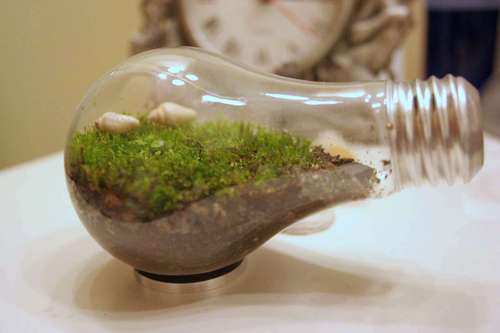
how to build a terrarium
Learn how to build a terrarium in some quick and easy steps

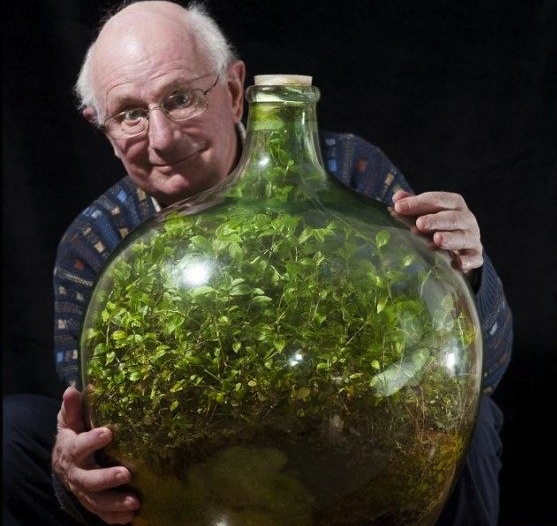
Welcome to the world of terrariums! You came here because you might have seen the video about the man who built a terrarium 50 years later it was still thriving.  These delightful little ecosystems are like magical gardens tucked into a transparent plastic or glass world. Picture yourself as a skilled architect, creating a miniature paradise for your leafy friends. Let’s embark on a journey of imagination and make this terrarium adventure even more fun!

Making a terrarium is a fun and creative way to bring a miniature garden into your home or office. Terrariums are self-contained ecosystems that require minimal maintenance. 

Why build a terrarium?

Terrariums are a fantastic addition to your home for many reasons. They can elevate your living space with their natural beauty. The terrarium’s miniature garden can be enjoyed without the mess and hassle of traditional gardening. With their self-contained ecosystem, terrariums require minimal maintenance, making them easy to look after and perfect for those with busy lifestyles. 

David Latimer from the UK bottled a terrarium 50 years ago

Creating a terrarium can also be a fun and creative project that allows for personal artistic expression. They provide a way to keep plants alive and thriving throughout the year, even if unsuitable for your native environment. Additionally, tending to a terrarium can be a calming and stress-relieving activity.

Terrariums allow you to grow plants in places with low natural light, such as offices or rooms with limited sunlight, providing a green touch to spaces that are not conventional for traditional gardening. Terrariums are an excellent choice for plant enthusiasts and those seeking to enhance their indoor spaces.

Here’s a step-by-step guide on how to make a terrarium:

Choose a container: Select a clear glass or plastic container with a lid. It could be a fish tank, a glass jar, a vase, or a transparent container. An old Italian wine jar works well.

Gather materials: You’ll need the following materials:

• Gravel or pebbles (for drainage)
• Activated charcoal (to filter the water)
• Potting soil 
• Small plants (such as moss, succulents, or ferns)
• Decorative elements (such as rocks, pebbles, or figurines)
• Spray bottle or watering can (for watering)


Prepare the container:

• Start by adding a layer of gravel or pebbles at the bottom of the container.
◦  This layer will provide drainage for excess water.
• On top of the gravel, add a thin layer of activated charcoal. 
◦ The charcoal helps filter the water and keeps it fresh.
• Add a layer of potting soil or your chosen substrate. 
◦ Make sure it’s deep enough for the roots of your plants.

Planting

• Plan your design before placing the plants. 
• Consider the size and growth habits of each plant.
• Create small holes in the soil to accommodate the roots of the plants.
• Gently place the plants into the holes and cover their roots with soil. 
• Press down gently to secure them in place.
• Leave enough space between the plants so they have room to grow.

Decorate

• Add decorative elements like rocks, pebbles, or figurines to enhance the visual appeal of your terrarium. 
• Be creative and create a miniature landscape.

Moisture

• Water the terrarium sparingly using a spray bottle or a watering can. Avoid overwatering, as it can lead to fungal growth or root rot.
• Monitor the moisture level by checking the soil. If it’s too dry, mist the terrarium lightly. If it’s too wet, leave the lid open to allow excess moisture to evaporate.

Placement and maintenance:

• Place your terrarium in a location with indirect sunlight. 
• Avoid direct sunlight, which can create excessive heat and damage the plants.
• Monitor the terrarium regularly. 
• Remove any dead leaves or plants to maintain a healthy environment.
• If condensation builds up inside the terrarium, open the lid briefly to allow air circulation.

Remember that each terrarium is unique, and you can experiment with different plants, containers, and decorations to create your own personalized miniature garden.

Enjoy the process, and have fun creating your terrarium!

The Green Commute: How Evolve Skateboards Contribute To Sustainable Transportation

Skateboarding to work

Are you ready to redefine your commute? As the world grapples with climate change, it’s high time we rethink how we travel. Sustainable transportation isn’t just a trend—it’s a necessity for the future.

In bustling cities worldwide, cars fill the roads, spewing carbon emissions into our precious air. Meanwhile, a green revolution is quietly gaining momentum. Ever heard of electric skateboards? They’re not just for thrill-seekers anymore.

Let’s venture into the innovative domain of Evolve Skateboards, a forerunner steering us towards a greener, more sustainable tomorrow. Picture this: zipping through city streets, propelled by nothing but smooth, silent electric power. You might discover that this isn’t a distant dream but an attainable reality.


The Need For Sustainable Transportation

You may not realize it, but each choice we make about our daily commute plays a significant role in our planet’s health. Modern transportation modes, while convenient, have come with a heavy price:

  • Carbon Emissions: Traditional vehicles burn fossil fuels, releasing large quantities of carbon dioxide. This greenhouse gas traps heat, accelerating global warming.
  • Air Pollution: Vehicle emissions contribute significantly to air pollution, leading to numerous health issues and a decline in overall air quality.
  • Noise Pollution: The incessant sounds of traffic aren’t just a source of irritation; they’re also a form of pollution that can harm our mental and physical health.

Given these concerns, it’s clear we need more sustainable alternatives. This necessity nudges us to explore electric skateboards and other eco-friendly solutions. Spearheading this shift towards sustainable transportation is a company named Evolve Skateboards.

Evolve Skateboards: The Company And Vision

Born from a love for skateboarding and a commitment to sustainable practices, Evolve Skateboards has turned heads in the world of eco-friendly transportation. Here’s a peek into their journey:

  • The Dream: The company started with a simple idea: to create a high-performance skateboard that’s not only thrilling to ride but also environmentally friendly.
  • The Evolution: Over time, Evolve Skateboards has grown from a niche concept to a popular choice for green commuters worldwide, constantly innovating and improving their product designs.
  • The Mission: With every board they manufacture, the goal remains the same—to create an incredible riding experience that leaves a minimal environmental footprint.

Who says going green has to be dull? Let’s dig deeper into the specifics of how Evolve Skateboards are making this dream a reality.


How Evolve Skateboards Contribute To Sustainable Transportation

Think of a skateboard. Now, supercharge it with electric power, sleek design, and a dash of environmental consciousness. That’s an Evolve Skateboard for you. Let’s see how it reshapes our daily commute:

  • Energy Efficiency: Unlike cars, electric skateboards use far less energy to transport a person. They’re efficient, requiring minimal electricity to keep you cruising.
  • Zero Emissions: Evolve Skateboards produce no exhaust fumes, helping to combat air pollution and reducing our carbon footprint.
  • Less Traffic Congestion: They’re compact, making it possible to navigate the city without contributing to traffic congestion, a growing problem in urban environments.
  • Use Of Renewable Energy: With an electric skateboard, you can power your rides with renewable energy sources if your electricity comes from wind, solar, or hydro sources.

It’s clear these skateboards offer impressive capabilities, but how does it all work? Let’s peel back the layers.

Understanding The Efficiency Of Evolve Skateboards

Evolve Skateboards are more than just stylish rides; they’re feats of engineering designed for maximum efficiency and minimal environmental impact. Here’s a closer look:

  • Battery Technology: Evolve uses lithium-ion batteries known for their high energy density, longevity, and efficiency. This allows for longer rides without frequent recharges.
  • Regenerative Braking: When you brake on an Evolve skateboard, it’s not just slowing you down. The energy from braking is fed back into the battery, reducing waste and maximizing usage.
  • Performance And Speed: Despite their compact size, Evolve skateboards pack a punch when it comes to performance. They can reach speeds up to 31 mph, depending on the model and wheel size. This makes your commute not just greener but also faster.
  • Lifecycle: Designed with durability in mind, these skateboards are built to last. This reduces the need for frequent replacements, lowering the overall environmental impact.

skateboarding commute
Skateboarding commuter

With all this technology under the hood, it’s no wonder that Evolve is making waves in the world of sustainable transport

The Future Of Green Commute

In a world where every emission counts, the shift to sustainable transportation is no longer a luxury, but a necessity. The rise of electric skateboards, like those from Evolve, offers a glimmer of hope. With each person who trades a gas-guzzling vehicle for a sleek, energy-efficient skateboard, we move one step closer to cleaner air and quieter cities.

The potential impact of a wider adoption of electric skateboards is truly transformative. It’s a vision of a future where our commutes are not just convenient, but also in harmony with the planet. And with companies like Evolve leading the charge, this future seems more attainable than ever.

Conclusion

The green commute isn’t just a trend; it’s a journey towards a sustainable future. It’s a commitment to protect the world we live in, starting with the choices we make each day. Evolve Skateboards are proving that this journey can be not just responsible but also thrilling, revolutionizing our commute one ride at a time.

You can contribute to this change. As you prepare for your next journey, consider the impact of your choices. Could an alternative mode of transportation, like an electric skateboard, fit into your lifestyle? Give it a thought. The journey to a sustainable future starts with the choices we make today.


Australia legalizes MDMA psychedelics to treat PTSD

0

Amanita or fly agaric is a psychotropic mushroom found widely in Canada.
Amanita is a psychotropic mushroom found in Canada.

Australia is set to become the first country in the world to prescribe MDMA (commonly known as ecstasy) and psilocybin (found in “magic mushrooms”) as treatments for post-traumatic stress disorder (PTSD) and depression. This innovative approach marks a significant shift in the medical landscape, as Australia recognizes the potential benefits of psychedelic-assisted therapy in addressing mental health challenges. Psychedelics, researchers have suggested, can reset the brain when used in the right way.

Like cannabis and people who have turned to self-medicating, with the increasing need for alternative treatments and growing evidence supporting the efficacy of these substances, this decision could potentially pave the way for a revolution in mental health care. 

Australia’s commitment to prioritizing unconventional approaches to mental health exemplifies a nation’s capacity to overcome stigmatization of specific treatments and allocate resources to these methods due to their effectiveness.

“It’s not for everybody. We need to work out who these people are that are going to have bad experiences, and not recommend it,” says Susan Rossell, a psychiatrist at Swinburne University of Technology, Melbourne, who is working on Australia’s only active clinical trial testing psilocybin-assisted psychotherapy for treatment-resistant depression.

Rossell fears that, administered improperly, the drugs could give people bad trips and leave them with increased psychological issues: “That’s the worst-case scenario,” she says. Her own unpublished research suggests that 10–20% of trial participants have a “really terrible time” with these drugs.

Why is there a stigma around psychedelics?

In the 1960s, psychedelics became associated with the anti-establishment counterculture, and “bad trips.” Psychedelic drugs were included by politicians such as former President Nixon when the War on Drugs was declared. The same administration was against marijuana and outlawed it. Around that time an Israeli researcher Raphael Mechoulam was identifying THC and CBC in cannabis plants and when called upon by the American administration suggested cannabis as harmless.

Like any medicine, psychedelic drugs need to be administered in a controlled medical environment. 

In recent years, there has been resurfacing interest in psychedelic science, with growing advocacy for their use in treating mental illness. Supported by evidence-based research, psychedelics have emerged as powerful tools in the realm of psychedelic-assisted therapies and the development of improved mental health treatments.

To destigmatize psychedelics, it is crucial to address the lack of awareness, education, and perception surrounding them. This can be achieved by encouraging individuals to openly share their knowledge, engaging in honest conversations based on scientific facts to foster an environment of reduced fear and increased acceptance.

The Therapeutic Goods Administration (TGA), Australia’s drug regulator, approved this decision after a thorough three-year process and extensive consultation with experts. Patients will only have access to these drugs under supervised clinical settings and will not be able to obtain them for home use.

Psilocybin is converted to psilocin in the body and acts on serotonin receptors in the brain. A single dose of 25mg has shown significant antidepressant effects for up to three months 

Only psychiatrists who have received pre-approval through TGA authorized prescriber scheme will be able to prescribe MDMA and psilocybin for the treatment of PTSD or treatment-resistant depression.

Prescribers must submit a proposed treatment protocol that includes information on dosage and the number of therapy sessions. The TGA expects protocols that are similar to those used in clinical trials conducted both in Australia and internationally. Additionally, the proposed protocol must receive approval from a human research ethics committee.

While Australia’s decision to prescribe MDMA and psilocybin marks a critical milestone, challenges lie ahead. Adequate training and education for healthcare professionals will be essential to ensure safe and effective administration. Additionally, ongoing research and data collection will be crucial in further understanding the long-term benefits and potential risks associated with these treatments. Nonetheless, this pioneering move by Australia opens the door for other countries to explore the potential of psychedelic-assisted therapy, offering renewed hope for individuals battling mental health disorders worldwide.

Australia’s groundbreaking decision to prescribe MDMA and psilocybin for PTSD and depression signifies a revolutionary shift in mental health care. By embracing the potential of psychedelic-assisted therapy, Australia takes a bold step toward providing alternative, potentially life-transforming treatments to individuals in desperate need. As research and public perception continue to evolve, this decision could have far-reaching impacts on the global mental health landscape.

We need to address the growing mental health crisis right away. Stigma and shame around mental illnesses have caused problems in finding effective treatments. The negative beliefs and misinformation about psychedelics have also held back progress. But there is hope. If we start early and educate people, we can reduce stigma and improve access to better treatments.